RGB LED Fog Machine Suppliers and Manufacturers in China
Explore 26 verified suppliers offering RGB LED Fog Machine units with varying lead times, response speeds, and certifications. Buyers can compare specifications like power output, tank capacity, and warranty terms before contacting factories for quotes; review the available evidence before requesting comparable quotations from suitable candidates.
Suppliers List

Guangzhou Changyuan Stage Lighting Equipment Company Limited
- Verified by BV
- Combined
- China Guangdong
- Lead time30 days
- Avg. response≤ 25h
Main productsStage Light, LED Moving Head, Moving Head Light, Stage Effect, LED PAR Light, Battery Powered PAR Light, CO2 Machine, Foam Machine, Smoke Machine, Fire Machine
Main marketsSouth America,Africa,Domestic,Europe,North America

Guangzhou Sanfei Stage Lighting Co., Ltd
- Verified by BV
- Manufacturer/Factory
- China Guangdong
- Lead time15 days
- Avg. response≤ 4h
Main productsMoving Head Light, LED Stage Light, LED Moving Head Spot Light, LED PAR Light, LED Effect Light, LED Waterproof Light, LED Auto-Show Light, Laser Light, LED Matrix Light, LED Beam Light
Main marketsSouth America,Eastern Europe,Mid East,North America,Southeast Asia,Eastern Asia,Oceania,Western Europe,Africa


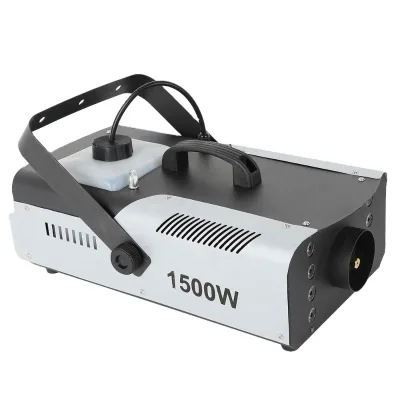
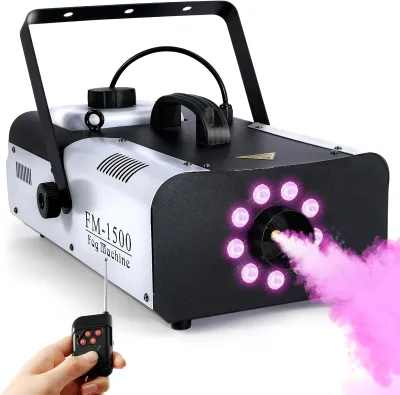
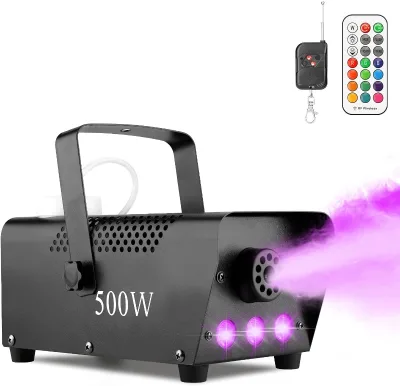
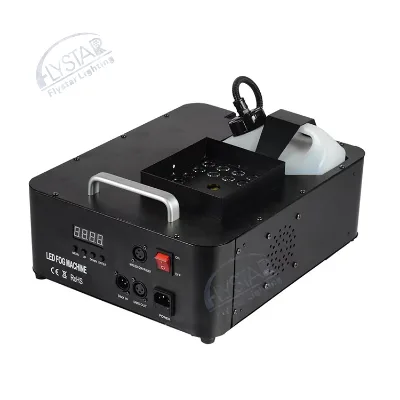
DMX512 Channel 1500W LED Fog Machine with Wireless Control and RGB Lights
$59.00 - $69.00
MOQ: 1 Pieces

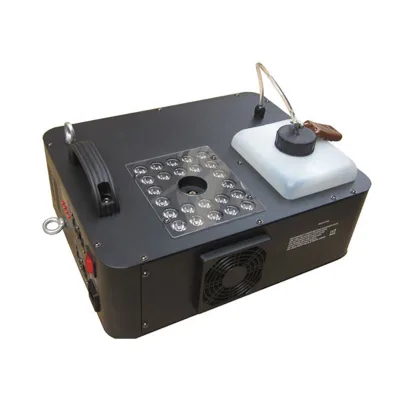
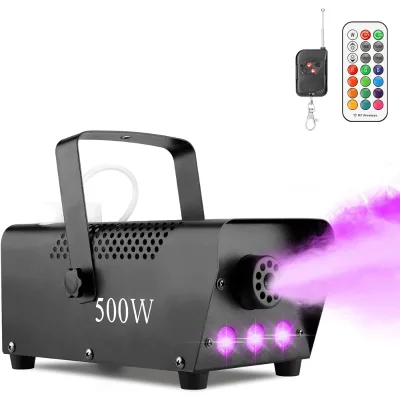
LED 24X9w RGB Somke Machine 1500W Power Fog Machine Good for Party Wedding Concert
$100.00 - $126.15
MOQ: 1 Pieces

$100.00 - $126.15
MOQ: 1 Pieces

$100.00 - $126.15
MOQ: 1 Pieces

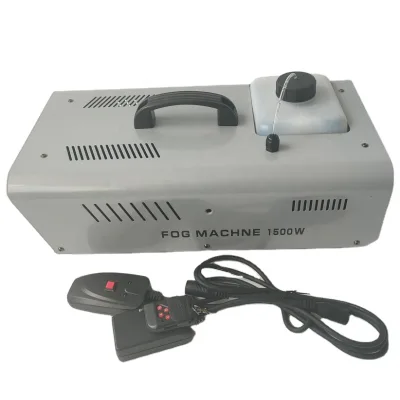
Hot Sale Wireless Remote Control R/G/B Fog Smoke Machine 1500W for Wedding Party Stage Atmosphere
$59.99 - $69.99
MOQ: 1 Pieces
Guangzhou Cheng Wen Photoelectric Technology Co., Ltd.
- Verified by SGS Group
- Manufacturer, Trading Company
- Lead time15 days
- Avg. response≤ 6h
Main productsLED Screen, Stage Lights
Main marketsNorth America(13%), Southeast Asia(13%), South America(12%)

Guangzhou Geliang Lighting Technology Co., Ltd.
- Verified by SGS
- Combined
- China Guangdong
- Lead time15 days
- Avg. response≤ 6h
Main productsLED Stage Light/Stage Lighting, LED Stage Lighting, LED Dance Floor, DMX Controller, LED Indoor and Outdoor Display Screen, LED PAR Can/LED PAR Light, Moving Head Light, LED Wall Washer, LED DMX Tube, LED Moving Head Light
Main marketsAfrica,Southeast Asia/ Mideast,Europe,Australia,North America

Guangzhou MINGXUAN Stage Light Equipment CO.,LTD
- Verified by CTI
- Trading Company,Manufacturer/Factory
- China Guangdong
- Lead time38 days
- Avg. response≤ 24h
Main productsMoving Head Light, Line Array Speaker, Truss Stage, Tent, Microphone, LED Screen, Mixer, LED PAR Can, LCD Screen, Small Speaker
Main marketsSouth America,Eastern Europe,Mid East,North America,Southeast Asia,Eastern Asia,Oceania,Western Europe,Africa

Guangzhou Sailwin Light & Audio Technology Co., Ltd.
- Verified by BV
- Combined
- China Guangdong
- Lead time15 days
- Avg. response≤ 6h
Main productsStage Light, LED PAR Light, Battery Powered LED PAR Light, LED Moving Head Light, Stage Special Effects, Laser Light, LED Wall Washer, Stage Light Truss, Moving Head Beam, LED Moving Head
Main marketsSouth America,Africa,Southeast Asia/ Mideast,East Asia(Japan/ South Korea),Europe,Australia,North America


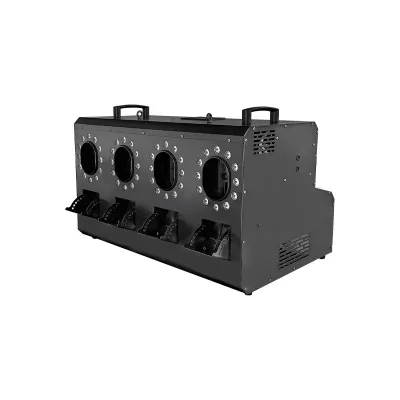
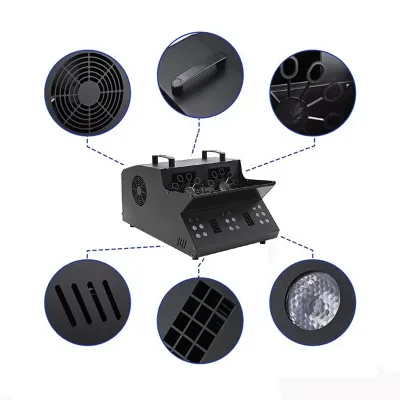
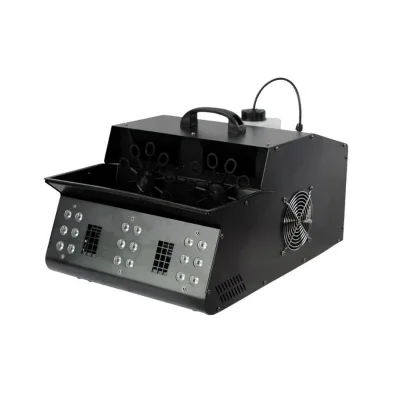
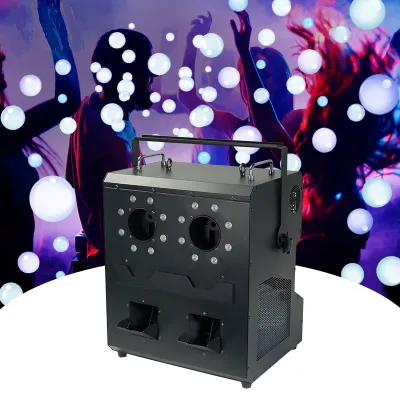
Sailwin Stage Light 2000W RGB Full Color LED Bubble Fog Machine for Event
$100.00 - $110.00
MOQ: 1 Sets


Guangzhou HOMEI Lighting Equipment Factory
- Verified by TUVRHEINLAND
- Combined
- China Guangdong
- Lead time15 days
- Avg. response≤ 3h
Main productsLED Star Cloth, LED Video Curtain, RGB Star Curtain, LED Stage Light, LED Dance Floor, LED Starlit Dance Floor, LED Star Curtain, LED Twinkling Dance Floor, LED Moving Head, LED Parcans Light
Main marketsSouth America,Africa,Southeast Asia/ Mideast,East Asia(Japan/ South Korea),Domestic,Europe,Australia,North America
Guangdong Jiale Electronics Co., Ltd.
- Manufacturer, Trading Company
- Guangdong, China
- Lead time15 days
- Avg. response≤ 3h
Main productsMoving Head Light,Beam Light,LED PAR Light,LED Wall Washer,Theater Light
Main marketsAfrica(50.00%), Eastern Asia(29.09%), Domestic Market(29.09%), North America(16.37%), South America(10.91%), Eastern Europe(10.00%), Oceania(10.00%), South Asia(8.48%), Western Europe(6.06%), Southern Europe(6.00%), Northern Europe(6.00%)
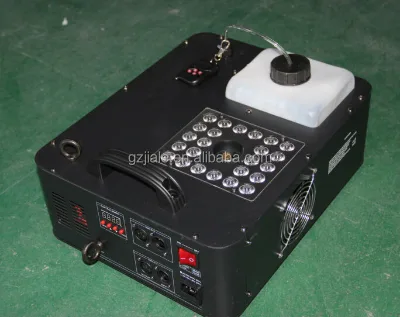
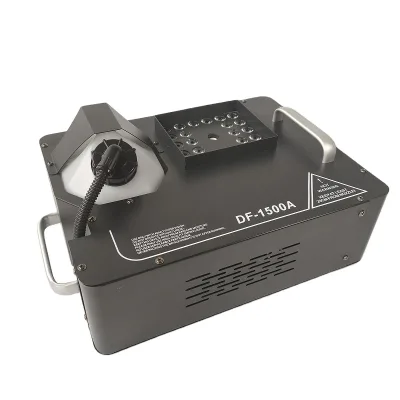
1500w LED RGB Column Fog Machine for Sale with Factory Price
$145.00 - $148.00
Guangzhou Disco Stage Effect Equipment Co., Ltd.
- Manufacturer
- Guangdong, China
- Lead time5 days
- Avg. response≤ 4h
Main productsFog machine,Cold spark machine,confetti machine,flame machine,co2 jet
Main marketsMid East(15.00%), South America(15.00%), North America(15.00%), Central America(10.00%), Northern Europe(10.00%), Southeast Asia(10.00%), Eastern Europe(8.00%), Western Europe(8.00%), Southern Europe(8.00%), South Asia(5.00%), Eastern Asia(5.00%), Africa(5.00%)
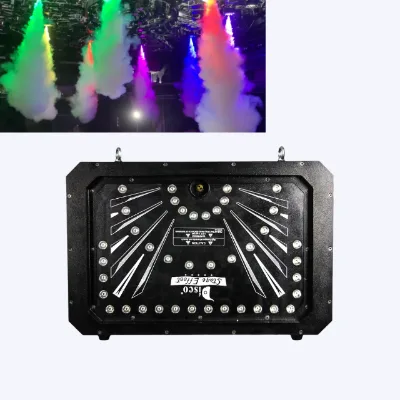
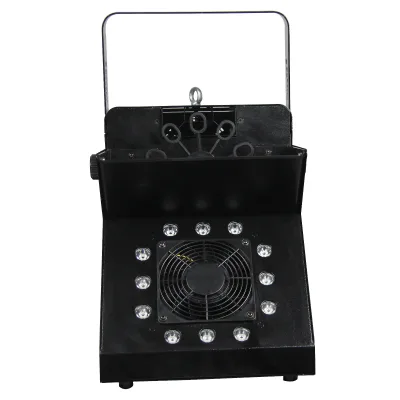
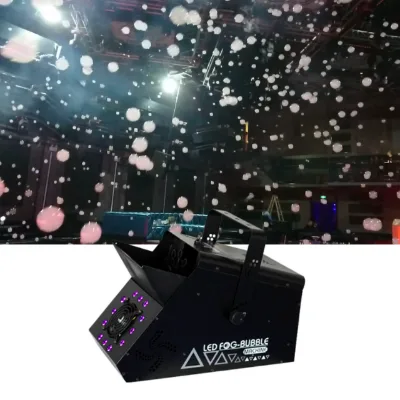
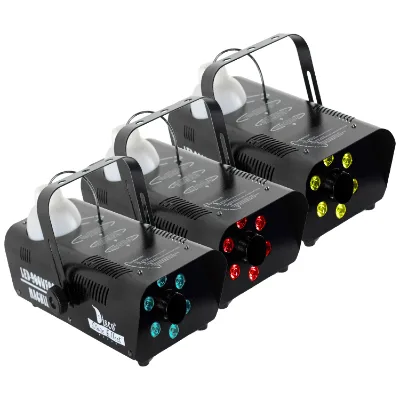
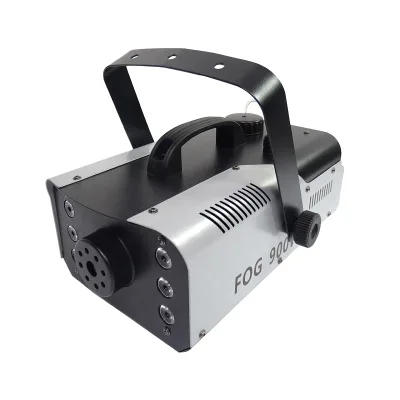
LED Lamp Beads 900w 1500 Watt Fog Machine with Color RGB
$45.00 - $59.00
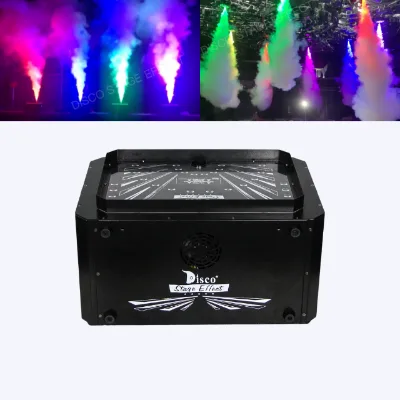
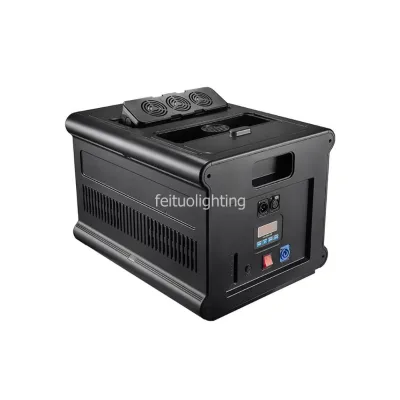
Stage Super Show Led Smoke up Fog Machine Rgb 3000 Watts
$465.00 - $545.00
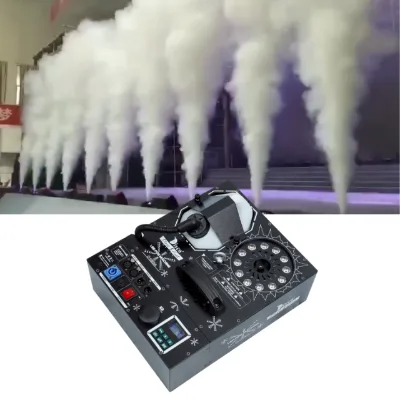

Guangzhou Metropolis Stage Lighting Co., Ltd.
- Verified by TUVRHEINLAND
- Trading Company
- China Guangdong
- Lead time15 days
- Avg. response≤ 17h
Main productsBeam Moving Head, LED Moving Head, LED PAR, Dance Floor, Lighting Console, Laser, Wall Washer, LED Screen, Stage Equipment, Battery LED Light
Main marketsNorth America
Ballet Star Technology (Guangzhou) Co., Ltd.
- Manufacturer, Trading Company, Distributor/Wholesaler
- Guangdong, China
- Lead time10 days
- Avg. response≤ 3h
Main productsSpecial effect equipment,Entertainment equipment,stage lighting,Intelligent electric appliance,Disinfection products
Main marketsMid East(20.00%), Northern Europe(20.00%), South America(20.00%), North America(20.00%), Western Europe(6.00%), Oceania(5.00%), Eastern Europe(5.00%), Eastern Asia(4.00%)
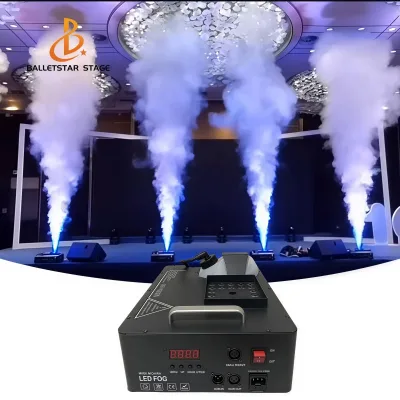
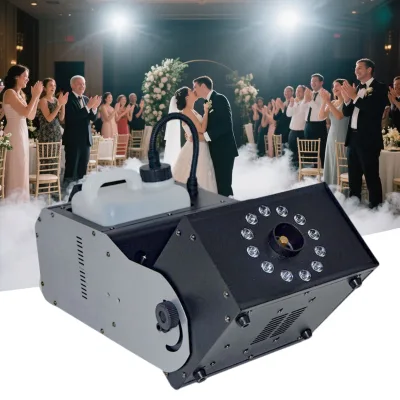
24 Led Rgb Color 1500W LED Column Fog Machine Smoke Machine for Weeding Party Club
$61.23 - $73.48
MOQ: 2 pieces
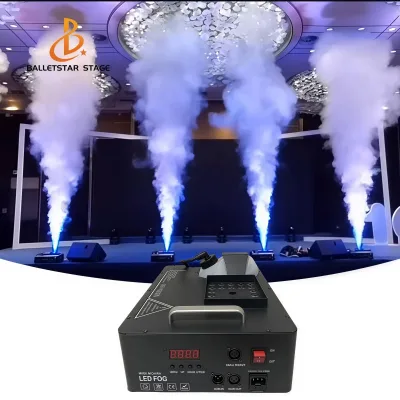
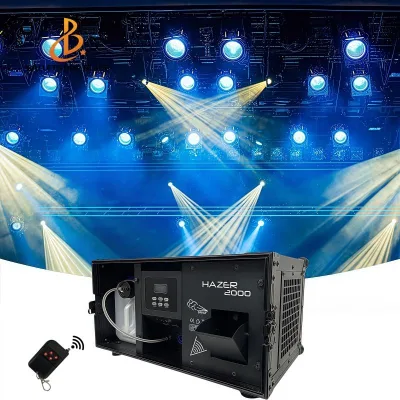
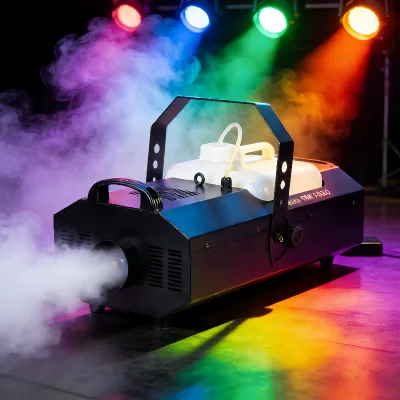
3000W Digital Nightclub Fog Machine DMX512 Wedding Fog Machine
$99.00 - $119.00
Guangzhou Huineng Photoelectric Technology Co., Ltd.
- Verified by SGS Group
- Manufacturer, Trading Company
- Lead time7 days
- Avg. response≤ 3h
Main productsLED Display And Stage Lights
Main marketsSouth America(30%), North America(20%), Southern Europe(18%)
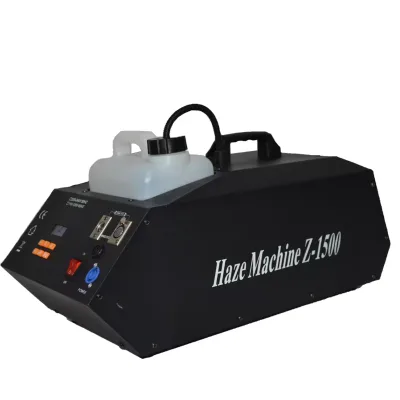
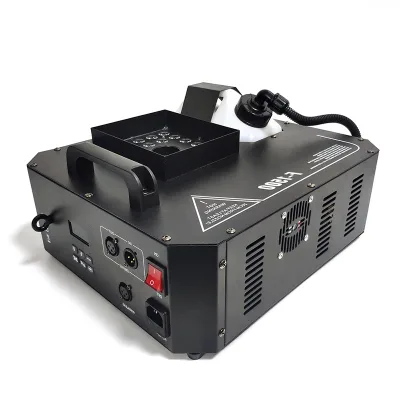
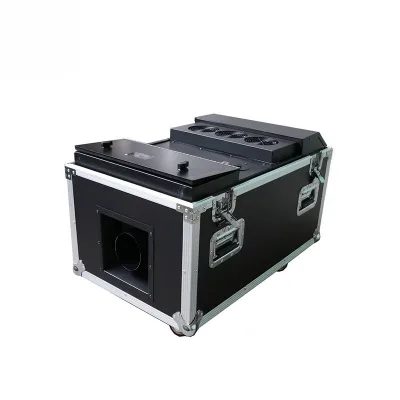
3000W Water Fog Machine Low Lying Smoke Floor Fog Machine
$253.00 - $257.00
Guangzhou Aicheng Technology Co., Ltd.
- Verified by TüVRheinland
- Manufacturer, Trading Company
- Lead time15 days
- Avg. response≤ 3h
Main productsOutdoor Par Light, Moving Heads Light, Wall Wash Light, Laser Light, COB Light
Main marketsEastern Europe(36%), North America(10%), Southeast Asia(10%)

Qingdao Century Runde Environmental Protection Equipment Co., Ltd.
- Verified by BV
- Combined
- China Shandong
- Lead time15 days
- Avg. response≤ 1h
Main productsFog Cannon, Mist Cannon, Water Truck, Car Wash Machine, Dust Suppression
Main marketsSouth America


Remote - Controlled Fog Cannon Machine with Long - Range Signal for Easy Operation
$3672.00 - $3969.00
MOQ: 1 set


Guangzhou Kxd Light Co., Limited
- Manufacturer
- Guangdong, China
- Lead time10 days
- Avg. response≤ 2h
Main productsStage Light,Moving Head Light,Disco Light,LED Par Light,Stage Effect Machine
Main marketsWestern Europe(22.00%), North America(18.00%), South America(15.00%), Domestic Market(7.00%), Southern Europe(6.00%), Northern Europe(6.00%), Eastern Asia(5.00%), Eastern Europe(5.00%), Oceania(5.00%), Central America(4.00%), Southeast Asia(2.00%), Africa(2.00%), Mid East(2.00%), South Asia(1.00%)
Guangzhou Fengya Lighting Equipment Co., Ltd.
- Manufacturer
- Guangdong, China
- Lead time7 days
- Avg. response≤ 4h
Main productsLED Par Light,led moving head light,moving head light,led washer light,laser stage light
Main marketsNorth America(30.00%), Western Europe(15.00%), Southern Europe(15.00%), Northern Europe(5.00%), Central America(5.00%), Eastern Europe(5.00%), Eastern Asia(5.00%), South Asia(5.00%), South America(5.00%), Southeast Asia(5.00%), Africa(3.00%), Domestic Market(1.00%), Mid East(1.00%)
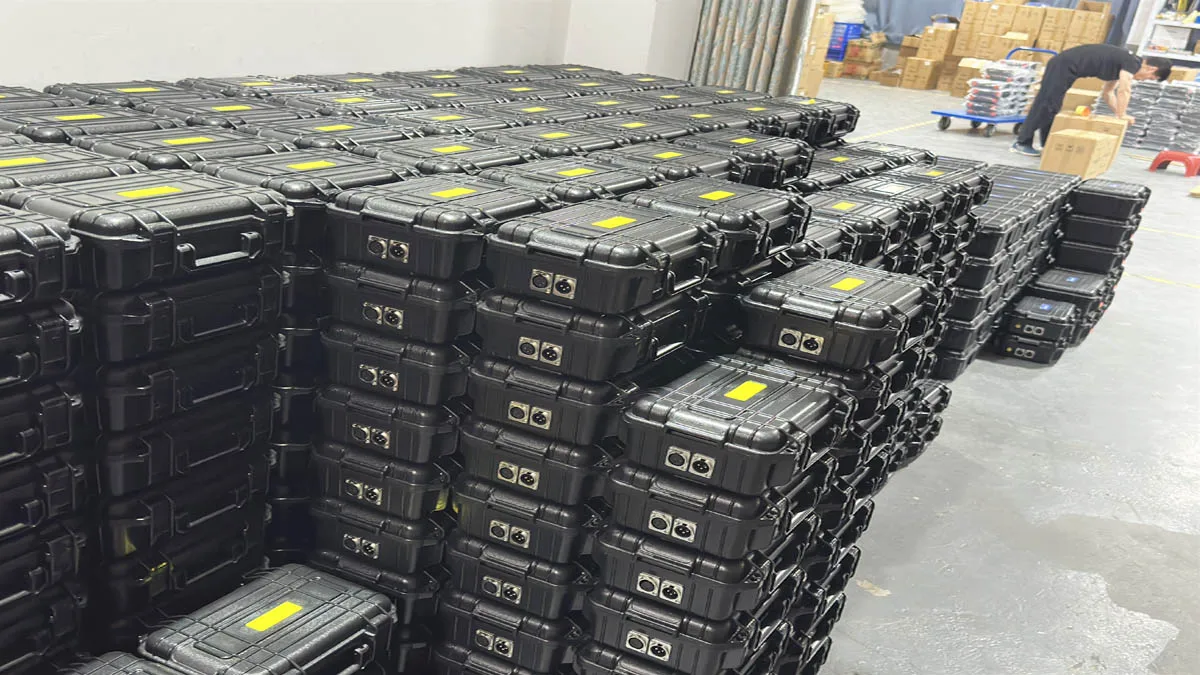
Liuyang Leyan Electronic Technology Co., Ltd.
- Manufacturer, Trading Company
- Hunan, China
- Lead time0 days
- Avg. response≤ 3h
Main productsfireworks firing systems,fireworks display rack,Titanium ti Composite Powder,igniter,Mortar tubes
Main marketsNorth America(20.00%), Domestic Market(10.00%), Southern Europe(10.00%), Western Europe(10.00%), Eastern Asia(10.00%), South America(10.00%), Northern Europe(5.00%), Central America(5.00%), Southeast Asia(5.00%), Eastern Europe(5.00%), South Asia(4.00%), Mid East(3.00%), Africa(3.00%)
Guangzhou Homei Lighting Equipment Factory
- Verified by TüVRheinland
- Manufacturer, Trading Company
- guangdong, China
- Lead time7 days
- Avg. response≤ 1h
Main productsLED Dance Floor, LED Star Curtain, LED Par Can Light, LED Moving Head Light, LED Wall Washer Bar
Main marketsNorth America(24%), Eastern Europe(10%), Western Europe(10%)

Guangzhou Feituo Industry Co., Ltd.
- Manufacturer
- Guangdong, China
- Lead time3 days
- Avg. response≤ 6h
Main productsled moving head,led par light,led wall washer,dmx controller,laser light
Main marketsNorth America(20.00%), Western Europe(10.00%), Domestic Market(10.00%), Southeast Asia(10.00%), Eastern Europe(10.00%), Northern Europe(10.00%), South America(8.00%), Oceania(5.00%), Eastern Asia(5.00%), South Asia(3.00%), Central America(3.00%), Africa(2.00%), Mid East(2.00%), Southern Europe(2.00%)

GUANGZHOU MS LIGHTING CO., LIMITED
- Combined
- China Guangdong
- Lead time15 days
- Avg. response≤ 4h
Main productsLED Light, Moving Head Light, Stage Light, Professional Light, Scan Light, Smoke Machine, Follow Spot, Laser Light, LED Stage Light, Disco Light
Main marketsSouth America,Southeast Asia/ Mideast,Europe
Guangzhou Ou Ni Kee Trading Co., Ltd.
- Verified by SGS Group
- Manufacturer, Trading Company
- Lead time10 days
- Avg. response≤ 1h
Main productsCold Spark Machine, Party Foam Machine, Smoke Fog Machine, Led Dance Floor, Led Star Curtain
Main marketsNorth America(30%), South America(15%), Eastern Europe(10%)
Qingyuan Xingxi Optoelectronic Technology Co., Ltd.
- Manufacturer
- Guangdong, China
- Lead time15 days
- Avg. response≤ 7h
Main productsLED par light,Moving head light,Beam light,smoke machine,LED lights
Main marketsNorth America(20.00%), Southeast Asia(15.00%), Eastern Europe(15.00%), Domestic Market(15.00%), Western Europe(10.00%), South America(5.00%), Eastern Asia(5.00%), South Asia(5.00%), Northern Europe(3.00%), Oceania(3.00%), Africa(2.00%), Central America(2.00%)
Guangzhou Flystar Lighting Co., Limited
- Manufacturer, Trading Company
- Guangdong, China
- Lead time7 days
- Avg. response≤ 2h
Main productsMoving Head Light, LED Moving Head Light, LED Par Light, Led Wall Washer Light, LED Strober Light
Main marketsNorth America(30.00%), Western Europe(20.00%), Domestic Market(15.00%), Southeast Asia(15.00%), South America(10.00%), Mid East(10.00%)
Guangzhou Cheng Wen Photoelectric Technology Co., Ltd.
- Manufacturer, Trading Company
- Lead time旺季: "1 - 10":7,"11 - 50":15,"> 50":"To be negotiated", 淡季: "1 - 10":7,"11 - 50":15,"> 50":"To be negotiated"
- Avg. response≤ 4h
Main productsLED Screen, Stage Lights
Guangzhou Huipu Stage Effect Equipment Co., Ltd
- Manufacturer
- Guangdong, China
- Lead time2 days
- Avg. response≤ 4h
Main productsFire Machine,Co2 Jet Machine,Foam Machine,Confetti Machine,Led fog machine
Main marketsSouth America(15.00%), North America(15.00%), Western Europe(12.00%), Mid East(12.00%), Southeast Asia(10.00%), Central America(7.00%), Oceania(5.00%), Africa(5.00%), Eastern Asia(5.00%), Domestic Market(5.00%), Eastern Europe(3.00%), Northern Europe(2.00%), South Asia(2.00%), Southern Europe(2.00%)
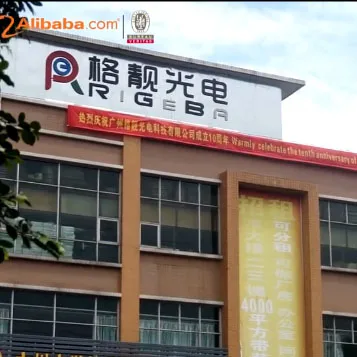
Guangzhou Geliang Lighting Technology Co., Ltd.
- Manufacturer, Trading Company, Buying Office
- Guangdong, China
- Lead time15 days
- Avg. response≤ 2h
Main productskinetic lights,Dynmic and itelligent stages,rotating truss,Stage Lights,LED lighting
Main marketsSouthern Europe(12.50%), Northern Europe(12.50%), Central America(12.50%), Western Europe(12.50%), Africa(12.50%), Eastern Europe(12.50%), South America(12.50%), North America(12.50%)


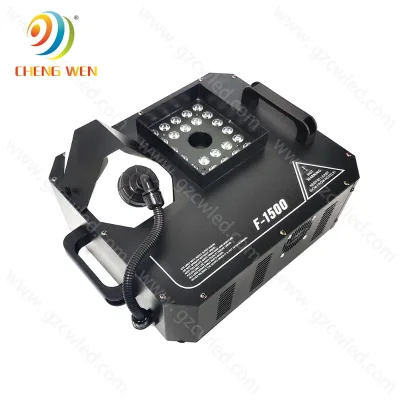
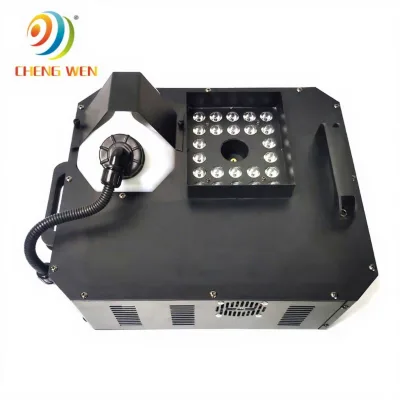


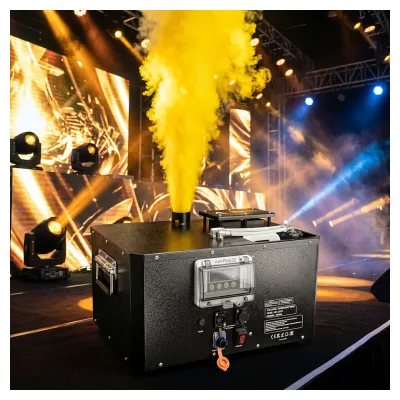
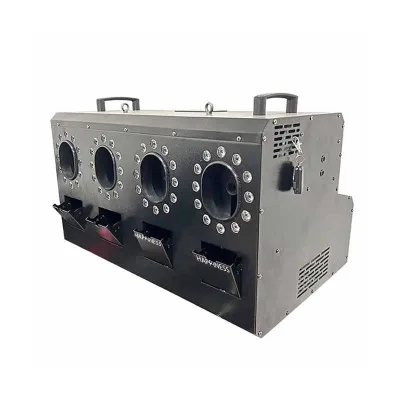
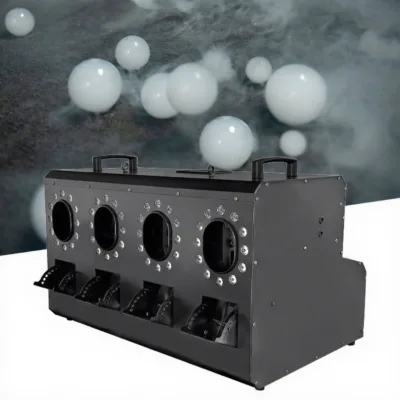
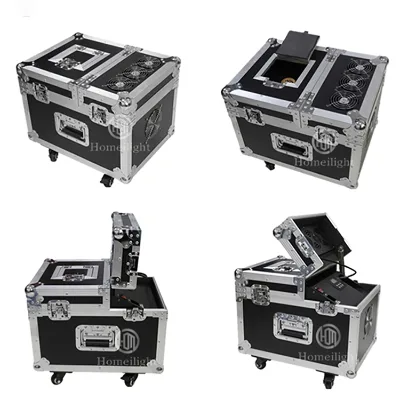


Comprehensive Sourcing Guide
RGB LED Fog Machine Supplier Concentration and Factory Types
The current supplier landscape for RGB LED fog machines shows a distinct concentration of manufacturing activity in China, specifically within the Guangdong province. This region serves as a primary hub for professional stage lighting and atmospheric effect equipment, where supply chains for LEDs, heating elements, and fluid tanks are deeply integrated. Buyers observing results from this area should note that many entities operate as combined entities, blending manufacturing capabilities with trading functions. This hybrid model allows for flexibility in production but requires careful verification of the actual factory floor versus the sales office. The presence of established clusters in Guangzhou suggests a mature ecosystem for these specific stage effects, where specialized components like 1500W heaters and RGBA LED arrays are readily available.
Factory types in this sector vary significantly, ranging from pure manufacturers to combined trading and production firms. Some suppliers explicitly list OEM and ODM capabilities alongside their own brands, indicating a capacity for custom engineering and private labeling. Others may focus primarily on trading existing inventory. When evaluating the supplier list, look for designations such as Manufacturer/Factory or Combined to understand the operational structure. A supplier claiming to be a manufacturer should ideally demonstrate direct control over the assembly line for critical components like the fog fluid tank and the LED moving head mechanism. Buyers must distinguish between a company that simply sources finished goods and one that controls the technical specifications of the RGB LED integration and fog output consistency.
How to Verify RGB LED Fog Machine Suppliers
Verification of RGB LED Fog Machine suppliers requires a multi-layered approach focusing on third-party credentials and direct communication metrics. The presence of BV verification on a supplier profile is a significant data point, indicating that an external agency has conducted an on-site audit of their business operations. However, this should not be the sole criterion for trust. Buyers must also scrutinize system certifications such as ISO 9001 or GMP, which are sometimes listed alongside BV status, to ensure quality management systems are in place. If a supplier lists certifications like CE or RoHS for their specific products, these should be cross-referenced with the product evidence provided in the listing to confirm the specific model numbers match the certified documentation.
Response time and lead time are critical operational metrics that serve as proxies for supplier reliability and capacity. A supplier with a response time of approximately 3.4 hours demonstrates a high level of engagement and likely has a dedicated sales team ready to address technical queries regarding DMX channels or voltage requirements. In contrast, a response time of 25 hours may indicate a smaller operation or a trading company with delayed communication. Buyers should also verify the stated lead times, which can range from 15 days to 30 days depending on the order volume and customization needs. A supplier claiming a short lead time must be able to substantiate this with current production capacity data, especially when ordering complex units like moving head fog machines that require precise LED calibration.
What to Compare Across RGB LED Fog Machine Suppliers
When comparing suppliers, the primary focus should be on the technical specifications and commercial terms that directly impact the final product performance and cost. Key differentiators include the power output of the LED arrays, such as 21x3W or 24x5W configurations, and the resulting fog output measured in cubic feet per minute. Some listings specify a 1500W power consumption with a 1.3L tank capacity, while others offer 2.5L tanks with wireless controllers. Buyers must compare these attributes side-by-side to determine which configuration suits their specific venue size and event duration. The warranty period is another vital comparison point, with some suppliers offering one year and others providing two years, reflecting their confidence in the durability of the heating blocks and fluid pumps.
Commercial terms and minimum order quantities (MOQ) also vary widely across the supplier pool. While some suppliers accept an MOQ of just one unit, facilitating small-scale testing or immediate deployment, others may have higher thresholds for custom orders. Pricing ranges can be substantial, with some models listed between $275 and $305, while more complex moving head units may range from $725 to $820. Buyers should analyze the price-to-specification ratio, ensuring that the quoted price includes necessary accessories like flight cases or remote controllers. Additionally, the payment methods accepted, such as T/T, Western Union, or PayPal, should be evaluated for security and convenience. A supplier offering flexible payment terms alongside a low MOQ may be more suitable for startups, whereas large-scale buyers might prioritize volume discounts and established logistics partners.
Common RGB LED Fog Machine Sourcing Risks
One of the primary risks in sourcing RGB LED fog machines is the discrepancy between advertised specifications and actual product performance. Suppliers may list high power outputs or specific LED colors like RGBA, but the actual heat-up time or fluid consumption rate might differ from the claimed 4-minute pre-heating or 10-minute per liter consumption. Without independent testing or verified product evidence, buyers risk receiving units that fail to meet the atmospheric requirements of their events. The complexity of integrating moving heads with fog generation adds another layer of risk, as mechanical failures in the pan-tilt mechanism can render the fog output useless. Buyers must demand detailed product attributes, including fuse ratings and voltage stability, to mitigate the risk of electrical failures in the field.
Another significant risk involves the lack of standardized certifications or unclear warranty terms. While some suppliers display system certifications like ISO 9001, others may list "NIL" for system certification, raising questions about their quality control processes. If a supplier does not provide clear evidence of product certifications like CE or RoHS, the equipment may not comply with safety regulations in the buyer's target market. Furthermore, warranty claims can be difficult to enforce if the supplier is a trading company rather than a direct manufacturer. Buyers should verify the warranty duration and the specific conditions under which it applies, such as whether it covers the LED modules or just the mechanical housing. Failure to clarify these terms can lead to costly replacements and downtime during critical events.
RGB LED Fog Machine Regional Sourcing and Logistics
Sourcing from the Guangdong region in China offers logistical advantages due to the established infrastructure for exporting heavy lighting equipment. The proximity of manufacturers to major ports facilitates efficient shipping of bulky items like fog machines, which often require flight cases for protection during transit. Buyers should consider the dimensions and weight of the products, as some units measure over 400mm in length and weigh up to 19kg, impacting freight costs and handling requirements. The origin location, typically Guangzhou, is a strategic hub for logistics, ensuring that lead times for shipping are predictable and that customs clearance processes are streamlined for this specific category of professional lighting.
However, regional sourcing also presents challenges related to inventory management and supply chain visibility. Buyers must account for the variability in lead times, which can range from 15 to 30 days depending on the supplier's current production load. For urgent orders, a supplier with a shorter lead time and a local warehouse might be preferable, even if the unit price is slightly higher. Additionally, the packaging standards, such as the use of cartons versus flight cases, can affect the final cost and the condition of the goods upon arrival. Buyers should verify the packing specifications to ensure that the equipment is protected against the rigors of international shipping. Understanding the regional logistics network helps in planning the arrival of goods to align with event schedules and minimize storage costs.
RGB LED Fog Machine Commercial Terms and Order Planning
Order planning for RGB LED fog machines requires a clear understanding of the commercial terms, including payment methods and customization options. Most suppliers accept standard payment methods like T/T, Western Union, or PayPal, but the specific terms for deposits and balances can vary. Buyers should negotiate payment schedules that align with production milestones, especially for custom orders involving ODM or OEM services. The availability of customization is a key factor, as many suppliers offer options to modify voltage, LED colors, or tank capacities. However, these customizations often extend the lead time and may increase the unit price, requiring careful budget planning.
Establishing a robust order plan also involves assessing the supplier's capacity to handle volume fluctuations. Suppliers with ODM and OEM capabilities can scale production to meet large orders, but buyers must confirm their current capacity to avoid delays. The MOQ of one unit allows for small test orders, but larger orders may require a different pricing structure or production schedule. Buyers should also consider the warranty terms and after-sales support, as these are critical for long-term operational stability. A supplier offering a two-year warranty and responsive technical support can provide peace of mind, whereas a one-year warranty with limited support may pose risks for high-volume users. Careful planning of these commercial terms ensures a smooth procurement process and reliable equipment performance.
FAQs
What is the price range for 1500W RGB LED fog machines?
Prices for these units typically range from 100 to 820 dollars depending on specific features and customization options. Some models with wireless controllers cost around 275 dollars, while others with advanced moving heads reach 820 dollars. Buyers should verify exact pricing based on their required tank capacity and LED power specifications.
How long does it take to heat up these fog machines?
Most 1500W RGB LED fog machines require approximately four minutes to reach full output temperature. Some specific models list a pre-heating time of about 4.5 minutes. This duration ensures the fluid vaporizes efficiently for immediate stage effects without delay during live performances or events.
What is the minimum order quantity for these fog machines?
The minimum order quantity for these products is one unit, allowing buyers to test samples before bulk purchasing. This low threshold supports small event planners and retailers who need immediate stock without committing to large inventory volumes. It facilitates easier entry into the market for new buyers.
Where are these RGB LED fog machines manufactured?
These machines are manufactured in Guangzhou, China, within the Guangdong province. The origin is consistently listed as Guangzhou for various models including moving head foggers and vertical units. Buyers should confirm the specific factory location when arranging logistics or requesting factory audits for quality assurance purposes.
What certifications do these fog machines hold?
Some models carry CE and RoHS certifications, ensuring compliance with safety and environmental standards. Other suppliers may hold ISO 9001 and GMP system certifications for their manufacturing processes. Buyers must verify specific product certifications as some listings show no system certification data available for certain items.
What is the lead time for shipping these machines?
Lead times vary between 15 and 30 days depending on the supplier and order volume. Some manufacturers offer faster turnaround with a 15-day window, while others require up to 30 days for production and packing. Buyers should confirm the exact delivery schedule before finalizing payment terms to avoid project delays.
What voltage requirements do these fog machines have?
These machines generally operate on AC 220V to 240V at 50 or 60Hz frequencies. Specific models may support a range of 220-250V to accommodate different regional power standards. Always check the voltage rating on the product label to ensure compatibility with your local electrical supply before installation.