Rotating Flashing Beacon Light Suppliers and Manufacturers
Compare 19 verified Rotating Flashing Beacon Light suppliers in China Guangdong by response time, lead time, and certifications like ISO 9001. Review product specs such as IP69K ratings and Osram LED chips before requesting quotes; review the available evidence before requesting comparable quotations from suitable candidates.
Suppliers List

Veise (Guang Zhou) Electronics Co., Ltd.
- Verified by TUVRHEINLAND
- Manufacturer/Factory
- China Guangdong
- Lead time23 days
- Avg. response≤ 4h
Main productsBackup Camera Systems, Backup Cameras, Reversing Camera Systems, Rear View Monitors, LED Beacon Warning Lights, LED Work Lights, Electric Fence Energizer, Pet Expandable Braided Sleeving
Main marketsSouth America,Eastern Europe,Mid East,North America,Southeast Asia,Eastern Asia,Oceania,Western Europe,Africa


ECE R65 R10 Amber Flashing Patterns Flashing Warning Lights Rotating Beacon Light
$45.00 - $65.00
MOQ: 1 Pieces

HUIZHOU LUBAO ELECTRONIC CO., LTD.
- Verified by BV
- Combined
- China Guangdong
- Lead time23 days
- Avg. response≤ 2h
Main productsSolar Zabra Warning System, Solar Road Stud, Solar Warning Light, LED Traffic Light, Solar Traffic Signs, Traffic Light and Signals, Tunnel Warning Lights, Portable Speed Bump, Traffic Barrier Cone and Parking Items, Safety Workwear
Main marketsSouth America,Africa,Southeast Asia/ Mideast,East Asia(Japan/ South Korea),Europe,Australia,North America

Amber Rotating Siren and Warning Light Rotary Safety Beacon Flashing Lamp
$8.50 - $10.00
MOQ: 100 Pieces

Efficient Lighting Rotary Signal LED Warning Beacon Light Yellow Rotating Light
$23.00 - $25.00
MOQ: 1 Pieces


DC 12V 24V Rotatable Flashing Lamp Halogen Rotary Signal Rotary Warning Light
$6.70 - $7.40
MOQ: 1 Pieces


- Trading Company,Manufacturer/Factory
- China Zhejiang
- Lead time23 days
- Avg. response≤ 9h
Main productsVariable Message Signs, Vms Signs, Vms Boards, LED Display, Arrow Boards, Portable Traffic Signals, Solar Light Towers, Traffic LED Display, LED Speed Signs, Signage
Main marketsSouth America,Eastern Europe,Mid East,North America,Southeast Asia,Eastern Asia,Oceania,Western Europe,Africa


Battery Powered Beacon Light with Remote Control Beacon Lamp Beacon Light LED
$10.00 - $50.00
MOQ: 50 Pieces

Wuhan Jackwin Industrial Co., Ltd.
- Trading Company
- China Hubei
- Lead time15 days
- Avg. response≤ 5h
Main productsTemporary Fence, Traffic Cone, Warning Light, Traffic Baton, Delineator, Rubber Cable Protector, Road Stud, Silicone Hose, Silicon Hose Radiator Hose, Crowd Control Barrier
Main marketsSouth America,Africa,Southeast Asia/ Mideast,East Asia(Japan/ South Korea),Domestic,Europe,Australia,North America


Signal Warning Light, Screw Fixed LED Flashing Beacon Rotating LED Warning Light
$5.50 - $11.00
MOQ: 100 Pieces


LED Warning Light Forklift Rotating LED Beacon Emergency Flash Safety Light
$4.68 - $8.89
MOQ: 100 Pieces

Sanmen Aroad Traffic Facility Factory
- Combined
- China Zhejiang
- Lead time15 days
- Avg. response≤ 10h
Main productsTraffic Cone, Speed Hump, Anti-Impacted Block, Warning Post, Convex Mirror, Road Stud, Reflective Vest, Road Barrier, Traffic Sign, Cable Protector
Main marketsSouth America,Africa,Southeast Asia/ Mideast,East Asia(Japan/ South Korea),Europe,Australia,North America

Wenzhou Haibang Industrial Co., Ltd.
- Verified by TUVRHEINLAND
- Combined
- China Zhejiang
- Lead time30 days
- Avg. response≤ 5h
Main productsLightbars, Lightheads, Beacon Lights, Speakers Sirens, Anti-Riot Helmets, Anti-Riot Shields, Warning Lights, Police&Security Equipment Products, LED Work Lamp, LED Flood Lights
Main marketsSoutheast Asia/ Mideast,Domestic,North America


Red Blue LED Warning Beacon Lights with Rotating Revolving Flashing Pattern (623L)
$20.00 - $30.00
MOQ: 1 Pieces


Chengdu Rongxiang Technology Co., Ltd.
- Trading Company,Manufacturer/Factory
- China Sichuan
- Lead time15 days
- Avg. response≤ 8h
Main productsConvex Mirror, Speed Hump, Traffic Sign, Road Working Light, Cable Protector, Road Stub, Wheel Stopper, Traffic Cone, Safety Vest, Warning Signage
Main marketsSouth America,Eastern Europe,Mid East,North America,Southeast Asia,Eastern Asia,Oceania,Western Europe,Africa


LED Rotating Flashing Solar Beacon Light with Magnet
Contact supplier

- Verified by TUVRHEINLAND
- Combined
- China Zhejiang
- Lead time15 days
- Avg. response≤ 7h
Main productsBody Camera, Body Worn Camera, in-Car Police Camera, Lightbar, Anti-Riot Suit, Docking Station, Vest, Telescopic Light, LED Warning Light Bar, Security Equipment
Main marketsAfrica,Southeast Asia/ Mideast,Europe,North America

Hangzhou Tonny Electric & Tools Co., Ltd.
- Verified by TUVRHEINLAND
- Combined
- China Zhejiang
- Lead time30 days
- Avg. response≤ 9h
Main productsBattery Charger, Power Inverter, Fan, Work Light, Forklift Lamp, Emergency Beacon Lights, Tail & Trailer Light Kits Roger, Testing Tools, Trailer Connectors, Vacuum Cleaner
Main marketsSouth America,Africa,East Asia(Japan/ South Korea),Europe,Australia,North America

Wenzhou 5-Star Warning Lights Co., Ltd.
- Verified by TUVRHEINLAND
- Manufacturer/Factory
- China Zhejiang
- Lead time15 days
- Avg. response≤ 6h
Main productsWarning Light, LED Warning Light, LED Vehicle Warning Light, Lightbar, LED Lightbar, Light Bar, LED Light Bar, Police Light, LED Police Light, LED Police Car Light
Main marketsEastern Europe,Mid East,North America,Southeast Asia,Eastern Asia,Oceania,Western Europe

ZHEJIANG STARS PLASTIC SAFETY DEVICE CO., LTD.
- Verified by SGS
- Combined
- China Zhejiang
- Lead time15 days
- Avg. response≤ 25h
Main productsTraffic Baton, Safety Baton, Traffic Warning Light, Road Stud, Road Cone, Traffic Direction Sign, Solar Warning Light, Solar Traffic Sign, Safety Vests, Plastic Chain
Main marketsNorth America

Ningbo Beilun Bonsen Auto Electron Co., Ltd.
- Verified by BV
- Trading Company,Manufacturer/Factory
- China Zhejiang
- Lead time38 days
- Avg. response≤ 7h
Main productsLED Trail Tail Lights, LED Headlights Bulb, Car Wash Machine, Low Pressure Die Casting Machine, Laptop Stand, Seasoning Meat Syringe, Stainless Steel Heating Manifold, Brazed Plate Heat Exchanger
Main marketsSouth America,Eastern Europe,Mid East,North America,Southeast Asia,Eastern Asia,Oceania,Western Europe,Africa


Flash Warning LED Light Beacon Strobe Lights Roof Light
Contact supplier

Ningbo Eastiger Products Co., Limited
- Verified by TUVRHEINLAND
- Combined
- China Zhejiang
- Lead time30 days
- Avg. response≤ 3h
Main productsTruck Partspropeller Shaft, Front Axle Shaft, Drive Shaft, Wheel Hub, Crankshaft, Steering Rack, Low Arm, Steering Pump, Brake Pad, Brake Disc
Main marketsSouth America,Africa,Southeast Asia/ Mideast,East Asia(Japan/ South Korea),Europe,Australia,North America

DC 12-48V Metal Base Amber LED Rotating Warning Beacon Light Strobe Flashing Lights
$1.00 - $5.00
MOQ: 100 Pieces

12V 24V Halogen Rotating Beacon Warning Light Super Bright Emergency Revolving Lamp
$1.00 - $5.00
MOQ: 100 Pieces

Huatong (FATO) Group Co., Ltd.
- Group Corporation
- China Zhejiang
- Lead time0 days
- Avg. response≤ 16h
Main productsLow Voltage Electrical Apparatus, MCB, AC Contactor, Cabinet, Cable Accessories, RCCB MCCB


Warning Light Flashing Emergency LED Rotator Beacon Emergency Vehicles Lights AC/DC12V 24V
Contact supplier
MOQ: 200 Pieces
Shanghai Anma Industry Co., Ltd.
- Trading Company
- Lead time旺季: "1 - 500":31,"> 500":"To be negotiated", 淡季: "1 - 500":31,"> 500":"To be negotiated"
- Avg. response≤ 5h
Main productsCar Accessories,Auto Parts,4X4 Accessories,Car Tuning parts,Car Tools
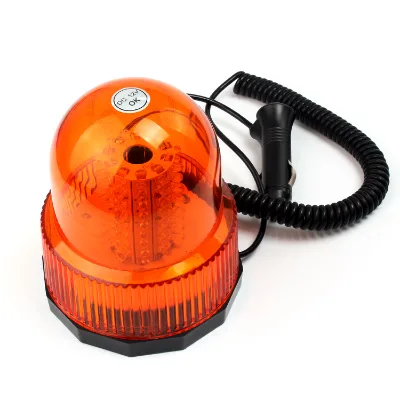
$3.88 - $3.98
MOQ: 500 pieces
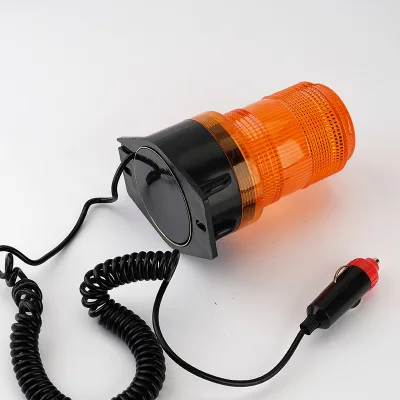
Foshan Next Commerce Co., Ltd.
- Verified by SGS
- Trading Company
- China Guangdong
- Lead time15 days
- Avg. response≤ 14h
Main productsForklift Parts, Pallet Truck Parts, Lead Acid Battery Charger, Lithium Battery, Linde Parts.
Main marketsEurope

Wenzhou Hangle Electric Co., Ltd.
- Verified by SGS
- Combined
- China Zhejiang
- Lead time15 days
- Avg. response≤ 2h
Main productsSolar Warning Light, Warning Light, Solar Panwl, Car Emergency Strobe Light, LED Truck Side Light, LED Car Door Light, LED Work Light
Main marketsSouth America,East Asia(Japan/ South Korea)
Fuzhou Conssin Lighting Co., Ltd.
- Verified by SGS
- Manufacturer
- China Fujian
- Lead time30 days
- Avg. response≤ 2h
Main productsLED Flood Light, Industrial Battery System


Flash Warning Light Waterproof Stroboscopic Warning Light Emergency Warning Light
$20.00 - $35.00
MOQ: 10 Pieces

Warning Light Bar LED Warning Flashlight Stroboscopic Warning Flashlight
$20.00 - $35.00
MOQ: 10 Pieces

Zhejiang Shuntong Electric Co., Ltd.
- Verified by BV
- Trading Company,Manufacturer/Factory
- China Zhejiang
- Lead time23 days
- Avg. response≤ 5h
Main productsTransformers, Frequency Inverter, Inverter, Voltage Stabilizer, Fan
Main marketsSouth America,Eastern Europe,Mid East,North America,Southeast Asia,Eastern Asia,Oceania,Western Europe,Africa


Comprehensive Sourcing Guide
Rotating Flashing Beacon Light Supplier Concentration and Factory Types
The available data indicates a concentration of manufacturing activity in China, specifically within the Guangdong region, where suppliers list their origin as Guangzhou or Guangdong. This geographic clustering suggests a specialized industrial ecosystem for vehicle lighting and safety equipment, though buyers must verify if specific factories align with their volume needs. The supplier pool includes distinct company types, ranging from Manufacturer/Factory entities to Combined trading structures. Manufacturer/Factory profiles often highlight direct production capabilities with OEM, ODM, and own-brand options, whereas Combined entities may offer a broader portfolio including solar warning systems and traffic barriers alongside rotating beacons.
When evaluating the factory type, buyers should look for explicit declarations of production capacity rather than assuming all listed entities are manufacturers. Some suppliers explicitly state capabilities for OEM and ODM services, which is critical for customizing beacon specifications like voltage, housing material, or LED chip brands. Others may operate as combined entities that source from various factories, potentially affecting lead times and quality control consistency. The presence of specific product lines, such as amber rotating beacons or blue flashing warning lights, often correlates with the supplier's primary manufacturing focus. Buyers must distinguish between a dedicated lighting factory and a general safety equipment trader to ensure the supplier has the technical depth required for complex LED beacon projects.
How to Verify Rotating Flashing Beacon Light Suppliers
Verification of supplier credibility relies on checking third-party audit results and system certifications rather than relying solely on self-reported claims. The data shows that some suppliers hold TUVRHEINLAND verification status, while others display BV verification, indicating different levels of external scrutiny regarding their business operations. System certifications such as TS 16949, ISO 14001, and ISO 9001 are present in certain profiles, suggesting adherence to automotive quality management and environmental standards. However, other suppliers in the results list NIL for system certification, which requires buyers to request alternative proof of quality control processes before proceeding with large orders.
Product-specific certifications provide another layer of verification for the rotating flashing beacon lights themselves. Many listed products carry CCC, CE, EMC, FCC, REACH, RoHS, and UL certifications, which are essential for market access in various regions. Specific product attributes, such as IP69K waterproof ratings or Osram LED chip usage, serve as tangible evidence of component quality and durability. Buyers should cross-reference these product-level certifications with the supplier's general system certifications to ensure consistency. If a supplier claims high-level certifications but the product data lacks corresponding test reports or specific compliance marks, this discrepancy warrants further inquiry. Direct verification of these claims through the issuing bodies or requesting updated test reports is a necessary step before finalizing any procurement agreement.
What to Compare Across Rotating Flashing Beacon Light Suppliers
Comparing suppliers requires a systematic analysis of operational metrics such as response time, lead time, and minimum order quantities (MOQ). The observed data reveals significant variation in response times, with some suppliers showing a response time of 1.49 hours while others report 3.88 hours, indicating differences in customer service responsiveness. Lead times also vary, with one supplier listing a 23-day production window, which impacts inventory planning and project timelines. Buyers must compare these operational speeds against their specific urgency requirements, as a faster response does not always guarantee a shorter lead time for custom manufacturing runs.
Product specifications and commercial terms form the second pillar of comparison. Price ranges for similar rotating beacon lights can differ substantially, with some products listed between $26 and $28, while others range from $33 to $55 or even up to $65. MOQs also vary, with some suppliers accepting orders as low as one unit, while others require a minimum of 100 units. Buyers should evaluate whether the price difference correlates with specific attributes like LED chip brands, housing materials, or warranty periods. For instance, a higher price point might include a 3-year warranty or aluminum alloy construction, whereas a lower price might involve plastic housings or shorter warranty terms. A detailed side-by-side comparison of these variables is essential to determine the true value proposition of each supplier.
Common Rotating Flashing Beacon Light Sourcing Risks
One significant risk involves the inconsistency of certification claims across different product lines within the same supplier portfolio. While some products list comprehensive certifications like UL and ECE R65, others may only display basic marks or lack specific compliance data entirely. This inconsistency can lead to customs clearance issues or market rejection if the specific batch of goods does not meet the regulatory requirements of the destination country. Buyers must verify that the certification applies to the exact model number being ordered, as specifications can change between product variants even within the same factory.
Another risk relates to the reliability of lead times and the potential for production delays. The data shows a lead time of 23 days for one supplier, but this figure may not account for customization delays or raw material shortages. Suppliers with combined company types might face additional coordination challenges if they are sourcing components from third parties rather than manufacturing them in-house. Furthermore, the variation in response times suggests that communication bottlenecks could arise during the order fulfillment process, potentially delaying critical project milestones. Buyers should mitigate these risks by establishing clear communication protocols and requesting written confirmation of lead times before placing deposits, ensuring that any delays are documented and addressed promptly.
Rotating Flashing Beacon Light Regional Sourcing and Logistics
The primary sourcing hub identified in the data is located in China, specifically within the Guangdong province and Guangzhou city. This region is known for its dense network of electronics and automotive lighting manufacturers, offering logistical advantages for international shipping. However, buyers must confirm the exact origin of the goods, as some product attributes list Guangzhou while others simply state China or Guangdong. This distinction is important for calculating accurate shipping costs and transit times, as ports in Guangdong, such as Shenzhen or Guangzhou, offer different freight options compared to other Chinese regions.
Logistics planning must also account for the specific packaging and dimensions of the rotating flashing beacon lights. Product attributes indicate standard packing methods like carton boxes, with dimensions varying by model, such as 144138mm or 48112mm. These dimensions directly influence container loading efficiency and freight costs, especially for high-volume orders. Buyers should request detailed packing lists and dimensional data to optimize their shipping strategy. Additionally, the origin location impacts customs duties and import regulations, so verifying the specific city of origin is crucial for accurate cost estimation. Understanding the regional logistics landscape helps buyers anticipate potential delays and select the most efficient shipping routes for their specific needs.
Rotating Flashing Beacon Light Commercial Terms and Order Planning
Commercial terms for rotating flashing beacon lights vary significantly based on the supplier's capacity and product configuration. Price ranges observed span from $8.50 to $65.00, reflecting differences in LED power, housing material, and certification levels. Buyers must carefully review the price structure to understand what is included, such as whether the price covers customization, packaging, or specific warranty terms. Some suppliers offer customization services, which may incur additional costs or extend lead times, while others provide standard models with fixed pricing. Understanding these variables is essential for accurate budgeting and avoiding unexpected expenses during the order process.
Order planning should also consider the minimum order quantities and payment terms associated with each supplier. While some suppliers accept orders as low as one unit, others require a minimum of 100 units, which affects the feasibility of small-scale testing or pilot projects. Buyers should align their order volume with the supplier's MOQ to avoid unnecessary costs or inventory buildup. Additionally, the response time and lead time data should be integrated into the overall project timeline to ensure timely delivery. By carefully analyzing these commercial terms and planning accordingly, buyers can establish a sustainable sourcing strategy that balances cost, quality, and delivery speed effectively.
FAQs
What is the price range for rotating flashing beacon lights?
Prices for rotating flashing beacon lights typically range from $8.50 to $65.00 per unit. The final cost depends on specific features such as IP69K waterproofing, LED chip brands like Osram, and certification requirements. Buyers should check the minimum order quantity and customization options to determine the exact price for their specific industrial or vehicle application needs.
What certifications are available for these warning lights?
Manufacturers offer various certifications including CE, RoHS, FCC, EMC, CCC, REACH, UL, and TUV. Some products also meet ECE R65 and SAE J845 standards. These certifications ensure compliance with international safety and electromagnetic compatibility regulations, making the lights suitable for diverse industrial, traffic, and vehicle applications across different global markets.
What is the typical lead time for orders?
The typical lead time for rotating flashing beacon lights is approximately 23 days. This duration allows for manufacturing, quality control, and packaging processes. Buyers should confirm specific delivery schedules with suppliers, as lead times may vary based on order volume, customization requirements, and current production capacity constraints at the manufacturing facility.
What is the minimum order quantity for these lights?
Minimum order quantities vary significantly by supplier. Some manufacturers accept orders as low as one unit, while others require a minimum of 100 units. Buyers should verify the MOQ with their chosen supplier to ensure it aligns with their procurement volume. Lower MOQs are often available for standard models, while customized options may have higher thresholds.
What is the response time for supplier inquiries?
Supplier response times for inquiries are typically around 1.49 to 3.88 hours. Fast response times indicate active customer support and efficient communication channels. Buyers can expect quicker replies from suppliers with verified credentials and established track records. Prompt responses help in clarifying technical specifications, pricing, and shipping details during the sourcing process.
What IP ratings are available for these beacons?
Rotating flashing beacon lights are available with IP67 and IP69K waterproof ratings. IP69K offers superior protection against high-pressure, high-temperature water jets, making it ideal for harsh industrial environments. IP67 provides protection against temporary immersion. Buyers should select the appropriate rating based on their specific environmental conditions and application requirements to ensure durability and performance.
Where are these suppliers located?
Most suppliers for rotating flashing beacon lights are located in China, specifically in Guangdong province and Guangzhou. This region is known for its robust manufacturing infrastructure and supply chain efficiency. Buyers can benefit from proximity to major ports and established logistics networks, which often facilitate faster shipping and reduced transportation costs for international orders.