Medical Imaging Power Film Capacitor Suppliers and Manufacturers
Compare 13 verified suppliers of Medical Imaging Power Film Capacitor based on location, lead times, certifications, and response times. Review product specifications like voltage and standards before contacting factories for quotes; review the available evidence before requesting comparable quotations from suitable candidates.
Suppliers List

Anhui Safe Capacitor Co., Ltd.
- Verified by CTI
- Combined
- China Anhui
- Lead time23 days
- Avg. response≤ 18h
Main productsFilm Capacitors, Metallized Film Capacitor Grade, Metallised Film for Capacitor Use, BOPP Film Metallized, BOPET Film Metallized
Main marketsSoutheast Asia/ Mideast,Domestic,North America

Anhui Safe Electronics Co., Ltd.
- Verified by TUVRHEINLAND
- Combined
- China Anhui
- Lead time15 days
- Avg. response≤ 20h
Main productsCapacitor, Film Capacitors, Metallized Film, Capacitor Film, Polyester Film, Inkjet PVC Cards, Epson ID Card Tray, Heat Transfer Vinyl, Heat Press Machine, Metallised Capacitor Film
Main marketsSouth America,Southeast Asia/ Mideast,East Asia(Japan/ South Korea),Europe,North America

Smiler Electronic Industrial Co., Ltd
- Combined
- China Guangdong
- Lead time15 days
- Avg. response≤ 3h
Main productsCapacitor, Cbb61, Motor Capacitor, Fan Capacitor, PCB Circuit Board Pin Capacitor, Filter, Cbb60, Cbb65, Power Capacitor, MKP
Main marketsSouth America,Africa,Southeast Asia/ Mideast,East Asia(Japan/ South Korea),Domestic,Europe,Australia,North America

Zhejiang Zhegui Electric Co., Ltd.
- Verified by SGS
- Combined
- China Zhejiang
- Lead time15 days
- Avg. response≤ 3h
Main productsSwitchgear, Compact Substation, Oil-Immersed Transformer, Dry Type Transformer, Vacuum Circuit Breaker, Power Distribution Equipment
Main marketsAfrica,Southeast Asia/ Mideast,Europe,Australia

Taizhou Huifeng Electron Co., Ltd.
- Verified by TUVRHEINLAND
- Combined
- China Zhejiang
- Lead time30 days
- Avg. response≤ 5h
Main productsRun Capacitors, Hard Start Capacitor, Start Capacitor, Air Condition Capacitor, Cbb60, Cbb65, CD60, Power Capacitor, Spp6, Water Pump Parts
Main marketsEurope

- Verified by SGS
- Combined
- China Zhejiang
- Lead time23 days
- Avg. response≤ 1h
Main productsCapacitor, Active Harmonic Filter, Intelligent Power Capacitor, Power Factor Controller, Detuned Reactor, Switch, Filter
Main marketsAfrica,Southeast Asia/ Mideast,Domestic,Europe,Australia


Custom Polypropylene Film Capacitor Power Capacitor 440V 12.5kvar Three Phase 50Hz
$6.00 - $100.00
Moq: 10


Durable Polypropylene Film Capacitor Power Capacitor 400V 10kvar Three Phase 50Hz
$6.00 - $100.00
Moq: 10
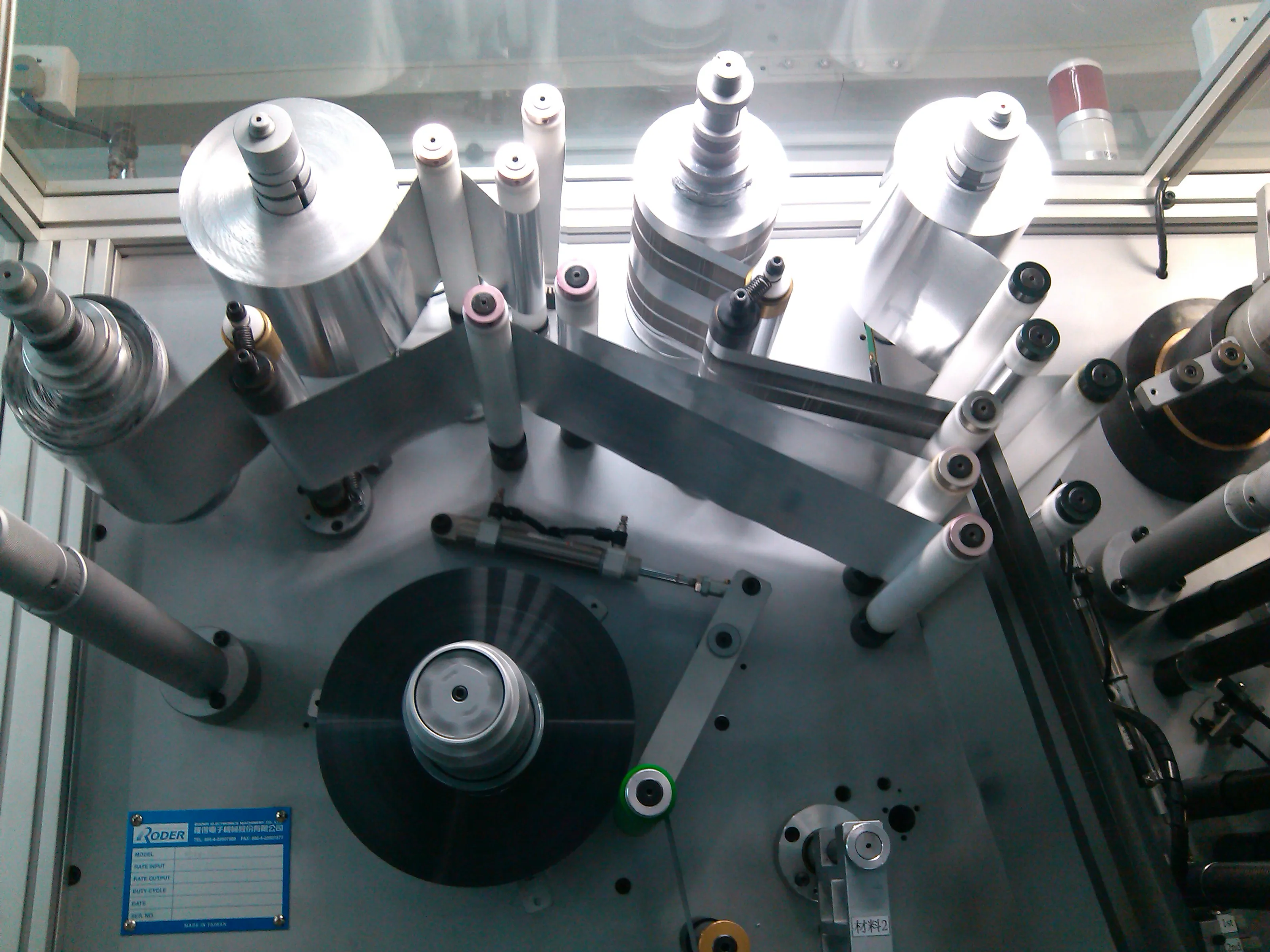
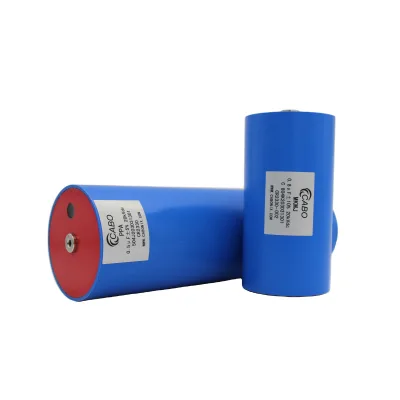
CABO Electronics (Foshan) Ltd.
- Manufacturer, Trading Company
- Guangdong, China
- Lead time15 days
- Avg. response≤ 4h
Main productsCapacitors,pulse capacitor,dc link capacitor,snubber capacitor,high voltage capacitor
Main marketsDomestic Market(50.0%), North America(20.0%), Western Europe(14.000000000000002%), Northern Europe(8.0%), Eastern Europe(5.0%), South Asia(2.0%), Southeast Asia(1.0%)

Foshan Hongyi Technology Co., Ltd
- Verified by BV
- Manufacturer
- China Guangdong
- Lead time15 days
- Avg. response≤ 5h
Main productsCapacitor

Shenzhen Topmay Electronic Co., Ltd.
- Verified by BV
- Trading Company
- China Guangdong
- Lead time15 days
- Avg. response≤ 4h
Main productsCapacitor, Metallized Polyester Film Capacitor Cl21, Metallized Polypropylene Film X2 Capacitor, Aluminum Electrolytic Capacitor, Ceramic Capacitor, Tantalum Capacitor, Super Capacitor, Resistor, Passive Components, MKP Capacitor
Main marketsSouth America,Africa,Southeast Asia/ Mideast,Europe,North America

Jiande Chang Sheng Power Capacitor Co., Ltd.
- Verified by BV
- Manufacturer/Factory
- China Zhejiang
- Lead time23 days
- Avg. response≤ 25h
Main productsCapacitor for Electric Induction Heating System, D. C. Filter Capacitor, Electric Heating Capacitor for Induction System, Water Cooled Capacitor, Electric Heating Capacitor, Intermediate Frequency Capacitor
Main marketsSouth America,Eastern Europe,Mid East,North America,Southeast Asia,Eastern Asia,Oceania,Western Europe,Africa

SUQIAN BOER HIGH VOLTAGE POWER SUPPLIES CO., LTD.
- Combined
- China Jiangsu
- Lead time30 days
- Avg. response≤ 21h
Main productsHigh Voltage Power Supply, Power Supply Unit, Regulated Power Supply, High Voltage Power Supplies, Power Supply, Power Supplies, Switching Power Supply, PSU, Esp, Regulated Power Supplies
Main marketsAfrica,Southeast Asia/ Mideast,East Asia(Japan/ South Korea),Domestic,Europe,Australia,North America

Vulcan HV Power Supply Capacitor charge power supply capacitor charging power unit
Contact supplier
Moq: 1

5040 High Voltage Capacitor Charger HV power supply capacitor charging power supply
Contact supplier
Moq: 1

- Verified by BV
- Manufacturer/Factory
- China Guangdong
- Lead time23 days
- Avg. response≤ 3h
Main productsDC-Link Capacitor, AC Flter Capacitor, Cbb65 Capacitor, Cbb60 Capacitor, Cbb61 Capacitor, ...etc
Main marketsSouth America,Eastern Europe,Mid East,North America,Southeast Asia,Eastern Asia,Oceania,Western Europe,Africa

Zhejiang Chuangwei Electric Technology Co., Ltd.
- Verified by CTI
- Combined
- China Zhejiang
- Lead time15 days
- Avg. response≤ 1h
Main productsIntelligent Power Capacitor, Reactor, Capacitor Switching Switch, Controller, Self-Healing Power Capacitors, Svg, Apf
Main marketsSoutheast Asia/ Mideast,Domestic

690V 50kvar Three Phase Shunt Film Capacitor for Power Electronic Heavy Duty Equipment.
$1.00 - $1000.00
Moq: 1


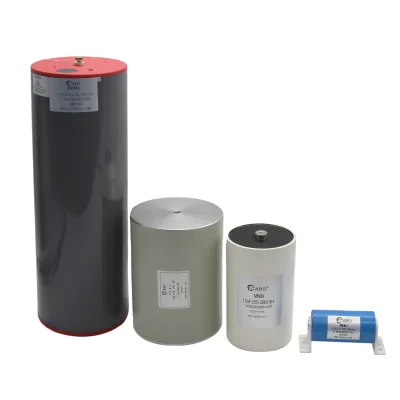
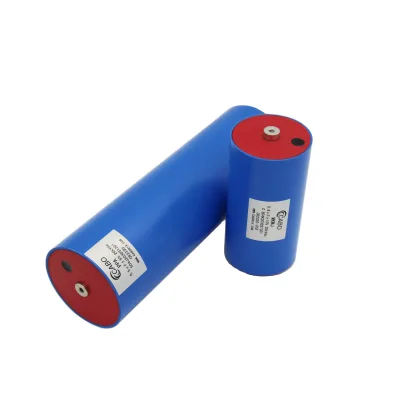
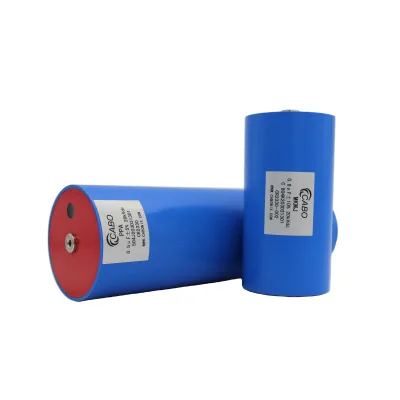


Comprehensive Sourcing Guide
Medical Imaging Power Film Capacitor Supplier Concentration and Factory Types
The current supplier landscape for medical imaging power film capacitors shows a concentration of manufacturing activity in specific regions of China, particularly Anhui. Fact-based data indicates that several active suppliers are located in Tongling City, Anhui, which serves as a notable cluster for this component category. This geographic concentration suggests a localized supply chain ecosystem where raw materials like metallized BOPP film and polypropylene are readily accessible to manufacturers. Buyers evaluating potential partners should prioritize verifying the specific factory address within this region, as the presence of a facility in Tongling City often correlates with established production lines for high-voltage and high-frequency applications required in medical imaging equipment.
Regarding company structures, the available data reveals a mix of combined supplier types that include both manufacturing and trading capabilities. Some entities list capabilities such as ODM, OEM, and own brand production, indicating they possess direct factory control over the metallized film capacitor production process. This is distinct from pure trading companies that might only source from third-party factories. When assessing suppliers, buyers should look for explicit mentions of "Own brand" or "ODM/OEM" capabilities alongside their location data. The presence of these manufacturing attributes, combined with the Anhui location, provides a stronger indication of a direct factory relationship rather than a middleman arrangement, which is critical for ensuring quality control in sensitive medical imaging applications.
How to Verify Medical Imaging Power Film Capacitor Suppliers
Verification of suppliers in this sector relies heavily on third-party audit results and specific certification records rather than general claims. The data confirms that certain suppliers hold CTI verification status, while others have achieved TUVRHEINLAND verification. These are concrete indicators of a supplier's operational integrity and should be the primary filter for buyers. Additionally, system certifications such as ISO9001:2015 are explicitly listed for some manufacturers, providing evidence of a standardized quality management system. Buyers must request to see the actual certificate documents corresponding to these specific labels, as the presence of a generic "ISO certified" claim without the specific version number or audit body name is insufficient for medical-grade components.
Beyond general certifications, specific product-level certifications are essential for medical imaging applications. The observed data includes references to CQC, TUV, UL, VDE, and SGS certifications for specific capacitor models. For medical devices, the UL and VDE marks are particularly relevant for safety compliance in high-voltage environments. Buyers should verify that the certification covers the specific product model, such as the DC Filter Capacitor or Energy Storage Film Capacitor, rather than just the company's general quality system. It is also necessary to confirm that the "Third-Party Certification" listed, such as RoHS or CQC, applies to the specific batch or production line intended for the medical imaging order, ensuring that the components meet the rigorous safety and environmental standards required for healthcare equipment.
What to Compare Across Medical Imaging Power Film Capacitor Suppliers
When comparing suppliers, lead time and response speed are critical operational metrics that vary significantly across the market. The observed data shows response times ranging from approximately 17 to 19 hours, while lead times for production can vary from 15 days to 23 days, with some specific product lines offering a range of 7 to 30 working days. Buyers should not assume a uniform delivery schedule; instead, they must compare the specific lead time associated with the requested model number, such as the CBB15 or DC Link Capacitor. A supplier with a 15-day lead time may be preferable for urgent medical device prototyping, whereas a 30-day lead time might be acceptable for bulk production runs, provided the supplier can guarantee consistency.
Minimum Order Quantity (MOQ) and pricing structures also require careful comparison to align with procurement budgets and inventory strategies. The data indicates MOQs can be as low as 1 unit for certain high-voltage DC link capacitors, while other standard film capacitors may require a minimum of 50 pieces. Pricing ranges observed span from $0.15 to $10.00 per unit, depending on the voltage rating, capacitance, and packaging type. Buyers must compare these figures against their specific technical requirements, such as the need for a 500VAC to 1200VAC rating or a specific operating temperature range of -40°C to +85°C. It is vital to verify if the quoted price includes packaging like standard export cartons or pallets, as these logistics costs can impact the total landed cost of the medical imaging components.
Common Medical Imaging Power Film Capacitor Sourcing Risks
One significant risk in sourcing these components is the potential mismatch between general product specifications and the rigorous demands of medical imaging equipment. While many suppliers list applications for power, high voltage, and general purpose use, medical imaging requires precise stability under high-frequency coupling and specific safety classes like Class B or Class C. Buyers must verify that the "Class of Operation" and "Safety" ratings (such as P1/P2) explicitly meet the standards for medical devices, rather than relying on general industrial classifications. The presence of "Explosion-Proofed" features in some listings is a positive indicator, but it must be confirmed that this feature is validated for the specific high-voltage DC link applications found in MRI or CT scanners.
Another risk involves the variability in raw material quality and manufacturing standards across different suppliers. The data shows variations in core roll materials, with some using Metallized BOPP Film and others specifying Polypropylene. While both are common, the specific grade and metallization process can affect the capacitor's longevity and performance in high-stress medical environments. Buyers should verify the "Capacitor Standard" compliance, such as IEC60831-2 or IEC61071, to ensure the product meets international safety benchmarks. Relying on a supplier who only lists generic standards without specific medical-grade validation can lead to field failures. It is essential to request test reports that confirm the "Operating Temperature" and "Voltage" ratings are maintained under continuous load conditions typical of medical imaging power supplies.
Medical Imaging Power Film Capacitor Regional Sourcing and Logistics
The primary sourcing region identified for these components is Tongling City in Anhui Province, China. This location is a verified hub for manufacturers producing metallized film capacitors, including those designed for defibrillators and power electronics. Buyers should prioritize suppliers with a confirmed origin in this region, as the local infrastructure supports the specific manufacturing processes required for high-voltage film capacitors. When evaluating logistics, the "prod_origin" field should be cross-referenced with the supplier's physical address to ensure the goods are shipped directly from the manufacturing cluster, reducing the risk of handling delays or mislabeling during transit.
Logistics planning must also account for the specific packaging requirements of high-voltage capacitors to prevent damage during international shipping. The data indicates that packaging options include standard export cartons, inner cartons, and outer pallets. For medical imaging components, which are often sensitive to moisture and physical shock, buyers should verify that the "Packaging Type" includes moisture-proof barriers or specialized cushioning. Additionally, the "Delivery" terms, such as "7-15 days after payment confirmed," should be integrated into the overall supply chain timeline. Buyers need to calculate the total transit time from Tongling City to their destination, considering that the lead time of 15 to 23 days is just the production phase and does not include shipping duration.
Medical Imaging Power Film Capacitor Commercial Terms and Order Planning
Commercial terms for these components often include specific customization options and flexible order structures. The data confirms that "Customization" is available for many suppliers, allowing for tailored terminal types like tabs, pins, bolts, or customized configurations. This flexibility is crucial for medical imaging equipment where space constraints and connection requirements vary. Buyers should explicitly define their terminal and shell requirements, such as a plastic case or aluminum can, during the initial inquiry to ensure the supplier can meet the mechanical integration needs of the final device. The availability of OEM and ODM services further supports the ability to adapt the capacitor design to specific medical imaging power supply architectures.
Order planning must also consider the specific voltage and capacitance ranges required for the application. The observed data shows voltage ratings spanning from 500VAC to 15000VDC, with capacitance values varying significantly based on the model. Buyers should plan their orders based on the "Rated Voltage" and "Capacitor Deviation" (e.g., ±5% or ±10%) to ensure the components will function reliably within the tight tolerances of medical imaging power systems. Furthermore, the "Reference Standards" like IEC60252 and GB/T 3667-2008 should be included in the purchase order to legally bind the supplier to these quality benchmarks. By aligning commercial terms with these technical specifications, buyers can mitigate the risk of receiving components that do not meet the stringent performance criteria of medical imaging equipment.
FAQs
Where are medical imaging power film capacitors manufactured?
These capacitors are manufactured in Tongling City, Anhui, China. Suppliers in this region specialize in metallized film capacitors for high voltage applications. Buyers should verify the specific origin of each order to ensure compliance with regional standards.
What is the minimum order quantity for these capacitors?
The minimum order quantity varies by supplier but can be as low as one unit for specific DC link models. Other listings require a minimum of 50 pieces. Buyers must check individual product pages to confirm the exact MOQ before placing an order.
How long does delivery take for these capacitors?
Lead times typically range from 15 to 23 working days after payment confirmation. Some specific products may require 7 to 30 working days depending on customization needs. Buyers should confirm the exact delivery schedule with the supplier before finalizing the purchase.
What certifications do these capacitors hold?
Products often carry ISO9001:2015, UL, CQC, VDE, and SGS certifications. Some suppliers also hold TUV RHEINLAND verification status. Buyers should request specific certificate copies to ensure the components meet international safety and quality standards for medical imaging equipment.
What voltage ratings are available for these capacitors?
Available voltage ratings span from 500VAC to 15000VDC depending on the specific model. Common ranges include 500VAC to 1200VAC for general power applications. Buyers must select the correct voltage rating to match their specific medical imaging power system requirements.
Can these capacitors be customized for specific needs?
Yes, customization is available for many models including specific terminal types and packaging. Suppliers offer OEM and ODM services for custom branding. Buyers should discuss their unique technical specifications with the supplier to ensure the final product meets their exact design requirements.
What is the price range for these capacitors?
Prices generally range from 0.15 to 10.00 per unit depending on specifications and volume. Lower voltage general-purpose models tend to be less expensive than high-voltage DC link capacitors. Buyers should request a detailed quote based on their specific quantity and technical needs.