Touch Screen Lightweight Running Gloves Suppliers Guide
Source 21 verified suppliers for Touch Screen Lightweight Running Gloves. Compare dimensions like location, lead time, MOQ, and certifications. Review product specs and pricing to identify suitable partners for your procurement needs; review the available evidence before requesting comparable quotations from suitable candidates.
Suppliers List

- Verified by CTI
- Trading Company
- China Anhui
- Lead time23 days
- Avg. response≤ 1h
Main productsFurniture, Home Furniture
Main marketsSoutheast Asia/ Mideast

Shijiazhuang Runlei Labour Protection Supplies Co., Ltd.
- Verified by CTI
- Manufacturer/Factory
- China Hebei
- Lead time0 days
- Avg. response≤ 13h
Main productsCotton Eczema Moisturizing Gloves, Leather Ski Gloves, Leather Barbecue Gloves, Firefighter Gloves, Arthritis Gloves
Main marketsSouth America,Eastern Europe,Mid East,North America,Southeast Asia,Eastern Asia,Western Europe,Africa
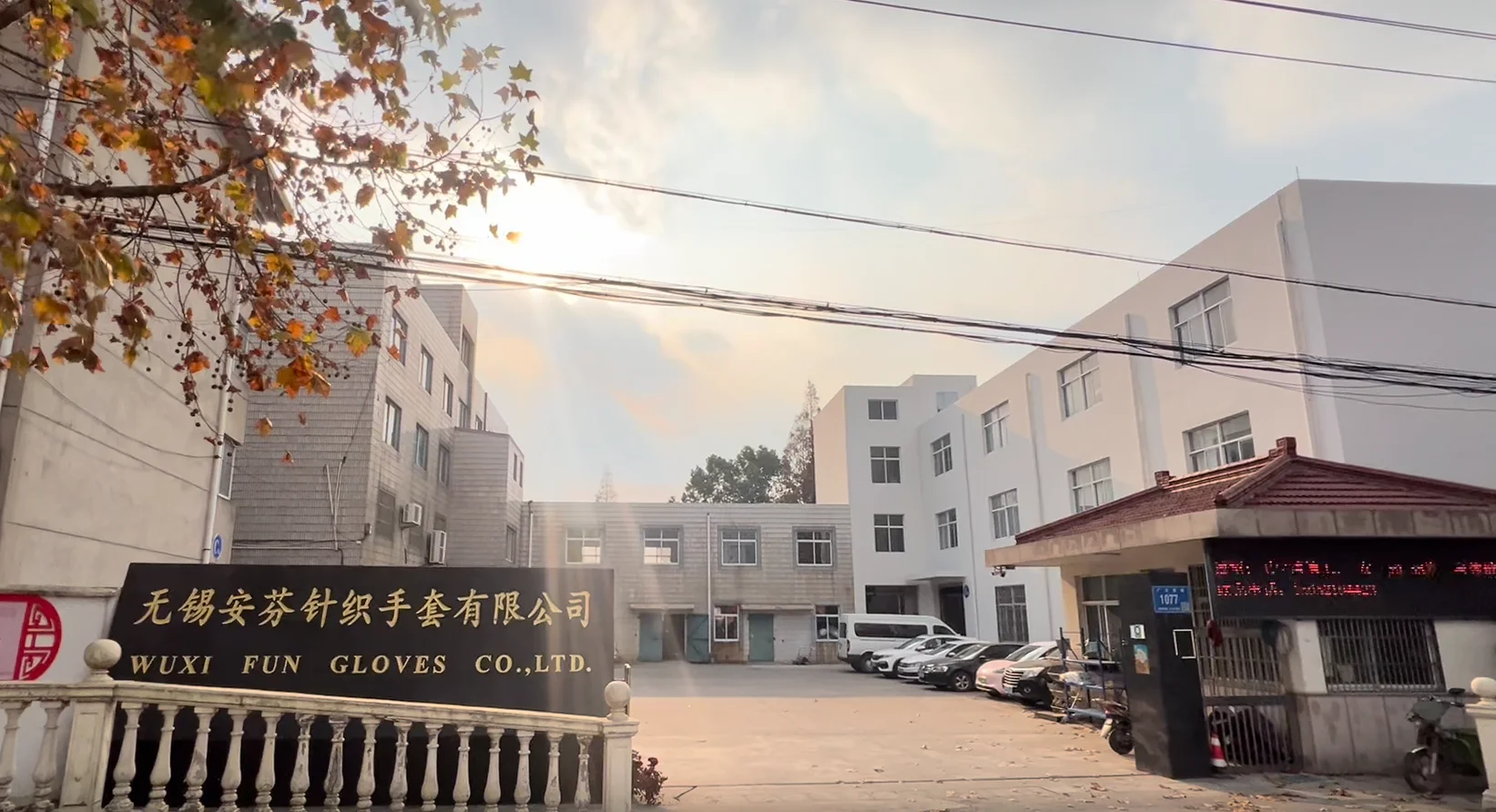
- Manufacturer, Trading Company
- Jiangsu, China
- Lead time30 days
- Avg. response≤ 18h
Main productsSports Gloves,Outdoor Gloves,Dress Gloves,Cleanroom Gloves,Safety Gloves
Main marketsWestern Europe(25.00%), North America(25.00%), Eastern Asia(15.00%), Northern Europe(10.00%), Southeast Asia(10.00%), Eastern Europe(5.00%), Oceania(5.00%), South America(3.00%), Mid East(2.00%)
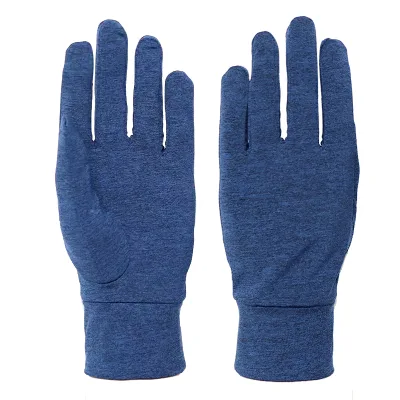
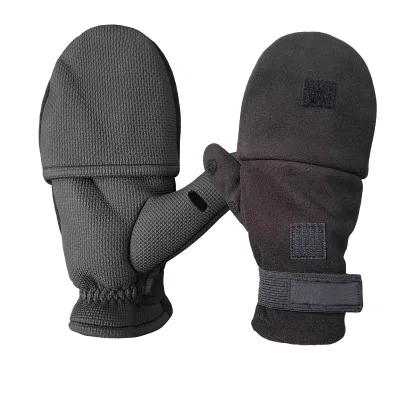
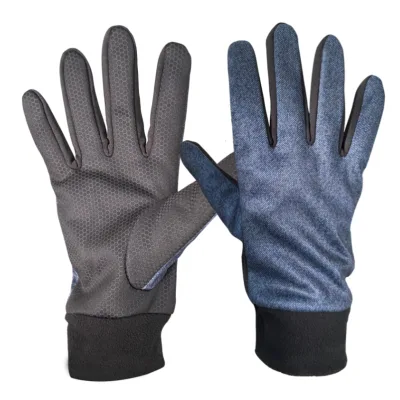
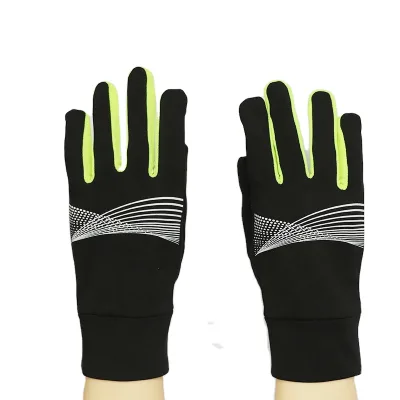
Lightweight Outdoor Reflective Anti-slip Breathable Touch Screen Running Glove
Contact supplier
MOQ: 1000
Changshu Sanqiang Accessories Co., Ltd.
- Verified by SGS Group
- Manufacturer, Trading Company
- Lead time45 days
- Avg. response≤ 3h
Main productsSilk Gloves/Copper Compression Gloves/Sport Gloves/Wool Gloves/Fashion Warm Accessories
Main marketsNorth America(50%), Domestic Market(25%), Western Europe(10%)

$2.56 - $3.08
MOQ: 100 pairs

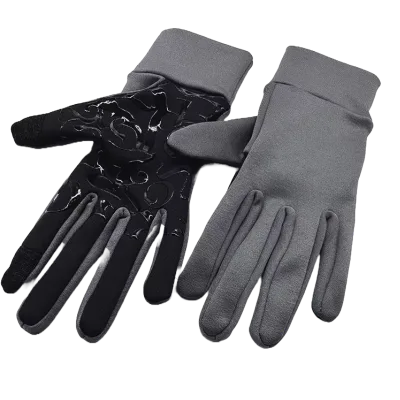
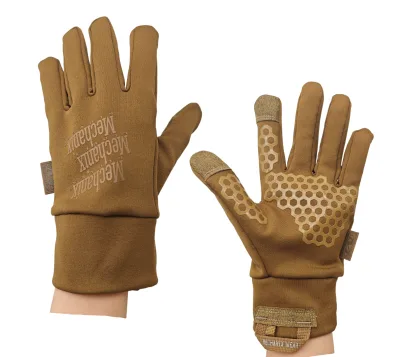
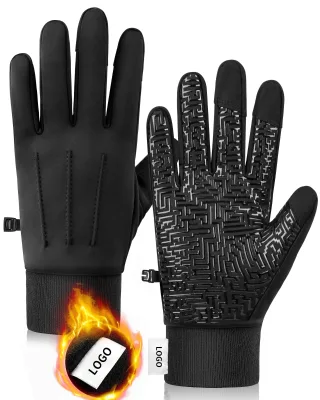
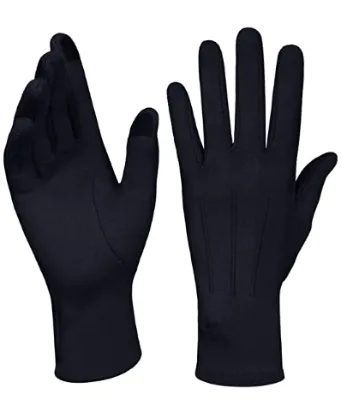
Winter Warm Touch Screen Wholesale Cold Weather Lightweight Unisex Women Men Running Gloves
$3.69 - $4.20
MOQ: 500 pairs

Guangzhou Sanliansan Sports Goods Co., Ltd.
- Verified by CTI
- Combined
- China Guangdong
- Lead time15 days
- Avg. response≤ 4h
Main productsSportswear, Sport Gloves, Sports Protective Gear, Cap
Main marketsEurope,North America

Breathable Comfortable Lightweight Touch Screen Running Hiking Fitting Gloves Supplier
$3.50 - $4.90
MOQ: 100 pairs


Thin Lightweight Cold Weather Thermal Wholesale Running Gloves for Texting Cycling
$3.50 - $4.90
MOQ: 100 pairs


Men Women Customized Silicone Long Finger Running Gloves Touch Screen Jogging Walking Gloves
$3.50 - $4.90
MOQ: 100 pairs


Guangzhou Yisjoy Sports Glove Co., Ltd.
- Verified by BV
- Combined
- China Guangdong
- Lead time15 days
- Avg. response≤ 8h
Main productsSports Glove, Sports Wear, Sports Hats & Caps, Bike Gloves, Fishing Gloves, Ski Gloves, Billiards Gloves, Running Gloves, Fishing Shirts, Other Sports Accessories
Main marketsSoutheast Asia/ Mideast,East Asia(Japan/ South Korea),Europe,Australia,North America

Custom Reflective Winter Running Gloves Touchscreen Lightweight Hi Vis Winter Running Gloves
$4.40 - $5.00
MOQ: 300 Pairs


Men Women Running Gloves Warm Thermal Waterproof Touchscreen Anti Slip Winter Gloves
$4.70 - $5.30
MOQ: 500 Pieces

Warm Running Gloves Thermal Touchscreen Windproof Waterproof Stretch Non Slip Sports Gloves
$4.30 - $4.90
MOQ: 500 Pieces

Qingdao Blue Shield Protection Products Co., Ltd.
- Verified by TUVRHEINLAND
- Trading Company
- China Shandong
- Lead time30 days
- Avg. response≤ 9h
Main productsWork Gloves, Impact Resistant Gloves, Cut Resistant Gloves, Mechanic Gloves, Tactical Glove, Leather Gloves, Welding Gloves, Gardening Gloves, Safety Shoes, Baseball Gloves
Main marketsEast Asia(Japan/ South Korea),Europe,North America

Custom Lightweight Running Touchscreen Anti-Slip Sport Gloves for Men and Women
$2.30 - $2.99
MOQ: 3000 Pairs


Winter Warm Anti Slip Touchscreen Outdoor Sport Protection Cycling Running Ski Gloves
$3.99 - $4.99
MOQ: 3000 Pairs

Guangzhou Singmin Sports Goods Co., Ltd.
- Verified by CTI
- Manufacturer/Factory
- China Guangdong
- Lead time23 days
- Avg. response≤ 23h
Main productsPants, Yoga Set, Soccer Jersey, Basketball Uniform, Rugby Jersey, Cricket Jersey, Hoody, Tracksuit, Netball Dress, Cycling Jersey
Main marketsSouth America,Eastern Europe,Mid East,North America,Southeast Asia,Western Europe,Africa


$3.00 - $4.50
MOQ: 100 Pairs


Guangzhou Yisjoy Sports Co., Ltd.
- Verified by SGS
- Trading Company
- China Guangdong
- Lead time30 days
- Avg. response≤ 7h
Main productsSports Glove, Sports Wear, Sports Hats & Caps, Bike Gloves, Fishing Gloves, Ski Gloves, Billiards Gloves, Fishing Shirts, Golf Polo Shirts, Other Sports Accessories
Main marketsSoutheast Asia/ Mideast,Europe,North America

2026 Custom Breathable Lightweight Touchscreen Waterproof for Men Women Running Glove
$4.00 - $4.60
MOQ: 500 Pairs

Touchscreen Winter Running Gloves Warm Thermal Outdoor Sports Gloves for Running Cycling Hiking
$4.70 - $5.30
MOQ: 100 Pairs

Winter Outdoor Sports Warm Thermal Touchscreen Running Hiking Jogging Gloves Supplier
$4.30 - $4.90
MOQ: 500 Pairs

Winter Touchscreen Running Gloves Silicone Grip Palm Warm Thermal Long Cuff Outdoor Sports Gloves
$4.30 - $4.90
MOQ: 100 Pairs

Reflective Design Winter Running Gloves Silicone Grip Breathable Thermal Sports Gloves
$4.30 - $4.90
MOQ: 100 Pairs

$4.30 - $4.90
MOQ: 500 Pairs
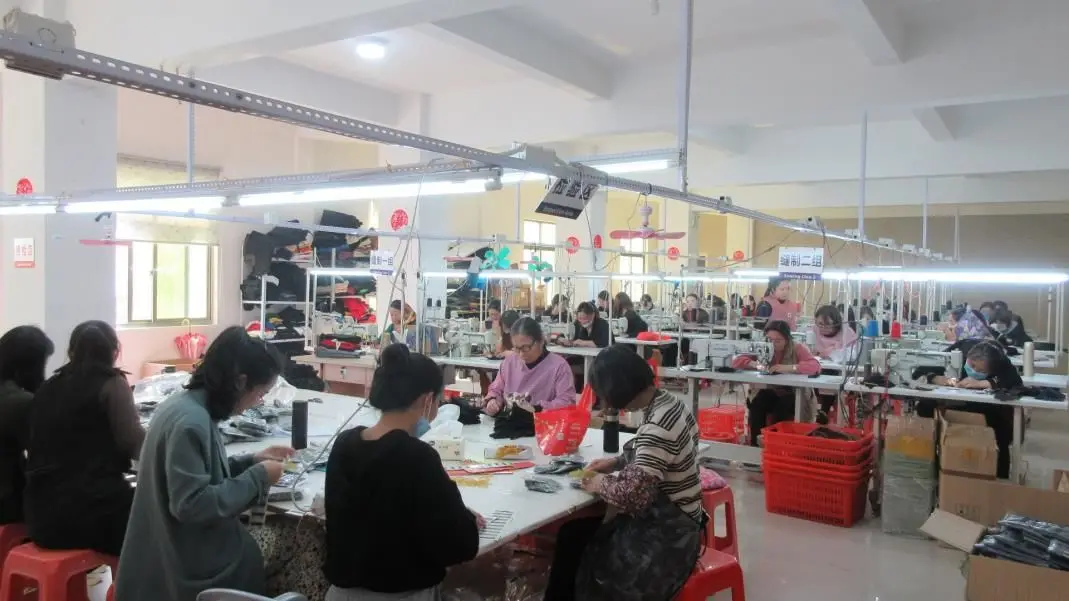
Quanzhou Fantran Gloves Co., Ltd.
- Manufacturer, Trading Company
- Fujian, China
- Lead time45 days
- Avg. response≤ 1h
Main productsRunning Gloves,sport Gloves,Garden Gloves,safety Gloves,Gym Gloves
Main marketsWestern Europe(40.00%), North America(25.00%), Domestic Market(15.00%), Southeast Asia(10.00%), South America(5.00%), Africa(5.00%)
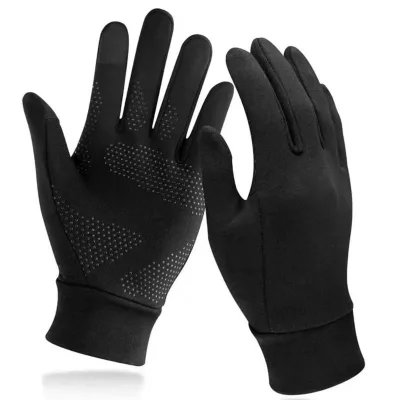
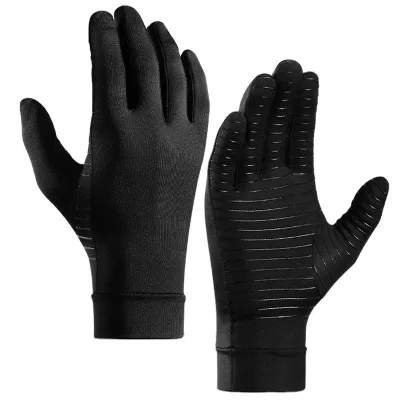
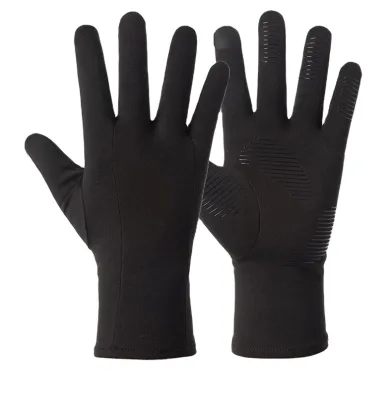

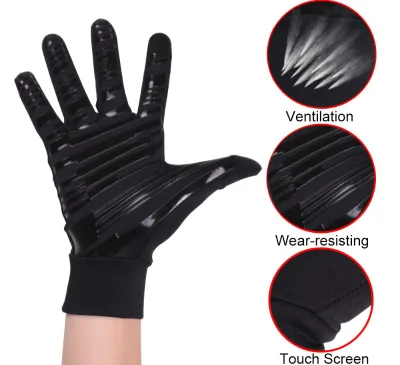
$3.74 - $5.98
MOQ: 1000 pieces
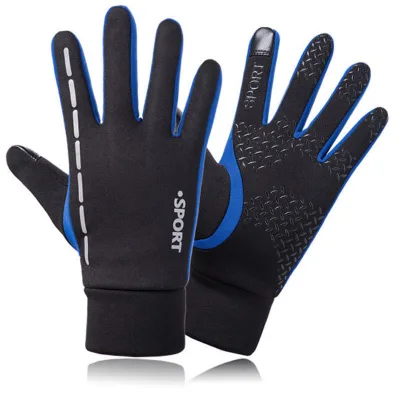
Outdoor Running & Motorcycle Sports Gloves Touch Screen & Keep Warm for Women & Men
$2.94 - $4.22
MOQ: 1000
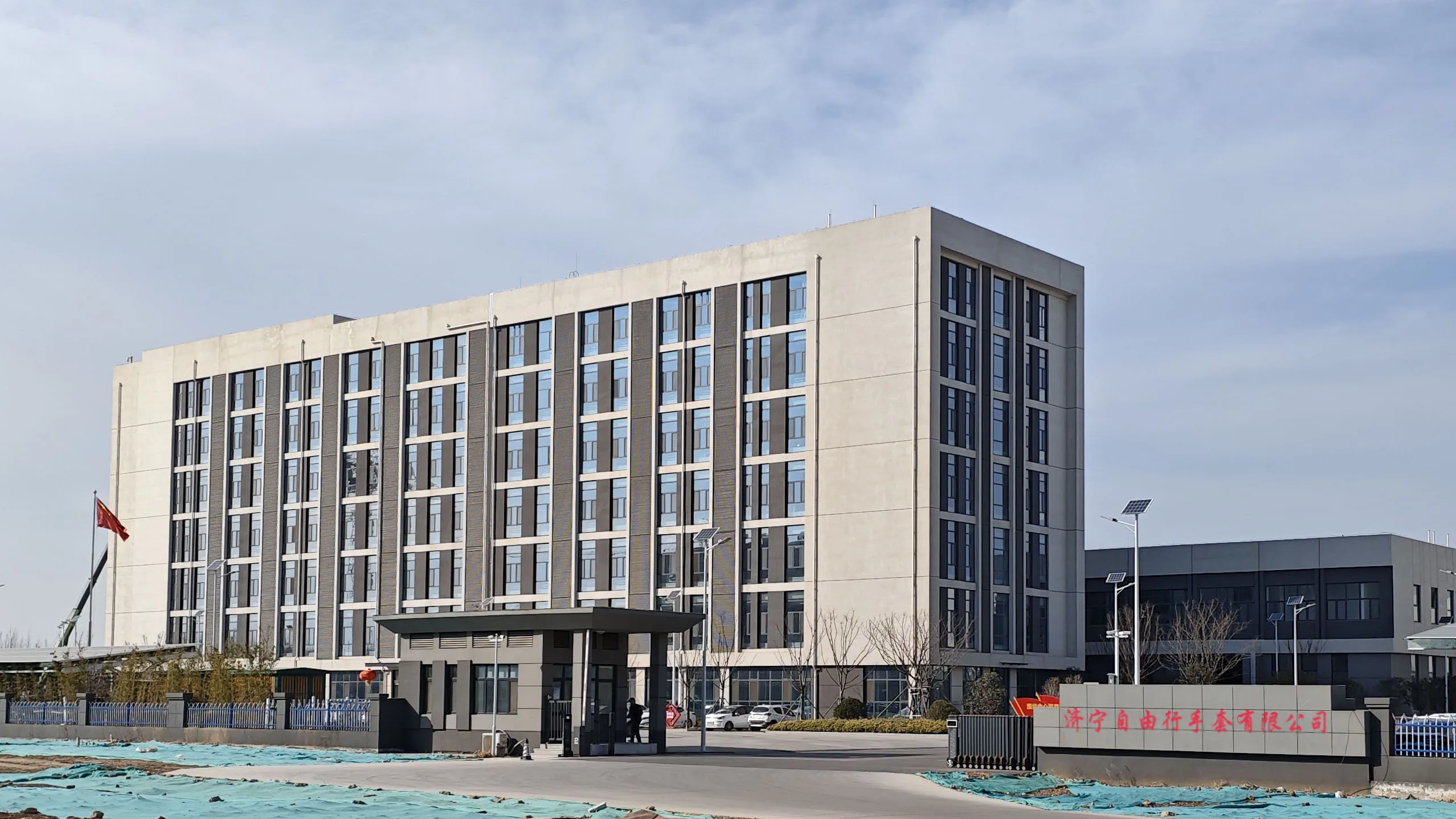
Jining Freedom Travel Gloves Co., Ltd.
- Manufacturer
- Shandong, China
- Lead time45 days
- Avg. response≤ 2h
Main productsSki gloves,Cycling gloves,Motorcycle gloves,Gym gloves,Work gloves
Main marketsNorth America(40.00%), Domestic Market(20.00%), Northern Europe(10.00%), Western Europe(10.00%), Eastern Asia(10.00%), Eastern Europe(5.00%), Southern Europe(5.00%)
Hangzhou Foreverrich Industry & Trading Co., Ltd.
- Trading Company
- Zhejiang, China
- Lead time30 days
- Avg. response≤ 13h
Main productsAccessories,Sweaters,T-shirts,Sportswear,Trousers
Main marketsNorthern Europe(70.00%), Eastern Europe(15.00%), Western Europe(15.00%)
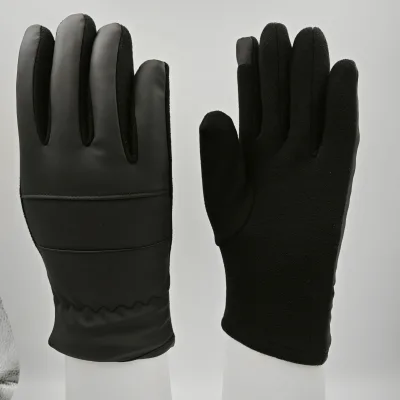
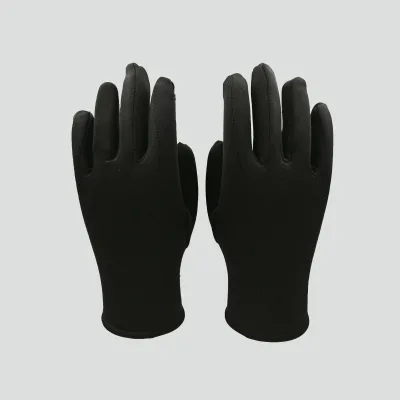
Multi-Season Outdoor Training Running Sports Gloves Elastic Cotton with Touch Screen Compatibility
$1.69 - $2.29
MOQ: 100 pairs
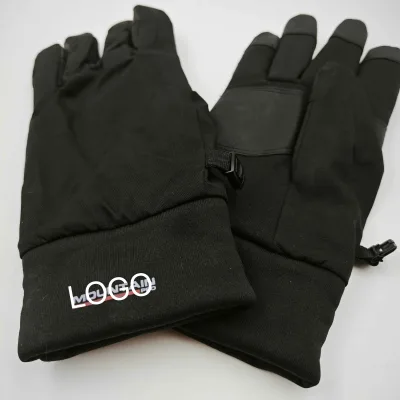
$2.17 - $3.09
MOQ: 100 pairs

- Trading Company
- China Jiangxi
- Lead time23 days
- Avg. response≤ 2h
Main productsDrawstring Bags, Canvas Bags, Plastic Case, Car Sunshade, Arm Sleeves, Cellphone Holder, Bandana, Headband, Scarf Scrunchie, Scarf
Main marketsEast Asia(Japan/ South Korea),Europe,Australia,North America


Outdoor Cycling Marathon Running Nylon Elastic Breathable Durable Anti-Slip Touchscreen Gloves
$0.35 - $1.80
MOQ: 100 Pairs

Hebei Dishixiao Gloves Manufacture Co., Ltd
- Verified by BV
- Trading Company
- China Hebei
- Lead time15 days
- Avg. response≤ 5h
Main productsCap, Apron, Gloves
Main marketsSouth America,Europe,North America


$3.80 - $5.50
MOQ: 100 Pieces

Ningbo Youkiunite Imp &Exp Co., Ltd
- Verified by CTI
- Trading Company
- China Zhejiang
- Lead time15 days
- Avg. response≤ 5h
Main productsSocks, Hat/Cap, Slippers, Shoelaces, Scarf, Gloves, Pet Products, Shoes Accessories, Garment Accessories, Shoes
Main marketsSouth America,Europe,North America


Winter Warm Thickened Gloves Unisex Knitted Gloves Running Anti Slip Touch Screen Gloves
$0.60 - $0.80
MOQ: 50 Pairs

Dongguan Chengsheng Gloves Purification Technology Co.,Ltd.
- Verified by TUVRHEINLAND
- Combined
- China Guangdong
- Lead time15 days
- Avg. response≤ 2h
Main productsCotton Gloves, Microfiber Cleaning Cloth, Kinesiology Tape, Arthritis Gloves, Sports Gloves
Main marketsEast Asia(Japan/ South Korea)

Adjustable Wrist Strap Fitness Winter Sport Gloves for Running and Outdoor Sports
$1.10 - $1.30
MOQ: 50 Pieces


Quan Zhou Xinqi Light Industry Co., Ltd.
- Verified by SGS
- Combined
- China Fujian
- Lead time45 days
- Avg. response≤ 3h
Main productsSports Glove, Glove, Cap, Sports Bag, Backpack, Fitness Products, Working Glove, Tool Bag, Running Glove and Bag, Cycling Bag and Glove
Main marketsSouth America,Europe,North America

Great Wall Products Mfg., Ltd.
- Verified by BV
- Manufacturer/Factory
- China Fujian
- Lead time90 days
- Avg. response≤ 3h
Main productsSafe Work Glove, Men Jacket, Workwear, Reflective Jacket, Mechanical Gloves, Labor Gloves, Women Jacket, Children Jacket, Ski Wear, Reflective Pants
Main marketsSouth America,Eastern Europe,North America,Western Europe

Customized Multifunctional Touchscreen Outdoor Sports Mountaineering Training Cycling Gloves
$2.80 - $3.80
MOQ: 1000 Pairs

High Touch Screen Full Finger Non-Slip Shock Absorption Warmth Cycling Outdoor Sports Gloves
$3.20 - $4.00
MOQ: 1000 Pairs

Custom Color Cycling Full Finger Touchscreen Outdoor Sports Thermal Multifunctional Gloves
$3.20 - $4.00
MOQ: 1000 Pairs

Customized Color Multi Task Multi-Functional Breathable Outdoor Sports Gloves for Cycling
$3.40 - $4.30
MOQ: 1000 Pairs

- Verified by TUVRHEINLAND
- Trading Company,Manufacturer/Factory
- China Jiangsu
- Lead time23 days
- Avg. response≤ 4h
Main productsMedal, Coin, Lapel Pin, PVC Patch, Embroidery Patch, Keychain, Button Badge, Silicone Wristband, Lanyards, Gift
Main marketsSouth America,Eastern Europe,Mid East,North America,Oceania,Western Europe

Sungnan Import & Export Co., Ltd.
- Verified by TUVRHEINLAND
- Combined
- China Zhejiang
- Lead time30 days
- Avg. response≤ 7h
Main productsScarf, Socks, China Scarf, Leggings, Hats, Bags, Gloves
Main marketsNorth America

- Verified by SGS
- Trading Company
- China Hebei
- Lead time30 days
- Avg. response≤ 6h
Main productsBike, Kids Bike, Balance Bike, Bicycle, Mountain Bike, Bicycle Parts, Baby Tricycle, Baby Motorcycle, Baby Walker, Baby Car
Main marketsSouth America,Africa,Southeast Asia/ Mideast,Europe

Anti-Slip and Windproof Outdoor Sports Touch Screen Gloves Are on Sale in China
$2.80 - $2.90
MOQ: 500 Pieces

Touch Screen Waterproof, Coldproof, Windproof, Thickened, Outdoor Cycling, Sports Gloves
$2.80 - $2.90
MOQ: 500 Pieces

Waterproof and Non-Slip Gray Black Touch-Screen Sports Gloves Outdoor Sports Gloves
$2.80 - $2.90
MOQ: 500 Pieces

$2.80 - $2.90
MOQ: 500 Pieces

Full Finger Winter Waterproof Non-Slip Touch Screen Outdoor Sports Gloves
$2.80 - $2.90
MOQ: 500 Pieces

Warm Gloves for Outdoor Cycling Outdoor Sports Waterproof, Coldproof Windproof
$2.80 - $2.90
MOQ: 500 Pieces


Comprehensive Sourcing Guide
Touch Screen Lightweight Running Gloves Supplier Concentration and Factory Types
Current data indicates supplier presence in specific Chinese provinces, with Anhui and Hebei regions showing active listings for sports safety and rehabilitation gear. In Anhui, trading companies dominate the landscape, often sourcing or distributing items like lightweight cycling gloves with touch screen compatibility. These entities typically bridge the gap between manufacturing and retail, offering a variety of styles including plain, unisex designs in materials such as acrylic or polyester. The presence of a trading company suggests a focus on aggregation rather than direct production, which may influence customization flexibility and lead time management for bulk orders.
Conversely, Hebei-based suppliers appear to operate as manufacturers or factories, holding certifications like BSCI and ISO 9001 that signal adherence to specific management standards. These facilities often list diverse product lines ranging from cotton eczema gloves to leather ski gloves, indicating a broader capacity for varied textile production. The distinction between trading companies and factories is critical for buyers seeking specific production capabilities. While trading companies may offer a wider array of pre-existing models, factories might provide deeper customization options for logos and designs, though this varies by individual facility. Buyers must verify the actual operational status of each entity to determine if they are direct producers or intermediaries.
How to Verify Touch Screen Lightweight Running Gloves Suppliers
Verification processes should prioritize checking for specific third-party audit results and company type classifications found in supplier profiles. For instance, some suppliers display CTI verification status, which serves as a concrete indicator of a completed inspection or assessment. When evaluating a potential partner, buyers should look for explicit mentions of system certifications such as BSCI or ISO 9001, which are documented for certain manufacturers in the Hebei region. These credentials provide evidence of compliance with social and quality management standards, reducing the risk of engaging with non-compliant operations. Absence of such data does not automatically disqualify a supplier, but it necessitates a more rigorous manual verification process before proceeding.
Response time metrics offer another layer of verification regarding supplier reliability and operational efficiency. Data shows response times varying significantly, with some entities responding within less than an hour while others take over twelve hours. A rapid response time, such as 0.64 hours, often correlates with a dedicated sales team and efficient communication channels, which is vital for resolving issues during the sourcing process. Buyers should also examine the "is_verified" status and cross-reference it with the company type. A trading company with a fast response time might be highly responsive to inquiries, whereas a factory with a slower response might be focused on production lines. Confirming these digital signals helps buyers filter for partners who are actively engaged and capable of handling urgent procurement needs.
What to Compare Across Touch Screen Lightweight Running Gloves Suppliers
When comparing suppliers, lead time and minimum order quantity (MOQ) are primary differentiators that directly impact inventory planning and cash flow. Available data reveals lead times ranging from zero to twenty-three days, with some suppliers indicating immediate availability while others require a month for production. Similarly, MOQs vary widely, with some listings showing thresholds as low as 100 units, while others demand orders of 10,000 pieces. Buyers must align these figures with their specific volume requirements to avoid overstocking or facing unfulfillable orders. A supplier with a low MOQ might be ideal for testing new designs, whereas a high MOQ supplier could offer better unit economics for large-scale distribution.
Price ranges and material specifications also require careful comparison to ensure value alignment. Product listings show prices fluctuating from as low as $0.13 to over $5.00 per unit, depending on features like waterproofing, touch screen compatibility, and material composition. Materials cited include acrylic, 100% polyester, and leather, each affecting the final cost and performance characteristics of the gloves. Buyers should compare the price against the specific attributes listed, such as whether the item includes a buckle, specific finger lengths, or anti-slip features. Additionally, checking if OEM services are available and what the customization limits are can reveal the true cost of branding. A lower price point might exclude essential features, so a holistic view of the product attributes is necessary for accurate cost-benefit analysis.
Common Touch Screen Lightweight Running Gloves Sourcing Risks
One significant risk involves the discrepancy between claimed capabilities and actual production capacity, particularly regarding customization and lead times. While some suppliers list "Customization: Available" and offer OEM services, the actual ability to meet specific design requests depends on their internal resources. For instance, a trading company might promise customization but rely on third-party factories, introducing potential delays or quality inconsistencies. Buyers should verify if the supplier has the specific machinery and expertise to handle the requested modifications, such as adding custom logos or altering the touch screen conductive thread placement. Relying solely on marketing claims without verifying the production workflow can lead to missed deadlines and subpar product quality.
Another risk stems from inconsistent product standards and material quality across different listings. The data shows varying material compositions, from acrylic to polyester, and different feature sets like waterproofing or temperature ranges. Without a standardized testing protocol, a buyer might receive gloves that do not perform as expected in actual use conditions. For example, a glove marketed as waterproof might fail under heavy rain if the sealing is not robust. Furthermore, the lack of uniform certification across all suppliers means that some products may not meet international safety or environmental standards. Buyers must request specific test reports or samples to validate that the materials and construction meet their quality benchmarks before committing to a large order.
Touch Screen Lightweight Running Gloves Regional Sourcing and Logistics
Sourcing from regions like Anhui and Hebei in China offers access to established manufacturing clusters, but logistics planning must account for regional specificities. Suppliers in these areas often have experience exporting sports safety and rehabilitation gear, which implies familiarity with international shipping requirements. However, the distance from major ports and the specific infrastructure of each province can affect transit times and freight costs. Buyers should inquire about the supplier's experience with their preferred shipping methods and whether they can provide consolidated shipping options to reduce costs. Understanding the local logistics network helps in predicting delivery schedules more accurately and managing potential delays caused by regional infrastructure constraints.
Logistics also involve packaging and handling standards that vary by supplier. Product evidence indicates different packing methods, such as polybags, OPP bags, or customized packaging solutions. These choices impact the final product condition upon arrival and the efficiency of storage at the destination. A supplier using standard polybags might be cost-effective but offer less protection compared to one offering customized packaging. Buyers should specify their packaging requirements early in the negotiation to ensure the gloves arrive in optimal condition. Additionally, verifying the supplier's ability to handle export documentation and customs clearance is crucial, especially when sourcing from multiple locations within China. Clear communication regarding logistics responsibilities prevents misunderstandings and ensures a smooth supply chain flow.
Touch Screen Lightweight Running Gloves Commercial Terms and Order Planning
Commercial terms, including payment structures and escrow options, play a pivotal role in securing a safe transaction. While specific escrow details are not universally listed, buyers should prioritize platforms or methods that offer buyer protection mechanisms. Understanding the payment terms, such as deposit percentages and balance due dates, is essential for financial planning. Some suppliers may require a significant upfront payment, while others might offer more flexible terms for established partners. Buyers must clarify these terms before placing an order to avoid cash flow disruptions. Additionally, verifying if the supplier accepts letters of credit or other secure payment methods can mitigate financial risks associated with international trade.
Order planning requires a strategic approach to align production schedules with market demands. Given the variability in lead times and MOQs, buyers should plan their orders well in advance to accommodate production cycles. For instance, a supplier with a 23-day lead time and a 10,000-piece MOQ requires a different planning horizon than one with a zero-day lead time and a 100-piece MOQ. Buyers should also consider the seasonal nature of the product, as demand for running gloves may fluctuate throughout the year. Establishing a clear timeline for design approval, production, and shipping ensures that the inventory arrives when needed. Regular communication with the supplier regarding production status helps in adjusting plans dynamically and maintaining a reliable supply chain.
FAQs
What is the minimum order quantity for these gloves?
The minimum order quantity varies by product, with some items requiring 100 units while others need 10,000 units. Buyers should check specific product listings for exact thresholds before placing an order to ensure compliance with supplier requirements.
How long does it take to receive the goods?
Lead times differ among suppliers, with some listing a 23-day production window while others show zero days. Buyers must verify the specific lead time for their selected item to plan their inventory and shipping schedules accurately.
Are these gloves suitable for touch screen use?
Yes, many listed products explicitly feature touch screen compatibility for convenient device use while wearing them. These gloves are designed for adults and often include anti-slip features to ensure safety and functionality during various outdoor activities.
What materials are used to make these gloves?
Materials vary across the available options, including acrylic and 100% polyester for different performance needs. Buyers can find gloves with specific features like waterproofing or warmth depending on the intended outdoor activity such as cycling or hiking.
Do suppliers offer customization services for these gloves?
Customization is available for many products, allowing buyers to request specific logos or designs. Suppliers also offer OEM services, enabling brands to create unique products that meet their specific market requirements and design preferences.
Where are these gloves manufactured?
The gloves are manufactured in China, specifically in regions like Anhui and Hebei. Buyers should verify the exact origin for each product to understand shipping logistics and potential tariffs associated with importing goods from these specific locations.
What is the price range for these gloves?
Prices range from as low as 0.13 dollars up to 5.00 dollars per unit depending on the model. Buyers should compare specific product listings to find the best price point that fits their budget and quality expectations.
Are the suppliers verified for quality assurance?
Some suppliers hold CTI verification and certifications like BSCI and ISO 9001 to ensure quality standards. Buyers should check the verification status of each supplier to confirm they meet necessary safety and ethical production requirements.