Marine Boat Ship Fuel Filter Suppliers and Manufacturers
Compare 18 verified Marine Boat Ship Fuel Filter suppliers by location, lead time, and certification. Review product specifications and pricing to select a factory that meets your OEM or ODM requirements for marine engine parts; review the available evidence before requesting comparable quotations from suitable candidates.
Suppliers List

Cangzhou Zhuorun Auto Parts Co., Ltd.
- Verified by CTI
- Combined
- China Hebei
- Lead time45 days
Main productsOil Filter, Fuel Filter, Air Filter, Air Dryer, Hydraulic Filter, AC Filter, Truck Filter, Oil-Water Separator, Engineering Machinery Filter, Air Compressor Filter
Main marketsAfrica,Southeast Asia/ Mideast,Domestic,Europe
Henan HTD Industrial Co., Ltd.
- Verified by SGS
- Trading Company,Manufacturer/Factory
- China Henan
- Lead time45 days
Main productsFuel Filter, Oil Filter, Air Filter, Hydraulic Oil Filter, Engine Parts, Diesel Filter, Brake Valve, Brake Disc
Main marketsSouth America,Eastern Europe,Mid East,North America,Southeast Asia,Eastern Asia,Oceania,Western Europe,Africa


10 Micron Marine Ship/Boat 2020TM Fuel Filter for 1000fg Fuel Water Separator
$11.30 - $11.90
MOQ: 12 pieces


$170.00 - $174.00
MOQ: 2 Pieces


Jingjiang Trust Trading Co., Ltd.
- Trading Company
- China Jiangsu
- Lead time30 days
Main productsWinch, Ancor Chain, Life Boat, Ship Models, Ladder, Window, Heating Treatment Fixtures, Bathroom Cabin Unit, Propeller & Shaft, Galvanized Steel Plank
Main marketsSouth America,Africa,Others(foreignTradeCapacity.exportBusinessCapacityMarketOther),Southeast Asia/ Mideast,East Asia(Japan/ South Korea),Domestic,Europe,Australia,North America

Anhui Meiruier Filter Co., Ltd.
- Verified by SGS
- Trading Company,Manufacturer/Factory
- China Anhui
- Lead time45 days
Main productsFilter, Fuel Filter, Oil Filter, Air Filter, Auto Fuel Filter, Auto Oil Filter, Auto Filter, Truck Oil Filter, Truck Filter, Truck Fuel Filter
Main marketsSouth America,Eastern Europe,Mid East,North America,Southeast Asia,Eastern Asia,Oceania,Western Europe,Africa


Auto Trucks Parts Diesel Engine Fuel Water Separator Filter for Marine Outboard S3227 Bf46028-O
$2.01 - $5.75
MOQ: 500 Pieces

Auto Spin-on Parts Diesel Truck Engine Fuel Water Separator Filter for Marine Outboard Motor S3213
$1.68 - $4.15
MOQ: 500 Pieces

- Verified by SGS
- Trading Company,Manufacturer/Factory
- China Shaanxi
- Lead time0 days
Main productsPush Pull Cable, Marine Engine Control, Mixer Control Lever, Auto Control Cable, Heavy Truck Control Lever, Marine Control Cable, Rotary Steering System, Rotary Steering Helm

Fuel Filter/Water Separator Diesel Turbine Marine Boat Superior 500fg 500fh
$24.00 - $25.00
MOQ: 1 Pieces


Fuel Filter for Auto/Truck/Heavy Duty Machinery/Marine
MOQ: 10 Pieces


OEM Me121646 Fuel Water Separator Filter
MOQ: 10 Pieces
Changsha Conxin Machinery & Electric Imp & Exp Co.,ltd
- Verified by Intertek
- Trading Company
- Lead time30 days
- Avg. response≤ 8h
Main productsMarine Engine, Marine Gearbox, Propeller, Sea Water Pump, Generator
Main marketsSoutheast Asia(50%), South America(20%), Africa(20%)

Dongguan ZEB Power Solution Company Limited
- Verified by SGS
- Trading Company
- China Guangdong
- Lead time15 days
Main productsCummins Engine Parts, Perkins Engine Parts, Caterpillar Engine Parts, Industrial Diesel Generators, Diesel Engine Filters, Comap Controller, Deepsea Controller, Smartgen Controller, Portable Gasoline Generators
Main marketsEurope

$8.00 - $25.00
MOQ: 1 Pieces

$8.00 - $15.00
MOQ: 1 Pieces

$8.00 - $25.00
MOQ: 1 Pieces
Jiaozuo Shuangyi Filter Co., Ltd.
- Verified by CTI
- Combined
- China Henan
- Lead time15 days
Main productsAir Filter, Oil Filter, Fuel Filter, Water Separator Fuel Filter, Hydraulic Filter, Cabin Filter, Brake Pads, Water Filter, Oil Content, Dust Filter Element
Main marketsSouth America

R160p R160t Fuel Filter Fuel Water Separator Diesel Filter for Marine Engine Parts
$6.00 - $9.00
MOQ: 50 Pieces

R160p R160t Fuel Filter Water Separator Dieel Filter for Marine Engine Parts
$6.00 - $9.00
MOQ: 50 Pieces

High Quality Diesel Marine Boat Fuel Water Separator 500fh 900fh 1000fh Fuel Filter 2020pm
$22.00 - $28.00
MOQ: 4 Pieces


Efficient Water Removal Boat Filter S3227 18-7922 Diesel Fuel Water Separators 18-7948 Fuel Filter
$5.37 - $6.72
MOQ: 20 Pieces

Ruian Sanrun Autoparts Co., Ltd.
- Verified by BV
- Trading Company
- China Zhejiang
- Lead time30 days
Main productsOil Filter, Auto Filter, Fuel Filter, Air Filter, Sensor, Hydraulic Filter, Tank Cap, Soleniod Valve, Cabin Filter, Water Filter
Main marketsSoutheast Asia/ Mideast,Domestic,Europe,North America


Fuel Filter Assembly 1766160 for Yacht Engine Maintenance Outboard Boat Fuel Filter Replacement
$1.00 - $10.00
MOQ: 300 Pieces


Jinan Fuju Auto Parts Co., Ltd.
- Verified by SGS
- Trading Company
- China Shandong
- Lead time15 days
Main productsFilter, Heavy-Duty Truck Accessories, Generator Sets Filter, Mining Equipment Filters, Commercial Truck Filters, Silicone Hoses
Main marketsDomestic,Europe

Ship Engine Oil-Water Separator Speedboat Fuel Filter R23107-10 R23107-02 R23107-30
$2.00 - $6.00
MOQ: 100 Pieces

Marine Outboard Engine Fuel Water Separator Filter Bf46024-O Fs1233 R24p R24t
$2.00 - $10.00
MOQ: 100 Pieces


Water Separating Fuel Filter Suitable for 4 Stroke Outboard Engine 90794-46905
$3.00 - $9.00
MOQ: 100 Pieces
Guangzhou Railway Locomotive Fittings Works Co., Ltd.
- Verified by TUVRHEINLAND
- Manufacturer/Factory
- China Guangdong
- Lead time23 days
Main productsClean Room Air Filter, HVAC Air Filter, Gas Turbine Air Filter, Spraybooth Air Filter, Locomotive Filter, Hydraulic Filter, HEPA Filter, Swimming Pool Filter, Pocket Filter, Bag Filter
Main marketsSouth America,Eastern Europe,Mid East,North America,Southeast Asia,Eastern Asia,Oceania,Western Europe,Africa

Sichuan Hongjun Science and Technology Co., Ltd.
- Verified by CTI
- Trading Company
- China Sichuan
- Lead time23 days
Main productsWheel Loader Parts, Excavator Parts, Liugong Parts, Cummins Parts, Caterpillar Parts, Isuzu Diesel Engine, Komatsu Parts, Diesel Engine Parts, Diesel Outboard Engine, Outboard Motor
Main marketsSoutheast Asia/ Mideast,East Asia(Japan/ South Korea),Europe,North America

KAZON HEAVYSOURCE PARTS CO., LTD.
- Verified by BV
- Trading Company,Manufacturer/Factory
- China Shandong
- Lead time15 days
Main productsHeavy Duty Truck Air Fuel Oil Filter Replacement, Air Compressor Oil Gas Separator Filter, Excavator Hydraulic Oil Filter for Cat Komatsu S, Heavy Duty Truck Filter, Agricultural Tractor Filter for John Deere Kubot, Fuel-Water Separator, Diesel Generator Set Fuel Water Separator Filter, Replacement Filters for Fleetguard Perkins Cummi, Construction Machinery Engine Air Intake Filters, Marine Engine Diesel Filter for Ships and Vessel
Main marketsSouth America,Eastern Europe,Mid East,North America,Southeast Asia,Eastern Asia,Oceania,Western Europe,Africa

Shanghai Junyi Filter Equipment Co., Ltd.
- Verified by TUVRHEINLAND
- Trading Company
- China Shanghai
- Lead time15 days
Main productsFilter Press, Filter Plate, Filter Cloth, Bag Filter, Filter Bag, Cartridge Filter, Filter Cartridge, Diesel Purifier, Industrial Pump, Single Screw Plastic Extruder
Main marketsSouth America,Africa

Chengdu Raptors Mechanical & Electrical Equipment Co., Ltd.
- Verified by SGS
- Trading Company,Manufacturer/Factory
- China Sichuan
- Lead time15 days
Main productsEngine Parts, Filter, Dumper Truck Part, Turbocharger, Piston, Hydraulic Pump, Oil Pump, Main Bearing, Injector, Drilling Bit
Main marketsSouth America,Eastern Europe,Mid East,North America,Southeast Asia,Eastern Asia,Oceania,Western Europe,Africa
- Trading Company
- Shandong, China
- Lead time35 days
- Avg. response≤ 3h
Main productsTruck parts,Auto filtration system,Auto lighting system,Auto braking system,Auto sensor system
Main marketsAfrica(15.00%), North America(10.00%), Southeast Asia(10.00%), Northern Europe(10.00%), Mid East(10.00%), Eastern Asia(8.00%), South Asia(5.00%), Southern Europe(5.00%), Eastern Europe(5.00%), Domestic Market(5.00%), Western Europe(5.00%), Oceania(5.00%), South America(5.00%), Central America(2.00%)

Hebei Congben Vehicle Fittings Co., Ltd.
- Verified by TUVRHEINLAND
- Trading Company,Manufacturer/Factory
- China Hebei
- Lead time15 days
Main productsAir Filter, Cabin Filter, Oil Filter, Fuel Filter, Fuel Water Separator, Motorcycle Filter, Transmission Filter, Truck Filter, Construction Machinery Filter Element, Spark Plug Brake Pads Water Pump
Main marketsSouth America,Eastern Europe,Mid East,North America,Southeast Asia,Oceania,Western Europe,Africa


Heavy Duty Filter Parts Diesel Engine 900fg 900fh Fuel Water Separator Filter for Boat
$17.80 - $22.80
MOQ: 50 Pieces
Shijiazhuang ChiChong Supply Chain Management Co., Ltd.
- Verified by CTI
- Trading Company
- China Hebei
- Lead time23 days
Main productsPk Belt, V-Belt, Timing Belt, Serpentine Belt, Truck Belt, Truck Air Filter, Car Belt, Truck Fuel Filter, Drive Belt, Truck Oil Filter
Main marketsEast Asia(Japan/ South Korea),Domestic




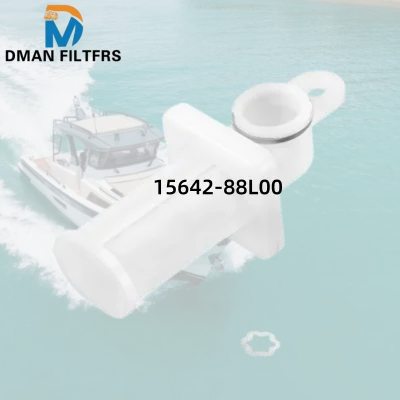
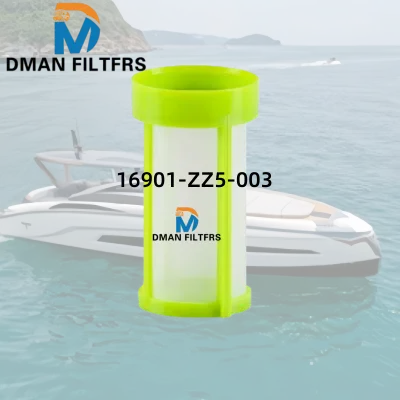
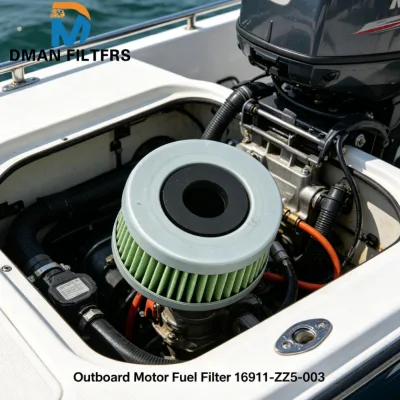
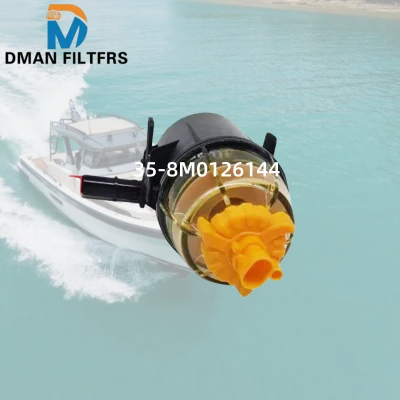


Comprehensive Sourcing Guide
Marine Boat Ship Fuel Filter Supplier Concentration and Factory Types
Sourcing results for this category show active supply from China, with Hebei and Henan emerging as listed origins among the current supplier pool. The Hebei-based entries are combined manufacturer-traders whose catalogs span oil, fuel, air, hydraulic and truck filters, including marine engine fuel and oil filters sold under OE references such as WK962_7, 140517050 and ME064356. These listings carry ODM customization, box or custom packing and OEM-standard claims, which is typical of filter makers that produce across engine brands rather than focusing solely on marine applications. Suppliers of this type often serve truck and engineering machinery buyers first, with marine listings as an extension line.
The Henan-based entries combine trading company and manufacturer/factory roles and hold ISO 9001 and ISO 14001 system certifications with SGS verification. Their listings are more explicitly marine, covering fuel water separator elements and assemblies for boat and ship diesel engines, including Racor-pattern references such as R60T, 2020TM and R160T with filtration precision claims around 10 to 30 microns. This split matters when you shortlist: a factory-type supplier may offer deeper customization and OE-number matching, while a trading-hybrid can consolidate wider part ranges. Review each listing's company type, verified status and main product line to judge whether marine fuel filtration is a core competency or a secondary offering before investing time in sampling.
How to Verify Marine Boat Ship Fuel Filter Suppliers
Start with third-party verification badges and system certifications displayed on the supplier profile. In the current results, one Hebei supplier is verified by CTI, while a Henan supplier is verified by SGS and lists ISO 9001 and ISO 14001. These are meaningful starting signals, but they are not product-specific proof: a quality management certificate says little about whether a fuel water separator actually achieves its stated micron rating or water separation efficiency. Ask the supplier for the certificate scope, validity dates and whether any product-level test reports exist for the exact filter model you intend to buy.
Then verify capability claims against listing evidence. Both supplier groups advertise ODM customization, so request documentation showing how they handle OE-number cross-referencing, filter media selection and packing specification; one listing, for example, states custom packing while another specifies box packing with an OEM standard. Confirm the stated origin — several listings say China or Hebei/China — and reconcile it with the company's registered location, since one product lists Shanghai as origin despite the supplier being registered elsewhere. Ask whether the OE references quoted, such as WK962_7 or R60T, are produced to original specifications or as pattern parts, and request sample units for teardown and fitment checks. Finally, verify responsiveness and trade history yourself: a supplier that answers specification questions quickly and consistently is far more reliable in production than one whose profile looks polished but whose replies are slow or evasive.
What to Compare Across Marine Boat Ship Fuel Filter Suppliers
Build a comparison sheet using the attributes actually displayed on supplier listings, and note where data is missing rather than assuming every supplier shows the same fields. Useful dimensions include company type (combined manufacturer-trader versus trading company with factory), verification status, system certifications, main product range, research and development capacity (one supplier lists ODM capability, another lists an own brand plus OEM and ODM), location, and lead time — one current listing shows a 45-day lead time, which should prompt you to ask others for theirs in writing. Response speed during inquiry is a practical proxy for account management quality.
On the product side, compare listed price ranges and minimum order quantities directly from the listings: current fuel and oil filter listings span roughly $2–6 per unit with MOQs of 200–300 pieces on one side, and roughly $1–30 with MOQs as low as 2–12 pieces on the other. That spread reflects different product classes — commodity spin-on filters versus branded water separator assemblies — so compare like with like before concluding one supplier is cheaper. Also compare OE-number coverage, filtration precision figures (10 micron versus 30 micron claims appear in current listings), material and structure specifications (paper core, filter element or assembly), packing options, and customization availability. Score each supplier on evidence quality, not just price: a listing with a complete attribute set and a verified profile usually predicts fewer surprises than a low quote with sparse detail.
Common Marine Boat Ship Fuel Filter Sourcing Risks
The most frequent risk in this category is specification mismatch. Listings may quote an OE reference or a branded pattern — Racor Parker references appear in current results — without guaranteeing equivalent filtration precision, water separation performance or thread and gasket dimensions. A filter that fits physically can still fail functionally if the media grade differs, so insist on samples matched to the exact OE number, such as 2020TM or R60T, and test them against your engine's requirements before committing to volume. Related to this is the brand-pattern ambiguity: listings describe "Racor Parker" as the brand while also stating OEM branding, so clarify in writing whether you are buying an original, a licensed pattern or an independent equivalent.
Other risks center on production and logistics. A 45-day lead time on one listing shows that this category is not uniformly fast-shipping; long production cycles combined with marine seasonality can leave you stocked out at peak refit periods. Minimum order quantities of 200–300 pieces on some listings can create inventory burden for smaller distributors, even where per-unit prices look attractive at $2–4. Mixed roles — trading companies acting alongside factories — can blur responsibility when defects appear, so agree on the manufacturing entity, warranty handling and defect documentation up front. Finally, origin inconsistency, such as a Hebei-registered company listing Shanghai as product origin, should be reconciled before customs paperwork is prepared, as declared origin affects clearance and any preferential tariff treatment.
Marine Boat Ship Fuel Filter Regional Sourcing and Logistics
The current supplier pool points to two Chinese provinces worth investigating: Hebei and Henan. Hebei listings emphasize broad automotive and truck filter production — oil, fuel, air, hydraulic, air dryer, AC and engineering machinery filters — with marine engine oil and fuel filters appearing under specific OE models. Henan listings lean more directly into marine applications, marketing fuel water separator filters and elements for boat and ship diesel engines. This regional split gives you a practical sourcing strategy: approach Hebei-type suppliers when you need cost-effective volume on standard spin-on fuel and oil filters, and Henan-type suppliers when your priority is marine-specific separation assemblies and branded-pattern elements. Both regions ship through China's established export ports, so freight cost differences between them are usually minor compared with product price and MOQ.
On logistics, plan around the listed lead times rather than assuming short production cycles; the 45-day lead time shown in current results is a realistic planning anchor for customized or made-to-order filter runs. Packing matters more than in many categories: current listings specify box, carton and customizable packing, and fuel filters with elements are sensitive to crushing and moisture in transit. Confirm carton dimensions — one listing states a 12×12×30 cm carton standard — to calculate container fill accurately. Ask whether sea-freight cartons include internal dividers and poly bags, and request photos of actual packed goods, since filter gaskets and media can degrade if packed loosely for long ocean transit.
Marine Boat Ship Fuel Filter Commercial Terms and Order Planning
Structure your first orders to control risk while gathering performance data. Given the MOQ spread in current listings — as low as 2–12 pieces for branded separator elements and 200–300 pieces for standard filters — a sensible approach is to sample low-MOQ items broadly, then consolidate volume on the models that pass fitment and filtration checks. Use the listed price bands as negotiation references but confirm current quotes in writing, since published ranges such as $2–4, $4.30–6, $3–5, $11.30–11.90 and $20–22 reflect different product classes and may not represent your final terms. Agree Incoterms, payment structure and whether any platform escrow or trade assurance mechanism applies; current results do not display escrow details, so verify this directly with each supplier rather than assuming protection.
Plan orders against a 45-day lead-time scenario unless a supplier proves faster, and build in buffer stock ahead of your market's boating and refit season. For repeat orders, lock specifications in a controlled document: OE numbers, filtration precision, media type, packing format and labeling should be fixed in the purchase contract, since listings here show both OEM-standard and customizable packing and packaging. Confirm who owns tooling or drawings if you commission ODM versions. Finally, set acceptance criteria — dimensional checks, leak tests and random teardown inspection — and state remedies for out-of-spec batches. Clear terms on quality, lead time and packaging convert listing claims into enforceable commitments and protect margin across repeat cycles.
FAQs
What types of marine fuel filters are available from suppliers?
Buyers can source fuel water separators, cartridge-style fuel filter elements, marine engine oil filters, and combined oil, fuel, and air filter assemblies. Listings cover both element-only replacements and complete separator assemblies. Many models are produced to OEM standards with matching OE numbers, and customization is commonly available, so verify the exact OE number against your engine model before ordering.
What is the typical MOQ for marine fuel filter orders?
Minimum order quantities vary by product type. Small filter elements and separator assemblies are listed with MOQs as low as 2 to 12 pieces, while marine engine oil filter models commonly require 200 to 300 pieces per order. Confirm the MOQ for your specific OE number, since low-MOQ sample quantities often carry a higher unit price than bulk production runs.
How much do marine fuel filters cost per unit?
Listed prices range widely by type and complexity. Simple marine oil and fuel filter cartridges are quoted around 2 to 6 dollars per piece, while branded fuel water separator assemblies run roughly 11 to 30 dollars depending on filtration precision and model. Pricing depends on the OE number, order quantity, and customization level, so request quotes for your exact specification.
Do suppliers offer OEM or ODM customization for marine fuel filters?
Yes, customization is available on the listed products, and suppliers advertise ODM capability, with some also supporting OEM production under their own brand. Products are built to OEM standards with packing options ranging from standard boxes to fully customized packaging. Before committing, confirm whether customization applies to your specific filter model and what tooling or label requirements affect the lead time.
Where are the marine fuel filter suppliers located?
The listed suppliers are based in China, with manufacturing concentrated in Hebei province and additional sourcing operations in Henan. Products themselves are marked with origins including Hebei and Shanghai. Location matters for logistics planning, so factor in the shipping port, freight terms, and consolidation needs when comparing suppliers across these regions for your delivery destination.
What is the lead time for marine fuel filter production?
One listed supplier reports a 45-day lead time, which you should treat as an indicative benchmark for customized or bulk production. Actual lead times vary with order size, customization level, and factory scheduling. Ask each supplier to confirm production time separately from shipping time, and clarify whether the quoted lead time starts from deposit payment or from artwork approval.
How can I verify the quality of a marine fuel filter before ordering?
Check the supplier's verification status, since some listings carry third-party verification such as CTI or SGS, and some factories hold ISO 9001 and ISO 14001 system certifications. Also review product standards, OE number accuracy, and stated filtration precision, which ranges from 10 to 30 microns on listed items. Request samples and confirm filtration grade and material specifications against your engine requirements.
What should I check when matching a filter to my ship engine?
Match the OE number first, since listed products reference OE numbers like WK962_7, 140517050, ME064356, R60T, and 2020TM. Confirm the application type, whether the filter is for a marine diesel engine, ship, or boat, and check the filtration precision, typically 10 to 30 microns for fuel water separators. Verify dimensions, wet or dry pattern, and whether you need the element only or a full assembly.