Seamless Crystal Tulip Carving Suppliers and Manufacturers
Compare 16 verified suppliers offering Seamless Crystal Tulip Carving with details on location, lead times, and MOQ. Review product attributes like material and size to select the right partner for your order; review the available evidence before requesting comparable quotations from suitable candidates.
Updated
Suppliers List
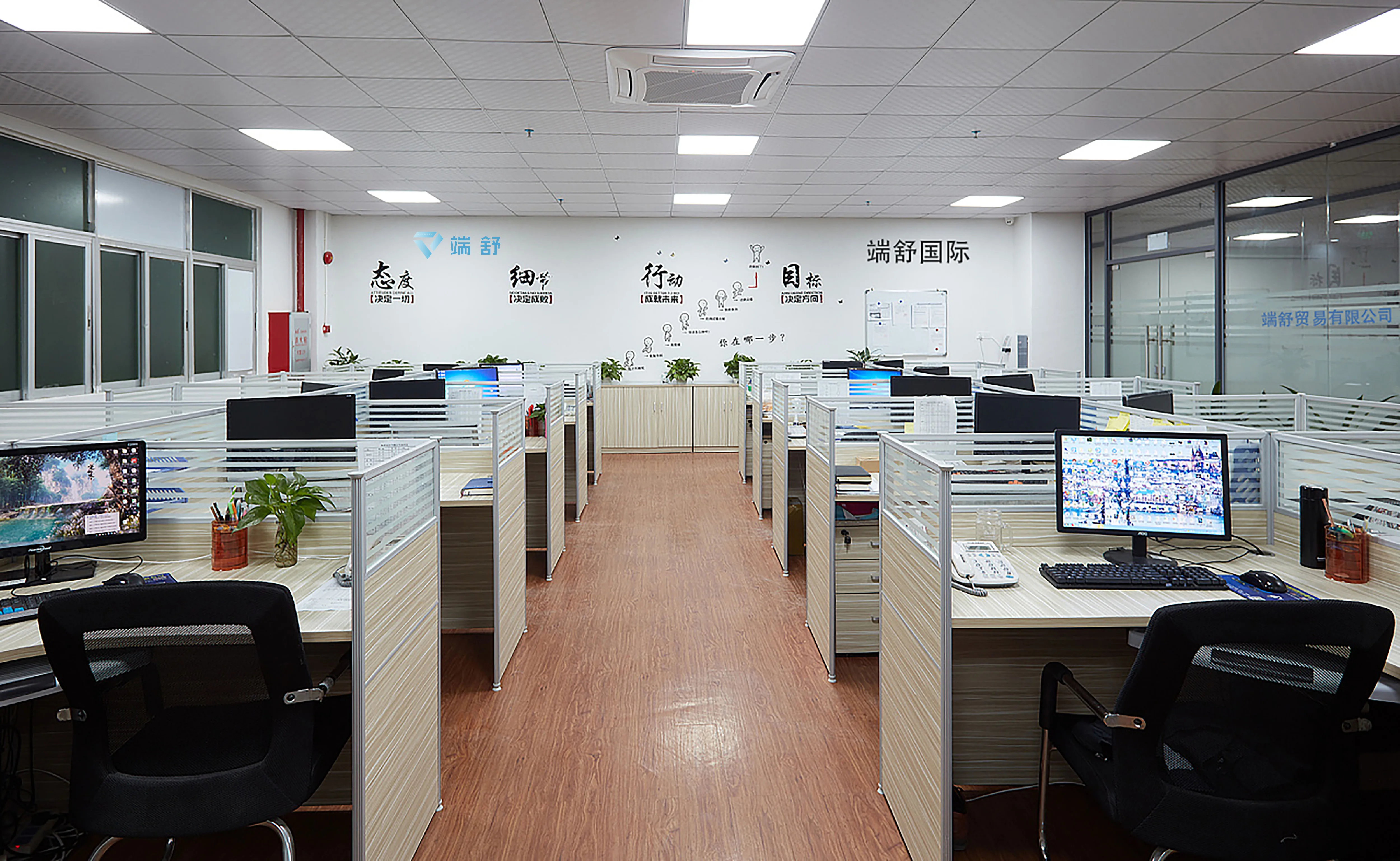
Lianyungang Duanshu Trading Co., Ltd.
- Trading Company
- Jiangsu, China
- Lead time3 days
- Avg. response≤ 2h
Main productsCrystal Bracelets,Crystal Raw Stone,Crystal Bangles,Crystal Healing Stone,Gravels/Chips
Main marketsNorth America(40.00%), Southeast Asia(20.00%), South America(10.00%), Oceania(10.00%), Western Europe(5.00%), Eastern Europe(5.00%), South Asia(5.00%), Northern Europe(3.00%), Africa(2.00%)
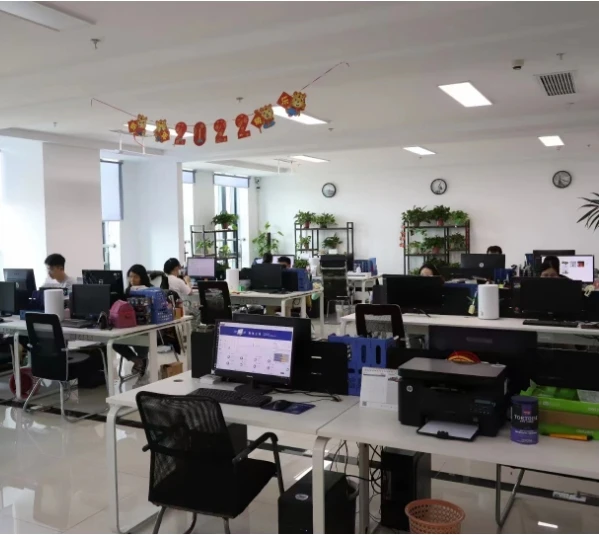
Lianyungang Fream Crystal Products Co., Ltd.
- Manufacturer, Trading Company
- Jiangsu, China
- Lead time12 days
- Avg. response≤ 1h
Main productsCrystal carvings,Crystal towers,Crystal tumbled stones,Crystal specimens,Healing crystal stones
Main marketsNorth America(27.00%), Western Europe(15.00%), Northern Europe(9.00%), Oceania(9.00%), Domestic Market(6.00%), Southeast Asia(5.00%), South Asia(5.00%), Southern Europe(5.00%), Eastern Europe(5.00%), Mid East(5.00%), South America(4.00%), Central America(3.00%), Eastern Asia(2.00%)
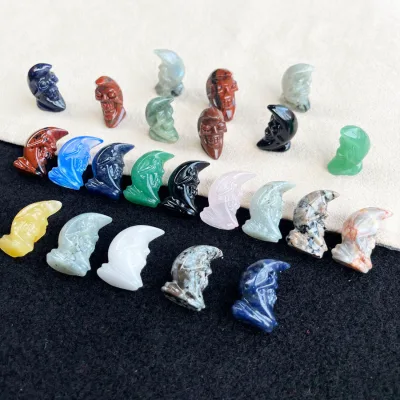
Carved Rose Crystal Moon Skulls Healing Stones Quartz Crystal Moon Face Carving for Home Decor
$1.759 - $2.5868
MOQ: 10 pieces
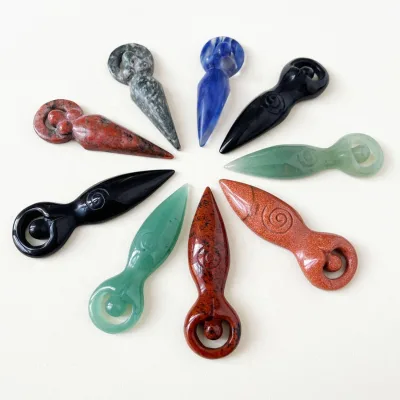
Assorted Carved Gemstone Crystal Holy Goddess Figurines Carving for Pendants
$6.1048 - $7.2425
MOQ: 2 pieces
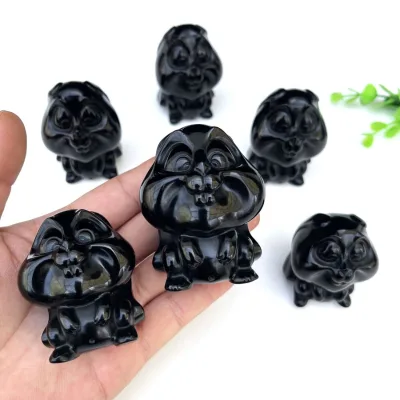
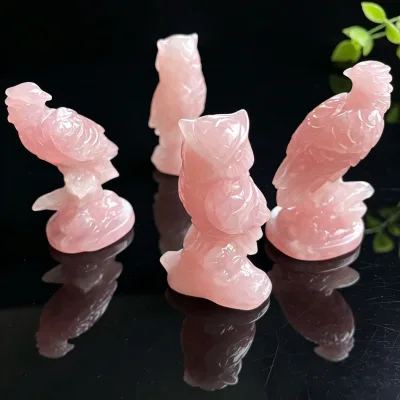
Donghai County Boheng Crystal Jewelry Co., Ltd.
- Verified by SGS Group
- Manufacturer, Trading Company
- Lead time3 days
- Avg. response≤ 2h
Main productsCrystal Water Bottle; Crystal Smoking Pipes; Crystal Point/Crystal Gravel/Crystal Ball
Main marketsNorth America(60%), Oceania(15%), Southeast Asia(10%)
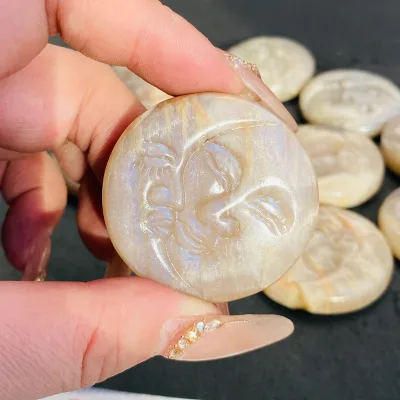

$1.3338 - $1.5389
MOQ: 10 pieces


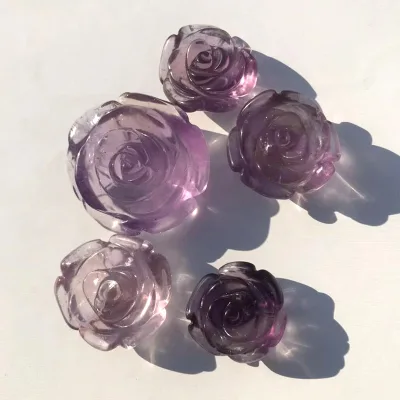
Hand Carving Crystal Flowers Natural Rose Quartz and Amethyst Crystal Flowers of Life Pendant
$10.3607 - $12.4326
MOQ: 50

Donghai County Bozhiluan Jewelry Co., Ltd.
- Trading Company
- JiangSu, China
- Lead time0 days
- Avg. response≤ 2h
Main productscrystal point,crystal sphere,crystal carving,minerals,rough
Main marketsSouth America(30.00%), Northern Europe(30.00%), South Asia(20.00%), North America(20.00%)
Donghai Liuxiuli Crystal Factory
- Verified by SGS Group
- Trading Company
- Lead time0 days
- Avg. response≤ 2h
Main productsHealing Crystal Spheres, Feng Shui Weath Crystal, Rose Quartz Tower, Amethyst Geode, Natural Crystal Obelisk
Main marketsDomestic Market(100%)
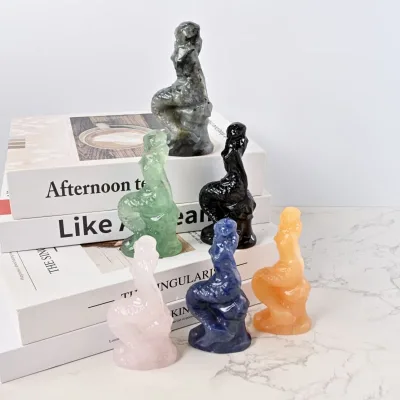
$1.5494 - $12.3892
MOQ: 1 Minimum


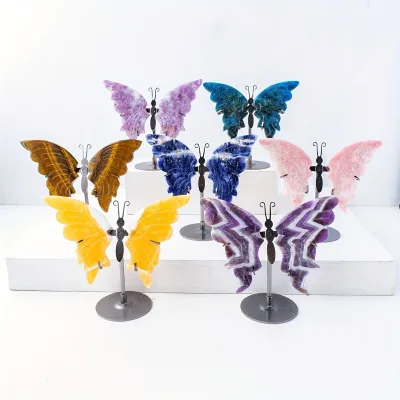
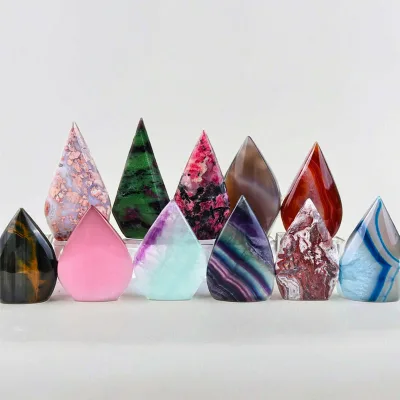
Wholesale Handcrafted Natural Crystal Spiritual Healing Stone Ornaments Other Crystal Crafts Gift
$15.4236 - $18.5074
MOQ: 1 pieces
Donghai Pao Pao Mouse Jewelry Co., Ltd.
- Manufacturer, Trading Company
- Jiangsu, China
- Lead time15 days
- Avg. response≤ 1h
Main productsCrystal Jewelry Design, Crystal Carving, Crystal Sphere Tower, Crystal Chips Tumbled, Crystal Raw Specimen
Main marketsNorth America(34.00%), Eastern Europe(20.00%), Southeast Asia(14.00%), Africa(11.00%), South America(8.00%), Mid East(8.00%), Oceania(5.00%)

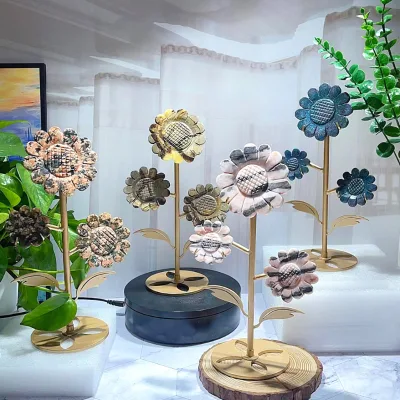
Hot Sales Natural 3 Sunflowers Carving With Stand Hand Carved Crystal Carving for Crystal Crafts
$25.00 - $35.00
MOQ: 10 pieces
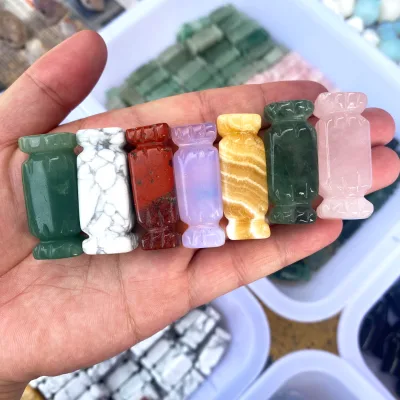
$1.8578 - $2.4251
MOQ: 10 pieces
Donghai Pingtouge Jewelry Co., Ltd.
- Trading Company
- Jiangsu, China
- Lead time0 days
- Avg. response≤ 3h
Main productscarved crystal,carving natural crystal stones,crystal carving,crystal animal carvings,crystal moon carving
Main marketsEastern Europe(30.00%), Northern Europe(20.00%), North America(20.00%), South Asia(20.00%), South America(10.00%)

Wholesale Crystal Stones Hand Carved Crystal Carving Crafts Hsiuyen Jade Elephant for Decor
$7.1976 - $9.2545
MOQ: 20 pieces
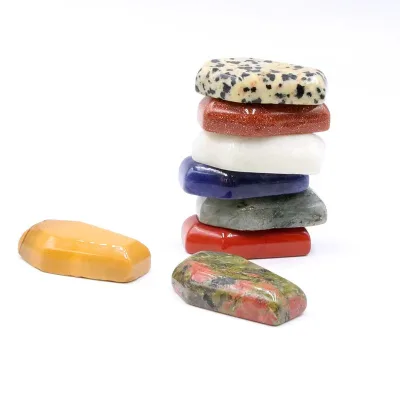
$0.9251 - $1.5419
MOQ: 20 pieces
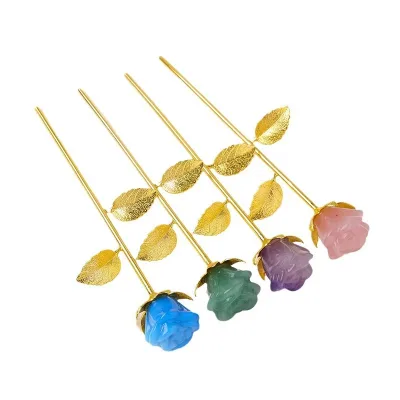
Natural quartz carvings carved crystal rose flower healing gemstone crafts gifts for women
$7.1976 - $8.226
MOQ: 100 pieces

Xiamen Amore Gift Solutions Co., Ltd.
- Verified by BV
- Trading Company
- China Fujian
- Lead time30 days
- Avg. response≤ 7h
Main productsCrystals, Gemstones, Crystal Skulls, Crystal Animals
Main marketsEast Asia(Japan/ South Korea),North America


Factory Wholesale Custom Decoration Crystal Carving Crafts Crystal Rose Quartz Base 3D Butterfly
$4.50 - $8.00
MOQ: 2 Pieces

Howlite 3D Butterfly Christmas Crystal Ornament Souvenir Gift Home Decoration Crafts
$4.50 - $8.00
MOQ: 2 Pieces

Factory Price Custom Blue Chalcedony 3D Butterfly Crystal Ornaments Crystal Crafts
$4.50 - $8.00
MOQ: 2 Pieces

Decor Wedding Festival Home 3D Butterfly Crystal Decoration Crystal Craft
$42.00 - $84.00
MOQ: 2 Pieces

30mm Natural Blue Chalcedony Gemstone Heart Crystal Heart Carvings for Gifts
$135.00 - $216.00
MOQ: 2 kg
Dongguan Huiying Art&crafts Co., Ltd.
- Manufacturer, Trading Company
- Guangdong, China
- Lead time20 days
- Avg. response≤ 5h
Main productsgifts,crafts,skin care products,face rollers,gua sha massagers
Main marketsWestern Europe(25.00%), North America(25.00%), Northern Europe(10.00%), Oceania(10.00%), Mid East(5.00%), Eastern Europe(5.00%), Central America(5.00%), Southeast Asia(3.00%), Eastern Asia(3.00%), South Asia(2.00%), Southern Europe(2.00%), South America(2.00%), Africa(2.00%), Domestic Market(1.00%)
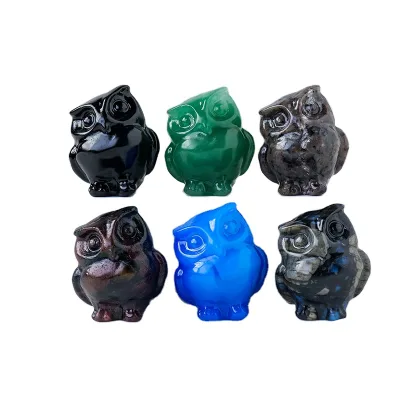
2026 Wholesale Natural Crystal Colorful Owl Stone Carving of Ornaments
$1.0284 - $9.2545
MOQ: 100 Minimum
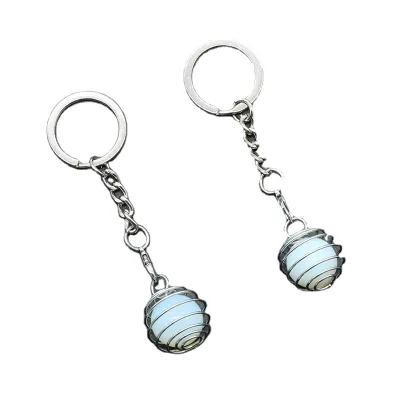
$1.0284 - $9.2545
MOQ: 100 Minimum
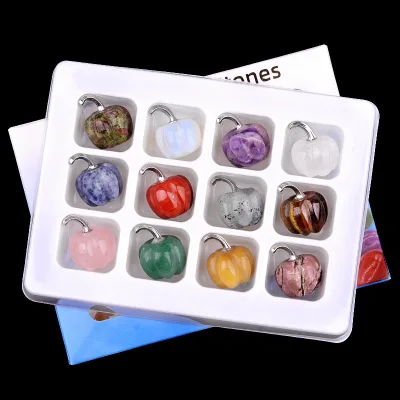
HY Promotional Small Gifts Natural Crystal Agate Stone Pumpkin Carving
$1.0284 - $9.2485
MOQ: 100 Minimum

2026 Wholesale Gemstone Lazy Cats High Quality Carved Yellow Jade Crystal Crafts
$1.0284 - $9.2545
MOQ: 100 Minimum

2026 High Flashy Natural Labradorite Stone Hearts Crystal Crafts Hearts Carvings
$1.0284 - $9.2545
MOQ: 100 Minimum
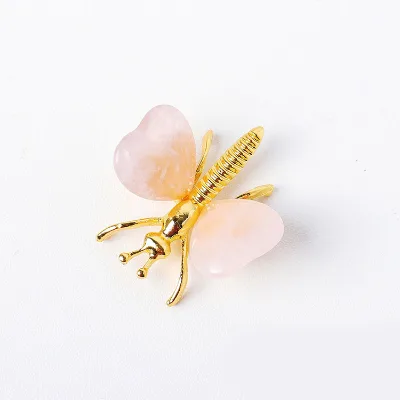
2026 Wholesale Natural Stone Carving Crystal butterfly As Decorative Pendant Crystal Crafts Gift
$1.738 - $3.7844
MOQ: 100 pieces

Yiwu Renrui E-commerce Business
- Trading Company
- China Zhejiang
- Lead time0 days
- Avg. response≤ 4h
Main productsSouvenir Gift, Craft, Scented Candle, Artificial Flower, Christmas Ornaments, Daily Use, Home Decoration, Solid Wood Carvings, Accessories, Photo Frame


Butterfly Bee Crystal Suncatcher Rhinestone Insect Sun Catcher Garden Decor
$2.20 - $2.50
MOQ: 100 Sets
Donghai Hengmei Crystal Co., Ltd.
- Verified by TüVRheinland
- Manufacturer, Trading Company
- Lead time25 days
- Avg. response≤ 4h
Main productsCrystal Crafts, Bulk Tumbled Stones, Black Tourmaline, Chakra Stones, Crystal Raw Stone
Main marketsNorth America(30%), Western Europe(15%), Eastern Europe(10%)

- Trading Company,Manufacturer/Factory
- China Guangdong
- Lead time23 days
- Avg. response≤ 8h
Main productsGemstone, Jewelry, Gemstone Jewelry, Loose Gemstone Beads, Jewelry Rings, Jewelry Set, Jewellery Earrings, Pendant, Created Emerald, Cubic Zirconia
Main marketsSouth America,Eastern Europe,North America,Western Europe

Weieryang (Wuhan) Information Technology Co., Ltd
- Verified by CTI
- Combined
- China Hubei
- Lead time23 days
- Avg. response≤ 1h
Main productsBathroom Mirror, Stainless Steel, Stainless Steel Screen, Sculpture Crafts, Painting, Stainless Steel Niche, Stainless Steel Hanger, Stainless Steel Tray, Stainless Steel Mirror, Stainless Steel Hanging Painting
Main marketsDomestic
Donghai County Yuelu Jewelry Co., Ltd.
- Verified by SGS Group
- Trading Company
- Lead time5 days
- Avg. response≤ 4h
Main productsCrystal Sphere/Crystal Tower/Crystal Carving/Crystal Crafts
Main marketsNorth America(35%), Eastern Europe(10%), Oceania(10%)
Guangzhou Gui Jing Crafts Co., Ltd
- Verified by TüVRheinland
- Trading Company
- Lead time60 days
- Avg. response≤ 8h
Main productsCrystal Gift Box, Crystal Animals Sphere Point Carving, Crystal Tumble Gravel Stone, Crystal Healing Chakra Pendant, Crystal Tower Tree
Main marketsNorth America(50%), Southeast Asia(20%), Domestic Market(15%)
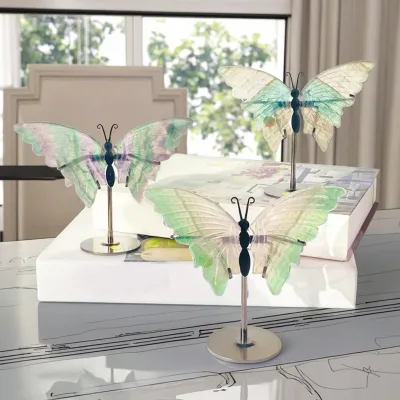


Wholesale Handmade Healing Stone Crystal Carving Crafts Moon Gemstone Rose Quartz Moon
$35.937 - $41.0702
MOQ: 5 kilograms
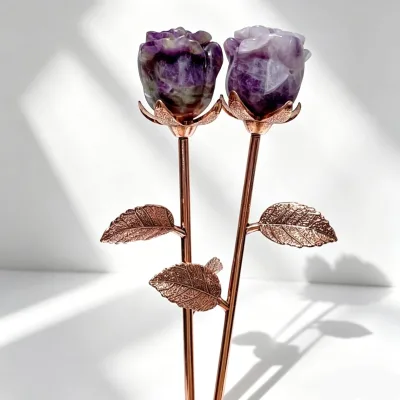


Fujian Huian Haobo Stone Company Limited
- Manufacturer
- China Fujian
- Lead time23 days
- Avg. response≤ 15h
Main productsGranite Tile, Marble Tile, Granite Countertops, Quartz Countertops, Granite Slab, Stone Carving, Basin Sinks, Paving Stone&Cobble Stone, Stone Steps&Stair, Monument
Main marketsEurope,North America


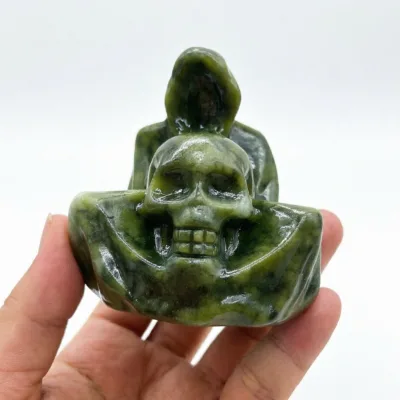




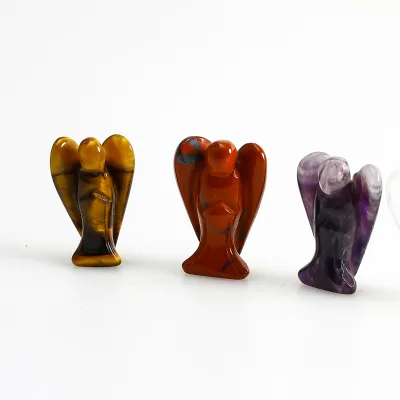
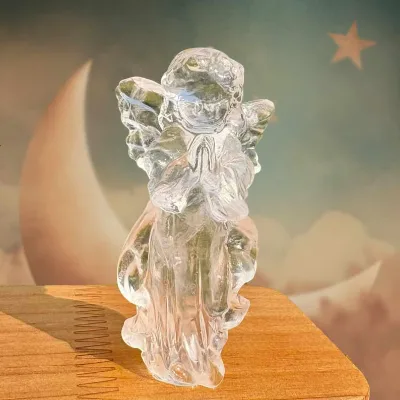

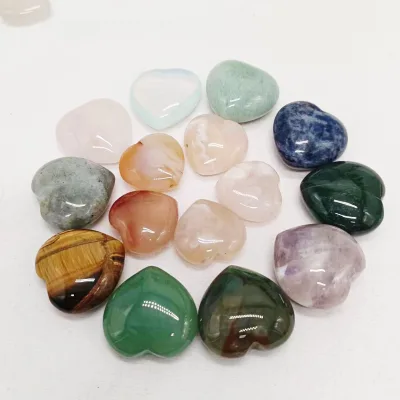


Comprehensive Sourcing Guide
Seamless Crystal Tulip Carving Supplier Concentration and Factory Types
When buyers search for a Seamless Crystal Tulip Carving, the supplier results on B2B platforms tend to cluster around two supplier labels: pure trading companies and combined manufacturer-plus-trading operations. Both labels appear in this category, and the difference matters for a carved natural-stone item. A manufacturer label suggests the supplier controls its own carving and polishing capacity, which matters when a tulip form demands smooth, uninterrupted transitions between petals and stem. A trading-company label suggests the supplier aggregates output from carving workshops, which can widen material and design options but adds one layer between buyer and cutting bench. Neither label is inherently better; each changes where your quality risk sits.
Location evidence in current results points to Jiangsu, China as an active sourcing region for crystal carvings, and supplier main-product lists confirm the category context: crystal carvings, towers, tumbled stones, specimens, healing stones, bracelets, raw stone and chips. Suppliers whose catalogs center on carved figurines, skulls, goddess figures, elephants and angels are more plausibly capable of a tulip carving than those listing only beads or rough stone. Where a location is not displayed, buyers should identify clusters by checking the place-of-origin field on individual product listings, asking which province the carving workshop sits in, and confirming whether the listed address matches the shipping origin quoted for samples.
How to Verify Seamless Crystal Tulip Carving Suppliers
Verification for a Seamless Crystal Tulip Carving should begin with product evidence rather than company claims. Current listings in the wider crystal-carving category show useful verification anchors: place-of-origin fields, model numbers, brand names, material and material-type declarations (for example, crystal, raw, natural crystal stone), technique fields such as carved or polished, and carving-type fields such as engraving. Ask each candidate supplier to show an existing carved figurine listing with these attributes completed. A supplier that documents technique and carving type on skull, moon-face, rabbit or eagle carvings can be asked the same questions about tulip-specific tooling. Requests for sample availability are reasonable here because at least some suppliers in this category explicitly mark samples as available.
Second, verify operational reliability using the displayed performance fields. Response time figures in current results range from one to two hours, which you can treat as a baseline when comparing candidates; any supplier answering far slower during pre-order discussions may behave worse after payment. Confirm the legal entity name, business type (manufacturer, trading company, or both), and whether escrow or platform-protected payment is offered, since carved natural stone disputes often turn on subjective finish quality. Do not assume any displayed credential is universal — some listings show none. Finally, ask for a short video of a finished tulip carving rotated under light, which exposes glue lines, chips and seam filling that a seamless form should not have, and compare it against the stock images used in listings.
What to Compare Across Seamless Crystal Tulip Carving Suppliers
Build a comparison table using only dimensions that suppliers actually display, and record gaps as gaps rather than assumptions. Core dimensions include: location, company type, response time, lead time, MOQ, main products, and the price range shown on comparable carvings. Current category evidence illustrates the spread you should expect. One trading-company supplier shows a two-hour response time and a three-day lead time; a manufacturer-plus-trading supplier shows a one-hour response time but a twelve-day lead time. MOQs on comparable carvings range from two pieces on goddess figurines to ten pieces on elephant and angel carvings. Price ranges on comparable items run from roughly $1.75–$2.59 on small moon-skull carvings to $6.00–$7.50 on rose quartz eagle and owl pieces, so size and material strongly move price on carvings.
Beyond the numbers, compare product evidence quality. Note which suppliers complete attribute fields (material, size, technique, packing, shipping methods such as DHL, UPS, EMS, TNT or FedEx, and delivery-time windows of two to ten days or three to seven days) versus leaving them blank. Check whether their existing carvings are hand-carved natural stone or resin look-alikes, and whether color options are listed as specific stones — obsidian, rose quartz, clear quartz — or vague "mixed material." Weight figures also matter: listed single-item gross weights on comparable carvings range from tens of grams to a quarter kilogram, and a tulip carving's weight affects freight cost per unit at scale.
Common Seamless Crystal Tulip Carving Sourcing Risks
The first risk cluster is material and authenticity. Natural crystal carvings in this category are listed in many stone types — rose quartz, obsidian, tiger eye, malachite, aventurine — and a "seamless" tulip could be carved from one piece or assembled from joined sections that are filled and polished to look continuous. Suppliers in the category use vague terms such as "mixed material" or "random material" on some figurines, which is acceptable for assorted stock but dangerous when you need consistent stone for a specific design. Require the exact stone name in writing, and treat any refusal to declare material type as a red flag.
The second risk cluster is finish and consistency. A tulip with seamless petal transitions depends on hand-carving skill, and technique fields on comparable listings show both "carved" and "polished" methods with engraving as a declared carving type. Risks include visible polishing marks at petal junctions, chips at thin petal tips, color banding that photographs well but disappoints in person, and size variance — comparable listings show sizes from three centimeters to eight or nine centimeters, and small carvings amplify proportional errors. Additional risks: sample pieces that differ from production runs, packaging labeled only as "safe package" without specifying foam or box construction for fragile stone, and delivery windows that stretch from a stated two to ten days toward longer actual timelines for made-to-order carvings. Mitigate by ordering pre-production samples, defining acceptable variance in millimeters, and photographing approved samples as the quality reference for bulk inspection.
Seamless Crystal Tulip Carving Regional Sourcing and Logistics
The strongest location signal in current results is Jiangsu, China, which appears both as a supplier's registered location and as the declared place of origin on multiple carved crystal products, including moon-skull carvings and goddess figurines. This suggests an established carving supply base rather than an isolated workshop, since suppliers listing from Jiangsu also offer assorted stone types, multiple figurine styles and both raw and polished material formats. For buyers, Jiangsu's coastal position generally supports access to major express carriers; current listings explicitly name DHL, UPS, EMS, TNT and FedEx as shipping options on carved crystal items, which matters because small stone carvings are typically courier-shipped rather than containerized at trial-order volumes.
Logistics planning should be weight- and size-driven. Comparable carvings list single-item gross weights from roughly twenty-five grams to two hundred fifty grams and package dimensions around ten-by-ten-by-ten or smaller, so a hundred-unit trial order of tulip carvings likely ships as a compact express parcel. Where a supplier displays no location, identify the cluster yourself: check the place-of-origin attribute on the specific product listing, ask which city the carving workshop operates in, and request confirmation that the dispatch address matches. Ask how fragile stone is packed for courier transit — listings often say only "safe package" — and whether multiple units ship in a single carton or individually boxed. Confirm the delivery window in days for your quantity, since displayed windows on comparable items range from three to fifteen days depending on product complexity.
Seamless Crystal Tulip Carving Commercial Terms and Order Planning
Commercial terms in this category are visible enough to structure a negotiation. Displayed MOQs on comparable carvings sit between two and ten pieces, which makes tulip-carving sampling inexpensive: you can order a small pilot batch of two to ten units across several stone colors before committing. Displayed price ranges on similar carvings run from under two dollars for small pieces to six-to-seven-and-a-half dollars for larger figurines, so a tulip carving's quote will depend mainly on finished height and stone choice — ask suppliers to quote per unit at your size, and request the price at two or three quantities to see the actual volume curve rather than guessing. Where escrow or platform payment protection is offered, use it for the first order.
Order planning should sequence around the lead times on display: three days for one trading supplier, twelve days for a manufacturer-plus-trading supplier, and product-specific windows of two to ten, three to seven, or ten to fifteen days on individual listings. Build your calendar backward from your retail date, adding sample transit, your approval time and international courier days. Confirm in writing: stone type, size tolerance, MOQ per color, packing method, shipping carrier, and whether the lead time quoted covers carving only or includes quality inspection. For reorders, ask whether tooling or rough-stone allocation is reserved for your design, because hand-carved natural-stone availability can vary batch to batch. Keep the approved sample as the contractual quality reference.
Word count check: six sections at roughly 226–234 words each, total approximately 1,390 words — within the 1,350–1,450 range.
FAQs
What is the typical MOQ for crystal carvings?
Most suppliers require a minimum order quantity of 10 pieces for standard items like crystal elephants or angels. Some specialized figurines allow lower MOQs of just 2 pieces. Buyers should verify specific product requirements before placing orders to ensure compliance with supplier policies.
Where are these crystal suppliers located?
Suppliers offering crystal carvings are primarily located in Jiangsu, China. This region is a known hub for crystal processing and manufacturing. Buyers can expect products to originate from this area, which may influence shipping logistics and lead times for international orders.
How long does delivery take?
Delivery times vary significantly, ranging from 2 to 10 days for some items, while others may take up to 12 days or longer. Specific products like goddess figurines can have lead times of 10 to 15 days. Always confirm the exact delivery window with the supplier.
What is the price range for crystal carvings?
Prices for crystal carvings generally range from approximately $1.75 to $7.50 per unit. Lower-priced items include small skulls or basic angels, while larger or more complex figurines cost more. Prices depend on material, size, and specific design complexity.
How quickly do suppliers respond?
Supplier response times are typically fast, often within 1 to 2 days. This ensures that buyers can get quick quotes and answers to inquiries. Fast response times help streamline the sourcing process and allow for efficient communication regarding product details and order status.
What materials are used in these carvings?
Carvings are made from various natural crystals including rose quartz, obsidian, clear quartz, and aventurine. Materials are often raw or polished. Buyers can choose from different colors and types, such as black obsidian or pink aventurine, depending on the specific product design.