Seamless Laser-Cut Cycling Vest Suppliers and Manufacturers
Compare 25 verified suppliers offering seamless laser cut cycling vests with details on location, lead times, and MOQs. Review product attributes like material and customization options to source the right gear for your team; review the available evidence before requesting comparable quotations from suitable candidates.
Suppliers List
Foshan Baoqier Electronic Commerce Co., Ltd.
- Trading Company, Distributor/Wholesaler
- Guangdong, China
- Lead time10 days
- Avg. response≤ 1h
Main productscycling clothings,cycling caps,outdoor sportwear,running shirts,Polo shirts
Main marketsWestern Europe(20.00%), South America(12.00%), North America(10.00%), Southern Europe(8.00%), Oceania(8.00%), South Asia(5.00%), Africa(5.00%), Northern Europe(5.00%), Domestic Market(5.00%), Eastern Europe(5.00%), Eastern Asia(5.00%), Mid East(5.00%), Southeast Asia(5.00%), Central America(2.00%)

Fuzhou Voshine Garments Co., Ltd.
- Trading Company
- China Fujian
- Lead time0 days
- Avg. response≤ 1h
Main productsWaterproof Jackets, Ski Jackets, Windbreaker Jacket, Padding Jacket, Workwear, Climbing Pants, Raincoat, Softshell Jacket, Safety Jacket, Outdoor Jacket

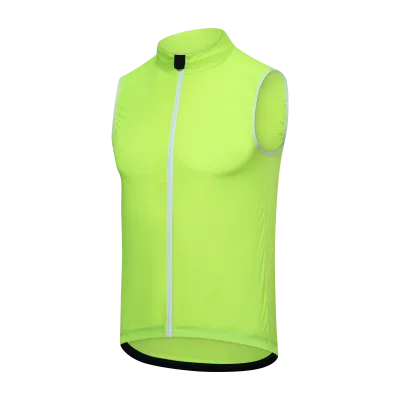
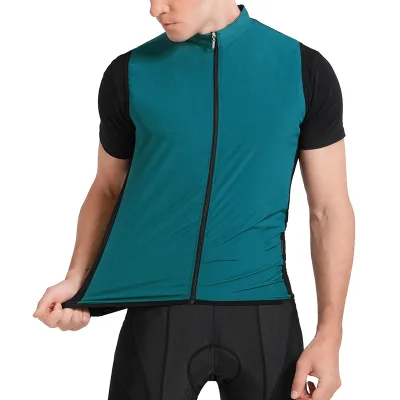
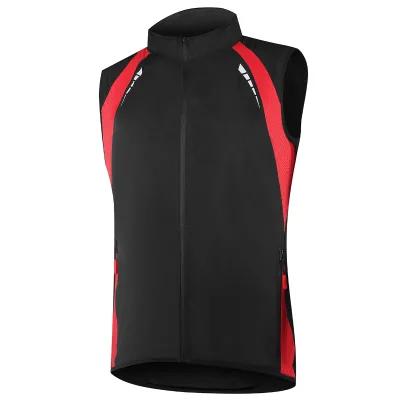
Wholesale Custom Men Cycling Vest Windproof Waterproof Sleeveless Cycling Jacket Cycling Vest
$12.50 - $14.50
MOQ: 500 Pieces

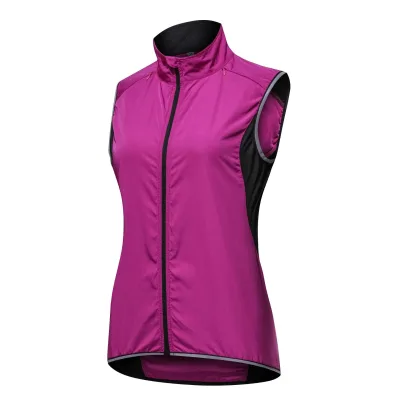
Breathable Lightweight Cycling Jack Reflective Cycling Vest Bicycle Jacket
$10.50 - $12.00
MOQ: 700 Pieces


Shanghai Jspeed Industry Co., Ltd.
- Verified by BV
- Trading Company
- China Shanghai
- Lead time60 days
- Avg. response≤ 5h
Main productsMen/Women Swimwear, Underwear, Bra, Socks, Men/Women Pants, Men/Women Jackets, Dress, Sportwear, Skirt, Shirt
Main marketsEurope

Dongguan Wintofree Athletic Sports Co,Ltd.
- Manufacturer/Factory
- China Guangdong
- Lead time23 days
- Avg. response≤ 4h
Main productsSportswear, Fishing Wear, Cycling Wear, Football Jersey, Baskeball Jersey, Arm Sleeve, Baseball Jersey, Ice Hockey Jersey, Yoga/Gym Fitness
Main marketsSouth America,Eastern Europe,Mid East,North America,Southeast Asia,Eastern Asia,Oceania,Western Europe,Africa

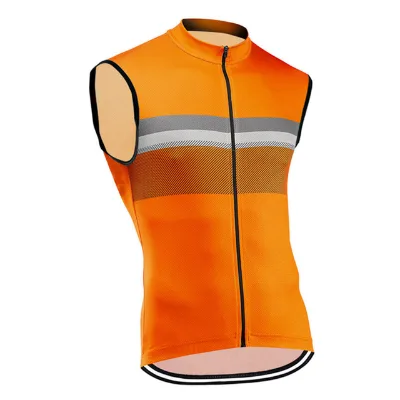
Custom Sleeveless Cycling Jacket Windproof Keep Warm Cycling Vest for Men Wear
$4.00 - $15.00
MOQ: 1 Pieces

Men Cycling Vest Bicycle Gilet Bike Sleeveless Jersey Cycle Wear Bike Sports Top
$4.00 - $15.00
MOQ: 1 Pieces

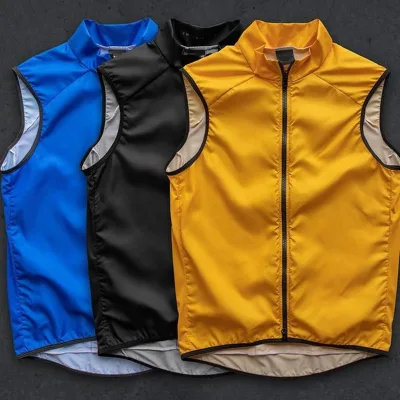
Custom Full Zipper Safety Windproof Cycling Vest with Reflective Logo Bike Gilet
$4.00 - $15.00
MOQ: 1 Pieces

Fast Delivery China Factory Sublimation Printing Sleeveless Cycling Jersey Bike Vest
$4.00 - $15.00
MOQ: 1 Pieces

Full Custom Fashion Design Sleeveless Cycling Windbreak Windproof Gilet Vest for Bicycle Team Wear
$4.00 - $15.00
MOQ: 1 Pieces

Meizhou Xiaolin Houseware Co., LTD.
- Manufacturer, Trading Company
- Guangdong, China
- Lead time15 days
- Avg. response≤ 3h
Main productscycling suit,cycling Jackets,cycling Bib shorts,cycling gloves,cycling socks
Main marketsNorth America(15.00%), Northern Europe(10.00%), Southeast Asia(10.00%), Mid East(10.00%), Oceania(10.00%), Domestic Market(5.00%), South Asia(5.00%), Southern Europe(5.00%), Africa(5.00%), Central America(5.00%), Western Europe(5.00%), Eastern Asia(5.00%), Eastern Europe(5.00%), South America(5.00%)
Guangzhou Betrue Sporting Goods Co., Ltd.
- Verified by Intertek
- Manufacturer, Trading Company
- Lead time30 days
- Avg. response≤ 3h
Main productsCycling Jersey, Cycling Shorts, Cycling Jacket, Triathlon Suit, Running Wear
Guangzhou Bo Rui Ke Sports Products Technology Co., Ltd.
- Verified by SGS Group
- Manufacturer, Trading Company
- Lead time15 days
- Avg. response≤ 3h
Main productsMotorcycle & Auto Racing Wear, MMA/ UFC/Martial Arts Wear, Running Singlet, Cycling Wear, Fishing Wear
Dongguan Senfeihao Clothing Co., Ltd.
- Verified by TüVRheinland
- Manufacturer, Trading Company
- Lead time0 days
- Avg. response≤ 3h
Main productsCustomized Sportswear, Cycling Wear, Digital Printed T Shirts, T Shirts, Fishing Wear
Main marketsNorth America(50%), Western Europe(25%), South America(15%)

Xiamen Meiju Garment Co., Ltd.
- Verified by TUVRHEINLAND
- Trading Company,Manufacturer/Factory
- China Fujian
- Lead time23 days
- Avg. response≤ 5h
Main productsSports Wear, Yoga Wear, Gym Wear, Fashion Fitness, Sportswear, Hoodies, Sportswear Fitness Wear, Tracksuit, Swimwear, Men's Sportswear
Main marketsSouth America,Eastern Europe,Mid East,North America,Southeast Asia,Eastern Asia,Oceania,Western Europe,Africa

Seamless Shock-Proof Fitness Vest for Women Slim-Fit Sleeveless Sports Yoga Top
$6.50 - $8.50
MOQ: 1 piece


Fuzhou Changtai Textile Co., Ltd.
- Manufacturer
- China Fujian
- Lead time60 days
- Avg. response≤ 15h
Main productsJacket, Softshell Jacket, Padding Jacket, Wind Jacket, Safety Jacket, Reflective Jacket, Down Jacket, Rain Wear, Sports Wear, Outdoor Wear
Main marketsEurope,Australia

Men's High Visibility Safety Running Cycling Vest Sleeveless Windproof and Reflective Vests
$2.99 - $7.99
MOQ: 100 Pieces


Women High Visibility Reflective Cycling Jacket with Removable Sleeves
$10.60 - $14.56
MOQ: 200 Pieces

Dongguan Monkey Clothes Co., Ltd.
- Verified by SGS
- Combined
- China Guangdong
- Lead time15 days
- Avg. response≤ 5h
Main marketsEurope,North America


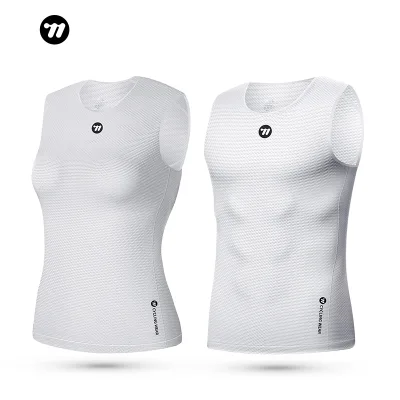
Custom Baselayer Top Sleeveless Breathale Cycling Inner Wear Custom Sports Vest
$6.00 - $11.00
MOQ: 10 Pieces

Wholesale Price Cycling Baselayer Custom Quality Sports Bike Vest Sleeveless
$6.00 - $11.00
MOQ: 10 Pieces


Jiangsu Huibaicheng Group Co., Ltd.
- Verified by SGS
- Trading Company
- China Jiangsu
- Lead time23 days
- Avg. response≤ 5h
Main productsSafety Helmet, Safety Vest, Reflective Clothing, Hard Hat, Safety Gloves
Main marketsSouth America,Eastern Europe,Mid East,North America,Southeast Asia,Eastern Asia,Oceania,Western Europe,Africa

Anhui Yishi Reflective Material Co., Ltd.
- Verified by TUVRHEINLAND
- Trading Company
- China Anhui
- Lead time15 days
- Avg. response≤ 3h
Main productsReflective Tape, Flame Retardant Reflective Tape, Reflective Heat Transfer Film, Reflective Vest, Reflective Fabric, Reflective Piping, Reflective Webbing, Reflective Ribbon, Fr Reflective Tape, Reflective Elastic
Main marketsSouth America,Africa,Southeast Asia/ Mideast,East Asia(Japan/ South Korea),Europe,Australia,North America

High Visibility Neon Reflective Belt Safety Vest Fit for Running Cycling Sports
$0.65 - $0.95
MOQ: 1 Pieces


Outdoor Night Riding Running Reflective Vest Safety Security Sports Vest Night Bicycle
$0.77 - $0.85
MOQ: 1 Pieces

Shanghai Genstex International Co., Ltd.
- Verified by TUVRHEINLAND
- Trading Company
- China Shanghai
- Lead time15 days
- Avg. response≤ 6h
Main productsCycling Wear, Insulated Jacket, Sports Wear, Gloves, Ski Wear, Merino Wool Wear, Accessories
Main marketsEurope,North America


Unisex Waterproof Windproof 3-in-1 Seamless Taped Bright Pink Light-Weight Road Bike Cycling Jacket
$25.30 - $30.40
MOQ: 1000 pcs
Shenzhen Cyclingbox Sportswear Co., Ltd.
- Verified by SGS Group
- Trading Company
- Lead time15 days
- Avg. response≤ 3h
Main productsCycling Jerseys, Triathlon Clothing, Cycling Pants, Mountain Bike Clothing, Running Clothing
Main marketsNorth America(30%), Eastern Europe(15%), Western Europe(15%)

Shenyang Sunnytex Apparel Co., Ltd.
- Verified by BV
- Trading Company
- China Liaoning
- Lead time30 days
- Avg. response≤ 3h
Main productsPants, Jackets, Workwear, Cargo Pants, Swimwear, Uniform, Vest, Coverall, Reflective Clothes, Work Clothes
Main marketsEast Asia(Japan/ South Korea),Europe,Australia

UNIQUE ROYAL INDUSTRIES LIMITED
- Trading Company
- China Jiangsu
- Lead time23 days
- Avg. response≤ 7h
Main productsPet Tennis Balls Pet Toys, Drink Ware Mugs Bottle Opener, Apparel and T Shirt Apron, Children Toys, Backpack Lunch Bag Tote Pouch, Lanyards Keychain Luggage Strap, Advertising Products, Caps Hats Sunglasses, Kitchen Ware Home Products, Promotional Products
Main marketsEurope,North America
Guangzhou Kuwo Sports Goods Co., Ltd.
- Manufacturer, Trading Company
- Guangdong, China
- Lead time0 days
- Avg. response≤ 8h
Main productsCycling Jersey; Cycling Shorts; Running T Shirt; MTB Clothing; Polo
Main marketsNorth America(35.00%), Western Europe(25.00%), Oceania(15.00%), Eastern Europe(7.00%), Central America(5.00%), Mid East(5.00%), Southeast Asia(5.00%), South America(3.00%), South Asia(0.00%), Eastern Asia(0.00%), Southern Europe(0.00%), Northern Europe(0.00%), Africa(0.00%), Domestic Market(0.00%)
Henan Kaiwei Protective Equipment Co., Ltd.
- Verified by SGS
- Trading Company
- China Henan
- Lead time15 days
- Avg. response≤ 5h
Main productsSafety Vest, Reflective Vest
Main marketsDomestic
Quanzhou Zhengdong Bags Co., Ltd
- Verified by BV
- Trading Company,Manufacturer/Factory
- China Fujian
- Lead time30 days
- Avg. response≤ 4h
Main productsSchool Bag, Backpack, Running Bag, Cycling Bag, Hydration Pack, Tool Bag, Laptop Bag, Lapotp Backpack, Outdoor Bag, Sports Bag
Main marketsSouth America,Eastern Europe,Mid East,North America,Southeast Asia,Eastern Asia,Oceania,Western Europe,Africa

$7.15 - $11.15
MOQ: 300 Pieces


Guangzhou Tewsn Sports Co., Ltd.
- Manufacturer, Trading Company
- Lead time旺季: "1 - 10":8,"> 10":"To be negotiated", 淡季: "1 - 10":8,"> 10":"To be negotiated"
- Avg. response≤ 4h
Main productsCycling Jerseys,Cycling Bib Shorts,Triathlon Suit,Cycling Sets,Cycling Windbreaker
Xiamen Ibestop Sport Co., Ltd.
- Trading Company, Distributor/Wholesaler
- Fujian, China
- Lead time10 days
- Avg. response≤ 4h
Main productscycling wear,Hoodies&Sweatshirt,T Shirt,training&jogging wear,Triathlon wear
Main marketsWestern Europe(20.00%), Southeast Asia(20.00%), North America(20.00%), South America(9.00%), Southern Europe(8.00%), Oceania(5.00%), Northern Europe(5.00%), South Asia(5.00%), Eastern Europe(5.00%), Central America(3.00%)

Qingdao Chuang Jie Apparel Co., Ltd.
- Verified by CTI
- Manufacturer/Factory
- China Shandong
- Lead time105 days
- Avg. response≤ 10h
Main productsMen Tshirt, Men Hoodies, Men Sweatshirt, Kids Wear, Womens Top, Womens Hoodies, Blanket, Fashion Dress, Sleepwear
Main marketsSouth America,Eastern Europe,North America,Eastern Asia,Western Europe
Yiwu Lutuo Network Technology Co., Ltd.
- Verified by TüVRheinland
- Trading Company
- Lead time0 days
- Avg. response≤ 6h
Main productsBicycle Pump, Bicycle Light, Bicycle Lock, Bicycle Pedal, Bicycle Mirror
Main marketsNorth America(35%), Southeast Asia(17%), Domestic Market(16%)

Efirsty Enterprise (Anhui) Co., Ltd.
- Verified by TUVRHEINLAND
- Trading Company
- China Anhui
- Lead time30 days
- Avg. response≤ 7h
Main productsLeggings Yoga Pants Swimwear, Swimsuit
Main marketsSouth America,Southeast Asia/ Mideast,East Asia(Japan/ South Korea),Europe,Australia,North America


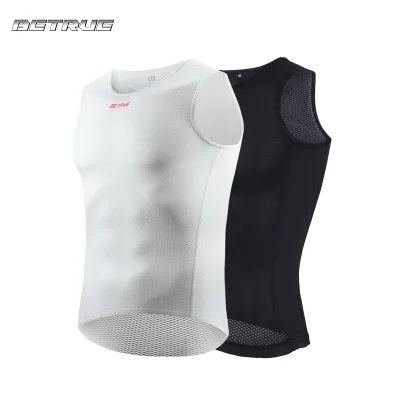
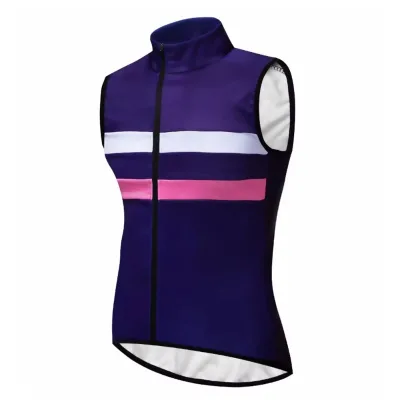
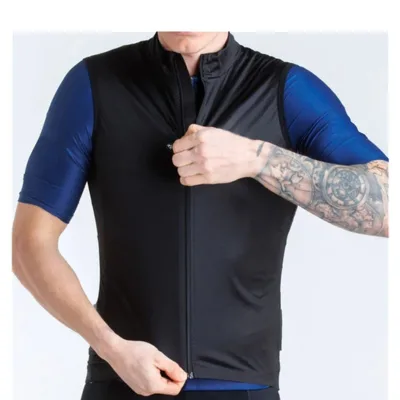
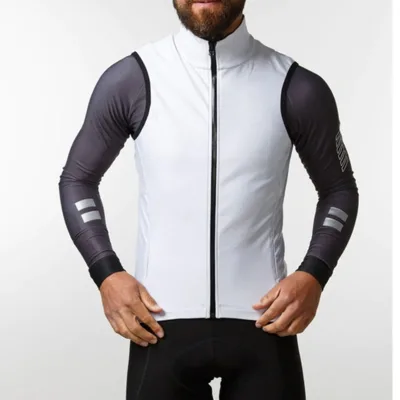


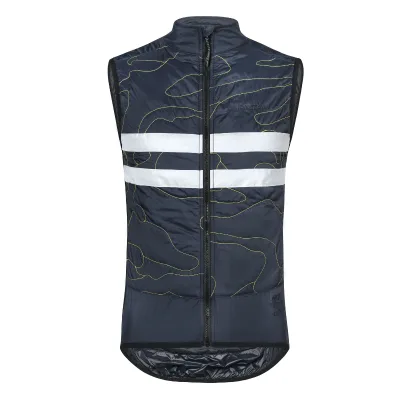
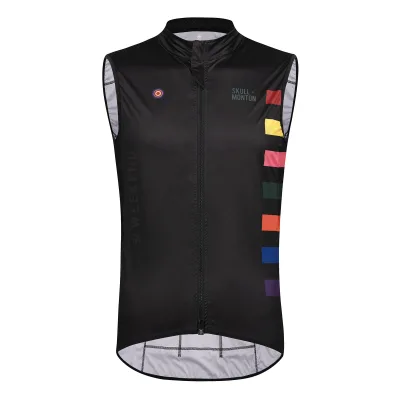
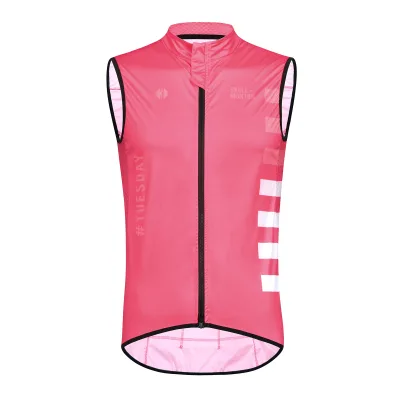
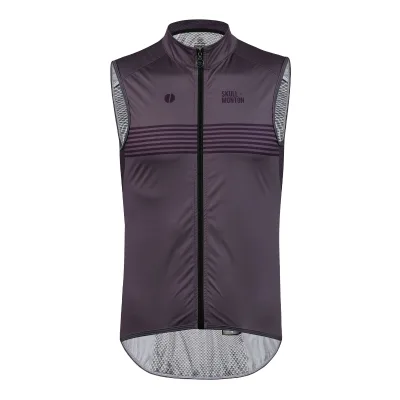






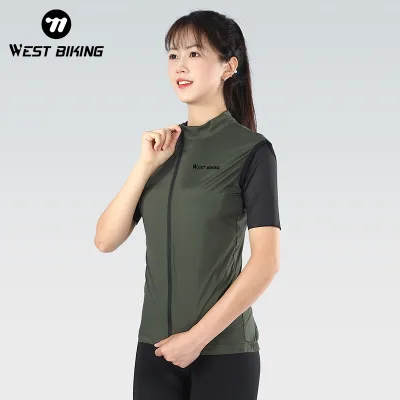


Comprehensive Sourcing Guide
Seamless Laser-Cut Cycling Vest Supplier Concentration and Factory Types
Current supplier data indicates a concentration of manufacturers and trading companies primarily located in Guangdong, China, with additional presence in Fujian and Shanghai. These regions host facilities offering main products that include cycling clothings, cycling caps, outdoor sportwear, running shirts, and polo shirts. Some suppliers in these clusters operate as trading companies or distributors, while others function as factories capable of ODM and OEM services. The presence of verified suppliers, such as those with BV verification, suggests a tiered ecosystem where direct factory access may vary by region. Buyers should note that while Guangdong appears frequently in the results, the specific mix of trading companies versus direct manufacturers differs across the listed locations.
When assessing factory types, buyers must distinguish between entities that simply resell goods and those that control the production process. The observed data shows suppliers with varying response times, ranging from under one hour to over four hours, which often correlates with their operational model. A trading company might offer a broader range of products like waterproof jackets and ski jackets alongside cycling vests, whereas a dedicated factory might focus strictly on cycling jerseys and vests. To identify the correct factory type, buyers should examine the company type field and cross-reference it with the main product list. If a supplier lists diverse categories like workwear and climbing pants alongside cycling gear, they are likely a trading company. Conversely, a focus on specific cycling apparel suggests a specialized manufacturing unit.
How to Verify Seamless Laser-Cut Cycling Vest Suppliers
Verification begins by checking for specific credentials such as BV verification, which appears in the current supplier results for certain entities. Buyers should look for this badge as a primary indicator of a supplier's legitimacy and operational stability. Beyond verification badges, the response time is a critical metric for assessing supplier reliability. Data shows response times varying from 0.78 to 4.43 hours, with faster responses often indicating a more active and responsive sales team. A supplier with a response time of one hour or less may be better equipped to handle urgent inquiries regarding seamless laser cut specifications. Buyers should prioritize suppliers who demonstrate quick communication, as this often reflects their overall operational efficiency and customer service commitment.
In addition to verification and response speed, buyers must scrutinize the product attributes to ensure the supplier can meet specific technical requirements. The current results list attributes such as material composition, specifically 100% polyester or mesh fabric, and features like windproof, waterproof, and breathable properties. Buyers should verify that the supplier explicitly states these attributes for their seamless laser cut vests. Furthermore, checking the customization capabilities is essential; some suppliers offer personalized names and team customization, while others may have limited options. The presence of sample orders being available is another positive signal, indicating the supplier is willing to provide prototypes before bulk production. Buyers should request samples to confirm the quality of the laser cut edges and the durability of the mesh fabric before committing to a larger order.
What to Compare Across Seamless Laser-Cut Cycling Vest Suppliers
When comparing suppliers, the minimum order quantity (MOQ) is a primary differentiator that significantly impacts procurement strategy. The observed data reveals a wide range of MOQs, from as low as one piece to as high as 1000 pieces. Some suppliers offer a single-piece MOQ, which is ideal for testing the market or fulfilling small team needs, while others require bulk orders of 500 to 1000 units. Buyers must align their order volume with the supplier's MOQ to avoid unnecessary costs or inventory risks. Additionally, the price range varies considerably, with some products listed between $5.75 and $9.28, while others range from $12.50 to $14.50. This price disparity often reflects differences in material quality, customization levels, and production complexity.
Lead time and delivery speed are equally critical factors when evaluating potential partners. The data indicates lead times ranging from zero days to 60 days, with some suppliers specifying delivery times of 30 working days after sample confirmation. Buyers should compare these timelines against their project deadlines to ensure feasibility. A supplier with a lead time of zero might be a trading company holding stock, whereas a 60-day lead time suggests a custom manufacturing process. Response time also plays a role in the overall comparison, as faster communication can expedite the negotiation and sampling phases. By analyzing these dimensions together, buyers can create a balanced scorecard that weighs cost, volume, and speed to select the most suitable supplier for their specific Seamless Laser-Cut Cycling Vest requirements.
Common Seamless Laser-Cut Cycling Vest Sourcing Risks
One significant risk involves the discrepancy between advertised features and actual product capabilities, particularly regarding material and construction. While some suppliers list attributes like "windproof" and "waterproof," others may only offer basic breathable mesh without these protective layers. Buyers must verify that the specific product attributes match their needs, as a vest labeled as windproof might not be suitable for extreme weather conditions if the material is not truly sealed. The variation in material descriptions, such as 100% polyester versus generic polyester, can also lead to quality inconsistencies. Without rigorous testing, buyers risk receiving products that do not perform as expected during actual cycling activities, leading to returns or reputational damage.
Another risk stems from the variability in lead times and the potential for delays in production or shipping. The data shows lead times ranging from immediate availability to 60 days, with some suppliers requiring 30 working days after sample confirmation. If a buyer does not account for these timelines, they may face stockouts or missed market opportunities. Furthermore, the reliance on trading companies can introduce additional layers of communication and potential miscommunication regarding product specifications. Buyers should be cautious of suppliers who do not provide clear delivery timelines or who have inconsistent response times. To mitigate these risks, it is essential to establish clear contracts that define delivery schedules and quality standards, ensuring that the supplier is held accountable for meeting the agreed-upon terms.
Seamless Laser-Cut Cycling Vest Regional Sourcing and Logistics
Geographic location plays a pivotal role in determining shipping costs and delivery efficiency for seamless laser cut cycling vests. The current supplier results highlight a concentration of manufacturers in Guangdong, China, with additional suppliers in Fujian and Shanghai. These regions offer distinct logistical advantages, such as proximity to major ports and established supply chains. Buyers sourcing from Guangdong may benefit from shorter transit times to international markets compared to suppliers in more remote areas. However, the specific location of the factory can also influence the overall cost structure, as shipping rates vary based on distance and local infrastructure. Buyers should consider the location of the supplier when calculating the total landed cost of their order.
Logistics planning must also account for the specific shipping requirements of the products, such as packaging and handling. The observed data indicates that products are often packed in PE bags, paper cartons, or PP bags, which can affect the volume and weight of the shipment. Buyers should verify the packaging details with the supplier to ensure that the goods are protected during transit. Additionally, the lead time provided by the supplier includes the time required for production and packaging, which can vary significantly based on the order size and complexity. For example, a supplier with a 30-day lead time after sample confirmation may have a different packaging process than one with a 60-day lead time. Buyers should coordinate closely with the supplier to optimize the logistics chain and minimize delays.
Seamless Laser-Cut Cycling Vest Commercial Terms and Order Planning
Commercial terms, including payment methods and escrow services, are critical components of the order planning process. While the current data does not explicitly detail escrow availability for all suppliers, buyers should inquire about secure payment options to protect their financial interests. The presence of verified suppliers, such as those with BV verification, often correlates with more robust commercial terms and better buyer protection. Buyers should also clarify the sample order policies, as some suppliers offer sample orders while others may require a minimum purchase before providing samples. Understanding these terms early in the negotiation process can prevent misunderstandings and ensure a smooth transaction.
Order planning must also consider the customization options and branding requirements specific to seamless laser cut cycling vests. The data shows that some suppliers offer customization for cycling teams, including personalized names and custom branding. Buyers should confirm the feasibility of these customizations and the associated costs before placing an order. Additionally, the MOQ and price range must be factored into the budget planning, as these can vary widely between suppliers. A supplier with a low MOQ and lower price point may be suitable for small teams, while a supplier with a high MOQ and higher price point may be better for large-scale production. By carefully planning the order details and aligning them with the supplier's capabilities, buyers can ensure a successful procurement experience.
FAQs
What is the minimum order quantity for cycling vests?
Minimum order quantities vary significantly by supplier and product type. Some manufacturers offer a low MOQ of just one piece for sample orders or small batches. Others require bulk commitments, such as 500, 700, or 1000 pieces per design. Buyers should verify the specific MOQ with their chosen supplier before placing an order to ensure it aligns with their inventory needs.
How long does production take for custom cycling vests?
Production lead times depend on the supplier and order complexity. Some factories report a standard lead time of ten days for ready items. Others require thirty working days after the pre-production sample is confirmed. Buyers should confirm the exact delivery timeline with the supplier to plan their inventory and sales schedules effectively.
What materials are used in cycling vests?
Cycling vests are typically made from 100% polyester or mesh fabrics. These materials are chosen for their quick-drying, breathable, and lightweight properties. Some vests feature windproof and waterproof coatings for outdoor versatility. Buyers can often customize the material and style to meet specific team or brand requirements.
Are cycling vests available for unisex or specific genders?
Cycling vests are available for men, women, boys, girls, and unisex markets. Many suppliers offer customizable options for specific gender fits. Buyers can select styles that cater to their target demographic. Customization is often available for team logos and personal names on the garments.
What is the price range for wholesale cycling vests?
Wholesale prices for cycling vests generally range from five dollars to fourteen dollars per piece. The cost depends on the material, features, and order quantity. Basic polyester vests start around five dollars, while windproof or waterproof options may cost up to fourteen dollars. Buyers should request quotes based on their specific requirements.
Can I get a sample before placing a bulk order?
Yes, many suppliers offer sample orders for quality verification. Samples are typically available for most cycling vest products. Buyers can check the material, fit, and printing quality before committing to a larger production run. Sample availability should be confirmed with the supplier to ensure timely delivery.
Where are these cycling vest suppliers located?
Suppliers offering cycling vests are primarily located in Guangdong, Fujian, and Shanghai in China. These regions are known for their manufacturing capabilities in sportswear and outdoor apparel. Buyers can filter suppliers by location to reduce shipping costs or meet specific sourcing preferences.