Seamless Titanium Tube for Aircraft Suppliers and Manufacturers
Find 15 verified suppliers offering Seamless Titanium Tube for Aircraft with ISO9001:2015 certification and SGS verification. Compare response times, lead times, and product grades like Gr1 and Gr2 before requesting quotes; review the available evidence before requesting comparable quotations from suitable candidates.
Suppliers List

Shaanxi Mingsheng Guangpu Metal Materials Co., Ltd.
- Verified by SGS
- Trading Company
- China Shaanxi
- Lead time15 days
- Avg. response≤ 2h
Main productsTitanium Rod, Hafnium Pipe, Chromium Ring, Titanium Alloy Plate, Nickel Sheet, Tungsten Crucible, Molybdenum Plate, Tantalum Spinning Parts, Niobium Wire, Zirconium Foil
Main marketsEast Asia(Japan/ South Korea)


High Strength Gr1-Gr23 Titanium Seamless Tubes with Corrosion Resistant for Marine Applications
$25.00 - $299.00
Moq: 100

TIANCHENG METAL MATERIAL(TIANJIN) CO., LTD.
- Verified by TUVRHEINLAND
- Trading Company,Manufacturer/Factory
- China Tianjin
- Lead time23 days
- Avg. response≤ 16h
Main productsSeamless Pipe/Boiler Tube, Alloy Steel Seamless Pipe, API 5CT Petroleum Tubing Casing, Stainless Steel Seamless Tubes, Slotted Casing Seamless Pipe, API 5L Seamless Pipes, Home and Living Chair, Copper Tubes, Nickel Alloy Tube, Home and Living Table
Main marketsSouth America,Eastern Europe,Mid East,North America,Southeast Asia,Eastern Asia,Oceania,Western Europe,Africa


Seamless/Welded Titanium/Titanium Alloy Tubes for Condensers and Heat Exchangers
$12.00 - $30.00
Moq: 100


China Aviation Gr1/Gr2/Gr12 Tube 0.3-2.0mm Wall Thickness Titanium Metal Tube
$12.00 - $30.00
Moq: 100


Shanghai South Geely Industrial Co., Ltd.
- Verified by BV
- Trading Company,Manufacturer/Factory
- China Shanghai
- Lead time30 days
- Avg. response≤ 4h
Main productsAluminized Steel Pipe, Stainless Steel Pipe, Carbon Steel Pipe, Titanium Pipe, Seamless Steel Pipe, Steel Coils
Main marketsSouth America,Eastern Europe,Mid East,North America,Southeast Asia,Eastern Asia,Oceania,Western Europe,Africa
Shandong Quansheng Material Technology Group Co., LTD
- Verified by TUVRHEINLAND
- Trading Company
- China Shandong
- Lead time15 days
- Avg. response≤ 4h
Main productsTitanium and Titanium Alloy Products Series, Stainless Steel Tube, PPGI, Galvanized Pipe, Rebar H-Beam Angle Steel Channel Steel Steel, Molybdenum Plates Rods Tubes and Processed PAR, Copper, Zirconium and Zirconium Alloy Products Series, Nickel and Nickel Alloy Product Series, Aluminum Plates Aluminum Tubes Aluminum Rods
Main marketsEurope

Grade5 Ti-6al-4V Titanium Alloy Tube Seamless Titanium Tubing for Aerospace Equipment
$19.00 - $30.00
Moq: 100


SHAANXI RUIYANG IMPORT EXPORT CO., LTD.
- Verified by TUVRHEINLAND
- Trading Company,Manufacturer/Factory
- China Shaanxi
- Lead time23 days
- Avg. response≤ 6h
Main productsSteel Pipe, Stainless Steel, Steel Wire Rope, Stainless Steel Bar, Aluminium, Anchor Bolt, Marine Hardware, Reformer Tube, Bolts and Nuts, Centrifugal Cast Tube
Main marketsSouth America,Eastern Europe,Mid East,North America,Southeast Asia,Eastern Asia,Oceania,Western Europe,Africa

Shandong Zhishang Steel Co., Ltd.
- Combined
- China Shandong
- Lead time15 days
- Avg. response≤ 5h
Main productsPPGI/Prepainted Steel, Galvanized, Galvalume, Stainless Steel, Cold Rolled Hot Rolled, Steel Profile, Carbon Steel, Steel Bar
Main marketsSouth America,Africa,Southeast Asia/ Mideast,Domestic,Europe,Australia,North America

High Strength Titanium Alloy Tube Titanium Seamless Pipe for Medical and Aerospace
$12.00 - $16.00
Moq: 10


Ningbo Galaxy International Trading Co., Ltd.
- Trading Company,Manufacturer/Factory,Group Corporation
- China Zhejiang
- Lead time23 days
- Avg. response≤ 17h
Main productsTitanium, Titanium Bar, Nickel Base Alloy, Titanium Sheet, Nickel Sheet, Titanium Pipe, Nickel Bar, Titanium Tube, Tantalum Bar, Niobium Bar
Main marketsSouth America,Eastern Europe,Mid East,North America,Southeast Asia,Eastern Asia,Oceania,Western Europe,Africa

Zhangjiagang Maitan Metal Products Co., Limited
- Trading Company,Manufacturer/Factory
- China Jiangsu
- Lead time23 days
- Avg. response≤ 25h
Main productsTube Sheet, Shell, Channel, Low Fin Tubes, Fin Tube, Titanium Tube, Titanium Plate, Stainless Steel Precision Tubes, Nickel Alloy Tube, Special Alloy Products
Main marketsSouth America,Eastern Europe,Mid East,North America,Southeast Asia,Eastern Asia,Oceania,Western Europe,Africa

- Verified by BV
- Trading Company
- China Jiangsu
- Lead time15 days
- Avg. response≤ 3h
Main productsCarbine Steel, Stainless Steel, Copper, Aluminum, Nickel, Gi, Titanium, PPGI, Nickel Alloy, 304 Stainless Steel
Main marketsEastern Europe,Mid East,North America,Southeast Asia,Eastern Asia


ASTM Standard Titanium Tube Quality Consistency Seamless Titanium Tube Titanium Weld Tube
$17.60 - $18.00
Moq: 2000


- Verified by SGS
- Trading Company
- China Jiangsu
- Lead time30 days
- Avg. response≤ 7h
Main productsNickel Strip, Nichrome Wire, Nickel Wire, Resistance Wire, Nickel Welding Wire, Inconel, Incoloy, Heating Wire, Thermocouple Wire, Nickel Alloy
Main marketsSouth America,Others(foreignTradeCapacity.exportBusinessCapacityMarketOther),Southeast Asia/ Mideast,East Asia(Japan/ South Korea),Domestic,Europe,Australia,North America

Tianjin Tiangang Weiye Steel Tube Co., Ltd.
- Manufacturer/Factory
- China Tianjin
- Lead time15 days
- Avg. response≤ 11h
Main productsStainless Steel Pipe, Stainless Steel Plate, Stainless Steel Bar, Alloy Steel Pipe, Stainless Steel Coil, Low Temperature Pipe, Seamless Steel Pipe, Steel Plate, Copper Products, Nickel and Titanium Products
Main marketsSouth America,Eastern Europe,Mid East,North America,Southeast Asia,Eastern Asia,Oceania,Western Europe,Africa
Zhangjiagang Chewit International Co., Ltd.
- Verified by TüVRheinland
- Manufacturer, Trading Company
- Lead time40 days
- Avg. response≤ 3h
Main productsSteel Pipe, Seamless Pipe, Hydraulic Oil Tube, Precision Tube, Stainless Steel Tube
Main marketsMid East(20%), Eastern Asia(20%), Eastern Europe(15%)
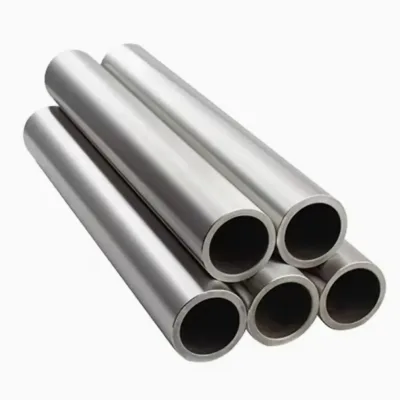
Aircraft Aerospace Automotive Application Gr1 Gr2 Gr5 Gr7 Gr9 Seamless Titanium Tube
$30.00 - $60.00
Moq: 500
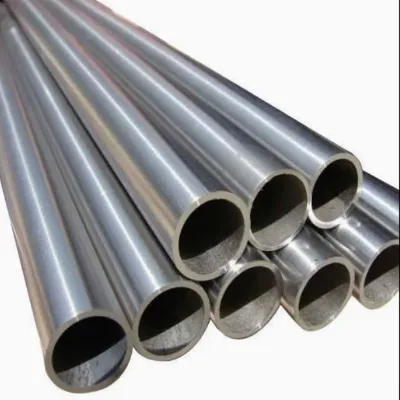
Gr1 Gr5 Gr9 High Precision Cold Rolled Seamless ASTM B338 Seamless Titanium Tube
$45.00 - $60.00
Moq: 500

Shandong Zehao Metal Materials Co., Ltd.
- Verified by BV
- Trading Company
- China Shandong
- Lead time15 days
- Avg. response≤ 3h
Main productsTitanium and Titanium Alloy Products Series, Stainless Steel Tube, PPGI, Galvanized Pipe, Rebar H-Beam Angle Steel Channel Steel Steel, Molybdenum Plates Rods Tubes and Processed PAR, Copper, Zirconium and Zirconium Alloy Products Series, Nickel and Nickel Alloy Product Series, Aluminum Plates Aluminum Tubes Aluminum Rods
Main marketsAustralia

Dongguan Xinyali Hardware Products Co., Ltd.
- Verified by BV
- Combined
- China Guangdong
- Lead time23 days
- Avg. response≤ 1h
Main productsStainless Steel Components, CNC Prototype Customisation, Hardware Precision Parts Milling, CNC Prototype Customised Parts, Hardware Precision Parts Lathe Machining, Aluminium Alloy Parts, Medical Device Parts, Aluminium Alloy Shaped Parts, Special Parts, Stainlesssteel
Main marketsDomestic

Hunan Shunfu Metal Material Co., Ltd.
- Verified by CTI
- Trading Company
- China Hunan
- Lead time23 days
- Avg. response≤ 13h
Main productsSteel Pipe
Main marketsSouth America,Southeast Asia/ Mideast,East Asia(Japan/ South Korea),Europe,Australia


Comprehensive Sourcing Guide
Seamless Titanium Tube for Aircraft Supplier Concentration and Factory Types
The current supplier landscape for seamless titanium tubes reveals a distinct concentration of manufacturing and trading entities within specific Chinese industrial hubs. Data indicates that suppliers are located in regions such as Shaanxi, Tianjin, and Shanghai, each offering different operational profiles for buyers seeking aircraft-grade materials. In Shaanxi, the available results highlight a company type identified as a Trading Company, which suggests that while the entity may not be the primary manufacturer, it serves as a critical intermediary for sourcing specialized items like titanium rods, hafnium pipes, and various alloy plates. This trading model often provides buyers with access to a broader catalog of non-ferrous metals, including nickel sheets and tungsten crucibles, allowing for consolidated purchasing from a single point of contact. The presence of such entities in Shaanxi underscores the region's role as a hub for complex metal alloy distribution, where trading companies bridge the gap between raw material producers and international buyers requiring specific grades for aerospace applications.
In contrast, suppliers located in Tianjin and Shanghai present a more diversified mix of company types, including both Trading Companies and Manufacturer/Factory entities. This duality is crucial for buyers evaluating seamless titanium tubes for aircraft, as it offers options between direct factory pricing and the logistical convenience of trading firms. The Tianjin-based results explicitly list "Manufacturer/Factory" alongside trading capabilities, indicating that some suppliers in this region possess direct production capacity for seamless and welded tubes. This is further supported by the mention of OEM and ODM capacities, along with own brands such as ZD, FL, RT, and SLT, which implies a level of industrial maturity and brand identity. Meanwhile, Shanghai-based suppliers also list both trading and manufacturing roles, with a focus on products like aluminized steel pipes and stainless steel tubes alongside titanium. This regional variation allows buyers to tailor their sourcing strategy based on whether they prioritize direct factory engagement or the flexibility and product variety offered by trading companies, ensuring that the chosen supplier aligns with their specific volume and customization needs.
How to Verify Seamless Titanium Tube for Aircraft Suppliers
Verifying the credibility and capability of seamless titanium tube suppliers requires a multi-layered approach that combines system certifications, third-party verification badges, and product-specific evidence. The most immediate indicator of a supplier's operational standards is the presence of recognized system certifications. For instance, suppliers in Shaanxi are noted to hold an ISO9001:2015 certificate, which serves as a baseline assurance for quality management systems. However, for aircraft applications, buyers must look beyond general ISO standards to verify if the supplier adheres to more stringent aerospace-specific norms. The Tianjin-based suppliers display an extensive list of certifications including ISO 9001, ASME, and various safety and environmental standards like OHSAS/ OHSMS 18001 and ISO 14001. While ASME is critical for pressure-containing components, buyers must confirm if these certifications extend to the specific titanium grades required for aircraft structures. The presence of multiple certifications suggests a robust internal quality control framework, but it is essential to verify that the scope of these certificates explicitly covers the production of seamless titanium tubes intended for aviation use.
Beyond certifications, third-party verification badges provide an additional layer of trust regarding the supplier's business legitimacy and operational history. The data shows that suppliers are verified by reputable agencies such as SGS, TUVRHEINLAND, and BV. A supplier verified by SGS in Shaanxi indicates that an independent body has assessed their business operations, which is a positive signal for international buyers. Similarly, the TUVRHEINLAND verification for Tianjin suppliers and BV verification for Shanghai entities suggest that these companies have undergone rigorous audits. Buyers should request the verification reports to understand the scope of the audit, particularly focusing on financial stability, legal compliance, and production capacity. Furthermore, product evidence such as specific material grades (e.g., Gr1, Gr2, Gr5, Gr9, Gr12, Gr23) and standards like ASTM B338/B861 must be cross-referenced with the supplier's claims. Ensuring that the supplier can provide mill test certificates and material traceability documentation is vital, as the verification badge alone does not guarantee that every batch of tubes meets the precise metallurgical requirements for aircraft components.
What to Compare Across Seamless Titanium Tube for Aircraft Suppliers
When evaluating multiple suppliers for seamless titanium tubes, buyers must systematically compare key operational metrics such as lead times, minimum order quantities (MOQs), response times, and pricing structures to determine the best fit for their procurement strategy. Lead times vary significantly across the supplier base, with some entities in Shaanxi reporting a lead time of 15 days, while those in Tianjin and Shanghai indicate lead times of 23 and 30 days respectively. These differences can impact production schedules, especially for aircraft manufacturers with tight assembly timelines. Additionally, the production time for specific items, such as high-strength Gr1-Gr23 tubes, is noted as 20 days in some listings, highlighting the need for precise scheduling. Buyers should also consider the MOQ, which ranges from 10 pieces for certain customized titanium pipes to 100 pieces for other seamless tube offerings. A lower MOQ may be advantageous for prototyping or small-batch aerospace repairs, whereas higher volumes might secure better pricing but require larger storage and inventory management capabilities.
Response time and pricing are equally critical factors in supplier comparison. The response time metric, which indicates how quickly a supplier engages with inquiries, shows considerable variation. Suppliers in Shaanxi demonstrate a rapid response time of 1.03, suggesting high availability and efficient communication channels, which is beneficial for resolving technical queries quickly. In contrast, Tianjin and Shanghai suppliers have response times of 15.91 and 3.96 respectively, which may require more patience but could correlate with larger, more established operations. Pricing also differs, with some titanium tubes listed between $15.00 and $50.00 per unit, while others range from $25.00 to $299.00, depending on the grade, dimensions, and surface finish. Buyers must compare these prices against the specified outer diameters, wall thicknesses, and material advantages such as high strength and corrosion resistance. It is also important to assess the customization options available, such as outer diameters from 6-620mm and wall thicknesses from 0.4-25mm, to ensure the supplier can meet the exact dimensional tolerances required for aircraft applications.
Common Seamless Titanium Tube for Aircraft Sourcing Risks
Sourcing seamless titanium tubes for aircraft involves several inherent risks that buyers must actively manage to ensure supply chain integrity and product quality. One significant risk is the potential mismatch between advertised specifications and actual material properties, particularly regarding grade consistency and mechanical performance. While suppliers list various grades such as Gr1 through Gr23, and claim advantages like high purity and corrosion resistance, there is a risk that the actual tensile strength or microstructure may not meet the stringent requirements of aerospace standards like ASTM B338. For example, some listings mention a tensile strength of ≥345 MPa, but buyers must verify if this applies to all grades or only specific ones. Additionally, the risk of surface finish inconsistencies, such as variations between polished, pickled, or sandblasted surfaces, can affect the fatigue life of tubes used in critical aircraft structures. Buyers should mitigate this by requesting detailed material test reports and conducting independent inspections upon receipt.
Another critical risk is the reliability of delivery and the stability of the supplier's manufacturing capacity. The variation in lead times, ranging from 15 to 30 days, introduces uncertainty into production planning. Suppliers claiming to be both trading companies and manufacturers may face conflicts in prioritizing orders, potentially leading to delays. Furthermore, the reliance on third-party verification badges does not guarantee ongoing compliance or financial stability. There is also a risk associated with packaging and logistics, as tubes are often packed in wooden cases or steel strips, which may not provide sufficient protection during long-distance shipping, especially for thin-walled tubes with wall thicknesses as low as 0.4mm. Damage during transit can render the tubes unusable for aircraft applications. Buyers should also be cautious of suppliers who do not clearly specify their loading ports or payment terms, as this can lead to hidden costs or disputes. Ensuring that the supplier has a proven track record in aerospace supply chains and can provide references from previous aircraft-related projects is essential to mitigating these risks.
Seamless Titanium Tube for Aircraft Regional Sourcing and Logistics
The geographic location of suppliers plays a pivotal role in determining logistics efficiency, shipping costs, and overall supply chain resilience for seamless titanium tubes. Suppliers are concentrated in key industrial regions such as Shaanxi, Tianjin, and Shanghai, each offering distinct logistical advantages. Shaanxi, located inland, may present higher transportation costs and longer transit times for international shipments compared to coastal hubs. However, its concentration of trading companies suggests a robust local ecosystem for sourcing various metal alloys, which can simplify the procurement process for buyers needing multiple materials. In contrast, suppliers in Tianjin and Shanghai benefit from proximity to major seaports, facilitating faster and more cost-effective export logistics. The Tianjin-based suppliers explicitly list loading ports including Tianjin, Shanghai, and Qingdao, providing buyers with flexibility in choosing the most convenient shipping route. This coastal advantage is crucial for time-sensitive aircraft component deliveries, where delays can disrupt entire assembly lines.
Logistics planning must also account for the specific packaging requirements of titanium tubes to prevent damage during transit. Suppliers in Shaanxi use wooden cases for packaging, while those in Tianjin utilize steel strips in bundles and wooden cases. The choice of packaging can impact the number of units that can be loaded into a container, affecting overall shipping costs. Buyers should consider the outer diameter and length of the tubes, which can range from 6-620mm in diameter and 2-20 meters in length, to optimize container utilization. Additionally, the response time of suppliers in different regions can influence logistics coordination. Faster response times, such as the 1.03 hours noted for Shaanxi suppliers, can lead to quicker confirmation of shipping details and faster resolution of logistical issues. However, buyers must balance this with the potential for higher shipping costs from inland locations. It is advisable to request detailed shipping quotes from suppliers in different regions to compare total landed costs, including freight, insurance, and handling fees, to determine the most economical sourcing strategy.
Seamless Titanium Tube for Aircraft Commercial Terms and Order Planning
Effective order planning for seamless titanium tubes requires a thorough understanding of commercial terms, including payment methods, customization options, and after-sales support. Payment terms vary among suppliers, with some explicitly stating T/T (Telegraphic Transfer) as the preferred method. Buyers should negotiate clear payment milestones, such as a deposit upon order confirmation and the balance against shipping documents, to mitigate financial risk. Customization is a key feature offered by many suppliers, with options for outer diameters, wall thicknesses, and lengths tailored to specific aircraft requirements. For instance, some suppliers offer customization for outer diameters of 25mm or customized sizes, and wall thicknesses of 2mm or customized dimensions. Buyers must ensure that the customization process includes rigorous quality checks to maintain material integrity. Additionally, the availability of different surface finishes, such as polished, pickled, or anodized, should be confirmed to meet the specific aesthetic and functional needs of aircraft components.
Order planning should also consider the scalability of the supplier's production capacity and their ability to handle repeat orders. Suppliers with OEM and O
FAQs
What grades of seamless titanium tubes are available for aircraft use?
Suppliers offer Titanium Grade 2, Grade 5, and specialized alloys like Gr1 through Gr23. These materials provide high strength and corrosion resistance essential for aerospace components. Buyers can select specific grades based on structural requirements and environmental exposure conditions.
What is the typical lead time for manufacturing seamless titanium tubes?
Manufacturing lead times generally range from 15 to 30 days depending on the supplier location and order volume. Some factories in China report production times of approximately 20 days for standard specifications. Expedited options may be available for urgent aerospace procurement needs.
What is the minimum order quantity for seamless titanium tubes?
Minimum order quantities typically start at 10 pieces for customized industrial applications. Some suppliers require a minimum of 100 pieces for standard seamless tubes. Buyers should verify specific MOQ requirements with manufacturers to ensure alignment with their project scale and budget constraints.
What certifications do seamless titanium tube suppliers usually hold?
Reputable suppliers often hold ISO 9001:2015 certification for quality management systems. Additional standards like ASTM B338 and B861 ensure material compliance for aerospace applications. Third-party verifications from SGS, TÜV, or BV further validate supplier reliability and product consistency for international trade.
What is the price range for seamless titanium tubes?
Prices for seamless titanium tubes typically range from $12 to $30 per unit for standard specifications. Premium aerospace-grade tubes or complex customizations may cost between $15 and $299. Final pricing depends on material grade, wall thickness, outer diameter, and surface finish requirements.
What surface finishes are available for seamless titanium tubes?
Common surface finishes include polished, sandblasted, brushed, and mirror-polished options. Some suppliers offer pickle treatment for enhanced corrosion resistance. Custom surface treatments are available to meet specific aerospace aesthetic or functional requirements for aircraft component manufacturing.