Sharp Lower Fuser Pressure Roller Suppliers and Manufacturers
Explore 32 verified suppliers offering Sharp Lower Fuser Pressure Roller options with customizable delivery times and OEM services. Compare locations in China Guangdong, response times, and certifications like ISO 9001 before requesting quotes; review the available evidence before requesting comparable quotations from suitable candidates.
Suppliers List
Zhongshan Yinpin Consumables Technology Co., Ltd.
- Verified by CTI
- Trading Company
- China Guangdong
- Lead time15 days
- Avg. response≤ 5h
Main marketsSouth America,Africa,Southeast Asia/ Mideast,East Asia(Japan/ South Korea),Domestic,Europe,Australia,North America

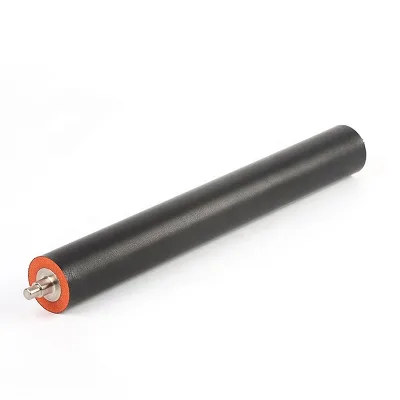
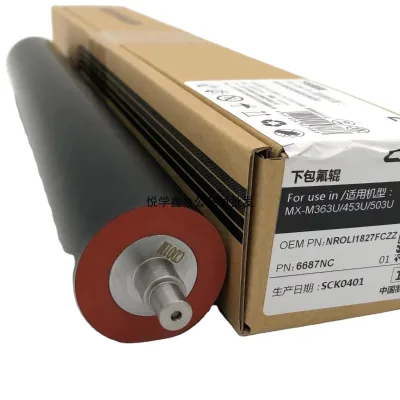
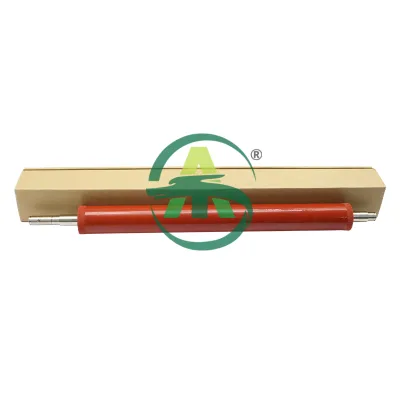
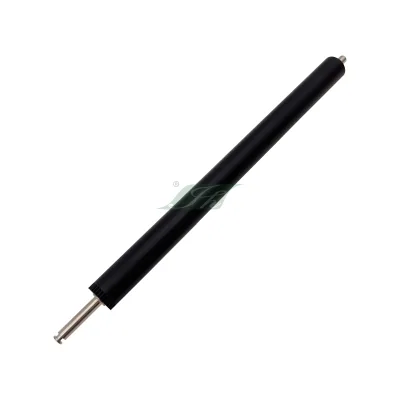
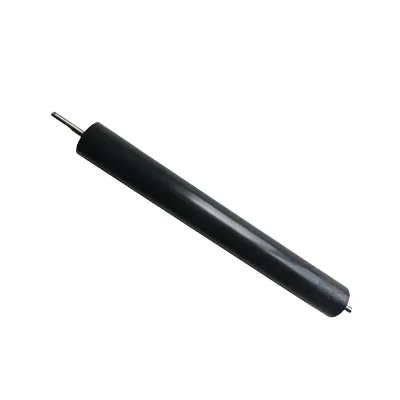
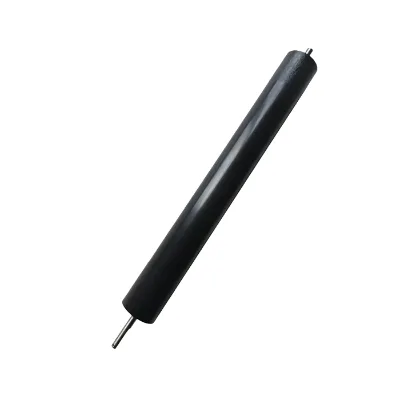
Lower Fuser Roller for Sharp Mx 754 654 6508 6581 7508 7581 Sf 651 751 N Pressure Roller
$12.50 - $15.00
MOQ: 1 piece


$11.00 - $46.00
MOQ: 1 piece

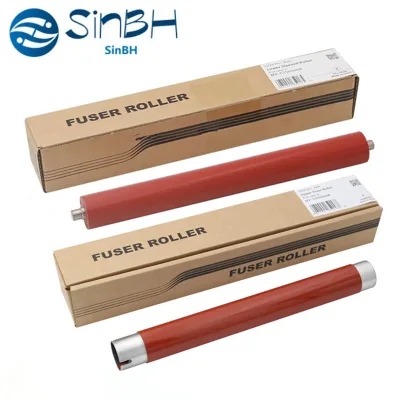
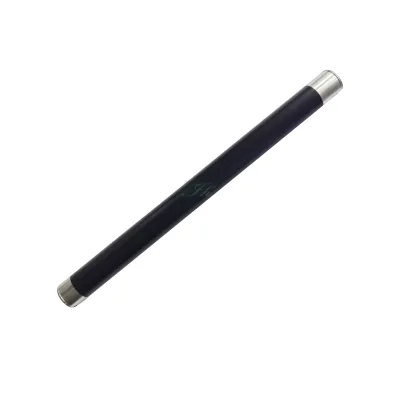
Compatible Heater Roller for Kyocera 3500I 4500I 5500I 3501I 4501I 5501I Upper Fuser Roller
$5.60 - $6.00
MOQ: 1 piece


- Verified by SGS
- Trading Company,Manufacturer/Factory,Group Corporation
- China Guangdong
- Lead time15 days
- Avg. response≤ 2h
Main productsDrum Unit, Fuser Unit, Toner Cartridge, Maintenance Kit, OPC Drum, Upper Fuser Roller, Cleaning Blade, Pickup Roller, Lower Pressure Roller, Transfer Belt(Unit)
Main marketsSouth America,Eastern Europe,Mid East,North America,Southeast Asia,Eastern Asia,Oceania,Western Europe,Africa


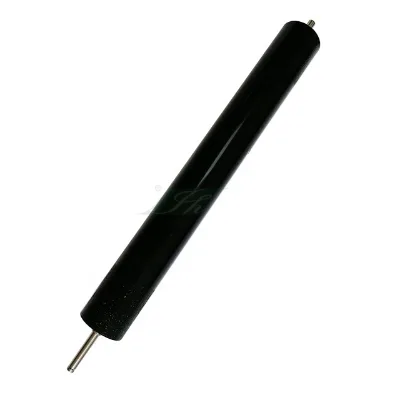
OEM Lower Fuser Roller for Sharp Mx 4101 5001 5101 5001n Printer Part Pressure Roller
$12.25 - $16.42
MOQ: 10 Pieces


Guangzhou Chengyi Office Equipment Co., Ltd.
- Verified by Intertek
- Trading Company
- Lead time15 days
- Avg. response≤ 2h
Main productsPrinter, Copier, Scanner, Toner Cartridge, Copier Parts
Main marketsSoutheast Asia(35%), Africa(22%), Domestic Market(17%)
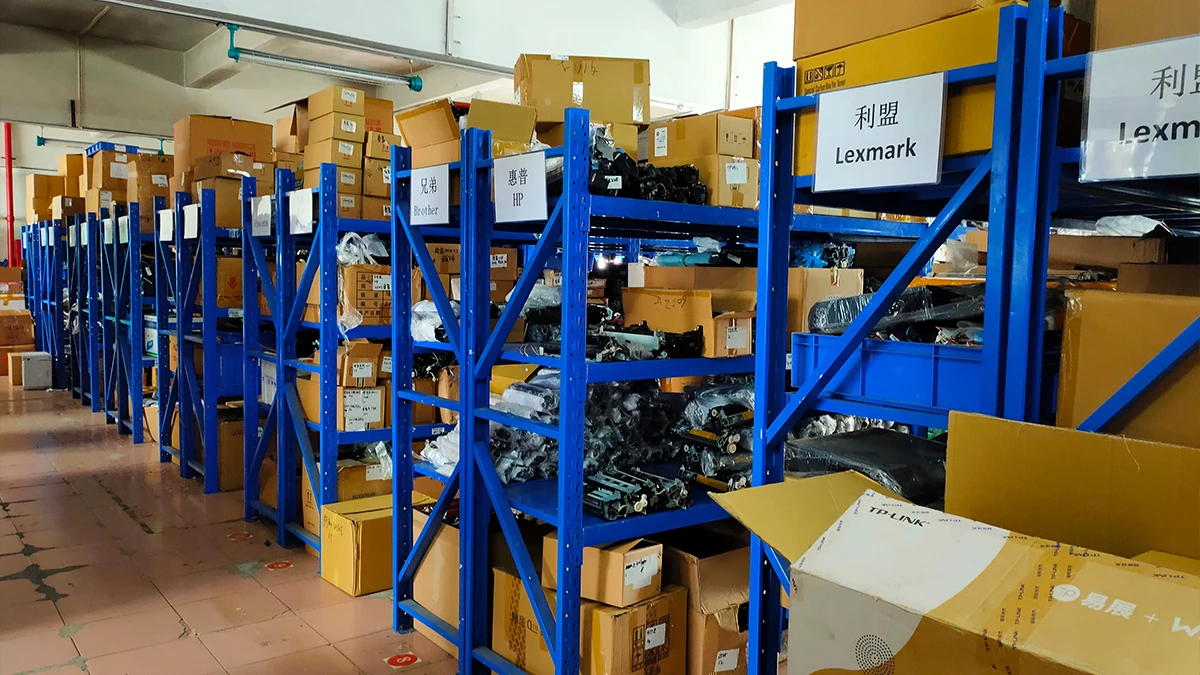
Foshan DXC Office Equipment Co., Ltd.
- Trading Company
- Guangdong, China
- Lead time7 days
- Avg. response≤ 3h
Main productsFuser Unit,Fuser Film Sleeve,Upper Fuser Roller,Lower Pressure Roller,Pickup roller
Main marketsNorth America(30.00%), Eastern Europe(25.00%), Western Europe(15.00%), South America(10.00%), Southeast Asia(10.00%), Domestic Market(5.00%), Mid East(5.00%)
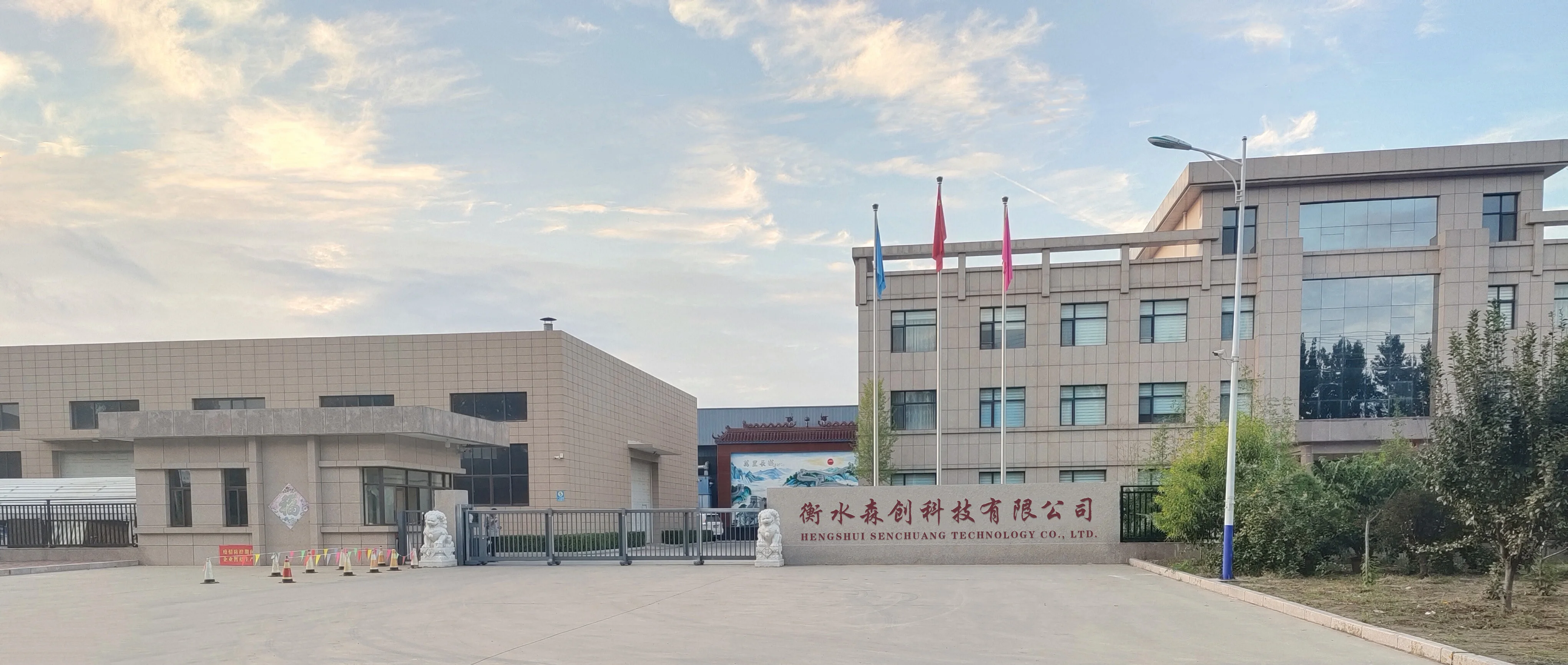
Hengshui Senchuang Technology Co., Ltd.
- Trading Company
- Hebei Province, China
- Lead time15 days
- Avg. response≤ 1h
Main productsRoller,Rubber roller,Caster Wheels,Packing box,PP PET sheet material
Main marketsDomestic Market(75.00%), Mid East(8.00%), South Asia(2.00%), Southern Europe(2.00%), Central America(2.00%), Western Europe(2.00%), South America(2.00%), North America(2.00%), Southeast Asia(2.00%), Eastern Europe(2.00%), Africa(1.00%)

ZHONGSHAN SHARINGCOPIER TECHNOLOGY CO., LTD
- Verified by BV
- Trading Company
- China Guangdong
- Lead time15 days
- Avg. response≤ 4h
Main productsPhotocopier Toner Cartridge, Drum Unit, Developer Unit, Fuser Unit, OPC Drum, Toner Powder, Machine, Toner Chip, Transfer Belt, Fuser Film
Main marketsSouth America,Africa,Southeast Asia/ Mideast,East Asia(Japan/ South Korea),Europe,Australia,North America

$3.00 - $5.00
MOQ: 1 Pieces

Shenzhen Reston Technology Co., Ltd.
- Manufacturer, Trading Company
- Gongdong, China
- Lead time5 days
- Avg. response≤ 5h
Main productsToner cartridge,Copier parts,Printer Parts,cartridge parts,Ribbon & Lable
Main marketsNorth America(18.00%), Eastern Europe(12.00%), Northern Europe(12.00%), South America(12.00%), Western Europe(9.00%), Southern Europe(9.00%), South Asia(6.00%), Southeast Asia(5.00%), Central America(5.00%), Domestic Market(4.00%), Africa(3.00%), Mid East(3.00%), Oceania(1.00%), Eastern Asia(1.00%)
Hongtai Office Accessories Ltd
- Verified by CTI
- Trading Company
- China Guangdong
- Lead time15 days
- Avg. response≤ 3h
Main productsToner Cartridge, Drum Unit, Developer Unit, Fuser Assembly Unit, Cleaning Unit, Fuser Film Sleeve, OPC Drum, Cleaning Blade, Transfer Belt, Pressure Roller
Main marketsSouth America,Africa,Southeast Asia/ Mideast,East Asia(Japan/ South Korea),Europe,Australia,North America


$401.00 - $406.00
MOQ: 1 Pieces
Guangzhou Aotusi Office Equipment Co., Ltd.
- Verified by SGS Group
- Trading Company
- Lead time7 days
- Avg. response≤ 1h
Main productsToner, Toner Cartridge, Copier OPC Drum, Developer, Transfer Belt
Main marketsMid East(20%), North America(15%), Southern Europe(15%)

SPRINTONER SUPPLIER (SHENZHEN) CO., LTD.
- Trading Company,Manufacturer/Factory
- China Guangdong
- Lead time15 days
- Avg. response≤ 4h
Main productsToner Powder, Toner Cartridge, Toner Chip, Color Toner, OPC Drum, Copier Parts, Developer, Drum Cleaning Blade, Upper Fuser Roller, Lower Sleeved Roller
Main marketsSouth America,Eastern Europe,Mid East,North America,Southeast Asia,Eastern Asia,Oceania,Western Europe,Africa

Fuser Lower Pressure Roller for Konica Minolta Bizhub C451 C452 C550 C552 C650 C652 C654 C754 C654e
$13.00 - $13.80
MOQ: 4 Pieces

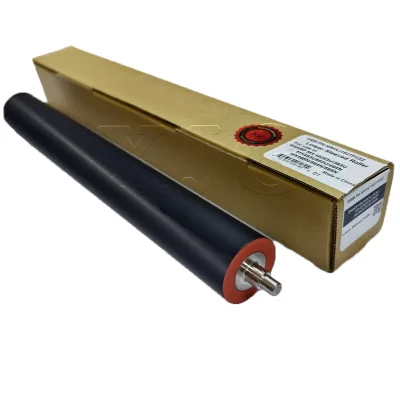
Lower Pressure Fuser Roller for Kyocera Ecosys M8124cidn M8130cidn M8224cidn M8228cidn P8060cdn
$20.50 - $21.00
MOQ: 4 Pieces

Lower Fuser Pressure Roller for Kyocera Fs4100 Fs4200 Fs4300 M3550 M3560 P3045 P3050 P3055
$6.00 - $7.20
MOQ: 4 Pieces
Shenzhen Sinbaihui Technology Co., Limited
- Manufacturer, Trading Company, Buying Office, Distributor/Wholesaler
- Guangdong, China
- Lead time2 days
- Avg. response≤ 13h
Main productsOPC Drum,Fuser Roller,Fuser Film,Cleaning Blade,Transfer Belt
Main marketsSouth America(20.00%), Eastern Europe(20.00%), South Asia(10.00%), Eastern Asia(10.00%), Southeast Asia(10.00%), North America(10.00%), Mid East(5.00%), Northern Europe(5.00%), Western Europe(5.00%), Africa(5.00%)
Guangzhou Huiteng Digital Technology Co., Ltd.
- Verified by SGS Group
- Trading Company
- Lead time0 days
- Avg. response≤ 4h
Main productsCopier, Toner, OPC Drum, Drum Unit, Fuser Roller
Main marketsSoutheast Asia(50%), Africa(30%), Mid East(10%)
Fullmark Technology Guangzhou Co., Ltd.
- Verified by SGS
- Trading Company
- China Guangdong
- Lead time15 days
- Avg. response≤ 4h
Main marketsSoutheast Asia/ Mideast
Guangzhou Huiteng Digital Technology Co., Ltd.
- Verified by CTI
- Trading Company
- China Guangdong
- Lead time23 days
- Avg. response≤ 3h
Main productsCopier
Main marketsAfrica,Southeast Asia/ Mideast,Domestic

$24.00 - $28.00
MOQ: 1 Pieces

$123.00 - $125.00
MOQ: 1 Pieces
Guangzhou Jinghui Office Equipment Co., Ltd.
- Manufacturer, Distributor/Wholesaler
- Guangdong, China
- Lead time0 days
- Avg. response≤ 3h
Main productsFuser Unit,Maintenance Kit,Formatter Board,Fuser Film Sleeve,Pressure Roller
Main marketsDomestic Market(20.00%), North America(20.00%), South Asia(15.00%), South America(15.00%), Mid East(10.00%), Eastern Europe(5.00%), Northern Europe(5.00%), Western Europe(5.00%), Southeast Asia(3.00%), Southern Europe(2.00%)

- Trading Company
- China Jiangsu
- Lead time15 days
- Avg. response≤ 24h
Main productsToner Canon, Riso Duplicator Ink, Riso Duplicator Stencil Master, Ricoh Duplicator Ink, Toner Cartridges for HP, Toner Cartridges for Kyocera Mita, OPC Drum, Toner, Toner for Konica Minolta, Toner Cartridges
Main marketsSouth America,Africa,Southeast Asia/ Mideast,East Asia(Japan/ South Korea),Domestic,Europe,Australia,North America


Konica Minolta Bizhub C1085 C1100 C6085 C6100 Fuser Upper Pressure Roller A5aw720100
$1.00 - $100.00
MOQ: 2 Pieces
GuangZhou Microstep Office Equipments Co.,LTD
- Verified by BV
- Trading Company
- China Guangdong
- Lead time15 days
- Avg. response≤ 14h
Main productsToner, Pick up Roller, Fuser Film, Upper Roller, Developer, OPC Drum, Cleaning Blade, Lower Sleeved Roller, Thermistor
Main marketsDomestic
Guangzhou Fanheng Electronic Technology Co., Ltd.
- Verified by Intertek
- Trading Company
- Lead time3 days
- Avg. response≤ 1h
Main productsDTF Printer, Printer, Printer Part
Main marketsSoutheast Asia(60%), Eastern Europe(15%), Africa(10%)
Shenzhen Discawo Technology Co., Limited
- Verified by Intertek
- Trading Company
- Lead time7 days
- Avg. response≤ 3h
Main productsDrum Unit, Toner Cartridge, Fuser Unit, OPC Drum, Pickup Roller
Main marketsNorth America(15%), South America(15%), Eastern Europe(10%)

Qingdao Yuanding Group Co., Ltd.
- Verified by BV
- Combined
- China Shandong
- Lead time90 days
- Avg. response≤ 8h
Main productsRadiant Tube, Hearth Roll, Annealing Lehr Roller, Alloy Castings, Pattern Roller, Heat Resistant Fiber, Heat Resistant Composite Material
Main marketsSouth America,Southeast Asia/ Mideast,East Asia(Japan/ South Korea),Europe

- Combined
- China Guangdong
- Lead time30 days
- Avg. response≤ 5h
Main productsToner Cartridge, Drum Unit, Developer, OPC/Gear/Roller/Film/Spare Parts, Copier Toner, Imaging Unit, Cleaning Blade Fuser Unit Pick up Rollers
Main marketsSouth America,Africa,Others(foreignTradeCapacity.exportBusinessCapacityMarketOther),Southeast Asia/ Mideast,East Asia(Japan/ South Korea),Domestic,Europe,Australia,North America
Beijing Hanwei Office Equipment Parts Factory
- Manufacturer, Trading Company
- Beijing, China
- Lead time7 days
- Avg. response≤ 1h
Main productsCopier &printer parts upper fuser roller,Copier &printer parts Lower pressure roller,Copier &printer parts cleaning web roller,Copier &printer parts fuser film sleeve,lower sleeved roller
Main marketsSouth America(20.00%), North America(20.00%), Western Europe(10.00%), Mid East(10.00%), Africa(10.00%), Southeast Asia(10.00%), Eastern Europe(10.00%), Eastern Asia(8.00%), South Asia(2.00%)

Shandong Yuntai Machinery Co., Ltd.
- Verified by BV
- Combined
- China Shandong
- Lead time30 days
- Avg. response≤ 19h
Main productsDisc Plough, Disc Harrow, Disc Blade, Trailer, Cultivator, Agricultural Spare Parts, Plough Disc, Harrow Disc, Tractor Trailer, Ox Plough
Main marketsSouth America,Africa,Southeast Asia/ Mideast,Europe,Australia,North America
Zhuzhou Sanxin Cemented Carbide Manufacturing Co., Ltd.
- Verified by TUVRHEINLAND
- Combined
- China Hunan
- Lead time15 days
- Avg. response≤ 7h
Main productsTungsten Carbide, Carbide Bushing, Carbide Nozzle, Tungsten Alloy, Carbide Rings, Wolfram Carbide, Carbide Inserts, Carbide Rod, Carbide Tools, Cemented Carbide
Main marketsEurope,North America
Shanghai Pengyu Machinery Equipment Co., Ltd
- Trading Company,Manufacturer/Factory,Group Corporation
- China Shanghai
- Lead time90 days
- Avg. response≤ 5h
Main productsRotary Kiln, Dry Process Rotary Kiln, Wet Process Rotary Kiln, Rotary Kiln for Nonferrous Metallurgical Lndustr, Cement Grinding, Cement Mill, Rolling Machine, Production Line, Cement Mill Accessories, Rotary Kiln Accessories
Main marketsSouth America,Eastern Europe,Mid East,North America,Southeast Asia,Eastern Asia,Oceania,Western Europe,Africa

- Verified by SGS
- Trading Company,Manufacturer/Factory
- China Guangdong
- Lead time38 days
- Avg. response≤ 6h
Main productsGlass Machine, Glass Washing Machine, Glass Tempering Machine, Glass Processing Machinery, Glass Edging Machine, Glass Milling Machine, Silk Screen Printing Machine, CNC Working Center
Main marketsSouth America,Eastern Europe,Mid East,North America,Southeast Asia,Eastern Asia,Oceania,Western Europe,Africa

Jiangsu Leizhan International Trade Co., Ltd.
- Manufacturer/Factory
- China Jiangsu
- Lead time30 days
- Avg. response≤ 1h
Main productsPaper Machinery, Paper Machine Felt, Paper Machine Forming Wire, Screen Basket, Pulper, Dryer, Cylinder, Refiner, Pressure Screen, Dryer Cylinder
Main marketsSouth America,Eastern Europe,Mid East,North America,Southeast Asia,Eastern Asia,Oceania,Western Europe,Africa
Qinyang Jurui Machinery Equipment Co., Ltd
- Verified by SGS
- Trading Company
- China Henan
- Lead time15 days
- Avg. response≤ 1h
Main productsPaper Machine, Paper Making Machine, Toilet Paper Machine, Kraft Paper Machine, Pulping Equipment, A4 Cultural Paper Machine, Pressure Screen, High Consistency Hydrapulper, Toilet Paper Punching and Rewinding Machine, Pulp Propeller
Main marketsDomestic

Durable Press Roller Rubber Roller for Efficient Paper Handling and Printing
$2000.00 - $4500.00
MOQ: 1 Sets


High Quality Versatile Stone Roller Rubber Roller for Paper Industrial Use
$2000.00 - $4500.00
MOQ: 1 Sets


Nantong Braun Machinery Co., Ltd.
- Trading Company,Manufacturer/Factory
- China Jiangsu
- Lead time23 days
- Avg. response≤ 17h
Main productsPerforating Rollers, Vario Bars, Faller Bar, Braiding Machines, Embroidery Machine, Crochet Machine, Weft Yarn Machine, Doubling Winder, Bobbin Winder, Centrifuges
Main marketsSouth America,Eastern Europe,Mid East,North America,Southeast Asia,Eastern Asia,Oceania,Western Europe,Africa

MOQ: 10 Pieces

Pinned Roller/Perforation Roller
MOQ: 10 Pieces


CNBM International Corporation
- Trading Company,Manufacturer/Factory,Group Corporation
- China Beijing
- Lead time30 days
- Avg. response≤ 17h
Main productsSpecialty Graphite, Graphite Electrode, Refractory, Pipe and Fittings, Manhole Cover, Slag Pot, Prefabricated House
Main marketsSouth America,Mid East,North America,Southeast Asia,Oceania,Western Europe,Africa
Shanxi Fuding International Trade Co.,Ltd.
- Manufacturer/Factory
- China Shanxi
- Lead time23 days
- Avg. response≤ 3h
Main productsCNC Parts, Fabrication Assembly, Stamped Parts, Mold Injection, Forging, Hydraulic Components, Bollard, Dice
Main marketsSouth America,Eastern Europe,Mid East,North America,Southeast Asia,Eastern Asia,Oceania,Western Europe,Africa

SUN HONG PAPER TECH XUZHOU LTD
- Verified by BV
- Manufacturer/Factory
- China Jiangsu
- Lead time23 days
- Avg. response≤ 2h
Main productsForming Fabric, Press Felt, Dryer Fabric, Screen Basket, Press Roll, Dryer Cylinder, Cylinder Mould, Doctor Blade, Vacuum Suction Cover, Hydrapulper
Main marketsSouth America,Eastern Europe,Mid East,Southeast Asia,Eastern Asia,Oceania,Africa


Stainless Steel Vacuum Suction Press Roller for Paper Making Machine
$3000.00 - $5000.00
MOQ: 1 Pieces
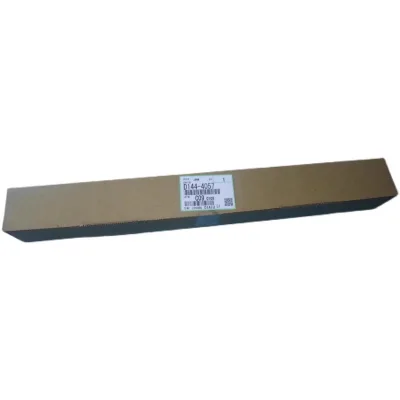
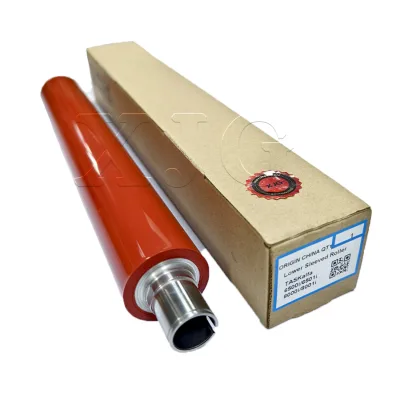
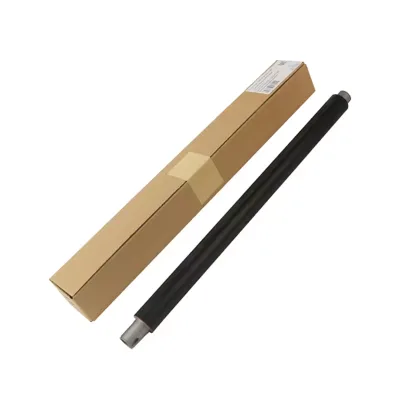


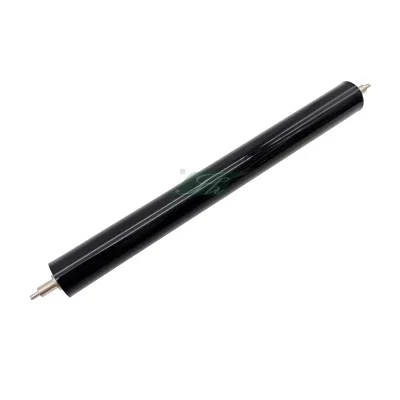
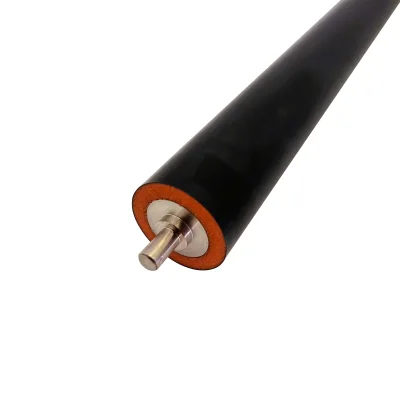






Comprehensive Sourcing Guide
Sharp Lower Fuser Pressure Roller Supplier Concentration and Factory Types
The available data indicates a significant concentration of suppliers operating from China Guangdong, a region known for its dense manufacturing ecosystem for printer components. This location serves as a primary hub for both trading companies and manufacturers producing compatible fuser rollers. Buyers should note that the supplier pool includes entities classified as Trading Companies, Manufacturer/Factory, and Group Corporations, suggesting a mix of direct production capabilities and distribution networks. When evaluating potential partners, it is crucial to distinguish between a pure trading entity and a factory with direct control over the production line, as this distinction impacts quality control and customization flexibility.
To identify the correct factory type, buyers must examine the company profile details provided in search results. Some suppliers explicitly list their company type as a Trading Company, while others may claim Manufacturer/Factory status or Group Corporation classification. The presence of specific product attributes like "OEM Service: Yes" often correlates with manufacturing capabilities, whereas a focus on broad inventory might indicate a trading role. Since the data shows a mix of these types, buyers should verify the actual operational structure by requesting factory audits or video tours. Understanding whether the supplier is a direct producer or an intermediary is essential for negotiating better terms and ensuring consistent product quality for Sharp lower fuser pressure rollers.
How to Verify Sharp Lower Fuser Pressure Roller Suppliers
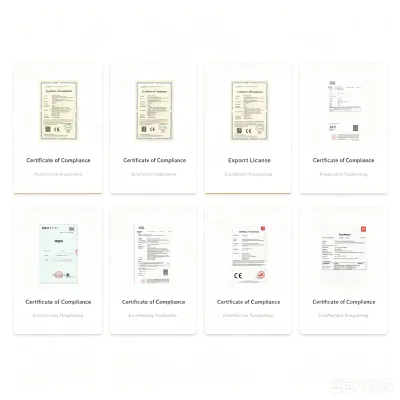
Verification is a critical step when sourcing Sharp lower fuser pressure rollers, as the market contains various levels of supplier legitimacy. The provided facts highlight specific verification badges such as CTI and SGS, which serve as third-party validations of a supplier's business status and product quality. A supplier marked with CTI verification has undergone specific checks, while SGS verification indicates compliance with international standards. Buyers should prioritize suppliers displaying these credentials, as they reduce the risk of dealing with unverified entities. However, the absence of a badge does not automatically disqualify a supplier, but it necessitates a more rigorous due diligence process to confirm their operational stability and product authenticity.
Beyond verification badges, buyers should assess the supplier's response time and established track record. The data shows response times varying from 1.45 to 4.49, which can indicate the efficiency of the supplier's communication team. A faster response time often suggests a more active and organized sales department, which is vital for resolving technical queries regarding roller compatibility. Additionally, checking for certifications like BSCI, ISO 9000, ISO 14001, and ISO 9001 provides insight into the supplier's management systems and environmental standards. These certifications are strong indicators of a mature operation capable of maintaining consistent quality. Buyers must cross-reference these claims with the supplier's actual product offerings to ensure the certifications apply to the specific fuser roller components being sourced.
What to Compare Across Sharp Lower Fuser Pressure Roller Suppliers
When comparing suppliers, buyers should focus on key operational metrics such as lead time, minimum order quantity (MOQ), and pricing structures. The data reveals lead times ranging from 7 days to 15 days, with some suppliers offering faster delivery options. A shorter lead time can be advantageous for urgent restocking needs, while a longer lead time might indicate a more customized production process. MOQs also vary significantly, with some suppliers requiring as few as one unit, while others set a threshold of ten units. Understanding these thresholds is essential for budgeting and inventory planning, especially for small businesses that may not require large initial orders. Buyers should calculate the total cost of ownership, including shipping and potential bulk discounts, rather than focusing solely on the unit price.
Product specifications and customization capabilities are another vital comparison point. The available facts show that many suppliers offer customization options, including color and specific model compatibility for Sharp printers like the MX 754 and MX-B201D. Some suppliers provide OEM services, allowing for branding and specific design modifications. Buyers should compare the range of models supported, such as the MX-M283N series or Kyocera alternatives, to ensure the supplier can meet diverse equipment needs. Additionally, quality assurance claims like "100% Inspection" should be verified against the supplier's actual quality control processes. Comparing these attributes helps buyers identify suppliers that offer the best balance of flexibility, quality, and cost for their specific operational requirements.
Common Sharp Lower Fuser Pressure Roller Sourcing Risks
One of the primary risks in sourcing Sharp lower fuser pressure rollers is the potential mismatch between product specifications and actual printer models. The data indicates a wide range of compatible models, from Sharp MX series to Kyocera and Xerox units, which increases the complexity of ensuring compatibility. Buyers must carefully verify that the listed model numbers, such as MX 754 or Nuvera 100, exactly match their equipment to avoid purchasing incompatible parts. Misidentification can lead to operational downtime and additional costs for returns or replacements. To mitigate this risk, buyers should request detailed compatibility charts or technical drawings from the supplier before placing an order.
Another significant risk involves the variability in product quality and the reliability of the "Compatible" or "OEM" labels. While some suppliers claim "100% Inspection" and "Factory Direct Sales," the actual performance of the roller can vary based on the materials used, such as rubber steel or pure steel. The data shows different material compositions across products, which can affect durability and print quality. Buyers should be cautious of suppliers who do not provide clear information about material standards or testing procedures. Additionally, the risk of inconsistent lead times, ranging from 7 to 15 days, can disrupt supply chains if not managed properly. Establishing clear communication channels and setting realistic expectations for delivery is crucial to minimizing these operational risks.
Sharp Lower Fuser Pressure Roller Regional Sourcing and Logistics
The concentration of suppliers in China Guangdong offers logistical advantages but also presents specific challenges for international buyers. This region is a major manufacturing hub, which often results in competitive pricing and a wide selection of products. However, buyers must consider the distance and shipping times involved in transporting goods from this location. The data indicates a lead time of 7 to 15 days for production, which does not include transit time. Buyers should factor in additional days for customs clearance and final delivery to their destination. Understanding the total lead time is essential for effective inventory management and avoiding stockouts.
Logistics planning should also account for packaging standards and shipping methods. The provided facts mention "Carton" and "Neutral Packing" as common packaging types, which are standard for protecting components during transit. Buyers should verify if the packaging is sufficient to prevent damage, especially for delicate parts like fuser rollers. Additionally, the supplier's location in China may influence shipping costs and availability of freight forwarders. Buyers should negotiate shipping terms, such as FOB or CIF, to clarify who bears the risk and cost during transit. By carefully planning logistics and understanding the regional context, buyers can optimize their supply chain efficiency and reduce the overall cost of sourcing Sharp lower fuser pressure rollers.
Sharp Lower Fuser Pressure Roller Commercial Terms and Order Planning
Commercial terms play a pivotal role in the success of any sourcing transaction, particularly when dealing with varying MOQs and pricing structures. The data shows price ranges from $3.70 to $300.00, depending on the specific model and complexity of the roller. Buyers should analyze these price points to determine the most cost-effective option for their needs. It is important to note that lower prices may sometimes correlate with lower quality or limited customization options. Buyers should request detailed quotes that include all potential costs, such as taxes, duties, and shipping fees, to avoid unexpected expenses. Clear communication regarding payment terms and currency is also essential to prevent financial disputes.
Order planning requires a strategic approach to balance inventory levels with demand fluctuations. With MOQs ranging from 1 to 10 units, buyers have flexibility in ordering small quantities for testing or larger batches for regular use. However, planning for larger orders may require longer lead times, as some suppliers indicate a 15-day production window. Buyers should align their order schedules with their production cycles to ensure a steady supply of fuser rollers. Additionally, considering the availability of OEM services and customization options can help tailor orders to specific business needs. By carefully planning orders and understanding the commercial terms, buyers can optimize their procurement process and maintain a reliable supply chain for Sharp lower fuser pressure rollers.
FAQs
What is the price range for Sharp lower fuser pressure rollers?
Prices for these rollers typically range from 3.70 to 300.00 USD depending on the specific model and compatibility. Some compatible options for Sharp MX series start at 11.00 USD, while specialized parts for Xerox Nuvera can reach 300.00 USD. Always verify the exact model number to confirm the correct pricing tier.
How long does delivery take for these printer parts?
Most suppliers indicate a delivery time of 7 days for standard orders. Some listings specify a lead time of 15 days for production or shipping. Fast delivery options are available for certain compatible models, but exact timelines depend on the specific supplier and stock availability at the time of order.
What is the minimum order quantity for these rollers?
Minimum order quantities vary significantly by product type. Some compatible rollers allow orders as low as 1 piece, while others require a minimum of 10 units. Specific models like those for Xerox Nuvera may have a minimum requirement of 2 pieces. Check individual product listings for precise MOQ details.
Are these rollers compatible with various Sharp printer models?
Yes, these rollers are designed to be compatible with multiple Sharp models including MX 754, MX-B201D, and MX-M series. They also fit other brands like Kyocera and HP in specific configurations. Ensure the product standard is listed as compatible or OEM to guarantee proper fit for your specific machine.
Do suppliers offer customization or OEM services for these parts?
Many suppliers provide customization and OEM services for these pressure rollers. You can request customized colors or specific packaging options like cartons. Quality assurance often includes 100% inspection before shipment. Verify the specific customization options available for your order to ensure they meet your operational requirements.
Where are these printer parts manufactured and shipped from?
The majority of these lower fuser pressure rollers are manufactured and shipped from China, specifically Guangdong. Products are typically packed in cartons or neutral packaging before dispatch. Origin details are clearly stated in product attributes, confirming the source location for all compatible and OEM replacement parts listed.
What certifications do the suppliers holding these parts have?
Suppliers offering these parts often hold certifications such as ISO 9001, ISO 14001, and BSCI. Some are verified by third-party agencies like CTI or SGS. These certifications indicate adherence to quality management and environmental standards. Always check the specific verification status of the supplier before placing a large order.