SGS Certified Keychains Suppliers and Manufacturers
Source 16 verified suppliers for SGS Certified Keychains. Compare response times, lead times, certifications, and MOQs to find the right partner. Review product details and contact suppliers directly to initiate your procurement process; review the available evidence before requesting comparable quotations from suitable candidates.
Suppliers List

Inspire Souvenirs Manufacturing Limited
- Manufacturer
- China Guangdong
- Lead time30 days
- Avg. response≤ 25h
Main productsKeychain, Key Ring, Bottle Opener, Dinner Bell, Souvenir Spoon, Souvenir Keychain, Fridge Magnet, Key Holder, Brooch, Ashtray
Main marketsSouth America,Europe,North America


Popular Fashion Customized Keychain Key Chain 2022
Contact supplier
Zhongshan Lixin Crafts Co.,Ltd.
- Verified by BV
- Combined
- China Guangdong
- Lead time15 days
- Avg. response≤ 2h
Main productsPatch, Sports Event Medal, Enamel Pin, Custom Keychain, Challenge Coin, Fridge Magnet
Main marketsDomestic


1-8 Color Customization Embroidered Key Chain with Grs & RoHS Compliance Labels
$0.15 - $0.65
Moq: 100

- Verified by TUVRHEINLAND
- Trading Company,Manufacturer/Factory
- China Jiangsu
- Lead time23 days
- Avg. response≤ 3h
Main productsMedal, Coin, Lapel Pin, PVC Patch, Embroidery Patch, Keychain, Button Badge, Silicone Wristband, Lanyards, Gift
Main marketsSouth America,Eastern Europe,Mid East,North America,Oceania,Western Europe

Zhongshan Yingying Textile Co., Ltd.
- Verified by SGS
- Manufacturer
- China Guangdong
- Lead time15 days
- Avg. response≤ 2h
Main productsPatch, Keychain, Sequin Patch, Towel Embroidery Patch, Embroidery Patch, Embroidery Keychain, Woven Label Patch, Woven Patch, Woven Keychain, Lanyard

Difanmax Tech Lianyungang Co., Ltd.
- Verified by BV
- Manufacturer/Factory
- China Jiangsu
- Lead time23 days
- Avg. response≤ 4h
Main productsConsumer Electronics, Kinesiology Tape Adhesive Tapes, Industrial Tools, Home & Garden, Gifts & Crafts, Sport Products Entertainment, Health & Medical, Auto Parts E-Bike Auto Tools & Components, Clothes Apparel, Bicycle Hardware Laboratory Measuring Protective
Main marketsSouth America,North America,Southeast Asia,Oceania,Western Europe

Dongguan AST Industry Co., Ltd.
- Verified by TUVRHEINLAND
- Manufacturer/Factory
- China Guangdong
- Lead time23 days
- Avg. response≤ 14h
Main productsSound Module, Voice Recorder, Video Brochure, Sound Chip, LED Flashing Module for POS, Musical Greeting Cards, Video Module, Musical Bottle Opener, Musical Postcards, DC Motor for Pop Dispay
Main marketsSouth America,Eastern Europe,Mid East,North America,Southeast Asia,Eastern Asia,Oceania,Western Europe,Africa

TAIZHOU HARSOUL IMP. & EXP. CO., LTD.
- Trading Company
- China Zhejiang
- Lead time30 days
- Avg. response≤ 13h
Main productsPromotion Gifts, Promotional Bag, Promotional Jewelry, Promotional Toys, Promotional Stationery, Promotional Plastic Goods
Main marketsOthers(foreignTradeCapacity.exportBusinessCapacityMarketOther),Europe,North America

Zhongshan Xinyihong Metal Craft Products Factory
- Verified by TUVRHEINLAND
- Combined
- China Guangdong
- Lead time15 days
- Avg. response≤ 2h
Main productsBadge, Lape Pin, Coin, Medal, Key Chain, Cufflink, Tie Clip, Bottle Opener, Golf Divolt, Name Plate
Main marketsNorth America

Zhongshan Xinyuan Silicone Rubber Co. Ltd
- Verified by TUVRHEINLAND
- Combined
- China Guangdong
- Lead time15 days
- Avg. response≤ 2h
Main productsSilicone Mold, Silicone Ice Cube Tray, Silicone Wristband, Silicone Tea Infuser, Silicone Bakeware, Silicone Keychain, Silicone Cup Coaster, Silicone Bag
Main marketsSouth America,Southeast Asia/ Mideast,Domestic,Europe,North America

Zhongshan Xinyuan Silicone Rubber Co., Ltd.
- Verified by TUVRHEINLAND
- Combined
- China Guangdong
- Lead time15 days
- Avg. response≤ 1h
Main productsEmbroidery Patch, PVC Keychain, Pin Badge, Medal, Lanyard, Challenge Coin, Paper Air Freshener, Coffee Maker, Luggage Tag, Coffee Maker/Grinder
Main marketsSouth America,Southeast Asia/ Mideast,Domestic,Europe,North America
Zhejiang Shizan Arts And Crafts Co., Ltd.
- Manufacturer, Trading Company
- Lead time旺季: "1 - 3000":7,"> 3000":"To be negotiated", 淡季: "1 - 3000":7,"> 3000":"To be negotiated"
Main productsAcrylic craft and keychain, Sticker, Notebook, Cotton Doll, Metal gift and craft
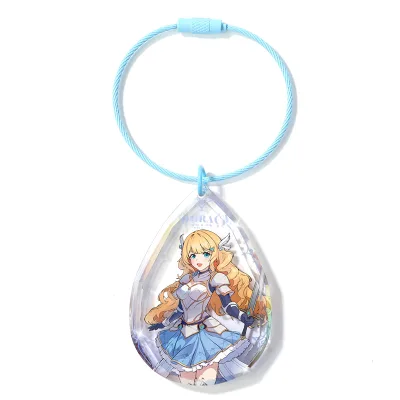
Custom Acrylic Diamond Keychain
$0.80 - $3.47
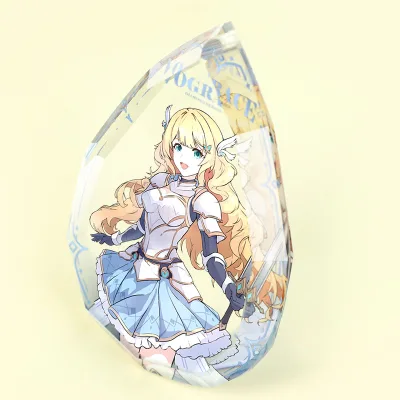
Custom Acrylic Diamond Keychain
$0.80 - $3.47

Jinjiang Jiaxing Supply Management Co., Ltd.
- Verified by TUVRHEINLAND
- Trading Company
- China Fujian
- Lead time30 days
- Avg. response≤ 1h
Main productsEVA Clogs, Flip Flop, Shoe Charms, Shopping Bags, Wristbands, Gifts, Promotional Gifts, Slipper, Sport Cap, Ball
Main marketsNorth America

- Verified by TUVRHEINLAND
- Trading Company
- China Zhejiang
- Lead time15 days
- Avg. response≤ 3h
Main productsLanyard, Promotional Gift, Baseball Cap, Bags, T-Shirt, Ceramic Mug, Sport Water Bottle, PU Toys
Main marketsEurope,Australia,North America

Zhongshan Tianxin Craft Gift Products Co., Ltd.
- Verified by BV
- Combined
- China Guangdong
- Lead time23 days
- Avg. response≤ 2h
Main productsShirt, Gift, Clothing, USB Flash Drives, Key Chain, Medal, Trophy, Lether Tapeline, Fridge Magnet, Wine Opener
Main marketsSouth America,Africa,Southeast Asia/ Mideast,East Asia(Japan/ South Korea),Europe,Australia,North America

- Verified by TUVRHEINLAND
- Trading Company
- China Guangdong
- Lead time15 days
- Avg. response≤ 4h
Main productsBadge, Medal, Key Chain, Key Ring, Coin, Pin, Bottle Opener, Wrist Band, Lanyard, Trophy
Main marketsSoutheast Asia/ Mideast,Europe,North America

Linyi Permarise Hardware Co., Ltd.
- Verified by TUVRHEINLAND
- Manufacturer/Factory
- China Shandong
- Lead time0 days
- Avg. response≤ 8h
Main productsFurniture Hardware, Security Hardware, Door Key Blank, Car Key Blank, Motorcycle Key Blank, Promotional Key, Key Accessories, Key Cutting Machines, Locksmith Tools, Locks


Comprehensive Sourcing Guide
SGS Certified Keychains Supplier Concentration and Factory Types
The current supplier landscape for SGS Certified Keychains reveals a concentration of manufacturing capabilities primarily within China, with specific clusters identified in Guangdong and Jiangsu provinces. Fact-based observations indicate that suppliers in Guangdong often operate as manufacturers offering a diverse range of products including keychains, bottle openers, and souvenir items, while those in Jiangsu may present as combined entities functioning as both trading companies and manufacturers. This geographic distribution suggests that buyers should prioritize regions where the specific product evidence confirms local production capabilities rather than assuming a uniform global supply chain. The presence of manufacturers in these areas allows for direct engagement with production lines, which is critical for customizing items like alloy or PVC keychains with specific branding requirements.
Factory types vary significantly across the available results, ranging from pure manufacturers to combined trading and manufacturing entities. Some suppliers explicitly list their company type as a manufacturer, while others identify as a combined entity, which may imply a broader sourcing network or a hybrid operational model. The distinction is vital because manufacturers typically control the production process and quality assurance directly, whereas combined entities might leverage multiple factories to fulfill orders. Buyers must verify the actual production location and the nature of the entity to ensure that the SGS certification applies to the specific manufacturing site producing the goods. Understanding these structural differences helps in assessing the depth of control a supplier has over the final product quality and the authenticity of their certification claims.
How to Verify SGS Certified Keychains Suppliers
Verifying the authenticity of SGS certification requires a rigorous approach that goes beyond simply accepting a badge on a product listing. Buyers should request the specific SGS test report number and cross-reference it directly with the SGS official database to confirm that the certification is current and covers the exact product specifications being ordered. While some supplier data indicates ISO 9001 or other system certifications, the specific SGS verification must be treated as a distinct requirement that needs independent validation. It is essential to ensure that the certification covers the materials used, such as PVC, alloy, or fabric, and that the testing standards align with the intended market regulations. Relying solely on the supplier's claim without external verification exposes the buyer to significant risks regarding product safety and compliance.
In addition to certification verification, buyers should assess the supplier's response time and verification status provided by third-party platforms. Data shows that response times can vary widely, with some suppliers responding within 1.42 hours while others take significantly longer, which impacts the efficiency of the verification process. A supplier with a verified status from a recognized body like BV or TÜV Rheinland adds a layer of credibility, but this should not replace the need for specific SGS documentation. Buyers must also check if the supplier has a history of providing detailed product attributes and specifications that match the certified items. The combination of a fast response time, third-party verification status, and the ability to provide immediate, verifiable SGS documentation creates a robust framework for supplier assessment.
What to Compare Across SGS Certified Keychains Suppliers
When evaluating potential partners, buyers must compare key operational metrics such as lead time, minimum order quantity (MOQ), and response speed to determine the best fit for their specific project needs. The available data indicates that lead times can range from 15 days to 30 days, depending on the supplier's capacity and current workload. Similarly, MOQs vary significantly, with some suppliers requiring as few as 100 units while others demand 1000 or 500 units. These differences directly impact the financial feasibility and inventory planning for the buyer. A supplier with a lower MOQ might be ideal for testing the market, whereas a supplier with a longer lead time but lower unit cost might be better suited for large-scale production runs.
Beyond logistical metrics, buyers should compare the range of main products and customization capabilities offered by each supplier. Some suppliers specialize in embroidered keychains with specific certifications, while others focus on alloy or PVC materials with diverse usage scenarios ranging from promotional gifts to personal decorations. The ability to offer OEM and ODM services is another critical differentiator, as it allows for greater flexibility in design and branding. Buyers must also consider the specific product attributes, such as material composition and processing methods, to ensure they align with the SGS certification requirements. By systematically comparing these dimensions, buyers can identify suppliers that not only meet the certification standards but also offer the operational flexibility required for their unique business objectives.
Common SGS Certified Keychains Sourcing Risks
One of the primary risks in sourcing SGS Certified Keychains is the potential discrepancy between the claimed certification and the actual product quality or material composition. Suppliers may claim to have certifications for specific materials like PVC or alloy, but the actual batch delivered might not match the tested samples. This risk is heightened when suppliers operate as combined entities or trading companies, as they may not have direct control over the manufacturing process or the quality assurance protocols. Buyers must be vigilant in ensuring that the certification covers the specific batch of goods being ordered and that the materials used in production strictly adhere to the tested specifications. Failure to verify this alignment can lead to rejected shipments and compliance issues in the target market.
Another significant risk involves the reliability of the supplier's response time and their ability to meet lead time commitments. Data shows that response times can vary, and a slow response might indicate underlying operational issues or a lack of capacity to handle urgent orders. If a supplier promises a short lead time but consistently fails to deliver, it can disrupt the buyer's supply chain and lead to missed market opportunities. Additionally, the risk of inconsistent product quality across different batches is a concern, especially when dealing with custom orders that require specific processing methods like hand-making or embroidery. Buyers should mitigate these risks by establishing clear communication channels, setting realistic expectations, and conducting regular quality audits throughout the production process to ensure consistency and compliance.
SGS Certified Keychains Regional Sourcing and Logistics
Regional sourcing strategies for SGS Certified Keychains should focus on the identified manufacturing clusters in China, particularly in Guangdong and Jiangsu provinces, where the majority of suppliers are located. These regions offer a dense network of manufacturers and trading companies capable of producing a wide variety of keychain types, from alloy and PVC to embroidered fabric options. Buyers should leverage the proximity of these clusters to reduce shipping times and costs, as well as to facilitate easier communication and site visits if necessary. The concentration of suppliers in these areas also means that there is a competitive market, which can drive down prices and improve service levels for buyers who engage with multiple suppliers in the same region.
Logistics planning must account for the specific shipping requirements and packaging standards associated with the keychains being sourced. Some suppliers offer standard packaging options like OPP bags, while others provide customized packaging solutions that may require additional lead time and coordination. Buyers should verify the packaging specifications to ensure they meet the requirements of their target market and that the packaging does not compromise the integrity of the SGS certification. Additionally, the origin of the products, such as Zhongshan or other specific cities within China, can impact the logistics chain and the overall cost of goods. By understanding the regional logistics landscape, buyers can optimize their supply chain to ensure timely delivery and cost-effective operations while maintaining the high standards required for SGS certified products.
SGS Certified Keychains Commercial Terms and Order Planning
Commercial terms for SGS Certified Keychains vary significantly based on the supplier's pricing structure, MOQ requirements, and payment conditions. The available data indicates that unit prices can range from as low as $0.06 to $0.68, depending on the material, customization level, and order volume. Buyers must carefully analyze these price points in relation to their budget and the required quality standards to ensure they are getting the best value. It is also crucial to understand the payment terms and any potential additional costs for customization, packaging, or expedited shipping. Clear communication regarding these commercial terms is essential to avoid misunderstandings and ensure a smooth transaction process.
Order planning should be aligned with the supplier's lead times and capacity to ensure that production schedules are met without delays. With lead times ranging from 15 to 30 days, buyers need to factor in these durations when planning their inventory and marketing campaigns. It is advisable to place orders well in advance to accommodate any potential delays or quality checks required by the SGS certification. Additionally, buyers should consider the scalability of the supplier's production capacity to handle future order increases. By developing a robust order planning strategy that accounts for lead times, MOQs, and production capacity, buyers can ensure a steady supply of high-quality, SGS Certified Keychains that meet their business needs and market demands.
FAQs
What is the price range for SGS Certified Keychains?
Prices for customized keychains typically range from $0.06 to $0.65 per unit depending on material and complexity. PVC rubber options start at $0.06, while alloy and embroidered versions cost between $0.12 and $0.65. Buyers should verify specific quotes based on order volume and customization requirements.
What is the minimum order quantity for these products?
Minimum order quantities vary significantly by supplier and product type. Some manufacturers accept orders as low as 1 piece for standard items, while others require 100 units for embroidered keychains or 500 units for RFID tags. Buyers must check individual product listings to confirm the exact MOQ applicable to their order.
How long does production take for custom orders?
Production lead times generally range from 15 to 30 days depending on the supplier and order complexity. Some manufacturers offer faster turnaround times of 15 days, while others require up to 30 days for full customization. Buyers should confirm specific timelines with suppliers before placing orders to ensure timely delivery.
Where are these keychain manufacturers located?
Manufacturers are primarily located in China, specifically in Guangdong and Jiangsu provinces. Guangdong suppliers often specialize in alloy and leather keychains, while Jiangsu facilities may focus on RFID and embroidered options. Buyers can filter results by location to find suppliers closer to their shipping preferences or logistical requirements.
What certifications do these suppliers hold?
Suppliers hold various certifications including ISO 9001, ISO 14001, BSCI, and RoHS compliance. Some products specifically mention SGS or BV verification. Buyers should verify current certification status directly with suppliers, as listed credentials may vary by product line and require independent validation for specific compliance needs.
What materials are used for customized keychains?
Common materials include PVC rubber, alloy, PU leather, and embroidered fabric. PVC options are popular for promotional gifts due to low cost, while alloy and leather versions offer premium aesthetics. Buyers should specify material preferences when requesting quotes to ensure the product meets their durability and branding requirements.