Sheer Layer Pleated Jumpsuit Suppliers and Manufacturers
Explore 32 verified options for Sheer Layer Pleated Jumpsuit suppliers in China. Compare locations, response times, lead times, and certifications like SGS or BV. Contact suppliers directly to request samples and confirm MOQs; review the available evidence before requesting comparable quotations from suitable candidates.
Suppliers List
Guangzhou Elegance Garment Co., Ltd
- Verified by SGS
- Combined
- China Guangdong
- Lead time15 days
- Avg. response≤ 7h
Main productsT-Shirt
Main marketsOthers(foreignTradeCapacity.exportBusinessCapacityMarketOther),Europe,North America

Xiamen Timee Garment Co., Ltd.
- Verified by BV
- Trading Company
- China Fujian
- Lead time15 days
- Avg. response≤ 15h
Main productsYoga Wear, Sports Wear
Main marketsSouth America,Australia,North America


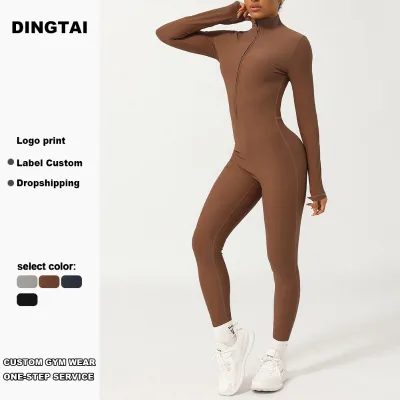
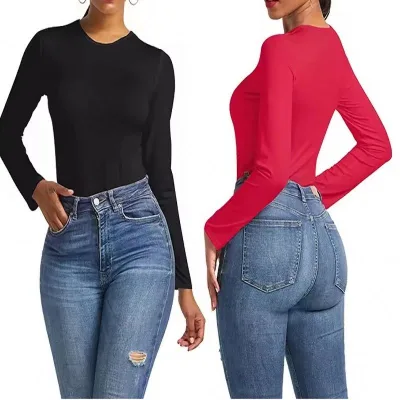
Autumn and Winter Women's Jumpsuits High-Neck Long-Sleeved Base Layer Jumpsuits
$8.10 - $9.70
MOQ: 2 Sets

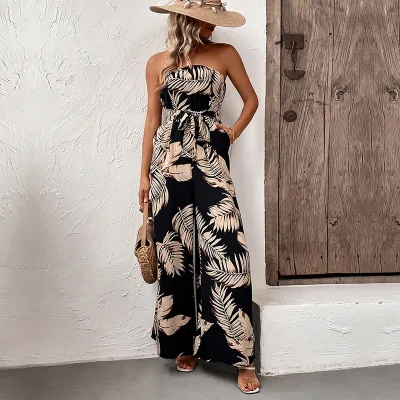
New Jumpsuit Features off-The-Shoulder Double-Strap Sexy Jumpsuits Long-Sleeved Flared Pants
$12.10 - $14.60
MOQ: 2 Sets

Dongguan Qidu Apparel Co., Ltd.
- Verified by BV
- Manufacturer/Factory
- China Guangdong
- Lead time23 days
- Avg. response≤ 4h
Main productsDress, Top, Blouse, Sweatwear, Bottom, Shorts, Jacket, Coat, Pajamas, Denim
Main marketsSouth America,Eastern Europe,Mid East,North America,Southeast Asia,Eastern Asia,Oceania,Western Europe


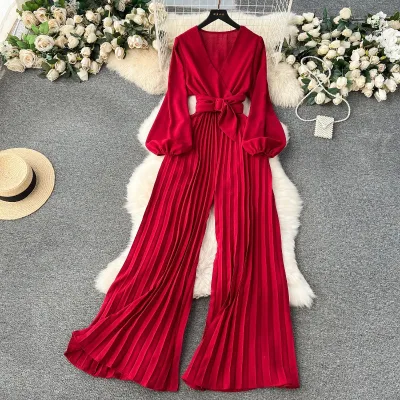
Spring V-Neck Slim-Fitting off-The-Shoulder Pleated Long Sleeve Jumpsuit for Women
$7.50 - $11.50
MOQ: 10 pcs

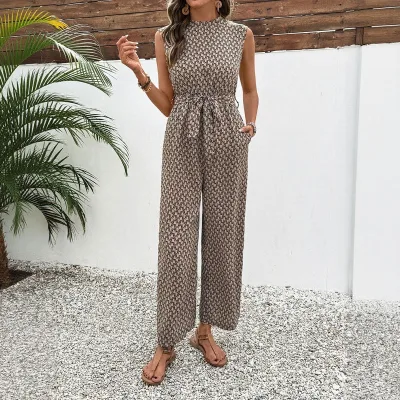
New Temperament Commuter Casual High Elasticity Loose High Waisted Jumpsuit for Ladies
$11.90 - $12.90
MOQ: 1 PCS

Guangzhou Jiaozi Garment Co., Ltd.
- Manufacturer, Trading Company
- Guangdong, China
- Lead time15 days
- Avg. response≤ 17h
Main productsDress,Tops/Blouse,Pants,Hoodies,Skirt
Main marketsOceania(50.00%), North America(30.00%), Eastern Europe(10.00%), Northern Europe(5.00%), Western Europe(5.00%)
Guangzhou Tianhe District Chaorong Garment Factory
- Manufacturer, Trading Company, Buying Office, Distributor/Wholesaler
- Guangdong, China
- Lead time3 days
- Avg. response≤ 2h
Main productsFajas,Waist Trainer,Corsets,Yoga,Shapewear
Main marketsSouth America(30.00%), North America(20.00%), Africa(10.00%), Northern Europe(10.00%), Eastern Europe(10.00%), Western Europe(5.00%), Domestic Market(5.00%), Mid East(5.00%), Southeast Asia(3.00%), Southern Europe(2.00%)
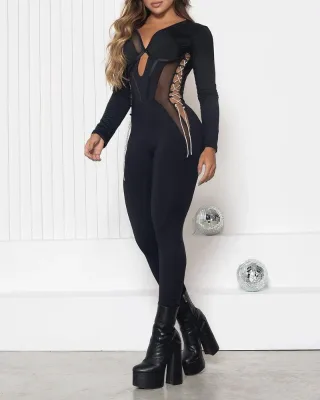
$11.99 - $19.99
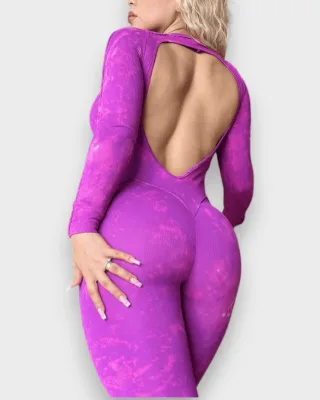
$11.99 - $19.99
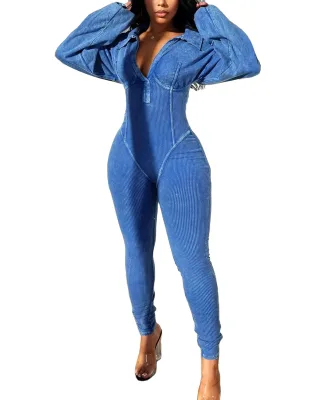
Baddie Mineral Washed Corset Jumpsuit
$11.99 - $19.86

Efirsty Enterprise (Anhui) Co., Ltd.
- Verified by TUVRHEINLAND
- Trading Company
- China Anhui
- Lead time30 days
- Avg. response≤ 6h
Main productsLeggings Yoga Pants Swimwear, Swimsuit
Main marketsSouth America,Southeast Asia/ Mideast,East Asia(Japan/ South Korea),Europe,Australia,North America

Jumpsuit Outdoor Beautiful Back Jumpsuitlong Pantshigh Elastic One-Piece Jumpsuit
$14.58 - $16.47
MOQ: 2 Pieces


Xiamen Meiju Garment Co., Ltd.
- Verified by TUVRHEINLAND
- Trading Company,Manufacturer/Factory
- China Fujian
- Lead time23 days
- Avg. response≤ 4h
Main productsSports Wear, Yoga Wear, Gym Wear, Fashion Fitness, Sportswear, Hoodies, Sportswear Fitness Wear, Tracksuit, Swimwear, Men's Sportswear
Main marketsSouth America,Eastern Europe,Mid East,North America,Southeast Asia,Eastern Asia,Oceania,Western Europe,Africa

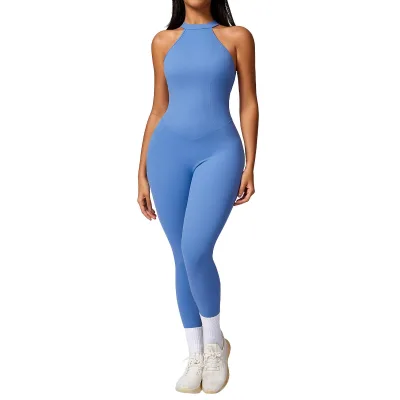
Women Casual One-Piece Yoga High-Waisted Fitted Sleeveless Outfit Bottom Jumpsuit
$10.59 - $12.59
MOQ: 1 Set

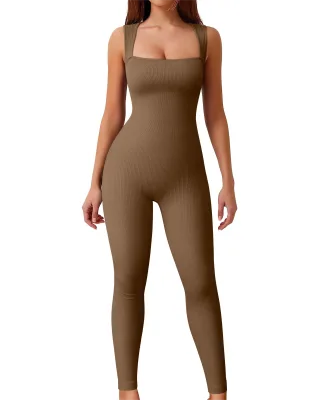
Seamless Ribbed Jumpsuit for Women Strappy Square Neck Padded Shorts Bodysuit Romper
$6.50 - $8.50
MOQ: 1 Set

Dongguan Humen Hucai Garment Co., Ltd.
- Verified by TUVRHEINLAND
- Combined
- China Guangdong
- Lead time15 days
- Avg. response≤ 7h
Main productsSportswear, Yoga Pants, Sports Bra, T Shirt, Tank Top, Jogger Pants, Tracksuit, Hoodies, Shorts, Leggings
Main marketsAustralia,North America
- Verified by SGS
- Manufacturer
- China Guangdong
- Lead time15 days
- Avg. response≤ 8h

New Fashion Printed Jumpsuit Plus Size Jumpsuits for Women Summer Jumpsuit
$9.99 - $13.99
MOQ: 100 pcs

New Fashion Customized Available Newest Designs Manufacturer Jumpsuit Women Fashion Plaid Jumpsuit
$10.99 - $13.99
MOQ: 100 pcs

Guangzhou Mingyu Manufacturing Co., Ltd
- Verified by SGS
- Trading Company
- China Guangdong
- Lead time15 days
- Avg. response≤ 1h
Main productsCoat, Dress, Trousers
Main marketsDomestic

European and American Elegant Style Satin Jumpsuit, Loose-Collar Wide-Leg Jumpsuit for Women
$8.50 - $11.00
MOQ: 100 Pieces


- Verified by BV
- Combined
- China Guangdong
- Lead time0 days
- Avg. response≤ 25h
Main productsWomen Dress, Ladies Dress, Bridesmaid Dress, Skirt, Jumpsuit, Trousers, Jacket, Coat, Blouse, Shirt
Main marketsSoutheast Asia/ Mideast,Europe,Australia,North America

- Verified by TUVRHEINLAND
- Trading Company
- China Zhejiang
- Lead time15 days
- Avg. response≤ 10h
Main productsSport Wear, Yoga Pants, Sports Bra, Sports Cap, Waist Bag, Sports Sock, Sports Towel, Quick Dry Clothes, Yiwu Buying Agent, Sourcing Agent
Main marketsSouth America,Europe,North America
Guangzhou Dingtai Clothes Co., Ltd.
- Verified by TüVRheinland
- Trading Company
- Lead time7 days
- Avg. response≤ 2h
Main productsGym Fitness Set, Gym Legging, Gym Short, Gym Top, Gym Bra
Main marketsNorth America(20%), Oceania(20%), Western Europe(17%)
Dongguan Edee Apparel Co., Ltd.
- Verified by TUVRHEINLAND
- Trading Company,Manufacturer/Factory
- China Guangdong
- Lead time23 days
- Avg. response≤ 3h
Main productsSportswear, Activewear, Gym Clothing, Yoga Wear, Dancewear, Sports Bra, Sports Leggings, Sweatshirt, Track Suit, Hoodie
Main marketsSouth America,Eastern Europe,Mid East,North America,Eastern Asia,Oceania,Western Europe

Quanzhou Gaomei Trading Co., Ltd
- Verified by SGS
- Trading Company
- China Fujian
- Lead time15 days
- Avg. response≤ 3h
Main productsClothing
Main marketsSouth America,Southeast Asia/ Mideast,East Asia(Japan/ South Korea),Domestic,Europe,Australia,North America

GUANGZHOU SICHEM GARMENT CO., LTD
- Verified by BV
- Trading Company,Manufacturer/Factory
- China Guangdong
- Lead time45 days
- Avg. response≤ 19h
Main productsWomen Clothing, Children Clothing, Skirt, Dress, T Shirt, Pants, Blouse, Coat, Jumpsuit, Shirt
Main marketsEastern Europe,North America,Oceania,Western Europe


Summer Tropical Printed Holiday off Shoulder Short Jumpsuit with Adjustable Belt
$7.60 - $9.50
MOQ: 150 piece
Xinxiang Chushi Clothing Co., Ltd.
- Trading Company
- Henan, China
- Lead time7 days
- Avg. response≤ 4h
Main productsClothing and Customization,Design and customization of label and water washing label patterns,Design and customization of clothing tags,LOGO Design and Customization,Clothing and Accessories
Main marketsNorth America(20.00%), Central America(10.00%), South Asia(10.00%), South America(10.00%), Mid East(10.00%), Africa(8.00%), Domestic Market(5.00%), Southeast Asia(5.00%), Eastern Asia(5.00%), Northern Europe(5.00%), Oceania(3.00%), Western Europe(3.00%), Southern Europe(3.00%), Eastern Europe(3.00%)

- Verified by CTI
- Trading Company
- China Anhui
- Lead time23 days
- Avg. response≤ 1h
Main productsFurniture, Home Furniture
Main marketsSoutheast Asia/ Mideast
Xiamen Hualecai Clothing Co., Ltd.
- Manufacturer, Trading Company, Distributor/Wholesaler
- Fujian, China
- Lead time5 days
- Avg. response≤ 6h
Main productsfashion clothing,women's clothing,swimsuit,Yoga Wear,shoes
Main marketsNorth America(95.00%), Western Europe(2.00%), Africa(2.00%), Southern Europe(1.00%)

- Verified by CTI
- Trading Company,Manufacturer/Factory
- China Fujian
- Lead time90 days
- Avg. response≤ 13h
Main productsOutdoor Jackets, Swimwear, Gym Wear, Sport Pants, Beach Shorts, Puffer Jackets, Workwear, Yoga Wear, Kid's Clothes, Sweater
Main marketsSouth America,Eastern Europe,Mid East,North America,Southeast Asia,Eastern Asia,Western Europe,Africa

Isaiah Trading (Linyi) Co., Ltd.
- Verified by SGS
- Trading Company
- China Shandong
- Lead time60 days
- Avg. response≤ 2h
Main productsDenim Coat, Denim Jacket, Jeans, Western Shirt, Casual Coat, Denim Shirts, Trucker Jacket, Windbreaker Coat, Trench Coat, Women Jeans
Main marketsNorth America

Women One Piece Washed Button Placket Elastic Waist Casual Denim Work Jumpsuit
$24.00 - $31.00
MOQ: 500 PC

Women's Summer Enzyme Wash Cotton Denim Round Neck Short Sleeve Short Jumpsuit
$12.70 - $19.50
MOQ: 500 PC

Women PU Leather Loose Fit Overalls Suspender Shorts Jumpsuit with Adjustable Strap
$10.40 - $16.50
MOQ: 500 PC

- Verified by SGS
- Trading Company
- China Zhejiang
- Lead time30 days
- Avg. response≤ 4h
Main productsBlazers, Dress, Jumpsuits&Bodysuits, Bottoms&Pants, Blouses, Sportswear, Skirts, Tops, T-Shirts, Coats&Jackets
Main marketsEurope,Australia,North America


Chic Customizable Versatile Wool Jumpsuit with Adjustable Waist for Commuting
$7.90 - $9.50
MOQ: 30 Pieces

Unique Customizable Polyester Women's Jumpsuit with Chic off-Shoulder Style
$7.90 - $9.50
MOQ: 30 Pieces


Yiwu Chunwei Clothing Co., Ltd.
- Verified by SGS Group
- Manufacturer, Trading Company
- Lead time0 days
- Avg. response≤ 10h
Main productsYoga clothes, Yoga pants, Yoga leggings, Sports bras, Yoga jumpsuits
Main marketsNorth America(70%), Western Europe(20%), Southeast Asia(10%)

Guangzhou Vincenia Trading Co., Ltd.
- Trading Company
- China Guangdong
- Lead time23 days
- Avg. response≤ 5h
Main productsUnderwear, Lingerie, Shapewear, Legging, Lace, Bra, Briefs, Yoga, Fabrics
Main marketsSouth America,Southeast Asia/ Mideast,East Asia(Japan/ South Korea),Europe,North America

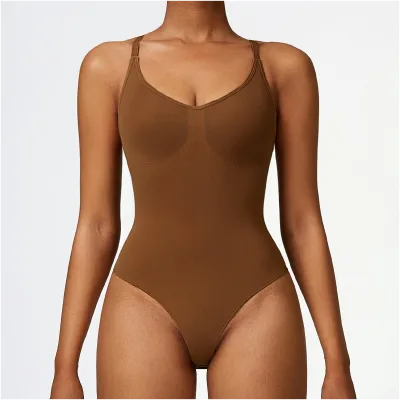
Women Bodysuit Nude Feeling Wear Hollow-out Beautiful Back One-Piece Jumpsuit
$1.80 - $2.00
MOQ: 100 Pieces


Sichuan Sustainable Garments Co., Ltd.
- Verified by CTI
- Combined
- China Sichuan
- Lead time30 days
- Avg. response≤ 10h
Main productsSweaters, Dresses, Hoodies, Socks, Underwear
Main marketsAustralia,North America
Hangzhou Beijimage Electronic Commerce Co., Ltd.
- Trading Company
- Zhejiang, China
- Lead time20 days
- Avg. response≤ 12h
Main productsSeamless Yoga Wear
Main marketsNorth America(90.00%), Domestic Market(10.00%)
Xinxiang Baiyin Clothing Co., Ltd.
- Trading Company
- Henan, China
- Lead time15 days
- Avg. response≤ 3h
Main productsGarment making,Costume printing,Clothing sales
Main marketsSouth America(35.00%), Domestic Market(5.00%), North America(5.00%), South Asia(5.00%), Southern Europe(5.00%), Northern Europe(5.00%), Central America(5.00%), Western Europe(5.00%), Eastern Asia(5.00%), Mid East(5.00%), Oceania(5.00%), Africa(5.00%), Southeast Asia(5.00%), Eastern Europe(5.00%)
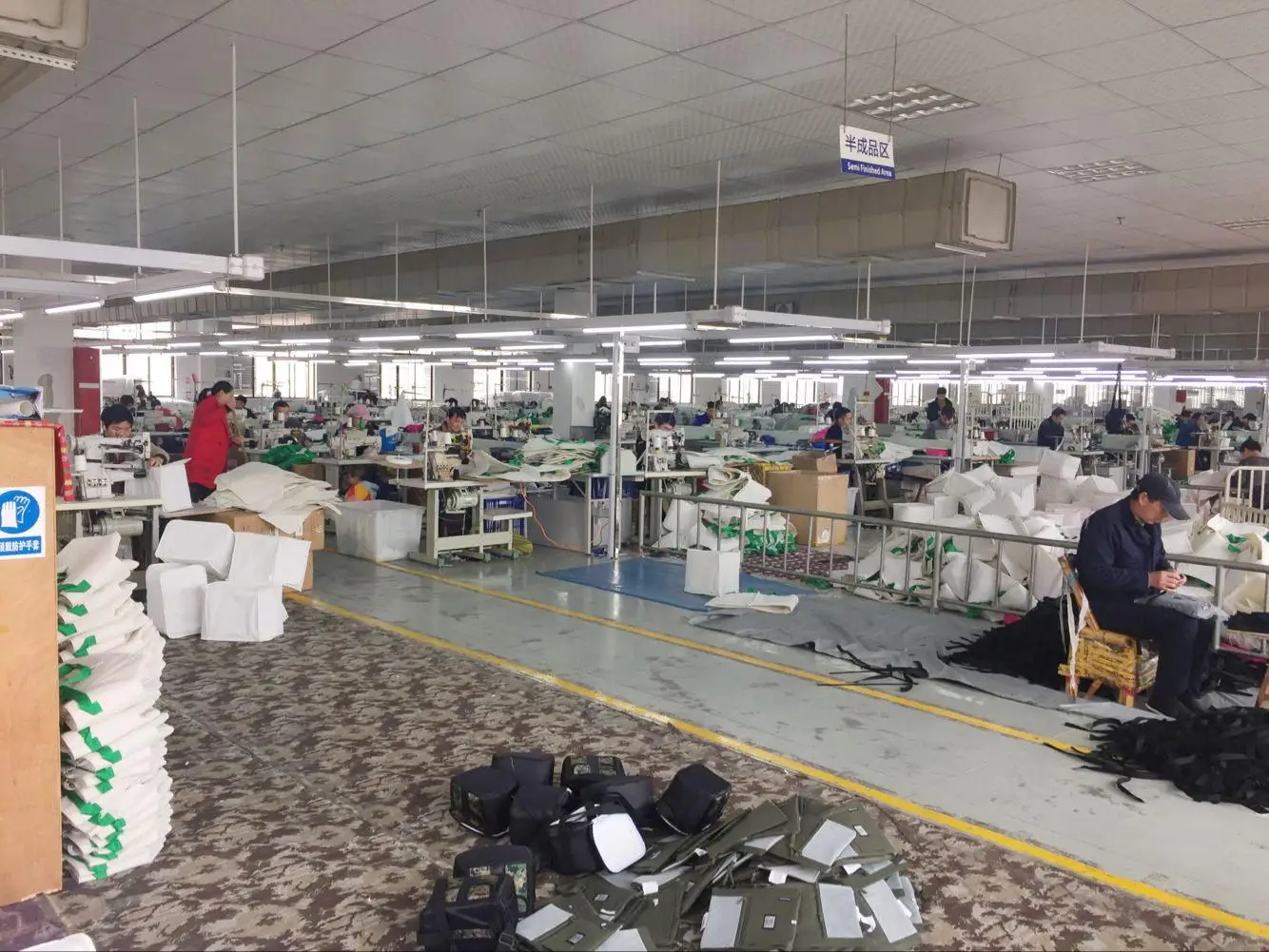
Henan Songkun Import And Export Co., Ltd.
- Trading Company
- Henan Province, China
- Lead time7 days
- Avg. response≤ 3h
Main productsSexy lingerie,sexy sleepwear,women underwear/panty,pajamas& Loungewear,Women Bra Set
Main marketsNorth America(23.00%), South America(21.00%), Eastern Europe(11.00%), Southeast Asia(10.00%), Africa(6.00%), Oceania(5.00%), Domestic Market(3.00%), South Asia(3.00%), Southern Europe(3.00%), Northern Europe(3.00%), Central America(3.00%), Western Europe(3.00%), Eastern Asia(3.00%), Mid East(3.00%)

Guangzhou Knitwinner Garment Company Ltd
- Verified by SGS
- Trading Company
- China Guangdong
- Lead time30 days
- Avg. response≤ 11h
Main productsWomen Sweatshirts, Women Sweater, Man Sweater, Children Sweater, Knit Sweater, Women Dress, Men Sweatshirts, Cardigan, Sweatshirts, Wear
Main marketsSouth America,Southeast Asia/ Mideast,Europe

Summer Casual Simple Fashion Clothing Simple Elastic Patchwork Striped Jumpsuit Pants
$8.45 - $8.57
MOQ: 2 Pieces

Summer Fashion Casual Street Cool Clothing Strap High-Waist Leopard Print Jumpsuit Pants
$8.45 - $8.57
MOQ: 2 Pieces

- Manufacturer/Factory
- China Guangdong
- Lead time23 days
- Avg. response≤ 7h
Main productsYoga Clothes, Gym Clothes, Workout Clothes, Fitness Clothes, Running Clothes, Tennis Clothes, Golf Clothes, Plitates Clothing, Fashion Fitness, Sportswear
Main marketsEastern Europe,North America,Western Europe

Women's Jumpsuit Half-Zip & Cutout Back with Ruched Butt-Lifting Design
$9.99 - $19.90
MOQ: 100 Pieces

Women's Short-Sleeve Jumpsuit Round Neck & Cutout Back with Ruched Butt-Lifting Design
$9.99 - $19.90
MOQ: 100 Pieces

Women's Short-Sleeve Jumpsuit Half-Zip & Cutout Back with Color-Block Paneling
$9.99 - $19.90
MOQ: 100 Pieces

- Verified by BV
- Manufacturer/Factory
- China Fujian
- Lead time30 days
- Avg. response≤ 9h
Main productsSeamless Activewear Manufacturer, Private Label Yoga Set, Sports Bra & Leggings OEM, Seamless Yoga Sets, High Waist Leggings, Sports Bra Sets, Men's Activewear, Swimwear OEM
Main marketsSouth America,Eastern Europe,Mid East,North America,Southeast Asia,Eastern Asia,Oceania,Western Europe,Africa
Dongguan Humen Yihao Clothing Co., Ltd.
- Manufacturer, Trading Company
- Lead time旺季: "1 - 100":15,"101 - 500":20,"501 - 1000":30,"> 1000":"To be negotiated", 淡季: "1 - 100":15,"101 - 500":20,"501 - 1000":30,"> 1000":"To be negotiated"
- Avg. response≤ 5h
Main productsSilk Dress, Crop Top, Women Oversized T Shirts, Bodysuit, Mini Dress


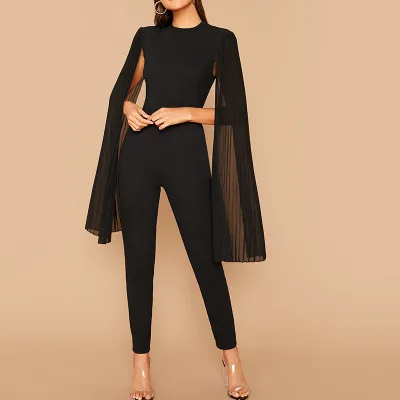
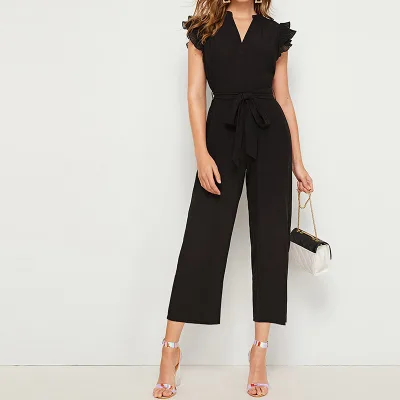


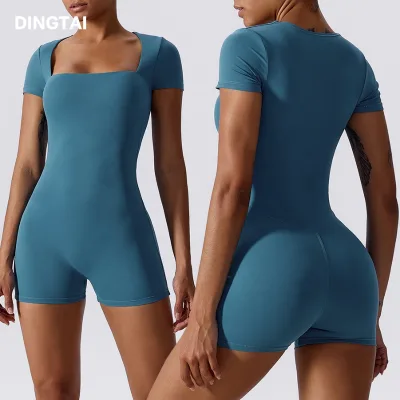











Comprehensive Sourcing Guide
Sheer Layer Pleated Jumpsuit Supplier Concentration and Factory Types
Current data indicates that verified suppliers for this category are concentrated in specific Chinese provinces, with Guangdong and Fujian emerging as primary manufacturing hubs. Fact records show locations in China Guangdong and China Fujian, suggesting these regions host the active production capacity for sheer layer pleated jumpsuits. Buyers should prioritize engaging with facilities in these areas to access established supply chains, though the exact distribution of factories versus trading companies varies. The supplier pool includes combined entities, trading companies, and manufacturers, each offering distinct advantages for sourcing. Combined companies often blend production and sales capabilities, while trading companies focus on aggregation and logistics. Manufacturers typically hold direct control over the production line, which can be critical for customizing the pleated waist designs and sheer fabric layers required for this specific garment style.
When evaluating the factory type, buyers must distinguish between pure manufacturers and trading entities based on their stated company type in the results. Some suppliers are listed as manufacturers with OEM and ODM capacities, allowing for deep customization of the jumpsuit's fit, neckline, and fabric composition. Others operate as trading companies, which may offer a broader range of styles but rely on external factories for production. The presence of ODM and OEM capabilities in the data confirms that many suppliers can handle custom orders, including specific pleating techniques and sheer layering. However, buyers should verify if the supplier is the actual factory or an intermediary by checking their main products and verification status. This distinction impacts lead times and communication efficiency, as direct factory contact often reduces the risk of miscommunication regarding the intricate details of the pleated jumpsuit construction.
How to Verify Sheer Layer Pleated Jumpsuit Suppliers
Verification is a critical step when sourcing sheer layer pleated jumpsuits, as the market contains a mix of verified and unverified entities. The available data shows that some suppliers hold SGS or BV verification badges, which serve as third-party validations of their business legitimacy and operational capacity. Buyers should prioritize suppliers displaying these specific verification marks to ensure a baseline of trust. For instance, a supplier with SGS verification indicates that their business license and production capabilities have been audited by an independent agency. Similarly, BV verification provides assurance regarding the supplier's financial stability and compliance with international standards. These credentials are essential for mitigating the risk of fraud, especially when dealing with complex garments like sheer jumpsuits that require precise quality control.
Beyond third-party badges, buyers must scrutinize the supplier's response time and product evidence to gauge reliability. The data reveals response times ranging from approximately 3.48 hours to over 14 hours, which can indicate the efficiency of the supplier's communication team. A faster response time often correlates with better customer service and a higher likelihood of resolving issues quickly during the sourcing process. Additionally, examining the product attributes, such as the availability of samples and customization options, provides insight into the supplier's flexibility. Suppliers offering sample services and detailed product attributes like "Nude Feeling" technology or specific fabric options demonstrate a commitment to transparency. Buyers should request samples to verify the quality of the sheer layers and pleating before committing to a large order, ensuring the final product meets their specific design requirements.
What to Compare Across Sheer Layer Pleated Jumpsuit Suppliers
Comparing suppliers requires a systematic evaluation of key operational metrics, including lead time, minimum order quantity (MOQ), and pricing structures. The data indicates significant variation in these areas, with lead times ranging from 15 days to 23 days and MOQs varying from as low as 1 piece to 200 pieces per style. Buyers must align these figures with their own inventory needs and budget constraints. For example, a supplier with a 1-piece MOQ is ideal for testing new designs or small boutique orders, while a supplier with a 200-piece MOQ may be better suited for large-scale retail distribution. Pricing also fluctuates, with observed ranges from $7.00 to $14.60 per unit, necessitating a careful cost-benefit analysis that considers the quality of materials and the complexity of the pleated design.
In addition to quantitative metrics, buyers should compare the customization capabilities and service offerings provided by each supplier. The results show that many suppliers offer ODM and OEM services, allowing for custom logos, fabric choices, and design modifications. Some suppliers provide specific features like "Small Order Logo Print Available" or "Customize Your Own Logo," which are crucial for branding. Buyers should also assess the supplier's main products to ensure they specialize in the relevant category, such as women's jumpsuits, yoga wear, or casual apparel. A supplier whose main products include a wide range of apparel may offer more versatility, while a specialized supplier might provide deeper expertise in specific styles. Evaluating these qualitative factors alongside the hard numbers ensures a comprehensive comparison that leads to a more informed sourcing decision.
Common Sheer Layer Pleated Jumpsuit Sourcing Risks
One of the primary risks in sourcing sheer layer pleated jumpsuits is the potential discrepancy between the advertised product specifications and the actual delivered goods. The data highlights various product attributes, such as "Nude Feeling" technology and specific fabric types, which may not be consistently applied across all orders. Buyers must be vigilant about verifying the exact fabric composition and construction details, as sheer fabrics can be prone to transparency issues or poor stitching if not manufactured to high standards. The risk of receiving substandard samples or bulk orders that do not match the initial prototype is significant, particularly when dealing with suppliers who have longer response times or less transparent communication channels.
Another critical risk involves the variability in lead times and delivery schedules, which can disrupt supply chain planning. The observed lead times range from 15 to 23 days, but external factors such as raw material shortages or production bottlenecks can extend these timelines. Suppliers with longer lead times may be less reliable for urgent orders, while those with shorter lead times might compromise on quality to meet deadlines. Additionally, the lack of standardized packaging or shipping methods can lead to damage during transit, especially for delicate items like pleated jumpsuits. Buyers should mitigate these risks by establishing clear communication protocols, requesting detailed production schedules, and ensuring that the supplier has robust quality control measures in place before placing a large order.
Sheer Layer Pleated Jumpsuit Regional Sourcing and Logistics
Regional sourcing plays a pivotal role in determining the efficiency and cost-effectiveness of the supply chain for sheer layer pleated jumpsuits. The data confirms that suppliers are located in China, specifically in Guangdong and Fujian provinces, which are known for their robust textile and garment manufacturing infrastructure. These regions offer access to a wide network of raw material suppliers, skilled labor, and advanced production facilities, making them ideal hubs for sourcing high-quality jumpsuits. Buyers should consider the logistical advantages of these locations, such as proximity to major ports and established shipping routes, which can facilitate faster and more cost-effective transportation of goods to international markets.
However, buyers must also account for the logistical complexities associated with international shipping, including customs clearance and potential delays. The data indicates that suppliers offer various shipping methods, such as DHL, FedEx, UPS, air freight, and sea freight, each with its own trade-offs in terms of speed and cost. For time-sensitive orders, air freight may be necessary, while sea freight is more suitable for large volumes where cost is a primary concern. Buyers should work closely with their suppliers to determine the most appropriate shipping method based on their specific needs and budget. Additionally, understanding the local regulations and import requirements of the destination country is essential to avoid unexpected delays or additional costs, ensuring a smooth and efficient logistics process from the factory floor to the final destination.
Sheer Layer Pleated Jumpsuit Commercial Terms and Order Planning
Commercial terms and order planning are fundamental to a successful sourcing experience, requiring careful attention to payment conditions, delivery schedules, and contract details. The data shows that suppliers offer various customization options, including logo printing and fabric selection, which must be clearly defined in the purchase agreement to avoid misunderstandings. Buyers should negotiate terms that protect their interests, such as escrow services or milestone-based payments, to ensure that the supplier fulfills their obligations before receiving full payment. Additionally, establishing a clear timeline for production and delivery is crucial, as the observed lead times can vary significantly between suppliers.
Order planning also involves determining the optimal order quantity and managing inventory levels to meet market demand. The data reveals a wide range of MOQs, from 1 piece to 200 pieces per style, allowing buyers to tailor their orders to their specific business needs. For new product launches, starting with a smaller MOQ can help test the market and minimize risk, while established brands may opt for larger orders to achieve economies of scale. Buyers should also consider the supplier's capacity to handle rush orders or volume increases, as this can impact their ability to respond to sudden changes in demand. By carefully planning their orders and negotiating favorable commercial terms, buyers can build a resilient and efficient supply chain that supports their long-term business goals.
FAQs
What is the minimum order quantity for women's jumpsuits?
Minimum order quantities vary by supplier and product style. Some vendors accept orders as low as one piece for yoga styles, while others require eighty units for wholesale jumpsuits. Buyers should verify specific MOQs before placing large orders to ensure they meet supplier thresholds.
How long does it take to receive a jumpsuit order?
Lead times typically range from fifteen to twenty-three days depending on the manufacturer. Some suppliers offer faster delivery windows of twenty to thirty days for custom styles. Buyers must confirm the exact production schedule with the vendor to align with their project deadlines.
Are customization services available for pleated jumpsuits?
Yes, many suppliers provide customization options including logo printing and fabric selection. Buyers can request specific necklines, colors, and sizes to match their brand requirements. Customization availability should be confirmed directly with the manufacturer to ensure the desired specifications can be met.
What certifications do these jumpsuit suppliers hold?
Verified suppliers may hold certifications such as SGS or BV for quality assurance. Some manufacturers also maintain ISO 9000 system certifications for production standards. Buyers should request current certification documents to verify compliance with international safety and quality requirements before finalizing any purchase agreement.
Where are the manufacturers of these jumpsuits located?
Manufacturers are primarily located in China, specifically in Guangdong and Fujian provinces. These regions are known for their textile and apparel production capabilities. Buyers should verify the specific factory location to assess shipping logistics and potential tariffs associated with importing goods from these areas.
What is the price range for wholesale women's jumpsuits?
Prices for wholesale jumpsuits generally range from seven to fourteen dollars per unit. The final cost depends on factors like fabric type, customization level, and order volume. Buyers should request detailed quotes to understand the total cost including any potential shipping or handling fees.
How quickly do suppliers respond to inquiries?
Response times vary significantly among suppliers, ranging from under four hours to over fourteen hours. Faster response times often indicate higher availability and better customer service. Buyers should prioritize vendors with quick response metrics to ensure efficient communication throughout the sourcing process.