Shatter-Resistant Non-Toxic Pool Thermometer Suppliers and Manufacturers
Explore 25 verified options for Shatter-Resistant Non-Toxic Pool Thermometer suppliers offering plastic or PVC/ABS materials from Zhejiang and Jiangsu. Compare response times, lead times, and MOQs to find the right partner for your order; review the available evidence before requesting comparable quotations from suitable candidates.
Suppliers List
- Trading Company
- Lead time旺季: "1 - 1":5,"2 - 200":10,"201 - 5000":15,"> 5000":"To be negotiated", 淡季: "1 - 1":5,"2 - 200":10,"201 - 5000":15,"> 5000":"To be negotiated"
- Avg. response≤ 6h
Main productsSwimming Pool Cleaning Purifying Equipment and Accessories
- Trading Company
- Suzhou, China
- Lead time30 days
- Avg. response≤ 9h
Main productsInflatable Surfing Board,Air Track,Inflatable Boat,Wetsuit,Camping
Main marketsSouthern Europe(100.0%), Eastern Asia(100.0%), Mid East(100.0%), South Asia(100.0%), Africa(100.0%), Southeast Asia(100.0%), Eastern Europe(100.0%), South America(100.0%), Central America(100.0%), North America(40.0%), Western Europe(20.0%), Northern Europe(20.0%), Domestic Market(10.0%), Oceania(10.0%)
Ningbo Kairuida Import Export Co., Ltd.
- Trading Company
- Zhejiang, China
- Lead time90 days
- Avg. response≤ 2h
Main productsindoor and outdoor environmental thermometers and hygrometers,barbecue thermometers,swimming pool thermometers,garden thermometers,kitchen power tools
Main marketsNorth America(50.0%), Western Europe(30.0%), Northern Europe(10.0%), South America(10.0%)
Guangzhou Jackbo Sport Goods CO., LTD.
- Verified by Intertek
- Trading Company
- Guangdong, China
- Lead time10 days
- Avg. response≤ 2h
Main productsPool Ladder, Pool Waterfall Fountain, Swimming Pool Equipment, Sauna & Steam Room, Pool Cleaning Accessories
Main marketsNorth America(40%), Western Europe(40%), Southeast Asia(20%)
- Verified by SGS
- Trading Company,Manufacturer/Factory
- China Zhejiang
- Lead time45 days
- Avg. response≤ 9h
Main productsSwimming Pool Brush, Swimming Pool Vacuum Head, Swimming Pool Accessories, Pool Skimmer, Pool Light, Swimming Pool Cover, Swimming Pool Equipment, Pool Cleaning Robot, Pool Thermometer, Chlorine Dispenser
Main marketsSouth America,Eastern Europe,Mid East,North America,Southeast Asia,Eastern Asia,Oceania,Western Europe,Africa

Jiangsu Exact Instrument Technology Co., Ltd.
- Combined
- China Jiangsu
- Lead time30 days
- Avg. response≤ 10h
Main productsPressure Gauge, Manometer, Thermometer, Temperature Gauge, Liquid Filled Pressure Gauge, Oil Pressure Gauge, Thermo-Manometer, Gas Pressure Gauge, Hydraulic Pressure Gauge, Bimetal Thermometer
Main marketsSouth America,Africa,Southeast Asia/ Mideast,East Asia(Japan/ South Korea),Domestic,Europe,Australia,North America
Bonajay (Shenzhen) Technology Co., Ltd.
- Manufacturer, Trading Company
- Guangdong, China
- Lead time5 days
- Avg. response≤ 3h
Main productsDigital thermometer,Digital scale,Auto accessories,Water quality analysis meter,digital voltmeter
Main marketsNorth America(15.0%), Western Europe(10.0%), Southern Europe(10.0%), Mid East(10.0%), Eastern Europe(10.0%), South America(10.0%), Africa(8.0%), Southeast Asia(8.0%), Northern Europe(5.0%), Central America(5.0%), Oceania(5.0%), Eastern Asia(2.0%), Domestic Market(1.0%), South Asia(1.0%)
- Trading Company
- Lead time旺季: "1 - 500":25,"501 - 1000":30,"1001 - 3000":35,"> 3000":"To be negotiated", 淡季: "1 - 500":25,"501 - 1000":30,"1001 - 3000":35,"> 3000":"To be negotiated"
- Avg. response≤ 4h
Main productsSwimming Pool Cleaning Purifying Equipment and Accessories

Xi'an Lonn M&E Equipment Co., Ltd.
- Verified by TUVRHEINLAND
- Combined
- China Shaanxi
- Lead time30 days
- Avg. response≤ 4h
Main productsClamp Meter, Laser Distance Meter, Coating Thickness Gauge, Gas Analyzer, Mass Flowmeter, Digital Food Thermometer, Hygrometer Thermometer, Wireless Bluetooth Thermometer, Weather Station, pH Meter
Main marketsEurope,North America


Full Inspection Digital Swimming Pool Thermometer Water Temperature Thermometer for SPA
$11.00 - $20.00
Moq: 50


Ningbo Boro Industries Co., Ltd.
- Verified by SGS
- Manufacturer/Factory
- China Zhejiang
- Lead time45 days
- Avg. response≤ 2h
Main productsBrass Ball Valve, Ball Valve, Brass Fitting, Check Valve, Angle Valve
Main marketsSouth America,Eastern Europe,Mid East,North America,Southeast Asia,Eastern Asia,Oceania,Western Europe,Africa
Henan Bingsheng Industrial Co., Ltd.
- Verified by SGS
- Combined
- China Henan
- Lead time15 days
- Avg. response≤ 1h
Main productsSensor
Main marketsSouth America,Southeast Asia/ Mideast,Domestic,Europe,North America
Guangzhou Getsea Pool Spa Equipment Co., Ltd.
- Trading Company,Manufacturer/Factory
- China Guangdong
- Lead time15 days
- Avg. response≤ 3h
Main productsSwimming Pool Equipment, Swimming Pool Filter, Swimming Pool Pump, Swimming Pool Ladder, Swimming Pool Light, Swimming Pool Cleaning Equipment, Swimming Pool White Accessories, Swimming Pool Heater, Sauna Room, Sauna and SPA Equipment
Main marketsSouth America,Eastern Europe,Mid East,North America,Southeast Asia,Eastern Asia,Oceania,Western Europe,Africa

- Verified by SGS
- Trading Company,Manufacturer/Factory
- China Jiangsu
- Lead time0 days
- Avg. response≤ 9h
Main productsSwimming Pool, Pool Filter, Solar Shower, Solar Heater, Pool Pump, Faucet, Hose Reel, Paint Brush, Paint Roller, Grease Gun
Main marketsSouth America,Eastern Europe,Mid East,North America,Southeast Asia,Eastern Asia,Oceania,Africa


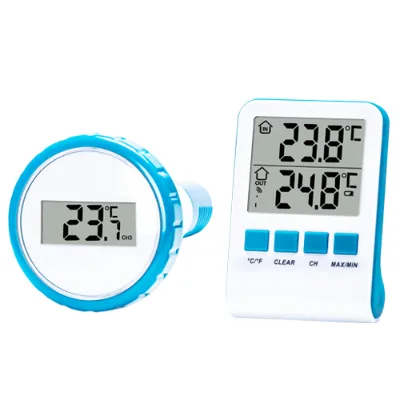
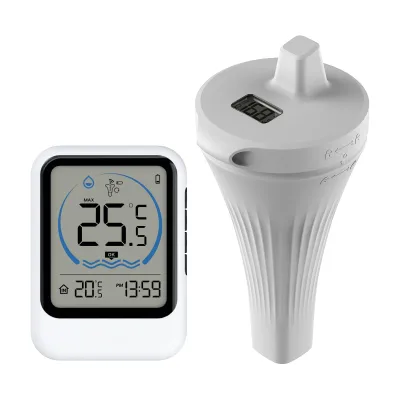
Starmatrix Floating Digital Thermometer Water Resistant for Swimming Pool & SPA
Contact supplier
Moq: 480


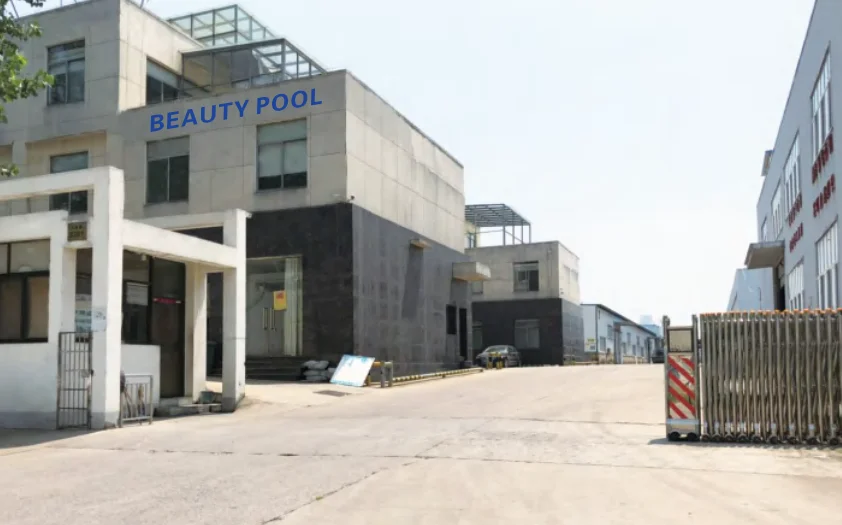
Hefei Beauty Pool Products Co., Ltd.
- Manufacturer, Trading Company
- Anhui, China
- Lead time30 days
- Avg. response≤ 8h
Main productspool,pool accessories,pool products,plastics products,inject mould
Main marketsOceania(35.0%), Western Europe(25.0%), South Asia(10.0%), Mid East(10.0%), North America(10.0%), Domestic Market(5.0%), Africa(5.0%)
Dongguan Manjianghong Electronics Co., Ltd.
- Manufacturer, Trading Company
- Guangdong, China
- Lead time15 days
- Avg. response≤ 2h
Main productsCLOCK,thermometer,Smart socket,Weather clock,Food thermometer
Main marketsWestern Europe(17.0%), North America(17.0%), Northern Europe(17.0%), Eastern Europe(14.000000000000002%), Central America(14.000000000000002%), South America(13.0%), Mid East(4.0%), Southern Europe(4.0%)
Shenzhen Cootway Technology Company Limited
- Manufacturer, Trading Company
- Guangdong, China
- Lead time35 days
- Avg. response≤ 4h
Main productsSolar Floating Lights, Solar Pool Thermometer, Solar Chlorinator, LED Fountain Light, Waterproof Bluetooth Speaker
Main marketsNorth America(51.0%), Northern Europe(20.0%), Domestic Market(10.0%), South America(5.0%), Eastern Europe(5.0%), Western Europe(4.0%), Oceania(2.0%), South Asia(1.0%), Eastern Asia(1.0%), Southeast Asia(1.0%), Southern Europe(0.0%), Central America(0.0%), Africa(0.0%), Mid East(0.0%)
Ningbo Kaitai Electronic Co., Ltd.
- Verified by Intertek
- Manufacturer, Trading Company
- Lead time30 days
- Avg. response≤ 2h
Main productsThermometer
Main marketsNorth America(55%), Domestic Market(17%), Western Europe(10%)

Liaoning Huake Petroleum Apparatus Science & Technology Co., Ltd.
- Trading Company
- China Liaoning
- Lead time30 days
- Avg. response≤ 6h
Main productsPetroleum Apparatus, Petroleum Product Test, Liquid-in-Glass Thermometer, Glass Floating Meter, Glass Apparatus Petrochemical
Main marketsSouth America,Africa,Southeast Asia/ Mideast,East Asia(Japan/ South Korea),Europe,Australia,North America
Shanghai Total Industrial Co., Ltd.
- Verified by SGS
- Manufacturer/Factory
- China Shanghai
- Lead time0 days
- Avg. response≤ 22h
Main productsFeeder Clamp, Weather Shield Enclosure, Rubber Grommet, Hoisting Grip, Cable Entry, Flexible Jumper Cable, Cablen Ties, Terminal Lugs, Conduit and Fittings, Hole Saw

Contact supplier

Contact supplier

Thermometer /Digital Temperature Meter
Contact supplier
Anhui Hechuang Intelligent Manufacturing Co. Ltd
- Verified by SGS
- Combined
- China Anhui
- Lead time15 days
- Avg. response≤ 1h
Main productsDifferential Pressure Transmitter, Pressure Transmitter, Temperature Transmitter, Electromagnetic Flowmeter, Magnetic Level Gauge, Bimetallic Thermometer, Differential Pressure Switch, Sensor, Float Level Gauge, Vortex Flowmeter
Main marketsDomestic

Shanghai Qualitywell Industrial Co., Ltd.
- Verified by SGS
- Combined
- China Shanghai
- Lead time30 days
- Avg. response≤ 10h
Main productsBimetal Thermometer, Pressure Gauge, Temperature and Pressure Gauge, Thermowell, HVAC Gauge, Hygrometer, Remote Reading Thermometer, Surface Thermometer, Digital Thermometer, Glass Thermometer
Main marketsSoutheast Asia/ Mideast,Domestic,Europe,North America

Ningbo Greetmed Medical Instruments Co., Ltd.
- Verified by SGS
- Trading Company,Manufacturer/Factory
- China Zhejiang
- Lead time45 days
- Avg. response≤ 17h
Main productsDiagnostics, Nebulizer, Hospital Equipment, Laboratory Instrument, Medical Tubes, Monitor, Medical Products, Non Woven Face Mask, Infusion Set, Syringe
Main marketsSouth America,Eastern Europe,Mid East,North America,Eastern Asia,Oceania,Western Europe,Africa
Ningbo Gamry Import & Export Co., Ltd.
- Trading Company
- Zhejiang, China
- Lead time30 days
- Avg. response≤ 8h
Main productsGarden,thermometer,Pet items,Stationary
Main marketsNorth America(20.0%), Eastern Europe(15.0%), Northern Europe(10.0%), Western Europe(10.0%), Southern Europe(10.0%), South America(10.0%), Central America(6.0%), Oceania(5.0%), Mid East(4.0%), Southeast Asia(4.0%), Domestic Market(3.0%), Eastern Asia(2.0%), South Asia(1.0%)
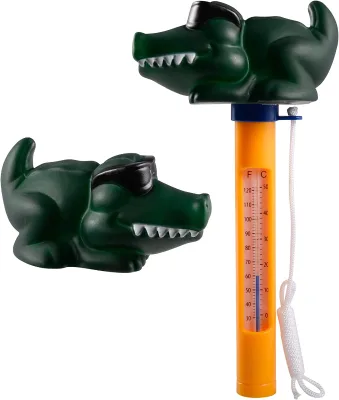
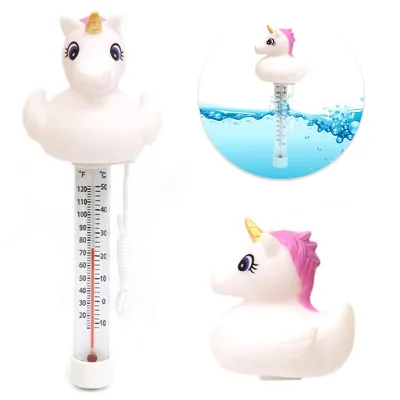
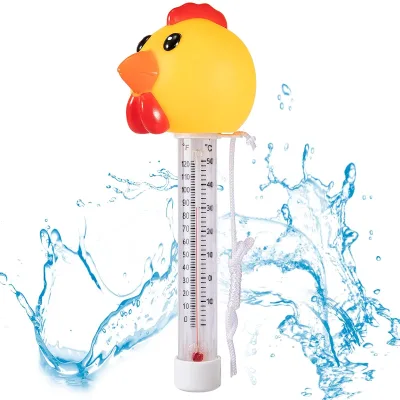
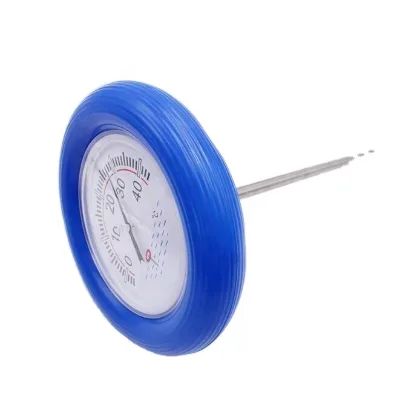
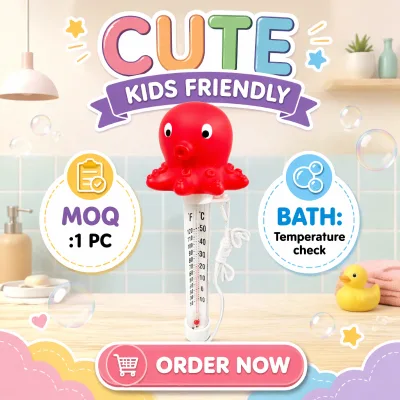
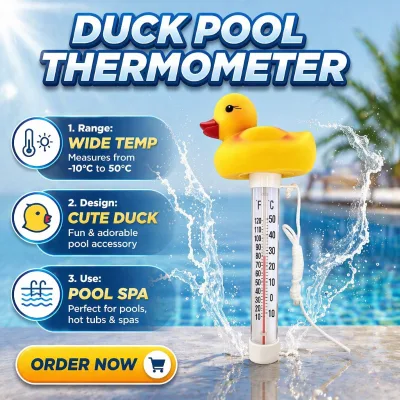
Wholesale Household Swimming Pool Thermometer Fashion OEM Waterproof Pool Thermometer
$1.10 - $1.30
Moq: 3000

Qingdao Tlead International Co., Ltd.
- Trading Company
- China Shandong
- Lead time23 days
- Avg. response≤ 25h
Main productspH Meters, Counter Meters, Arbor Press, Tools, Ddvp
Main marketsSouth America,Africa,Southeast Asia/ Mideast,East Asia(Japan/ South Korea),Europe,Australia,North America

Hangzhou Proway Import & Export Co., Ltd.
- Verified by BV
- Trading Company,Manufacturer/Factory
- China Zhejiang
- Lead time90 days
- Avg. response≤ 9h
Main productsBathtub Components, SPA Components, Shower Room Components, Bathtub Accessories, Shower Accessories, SPA Accessories, Pet Supplies, Aquarium Supplies, Dog Supplies, Cat Supplies
Main marketsEastern Europe,Western Europe


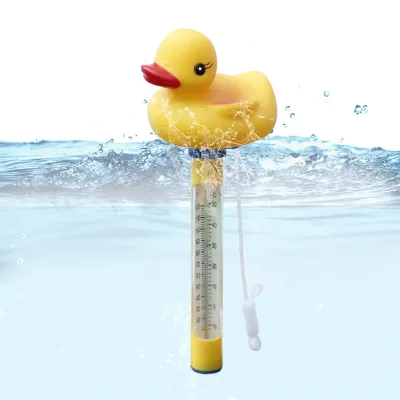
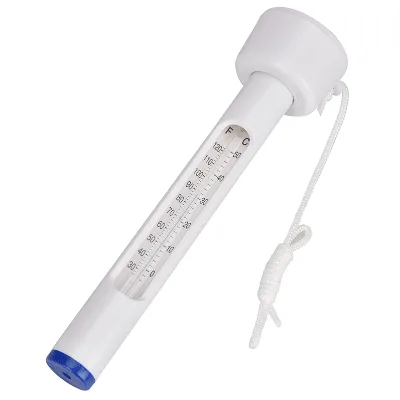
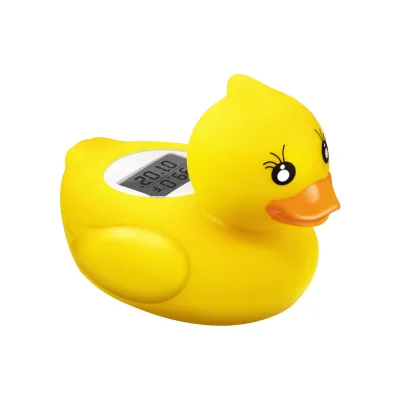
Floating Swimming Pool Water Thermometer Outdoor Portable Baby Pool Thermometer
$2.00 - $2.50
Moq: 120


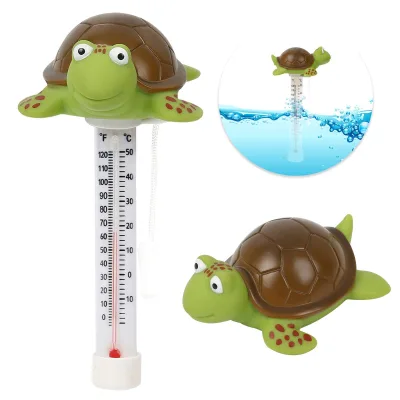
Swimming Pool SPA Floating Thermometer Cute Waterproof Swimming Pool Thermometer
$2.00 - $3.00
Moq: 100

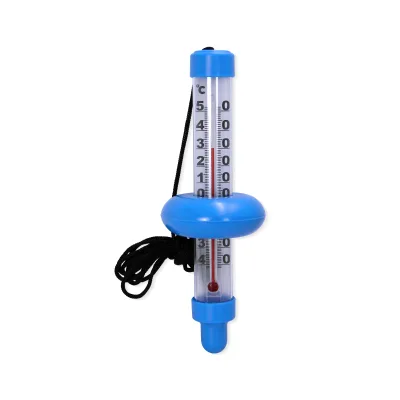
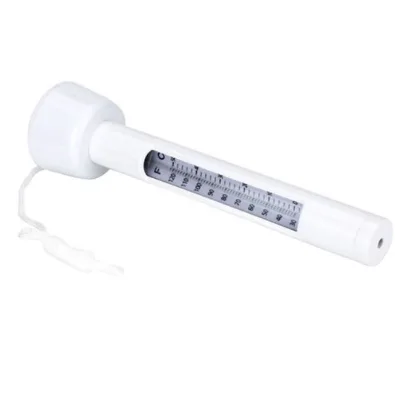
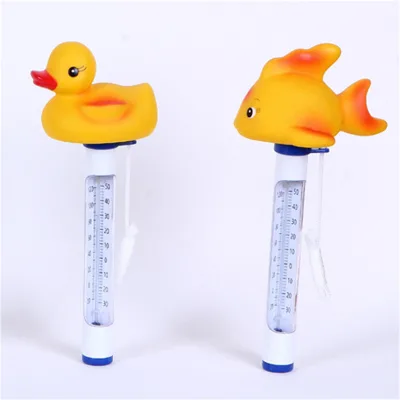
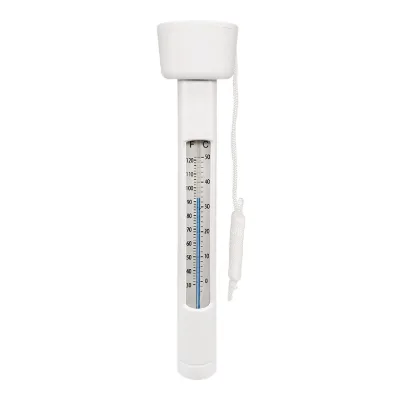
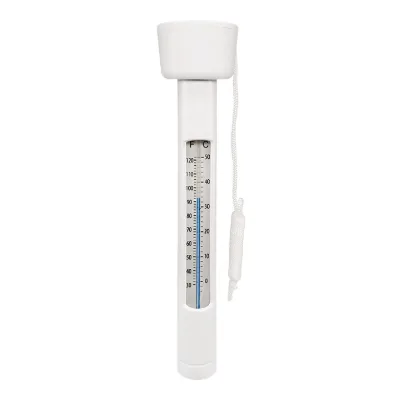


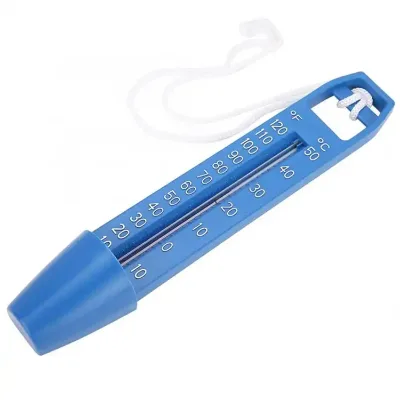
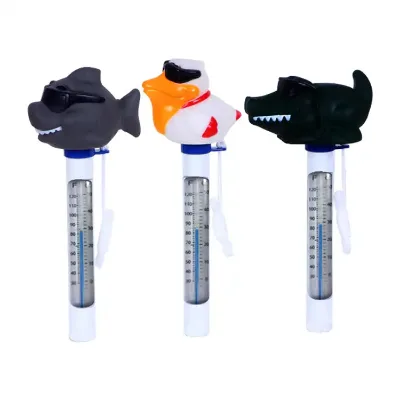
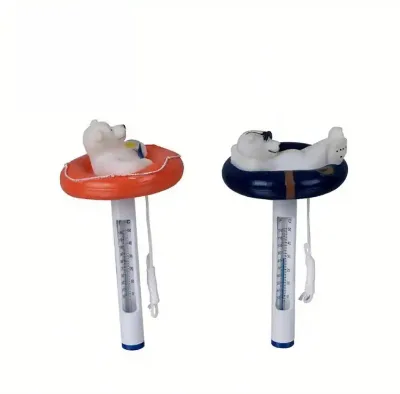
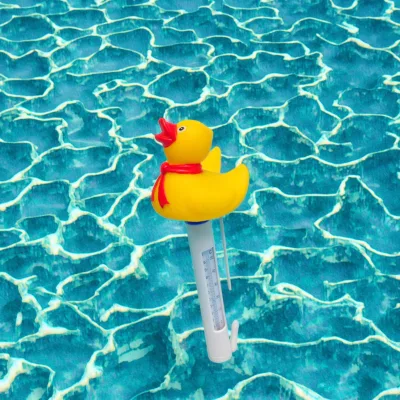
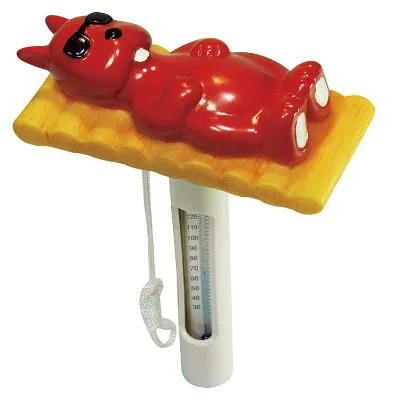
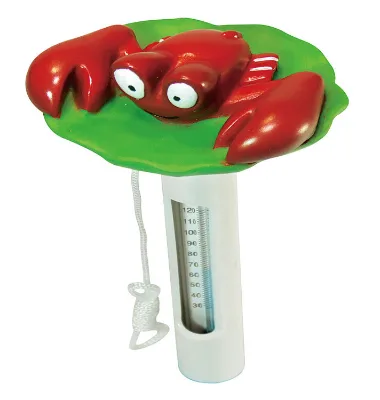
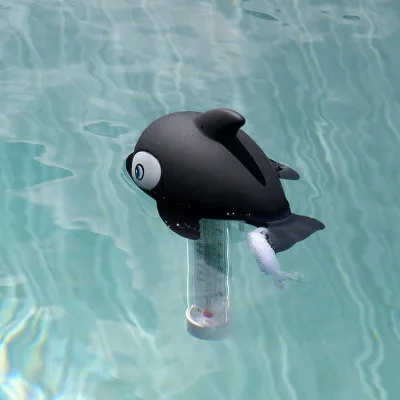
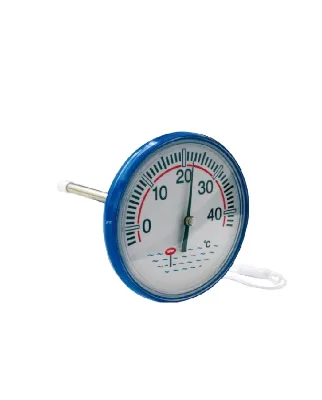
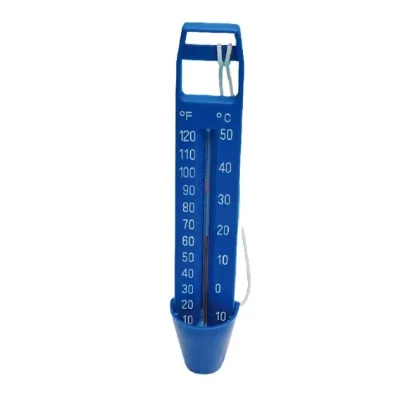


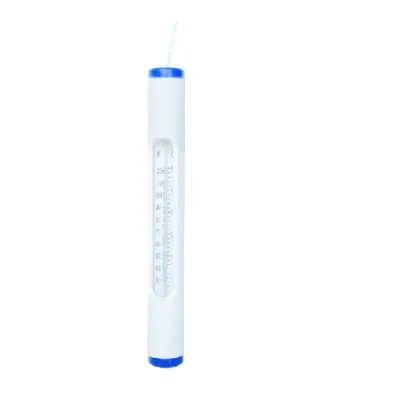
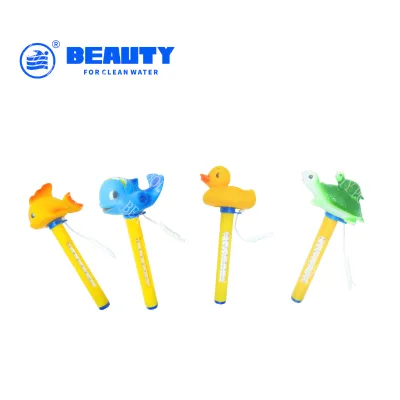
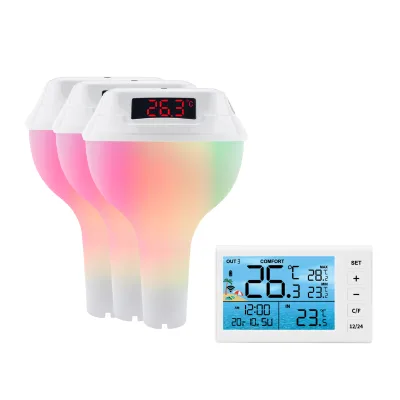
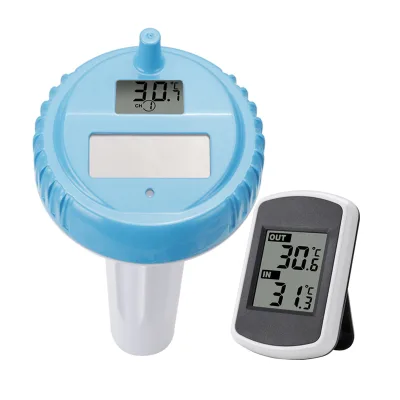
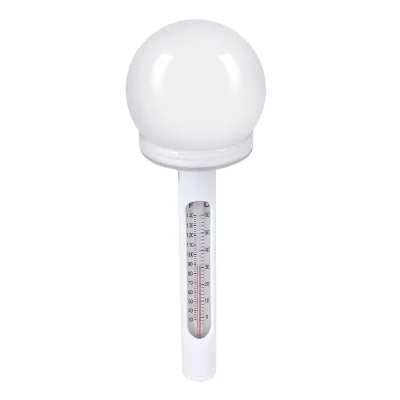
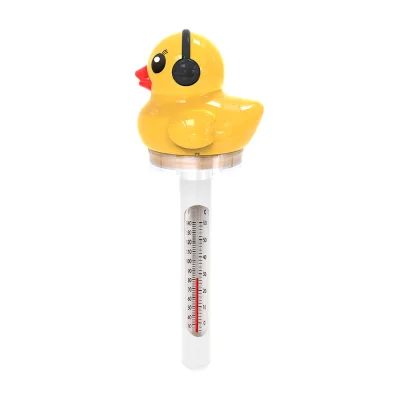
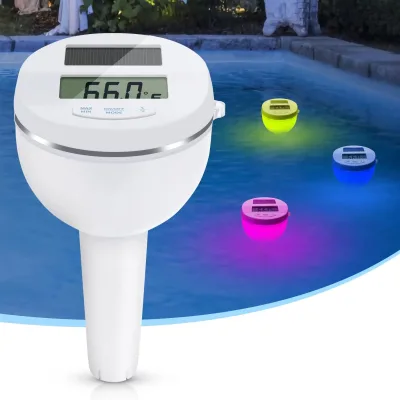
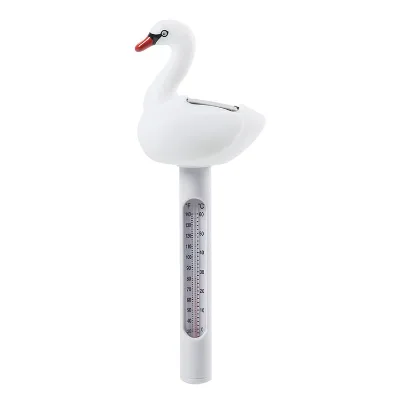
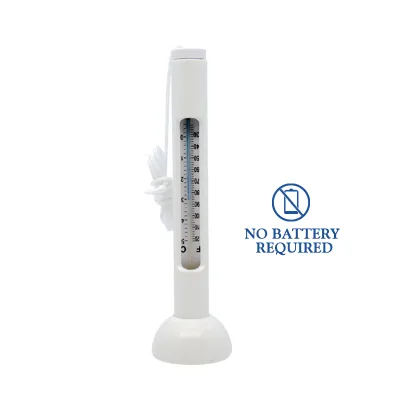
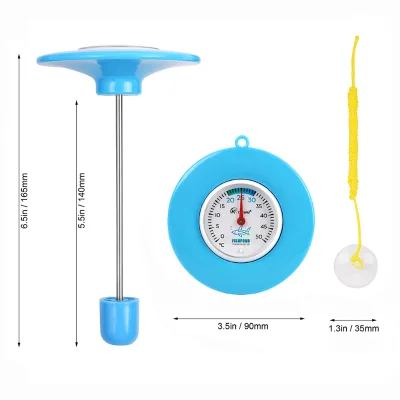
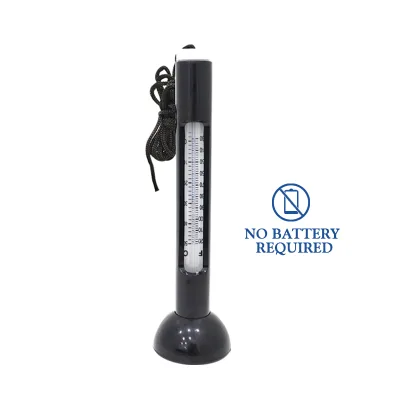
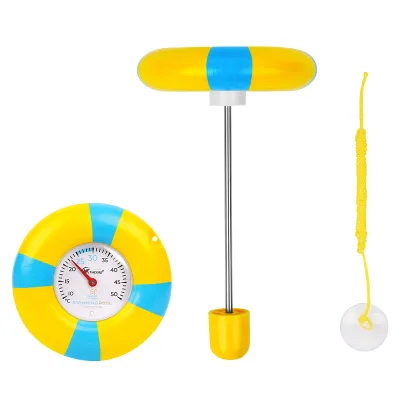
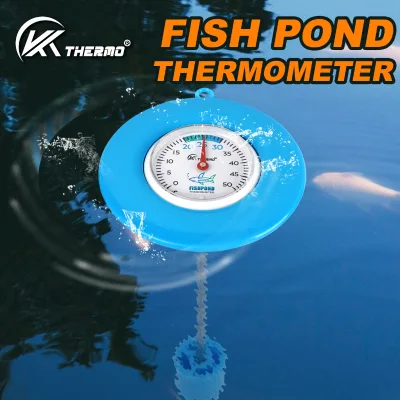
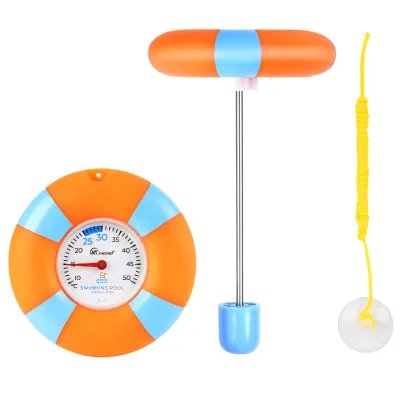


Comprehensive Sourcing Guide
Shatter-Resistant Non-Toxic Pool Thermometer Supplier Concentration and Factory Types
The supplier results for shatter resistant pool thermometers point to two Chinese sourcing regions. Several listings declare Zhejiang, China as the place of origin, and that province shows up repeatedly across floating thermometer models, suggesting an established cluster for plastic pool accessories and temperature instruments. A second cluster appears in Jiangsu, China, with one listing tied to Suzhou. A supplier based in Zhejiang lists thermometers and hygrometers among its main products, while a Jiangsu-based trader combines pool thermometers with inflatable boards, air tracks, boats and wetsuits. Recognizing which region a listing draws from helps you predict freight routing, port options and whether the product is a core line or an add-on category.
Factory types in this category split roughly into specialist thermometer makers and trading companies. One profile is explicitly labeled a trading company, and its main products cover swimming pool cleaning, purifying equipment and accessories, so the thermometers it quotes are likely sourced from partner workshops rather than produced in-house. Another profile centers on indoor and outdoor environmental thermometers, hygrometers, barbecue thermometers and pool thermometers, which signals direct production or deep specialization. Before committing, ask each candidate whether it manufactures, assembles or trades, and request the actual producing entity's name and address. That distinction affects pricing floors, customization depth, quality control access and how quickly a defect can be traced and corrected.
How to Verify Shatter-Resistant Non-Toxic Pool Thermometer Suppliers
Verification starts with matching the listing data to the supplier's own declarations. Check that the declared place of origin on the product page, whether Zhejiang or Jiangsu, is consistent with the business license address, and ask for a copy of that license plus any import-export registration. One result carries a BSCI system certification, which relates to social compliance auditing rather than product safety, so treat it as a factory-standards signal and verify its validity and audit scope directly. Another listing cites Reach certification on a digital thermometer, which concerns chemical substances and is relevant to a non-toxic claim, but you should confirm the certificate number, the testing body and the exact product models covered.
Because shatter resistance and non-toxic materials are the core claims of this category, ask each supplier for material declarations and test reports covering the specific housing plastic, not just a generic family certificate. One supplier profile lists main products that include pool cleaning equipment and inflatables, meaning thermometers may be a minor line; in that case verification should focus on who actually manufactures the instrument. Practical checks include requesting recent photos or video of production, confirming the model numbers on the listings against a sample's markings, and asking whether the same factory supplies multiple models such as PT050702, PT050703, T78, T381W-9 or OT7259. Keep records of every response, because slow or evasive answers at this stage usually predict slower problem-solving after payment.
What to Compare Across Shatter-Resistant Non-Toxic Pool Thermometer Suppliers
Build a comparison sheet with dimensions drawn from what suppliers actually display. Response time is one such dimension: results in this category show figures of roughly two, six and nine hours, so rank candidates by how quickly they answer an inquiry and test whether that speed holds over several messages. Lead time is another. One supplier quotes tiered production times of five days for a single unit, ten days up to 200 pieces, fifteen days up to 5,000 pieces, and negotiation beyond that, with the same tiers in peak and off-peak seasons. Another quotes thirty days flat, and a third quotes ninety days, so spread between candidates can be enormous.
MOQ comparison matters because it shapes sampling and trial orders. Some floating thermometer listings allow a one-piece minimum, while others set 100 pieces, and one digital thermometer lists a 100-piece MOQ with a stated supply capability of 100,000 pieces per month. Compare location as well, since Zhejiang and Jiangsu origins imply different ports and freight costs, and compare main products to see whether pool thermometers are the supplier's core line or a side category. Company type, trading versus manufacturing, and establishment year belong in the sheet if displayed, but do not assume every profile shows them. Finally, compare price bands within the same product type rather than across different models, since a large-display shatter-resistant unit and a basic string thermometer occupy different tiers.
Common Shatter-Resistant Non-Toxic Pool Thermometer Sourcing Risks
The most common risk in this category is assuming that "shatter resistant" and "non toxic" have been independently tested. Listing titles make both claims, but the only certification data visible in these results are BSCI on one company profile and Reach on one digital thermometer product. Neither, on its own, proves impact resistance or full chemical safety for every model. A related risk is conflating suppliers: one trading company's main products span pool cleaning equipment, inflatables and accessories, so a defect claim may be routed between three parties. Ask who bears warranty responsibility; one Jiangsu product listing states a one-year warranty and another digital thermometer also lists a one-year warranty, but you must get that term in writing for your specific order.
Pricing and specification risks are just as real. Listed unit prices in this category range from under one dollar to several dollars, which means quotes far outside familiar bands deserve scrutiny of materials, glass tube thickness and packaging. Packaging itself is a risk area: one listing declares a single gross weight of eight kilograms per carton-sized package, which is unusual for a small thermometer and suggests a listing error or bulk carton description, so confirm actual per-unit weights before calculating freight. Another risk is tiered lead times stretching in peak season; although one supplier shows identical tiers for peak and off-peak, others may not hold those numbers. Finally, low one-piece MOQs invite buyers to skip sampling discipline; order samples of every candidate model regardless.
Shatter-Resistant Non-Toxic Pool Thermometer Regional Sourcing and Logistics
The visible supplier data place this category in two provinces. Zhejiang origins dominate the floating thermometer listings, and one Zhejiang supplier whose main products are environmental and pool thermometers states a 100,000-piece monthly supply capability, which matters if you plan volume programs. Jiangsu supplies the other cluster, with a Suzhou-anchored trading company and product listings declaring Jiangsu origin and Shanghai as the port of dispatch. Knowing the port early lets you estimate ocean freight from Shanghai versus alternatives and check inland haulage costs from the factory to the port.
Logistics planning should account for declared package data. Several listings describe carton packaging and single-item selling units, with one product showing a single gross weight of 0.5 kilograms and another 0.500 kilograms, while one shows eight kilograms per carton-sized package. Verify carton dimensions, units per carton and gross weights, because container loading calculations and freight quotes depend on them. Lead times also interact with origin: tiered lead times of five to fifteen days from one supplier, thirty days from another and ninety days from a third imply very different reorder rhythms, so confirm which figure applies to your quantity band and season. If you source from both provinces, consider consolidating shipments at one port to reduce per-unit freight, but confirm each factory can deliver to the consolidation warehouse on schedule. Always ask which incoterms the supplier quotes and whether export documentation is handled in-house or through an agent.
Shatter-Resistant Non-Toxic Pool Thermometer Commercial Terms and Order Planning
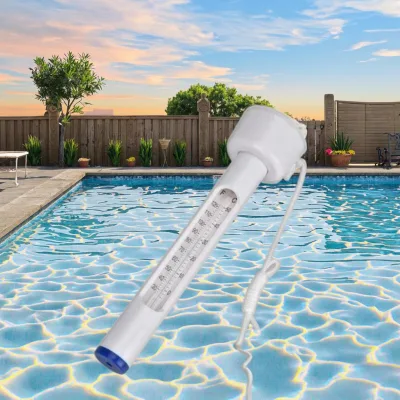
Order planning should begin with the MOQ structure visible in this category. Floating thermometer models list one-piece minimums in some cases, while white pool thermometers with string list a 100-piece MOQ, and a premium shatter-resistant model lists 100 pieces with a maximum price shown above three dollars. Use low MOQs to run a genuine trial: order samples from several suppliers, compare shatter resistance by drop-testing samples yourself, and only then commit to volume. Price bands between roughly under one dollar and around four dollars mean that small per-unit differences compound quickly at volume, so negotiate against the displayed ranges rather than an absolute target.
Commercial terms should be fixed in writing before deposit. Confirm the tiered lead time that applies to your quantity, since one supplier's published tiers run five days for a single unit, ten days to 200 pieces and fifteen days to 5,000 pieces, with larger quantities negotiated. Confirm the warranty period, which some listings state as one year, and whether replacement or credit applies. Payment protection matters: check whether the platform offers escrow or trade-assurance-style protection and route the order through it, especially with trading companies whose main products extend well beyond thermometers. Clarify OEM and ODM support, since one digital thermometer listing advertises both, along with customized logo options on several floating models. Finally, lock inspection rights: specify pre-shipment inspection, acceptable defect rates and how packaging counts are verified against the carton data declared in the listings.
Word count check: sections approximately 232+233+229+231+228+233 ≈ 1386 words. ✓
FAQs
What is the minimum order quantity for pool thermometers?
Minimum order quantities vary by supplier and product model. Some listings accept orders as low as one piece, while others require a minimum of 100 pieces. Buyers should check specific product pages to confirm the exact MOQ before placing an order.
How long does it take to receive these thermometers?
Lead times depend on order volume and season. During peak seasons, production may take up to 15 days for larger orders. Smaller orders might be ready in five days. Buyers should confirm current lead times with the supplier before finalizing purchase details.
Where are these pool thermometers manufactured?
Most listed products originate from Zhejiang or Jiangsu provinces in China. Specific model numbers like PT050703 or OT7259 are tied to these regions. Buyers should verify the place of origin on the product page to ensure it meets their sourcing requirements.
Are these thermometers suitable for outdoor use?
Yes, many models are designed for both indoor and outdoor swimming pools. They feature shatter-resistant plastic construction to withstand outdoor conditions. Some products also include strings for easy retrieval and are suitable for hot tubs and ponds.
What is the price range for these thermometers?
Prices typically range from 0.83 to 4.50 USD per unit depending on the model and quantity. Basic floating thermometers start near 0.90 USD, while specialized digital or branded versions may cost up to 3.90 USD. Bulk orders often influence the final unit price.
Do suppliers offer custom branding options?
Several suppliers provide customized logo services for these thermometers. Buyers can request branding on the product or packaging to match their business needs. This option is often available for orders meeting specific minimum quantity thresholds set by the manufacturer.
What certifications do these products have?
Some suppliers hold BSCI certification for their manufacturing processes. Specific products may also carry Reach certification for material safety. Buyers should verify the exact certifications listed on the product page to ensure compliance with their regional safety standards.