Sheepskin Pendant Lamp Suppliers and Manufacturers
Browse 25 Sheepskin Pendant Lamp suppliers and compare grounded dimensions such as location, manufacturer type, certifications, response time, lead time, and OEM or ODM capability. Review product specifications and customization options, then contact shortlisted factories to request quotations and samples.
Suppliers List

Zhongshan Yenon Light Company Limited
- Verified by BV
- Manufacturer/Factory
- China Guangdong
- Lead time45 days
- Avg. response≤ 25h
Main productsChandelier Lamp, Pendant Lamp, LED Pendant Light, LED Chandelier, Luxury Chandelier Lighting, Chandelier Lighting, Crystal Chandelier Light, Hanging Lamp, Hanging Light, Suspension Lamp
Main marketsSouth America,Eastern Europe,Mid East,North America,Southeast Asia,Eastern Asia,Oceania,Western Europe,Africa

- Manufacturer
- China Guangdong
- Lead time15 days
- Avg. response≤ 4h
Main productsChandelier, Crystal Chandelier, Ceiling Light, Pendant Light, Wall Light, Table Light, Floor Light, Modern Chandelier, LED Chandelier, Pendant Lamp
Main marketsEurope,North America

Zhongshan Kamable Lighting Co., Ltd.
- Verified by SGS
- Trading Company
- China Guangdong
- Lead time30 days
- Avg. response≤ 8h
Main productsChandelier, Custom Made Lighting, LED Lighting Fixtures, Pendant Lamp, Table Lamp, Wall Lamp, Floor Lamp, Decorative Lighting, Light, Crystal Chandelier
Main marketsSoutheast Asia/ Mideast


Customized Glass Chandelier Decoration LED Pendant Lamp for Living and Dining Room
$649.00 - $924.00
MOQ: 1 Pieces


Custom Made Home Hotel Bedroom Simple Living Room Leather Hanging Pendant Lamp
$535.00 - $1605.00
MOQ: 1 Pieces

High Brightness Hotel Home Villa LED Pendant Lamp Glass Hanging Lighting
$649.00 - $924.00
MOQ: 1 Pieces
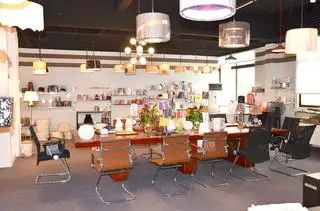
Dongguan All-Lampshade Lighting Co., Ltd.
- Manufacturer, Trading Company
- Guangdong, China
- Lead time40 days
- Avg. response≤ 4h
Main productsPendant Lamp,Floor Lamp,Table Lamp,LED Lamp,Lampshade
Main marketsDomestic Market(30.00%), Western Europe(30.00%), North America(20.00%), Northern Europe(10.00%), Eastern Asia(5.00%), Oceania(5.00%)
Zhongshan Guanying Lighting Co., Ltd.
- Manufacturer, Trading Company
- Guangdong, China
- Lead time15 days
- Avg. response≤ 3h
Main productsCustomized lighting fixtures,pendant,Chandelier,Table lamp,Floor lamp
Main marketsNorth America(25.00%), Mid East(15.00%), Western Europe(15.00%), Oceania(10.00%), Eastern Europe(10.00%), Northern Europe(5.00%), Central America(5.00%), Southeast Asia(3.00%), Domestic Market(2.00%), South Asia(2.00%), Southern Europe(2.00%), Africa(2.00%), Eastern Asia(2.00%), South America(2.00%)
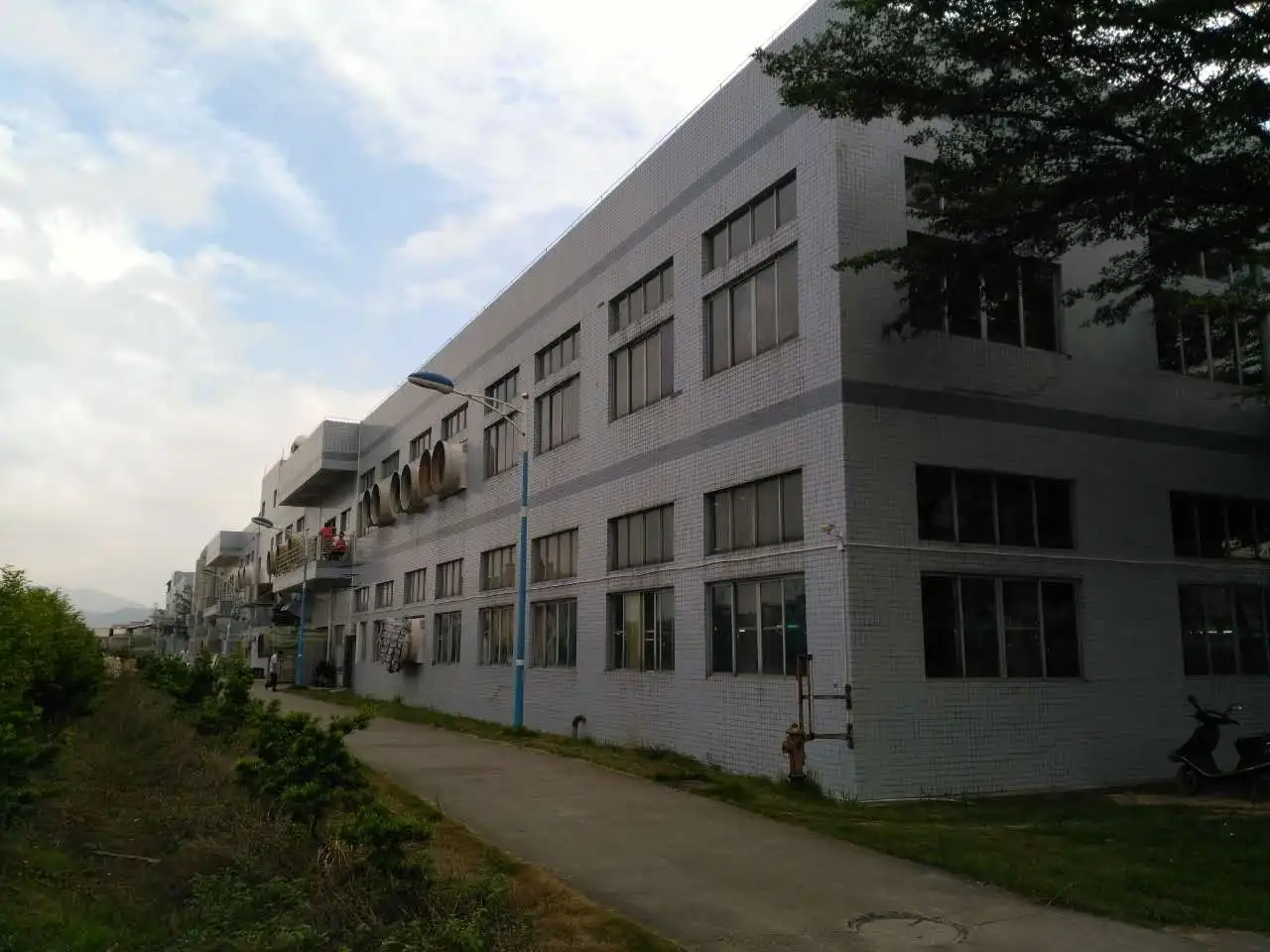
Huizhou Jixin Lampshade Factory
- Manufacturer
- Duangdong, China
- Lead time40 days
- Avg. response≤ 23h
Main productslampshade,lighting lamps,electronic component
Main marketsEastern Europe(30.00%), Western Europe(20.00%), Southern Europe(10.00%), Northern Europe(10.00%), North America(10.00%), Mid East(5.00%), Africa(5.00%), South America(5.00%), Eastern Asia(5.00%)
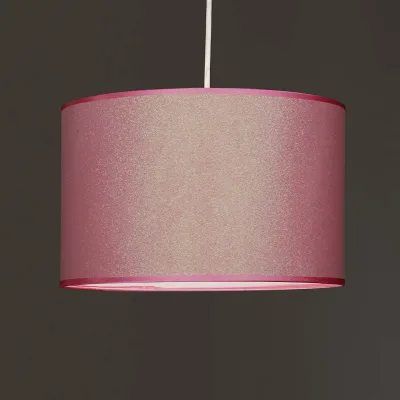
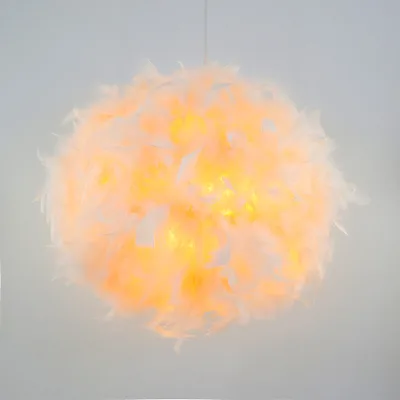
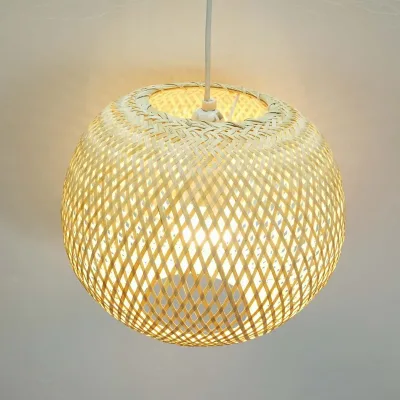
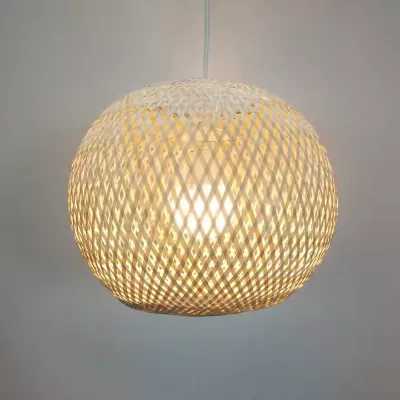
Modern Natural High Quality Pendant Lamp with Bamboo Material Lamp Shade for Living Room Hotel
$8.73 - $9.76
MOQ: 100 Minimum
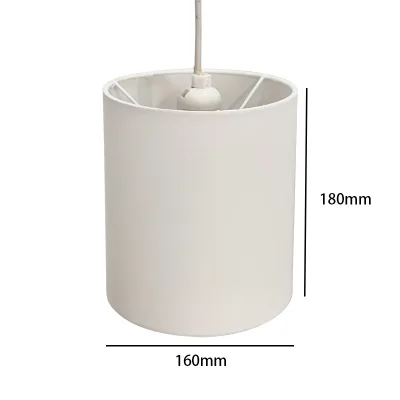
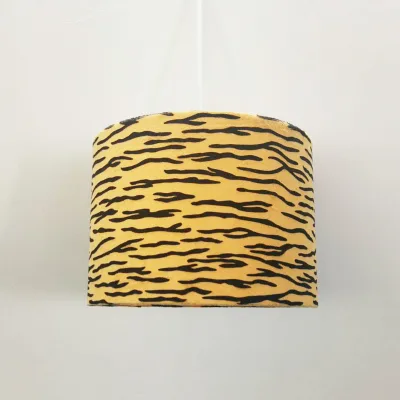
Pendant lamp with Leopard hot selling
$9.00 - $9.20

Zhongshan Tpstarlite Lighting CO., LTD.
- Verified by TUVRHEINLAND
- Combined
- China Guangdong
- Lead time30 days
- Avg. response≤ 6h
Main productsChandelier Lamp, Modern Lamp, Crystal Lamp, Pendant Lamp, Wall Lamp, Ceiling Lamp, Mirror Lamp, Floor Lamp & Table Lamp, Crystal Chandelier Light, Lighting
Main marketsOthers(foreignTradeCapacity.exportBusinessCapacityMarketOther),Southeast Asia/ Mideast


New Pendant Lamp The Adjustable Pendant Lamp Extension
MOQ: 30 Pieces

Beautiful Handmade Interior Decorative Lamp Ball Lamp
MOQ: 30 Pieces

Zhongshan Biggest Lighting Technology Co., Ltd.
- Verified by BV
- Combined
- China Guangdong
- Lead time30 days
- Avg. response≤ 2h
Main productsChandelier, Table Lamp, Floor Lamp, Wall Lamp, Ceiling Light
Main marketsSoutheast Asia/ Mideast,Europe,North America


Modern Style G4 Pendant Lights Glass Bird Lamp Shades Hanging Living Room Pendant Lamp
$159.10 - $238.80
MOQ: 1 Pieces
- Manufacturer, Trading Company
- Guangdong, China
- Lead time15 days
- Avg. response≤ 3h
Main productsPendant Light,Chandelier,Wall Lamp,Table Lamp,Floor Lamp
Main marketsNorth America(18.00%), Western Europe(15.00%), Mid East(14.00%), Southeast Asia(11.00%), Oceania(10.00%), Northern Europe(10.00%), South America(5.00%), Southern Europe(5.00%), Eastern Asia(3.00%), Central America(3.00%), Eastern Europe(3.00%), Domestic Market(1.00%), Africa(1.00%), South Asia(1.00%)

SHANGLI LIGHTING CRAFTS CO.,LTD
- Verified by BV
- Manufacturer/Factory
- China Guangdong
- Lead time30 days
- Avg. response≤ 10h
Main productsPortable Table and Floor Lamp, LED Lamp, Hotel Lamp, Chandelier Lamp, Pendant Lamp, Ceiling Lamp, Wall Lamp, Lampshade, Accessory, Mirror
Main marketsSouth America,Eastern Europe,Mid East,North America,Southeast Asia,Eastern Asia,Oceania,Western Europe,Africa


Cream-Style New Dining Room Pendant light Cute Ambiance Single-Head Small Pendant Lamp
$18.00 - $48.00
MOQ: 1 Pieces

$16.00 - $40.00
MOQ: 1 Pieces

$12.00 - $35.00
MOQ: 1 Pieces

Xiamen Ebei Import & Export Co., Ltd.
- Verified by CTI
- Trading Company,Manufacturer/Factory
- China Fujian
- Lead time45 days
- Avg. response≤ 2h
Main productsEco-Friendly Products, Bamboo Tableware, Bamboo Furniture, Bamboo Kitchenware, Bamboo Office Supply, Bamboo Fibre Products, Biodegradable Products, Bamboo Towel, Solar Energy Products, Bamboo Garden Products
Main marketsSouth America,Eastern Europe,Mid East,North America,Southeast Asia,Eastern Asia,Oceania,Western Europe,Africa

Bamboo Ceiling Light Bamboo Pendant Lamp
MOQ: 1000 Pieces


Zhong Shan Rima Lighting Co., Ltd.
- Verified by CTI
- Combined
- China Guangdong
- Lead time23 days
- Avg. response≤ 2h
Main marketsSoutheast Asia/ Mideast,Domestic,Europe,North America

Shanghai Colorbo Industrial Co., Ltd.
- Verified by TUVRHEINLAND
- Combined
- China Shanghai
- Lead time15 days
- Avg. response≤ 1h
Main productsAcoustic Panel, Wall Panel, Office Partition, Lampshade, Desk Screen, Meeting Space, Pet Supplies, Props Supplies, Storage, Phone Booth
Main marketsSoutheast Asia/ Mideast,Europe,North America

High Quality Modern Design Hot Selling Decoration Material Pendant Lamp
$60.00 - $64.00
MOQ: 20 Pieces


High Quality Sound Absorption Sample Provided Decoration Material Pendant Lamp
$60.00 - $64.00
MOQ: 20 Pieces


High Quality CE Certified Sound Absorption Interior Decoration Pendant Lamp
$60.00 - $64.00
MOQ: 20 Pieces

Shenzhen Qianhai Baihuixin Invest Industry Company Limited
- Trading Company
- Guangdong, China
- Lead time15 days
- Avg. response≤ 2h
Main productsProjector Lamp,Flood Lights,Landscape Lamp,Motif Light,Chandelier Lights
Main marketsNorth America(25.00%), Southeast Asia(15.00%), Western Europe(15.00%), Eastern Europe(10.00%), Eastern Asia(8.00%), Africa(5.00%), Southern Europe(5.00%), Oceania(5.00%), Mid East(4.00%), Northern Europe(3.00%), South America(3.00%), South Asia(1.00%), Central America(1.00%)

Fuzhou Sansheng Industry and Trade Co., Ltd.
- Verified by CTI
- Combined
- China Fujian
- Lead time30 days
- Avg. response≤ 10h
Main productsPorcelain Lamp Holder Insulator Knife Swith, Fuse Holder Plastic Lamp Holder
Main marketsDomestic

Classy Restaurant LED Pendant Lamp Living Room Pendant Lamp for Restaurant and Living Room
$6.65 - $15.85
MOQ: 1000 Pieces

Zhongshan Chaolang Lighting Co., Ltd.
- Verified by SGS
- Combined
- China Guangdong
- Lead time30 days
- Avg. response≤ 1h
Main marketsEurope


Innovative Design Style LED Multi-Heads High Quality Living Room LED Pendant Lamp
$12.00 - $15.00
MOQ: 100 Pieces


Fuzhou Huikaihua Arts & Crafts Co., Ltd.
- Verified by TUVRHEINLAND
- Trading Company,Manufacturer/Factory
- China Fujian
- Lead time45 days
- Avg. response≤ 12h
Main productsPaper Lantern Lampshade, Holiday Gift, Decoration Craft, Furniture, Lighting, Handmade Craft, Arts&Crafts, Paper Crafts, Home Decoratiom, Promotion Gift
Main marketsSouth America,Eastern Europe,Mid East,North America,Southeast Asia,Eastern Asia,Oceania,Western Europe,Africa
Shenzhen Espada Furnishing And Lighting Company Limited.
- Verified by TüVRheinland
- Manufacturer, Trading Company
- Lead time20 days
- Avg. response≤ 2h
Main productsCoach Light, Vanity Light, Semi-flush Mount Light, Smart Table Lamp, Candle Warmer Lamp
Main marketsNorth America(30%), Oceania(20%), Eastern Asia(10%)

Zhongshan Ocean Smart Lighting Co., Ltd
- Verified by BV
- Combined
- China Guangdong
- Lead time15 days
- Avg. response≤ 4h
Main productsChandelier, Crystal Chandelier, Pendant Light, Table Light, Floor Lamp, Ceiling Light, Wall Light, Lighting, Hotel Lighting, Energy-Saving Lamp
Main marketsSouth America,Africa,Others(foreignTradeCapacity.exportBusinessCapacityMarketOther),Southeast Asia/ Mideast,Europe,Australia,North America
Jinsanye Imp. & Exp. (fuzhou) Co., Ltd.
- Trading Company
- Fujian, China
- Lead time15 days
- Avg. response≤ 4h
Main productsPendant light,Wall lamp,Lamp Kits,Plug Lamp Cord,Lamp Holder
Main marketsNorth America(40.00%), Western Europe(30.00%), South America(30.00%)
Shuifu Huiyang Agricultural Technology Co., Ltd.
- Verified by SGS
- Trading Company
- China Yunnan
- Lead time23 days
- Avg. response≤ 3h
Main productsBamboo Products, Bamboo Crafts, Bamboo Chopsticks, Bamboo Skewers, Bamboo Weaving, Bamboo Tray, Bamboo Box, Bamboo Placemat, Bamboo Fruit Bowl, Lamp Shades
Main marketsDomestic
Evermore Enterprise (zhejiang) Ltd.
- Verified by SGS Group
- Trading Company
- Lead time45 days
- Avg. response≤ 9h
Main productsFlashlight, Work Light, Outdoor Light, Holiday Lighting, Landscape Lighting
Main marketsNorth America(30%), Northern Europe(12%), Southern Europe(12%)

Xuzhou Risen Industry and Supply Co., Ltd
- Verified by TUVRHEINLAND
- Trading Company
- China Jiangsu
- Lead time30 days
- Avg. response≤ 3h
Main productsHousehold Adornment, Household Supplies, Home Decoration, Compressed Sofa, Dining Furniture, Bothroom Organizer, Kitchen Storage, Glass Ornaments, Ceramic Tableware, Home Fragrance
Main marketsSouth America

Ningbo Qingyang Import and Export Co., Ltd.
- Verified by SGS
- Trading Company
- China Zhejiang
- Lead time45 days
- Avg. response≤ 1h
Main productsLED Lights, Table Lamp, Night Light, Solar Garden Light, LED Sensor Light, LED String Light, Decorative Light, LED Work Light, Camping Lantern, LED Candle
Main marketsEast Asia(Japan/ South Korea),Europe,North America

Jiangmen Art-Dynasty Furnishings Co., Ltd.
- Manufacturer, Trading Company
- Guangdong, China
- Lead time20 days
- Avg. response≤ 19h
Main productsLighting,Home Furnishings,Decorations
Main marketsDomestic Market(25.00%), Southeast Asia(15.00%), Mid East(15.00%), North America(10.00%), Eastern Europe(10.00%), South America(5.00%), Western Europe(4.00%), Northern Europe(4.00%), Africa(3.00%), South Asia(3.00%), Southern Europe(2.00%), Oceania(2.00%), Central America(1.00%), Eastern Asia(1.00%)












Comprehensive Sourcing Guide
Sheepskin Pendant Lamp Supplier Concentration and Factory Types
The current supplier landscape for lighting fixtures reveals a distinct concentration of manufacturing capabilities within China, specifically in the Guangdong region. This geographic clustering is significant for buyers seeking efficient supply chains, as it indicates a mature industrial ecosystem where specialized components and assembly lines are co-located. The observed supplier types are predominantly classified as manufacturers or factories, suggesting that many entities in this search result possess direct control over the production process rather than acting solely as intermediaries. This distinction is crucial for buyers who require transparency in manufacturing practices, quality control protocols, and the ability to implement custom design modifications. The presence of companies labeled as manufacturers implies a higher likelihood of access to original equipment manufacturing (OEM) and original design manufacturing (ODM) services, allowing for tailored product development that aligns with specific brand identities or functional requirements.
Furthermore, the main products listed by these suppliers heavily feature chandeliers, pendant lamps, and various indoor lighting solutions, indicating a broad specialization in decorative and functional illumination. While the core keyword focuses on sheepskin pendant lamps, the actual product evidence shows a diverse range of materials including iron, stainless steel, and crystal, with certifications such as RoHS, CE, and UL. This suggests that while some suppliers may offer sheepskin options, the broader market presence is dominated by metal and crystal constructions. Buyers must carefully verify if specific suppliers have the capability to source or craft genuine sheepskin materials, as the current data highlights iron and stainless steel frames more prominently. The verification status of some suppliers includes BV (Bureau Veritas) checks, which adds a layer of credibility regarding their operational legitimacy and compliance with international trade standards. This combination of location, factory type, and product diversity provides a foundational understanding of the supply base, emphasizing the need for precise filtering to find true sheepskin specialists within this larger lighting manufacturing cluster.
How to Verify Sheepskin Pendant Lamp Suppliers
Verifying the authenticity and capability of suppliers requires a multi-layered approach that goes beyond surface-level product listings. Buyers should prioritize suppliers who display robust system certifications, such as ISO 9001, which indicates a standardized quality management system in place for production processes. The presence of third-party verification badges, like BV, serves as an initial trust signal, but it should be complemented by direct requests for recent audit reports or factory tour videos. It is essential to confirm that the supplier is indeed a manufacturer and not a trading company, as this affects pricing structures and communication efficiency. Buyers can assess this by examining the company type designation and asking specific questions about their production capacity, machinery, and workforce size. Additionally, checking the response time of suppliers provides insight into their operational efficiency; a faster response time, such as the observed 3.11 hours for some entities, often correlates with better customer service and quicker issue resolution during the sourcing process.
Another critical verification step involves scrutinizing the product attributes and certifications listed for specific items. For sheepskin pendant lamps, buyers must ensure that the materials used are genuine and meet safety standards, particularly regarding flammability and electrical safety. The product evidence shows various certifications like RoHS, CE, CCC, UL, and VDE, which are vital for different target markets. Buyers should request test reports for the specific sheepskin material and the electrical components to ensure compliance with regulations in their destination country. Furthermore, examining the customization options available is crucial; suppliers that offer available customization for frame materials, light sources, and styles are more likely to accommodate specific sheepskin design requirements. Buyers should also verify the origin of the products, with many items originating from China, and ensure that the supplier can provide accurate documentation for customs clearance. By combining certification checks, response time analysis, and detailed product attribute verification, buyers can build a reliable profile of each potential supplier, minimizing the risk of engaging with unreliable partners.
What to Compare Across Sheepskin Pendant Lamp Suppliers
When evaluating multiple suppliers, buyers must systematically compare key operational metrics to determine the best fit for their specific needs. Lead time is a critical factor, with observed values ranging from 15 to 45 days, depending on the complexity of the order and the supplier's current production load. A shorter lead time, such as 15 days, may be advantageous for projects with tight deadlines, while a longer lead time might indicate a more thorough production process or higher demand. Minimum Order Quantity (MOQ) is another essential comparison point, with some suppliers requiring as few as one unit, while others may have higher thresholds. This flexibility allows buyers to test the market with small orders or commit to larger volumes for better pricing. Response time also varies, with some suppliers responding within hours, which is crucial for maintaining momentum during the negotiation and sampling phases. Buyers should prioritize suppliers who demonstrate both quick response times and reasonable lead times to ensure a smooth procurement experience.
Price and customization capabilities are equally important dimensions for comparison. The price range for similar lighting products varies significantly, with some items priced between $0.90 and $1.50, while others range from $25.00 to $55.00. This disparity highlights the importance of aligning price with quality and material specifications, especially for sheepskin lamps which may involve more complex material handling. Buyers should request detailed quotations that break down costs for materials, labor, and shipping to understand the true value proposition. Additionally, the availability of OEM and ODM services should be compared, as suppliers offering these services can provide greater flexibility in design and branding. The main products listed by each supplier should also be analyzed to ensure they align with the buyer's target market; for instance, suppliers focusing on luxury chandeliers may offer higher-quality sheepskin options compared to those focused on basic pendant lights. By systematically comparing lead times, MOQs, response speeds, prices, and customization options, buyers can make informed decisions that balance cost, quality, and operational efficiency.
Common Sheepskin Pendant Lamp Sourcing Risks
One of the primary risks in sourcing sheepskin pendant lamps is the potential discrepancy between the advertised material and the actual product received. Buyers must be vigilant about verifying the authenticity of the sheepskin, as some suppliers may use synthetic alternatives that do not meet the expected quality or aesthetic standards. This risk is compounded by the lack of detailed material specifications in some product listings, which may only mention "iron" or "stainless steel" frames without clarifying the lampshade material. To mitigate this, buyers should request physical samples before placing bulk orders, allowing for a thorough inspection of the sheepskin's texture, durability, and finish. Additionally, the variability in lighting components poses another risk; while certifications like CE and RoHS are listed, buyers should ensure that the electrical parts are sourced from reputable manufacturers and are compatible with the intended voltage and frequency of the destination market. Poor quality electrical components can lead to safety hazards and product failures, damaging the buyer's brand reputation.
Another significant risk is the inconsistency in production quality and delivery timelines. Suppliers with varying lead times, such as 15 to 45 days, may struggle to meet urgent deadlines, leading to delays in product launches or inventory shortages. This risk is exacerbated by the lack of standardized production processes across different factories, which can result in variations in product dimensions, color, and finish. Buyers should establish clear quality control protocols and consider hiring third-party inspection services to verify product quality before shipment. Furthermore, the risk of intellectual property infringement exists, particularly when working with suppliers that offer OEM services. Buyers must ensure that their designs are protected and that suppliers adhere to confidentiality agreements. The absence of detailed product evidence for sheepskin-specific items in the current results highlights the need for buyers to proactively seek out suppliers with proven expertise in this niche. By identifying and addressing these risks through rigorous verification and clear communication, buyers can safeguard their investments and ensure a successful sourcing outcome.
Sheepskin Pendant Lamp Regional Sourcing and Logistics
The concentration of suppliers in China, particularly in the Guangdong region, offers significant logistical advantages for international buyers. This region is a global hub for lighting manufacturing, providing access to a comprehensive supply chain that includes raw materials, components, and assembly services. Buyers can benefit from reduced shipping costs and shorter transit times due to the proximity of major ports and established logistics networks. However, the geographic concentration also means that buyers must carefully manage their supply chain to avoid bottlenecks, especially during peak production seasons. Understanding the specific location of each supplier is crucial for calculating accurate shipping costs and delivery timelines. Buyers should also consider the impact of regional trade policies and tariffs on their overall procurement costs, as these factors can significantly affect the final landed cost of the products.
Logistics planning must also account for the packaging and handling requirements of sheepskin pendant lamps, which are delicate and require careful protection during transit. The product evidence indicates various packaging methods, such as foam packages and carton packing with foam inside, which help mitigate the risk of damage. Buyers should verify that suppliers use appropriate packaging standards to ensure the products arrive in pristine condition. Additionally, the origin of the products, often listed as China or Zhongshan, should be confirmed to ensure accurate customs documentation and compliance with import regulations. Buyers should work with experienced freight forwarders who can navigate the complexities of international shipping, including documentation, insurance, and customs clearance. By leveraging the logistical advantages of the Guangdong region while carefully managing packaging and compliance requirements, buyers can optimize their supply chain and ensure efficient delivery of sheepskin pendant lamps to their target markets.
Sheepskin Pendant Lamp Commercial Terms and Order Planning
Effective order planning for sheepskin pendant lamps requires a clear understanding of commercial terms, including payment methods, warranty policies, and after-sales support. Buyers should negotiate favorable payment terms, such as partial upfront payments and balance upon shipment, to mitigate financial risk. The presence of escrow services can provide an additional layer of security, ensuring that funds are only released upon satisfactory delivery of the goods. Warranty periods, such as the observed two-year warranty for some products, are crucial for long-term reliability and customer satisfaction. Buyers should verify the scope of the warranty, including coverage for materials and workmanship, and understand the process for claiming repairs or replacements. Additionally, the availability of lighting solutions services, such as lighting and circuitry design, can add value for buyers seeking customized installations.
Order planning must also consider the customization options and production capacity of the supplier. Suppliers offering OEM and ODM services can accommodate specific design requirements, but buyers must provide detailed specifications and approve samples before mass production. The lead time of 15 to 45 days should be factored into the production schedule, allowing for adequate time for sampling, approval, and manufacturing. Buyers should also plan for potential delays by maintaining a buffer in their inventory levels. Furthermore, the price range of $0.90 to $55.00 for similar products highlights the importance of budgeting accurately based on material quality and design complexity. By establishing clear commercial terms, leveraging warranty protections, and planning orders with realistic timelines, buyers can ensure a smooth and successful procurement process for sheepskin pendant lamps, aligning their supply chain with their business objectives and market demands.
FAQs
What is the typical MOQ for sheepskin pendant lamps from manufacturers?
Minimum order quantities vary by design, with some pendant lamp listings starting at 20 pieces and others allowing single-piece orders. Many factories set lower MOQs for standard models and higher MOQs for customized colors or sizes. Confirm the MOQ for your specific style in writing before requesting a quotation, since customization often changes the requirement.
How long does production take for a Sheepskin Pendant Lamp order?
Lead times in this category range from about 15 days to 45 days depending on order size and customization. Simple standard designs ship faster, while custom shades, colors, or wiring configurations add production time. Ask suppliers to quote a lead time against your exact specification and order quantity, and confirm what happens if delays occur.
Can sheepskin pendant lamps be customized for my market?
Yes, many manufacturers advertise OEM and ODM capability, and pendant lamp listings frequently mark customization as available. Customization can cover shade size, color, canopy finish, and light source options. Verify whether the factory performs customization in-house or outsources it, and request a pre-production sample so you can approve materials and finish before mass production.
Which certifications should I check on pendant lamps before importing?
Common certifications on pendant lamp listings include CE, RoHS, UL, VDE, and CCC, with some suppliers listing broader certificates like SAA, ETL, or GS. The certificates you need depend on your destination market. Ask for copies of current certificates that match the exact product model, because listing-level marks do not always apply to every variant offered.
Do sheepskin pendant lamps come with the light source included?
Not always. Many pendant lamp listings specify the fixture ships without a light source, while some table lamp models include one. Check the product attributes for the phrase with or without light source, then confirm bulb type, socket standard, and voltage compatibility with your market. Ordering bulbs separately may be required for your market's plug and voltage standards.
How quickly do pendant lamp suppliers in Guangdong usually respond?
Response times in this region vary widely, with some suppliers answering in a few hours and others taking around a day. Faster response matters most during sampling and production, when quick answers prevent mistakes. Test a supplier's responsiveness with detailed technical questions before committing, since slow pre-order replies often predict slower production communication.
What materials are used in pendant lamp frames and shades?
Listings in this category commonly specify iron or stainless steel frames, and some designs pair metal with crystal or glass elements. Sheepskin-style shades are often mounted on a metal armature for shape. Review the listed frame material and finish, then request material specifications and photos of actual samples, since natural materials vary between production batches.
How are pendant lamps packed for export shipping?
Common packing includes foam padding inside cartons, with wooden crates used for fragile crystal designs. Compressed foam packaging protects shades during container transit but confirm carton strength for long sea routes. Ask suppliers for packing specifications, carton dimensions, and gross weight per unit, then verify whether outer cartons are marked with your shipping labels and whether drop testing has been done.