Semi Automatic Wood Laminating Machine Suppliers and Manufacturers
Explore 17 verified suppliers offering semi automatic wood laminating machines with varying lead times, response speeds, and certifications. Compare dimensions like location, price ranges, and customization options to find the right partner for your packaging needs today; review the available evidence before requesting comparable quotations from suitable candidates.
Suppliers List

Hangzhou Royall Import & Export Co., Ltd.
- Verified by TUVRHEINLAND
- Trading Company
- China Zhejiang
- Lead time30 days
- Avg. response≤ 11h
Main productsCorrugated Paperboard Machinery, Printing Machine, Folder Gluer Machine, Paper Sheeter, Paper, Single Facer, Mask Making Machine, China Export Agent
Main marketsEurope


Semi Automatic Thermal Film Laminating Machine, Paper Laminator Machine
$10500.00 - $12500.00
MOQ: 1 Pieces


CE Certificated High Quality Semi Automatic Thermal Laminating Machine
$10500.00 - $12500.00
MOQ: 1 Pieces


Cangzhou Xiaoyuan Carton Machinery Trade Co., Ltd.
- Verified by TUVRHEINLAND
- Trading Company,Manufacturer/Factory
- China Hebei
- Lead time23 days
- Avg. response≤ 4h
Main productsCarton Making Machine, Corrugated Cardboard Production Line, Cardboard Printing Slotting Machine, Folder Gluer, Flute Laminator, Carton Packaging Machine, Rotary Die Cutting Machine, Flat Die Cutter, Stitching Machine, Single Face Corrugation Machine
Main marketsMid East,Southeast Asia,Africa
Jiangmen Huayue Photographic Equipment Factory
- Manufacturer
- Guangdong, China
- Lead time10 days
- Avg. response≤ 2h
Main productsHot & Cold Laminating Machine,UV & Water Based Coating Machine,Photo Album Making Machine,Gluing Machine,Gilding Machine
Main marketsDomestic Market(45.00%), North America(15.00%), Southeast Asia(10.00%), Oceania(8.00%), Eastern Asia(8.00%), South America(5.00%), Africa(5.00%), Western Europe(2.00%), Southern Europe(2.00%)

Wenzhou Kingsun Machinery Industrial Co., Ltd.
- Trading Company,Manufacturer/Factory
- China Zhejiang
- Lead time38 days
- Avg. response≤ 23h
Main productsPrinting Machinery, Slitting Machine, Paper Sheeter Machine, Folder Gluer Machine, Rotoravure Printing Machine, Automatic Case Maker, Thermal Laminating Machine, Automatic Die Cutter, Label Die Cutting Machine, Packing Machine
Main marketsSouth America,Eastern Europe,Mid East,North America,Southeast Asia,Eastern Asia,Oceania,Western Europe,Africa

Qingdao Colourful Machinery Co., Ltd.
- Manufacturer
- China Shandong
- Lead time15 days
- Avg. response≤ 20h
Main productsLaminating Machine, PUR Laminating Machine, PVC Laminating Machine, Board Laminating Machine, Hot Laminating Machine, Slitting Machine
Main marketsOthers(foreignTradeCapacity.exportBusinessCapacityMarketOther),Southeast Asia/ Mideast,North America


650mm Hot Melt Board Laminator Hot Melt Automatic Laminating Machine
$32000.00 - $35000.00
MOQ: 1 Sets


Cangzhou Depai International Trade Co., Ltd.
- Verified by BV
- Combined
- China Hebei
- Lead time30 days
- Avg. response≤ 5h
Main productsFlexo Printing Machine, Corrugated Board Production Line, Folder Gluer Machine, Die Cutting Machine
Main marketsSouth America,Europe,North America


Efficient Semi-Automatic Laminator Machine for Quick and Easy Laminating
$19000.00 - $20000.00
MOQ: 1 Sets

Flute Laminating Machine Semi-Automatic Cardboard Label Laminator Machinery
$19000.00 - $20000.00
MOQ: 1 Sets


Qingdao Zhongding Machinery Co., Ltd.
- Verified by SGS
- Combined
- China Shandong
- Lead time30 days
- Avg. response≤ 3h
Main productswoodworking machinery
Main marketsSouth America,Africa,Southeast Asia/ Mideast,East Asia(Japan/ South Korea),Europe,Australia,North America


High-Efficiency Automatic Wood Laminating Machine with CE Certification
$6400.00 - $6600.00
MOQ: 1 Pieces

WENZHOU HONGYANG MACHINERY CO., LTD
- Verified by BV
- Manufacturer/Factory
- China Zhejiang
- Lead time30 days
- Avg. response≤ 24h
Main productsFlexo Printing Machine, Die Cutting Machine, Slitting and Rewinding Machine, Rewinding Machine, Slitting Machine, Die Cutter Machine, Medical Pouch Machine, Medical IV Dressing Machine, Surgery Wound Dressing Machine, Flexographic Printing Machine
Main marketsSouth America,Eastern Europe,Mid East,North America,Southeast Asia,Eastern Asia,Oceania,Western Europe,Africa

Ruian Binhai Plastic Packing Machinery Co., Ltd.
- Verified by BV
- Combined
- China Zhejiang
- Lead time30 days
- Avg. response≤ 6h
Main productsBag Making Machine, Flexo Printing Machine, Film Blowing Machine, Recycle Machine, Slitting Machine, Roto-Gravure Printing Machine, Rewinder Machine, Paper Cup Machine, Folding Machine, 3 Side Sealing Machine
Main marketsSouth America,Africa,Southeast Asia/ Mideast,East Asia(Japan/ South Korea),Europe,North America
Samet Intelligent Manufacturing Co., Ltd.
- Verified by SGS
- Combined
- China Shandong
- Lead time15 days
- Avg. response≤ 6h
Main productsMatel Cutting Machine, Metal Bending Machine, Metal Plate Rolling Machine, Fiber Laser Machine, Laser Welding & Cleaning Machine
Main marketsEurope
Cangzhou Newland Machinery Co., Ltd.
- Verified by CTI
- Manufacturer/Factory
- China Hebei
- Lead time45 days
- Avg. response≤ 4h
Main productsCarton Machine, Corrugated Board Production Lines, Automatic Folder Gluer Machine, Flexo Printing Machine, Printing Slotting Die Cutting Machine, Carton Packaging Machine, Single Facer Machine, Digital Printing Machine, Rotary Die-Cutting Machine
Main marketsSouth America,Eastern Europe,Mid East,North America,Southeast Asia,Eastern Asia,Oceania,Western Europe,Africa

Semi-Automatic Flute Laminating Machine Paper Laminator Corrugated Board Machine
$9500.00 - $10000.00
MOQ: 1 Sets


- Verified by TUVRHEINLAND
- Trading Company,Manufacturer/Factory
- China Zhejiang
- Lead time23 days
- Avg. response≤ 15h
Main productsSoft Cover Book Machines, Hard Cover Book Machines, Exercise Book Machines, Spiral Binding Book Machines, Postpress Machines, Color Boxes Making Machines, Rigid Box Making Machines, Paper Bag Machine Machines
Main marketsSouth America,Eastern Europe,Mid East,North America,Southeast Asia,Eastern Asia,Oceania,Western Europe,Africa

Anhui Innovo Bochen Machinery Manufacturing Co., Ltd.
- Verified by TUVRHEINLAND
- Combined
- China Anhui
- Lead time30 days
- Avg. response≤ 4h
Main productsPrinting Machine, Printing Machinery, Stamping Machine, Paper Cutter, Laminater, UV Coater, Book Binding Machine, Stitching Machine, Punching Machine, Die Cutting Machine
Main marketsSoutheast Asia/ Mideast,Domestic,Europe,Australia,North America

Hallmark International Group Limited
- Trading Company
- China Jiangsu
- Lead time60 days
- Avg. response≤ 7h
Main productsStrapping Machine, End of Line Packaging, Paper Impregnation Line, Short Cycle Press Machine, Spc Flooring Production Line, Laminate Flooring Production Line, HPL Production Line, Stretch Film Wrapping Machine, Melamine Press Machine, Laboratory Test Pess Machine
Main marketsSoutheast Asia/ Mideast,Europe

Automatic and Semi-Automatic Short Cycle MDF Laminating Machine Melamine Lamination
$55000.00 - $140000.00
MOQ: 1 Pieces


Qingdao Zhongding Machinery Co., Ltd.
- Combined
- China Shandong
- Lead time30 days
- Avg. response≤ 3h
Main productsCNC Machinery, Panel Saw, Edge Bander, Press Machine, Sanding Machine, Drilling Machine
Main marketsSouth America,Africa,Southeast Asia/ Mideast,East Asia(Japan/ South Korea),Europe,Australia,North America
Foshan Jiyuan High Frequency Equipment Co.,Ltd.
- Verified by SGS
- Combined
- China Guangdong
- Lead time30 days
- Avg. response≤ 4h
Main productsHigh Frequency Wood Board Joining Machine, High Frequency Vacuum Wood Drying Machine, High Frequency Wood Bending Machine, High Frequency Wood Frame Assembly Machine, High Frequency Wood Laminating Machine, High Frequency Wood Welding Machine, High Frequency Generator
Main marketsSouth America,Africa,Southeast Asia/ Mideast,Europe,North America

Wenzhou Daba Machinery Co., Ltd.
- Manufacturer/Factory
- China Zhejiang
- Lead time23 days
- Avg. response≤ 7h
Main productsFlexo Printing Machine, Intermittent Die Cutting Machine, Label Slitting Machine, Rotogravure Printing Machine, Slitting Machine, Laminating Machine
Main marketsSouth America,Eastern Europe,Mid East,North America,Southeast Asia,Eastern Asia,Oceania,Western Europe,Africa




Comprehensive Sourcing Guide
Semi Automatic Wood Laminating Machine Supplier Concentration and Factory Types
Buyers searching for a Semi Automatic Wood Laminating Machine will mostly encounter suppliers concentrated in China's machinery-exporting provinces. In the current supplier results, two location labels stand out: Zhejiang and Hebei. The Zhejiang-based company is registered as a trading company and lists corrugated paperboard machinery, printing machines, folder gluers, paper sheeters and laminating equipment among its main products, so it may source machines from partner factories rather than manufacture in-house. The Hebei-based listing combines trading company and manufacturer/factory labels in one entry, with main products spanning carton making machines, corrugated cardboard production lines, flute laminators, die cutters and stitching machines. This matters because a wood laminating machine shares engineering DNA with cardboard pasting and flute laminating equipment, so overlapping product lines can indicate genuine competence in sheet feeding, glue application and press control.
When no verified cluster data exists for your exact machine type, identify concentration yourself: run the keyword on B2B platforms, note which provinces repeat across multiple listings, and cross-check company addresses on business registries. Treat pure trading companies and factories differently. A factory can host your factory audit and modify tooling; a trading company may aggregate options across several workshops but adds a margin and a communication layer. Both the Zhejiang and Hebei entries in these results carry third-party verification labels—TUV Rheinland for one and ISO 9001 system certification for the other—which is a reasonable starting filter before deeper due diligence.
How to Verify Semi Automatic Wood Laminating Machine Suppliers
Verification should start with the credentials displayed and finish with evidence you request directly. In the supplied results, the Zhejiang trading company holds a TUV Rheinland verification badge and reports ODM research-and-development capability; the Hebei manufacturer/trading company holds ISO 9001 system certification plus OEM capability and an own brand. Note that several individual machine listings also reference CE marking in their specification attributes, but a CE claim inside a product table is supplier-declared, so ask for the actual certificate number and issuing body before accepting it. Neither badge proves competence with wood substrates specifically, since laminating heritage in these companies leans toward paper, cardboard and film.
Then verify operationally. Confirm the business license scope covers machinery manufacturing or export, and match the registered name to the bank account you would pay. For the Hebei-style factory, request photos or a live video walkthrough of the assembly floor showing laminating machines in production, not just finished units in a showroom. Ask which models the technicians build end-to-end versus assemble from bought-in components. Request two or three customer references in a comparable substrate—ideally wood-panel or thick-board work rather than thin paper—and contact them about installation and spare parts. Finally, test responsiveness under load: the results show response times ranging from roughly three hours to around ten hours, so send detailed technical questions and measure how quickly, and how precisely, each supplier answers. Slow, generic replies during the sales phase usually worsen after payment.
What to Compare Across Semi Automatic Wood Laminating Machine Suppliers
Build a comparison sheet from the attributes suppliers actually display, and record blanks rather than guessing. Useful dimensions in this category include: location; company type (factory, trading company, or hybrid); verification status; establishment year; main products; lead time; MOQ; response speed; and customization capability. In the current results, lead times differ meaningfully—one Hebei entry reports about 23 days while the Zhejiang entry reports about 30 days—and the product listings show MOQs as low as one unit, which is typical for capital machinery. Response times of roughly three versus ten hours are also a legitimate tie-breaker when technical support quality looks otherwise equal.
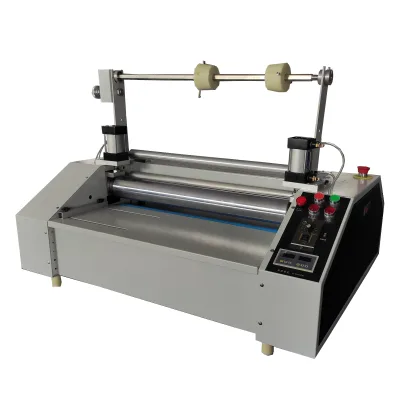
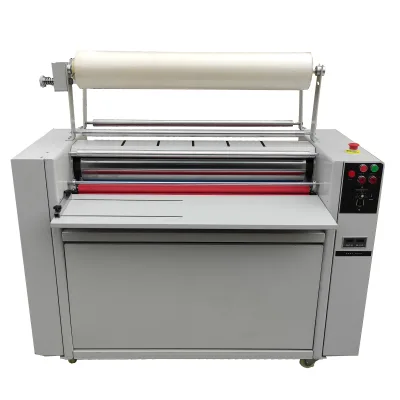
Compare the machine specifications themselves, because laminating machines vary more than their photos suggest. Relevant attributes visible in these listings include automatic grade (semi-automatic versus fully automatic), classification as cold or hot laminating, membrane material (paper, PET film, matt film), maximum and minimum sheet sizes, working width options, laminating or working speed, paper thickness range in GSM, and total or heating power in kilowatts. Model numbers such as those shown for flute laminating and thermal film laminating machines let you pin quotes to a specific configuration. Also compare packaging method (wooden pallet, steel pallet, carton, wooden case), stated standards, and whether customization is flagged as available. Finally, compare after-sales terms: one listing explicitly states engineers available to service machinery overseas, a commitment worth weighting heavily for equipment of this complexity. Prices shown on listings are indicative ranges only.
Common Semi Automatic Wood Laminating Machine Sourcing Risks
The most common risk is spec drift between the listing and the machine you receive. Listings in this category display attributes such as working speed, sheet size and power, but the contract may not repeat them, and some entries state the production standard only as "as you required"—meaning nothing binding exists unless you define it. Fix exact model numbers, widths, speeds, power ratings and acceptance test criteria in a proforma or technical agreement, and require a run video with your substrate before shipment. A second risk is substrate mismatch: several machines in these results are engineered for paper, packaging paper and film, with paper-thickness ranges quoted in GSM. Wood and wood-based panels behave differently in glue application and pressing, so a supplier whose core line is cardboard lamination may need convincing evidence—trial runs, not assurances—that the machine handles your material.
Third, beware verification asymmetry. A TUV Rheinland badge or ISO 9001 certificate confirms something about the company, not about the specific machine's conformity; CE references inside product attributes are self-declared until documented. Fourth, distinguish trading companies from factories early: a Zhejiang-style trading intermediary can lengthen fault-diagnosis loops because your messages pass through another layer to the actual workshop. Fifth, underpriced quotes frequently exclude loading, wooden-case packing, spare heating elements, or commissioning support. Finally, single-unit MOQs make small orders easy to place but easy to deprioritize in production queues, so confirm the promised lead time in writing and define a delay remedy before paying a deposit.
Semi Automatic Wood Laminating Machine Regional Sourcing and Logistics
The location labels in these results—Zhejiang and Hebei—map onto different logistics realities that affect landed cost and service. Zhejiang sits within China's dense eastern-coast manufacturing belt with proximity to major container ports, which typically simplifies container loading and shipping schedules for heavy machinery. Hebei surrounds the Beijing-Tianjin industrial corridor in the north, also well served by port infrastructure, though inland-origin shipments can add trucking distance to the quay. Because both entries are China-based, expect export via ocean freight in a full container for a machine of this size, with packing methods stated as wooden pallets, steel pallets, cartons or wooden cases depending on the listing—wooden case export packing is generally the right choice for precision machinery and should be specified in writing.
Plan logistics around the reported lead times: roughly 23 days for one Hebei entry and 30 days for the Zhejiang entry, before adding inland transport, booking, and ocean transit to your port. Weight and dimensions drive freight cost more than price, so request the packed gross weight and crate dimensions of the exact model, not a brochure figure. Check whether the quote includes loading at the factory and whether incoterms are FOB, CFR, CIF or EXW—each shifts responsibility differently. Confirm the destination port handles your container size and that you or your customs broker can clear machinery, including any import documentation your country requires for industrial equipment. Finally, align installation planning with arrival: heavy machines need floor loading capacity, power supply matching the rated kilowatts, and clear crane or forklift access at your site.
Semi Automatic Wood Laminating Machine Commercial Terms and Order Planning
Structure payment to keep leverage through delivery. A common pattern for Chinese machinery is a deposit with balance before shipment or against a copy of the bill of lading; where the platform supports it, escrow or trade assurance adds a payment-protection layer, though no escrow status appears among the current supplier results, so ask each supplier directly what protected-payment options they accept. Tie the balance payment to completed pre-shipment inspection, not just to a shipping date, and reference the agreed specification sheet. Keep the price discussion anchored to the listed ranges but treat listing prices as starting points only: displayed figures in these results span roughly ten thousand to well over one hundred thousand US dollars across different laminating machine types, so a semi automatic wood-capable configuration must be quoted against a written spec.
Plan the order timeline backward from your production need. Add the reported lead times of about 23 to 30 days to packing, inland movement, ocean transit, customs clearance and commissioning, and place the order with that total in mind. Negotiate inclusions that matter most for this category: spare heating elements and glue rollers, electrical diagrams and manuals in your language, remote or on-site commissioning, and a stated warranty period covering parts replacement. Confirm MOQ—one unit is shown for some listings—and whether customization requests change the lead time. Finally, record model number, packing method, incoterm, warranty and inspection criteria in the contract, and reconfirm the exact configuration before releasing the balance payment.
FAQs
What is a Semi Automatic Wood Laminating Machine used for?
A Semi Automatic Wood Laminating Machine bonds decorative film, paper, or board onto wood panels and laminated substrates used in furniture, packaging, and interior products. Operators typically hand-feed or align sheets while the machine handles gluing, pressing, and output. Semi automatic models suit medium-volume workshops that need flexibility across different sheet sizes and materials without full automation costs.
How much does a semi automatic laminating machine typically cost?
Listed prices on the current page range from about 10,500 to 30,000 US dollars, with some heavy-duty full automatic models priced far higher. Final pricing depends on laminating width, working speed, heating method, and customization options. Buyers should request quotations that include shipping, installation support, and spare parts to compare total landed cost rather than headline price alone.
What is the usual minimum order quantity and lead time?
Suppliers on this page list a minimum order quantity of one machine, which is typical for capital equipment. Stated lead times run roughly 23 to 30 days after order confirmation, though custom configurations can extend production. Confirm the exact lead time in writing, including whether it covers inspection, packing, and port delivery, before placing a deposit.
Which certifications should I verify before ordering?
Look for CE marking on the machine itself and check whether the manufacturer holds an ISO 9001 quality management certificate, as some listed suppliers do. CE relates to safety compliance for the European market, while ISO 9001 indicates documented production processes. Ask for certificate copies with validity dates and confirm the specific machine model, not just the company, is covered.
Can these machines be customized for different sheet sizes and materials?
Yes, customization is explicitly available on the listed models. Machines on this page handle widths around 920 to 1450 millimeters, paper from roughly 105 to 500 GSM, and both hot and cold laminating modes. Provide your maximum sheet size, substrate thickness, and film type when requesting a quotation so the supplier can confirm compatible specifications and configuration.
How fast do suppliers respond to inquiries?
Average response times recorded for suppliers on this page range from about 3 to 10 hours, which is fast enough to move a project forward within days rather than weeks. Response speed often reflects how seriously a supplier treats export business. Send a detailed technical inquiry and gauge both reply speed and whether answers address your specifications or are generic templates.
Should I choose a trading company or a manufacturer?
Both appear on this page, and some trading companies also operate or partner with factories. Manufacturers may offer deeper technical support and customization, while trading companies can aggregate multiple machine types and handle export paperwork. Ask each supplier to confirm its role, factory location, and whether engineers are available for overseas installation and after-sales service before committing.
How are laminating machines packed and shipped?
Listed machines are packed in wooden pallets, wooden cases, cartons, or steel pallets depending on model and weight, with some units weighing around 2,000 kilograms. Heavy equipment usually ships by sea in full or shared containers. Confirm packing method, container loading requirements, and whether the quotation includes seaworthy packing, since inadequate protection can damage precision rollers during transit.