Solar Road Stud Suppliers and Manufacturers
Compare 17 Solar Road Stud suppliers on sourcing dimensions such as verified status, response time, lead time, certifications, and product specifications. Review options from Zhejiang and Hubei covering aluminum and tempered glass markers with CE or ISO9001 credentials, then request quotes to confirm pricing and minimum order quantities.
Suppliers List

ZHEJIANG STARS PLASTIC SAFETY DEVICE CO., LTD.
- Verified by SGS
- Combined
- China Zhejiang
- Lead time15 days
- Avg. response≤ 25h
Main productsTraffic Baton, Safety Baton, Traffic Warning Light, Road Stud, Road Cone, Traffic Direction Sign, Solar Warning Light, Solar Traffic Sign, Safety Vests, Plastic Chain
Main marketsNorth America

Wuhan Jackwin Industrial Co., Ltd.
- Trading Company
- China Hubei
- Lead time15 days
- Avg. response≤ 5h
Main productsTemporary Fence, Traffic Cone, Warning Light, Traffic Baton, Delineator, Rubber Cable Protector, Road Stud, Silicone Hose, Silicon Hose Radiator Hose, Crowd Control Barrier
Main marketsSouth America,Africa,Southeast Asia/ Mideast,East Asia(Japan/ South Korea),Domestic,Europe,Australia,North America

Hangzhou Eaglerd Traffic Industry & Trade Co., Ltd.
- Verified by SGS
- Trading Company,Manufacturer/Factory
- China Zhejiang
- Lead time23 days
- Avg. response≤ 5h
Main productsRoad Marking Machine, Guardrail, Traffic Cone, Traffic Light, Road Paint, Traffic Sign, Road Stud, Convex Mirror, Speed Bump, LED Street Light
Main marketsSouth America,Eastern Europe,Mid East,North America,Southeast Asia,Eastern Asia,Oceania,Western Europe,Africa

Sanmen Aroad Traffic Facility Factory
- Combined
- China Zhejiang
- Lead time15 days
- Avg. response≤ 10h
Main productsTraffic Cone, Speed Hump, Anti-Impacted Block, Warning Post, Convex Mirror, Road Stud, Reflective Vest, Road Barrier, Traffic Sign, Cable Protector
Main marketsSouth America,Africa,Southeast Asia/ Mideast,East Asia(Japan/ South Korea),Europe,Australia,North America

Beijing Roadsafe Technology Co., Ltd.
- Verified by TUVRHEINLAND
- Trading Company,Manufacturer/Factory
- China Beijing
- Lead time23 days
- Avg. response≤ 6h
Main productsRoad Stud, Delineator Post, Traffic Paint, Road Marking Machine, Traffic Cone, Warning Post, Speed Hump, Road Maring Tape, Highway Guardrail, Highway Roller Guardrail
Main marketsSouth America,Eastern Europe,Mid East,North America,Southeast Asia,Eastern Asia,Oceania,Western Europe,Africa

K-Lite (Shanghai) Industrial Co., Ltd.
- Verified by TUVRHEINLAND
- Trading Company
- China Shanghai
- Lead time30 days
- Avg. response≤ 12h
Main productsReflector, Motorcycle LED Lamps, Road Markers, Vehicle Lamps, Trailer LED Lamps, Pedestrian Reflector, Light Guide Strip, Road Stud, Auto Parts, Headlamp
Main marketsSoutheast Asia/ Mideast,East Asia(Japan/ South Korea)
Beijing Youchao Business Co., Ltd.
- Verified by SGS Group
- Manufacturer, Trading Company
- Lead time0 days
- Avg. response≤ 4h
Main productsTraffic Warning Products
Main marketsNorth America(15%), South America(15%), Eastern Europe(10%)

ZHENGZHOU TOURAN TRAFFIC CO., LTD.
- Verified by SGS
- Manufacturer/Factory
- China Henan
- Lead time15 days
- Avg. response≤ 4h
Main productsRoad Marking Machine, Thermoplastic Road Marking Paint, Cold Plastic Road Marking Paint, Road Sign, Construction Machinery, Road Marking Grinding Machine, Road Stud, Traffic Cone & Warning Column, Speed Bump
Main marketsSouth America,Mid East,Southeast Asia,Africa


Aluminium Road Safety Reflector Solar Road Stud for Underground Installation
$13.00 - $17.50
Moq: 1000

- Verified by BV
- Trading Company,Manufacturer/Factory
- China Jiangsu
- Lead time23 days
- Avg. response≤ 10h
Main productsTraffic Convex Mirrors, Car Wheel Locks, Pile Driver Machine, LED Strip Light, Traffic Cone, Warning Post, Road Marking Machine, LED Neon Light, LED Module Light, Traffic Warning Signal Light
Main marketsSouth America,Eastern Europe,Mid East,North America,Southeast Asia,Eastern Asia,Africa
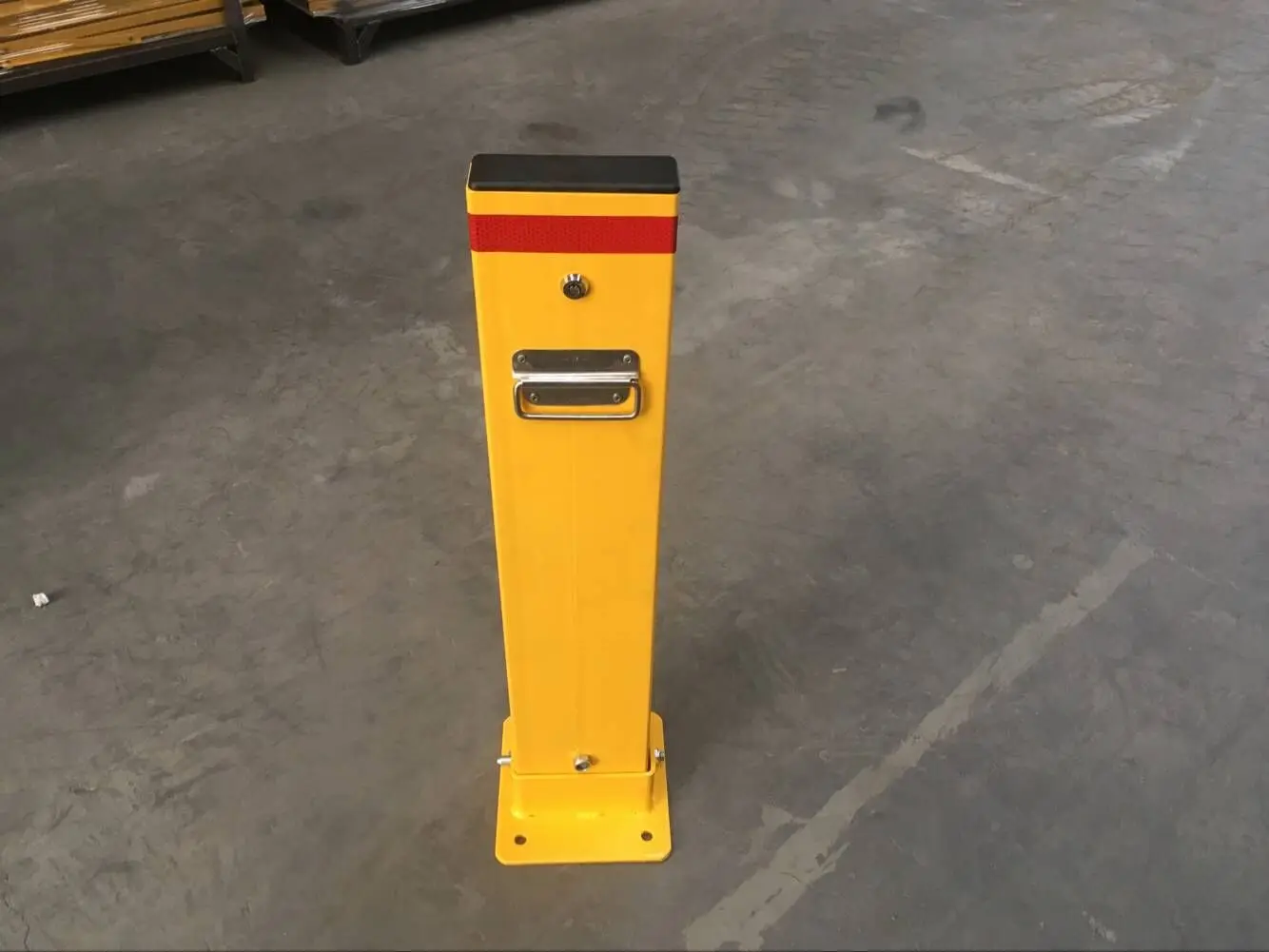
Chengdu Geelian Safety Co., Ltd.
- Trading Company
- Sichuan, China
- Lead time20 days
- Avg. response≤ 10h
Main productswarning post,traffic barrier,heliport light,traffic bollard,cable protector
Main marketsEastern Europe(20.0%), Western Europe(20.0%), Northern Europe(10.0%), Central America(10.0%), North America(10.0%), Mid East(10.0%), Africa(10.0%), Southeast Asia(10.0%)

Shandong Guanxian Huiquan Traffic Facilities Co., Ltd.
- Verified by BV
- Combined
- China Shandong
- Lead time15 days
- Avg. response≤ 10h
Main productsHighway Guardrails, Guardrail Posts, Bridge Railing, Roller Barrier
Main marketsSouth America,Africa,Southeast Asia/ Mideast,Domestic

Waterproof IP68 Solar Powered Road Pavement Marker Yellow Reflective Solar Road Stud
$4.49 - $5.89
Moq: 300


Cangzhou Develop Traffic Products Co., Ltd.
- Trading Company
- China Hebei
- Lead time30 days
- Avg. response≤ 7h
Main productsHighway Guardrail, W Beam Guardrail, Crash Barrier, W Beam Terminal End, Traffic Barrier, Guardrail Barrier Fence, Crash Barrier Fence, W Beam Crash Barrier, Safety Barrier Posts, Safety Barrier End Terminal
Main marketsEurope,Australia
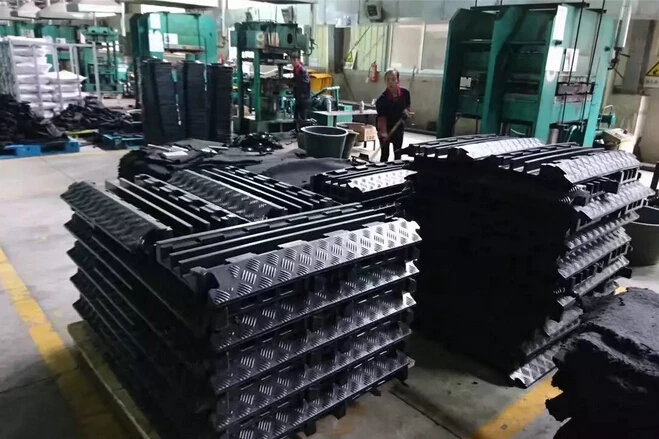
Quzhou Leon Traffic Equipment Co., Ltd.
- Trading Company
- Zhejiang, China
- Lead time20 days
- Avg. response≤ 4h
Main productscable protector,pvc cone,convex mirror,speed bump,delineator
Main marketsSouth America(30.0%), South Asia(20.0%), North America(20.0%), Western Europe(10.0%), Southern Europe(10.0%), Northern Europe(10.0%)
Shenzhen Cadsolar Technology Co., Ltd.
- Verified by TüVRheinland
- Manufacturer, Trading Company
- Lead time3 days
Main productsSolar Road Studs, Wired Road Stud, Solar LED Warning Light, Solar LED Traffic Sign, Solar & Led Traffic Light
Main marketsDomestic Market(50%), Mid East(14%), Southeast Asia(12%)

Yangzhou Lecuso New Energy Co., Ltd.
- Verified by TUVRHEINLAND
- Trading Company,Manufacturer/Factory
- China Jiangsu
- Lead time15 days
- Avg. response≤ 6h
Main productsStreet Light, LED Street Light, Solar Street Light, Lamp Pole, Garden Light, Solar Panel, Solar Energy System, Solar Controller
Main marketsSouth America,Eastern Europe,Mid East,North America,Southeast Asia,Eastern Asia,Africa

Hangzhou Sloan Safety Product Co., Ltd
- Verified by SGS
- Trading Company
- China Zhejiang
- Lead time15 days
- Avg. response≤ 2h
Main productsTraffic Cone, Barricade Warning Light, Delineator Post, Plastic Warning Chain, Plastic Safety Fence, Traffic Batons, Warning Tape, Traffic Cone Bar, Wheel Stopper, Road Barrier
Main marketsSouth America

HUIZHOU LUBAO ELECTRONIC CO., LTD.
- Verified by BV
- Combined
- China Guangdong
- Lead time23 days
- Avg. response≤ 3h
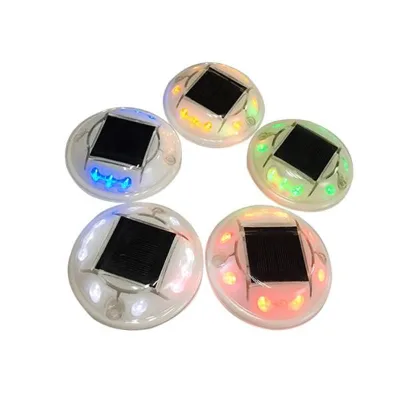
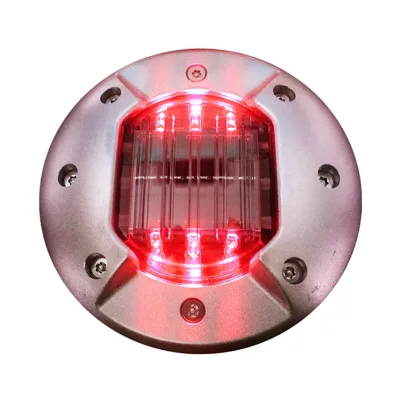
Main productsSolar Zabra Warning System, Solar Road Stud, Solar Warning Light, LED Traffic Light, Solar Traffic Signs, Traffic Light and Signals, Tunnel Warning Lights, Portable Speed Bump, Traffic Barrier Cone and Parking Items, Safety Workwear
Main marketsSouth America,Africa,Southeast Asia/ Mideast,East Asia(Japan/ South Korea),Europe,Australia,North America








Comprehensive Sourcing Guide
Solar Road Stud Supplier Concentration and Factory Types
When you search for a Solar Road Stud supplier, the results reveal a concentration in eastern and central China. Supplied listings point to Zhejiang province, including Taizhou, and Hubei province, including Wuhan, as active sourcing locations for this category. Suppliers in these clusters typically list road safety products as their core range, so a Solar Road Stud is rarely a standalone offer. Instead, you will find it grouped alongside traffic batons, warning lights, road cones, delineators, cable protectors, crowd control barriers, road marking equipment, and speed bumps. This breadth tells you the vendor is embedded in the traffic safety trade rather than a general electronics seller drifting into the category.
Factory type varies more than buyers expect. Supplied company labels in this category include "Combined," "Trading Company," and a hybrid "Trading Company, Manufacturer/Factory." A combined supplier usually runs its own production lines plus trading operations, which can simplify communication but may limit flexibility on unrelated items. A pure trading company can consolidate road studs with other traffic products into one shipment, which suits mixed tender orders. The hybrid model offers factory pricing with export support. Treat these labels as a starting hypothesis, not proof: ask each vendor directly which models it manufactures in-house and which it resells, because the answer affects custom tooling, battery sourcing, and quality accountability.
How to Verify Solar Road Stud Suppliers
Verification should start with the credentials displayed on the supplier listing and continue with independent confirmation. In the supplied results, at least one road stud supplier holds an ISO9001:2015 system certificate and carries SGS verification, while another shows ISO 9001. A third shows a system certification recorded only as "Others," which is effectively no meaningful credential. Do not average these signals: a supplier without a recognized system certificate is not automatically unreliable, but it shifts more of the audit burden onto you. Request the actual certificate number and validity dates, and cross-check them against the issuing body's database rather than trusting a badge or a PDF screenshot.
Product-level claims need the same discipline. Listings in this category advertise CE, MUTCD, ASTM, AS/NZS, and RoHS compliance in various combinations, sometimes several at once and sometimes only one. Ask which specific certificate covers which specific model, because a family certificate on one aluminum stud does not validate a tempered glass variant. Verify the response-time pattern too: supplied listings show figures ranging from roughly four hours to more than a day, which hints at staffing depth but should be tested with a technical question about solar panels or battery chemistry. A supplier that answers spec questions accurately within its claimed window is far more trustworthy than one that replies fast with generic copy.
What to Compare Across Solar Road Stud Suppliers
Build a comparison table using the attributes suppliers actually display, and record gaps as blanks rather than assumptions. Supplied dimensions in this category include lead time, minimum order quantity, response time, company type, location, main product lines, research capabilities such as OEM or ODM status, and system certifications. One supplier shows a 15-day lead time, another 23 days; MOQs in the listings run from 100 to 500 pieces; response times span from about four hours to over 24 hours. None of these figures should be treated as universal. Some suppliers display no lead time or establishment year at all, so your table will have gaps that only direct inquiry can fill.
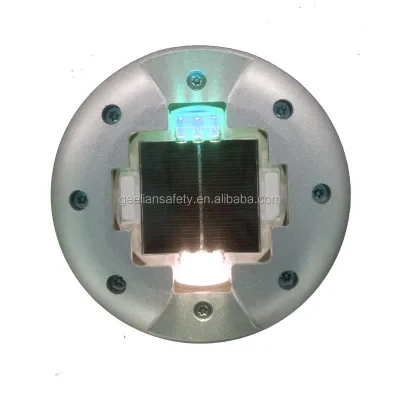
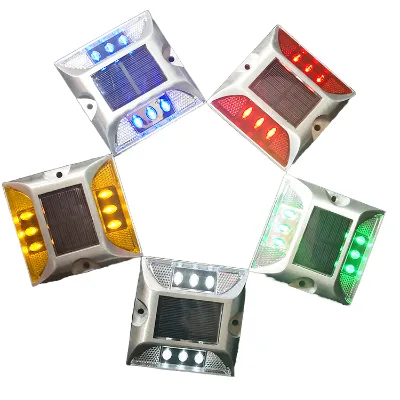
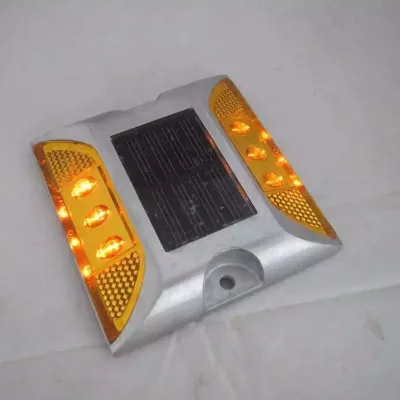
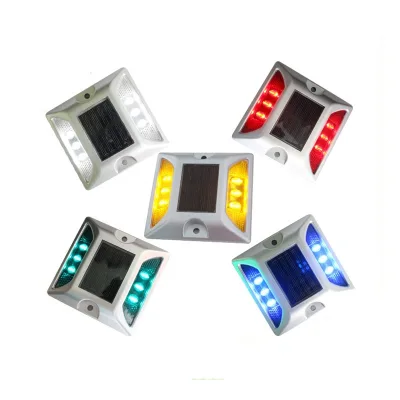
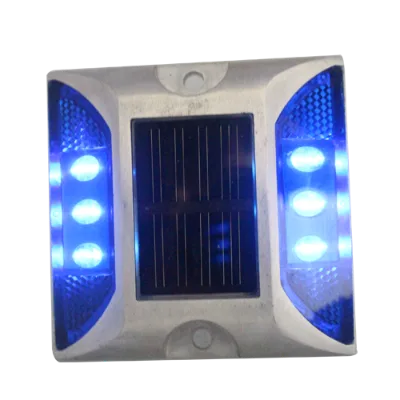
Beyond the displayed labels, compare the engineering detail each listing discloses about its road studs. Some listings specify aluminum alloy bodies with double-sided reflectors, LED counts, Ni-MH battery capacity, monocrystalline solar panels, visual distance, and operating temperature ranges. Others specify tempered glass bodies, weight capacity, IP ratings, or a one-year warranty. A listing that states the battery type, charging hours, and visual distance demonstrates engineering ownership; a vague listing often signals resale of an unverified factory's output. Also compare customization availability, since several supplied listings mark it as available while offering different model series. Depth of specification plus displayed operational metrics gives you a far better ranking than price alone.
Common Solar Road Stud Sourcing Risks
The most frequent risk in this category is certification mismatch. Supplied listings attach different certification sets to similar-looking products, from single RoHS claims to combined CE, MUTCD, ASTM, AS/NZS, and RoHS claims. If your project requires a specific standard, assume nothing from product photos. A second risk is construction ambiguity: aluminum alloy and tempered glass studs behave very differently under traffic loads, and listings differ on whether reflectors are passive reflectors or active LEDs, and whether the stud is single-sided or double-sided. Ordering the wrong reflector configuration is expensive to discover after installation. Confirm body material, reflective surface count, and light source in writing per model number.
Battery and durability risks are subtler but equally costly. Listings that disclose battery chemistry, such as 1.2V 600mAh Ni-MH, allow you to judge runtime claims like 120 hours after a full charge; listings without battery details leave you exposed to premature failure. Water ingress is the classic failure mode for solar studs, so any IP rating claim should be backed by test evidence, and the supplied listings vary in whether they state one at all. Warranty terms also differ, with at least one listing offering only a one-year warranty. Finally, beware of extremely low unit prices paired with high MOQs, which can indicate cleared-out or mismatched inventory rather than competitive production.
Solar Road Stud Regional Sourcing and Logistics
The two supplied locations, Zhejiang and Hubei, shape your logistics picture in different ways. Zhejiang is a coastal province in eastern China with dense traffic-safety manufacturing, so suppliers there commonly cite origins such as Taizhou and typically ship through nearby seaports; the supplied lead-time figure of 15 days sits at the shorter end for this category. Hubei sits in central China, with Wuhan as the supplied example, which adds inland transport to a coastal port and is consistent with the longer 23-day lead time shown in one listing. Neither difference is absolute, but when you compare quotations, ask each supplier to state its actual loading port and production lead time separately.
Packing and consolidation matter because road studs are heavy relative to their value. Supplied listings consistently describe carton or export carton packing, which is standard, but you should confirm carton dimensions, pieces per carton, and gross weight to estimate freight accurately. Since most Solar Road Stud suppliers also carry traffic cones, warning lights, and barriers, ask whether mixed orders from the same supplier can share containers, which is a common efficiency in these clusters. If you are sourcing from more than one region, check whether your forwarder can consolidate Zhejiang and Hubei cargo at a single port. Confirm working temperature and warranty coverage in the proforma invoice so transit and storage conditions do not void terms.
Solar Road Stud Commercial Terms and Order Planning
Commercial planning starts with the minimum order quantity, and this category shows real spread: supplied listings display MOQs of 100, 200, and 500 pieces depending on the model and supplier. Because some suppliers are trading companies, MOQ may reflect factory policy they pass through rather than their own flexibility, so negotiate on the specific model number, not the company. Customization is marked as available on multiple listings, but custom colors, logos, or battery configurations may carry separate MOQs and tooling lead times. Request a written quotation that breaks out unit price at two or three volume tiers, customization charges, packing specification, and the warranty period, since supplied warranty claims differ across listings.
Payment and milestone structure should reflect the supplier's type and credentials. A supplier with a recognized system certificate and third-party verification may justify a smaller deposit than an unverified trading company; escrow or platform-protected payment, where offered, reduces risk on first orders. Sequence your orders to match lead-time realities: with supplied lead times of 15 to 23 days, plus transit, plan tender or installation schedules with a buffer of several weeks. For first-time purchases, place a pilot order at the lower MOQ, inspect material, waterproofing, and battery performance against the listing's stated specifications, then scale. Reconfirm certification documents per shipment, because factory substitutions between orders are a known category risk.
Word count: Section totals approximately 230+231+231+231+230+234 ≈ 1387 words. All six headings exact, two paragraphs each, keyword usage correct.
FAQs
What is the price range for aluminum solar road studs?
Prices for aluminum solar road studs typically range from $3.00 to $10.00 per unit. This variation depends on specific features like LED quantity, battery capacity, and certification standards. Buyers should check individual product listings for exact pricing tiers based on order volume and customization requirements.
What certifications are available for solar road studs?
Solar road studs commonly hold CE, RoHS, ASTM, MUTCD, and AS/NZS certifications. These standards ensure compliance with international safety and performance regulations. Buyers should verify specific certificates for their target market, as some suppliers offer multiple certifications while others may only provide basic safety approvals.
What is the typical lead time for solar road studs?
Lead times for solar road studs generally range from 15 to 23 days. This timeframe allows for production, quality control, and packaging. Buyers should confirm exact delivery schedules with suppliers, as lead times may vary based on order quantity, customization needs, and current production capacity.
What is the minimum order quantity for solar road studs?
Minimum order quantities for solar road studs vary, typically ranging from 100 to 500 units. Some suppliers may accept lower MOQs for standard models, while customized products often require higher volumes. Buyers should check specific product pages for exact MOQ requirements and potential discounts for larger orders.
Where are solar road studs manufactured?
Solar road studs are primarily manufactured in China, with key production hubs in Zhejiang and Hubei provinces. Zhejiang is known for aluminum alloy studs, while Hubei produces glass and aluminum variants. Buyers can filter suppliers by location to ensure proximity to shipping ports or specific regional standards.
What is the response time for supplier inquiries?
Supplier response times for Solar Road Stud inquiries typically range from 4 to 24 hours. Faster response times indicate active sales teams and efficient communication channels. Buyers should prioritize suppliers with quick response rates to ensure timely project coordination and issue resolution during the sourcing process.