Stage Performance LED Strip Light Suppliers and Manufacturers
Compare 25 verified suppliers offering Stage Performance LED Strip Light with varying lead times, certifications, and response speeds. Review product specs like IP ratings and control modes, then request samples to verify quality before placing orders; review the available evidence before requesting comparable quotations from suitable candidates.
Updated
Suppliers List
Guangzhou Huineng Photoelectric Technology Co., Ltd.
- Verified by SGS Group
- Manufacturer, Trading Company
- Lead time7 days
- Avg. response≤ 3h
Main productsLED Display And Stage Lights
Main marketsSouth America(30%), North America(20%), Southern Europe(18%)
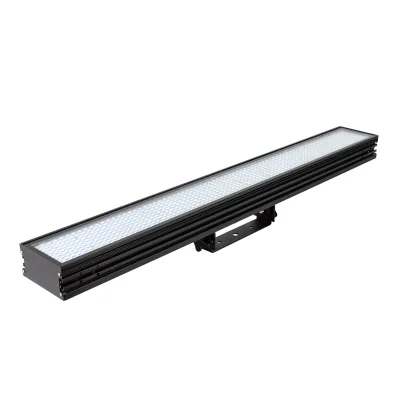
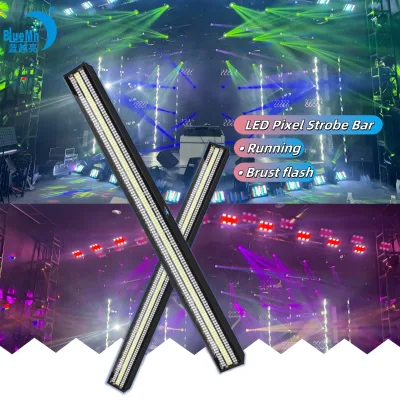
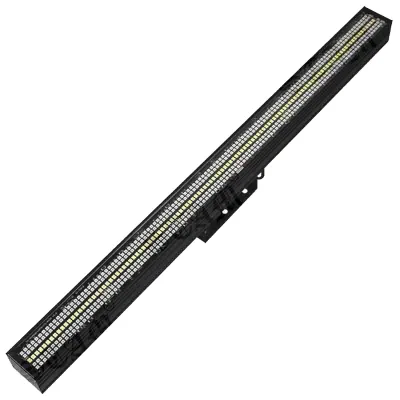
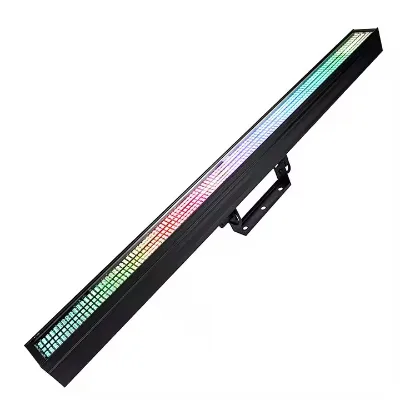
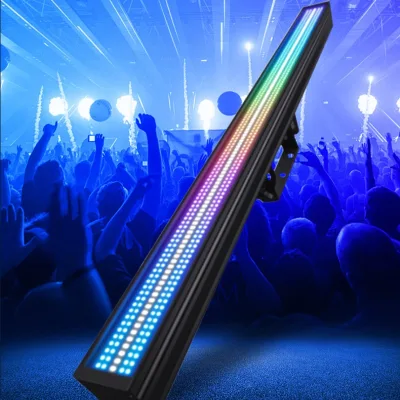
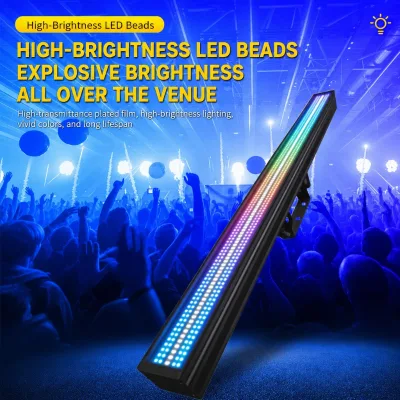
LED Pixel Bar 660 LED Strip Bar Light 600 Music Wash Effect Stage Light for DJ Light Bar Stage
$53.3546 - $59.5117
MOQ: 2 pieces
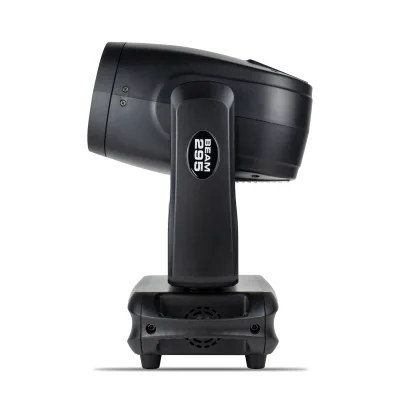
Promotional Price 295w Beam Light Dj Light Led Strip Concert
$127.00 - $129.00

ShenZhen ibestwork Technology Co., Ltd.
- Manufacturer/Factory
- China Guangdong
- Lead time15 days
- Avg. response≤ 6h
Main productsLED Entertainment Lighting, LED Building Lighting, LED Stage Light, RGB LED Tube, LED Digital Bar, LED 3D Ball, RGB LED Pixel Light
Main marketsEastern Europe,North America,Southeast Asia,Eastern Asia,Western Europe


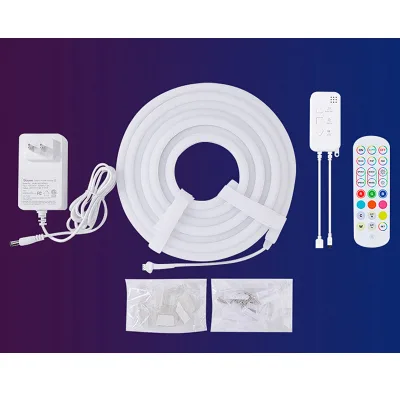
12 Volt LED Flex Neon Sign Pixel LED Strip and Rope Light Stage Lights for Indoor and Outdoor Use
$12.00 - $14.00
MOQ: 1 Pieces

Shenzhen Luk Technology Co., Ltd.
- Verified by SGS
- Manufacturer/Factory
- China Guangdong
- Lead time23 days
- Avg. response≤ 1h
Main productsLED Lighting, LED Strips, LED Modules, Neon Strip, Outdoor Lighting
Main marketsSouth America,Eastern Europe,Mid East,North America,Southeast Asia,Eastern Asia,Oceania,Western Europe,Africa

LED Strip Fixture/LED Strip/LED Strip Light/Decoration-Light for LED Light Fitting/Party Light
$1.00 - $1.99
MOQ: 100 Pieces

LED Light Strip/LED Lighting/LED Strip Light/LED Strip Fixture for Party Light
$1.00 - $1.99
MOQ: 100 Pieces

LED Strip Fixture/LED Lighting/LED Strip Light/Decoration-Light for LED Light Fitting/Party Light
$1.00 - $1.99
MOQ: 100 Pieces

Strip Light/LED Decoration/LED Strip Light/Decoration-Light for LED Light Fitting/Party Light
$1.00 - $1.99
MOQ: 100 Pieces

Strip Light/RGB LED/LED Strip Light/LED Light Fitting for Decoration-Light/Party Light
$1.00 - $1.99
MOQ: 100 Pieces

LED Strip Light/Luz LED/LED Strip/Decoration-Light for Party Light/Decoration
$1.00 - $1.99
MOQ: 100 Pieces

Changzhou Wangkaiyue Lighting Technology Co., Ltd.
- Manufacturer/Factory
- China Jiangsu
- Lead time0 days
- Avg. response≤ 14h
Main productsGarden Light, LED Strip, Outdoor Lighting, Solar Garden Light, LED Outdoor Lighting, Solar Garden Lamp, Street Light, Street Lighting


Christmas Decoration Building Material Flexible COB LED Strip Light for Stage
$1.50 - $7.00
MOQ: 100 Pieces


$1.50 - $7.00
MOQ: 100 Pieces

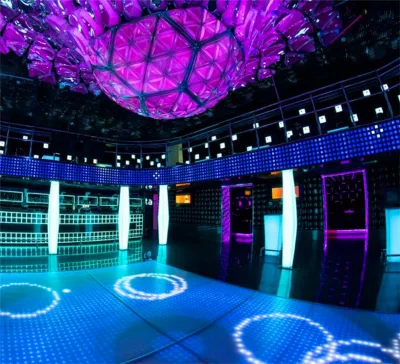
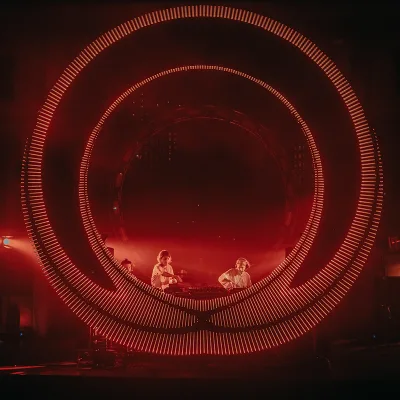
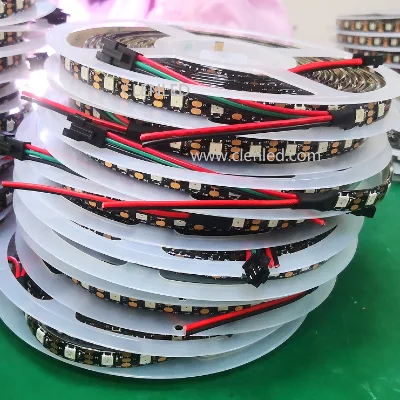
Shenzhen Clen Optoelectronics Co., Ltd.
- Verified by TüVRheinland
- Manufacturer, Trading Company
- Lead time6 days
- Avg. response≤ 2h
Main productsLED Bar, 360 Tube, 3D Volumetric Screen, Artnet Controller, RGB Scalelike Matrix
Main marketsNorth America(20%), Eastern Europe(20%), Western Europe(20%)
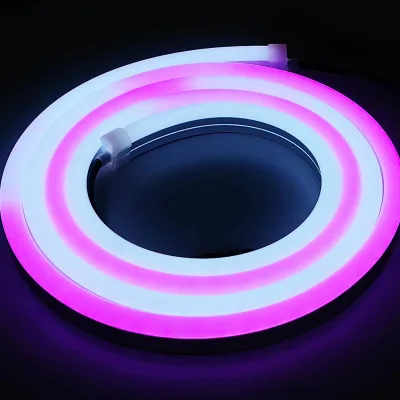
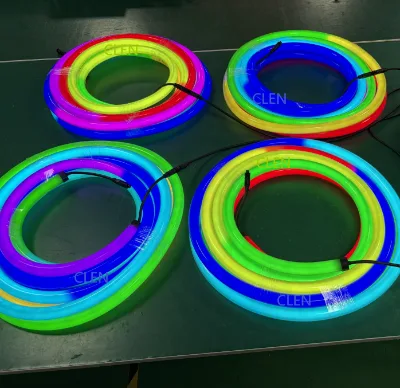
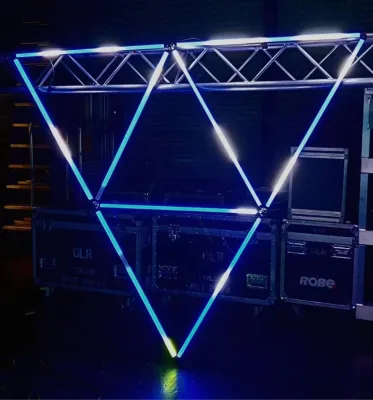
Hot Sales LED Neon Light Strip Color Changing LED Stage Light for Outdoor
$11.50 - $12.50
MOQ: 2 pieces
Guangzhou Houde Lighting Appliance Co., Ltd.
- Verified by SGS Group
- Trading Company
- Lead time7 days
- Avg. response≤ 2h
Main productsLED Modules, LED Strips, COB LED Strips, Addressable Pixel RGB LED Strips, LED Neon Lights
Main marketsNorth America(30%), Western Europe(20%), South America(20%)

Shenzhen Ibestwork Technology Co., Ltd.
- Manufacturer
- Guangdong, China
- Lead time15 days
- Avg. response≤ 3h
Main productsDMX led tube light,DMX led Bar light,DMX led dot light,DMX led Strip Light,DMX LED Flood Light
Main marketsNorthern Europe(20.00%), North America(20.00%), South America(10.00%), Central America(10.00%), Domestic Market(9.00%), South Asia(5.00%), Southern Europe(5.00%), Southeast Asia(5.00%), Western Europe(5.00%), Eastern Europe(5.00%), Africa(5.00%), Eastern Asia(1.00%)
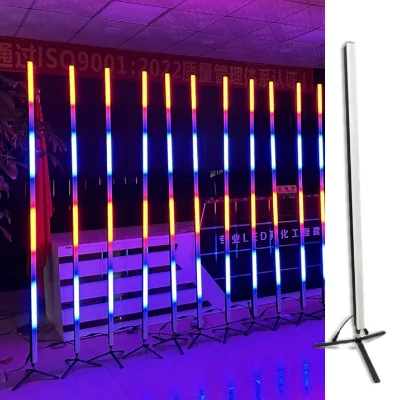
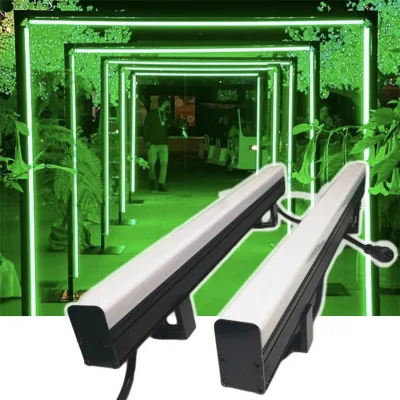
$19.482 - $22.0448
MOQ: 20 pieces
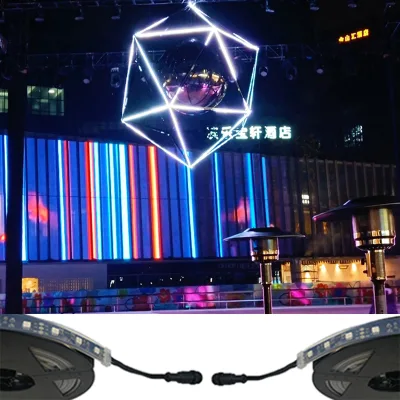
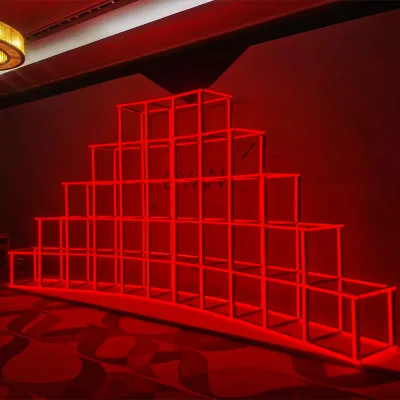
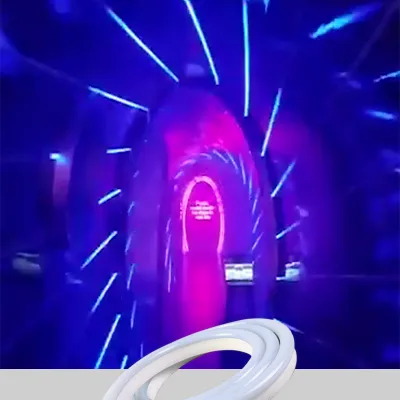
Outdoor IP65 Flexible 5050 LED Neon Strip Lights 24V DMX512 Controlled Waterproof Stage Lighting
$16.00 - $18.00
MOQ: 1 Minimum
Shenzhen Art Led Technology Co., Ltd.
- Verified by SGS Group
- Manufacturer, Trading Company
- Lead time7 days
- Avg. response≤ 2h
Main productsUCS2904,UCS8904 pixel products, DMX 512 RGB RGBW pixel led strips, 16 bit pixel RGB RGBW led products, 360 degrees round pixel neon tubes , LED linear pixel bar
Main marketsWestern Europe(40%), North America(20%), Domestic Market(10%)
Shenzhen Bond Optoelectronic Co., Ltd.
- Verified by TüVRheinland
- Manufacturer, Trading Company
- Lead time7 days
- Avg. response≤ 4h
Main productsLED Module, LED Signs, LED Pixel Light, Custom Neon Sign, LED Illuminated Sign
Main marketsNorth America(30%), Southeast Asia(25%), Mid East(20%)
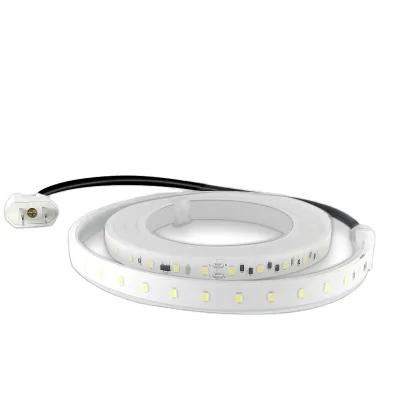
LED Strip LED Light Strip for Wooden Light
$0.50 - $0.80
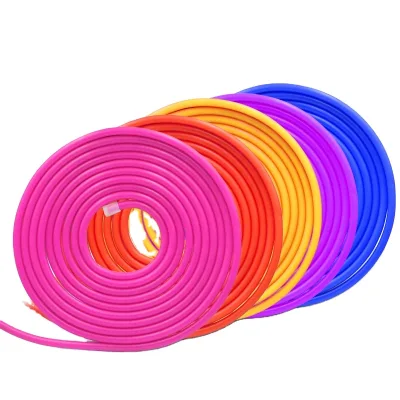
Neon Architectural Lighting LED Neon Strip
$0.45 - $2.00
Shenzhen G&G Technology Co., Ltd.
- Manufacturer
- Guangdong, China
- Lead time7 days
- Avg. response≤ 10h
Main productsLED Controller,high power led,LED Strip,DMX Driver,DMX LED
Main marketsWestern Europe(12.00%), Eastern Europe(10.00%), North America(10.00%), South America(8.00%), Eastern Asia(6.00%), Southeast Asia(5.00%), Northern Europe(4.00%), Mid East(4.00%), Southern Europe(3.00%), Central America(3.00%)

Shenzhen Led Home Opto-Electronics Co., Ltd.
- Verified by TUVRHEINLAND
- Combined
- China Guangdong
- Lead time30 days
- Avg. response≤ 6h
Main productsLED Profile, LED Flexible Strip, LED Downlight, LED Linear Light, LED Neon Flex Strip, LED Rigid Strip, Slim Silicon LED Neon Flex, Silicon Extrusion Integrated LED Strip
Main marketsSoutheast Asia/ Mideast,Domestic,Europe,North America
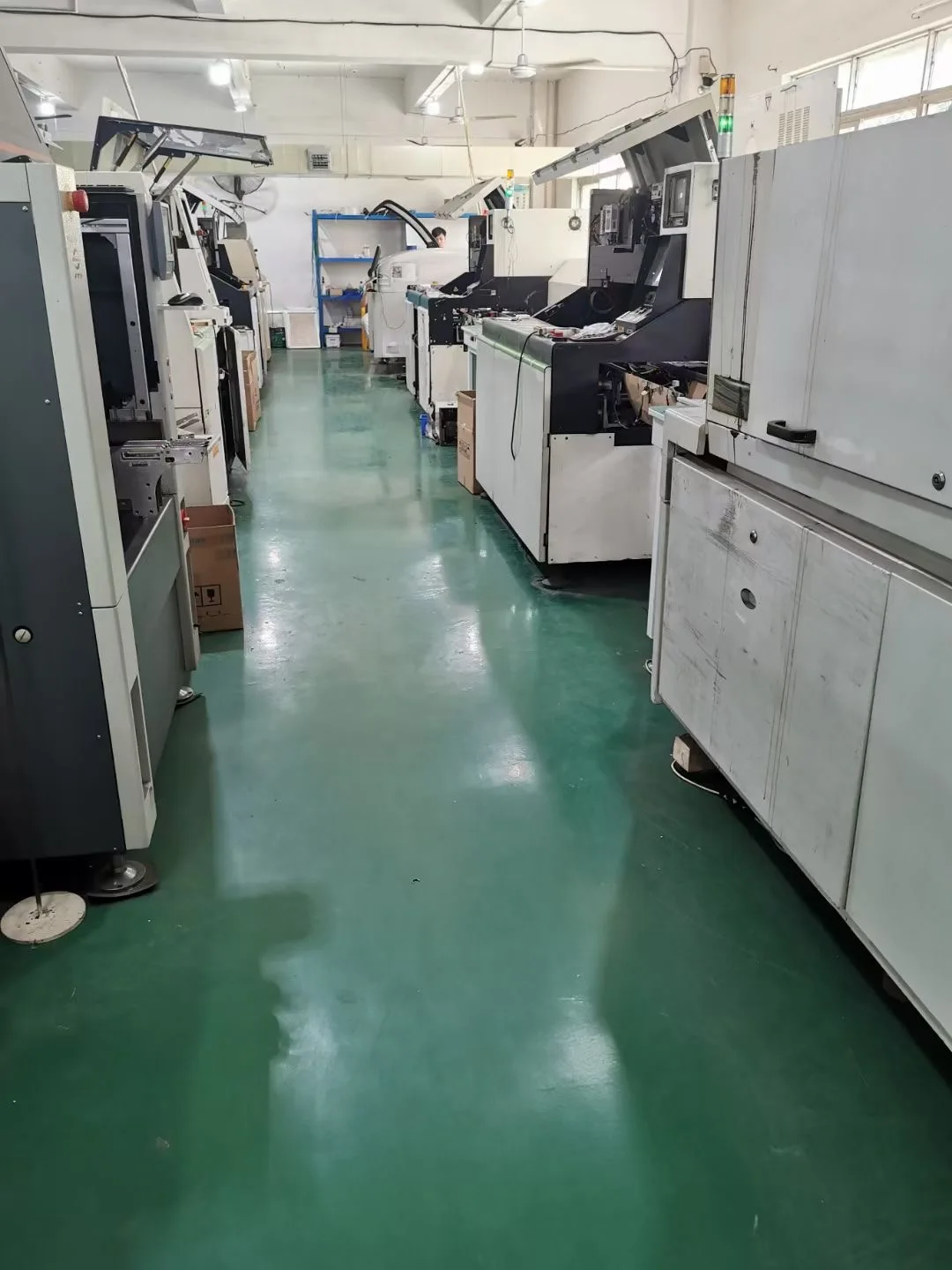
Jiangmen Hezhongyi Technology Co., Ltd
- Manufacturer, Trading Company
- guangdong, China
- Lead time7 days
- Avg. response≤ 8h
Main productsLED STRIP LIGHT,POWER SUPPLY,SOLAR SYSTEM,LED COB STRIP,LED MODULES
Main marketsMid East(20.00%), Southeast Asia(16.00%), South America(15.00%), Eastern Asia(10.00%), South Asia(5.00%), Western Europe(5.00%), Eastern Europe(5.00%), North America(5.00%), Oceania(5.00%), Africa(5.00%), Central America(3.00%), Southern Europe(3.00%), Northern Europe(3.00%)
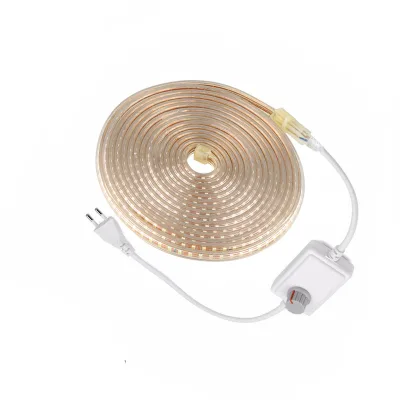
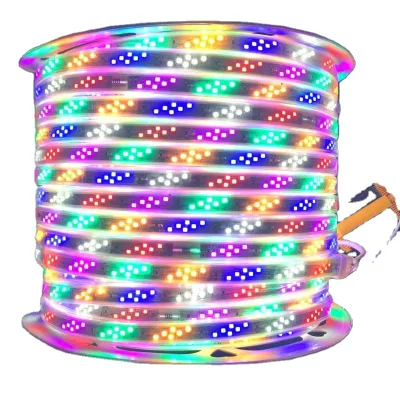
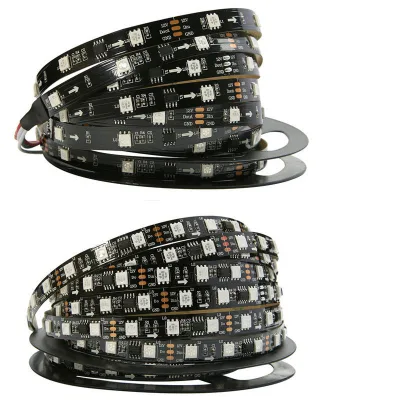
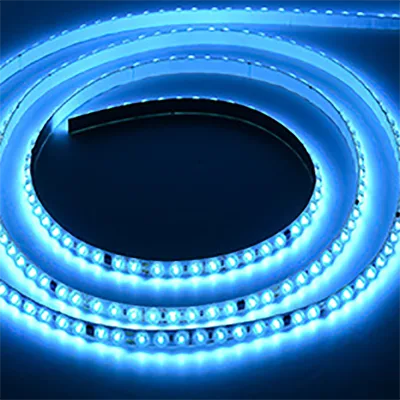
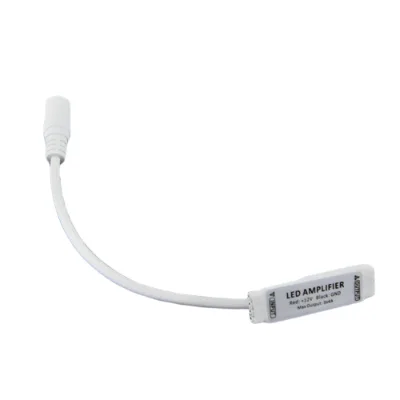
$0.247 - $0.4012
MOQ: 50 pieces
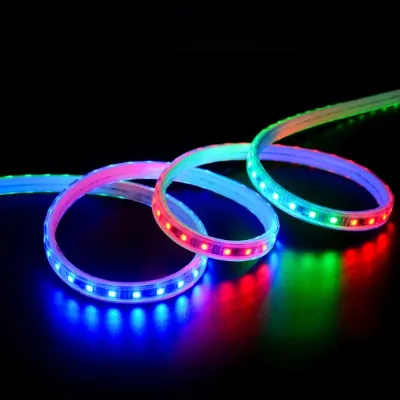
$1.3114 - $1.3742
MOQ: 50 meters

Shenzhen Ledcolourlight Technology Co., Ltd.
- Verified by TUVRHEINLAND
- Combined
- China Guangdong
- Lead time15 days
- Avg. response≤ 8h
Main productsDMX LED Tube Light, DMX LED Ball Light, LED Pixel Tube Light, DMX 3D Tube, DMX Bulb Light, LED Strip Light, LED Neon Light, DMX LED Panel Light, LED Dance Floor, DMX LED Pixel Light
Main marketsEast Asia(Japan/ South Korea),Europe,Australia,North America


LCL Stage Multicolor Decorated SMD5050 DMX RGB Flexible LED Strip Light
$20.50 - $21.50
MOQ: 50 Meters

High Brightness Nightclub DJ 84LEDs/M DMX Flexible RGB Digital LED Strip Light
$6.50 - $15.00
MOQ: 10 Meters

DC12V/24V Waterproof Flexible DMX LED Glue Strip Light for Stage Wedding DJ
$2.00 - $11.00
MOQ: 1 Meters
Guangzhou Bluemoon Stage Light Equipment Co., Ltd.
- Manufacturer
- Guangdong, China
- Lead time7 days
- Avg. response≤ 2h
Main productsMoving Head Lights,Stage Wash Lights,Stage Effect Lights,Studio & Profile Lights,Stage Effect Machines
Main marketsNorth America(25.00%), Southeast Asia(15.00%), Western Europe(12.00%), Southern Europe(8.00%), Northern Europe(8.00%), Eastern Europe(7.00%), Africa(5.00%), South America(4.00%), Eastern Asia(4.00%), Oceania(3.00%), Mid East(3.00%), Central America(3.00%), South Asia(2.00%), Domestic Market(1.00%)

- Verified by SGS
- Manufacturer/Factory
- China Jiangsu
- Lead time23 days
- Avg. response≤ 4h
Main productsSMD/COB LED Strip Light, LED Neon Flex, LED Wall Washer Light, LED Alumium Profile, LED Rigid Bar Lights
Main marketsSouth America,Eastern Europe,Mid East,North America,Southeast Asia,Western Europe


High Brightness 8mm 120LEDs Flexible Light Strip White LED Light Strip with Dance Party
$0.80 - $6.00
MOQ: 500 Meters

Guangzhou Ruike Lighting Equipment Co., Ltd.
- Manufacturer, Trading Company, Other
- Guangdong, China
- Lead time10 days
- Avg. response≤ 3h
Main productsmoving head light,Led moving head light,Led Par Light,DMX controller,stage effect
Main marketsNorth America(20.00%), Africa(20.00%), Southern Europe(15.00%), Western Europe(15.00%), South Asia(10.00%), Northern Europe(10.00%), South America(5.00%), Eastern Europe(5.00%)
Shenzhen DSY Electronic Technology Co., Ltd.
- Verified by TüVRheinland
- Manufacturer, Trading Company
- Lead time0 days
- Avg. response≤ 3h
Main productsRGB Tube Light
Main marketsNorth America(40%), Western Europe(30%), Mid East(10%)

Beauty (GD) Manufacturing Co., Limited
- Verified by TUVRHEINLAND
- Manufacturer/Factory
- China Guangdong
- Lead time23 days
- Avg. response≤ 7h
Main productsLED Strip Light
Main marketsSouth America,Eastern Europe,Mid East,North America,Southeast Asia,Eastern Asia,Oceania,Western Europe,Africa
Shenzhen Aidlin Technology Co., Limited
- Verified by TüVRheinland
- Manufacturer, Trading Company
- Lead time15 days
- Avg. response≤ 2h
Main productsLED Strips, Garden Lights, Stage Lights, Neon Lights, LED Wall Lamps
Main marketsNorth America(13%), South America(13%), Central America(13%)
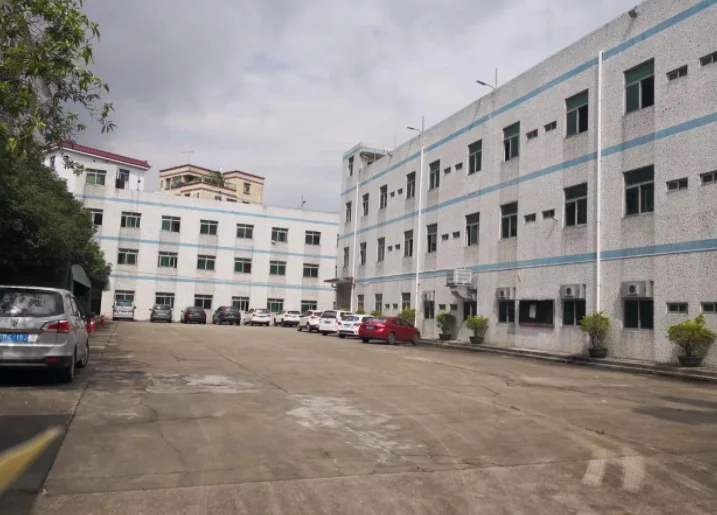
Shenzhen Gensheng Technology Co., Ltd.
- Manufacturer, Trading Company, Distributor/Wholesaler
- Guangdong, China
- Lead time20 days
- Avg. response≤ 8h
Main productsCommercial and Industrial Lighting,Indoor lighting,outdoor lighting,Smart strip light,holiday lighting
Main marketsNorth America(17.00%), South Asia(15.00%), Eastern Europe(10.00%), Oceania(9.00%), Southeast Asia(9.00%), Northern Europe(8.00%), Mid East(6.00%), Central America(5.00%), South America(5.00%), Domestic Market(5.00%), Western Europe(3.00%), Eastern Asia(3.00%), Africa(3.00%), Southern Europe(2.00%)
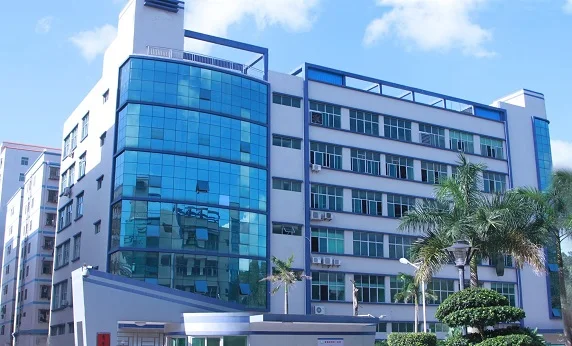
Shenzhen Enjoy Optoelectronics Co., Ltd.
- Manufacturer, Other
- Guangdong, China
- Lead time20 days
- Avg. response≤ 3h
Main productsled strip,camping light,solar light,holiday light,led fitting
Main marketsWestern Europe(50.00%), North America(40.00%), Eastern Europe(5.00%), Oceania(5.00%)

- Verified by SGS
- Combined
- China Guangdong
- Lead time15 days
- Avg. response≤ 2h
Main productsLED Wall Washer Light, LED Floodlight, Outdoor LED Spotlight, LED Inground Light, LED Underwater Light, LED Outline Linear Light, LED Downlight, LED Ceiling Light
Main marketsSoutheast Asia/ Mideast

Shenzhen Chishuo Electronic Technology Co., Ltd.
- Verified by SGS
- Trading Company
- China Guangdong
- Lead time23 days
- Avg. response≤ 2h
Main marketsEast Asia(Japan/ South Korea),Europe,Australia,North America
Guangzhou Geliang Lighting Technology Co., Ltd.
- Manufacturer, Trading Company, Buying Office
- Lead time旺季: "1 - 50":8,"51 - 100":10,"101 - 300":15,"> 300":"To be negotiated", 淡季: "1 - 50":8,"51 - 100":10,"101 - 300":15,"> 300":"To be negotiated"
- Avg. response≤ 2h
Main productskinetic lights,Dynmic and itelligent stages,rotating truss,Stage Lights,LED lighting
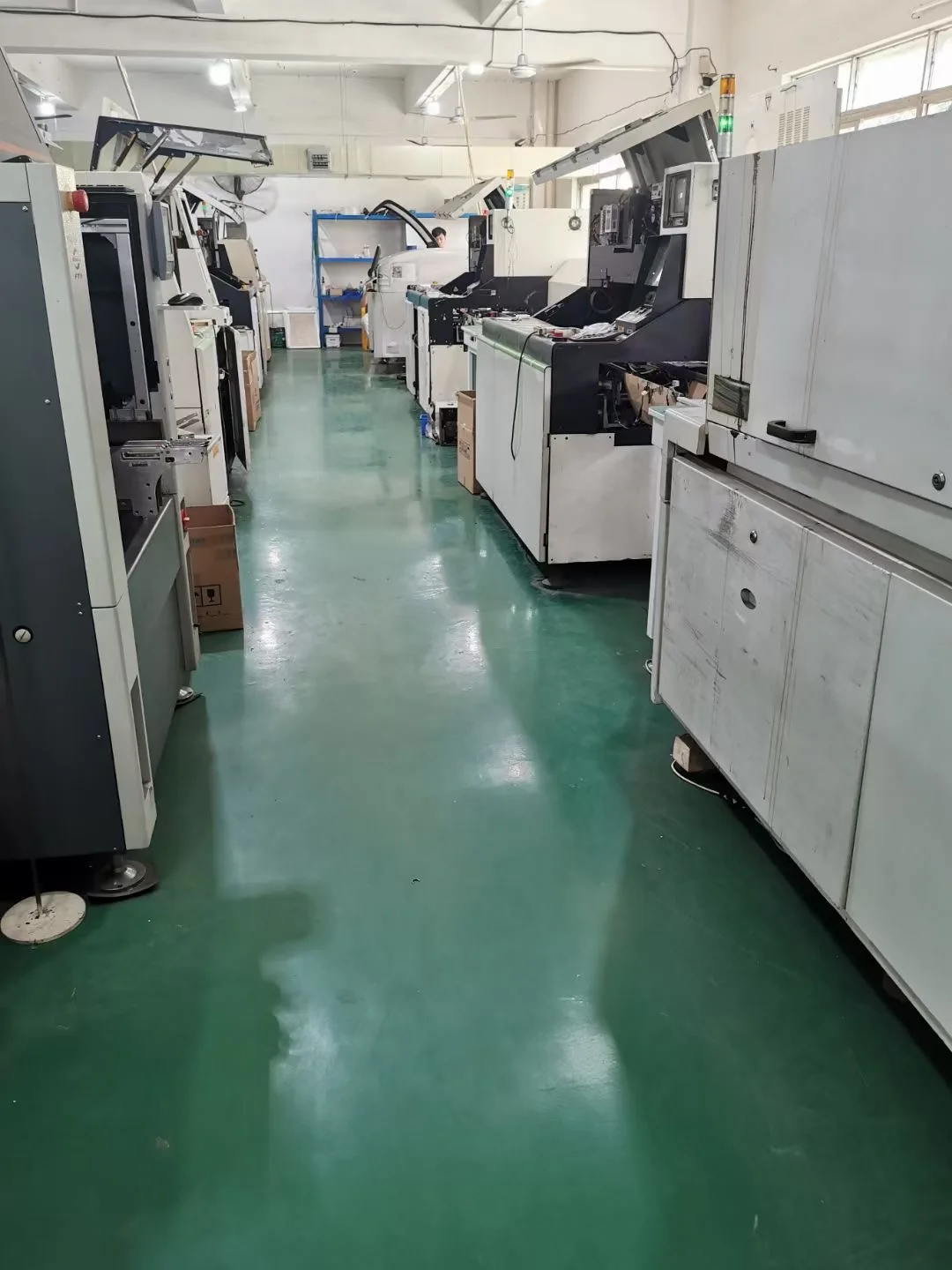
Zhongshan Hedihui Technology Co., Ltd.
- Trading Company
- Guangdong, China
- Lead time5 days
- Avg. response≤ 7h
Main productsneon light,emergency bulb,floodlight,led modules,strip light
Main marketsNorth America(50.00%), Mid East(30.00%), Eastern Asia(20.00%)
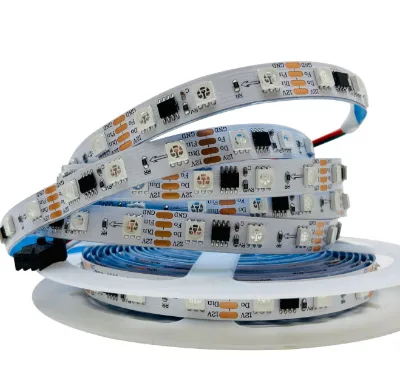






Comprehensive Sourcing Guide
Stage Performance LED Strip Light Supplier Concentration and Factory Types
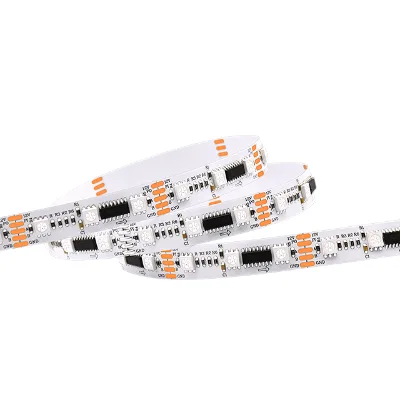
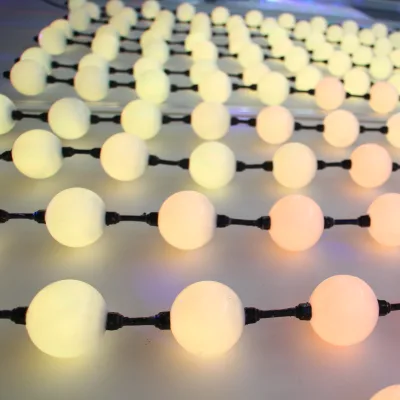
The current supplier landscape for Stage Performance LED Strip Light reveals a mix of manufacturer and trading company entities operating primarily within specific industrial zones. Available data indicates that production facilities are concentrated in Guangdong, China, a region known for its extensive electronics manufacturing ecosystem. This location serves as a primary hub for the assembly of LED pixel bars, stage lights, and related entertainment lighting equipment. Buyers should recognize that while some suppliers operate as pure manufacturers with in-house R&D capabilities, others function as trading companies that aggregate products from various factories. The distinction is critical because manufacturers often provide direct customization services, whereas trading companies may offer broader product ranges but with less control over the production process.
When evaluating the concentration of these suppliers, it is essential to verify the specific nature of the entity before engaging in negotiations. The observed data shows that many suppliers in this sector possess capabilities for sample processing, graphic processing, and customized on-demand production. This suggests a high degree of flexibility in the manufacturing cluster, allowing for tailored solutions for theme parks, nightclubs, and stage performances. However, buyers must not assume that every listed supplier in this region offers the same level of direct factory access. Some entities may be intermediaries, and the presence of a trading company label does not inherently diminish product quality, but it does alter the supply chain dynamics. Understanding whether a supplier is a direct factory or a trading partner is the first step in assessing the reliability of the supply chain for Stage Performance LED Strip Light procurement.
How to Verify Stage Performance LED Strip Light Suppliers
Verification of suppliers in the Stage Performance LED Strip Light sector requires a rigorous examination of third-party credentials and system certifications. The available evidence highlights that certain suppliers have undergone verification by SGS Group, a globally recognized inspection and certification body. This verification status serves as a primary indicator of the supplier's operational legitimacy and adherence to international business standards. Buyers should prioritize suppliers who display such third-party verification badges, as these provide an external validation of the company's existence and business practices. Additionally, the presence of system certifications such as LVD, RoHS, and CE indicates that the supplier's products meet specific safety and environmental requirements, which is crucial for electrical equipment used in public venues.
Beyond third-party verification, buyers must scrutinize the specific certifications listed for the products themselves. The data shows that products often carry certifications like RoHS, EMC, and LVD, which are essential for compliance in various international markets. These certifications ensure that the LED strip lights do not contain hazardous substances and operate within safe electromagnetic limits. It is important to note that not all suppliers may display every certification, and the absence of a specific badge does not automatically imply non-compliance, but it warrants further inquiry. Buyers should request copies of these certificates directly from the supplier to confirm their validity and scope. Furthermore, checking the supplier's response time, which can range from a few hours to several days, offers insight into their operational efficiency and customer service readiness. A supplier with a rapid response time is often better equipped to handle urgent inquiries and complex customization requests.
What to Compare Across Stage Performance LED Strip Light Suppliers
When comparing suppliers for Stage Performance LED Strip Light, buyers should focus on key operational metrics such as lead time, minimum order quantity, and response speed. The observed data indicates that lead times can vary significantly, with some suppliers offering a seven-day turnaround while others may require up to fifteen days. This variation is often influenced by the complexity of the order, the availability of raw materials, and the supplier's current production capacity. Buyers must align their project timelines with these lead times to avoid delays in event preparation. Similarly, the minimum order quantity (MOQ) is a critical factor, with some suppliers setting a threshold of two units, while others may have higher requirements. Understanding these thresholds helps buyers determine the feasibility of small-scale trials versus bulk procurement strategies.
In addition to logistical metrics, buyers should compare the technical specifications and customization capabilities offered by different suppliers. The data reveals that suppliers provide a range of product attributes, including varying IP ratings, power consumption, and control methods such as DMX512 or sound activation. Some suppliers offer advanced lighting solutions services, including Dialux Evo layout and Auto Cad design, which can be vital for complex stage setups. Buyers should evaluate whether a supplier's R&D capacity matches their specific project needs, particularly if custom designs or unique color temperatures are required. Comparing the warranty periods, which can range from two years to longer durations, also provides insight into the supplier's confidence in their product quality. By systematically comparing these dimensions, buyers can identify the supplier that best balances cost, quality, and service for their specific stage performance requirements.
Common Stage Performance LED Strip Light Sourcing Risks
One of the primary risks in sourcing Stage Performance LED Strip Light involves the potential mismatch between product specifications and actual performance expectations. The data shows that products vary widely in attributes such as IP ratings, with some rated IP20 and others IP67, indicating different levels of water and dust resistance. Buyers who fail to verify these specifications against their intended application environment, such as outdoor venues versus indoor stages, risk purchasing equipment that may fail prematurely. Additionally, the control methods and compatibility with existing lighting systems can pose significant challenges. If a supplier's product supports DMX512 but lacks compatibility with a buyer's specific control software, the entire lighting setup may become unusable without costly modifications.
Another significant risk is the variability in supplier reliability and after-sales support. While some suppliers offer comprehensive lighting solutions services, including onsite metering and project installation, others may provide limited support. The absence of clear warranty terms or a defined response time can leave buyers vulnerable to product failures during critical events. Furthermore, the reliance on third-party certifications without direct verification can lead to compliance issues in certain markets. Buyers must ensure that the certifications displayed are current and applicable to their region. The risk of receiving substandard products is also heightened if the supplier's manufacturing process is not transparent. To mitigate these risks, buyers should conduct thorough due diligence, request product samples, and establish clear communication channels to ensure that all expectations are met before finalizing any orders.
Stage Performance LED Strip Light Regional Sourcing and Logistics
Sourcing Stage Performance LED Strip Light from the identified region of Guangdong, China, offers distinct logistical advantages due to the area's well-developed infrastructure and proximity to major shipping ports. The concentration of manufacturers and trading companies in this region facilitates efficient production and distribution, often resulting in shorter lead times compared to sourcing from other global locations. However, buyers must account for the complexities of international shipping, including customs clearance, import duties, and potential delays caused by global supply chain disruptions. The location of the supplier directly impacts the shipping costs and delivery timelines, making it essential to factor these variables into the overall procurement budget.
Logistics planning also involves selecting the appropriate shipping method based on the urgency and volume of the order. For smaller orders, air freight may be the preferred option to ensure rapid delivery, while larger shipments might be more cost-effective via sea freight. Buyers should verify the supplier's experience with international logistics to ensure that packaging and documentation are handled correctly. The data indicates that suppliers often provide detailed product attributes, including weight and dimensions, which are crucial for calculating shipping costs. Additionally, buyers should consider the impact of regional holidays and production cycles on delivery schedules. By understanding the logistical landscape of the Guangdong region, buyers can better manage their expectations and ensure a smooth transition from order placement to product delivery.
Stage Performance LED Strip Light Commercial Terms and Order Planning
Commercial terms for Stage Performance LED Strip Light procurement often include specific pricing structures, payment conditions, and warranty provisions that vary by supplier. The observed data shows price ranges for different product models, with some items priced between $53 and $60, while others range from $119 to $129. These price variations reflect differences in power consumption, features, and build quality. Buyers should carefully review the pricing details to ensure they align with their budget constraints and value expectations. Additionally, the minimum order quantity (MOQ) plays a crucial role in determining the total cost of the order, as higher volumes may qualify for discounted rates. Understanding these commercial terms is essential for effective budget planning and cost management.
Order planning also requires a clear understanding of the supplier's production capacity and lead times to ensure timely delivery. The data indicates that lead times can range from seven to fifteen days, depending on the order complexity and supplier workload. Buyers should plan their orders well in advance to accommodate these timelines and avoid last-minute rushes. Furthermore, the availability of customization services, such as graphic processing and on-demand design, should be factored into the order planning process. Buyers must communicate their specific requirements clearly to the supplier to ensure that the final product meets their expectations. By establishing clear commercial terms and a robust order planning strategy, buyers can minimize risks and ensure a successful procurement experience for their Stage Performance LED Strip Light needs.
FAQs
What is the typical lead time for stage LED strip lights?
Manufacturers typically require 7 to 15 days to process and ship orders. This timeframe allows for sample processing and customized graphic production. Buyers should confirm specific delivery schedules with suppliers before finalizing purchase agreements to ensure project timelines are met.
What certifications are standard for these LED stage lights?
Common certifications include CE, RoHS, LVD, and EMC. These ensure compliance with safety and environmental standards for professional lighting equipment. Buyers should verify specific certification documents with suppliers to confirm that products meet the regulatory requirements of their target market.
What is the minimum order quantity for LED strip lights?
The minimum order quantity is generally two units. This low threshold allows buyers to test product quality before placing larger orders. Suppliers often support customized production on demand, making it feasible to start with small batches for initial project evaluations.
What control methods are available for LED stage strips?
Available control methods include DMX512, sound activation, and master-slave modes. Some models also support voice control and RDM functions. These options provide flexibility for various stage performance setups, allowing precise synchronization with music and other lighting effects during live events.
What is the expected lifespan of these LED stage lights?
The working lifetime is typically 50,000 hours. This duration ensures reliable performance for frequent use in professional environments. Buyers should consider operating temperatures ranging from -30 to 60 degrees Celsius when planning installations to maintain optimal light output and longevity.
What IP ratings are available for outdoor stage lighting?
Indoor models often feature IP20 ratings, while outdoor waterproof options reach IP67. Higher IP ratings protect against dust and water ingress, ensuring durability in harsh environments. Buyers must select the appropriate rating based on whether the installation is indoors or outdoors.
What lighting design services do suppliers offer?
Suppliers provide lighting and circuitry design, along with layout services using Dialux Evo, Litepro, and AutoCAD. These services help visualize the final installation. Buyers can request these solutions to ensure proper integration of LED strips into complex stage designs and architectural projects.