Stain Resistant Foam Floor Cushion Suppliers and Manufacturers
Source 13 verified suppliers for Stain Resistant Foam Floor Cushion products. Compare lead times, MOQs, certifications, and response speeds to identify suitable partners. Contact suppliers directly to request quotes and samples; review the available evidence before requesting comparable quotations from suitable candidates.
Updated
Suppliers List
Dongguan Liangyu Polymer Technology Co., Ltd.
- Verified by TüVRheinland
- Manufacturer, Trading Company
- Lead time20 days
- Avg. response≤ 2h
Main productsEVA Injection Molding Part, EVA Yoga Foam Roller, EVA Knee Pad, EVA Pet Chew Toy, EVA Tablet Case
Main marketsNorth America(35%), Domestic Market(30%), Oceania(10%)
Weifang Baiyi Garments Co., Ltd.
- Verified by TüVRheinland
- Manufacturer, Trading Company
- Lead time5 days
- Avg. response≤ 2h
Main productsSeat Cushions, Knitwear Kids, Knitwear Men, Knitwear Lady, Knitwear Baby
Main marketsNorth America(35%), Eastern Europe(25%), Southern Europe(15%)
Anhui Leadershow Household Industrial Co., Ltd.
- Verified by TüVRheinland
- Manufacturer, Trading Company
- Lead time30 days
- Avg. response≤ 3h
Main productsPillow, Cushion, Bean Bag, Toys Pillow, Yoga Ball Cover
Main marketsEastern Asia(50%), North America(25%), Western Europe(15%)
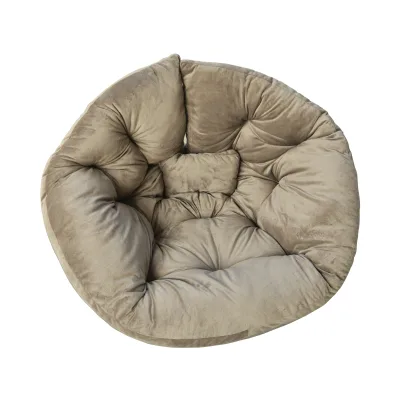
Multifunctional Cushion 2 in 1 Foam Cushion Floor Cushions for Living Room Bean Bag Chair
$12.80 - $19.60
MOQ: 100 pieces
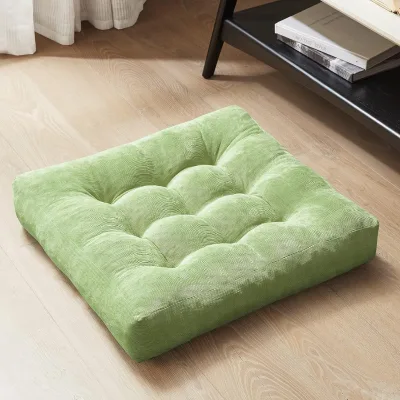
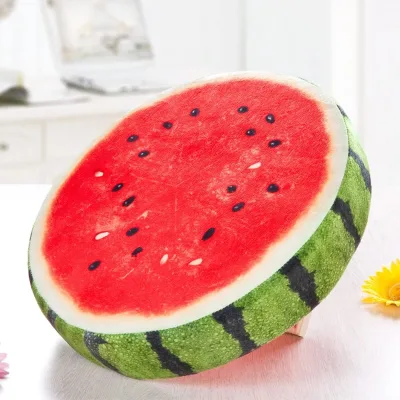
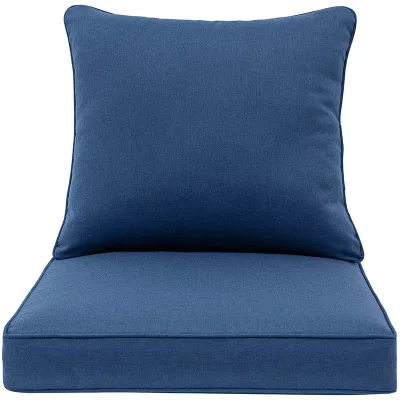

Dongying Jiusheng Trading Co., Ltd
- Combined
- China Shandong
- Lead time15 days
- Avg. response≤ 15h
Main productsFoam Mattress, Mattress, PU Foam, Tri-Fold Mattress, Foam Sofa Bed, Foam Cushion, Custom Sponge Foam, Household Sponge Foam, PU Foam Sheet, PU Foam Block
Main marketsEast Asia(Japan/ South Korea)
NINGBO GENERAL UNION CO., LTD.
- Trading Company
- Zhejiang, China
- Lead time45 days
- Avg. response≤ 14h
Main productsKitchenware; Cookware; Bakeware; Tableware,Storage,Houseware,Stationery,Cleaning Items
Main marketsNorth America(50.00%), Western Europe(40.00%), Oceania(4.00%), Northern Europe(2.00%), Southern Europe(2.00%), Domestic Market(1.00%), Eastern Europe(1.00%)

Ningbo Bull Houseware Co., Ltd.
- Trading Company
- Zhejiang, China
- Lead time0 days
- Avg. response≤ 10h
Main productsPillow,Mattress,Sofa,Seat Cushion,Sponge
Main marketsNorth America(60.00%), Western Europe(30.00%), Eastern Europe(10.00%)
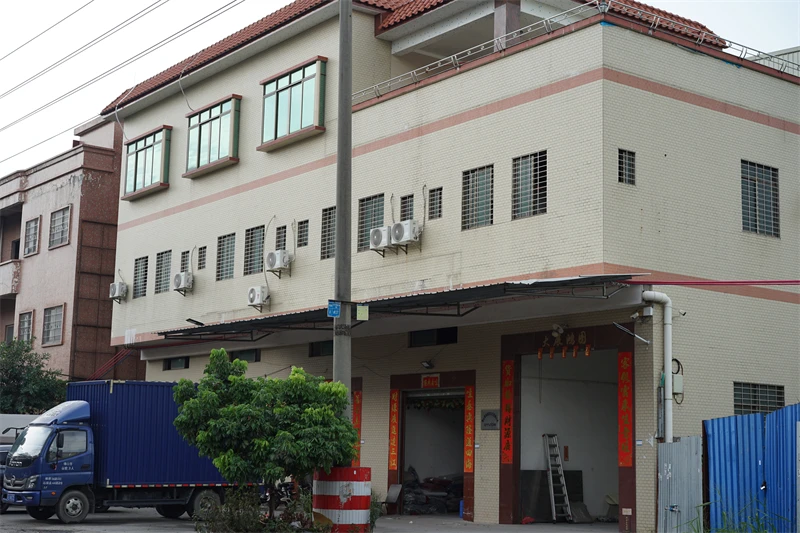
Foshan Aoteweisi Fabric Co., Ltd.
- Manufacturer, Trading Company
- Guangdong, China
- Lead time30 days
- Avg. response≤ 1h
Main productsSeat Cushion, Outdoor cushion, Throw Pillow, Lumbar Pillow, Back Cushion
Main marketsNorth America(45.00%), Oceania(20.00%), Eastern Europe(15.00%), Mid East(10.00%), Western Europe(5.00%), Eastern Asia(5.00%)

Yiwu Jiazhou Import And Export Co., Ltd.
- Manufacturer, Trading Company
- Zhejiang, China
- Lead time7 days
- Avg. response≤ 2h
Main productsMats, Blanket, Towel, Cushion, U-neck Pillow
Main marketsSouth America(30.00%), Western Europe(15.00%), Southeast Asia(15.00%), Mid East(10.00%), North America(5.00%), Southern Europe(5.00%), Eastern Asia(5.00%), Northern Europe(5.00%), Africa(5.00%), Eastern Europe(5.00%)
Shenzhen Hengmingjia Sponge Product Co., Ltd.
- Manufacturer
- Guangdong, China
- Lead time20 days
- Avg. response≤ 7h
Main productsPU Polyurethane foam,memory pillow,seat cushion,car seat,EVA lining
Main marketsDomestic Market(60.00%), Southeast Asia(15.00%), North America(15.00%), Eastern Europe(5.00%), Africa(5.00%)
Hangzhou Huayu Zhongwei Technology Co., Ltd.
- Trading Company
- Zhejiang, China
- Lead time20 days
- Avg. response≤ 17h
Main productsMat,Bedding Set,Blanket,Quilts,Bedding Products
Main marketsDomestic Market(39.00%), North America(30.00%), Western Europe(20.00%), South Asia(1.00%), Southern Europe(1.00%), Northern Europe(1.00%), Central America(1.00%), Eastern Europe(1.00%), Eastern Asia(1.00%), Mid East(1.00%), Oceania(1.00%), South America(1.00%), Africa(1.00%), Southeast Asia(1.00%)

Shandong Haosong New Material Technology Co., Ltd.
- Verified by BV
- Combined
- China Shandong
- Lead time30 days
- Avg. response≤ 4h
Main productsPolyurethane Foam, Car Seat, PU Foam, PU Armrest
Main marketsDomestic

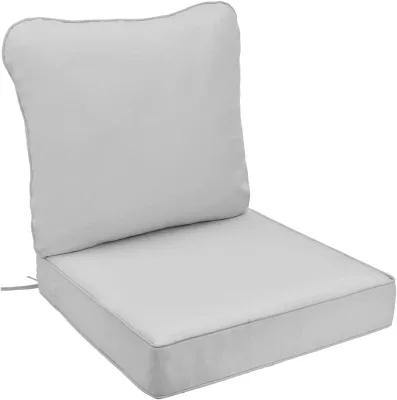
Manufacturers Customized Waterproof Outdoor Cushion High Density Foam Pad
$32.00 - $39.00
MOQ: 50 Pieces

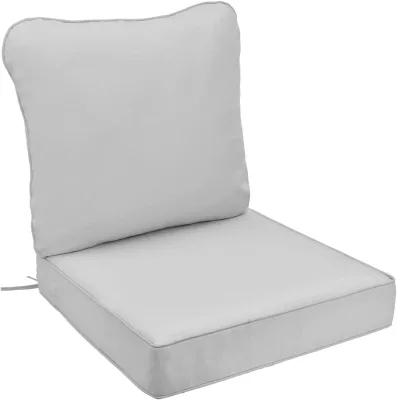
Customizable Chair Cushions Home Waterproof Seat Foam Various Sizes Colors Modern
$20.00 - $27.00
MOQ: 50 Pieces

Hangzhou Yuhang Mingjing Textile Co., Ltd
- Verified by SGS
- Combined
- China Zhejiang
- Lead time30 days
- Avg. response≤ 16h
Main productsoutdoor fabric
Main marketsDomestic

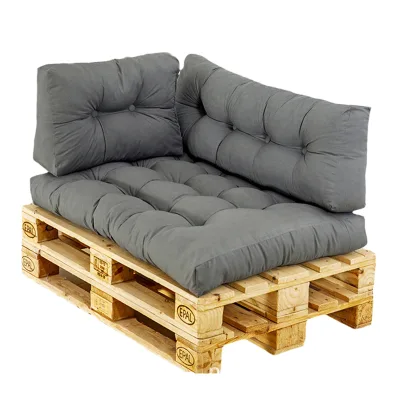
Sofa Cushion Waterproof Sofa Cushionwaterproof Foam Seat Corner Outdoor Cushion
$16.00 - $18.00
MOQ: 100 Sets

Dongguan Zhijie Industrial Co., Ltd.
- Manufacturer, Trading Company
- Guangdong, China
- Lead time40 days
- Avg. response≤ 24h
Main productsOutdoor&Indoor furniture Cover,Firepit Cover,Patio Cover,BBQ Grill Cover,Gas Built-in Grill Cover
Main marketsNorth America(55.00%), Eastern Europe(15.00%), Domestic Market(10.00%), Northern Europe(10.00%), Oceania(5.00%), South America(5.00%)
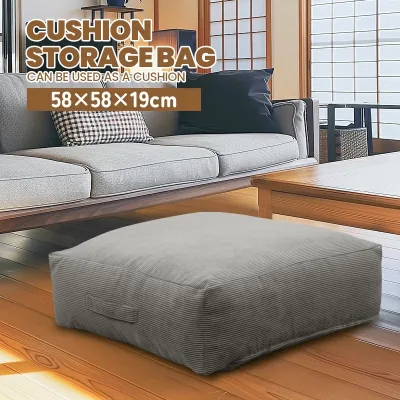
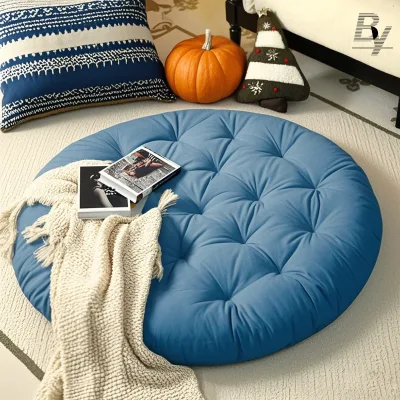
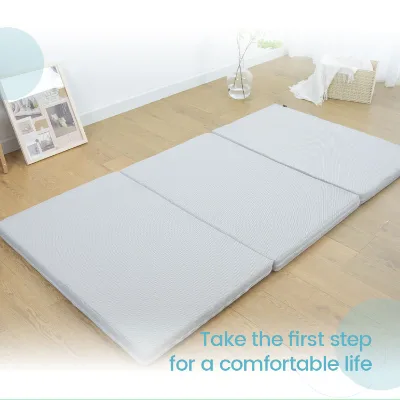
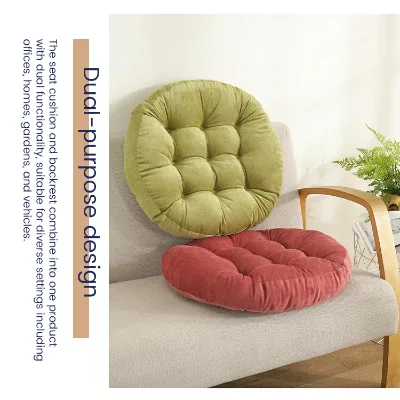


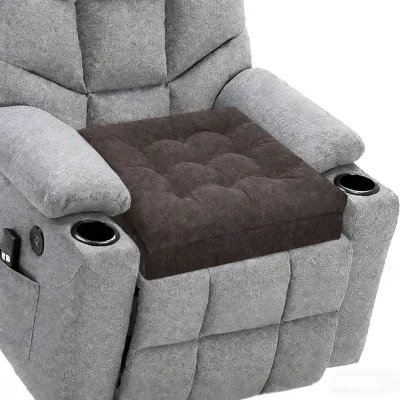
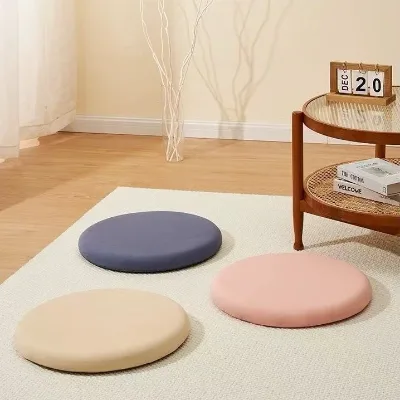
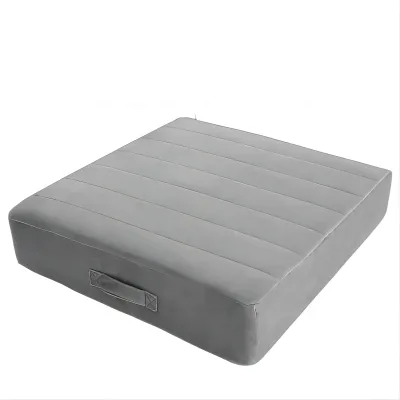
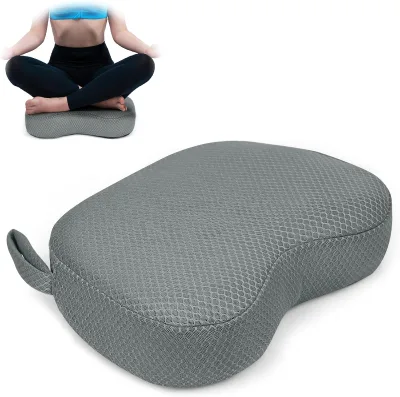
Comprehensive Sourcing Guide
Stain Resistant Foam Floor Cushion Supplier Concentration and Factory Types
The current supplier landscape for stain resistant foam floor cushions reveals a mix of manufacturing entities and trading companies operating within the broader fabrication services sector. Evidence indicates that primary production capabilities include EVA injection molding, graphic processing, and customized on-demand sample processing. These facilities are often structured to handle specific product attributes such as waterproofing, non-slip surfaces, and soft comfort features required for floor seating applications. The presence of both manufacturers and trading companies suggests a tiered supply chain where some entities manage the physical molding and assembly while others handle distribution and client liaison.
When evaluating the concentration of these suppliers, buyers should note that specific production clusters are not explicitly defined in the available data beyond general regional indicators like Guangdong and Shandong. Consequently, identifying a manufacturing cluster requires direct inquiry into the supplier's physical address and facility capabilities rather than relying on assumed geographic hubs. The main products listed include various EVA injection molding parts, yoga foam rollers, and specialized cushions, indicating that many suppliers possess diversified production lines capable of adapting to different foam-based flooring needs. This diversity allows for flexibility in sourcing but necessitates careful verification of whether a specific factory has dedicated lines for stain-resistant foam products or if such items are secondary to their primary output.
How to Verify Stain Resistant Foam Floor Cushion Suppliers
Verification of supplier credibility relies heavily on third-party audit results and system certifications rather than self-reported claims. Available data points to specific verification bodies such as TüVRheinland, which serves as a concrete indicator of a supplier's operational compliance and quality management systems. Buyers should prioritize suppliers displaying these external validations to ensure that the manufacturing processes meet international safety and quality standards. Additionally, system certifications like ISO 9001, IATF 16949, and RoHS provide a framework for assessing the supplier's commitment to consistent quality control and environmental compliance, which are critical for products intended for home and commercial use.
Beyond certifications, the response time of a supplier offers a practical metric for assessing their operational readiness and communication efficiency. The observed response time of two days suggests a baseline for how quickly a potential partner can engage with inquiries, though this may vary based on the complexity of the request. Buyers should verify if this response window is consistent across different communication channels and if it aligns with their project timelines. Furthermore, checking the supplier's ability to provide detailed product attributes, such as specific material compositions and functional features like stain resistance, is essential. A supplier that can immediately articulate technical details regarding their foam density, fabric treatments, and manufacturing techniques demonstrates a higher level of transparency and operational maturity.
What to Compare Across Stain Resistant Foam Floor Cushion Suppliers
Comparing suppliers requires a structured analysis of key operational dimensions including minimum order quantities, lead times, and pricing structures. The data indicates that minimum order quantities for customized foam cushions can range significantly, with some listings specifying 500 pieces while others may have different thresholds based on the complexity of the design. Buyers must evaluate whether these MOQs align with their inventory requirements and budget constraints, as lower quantities might incur higher per-unit costs or require special handling. Lead times also vary, with some suppliers indicating a production window of five days and others suggesting twenty days, a difference that can critically impact supply chain planning and delivery schedules.
Pricing and payment terms represent another critical comparison point that varies across the supplier base. Current evidence shows price points ranging from approximately 2.90 to 17.67 per unit, depending on the specific product configuration, material quality, and customization level. Payment terms are frequently listed as T/T, which is a standard method but requires buyers to understand the associated risks and deposit requirements. When comparing suppliers, it is vital to look beyond the base price and consider the total cost of ownership, including shipping, packaging, and any additional fees for custom logos or designs. Suppliers offering OEM services and customizable colors provide greater flexibility, but buyers must ensure that these value-added services do not compromise the core functionality or durability of the stain-resistant foam product.
Common Stain Resistant Foam Floor Cushion Sourcing Risks
One significant risk in sourcing these products involves the potential discrepancy between claimed material properties and actual performance. While suppliers list attributes such as waterproofing, stain resistance, and non-slip features, these claims must be validated through independent testing or sample evaluation. The reliance on terms like "EVA Foam" or "Technology Cloth" without specific test reports can lead to products that fail to meet the expected durability standards in high-traffic environments. Buyers should request detailed material specifications and evidence of performance testing to mitigate the risk of receiving goods that do not perform as advertised, particularly regarding the longevity of the stain-resistant coating.
Another risk pertains to the consistency of production quality and the ability to scale orders without compromising standards. The variation in lead times and the presence of both manufacturers and trading companies can introduce complexity in managing quality control across different batches. If a supplier relies on multiple sub-contractors or lacks a dedicated production line for specific cushion types, there is a higher probability of inconsistency in product dimensions, density, and finish. Additionally, the customization aspect, while desirable, introduces risks related to design errors or miscommunication regarding color and size specifications. Buyers must establish clear communication protocols and quality assurance checkpoints to ensure that the final delivered product matches the approved samples and design requirements.
Stain Resistant Foam Floor Cushion Regional Sourcing and Logistics
Regional sourcing strategies should focus on understanding the logistical implications of the supplier's location, as this directly impacts shipping costs and delivery timelines. Available data indicates that products originate from regions such as Guangdong and Shandong in China, which are known manufacturing hubs but may have varying port access and infrastructure capabilities. Buyers should verify the specific port of loading and the typical transit times from these regions to their destination to accurately forecast delivery schedules. The single package sizes and weights provided, such as 40x35x3 cm or 30x30x15 cm, are critical for calculating freight costs and optimizing container utilization, which can significantly affect the overall landed cost of the order.
Logistics planning also involves assessing the packaging standards and handling requirements for foam-based products. The evidence shows packaging methods like poly-bags and specific gross weights, which influence how the goods are stacked and secured during transit. Buyers must ensure that the packaging is robust enough to prevent compression damage or deformation of the foam cushions during long-distance shipping. Furthermore, understanding the customs regulations and import duties associated with the specific region of origin is essential for accurate cost modeling. Suppliers located in different provinces may have varying export procedures and documentation requirements, so buyers should confirm that the supplier has the necessary experience and resources to handle international logistics smoothly and efficiently.
Stain Resistant Foam Floor Cushion Commercial Terms and Order Planning
Commercial terms and order planning require a meticulous review of payment structures, delivery schedules, and contractual obligations to ensure a smooth transaction. The standard payment term observed is T/T, which typically involves an initial deposit followed by a balance payment before shipment. Buyers should negotiate clear milestones for these payments to protect their financial interests and ensure that production progress is tied to payment releases. Additionally, understanding the lead time variations, which range from five to twenty days, is crucial for effective inventory management and demand forecasting. Buyers must align their order placement dates with these lead times to avoid stockouts or overstocking situations.
Order planning also involves defining the scope of customization and the associated costs to prevent scope creep and budget overruns. The ability to accept custom logos, colors, and sizes is a common feature, but each customization adds complexity to the production process and may extend the lead time. Buyers should clearly specify all design requirements in the initial order to avoid delays caused by back-and-forth communication. Furthermore, establishing a clear protocol for handling defects, returns, and quality disputes is essential for maintaining a healthy business relationship. By carefully planning the commercial terms and defining the customization parameters upfront, buyers can streamline the procurement process and ensure that the final product meets their specific operational and aesthetic requirements.
FAQs
What is the typical lead time for custom foam cushions?
Manufacturers generally require 20 days for standard production runs, though some suppliers offer expedited 5-day turnaround times for urgent orders. Buyers should confirm specific timelines with the supplier before finalizing contracts to ensure delivery aligns with project schedules and inventory needs.
What is the minimum order quantity for these products?
The standard minimum order quantity is typically 500 pieces for customized EVA foam cushions. Some suppliers may accept lower quantities, such as 20 pieces, for specific fabric or quilted items. Buyers must verify the exact MOQ with the chosen supplier to avoid order rejection.
Are these cushions certified for safety and quality?
Many suppliers hold ISO 9001, IATF 16949, and RoHS certifications, ensuring compliance with international quality and environmental standards. Additionally, some manufacturers undergo TüV Rheinland verification. Buyers should request valid certificates to confirm that the products meet specific regulatory requirements for their target markets.
What payment terms are commonly accepted?
The most common payment term is T/T, or Telegraphic Transfer. Buyers should confirm the exact payment structure, including deposit percentages and balance due dates, directly with the supplier. Using secure payment methods or escrow services is recommended to protect transactions and ensure order fulfillment.
Can I customize the size and logo on the cushion?
Yes, most suppliers offer fully customized sizes and accept custom logos. Products are often made from EVA foam or cotton with quilted techniques. Buyers can specify dimensions, colors, and branding details. Confirming customization options and associated costs with the supplier ensures the final product matches design requirements.
What is the price range for foam floor cushions?
Prices vary based on material and customization, ranging from approximately $2.90 to $17.67 per unit. Basic EVA foam pads start at lower price points, while premium quilted or extra-large floor mats cost more. Buyers should request detailed quotes to understand pricing based on quantity and specifications.