Stainless Steel Stair Railing Post Suppliers and Manufacturers
Compare 16 verified Stainless Steel Stair Railing Post suppliers in China based on location, lead times, certifications, and pricing. Review product specifications like material grades and MOQs, then request quotes directly from factories offering OEM services; review the available evidence before requesting comparable quotations from suitable candidates.
Suppliers List

Ningbo Unikim Metal Products Co., Limited
- Trading Company,Manufacturer/Factory
- China Zhejiang
- Lead time30 days
- Avg. response≤ 9h
Main productsGlass Railing, Stainless Steel Railing, Stainless Steel Handrail, Stainless Steel Balustrade, Glass Railings, Aluminun System, Canopy System, Cable Railings, Stair Railings, Glass Balustrade
Main marketsSouth America,Eastern Europe,Mid East,North America,Southeast Asia,Eastern Asia,Oceania,Western Europe,Africa

QingDao Tome International Co., Ltd.
- Trading Company,Manufacturer/Factory
- China Shandong
- Lead time45 days
- Avg. response≤ 5h
Main productsHandrail, Balustrade, Railing, Rigging, Glass Standoff, Handrail Fittings, Stainless Steel Handrail, Inox Railing, Rigging Hardware, Inox Baluster
Main marketsSouth America,Eastern Europe,Mid East,North America,Southeast Asia,Eastern Asia,Oceania,Western Europe,Africa

Guangdong Zoyue Technology Co., Ltd.
- Verified by CTI
- Combined
- China Guangdong
- Lead time15 days
- Avg. response≤ 1h
Main marketsSoutheast Asia/ Mideast,Domestic,Australia,North America

Modern Stainless Steel Glass Railing Balustrade Post for Stair Handrail Fencing Systems
$5.00 - $10.00
Moq: 100


Ningbo Willest International Trading Co., Ltd.
- Verified by SGS
- Trading Company
- China Zhejiang
- Lead time105 days
- Avg. response≤ 6h
Main productsGlass Railing, Aluminum Glass Handrails, Stair Railing, Glass Clamp, Deck Railing, Interior Handrails, Kitchen Plinth, Portable Inverter Generator, Gasoline Generator, Skirting Board
Main marketsSouth America,Eastern Europe,Mid East,North America,Southeast Asia,Eastern Asia,Oceania,Africa


Stainless Steel Glass Balustrade Post Glass Railing Steel Post Balcony Post System
$25.00 - $29.00
Moq: 100


Foshan Holyhome Decoration Material Co., Ltd.
- Manufacturer/Factory
- China Guangdong
- Lead time23 days
- Avg. response≤ 1h
Main productsKitchen Cabinet Wardrobe, Ss Handrail Stair Balutrade Handrail Fitting, Aluminum Window and Door, Sanitaryware Products and So on
Main marketsSouth America,Eastern Europe,Mid East,North America,Southeast Asia,Eastern Asia,Oceania,Western Europe,Africa

Shenzhen Prima Industry Co., Ltd.
- Manufacturer/Factory
- China Guangdong
- Lead time45 days
- Avg. response≤ 6h
Main productsStaircase, Railing, Kitchen, Wardrobe, Building Glass, Movable Partition, Shower, Window&Door, Tiles&Flooring, Bathroom Accessories
Main marketsSouth America,Eastern Europe,Mid East,North America,Southeast Asia,Eastern Asia,Oceania,Western Europe,Africa


Stainless Steel Stair Railing System Glass Balustrade Post for Staircase Balcony Deck
$1000.00 - $3000.00
Moq: 1


Shenzhen Ace Architectural Products Co., Limited
- Trading Company,Manufacturer/Factory
- China Guangdong
- Lead time23 days
- Avg. response≤ 11h
Main productsStaircase, Railing, Balustrade, Stainless Steel Balustrade, Stainless Steel Wire Balustrade, Stainless Steel Glass Balustrade, Glass Balustrade, Aluminum U Base Channel Glass Balustrade, Aluminum Balustrade, Aluminium Glass Balustrade
Main marketsSouth America,Eastern Europe,Mid East,North America,Southeast Asia,Eastern Asia,Oceania,Western Europe,Africa

Ablinox (Guangdong) Precision Metal Technology Co., Ltd.
- Verified by CTI
- Combined
- China Guangdong
- Lead time30 days
- Avg. response≤ 5h
Main productsStainless Steel Handrail, Investment Casting, Staircase & Stair Railing, Handrail Fittings & Accessories, Inox Valve and Pump Machined Parts Supplier, Meat Grinder Components Manufacturer, Marine Fittings, Bathroom Hinge, Tactile Indicator
Main marketsSouth America,Africa,Southeast Asia/ Mideast,Domestic,Europe,Australia,North America

- Trading Company,Manufacturer/Factory
- China Guangdong
- Lead time23 days
- Avg. response≤ 7h
Main productsAluminum Ceiling, Metal Ceiling, Aluminum Solid Panel, Aluminum Wall Cladings, Aluminum Curtain Wall, Honeycomb Ceilings and Panels, Aluminum Access Panel, Aluminum Sun Louvers, Light Grilles and Fixtures, Solid Panel and Facades Series
Main marketsSouth America,Eastern Europe,Mid East,North America,Southeast Asia,Oceania,Western Europe,Africa

High Quality Balcony Post Balustrades Handrails Stainless Steel Stair Glass Railing
$42.50 - $60.50
Moq: 10

Simple Design Modern Balcony Post Balustrades Handrails Stainless Steel Railing
$95.25 - $136.00
Moq: 10

Huize Inox&Handrails Fabrications Co., Limited
- Verified by BV
- Trading Company
- China Shandong
- Lead time15 days
- Avg. response≤ 4h
Main productsStainless Steel Glass Railing Spigot, Swimming Pool Fencing Glass Spigot, Balustrade Handrail Bracket, Tempered Glass, Stainless Steel Standoff Pin, Glass Mosaic Ceramic Mosaic, Stainless Steel Railing Components, CNC Machinery Parts, Glass Door Handles, Hinge&Latch for Swimming Pool Gate
Main marketsAfrica,Australia

QINGDAO RAISING INOX CO., LTD.
- Verified by BV
- Manufacturer/Factory
- China Shandong
- Lead time45 days
- Avg. response≤ 5h
Main productsBalustrade, Railing, Handrail, Glass Clamp, Handrail Fittings, Glass Balustrade, Aluminium Glass Railing, Aluminium Glass Balustrade, Aluminium Channel
Main marketsSouth America,Eastern Europe,Mid East,North America,Southeast Asia,Eastern Asia,Western Europe,Africa

ABLinox (Guangdong) Precision Metal Technology Co., Ltd.
- Verified by TUVRHEINLAND
- Combined
- China Guangdong
- Lead time23 days
- Avg. response≤ 5h
Main productsHandrail, Handrail Fittings, Stainless Steel Balustrade, Glass Clamp, Stainless Steel Spigot, Stair Handrail, Stainless Steel Railings, Stainless Steel Handrail Fittings, Handrail Bracket, Baluster
Main marketsDomestic

Hebei Langduo Trading Co., Ltd.
- Verified by SGS
- Trading Company
- China Hebei
- Lead time30 days
- Avg. response≤ 2h
Main productsIron Balusters, Iron Spindles, Baluster Shoes, Baluster Base Shoes, Handrail Brackets, Metal Stair Parts, Wrought Iron Products
Main marketsSoutheast Asia/ Mideast,Europe,North America
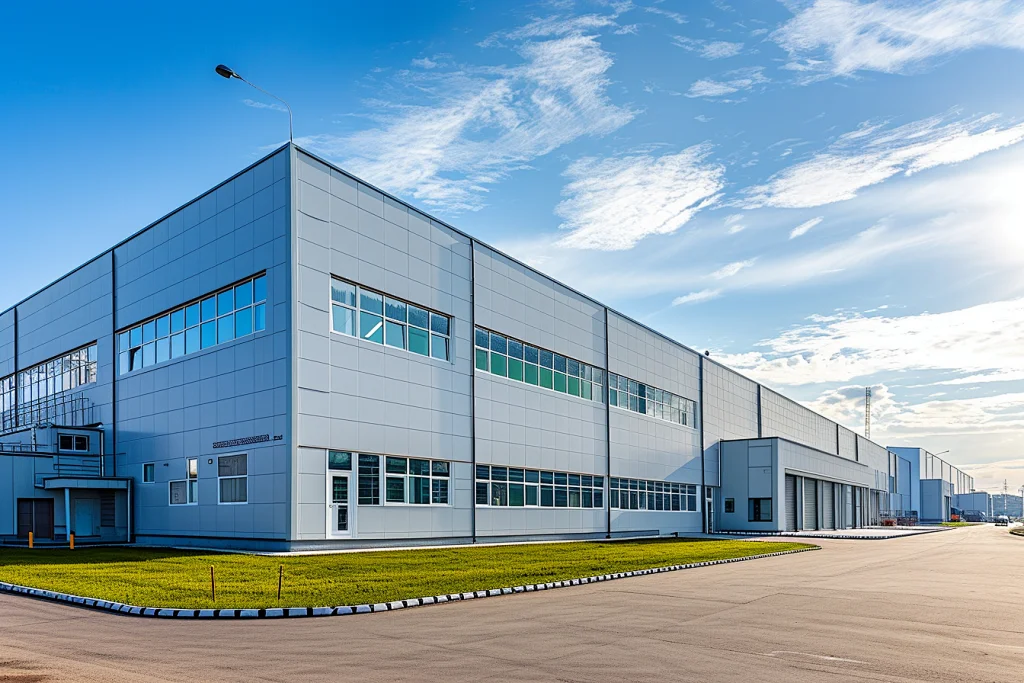
Taizhou Panyue Metal Products Co., Ltd.
- Manufacturer, Trading Company
- Jiangshu, China
- Lead time10 days
- Avg. response≤ 1h
Main productsRailing,Staircase column,Stair handrail,Glass clamp,Curtain wall accessories
Main marketsDomestic Market(35.0%), North America(5.0%), South Asia(5.0%), Southern Europe(5.0%), Northern Europe(5.0%), Central America(5.0%), Western Europe(5.0%), Eastern Asia(5.0%), Mid East(5.0%), Oceania(5.0%), Africa(5.0%), Southeast Asia(5.0%), Eastern Europe(5.0%), South America(5.0%)
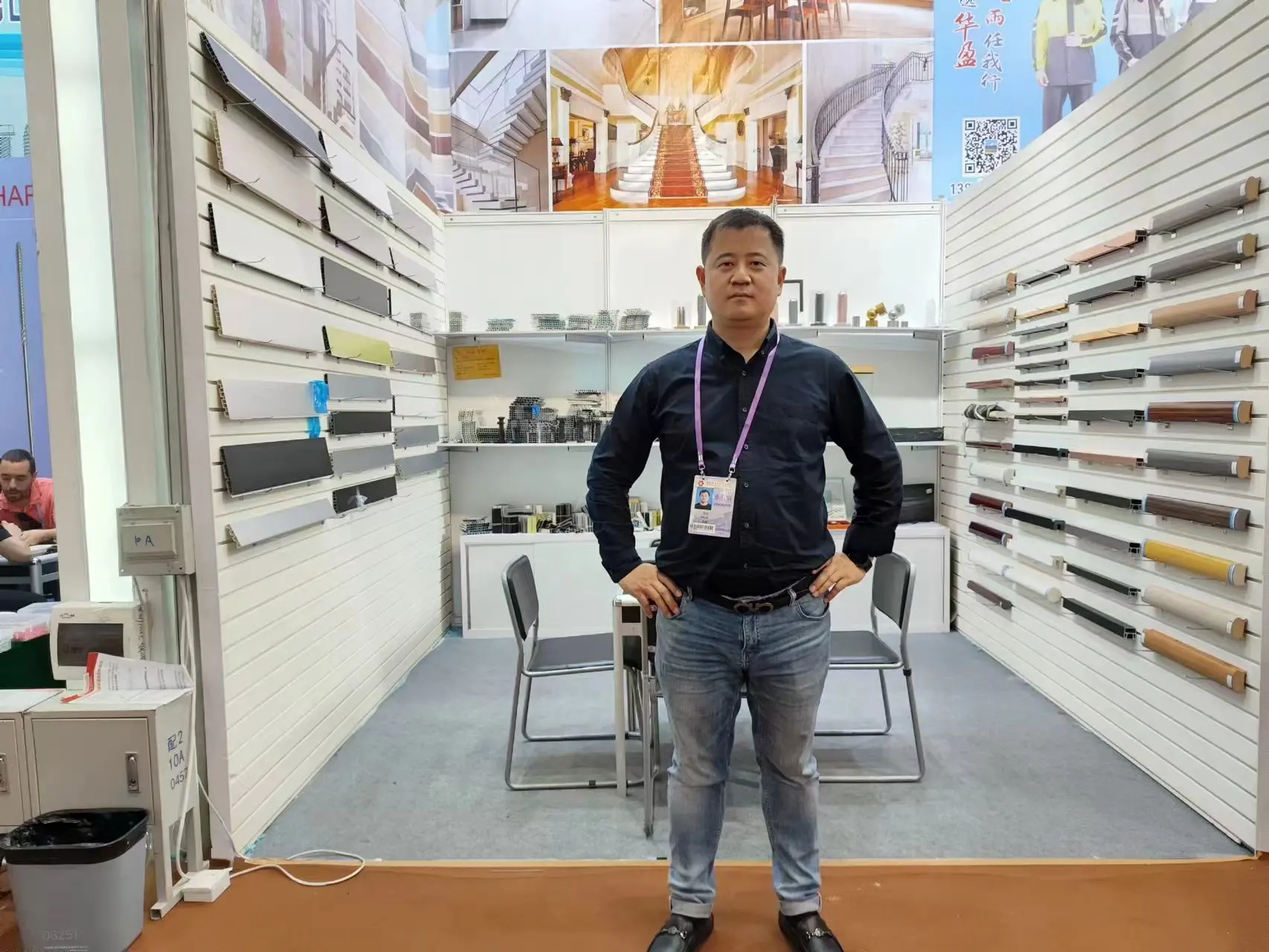
Ningbo Willest International Trading Co., Ltd.
- Manufacturer, Trading Company
- Zhejiang, China
- Lead time25 days
- Avg. response≤ 2h
Main productsStair Railing, Glass Spigot, PVC Handrail, Stair U Channel, PVC Plinth
Main marketsMid East(18.0%), Southeast Asia(16.0%), Central America(15.0%), North America(12.0%), Africa(8.0%), Eastern Asia(6.0%), South America(6.0%), Western Europe(6.0%), Eastern Europe(4.0%), Oceania(3.0%), South Asia(2.0%), Southern Europe(2.0%), Northern Europe(2.0%)

Wayne (Hangzhou) Building Materials Co., Ltd.
- Verified by TUVRHEINLAND
- Trading Company
- China Zhejiang
- Lead time15 days
- Avg. response≤ 4h
Main productsSmart Film, Smart Glass, Aluminum Window, Aluminum Door, Pergola, PVC Door, Glass Partition, Curtain Wall Hardware, Door Control Hardware, Glass
Main marketsSouth America,Africa,Southeast Asia/ Mideast,Europe,Australia


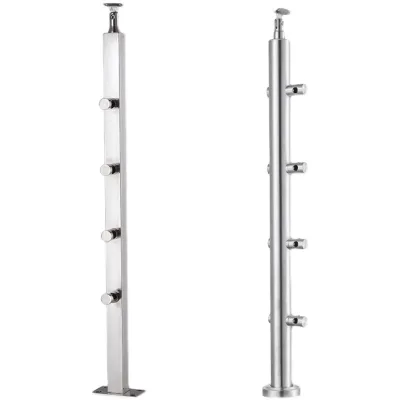
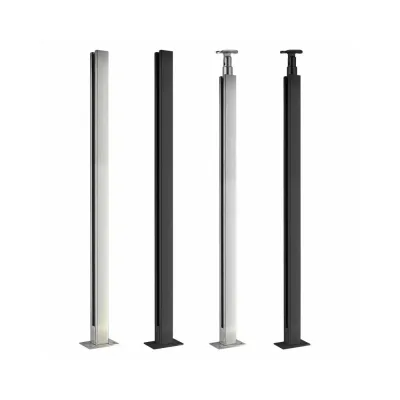


Comprehensive Sourcing Guide
Stainless Steel Stair Railing Post Supplier Concentration and Factory Types
The current supplier landscape for stainless steel stair railing posts reveals a distinct geographic concentration in China, with active manufacturing and trading entities located in Zhejiang, Shandong, and Guangdong provinces. These regions serve as primary hubs for the production of construction hardware, including the specific components required for balustrade and handrail systems. Buyers evaluating potential partners should note that the available supplier base includes a mix of trading companies, manufacturers, and factories, each offering different advantages in terms of direct pricing versus logistical coordination. The presence of combined supplier types in Guangdong suggests a dynamic market where integrated services may be available, potentially streamlining the procurement process for international buyers who require both manufacturing capabilities and export handling. Understanding this regional distribution is crucial for assessing the reliability of supply chains and the proximity of raw material sources, such as stainless steel coils, which are abundant in these industrial clusters.
In terms of corporate structure, the results indicate that many suppliers operate as either trading companies or manufacturer/factories, with some entities identifying as combined operations. This diversity allows buyers to choose between direct factory engagement, which may offer better control over production quality and customization, or trading companies that might provide broader product assortments and simplified communication. The existence of own brands like UNIKIM and TOME among the manufacturer results suggests that some factories have established their own market identities, which can be a proxy for their commitment to quality and brand reputation. Buyers should verify whether a supplier is a pure trader or a manufacturer with OEM/ODM capabilities, as this distinction impacts lead times, minimum order quantities, and the flexibility to customize products to specific project requirements. The concentration of these entity types in specific provinces helps buyers narrow down their search to regions with established industrial ecosystems for stainless steel fabrication.
How to Verify Stainless Steel Stair Railing Post Suppliers
Verifying the legitimacy and capability of Stainless Steel Stair Railing Post suppliers requires a multi-layered approach that goes beyond basic profile reviews. Buyers should prioritize suppliers who display specific verification badges, such as CTI verification, which indicates that a third-party inspection company has validated the supplier’s business credentials and operational status. This level of verification provides a higher degree of confidence compared to unverified profiles, reducing the risk of engaging with fraudulent entities. Additionally, checking for system certifications like ISO 9001 or ISO 9000 is essential, as these standards demonstrate that the supplier has implemented a quality management system for their manufacturing processes. While ISO 9001 is explicitly mentioned in the results, buyers should request current certificates and verify their validity through the issuing body to ensure ongoing compliance. This step is particularly important for suppliers claiming to produce high-quality stainless steel components that must meet strict structural and safety standards.
Beyond certifications, buyers should assess the supplier’s response time and production capacity as indicators of their operational efficiency and reliability. A rapid response time, such as the 0.12 hours observed in some Guangdong-based suppliers, suggests a dedicated sales team that can quickly address inquiries and provide quotations, which is critical for time-sensitive construction projects. Conversely, suppliers with longer response times may indicate a less agile operation or a high volume of inquiries that could delay communication. Buyers should also inquire about the supplier’s ability to provide product-specific certifications, such as CE or SGS, which are mentioned in product attributes for certain railing posts. These certifications validate that the materials and manufacturing processes meet international safety and quality benchmarks. Requesting sample products and conducting independent material testing, such as verifying the grade of stainless steel (e.g., AISI304, AISI316), is another crucial verification step to ensure the physical products match the supplier’s claims.
What to Compare Across Stainless Steel Stair Railing Post Suppliers
When evaluating multiple suppliers for stainless steel stair railing posts, buyers must compare key operational metrics to determine the best fit for their specific project needs. Lead time is a critical factor, with observed ranges varying significantly from 15 days to 45 days depending on the supplier’s location and production schedule. Suppliers in Guangdong, for instance, have demonstrated shorter lead times, which may be advantageous for urgent orders, while those in Shandong or Zhejiang might have longer production cycles. Buyers should also compare minimum order quantities (MOQ), which are listed as 100 pieces for certain products, to ensure alignment with their project volume. Smaller MOQs offer flexibility for smaller projects or testing phases, while larger orders may unlock better pricing tiers. Additionally, comparing the range of main products offered by each supplier can help identify those with comprehensive capabilities, such as those providing not just posts but also handrails, balustrades, and glass fittings, which can simplify the sourcing process.
Price and customization options are another vital area of comparison, as costs can vary based on material grade, surface finish, and design complexity. The price range for stainless steel railing posts spans from approximately $6.90 to $29.00 per unit, reflecting differences in material specifications like AISI304 versus AISI316, and finishes such as satin or mirror. Buyers should request detailed quotations that break down costs by material, labor, and packaging to understand the value proposition of each supplier. Customization capabilities, including OEM and ODM services, should also be compared, as some suppliers offer extensive customization for styles, dimensions, and functions like non-slip features. The ability to produce custom models, such as those with specific standard dimensions (e.g., 33.7mm, 48.3mm), is crucial for projects with unique architectural requirements. By systematically comparing these factors, buyers can identify suppliers that offer the best balance of cost, quality, and service for their Stainless Steel Stair Railing Post needs.
Common Stainless Steel Stair Railing Post Sourcing Risks
One of the primary risks in sourcing stainless steel stair railing posts is the potential discrepancy between the specified material grade and the actual product delivered. Suppliers may claim to use high-grade stainless steel like AISI316 for corrosion resistance, but deliver lower-grade materials such as AISI201 or non-certified AISI304, which can compromise the durability and safety of the installation. This risk is particularly prevalent in markets with less stringent quality control, making it essential for buyers to insist on material certificates and conduct independent testing upon receipt. Another significant risk involves the inconsistency of product dimensions and finishes, which can lead to installation difficulties and aesthetic mismatches. Even with OEM/ODM capabilities, variations in manufacturing tolerances can result in posts that do not fit standard fittings or glass panels, causing project delays and additional costs. Buyers should request detailed technical drawings and samples to verify that the products meet their exact specifications before committing to large orders.
Packaging and logistics risks are also common, as stainless steel components are susceptible to damage during transit if not properly protected. Inadequate packaging, such as the absence of PP plates, weaving bags, or paper tubes, can lead to scratches, dents, or corrosion during shipping, especially for mirror-finished surfaces. Buyers should verify the supplier’s packaging standards and ensure that they include robust protection measures to maintain product quality. Additionally, there is a risk of communication breakdowns regarding customization details, which can result in orders that do not meet the buyer’s expectations. Misunderstandings about styles, functions, or certification requirements can lead to rejected shipments and financial losses. To mitigate these risks, buyers should establish clear communication channels, provide detailed specifications in writing, and consider using escrow services or third-party inspections to ensure that the final products match the agreed-upon terms. Regular follow-ups and milestone checks can also help identify and address issues early in the production process.
Stainless Steel Stair Railing Post Regional Sourcing and Logistics
Sourcing stainless steel stair railing posts from different regions in China offers distinct logistical advantages and challenges that buyers must consider. Suppliers in Zhejiang and Shandong provinces are well-established in the manufacturing of construction hardware, with Ningbo in Zhejiang being a notable origin point for many products. These regions benefit from mature supply chains and proximity to major ports, facilitating efficient export logistics. However, lead times can vary, with some suppliers reporting up to 45 days for production, which buyers must factor into their project schedules. In contrast, suppliers in Guangdong province, particularly those with combined supplier types, have demonstrated faster response times and shorter lead times, such as 15 days, which can be crucial for time-sensitive projects. Buyers should evaluate the trade-off between lead time and cost, as faster production may come at a premium, while longer lead times might offer better pricing.
Logistics planning should also account for the specific packaging requirements of stainless steel products to prevent damage during transit. Suppliers often use standard export packages, including boxes, cartons, pallets, or custom requests, which buyers should confirm to ensure adequate protection. The origin of the products, such as Ningbo or general China origins, can influence shipping routes and costs, with some regions having better access to international shipping lanes. Buyers should work with suppliers to optimize packaging and shipping methods to minimize costs and risks. Additionally, considering the environmental and regulatory aspects of sourcing from different regions is important, as some areas may have stricter environmental controls that affect production processes. By understanding the logistical landscape of each region, buyers can make informed decisions that align with their project timelines, budget constraints, and quality requirements, ensuring a smooth and efficient sourcing process for their stainless steel stair railing posts.
Stainless Steel Stair Railing Post Commercial Terms and Order Planning
Effective order planning for stainless steel stair railing posts requires careful attention to commercial terms, including payment structures, delivery schedules, and after-sales support. Buyers should negotiate clear payment terms that protect their interests, such as using escrow services or partial payments tied to production milestones. This approach minimizes financial risk and ensures that the supplier remains committed to delivering the agreed-upon quality and quantity. Additionally, buyers should establish a detailed production schedule that aligns with their project timeline, accounting for lead times, shipping durations, and potential delays. Suppliers with shorter lead times, such as those in Guangdong, may offer more flexibility, but buyers should still build in buffer time to accommodate unforeseen issues. Clear communication regarding delivery terms, such as FOB or CIF, is essential to determine who bears the responsibility and cost for shipping and insurance.
Beyond initial order terms, buyers should consider the long-term commercial relationship with their suppliers, including the potential for repeat orders and volume discounts. Suppliers that offer OEM/ODM services and have established own brands may be more reliable partners for ongoing projects, as they have a vested interest in maintaining quality and consistency. Buyers should also inquire about the supplier’s policy on defects and returns, ensuring that there is a clear process for addressing any issues that arise after delivery. Understanding the supplier’s capacity for handling large orders and their ability to scale production is crucial for projects with expanding requirements. By carefully planning commercial terms and fostering a collaborative relationship with suppliers, buyers can secure a steady supply of high-quality stainless steel stair railing posts, ensuring the success of their construction projects and minimizing operational disruptions.
FAQs
What is the typical lead time for stainless steel stair railing posts?
Manufacturers in China generally require 15 to 45 days to produce and ship stainless steel stair railing posts. The specific duration depends on the supplier location and current order volume. Buyers should confirm the exact timeline with the factory before placing an order to ensure it aligns with their project schedule.
What materials are used for stainless steel railing posts?
Stainless steel railing posts are commonly manufactured using AISI304, AISI316, AISI316L, and AISI2205 grades. These materials provide varying levels of corrosion resistance suitable for indoor or outdoor use. The choice of grade depends on the environmental conditions and specific durability requirements of the installation site.
What is the minimum order quantity for stainless steel posts?
The minimum order quantity for stainless steel stair railing posts is typically 100 pieces. This standard MOQ applies to most manufacturers offering customization services. Buyers seeking smaller quantities may need to negotiate directly with suppliers or look for ready-made stock items that do not require custom manufacturing.
What certifications do stainless steel railing suppliers hold?
Many stainless steel railing suppliers hold ISO 9001 or ISO 9000 quality management certifications. Some products also carry CE or SGS certificates to verify compliance with international standards. Buyers should request these documents to ensure the supplier meets rigorous quality and safety requirements for construction projects.
What is the price range for stainless steel railing posts?
Prices for stainless steel railing posts typically range from $1.00 to $29.00 per unit. The cost varies based on material grade, surface finish, and order volume. Buyers should compare quotes from multiple suppliers to find the best value while ensuring the product meets their specific design and durability needs.
Can I customize the design of stainless steel railing posts?
Yes, most manufacturers offer OEM and ODM customization services for stainless steel railing posts. Buyers can specify dimensions, styles, and finishes to match their project requirements. Customization options include European, modern, or classic styles, allowing for tailored solutions that fit specific architectural designs and functional needs.