Stainless Steel Stock Pot with SS Lid Suppliers and Manufacturers
Compare 15 verified suppliers offering Stainless Steel Stock Pot with SS Lid options from Guangdong, China. Review response times, lead times, certifications like FDA and LFGB, and material grades including 201ss and 304ss before requesting quotes; review the available evidence before requesting comparable quotations from suitable candidates.
Suppliers List

Jiangmen Ruida Houseware Co., Ltd.
- Verified by TUVRHEINLAND
- Trading Company,Manufacturer/Factory
- China Guangdong
- Lead time60 days
- Avg. response≤ 8h
Main productsCookware, Stainless Steel Kettle, Stainless Steel Cookware, Kettle, Tableware, Kitchenware, Cooker, 30PCS Stainless Steel Cookware, Utensil, Cooking Pot
Main marketsSouth America,Eastern Europe,Mid East,North America,Southeast Asia,Eastern Asia,Oceania,Western Europe,Africa

Eagle Catering Equipment Co., Ltd.
- Manufacturer/Factory
- China Guangdong
- Lead time30 days
- Avg. response≤ 10h
Main productsTrolleys, Gastronorm Containers, Table, Shelves, Sink, Barrier Post, Cookware, Buffetware, Barware, Kitchen Utensils
Main marketsSouth America,Eastern Europe,Mid East,North America,Southeast Asia,Eastern Asia,Oceania,Western Europe,Africa

Zensun Stainless Steel Products Co. , Ltd.
- Verified by SGS
- Trading Company
- China Guangdong
- Lead time30 days
- Avg. response≤ 11h
Main productsGn Pan, Chafing Dish, Food Tray, Stock Pot, Kettle, Cutlery, Kitchenware, Cookware, Restraurant and Hotel Supplies, Milk Pot
Main marketsDomestic


Premium Stainless Steel Short Body Stock Pot with Durable Compound Bottom
$30.00 - $36.00
MOQ: 500 Pieces


Guangzhou Nantian Sources Co., Ltd.
- Manufacturer/Factory
- China Guangdong
- Lead time15 days
- Avg. response≤ 6h
Main productsKitchen Equipment, Kitchenware, Food Machine, Kitchen Appliance, Glassware, Food Machinery, Bakery Equipment, Dinnerware, Kitchen Utensils, Food Processor
Main marketsSouth America,Mid East,Southeast Asia,Eastern Asia,Oceania,Africa


MOQ: 1 Pieces

Stainless Steel Soup Pot with Handle
MOQ: 1 Pieces


Stainless Steel Stock Pot (000000876-000000889)
MOQ: 100 Pieces

Jiangmen Xinhaohui Kitchenware Manufacturing Co., Ltd
- Verified by BV
- Combined
- China Guangdong
- Lead time15 days
- Avg. response≤ 3h
Main productsPot
Main marketsSoutheast Asia/ Mideast,Europe


Restaurant Kitchenware Short Body Stainless Steel Stock Pot with Durable Bottom
$12.20 - $46.00
MOQ: 10 Pieces


- Trading Company,Manufacturer/Factory
- China Guangdong
- Lead time45 days
- Avg. response≤ 5h
Main productsStainless Steel Trolley, Mobile Trolley, Flatform Trolley, Bakery Trolley, Trash Bag Holder, Insulated Container, Stock Pot, Worktable, Kitchen Sink, Buffet
Main marketsSouth America,Eastern Europe,Mid East,North America,Southeast Asia,Eastern Asia,Oceania,Western Europe,Africa

Foshan Ron Hospitality Supplies Co., Ltd.
- Verified by BV
- Manufacturer/Factory,Group Corporation
- China Guangdong
- Lead time45 days
- Avg. response≤ 3h
Main productsRestaurant Furniture, Restaurant Booth, Restaurant Chair, Restaurant Table, Bar Stools, Wedding Chairs, Flatware Sets, Dinnerware Sets, Garden Chairs, Disposable Dinnerware & Tableware
Main marketsSouth America,Eastern Europe,Mid East,North America,Southeast Asia,Eastern Asia,Oceania,Western Europe,Africa


Hot Sale Durable Stainless Steel Stockpot with Lid for Versatile Cooking
$20.00 - $45.00
MOQ: 10 Pieces

High Quality Durable Stainless Steel Stockpot with Lid for Versatile Cooking
$20.00 - $50.00
MOQ: 10 Pieces


Guangzhou Changing Foodservice Supplies Co., Ltd.
- Verified by BV
- Trading Company
- China Guangdong
- Lead time15 days
- Avg. response≤ 8h
Main productsChafing Dish, Pots, Trolley, Frypans, Gastronorm Pans, Restaurant Equipment, Kitchen Sinks, Workbench, Shelving Unite, Tea & Coffee Pot
Main marketsDomestic

Changing Standard Stockpots Stainless Steel 21 Quart Professional Grade Stock Pot with Lid
$16.99 - $168.20
MOQ: 1 Pieces

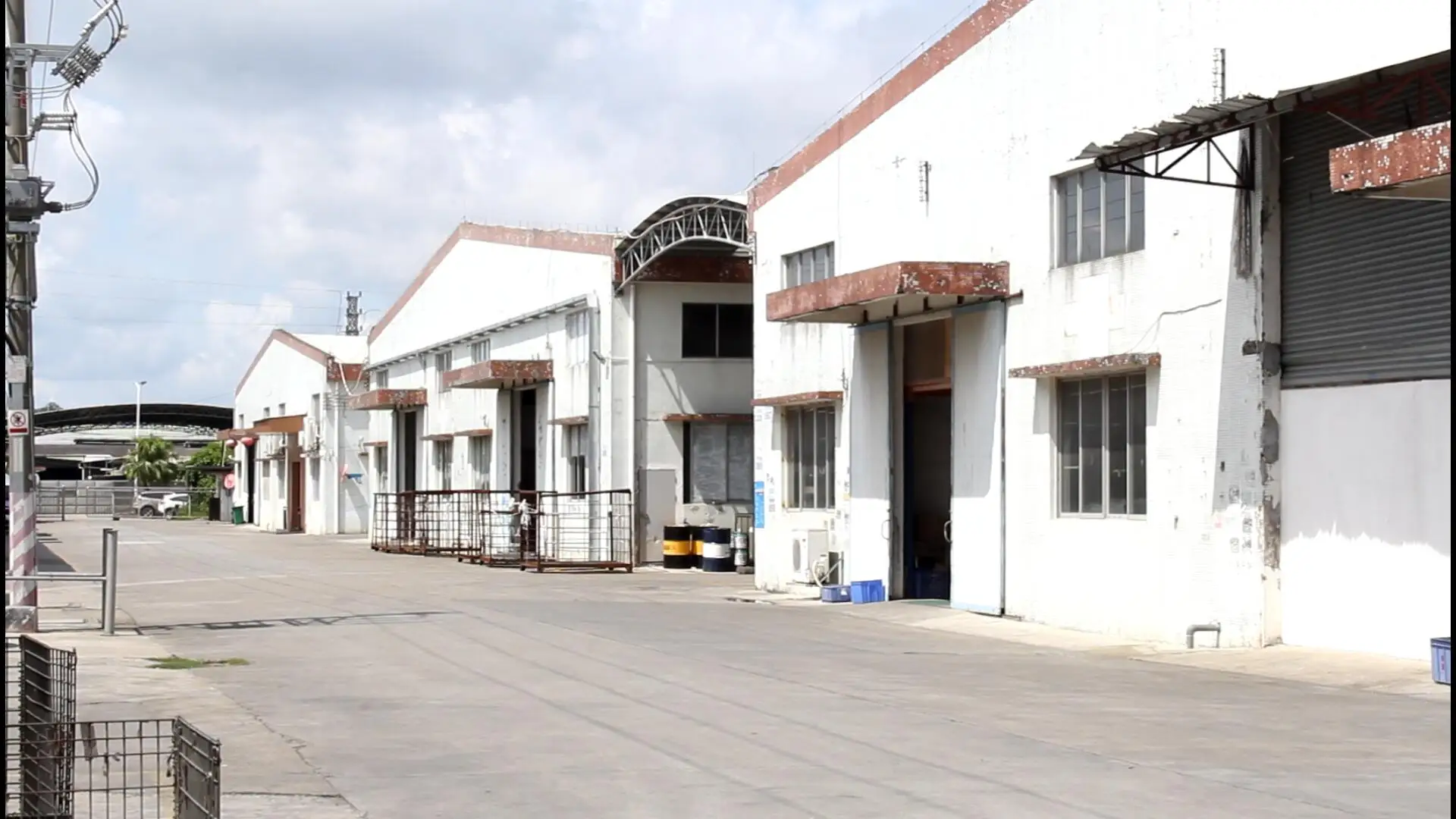
- Trading Company
- Hong Kong S.A.R.
- Lead time30 days
- Avg. response≤ 2h
Main productsChafing Dish, GN Pan, Lunch Box, Stock Pot, Service Trolley
Main marketsEastern Europe(50.00%), North America(30.00%), South America(20.00%)

Changsha Chengtong Technology Co., Ltd.
- Verified by SGS
- Trading Company
- China Hunan
- Lead time15 days
- Avg. response≤ 6h
Main productsCutting Board, Vegetable Chopper, Measuring Cup, Milk Frother, Measuring Spoon, Vegetable Peeler, Kitchen Scissors, Knife Sharpener
Main marketsSoutheast Asia/ Mideast

Good Quality Heavy Duty Stock Pots Large Non Stick Stainless Steel Stew Pot with Lid
$8.99 - $9.92
MOQ: 500 Pieces

China Wholesaler Cheap 4 Gallon 5 Gallon Medium Stock Pots Stainless Steel Stock Pots for Soup
$8.99 - $9.92
MOQ: 500 Pieces

- Verified by SGS
- Trading Company,Manufacturer/Factory
- China Guangdong
- Lead time45 days
- Avg. response≤ 2h
Main productsStainless Steel Cookware, Stainless Steel Untensil, Stainless Steel Kitchenware, Stainless Steel Colander Bowl, Stainless Steel G. N Pan, Stainless Steel Pressure Cooker, Stainless Steel Buckets, Stainless Steel Dishes Rack, Stainless Steel Chafing Dishes, Stainless Steel Fittings
Main marketsSouth America,Eastern Europe,Mid East,North America,Southeast Asia,Eastern Asia,Oceania,Western Europe,Africa

Stainless Steel Stockpot with Glass Strainer Lid Saucepan Cookware Multipurpose Stock Pot
$4.40 - $6.60
MOQ: 200 Pieces

Stainless Steel Kitchenware Cookware Soup Pot Stockpot with Lid Black Double Handle
$5.50 - $14.80
MOQ: 200 Pieces

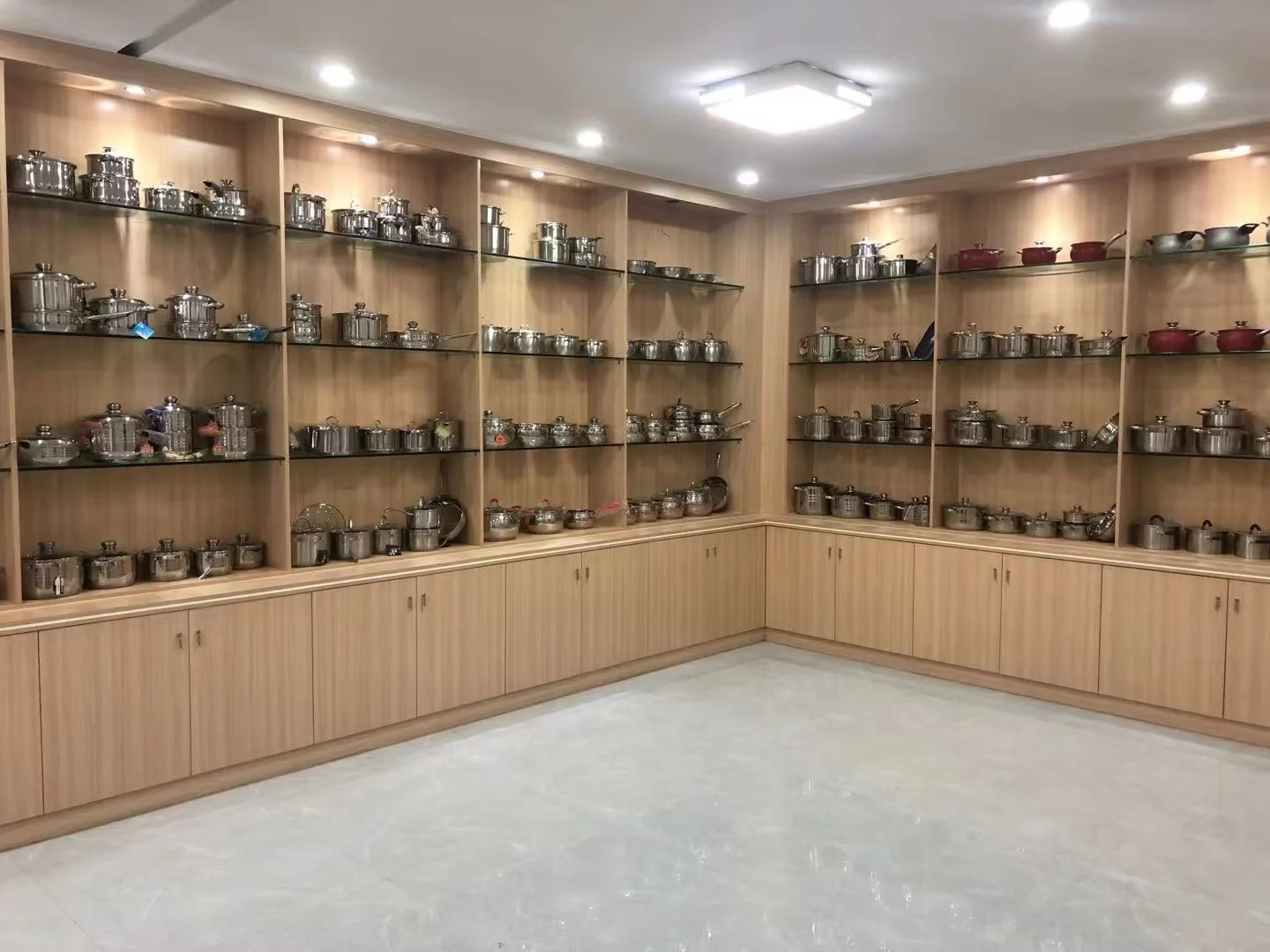
Chaozhou Chaoan Caitang Baiheng Stainless Steel Products Factory
- Manufacturer, Trading Company
- Guangdong, China
- Lead time20 days
- Avg. response≤ 1h
Main productsStainless steel tableware,Stainless steel hotel supplies,Stainless steel kitchen supplies,Stainless steel ware,Stainless steel petware
Main marketsEastern Asia(30.00%), Eastern Europe(20.00%), South America(20.00%), Mid East(15.00%), Southeast Asia(10.00%), North America(5.00%)

Jiangmen Ruida Metal Products Co., Ltd.
- Verified by BV
- Combined
- China Guangdong
- Lead time30 days
- Avg. response≤ 6h
Main productsCookware, Cutlery Set, Tools, Flatware Set, Cookware Set, Kitchenware Set, Kitchenware, Cutlery, Dinnerware Set, Tableware
Main marketsNorth America


Popular Cooking Soup Pot Kitchenware Stainless Steel Stockpot Stock Pot Set Cookware
$6.50 - $32.40
MOQ: 1000 Sets

Ningbo Mingwan Metal Products Co., Ltd.
- Manufacturer/Factory
- China Zhejiang
- Lead time0 days
- Avg. response≤ 4h
Main productsForging, Metal Forging, Casting, Auto Parts, Agricultural Machinery Part, Forging Parts, Precision Forging, Custom Forging, Die Forging, Forging and Machining

Wenzhou Lihong Machinery Technology Co., Ltd.
- Verified by BV
- Combined
- China Zhejiang
- Lead time45 days
- Avg. response≤ 5h
Main productsDairy Equipment, Mixing Tank, Stainless Teel Tank, Bulk Farm Milk Cooling Tank, Wine Tank, Pharmaceutical Equipments, Milk Tank, Milk Cooling Tank, Brewery Equipments, Pipe
Main marketsSouth America,Africa,Southeast Asia/ Mideast,Europe,North America


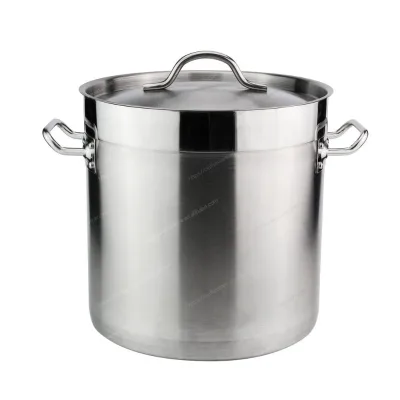
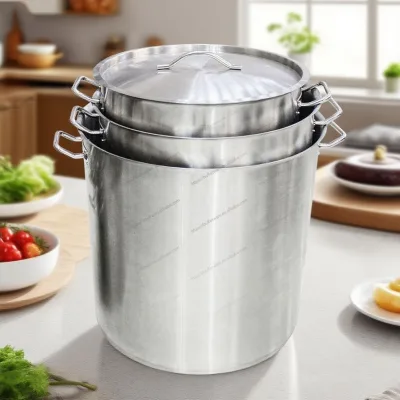
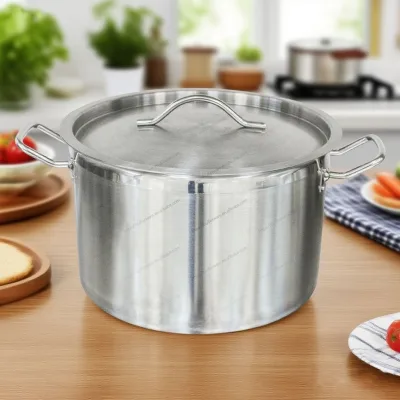
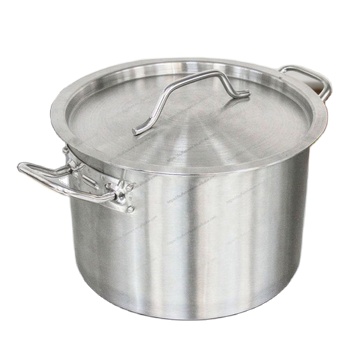
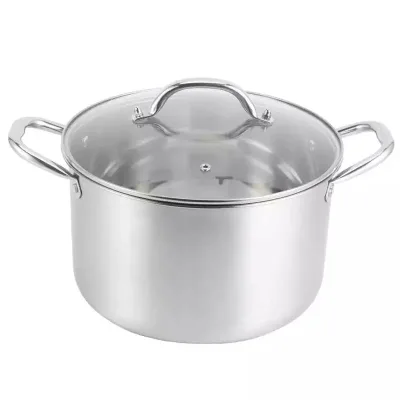
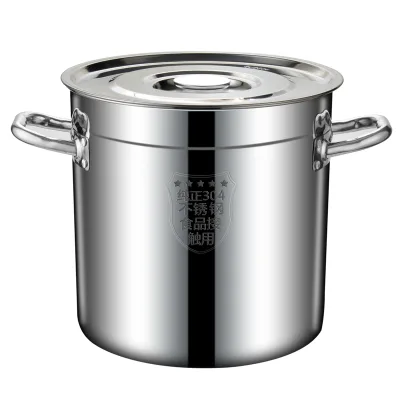


Comprehensive Sourcing Guide
Stainless Steel Stock Pot with SS Lid Supplier Concentration and Factory Types
Current data indicates that suppliers offering stainless steel stock pots with SS lids are concentrated in the Guangdong province of China. This region hosts a mix of trading companies and manufacturer factories that specialize in kitchenware and cookware production. The presence of these entities suggests a robust supply chain ecosystem where raw material sourcing and finished goods assembly occur in close proximity. Buyers should recognize that while some suppliers operate as trading companies, others function as direct manufacturers with their own production lines. This distinction is critical because it influences the level of control a buyer has over the manufacturing process and the potential for customization.
The product evidence reveals that many suppliers in this cluster offer OEM and ODM capabilities, allowing for brand customization and specific design modifications. Some factories list their main products as cookware, stainless steel kettles, and various kitchen utensils, indicating a broad capacity to handle diverse orders. The availability of own brands like Gourmet alongside generic manufacturing services suggests a mature market with established production standards. When evaluating potential partners, buyers must verify whether the supplier is a direct factory or a trading intermediary, as this impacts lead times and communication efficiency. The concentration in Guangdong provides logistical advantages but requires careful vetting to ensure the specific factory capabilities match the buyer's quality requirements.
How to Verify Stainless Steel Stock Pot with SS Lid Suppliers
Verification of suppliers for stainless steel stock pots with SS lids requires a rigorous check of their business credentials and product certifications. The available data shows that some suppliers hold TUVRHEINLAND verification, which serves as a third-party validation of their business legitimacy. Buyers should prioritize suppliers with such recognized certifications to mitigate the risk of dealing with fraudulent entities. Additionally, product-specific certifications like FDA and LFGB are frequently listed in the product attributes, indicating compliance with international food safety standards. These certifications are essential for ensuring that the stainless steel materials used in the stock pots are safe for food contact and meet regulatory requirements in target markets.
Beyond certifications, buyers must assess the supplier's response time and communication reliability as indicators of their operational stability. The observed response times vary, with some suppliers showing a response time of approximately 7.07 hours and others around 9.30 hours. A faster response time often correlates with better customer service and more efficient order processing. Buyers should also examine the supplier's main product list to ensure they specialize in cookware rather than unrelated items like trolleys or sinks, which might indicate a lack of focus. Confirming that the supplier has a dedicated production line for stock pots and related kitchenware is a crucial step in verifying their capability to deliver high-quality products consistently.
What to Compare Across Stainless Steel Stock Pot with SS Lid Suppliers
When comparing suppliers, buyers should focus on key operational metrics such as lead time, minimum order quantity (MOQ), and pricing structures. The data indicates that lead times can range significantly, with some suppliers offering a 30-day lead time while others require up to 60 days. This variation directly impacts inventory planning and delivery schedules, making it a critical factor in supplier selection. Similarly, MOQs differ across the market, with some suppliers requiring orders as low as 50 units, while others mandate a minimum of 1000 units. Buyers must align these requirements with their own demand forecasts to avoid overstocking or facing unfulfillable orders.
Pricing is another vital dimension for comparison, with observed price ranges varying from as low as $5.00 to as high as $60.00 per unit depending on specifications. The price differences often reflect variations in material quality, such as the use of 201ss versus 304ss stainless steel, and the complexity of the design. Buyers should request detailed quotes that break down costs based on material grade, lid type, and packaging requirements. Additionally, comparing the customization options available, such as the ability to modify pot sizes or handle styles, can help identify suppliers that offer the most flexibility. A comprehensive comparison of these factors ensures that the selected supplier offers the best value proposition for the specific project requirements.
Common Stainless Steel Stock Pot with SS Lid Sourcing Risks
One significant risk in sourcing stainless steel stock pots with SS lids is the inconsistency in material quality, particularly regarding the grade of stainless steel used. While some product attributes specify 304ss, others list 201ss or 202ss, which have different corrosion resistance properties. Buyers must explicitly verify the material grade in the contract to ensure the product meets the durability standards required for their intended use. Relying solely on general descriptions like "stainless steel" without specifying the alloy can lead to receiving products that degrade quickly or fail to meet safety standards. This risk is compounded if the supplier does not provide clear documentation or test reports for the materials used.
Another common risk involves the discrepancy between the advertised lead time and the actual production timeline. The data shows lead times ranging from 30 to 60 days, but external factors such as raw material shortages or factory capacity constraints can cause delays. Buyers should build buffer time into their supply chain planning to account for potential disruptions. Furthermore, the variation in packaging methods, such as "by Sea" versus "Carton," can affect the condition of the goods upon arrival. Inadequate packaging may lead to damage during transit, resulting in financial losses and delayed shipments. Mitigating these risks requires clear communication of expectations and regular progress updates throughout the production cycle.
Stainless Steel Stock Pot with SS Lid Regional Sourcing and Logistics
Sourcing from the Guangdong region in China offers logistical advantages due to its proximity to major ports and established shipping infrastructure. The concentration of manufacturers in this area facilitates efficient transportation of goods, reducing transit times and shipping costs. However, buyers must be aware that the specific logistics arrangements, such as "by Sea" or "Export Carton," vary by supplier and can impact the overall delivery timeline. Understanding the packaging standards and shipping methods used by each supplier is essential for planning the inbound logistics and ensuring that the goods arrive in optimal condition.
Buyers should also consider the impact of regional sourcing on customs clearance and import regulations in their destination country. Different suppliers may have varying levels of experience with international shipping documentation and compliance requirements. For instance, some suppliers provide HS codes like 7323930000, which are crucial for accurate customs classification. Ensuring that the supplier has a clear understanding of these requirements can prevent delays at the border. Additionally, the choice of shipping method, whether sea freight or air freight, will depend on the urgency of the order and the budget constraints. A well-planned logistics strategy that accounts for these variables is key to a successful sourcing operation.
Stainless Steel Stock Pot with SS Lid Commercial Terms and Order Planning
Commercial terms for stainless steel stock pots with SS lids often include specific conditions regarding payment, customization, and warranty. The data indicates that customization is generally available, allowing buyers to tailor products to their brand specifications. However, the extent of customization and the associated costs should be clearly defined in the purchase agreement. Buyers should also verify the supplier's policy on order modifications and the timeline for implementing changes once production has begun. Clear communication of these terms helps prevent misunderstandings and ensures that the final product meets the buyer's expectations.
Order planning must account for the varying MOQs and lead times observed across different suppliers. For smaller orders, suppliers with lower MOQs, such as 50 units, may be more suitable, while larger orders might benefit from suppliers with higher capacity and longer lead times. Buyers should develop a phased ordering strategy that aligns with their sales projections and inventory needs. Additionally, considering the price range of $5.00 to $60.00, buyers should negotiate terms that reflect the volume of the order and the complexity of the product. Establishing a strong relationship with the supplier through consistent communication and clear contractual terms is essential for long-term success in sourcing stainless steel stock pots with SS lids.
FAQs
What certifications are available for stainless steel stock pots?
Suppliers offer FDA and LFGB certifications for stainless steel stock pots. These ensure the cookware meets international food safety standards. Buyers should verify specific product listings to confirm which certifications apply to their order. This verification is crucial for compliance in regulated markets.
What is the typical lead time for these orders?
Lead times vary between 30 and 60 days depending on the supplier. Some manufacturers provide faster turnaround times for specific models. Buyers should confirm the exact production schedule with the supplier before placing an order to ensure timely delivery for their business needs.
What is the minimum order quantity for stock pots?
Minimum order quantities typically range from 50 to 1000 units. Some suppliers accept lower MOQs for specific items, while others require larger bulk orders. Buyers should check individual product pages to find the exact MOQ that matches their purchasing volume and budget constraints.
What materials are used in these stock pots?
Stock pots are commonly made from 201ss, 202ss, or 304ss stainless steel. Some listings also include aluminum options. The material choice affects durability and price. Buyers should select the grade that best suits their cooking requirements and budget considerations for long-term use.
Are customization options available for these products?
Customization is available for many stainless steel stock pot models. Suppliers offer OEM and ODM services to meet specific brand requirements. Buyers can request custom packaging, logos, or design modifications. This flexibility allows businesses to create unique products that align with their market strategy.
What is the price range for stainless steel stock pots?
Prices range from approximately $5.00 to $60.00 per unit. The cost depends on material quality, size, and certification. Buyers should compare multiple listings to find the best value. Bulk orders may offer additional discounts, making it important to negotiate terms with the supplier.