Real Fire Artificial Flame Lamp Suppliers and Manufacturers
Explore 21 verified suppliers offering real fire artificial flame lamps with diverse capabilities. Compare locations in China, response times, lead times, certifications like ISO 9001 and CE, and pricing ranges from $3.66 to $89.23. Contact suppliers directly to request samples or customizations.
Suppliers List

Guangzhou Sanfei Stage Lighting Co., Ltd
- Verified by BV
- Manufacturer/Factory
- China Guangdong
- Lead time15 days
- Avg. response≤ 4h
Main productsMoving Head Light, LED Stage Light, LED Moving Head Spot Light, LED PAR Light, LED Effect Light, LED Waterproof Light, LED Auto-Show Light, Laser Light, LED Matrix Light, LED Beam Light
Main marketsSouth America,Eastern Europe,Mid East,North America,Southeast Asia,Eastern Asia,Oceania,Western Europe,Africa


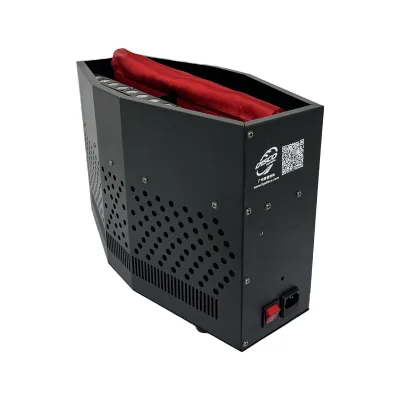
1.8m Silk Flame Effect Light, Silk Fire Flame Light, Fake Fire LED Silk Flame Light
$70.00 - $89.23
Moq: 1
Shenzhen Wenchuangfu Electronic Plastic Product Co., Ltd.
- Verified by SGS Group
- Manufacturer, Trading Company
- Lead time5 days
- Avg. response≤ 6h
Main productsChicken Coop Door; Egg Incubator; Pet Toys; Mini Sealer; Phone Holder
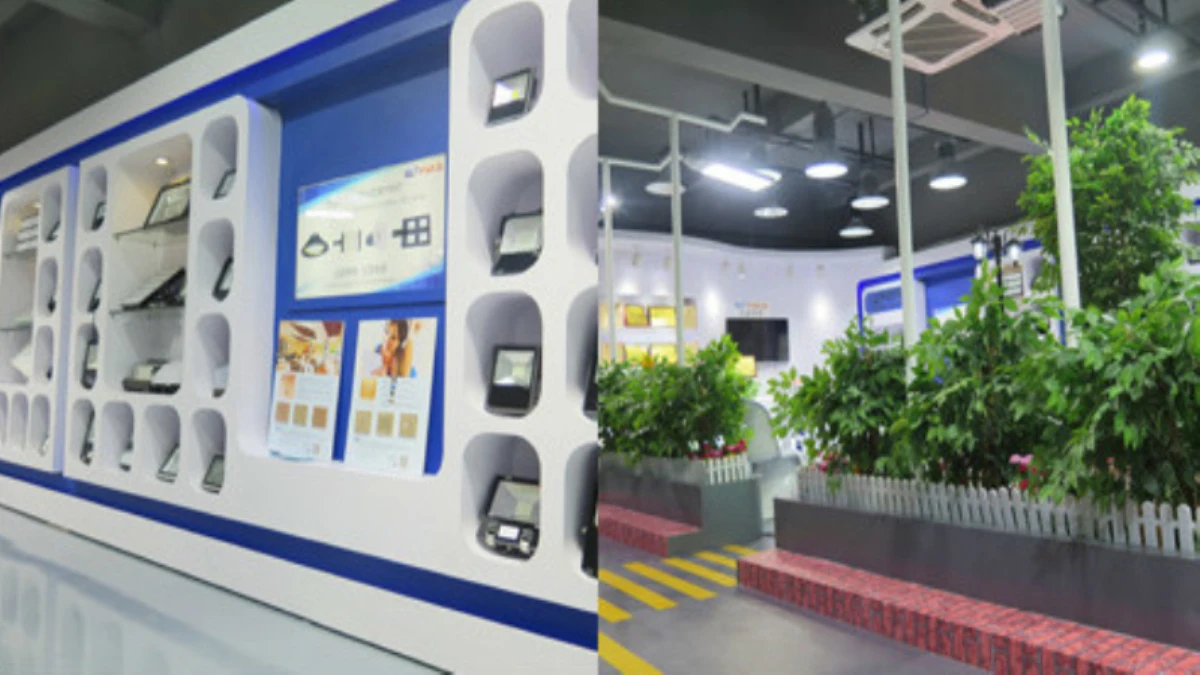
Shenzhen Qianhai Baihuixin Invest Industry Company Limited
- Trading Company
- Guangdong, China
- Lead time15 days
- Avg. response≤ 2h
Main productsProjector Lamp,Flood Lights,Landscape Lamp,Motif Light,Chandelier Lights
Main marketsNorth America(25.0%), Southeast Asia(15.0%), Western Europe(15.0%), Eastern Europe(10.0%), Eastern Asia(8.0%), Africa(5.0%), Southern Europe(5.0%), Oceania(5.0%), Mid East(4.0%), Northern Europe(3.0%), South America(3.0%), South Asia(1.0%), Central America(1.0%)
Ningbo Anpu Lighting Co., Ltd.
- Verified by SGS Group
- Manufacturer, Trading Company
- Lead time7 days
- Avg. response≤ 5h
Main productsGiant Christmas Tree, Motif Light, Pixel RGB LED Light, Christmas Decorative Light, Walk Through Arch & Tunnel Light
Main marketsNorth America(30%), Domestic Market(18%), Mid East(15%)
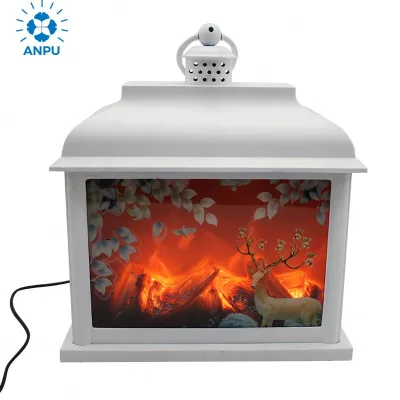
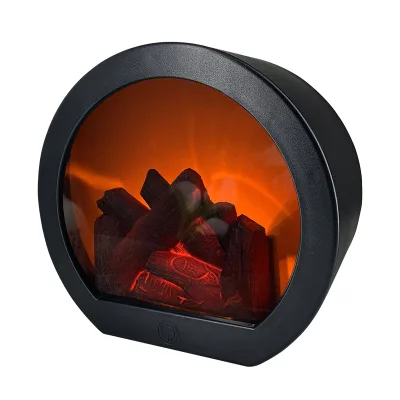
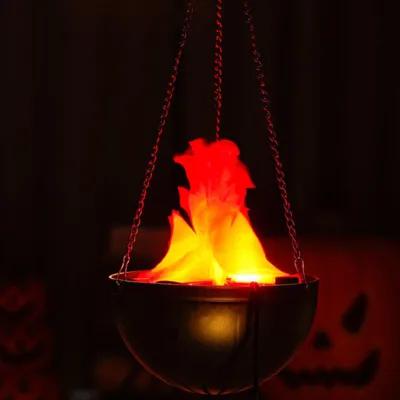
Halloween White Fireplace Lamp Flame Lamp Decoration Suitable For Home And Hotel
$10.28 - $20.57
Moq: 100
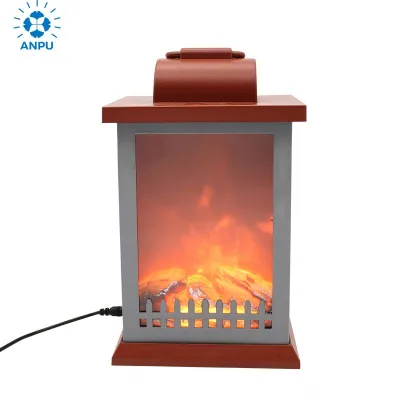
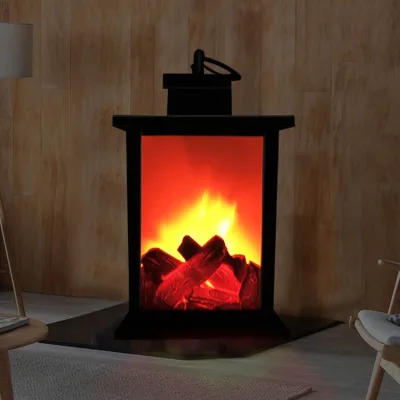
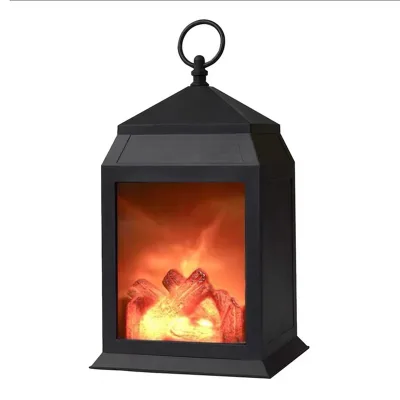
LED Carbon Fire Flame LampFfashion Retro Wind Lamp Fireplace Hanging Lamp Layout Decoration
$10.28 - $20.57
Moq: 100
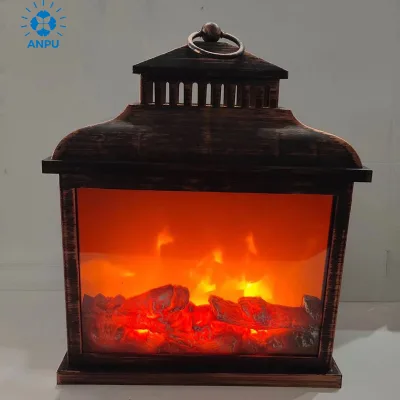
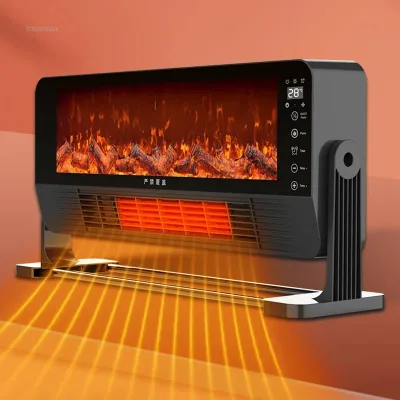
New Fireplace Lights Firewood Lights LED Flame Lights Suitable for Homes and Hotels
$20.00 - $30.00
Moq: 1000
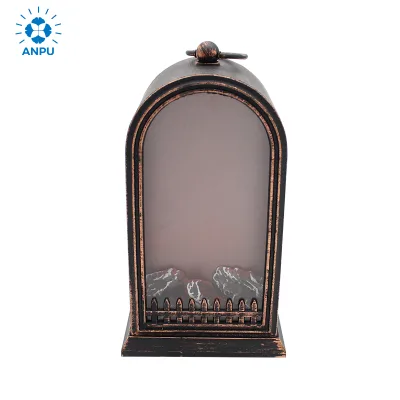
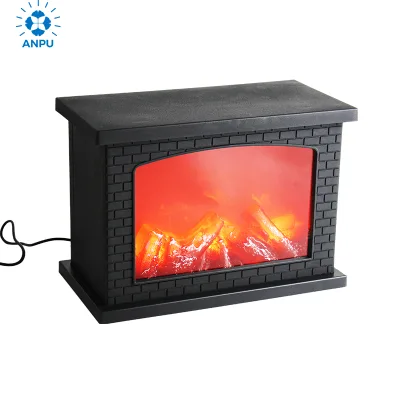
- Manufacturer
- China Guangdong
- Lead time15 days
- Avg. response≤ 3h
Main productsChandelier, Crystal Chandelier, Ceiling Light, Pendant Light, Wall Light, Table Light, Floor Light, Modern Chandelier, LED Chandelier, Pendant Lamp
Main marketsEurope,North America
Ningbo Hengboyi Lamp Co., Ltd.
- Verified by SGS
- Combined
- China Zhejiang
- Lead time15 days
- Avg. response≤ 3h
Main productsString Lights
Main marketsNorth America

Shanghai Colorbo Industrial Co., Ltd.
- Verified by TUVRHEINLAND
- Combined
- China Shanghai
- Lead time15 days
- Avg. response≤ 2h
Main productsAcoustic Panel, Wall Panel, Office Partition, Lampshade, Desk Screen, Meeting Space, Pet Supplies, Props Supplies, Storage, Phone Booth
Main marketsSoutheast Asia/ Mideast,Europe,North America

Eco Protction, Sound Absorption, Flame Retardant decorative lamp Home Lighting Decoration
$160.00 - $180.00
Moq: 20

Eco Protction, Sound Absorption, Flame Retardant Practical Function Decoration Lamp
$310.00 - $317.00
Moq: 20

1 Year Warranty Flame Retardant Practical Function Pendant Lamp with Good Service
$60.00 - $64.00
Moq: 20


- Verified by TUVRHEINLAND
- Trading Company
- China Zhejiang
- Lead time15 days
- Avg. response≤ 12h
Main productsWooden Toy, Outdoor Product, Kitchen Item, Personal Care Tool, Painting Set, Disk Rack, Yoga, Garden
Main marketsSouth America,Europe,North America

Guangzhou MINGXUAN Stage Light Equipment CO.,LTD
- Verified by CTI
- Trading Company,Manufacturer/Factory
- China Guangdong
- Lead time38 days
- Avg. response≤ 17h
Main productsMoving Head Light, Line Array Speaker, Truss Stage, Tent, Microphone, LED Screen, Mixer, LED PAR Can, LCD Screen, Small Speaker
Main marketsSouth America,Eastern Europe,Mid East,North America,Southeast Asia,Eastern Asia,Oceania,Western Europe,Africa
Guangzhou Jingpeng Electronic Technology Co., Ltd.
- Manufacturer, Trading Company
- Guangdong, China
- Lead time7 days
- Avg. response≤ 4h
Main productsnight light,table lamp,solar lamp,grow light,led strip
Main marketsNorth America(60.0%), South Asia(5.0%), Southern Europe(5.0%), Northern Europe(5.0%), Western Europe(5.0%), Eastern Asia(5.0%), Southeast Asia(5.0%), Eastern Europe(5.0%), South America(5.0%)

Zhongshan Tpstarlite Lighting CO., LTD.
- Verified by TUVRHEINLAND
- Combined
- China Guangdong
- Lead time30 days
- Avg. response≤ 5h
Main productsChandelier Lamp, Modern Lamp, Crystal Lamp, Pendant Lamp, Wall Lamp, Ceiling Lamp, Mirror Lamp, Floor Lamp & Table Lamp, Crystal Chandelier Light, Lighting
Main marketsOthers(foreignTradeCapacity.exportBusinessCapacityMarketOther),Southeast Asia/ Mideast


Creative Decoration Flame Chandelier Pendant Lamp Pendant Lamp Egypt Pendant Light
$12.30 - $34.50
Moq: 1


Artificial Carved Wood Art Lantern Desktop Decorative Lamp
Contact supplier
Shenzhen Jartown Trade Co., Ltd
- Manufacturer, Trading Company, Buying Office
- Guangdong, China
- Lead time15 days
- Avg. response≤ 3h
Main productsLED light,Gift& Crafts
Main marketsNorth America(35.0%), Eastern Europe(20.0%), Northern Europe(20.0%), Central America(10.0%), Western Europe(8.0%), South America(5.0%), South Asia(2.0%)

JIANGSU BRIGHT NEW LIGHT SOURCE CO., LTD
- Manufacturer/Factory
- China Jiangsu
- Lead time0 days
- Avg. response≤ 16h
Main productsNeon Lamp, Polocrystalline Solar Panel, Signal Light, Neon Light, Miniature Lamp, Indicator Light, Monocrystalline Solar Panel, Solar PV Moudle, LED, LED Light


Contact supplier
Guangzhou Huipu Stage Effect Equipment Co., Ltd
- Manufacturer
- Guangdong, China
- Lead time2 days
- Avg. response≤ 3h
Main productsFire Machine,Co2 Jet Machine,Foam Machine,Confetti Machine,Led fog machine
Main marketsSouth America(15.0%), North America(15.0%), Western Europe(12.0%), Mid East(12.0%), Southeast Asia(10.0%), Central America(7.000000000000001%), Oceania(5.0%), Africa(5.0%), Eastern Asia(5.0%), Domestic Market(5.0%), Eastern Europe(3.0%), Northern Europe(2.0%), South Asia(2.0%), Southern Europe(2.0%)

Huainan Wantai Electric Co., Ltd.
- Combined
- China Anhui
- Lead time30 days
- Avg. response≤ 5h
Main productsMine Soft Starter, Mine Feeder Switch, Miner's Lamp, Automation Control System, Electric Control Device, Switch Cabinet, Distribution Device, Frequency Converter, Integrated Protection Device, Combination Switch
Main marketsOthers(foreignTradeCapacity.exportBusinessCapacityMarketOther),Southeast Asia/ Mideast
Foshan Ron Hospitality Supplies Co., Ltd.
- Verified by BV
- Manufacturer/Factory,Group Corporation
- China Guangdong
- Lead time45 days
- Avg. response≤ 2h
Main productsRestaurant Furniture, Restaurant Booth, Restaurant Chair, Restaurant Table, Bar Stools, Wedding Chairs, Flatware Sets, Dinnerware Sets, Garden Chairs, Disposable Dinnerware & Tableware
Main marketsSouth America,Eastern Europe,Mid East,North America,Southeast Asia,Eastern Asia,Oceania,Western Europe,Africa
Shanghai Lanyou Lighting Co., Ltd.
- Verified by CTI
- Trading Company
- China Anhui
- Lead time15 days
- Avg. response≤ 5h
Main productsLED Channel Letters, Acrylic Signs, Metal Sign Letters, Wayfinding Signs, Outdoor Signage
Main marketsSouth America,Africa,Southeast Asia/ Mideast,East Asia(Japan/ South Korea),Europe,Australia,North America


Factory Direct Sales LED Emergency Lights Lamp Rechargeable LED Rechargeable Lamps
$2.10 - $4.99
Moq: 1000

Nanjing Jiayi Fire Technology Co., Ltd
- Verified by BV
- Trading Company,Manufacturer/Factory,Group Corporation
- China Jiangsu
- Lead time38 days
- Avg. response≤ 5h
Main productsFire Extinguisher, Fire Blanket, Fire Hydrant, Fire Hose Reel, Fire Hose, Fire Hydrant Valve, Fire Cabinet, Fire Extinguisher Filling Machine, Fire Nozzle, Fire Extinguisher Ball
Main marketsSouth America,Eastern Europe,Mid East,North America,Southeast Asia,Eastern Asia,Oceania,Western Europe,Africa

Difanmax Tech Lianyungang Co., Ltd.
- Verified by BV
- Manufacturer/Factory
- China Jiangsu
- Lead time23 days
- Avg. response≤ 4h
Main productsConsumer Electronics, Kinesiology Tape Adhesive Tapes, Industrial Tools, Home & Garden, Gifts & Crafts, Sport Products Entertainment, Health & Medical, Auto Parts E-Bike Auto Tools & Components, Clothes Apparel, Bicycle Hardware Laboratory Measuring Protective
Main marketsSouth America,North America,Southeast Asia,Oceania,Western Europe

HANGZHOU XINMENGYANG ELECTRIC CO., LTD.
- Trading Company
- China Zhejiang
- Lead time30 days
- Avg. response≤ 3h
Main productsLED Flood Light, LED Filament Bulb, LED Bulb Light, LED Tube Light, Energy Saving Lamp, LED Tri-Proof Light
Main marketsSouth America,Southeast Asia/ Mideast,Europe,North America


China Factory Price 4W E26/ E27 Christmas Flame Effect Fire Decoration LED Lamp
$1.80 - $2.70
Moq: 1000

Hangzhou Dreamy Lighting Co., Ltd.
- Verified by BV
- Trading Company,Manufacturer/Factory
- China Zhejiang
- Lead time45 days
- Avg. response≤ 13h
Main productsEmergency Light, Emergency LED Lighting, IP65 Water Proof Emergency Light, Portable Emergency LED Lighting, Twin Spot Emergency Lighting, Exit Sign LED Lighting, Double Side Exit Sign LED Lighting, Power Source for LED Lighting, Downlight Emergency Lighting, Emergency Ballast
Main marketsSouth America,Eastern Europe,Mid East,North America,Southeast Asia,Eastern Asia,Oceania,Western Europe,Africa




Comprehensive Sourcing Guide
Real Fire Artificial Flame Lamp Supplier Concentration and Factory Types
The supplier pool for real fire artificial flame lamps is dominated by lighting manufacturers and hybrid manufacturer-trading companies based in Guangdong, China, with product origin declarations frequently pointing to Guangzhou specifically. These companies typically list stage lighting and effect lighting as their core categories — moving head lights, LED PAR lights, laser and beam fixtures, and holiday or decorative lighting — which positions flame-effect lamps as a specialty item within a broader entertainment lighting portfolio. This matters for sourcing strategy: a factory whose main products are stage effect lights is more likely to own the LED drivers, housing molds, and silk-flame assembly processes in-house, while a trading company may aggregate several workshops under one storefront.
When reviewing supplier profiles, distinguish three structural types. First, manufacturers with OEM and ODM capacity, who can modify flame height, housing material, or control modes to your specification. Second, manufacturer-trading hybrids, who produce some lines themselves and resell others; these offer convenience but vary in depth of technical control. Third, pure trading companies, whose main products may span unrelated categories such as flood lights, chandeliers, and landscape motif lights. For a niche product like an artificial flame lamp, ask each candidate which specific models they manufacture versus broker. Request factory photos, workshop videos, and a video call walkthrough of the flame-effect assembly line before committing, because storefront type labels alone do not guarantee production ownership.
How to Verify Real Fire Artificial Flame Lamp Suppliers
Begin verification with the credentials actually displayed on the platform rather than marketing claims. Some suppliers in this category carry third-party verification from bodies such as BV or SGS Group, and system certifications such as ISO 9001 or product-level CE and RoHS markings appear on specific listings. Treat these as screening signals, not conclusions: verification identifies the legal entity behind the account, while certification claims must be checked against the certificate number, scope, and expiry date on the issuing body's database. Ask the supplier to send the actual certificate documents and cross-check that the certified entity name matches the one on your quotation and proforma invoice.
Second, verify the product itself against the listing's technical attributes. Some flame lamp listings declare voltage (for example 220V), housing material such as ABS, LED light sources, light range above 30 meters, and rated runtime figures such as 20,000 hours. Request samples of the exact model number quoted — model codes like SF-D016 or GK-prefixed numbers appear on real listings — and test flicker realism, color temperature, and runtime against those declarations. Third, verify responsiveness and consistency: response time figures are displayed per supplier in this category, so note the stated hours and measure actual reply latency during negotiation. A supplier whose listing attributes, invoice details, and sample markings all align, and who answers technical questions about LED source, power plug type, and switch configuration without evasion, is materially lower risk than one who cannot.
What to Compare Across Real Fire Artificial Flame Lamp Suppliers
Build a comparison table using the attributes suppliers actually display. Lead time is a strong differentiator in this category: some suppliers state around 15 days while others list around 5 days, a gap large enough to determine whether you can serve a Halloween or Christmas season. MOQ also varies dramatically — some flame lamp listings advertise an MOQ of just 1 unit, which suits sampling and market testing, while others set higher thresholds for production runs. Response time, stated in hours per supplier, tells you how quickly problems will surface and be resolved during production. Note that not every supplier displays every attribute; where a field is blank, ask directly and record the answer in your own table rather than assuming a default.
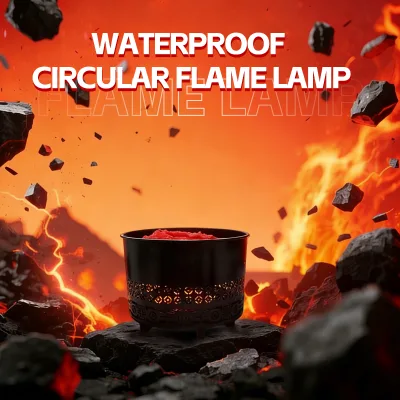
Beyond those operational labels, compare declared business fundamentals. Company type (manufacturer versus trading company), location within Guangdong, main product lines, and OEM/ODM capability indicate whether customization is realistic. Price ranges visible on listings — from roughly the 3–4 dollar band for small rechargeable fireplace lanterns, through the 19–23 dollar band for brazier-style lamps, to 70–89 dollars for larger 1.8-meter silk flame units — are per-unit reference points, not binding quotes. Compare specifications at equal price points: package dimensions, gross weight (some units ship at 0.8 kg, others at 68 kg), voltage, and certification claims. Weight and size differences materially change freight cost, so normalize quotes to landed cost per unit before ranking suppliers.
Common Real Fire Artificial Flame Lamp Sourcing Risks
The most frequent risk is ambiguity about who actually manufactures the lamp. Many listings for artificial flame lamps sit in overlapping categories — stage lights, Halloween lights, decorative lighting, even atmosphere equipment — which signals reselling across workshops. If you order from a storefront that brokers the item, quality changes between repeat orders become likely, because the broker has no control over the producing factory's LED source, flame silk material, or driver board. Mitigate this by asking for the producing entity's name, demanding that samples and mass production come from the same line, and writing the model number and key attributes (voltage, housing material, runtime) into the purchase contract.
Second, certification and compliance risk. Listings in this category declare CE and RoHS on some products and FCC plus CE and RoHS at company level on others, but a listing claim is not a certificate. Electrical flame-effect lamps are mains-powered in most variants, so plug type, voltage match, and safety testing for your destination market must be confirmed in writing before deposit. Third, lead-time risk around seasonal demand: flame lamps peak before Halloween and Christmas, and short stated lead times can evaporate during the peak. Fourth, sample-to-mass-production drift — flicker speed, flame color, and log texture frequently degrade at volume. Address each risk with a golden sample, a signed specification sheet referencing the listed attributes, and staged payment tied to inspection results rather than a single upfront transfer.
Real Fire Artificial Flame Lamp Regional Sourcing and Logistics
The available evidence points clearly to one sourcing region: Guangdong, China, with several suppliers declaring Guangzhou as the product origin. Guangdong is a mature lighting-manufacturing cluster, and the concentration of stage, holiday, and effect lighting factories there means consolidation opportunities — multiple flame lamp SKUs, plus related decorative lighting, can ship from one province rather than several. When shortlisting, prefer suppliers whose declared place of origin matches their registered location, since mismatches between a Guangdong listing and a distant registered address can indicate a broker adding a freight and margin layer you cannot audit.
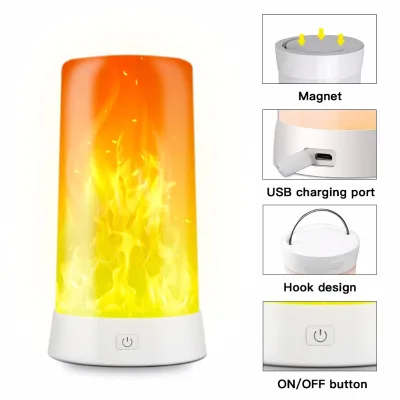
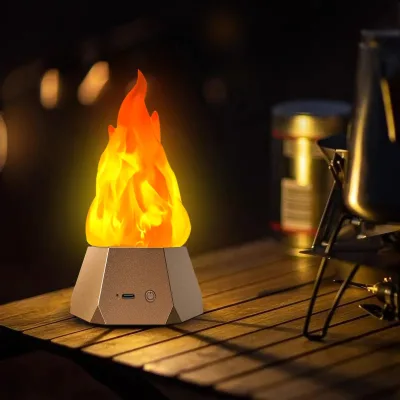
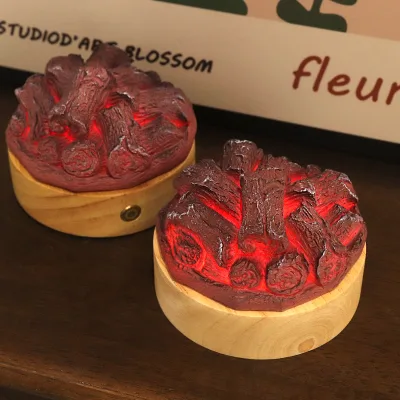
For logistics, product dimensions drive the plan. Small tabletop fireplace lanterns in this category pack at roughly 19–22 cm per side and under 1 kg gross, making them economical by express courier for samples and by air freight for small replenishment runs. Large format units — for example 1.8-meter silk flame lamps, and motif-style firewood lamps with single packages up to 128×128×258 cm and gross weights around 68 kg — move economically only by sea freight, and their dimensions may exceed standard container-friendly cartons, so confirm palletization before quoting. Consolidating small and large SKUs into one LCL or FCL shipment from Guangdong ports is usually feasible. Ask each supplier for EXW, FOB, and DDP quotes on the same quantity so you can compare their logistics markup transparently, and confirm whether carton packing (declared on several listings) survives the chosen transport mode.
Real Fire Artificial Flame Lamp Commercial Terms and Order Planning
Plan the first order around the unusually low entry thresholds some suppliers in this category offer. Listings advertising an MOQ of 1 unit for brazier-style flame lamps mean you can validate market demand with a mixed carton of models before committing to volume. Structure the sequence: sample order at unit prices (which are higher than contract pricing), then a trial production order of a few hundred units, then replenishment. Negotiate pricing tiers against the listed reference ranges — for example, the roughly 19–23 dollar band for a standard brazier lamp or the 70–89 dollar band for 1.8-meter silk flame units — and ask what quantity unlocks the next tier, rather than accepting the listing price as final.
On payment and protection terms, prefer channel-backed escrow or trade assurance arrangements that hold funds until shipment or inspection, and confirm in writing whether the supplier offers them; do not assume every account does. Use staged payments for larger orders — typically a deposit with balance after pre-shipment inspection — and make the balance conditional on the golden sample comparison. For order planning, anchor the calendar to seasonal peaks: order Halloween stock by early summer and Christmas stock by late summer, then apply the supplier's stated lead time (figures around 5 to 15 days appear in this category) plus sea freight time. Confirm customization scope, packaging artwork, and certification documents before deposit, and record all agreed attributes — model number, voltage, runtime, packing — on the invoice.
FAQs
What is the typical lead time for these lamps?
The typical lead time for these lamps is 15 days based on current supplier data. Some suppliers offer faster turnaround with a 5-day lead time for specific items. Buyers should confirm exact delivery schedules before placing orders to ensure timely arrival.
Are these lamps available for customization?
Yes, customization is available for many of these artificial flame lamps. Suppliers offer OEM and ODM services to meet specific design needs. Buyers can request custom colors, sizes, or branding options directly through the supplier platform to tailor the product.
What certifications do these products hold?
These products commonly hold CE and RoHS certifications for safety and environmental compliance. Some suppliers also maintain ISO 9001 and GMP system certifications. Buyers should verify specific product certifications to ensure they meet local regulatory requirements before purchasing.
What is the minimum order quantity required?
The minimum order quantity for these lamps can be as low as one unit for some suppliers. This allows buyers to test products without large initial commitments. However, bulk orders may offer better pricing tiers depending on the specific supplier and product model selected.
Where are these manufacturers located?
Most manufacturers of these lamps are located in Guangdong, China. This region is a major hub for lighting production and offers efficient logistics. Buyers can expect suppliers to ship from this location, which may influence shipping costs and delivery times.
How quickly do suppliers respond to inquiries?
Supplier response times vary, with some responding within 2 hours and others taking up to 6 hours. A specific average response time observed is 3.14 hours. Buyers should expect prompt communication but should verify current response rates for the specific supplier they choose.
What is the price range for these lamps?
Prices for these lamps range from approximately 4.05 to 89.23 USD depending on the model and features. Basic tabletop units start near 4 USD, while larger stage or outdoor units can cost over 89 USD. Buyers should compare specific product listings for accurate pricing.