Sterile Nasal Sampling Swab Suppliers and Manufacturers
Explore 20 verified options for Sterile Nasal Sampling Swab from factories in China Jiangsu and Zhejiang. Compare response times, lead times, certifications like CE and ISO, and pricing to find the right partner. Contact suppliers directly to request samples and confirm customization details.
Suppliers List

Nanjing Superfit I&E Co., Ltd.
- Trading Company
- China Jiangsu
- Lead time23 days
- Avg. response≤ 7h
Main productsDisposable Medical, Disposable Laboratory Item, Disposable Medical Item, Hospital Equipment, Hot Water Bottle, Ice Bag, Pipette Tips Centrifuges Test Tube Embedding, Urine Container Microscope Slide Cover Glass, Urine Container Microscope Slide Cover Glass an, Hot Water Bottle Ice Bag Disposible Mask
Main marketsSouth America,Africa,Southeast Asia/ Mideast,East Asia(Japan/ South Korea),Europe,North America


Disposable Virus Flocked Sample Transport Medium Oral or Nasal Sampling Swab
$0.02 - $0.09
MOQ: 10000 Pieces

Medical Virus Test Collection Nylon Flocked Nasopharyngeal Nasal Swabs for Sampling
$0.03 - $0.09
MOQ: 100000 Pieces


Specimen Sterile Medical Sampling Nasal Flocked Virus Disposable Collection Swab in Tube
$0.09 - $0.12
MOQ: 100000 Pieces

- Manufacturer/Factory
- China Jiangsu
- Lead time15 days
- Avg. response≤ 21h
Main productsArtificial Vertical Garden, Artificial Wall Garden, Green Hedge, Artificial Boxwood Hedge, Artificial Plant Wall, Artificial Grass, Artificial Plant Potted, Artificial Plant Framed, Preserved Product, Artificial Moss
Main marketsSouth America,Eastern Europe,Mid East,North America,Southeast Asia,Eastern Asia,Oceania,Western Europe,Africa

ANJI HONGDE MEDICAL PRODUCTS CO., LTD.
- Combined
- China Zhejiang
- Lead time30 days
- Avg. response≤ 5h
Main productsFlocked Swab, Bandage, Tape, Gauze Roll/Swab/Ponge Swab, Cotton Roll/Cotton Ball/ Dental Cotton, Face Mask, Tongue Depressor, Vasline/Paraffin Gauze
Main marketsDomestic

$0.01 - $0.10
MOQ: 10000 Pieces


Premium HD9 Disposable Sterile Flocked Swabs for Nasal and Oral Sample Collection
$0.01
MOQ: 200000 Pieces

Qingdao Aost Medical Manufacture Co., Ltd.
- Verified by TUVRHEINLAND
- Manufacturer/Factory
- China Shandong
- Lead time23 days
- Avg. response≤ 10h
Main productsBlood Lancet, Crepe Bandage, Alcohol Swab, Urine Bag, Gauze Swab, Endotracheal Tube, Oxygen Mask, Spinal Needle, Surgical Face Mask, Syringe
Main marketsSouth America,Eastern Europe,Mid East,North America,Southeast Asia,Eastern Asia,Oceania,Western Europe,Africa

Shandong Chengwu Medical Products Factory
- Combined
- China Shandong
- Lead time23 days
- Avg. response≤ 10h
Main productsDisposable Blood Collection Tube, Disposable Blood Collection Needle, Infusion Set, Lancet, Scalp Vein Set, Urine Container, Micro/Mini Tube, Needle Holders for Blood Collection, Luer Adapter, Flash Back Neddle
Main marketsSoutheast Asia/ Mideast,Europe,North America


Sterile Disposable Specimen Collection Swab Nasal and Oral Swab Medical Products
$0.01
MOQ: 4000 Pieces


Yangzhou Boen Medical Technology Co., Ltd.
- Verified by SGS
- Trading Company
- China Jiangsu
- Lead time15 days
- Avg. response≤ 5h
Main productsTens Electrode Pad, Medical Conductive Hydrogel, EMS Electrode Gel Pad, Swab, Sterile Pouch Sterilization Pouch, Plastic Labware, Spinal Needle, Surgical Razor, Silicone Nasal Oxygen Cannula, Nebulizer Kit
Main marketsOthers(foreignTradeCapacity.exportBusinessCapacityMarketOther),Southeast Asia/ Mideast,East Asia(Japan/ South Korea),Domestic,Europe,North America

Hangzhou Wehere Medical Technology Co., Ltd.
- Verified by BV
- Trading Company
- China Zhejiang
- Lead time30 days
- Avg. response≤ 2h
Main productsProtective Gown, Face Mask, Thermometer, Dust Mask, Respirator, Pulse Oximeter, Forehead Thermometer, Cadaver Bag, Isolation Gown, Surgical Drape
Main marketsSouth America,Africa,East Asia(Japan/ South Korea),Europe


Disposable Medical Sterile Specimen Collection Nasal Oral Swab Sampler Swab
$0.04 - $0.06
MOQ: 2000 Pieces


Chongqing New World Trading Co., Ltd.
- Verified by BV
- Trading Company
- China Chongqing
- Lead time15 days
- Avg. response≤ 9h
Main productsVacuum Blood Collection Tubes, Test Tube, Pipette Tip, Urine Container, Microscope Slide, Filter Tip, Swab, Centrifuge Tube, Cryovial Tube, Blood Lancet
Main marketsSouth America,Africa,Southeast Asia/ Mideast,East Asia(Japan/ South Korea),Europe,Australia,North America

Medical Lab Consumables Sterile Flocked Swab Individual Packing Nasal Swab
$0.01 - $0.01
MOQ: 10000 Pieces

$0.03 - $0.04
MOQ: 100000 Pieces

Medical Disposables Virus Sampling Swab Sterile Female Swab with CE ISO
$0.02 - $0.03
MOQ: 10000 Pieces
- Manufacturer, Trading Company
- Lead time旺季: "1 - 100000":15,"> 100000":"To be negotiated", 淡季: "1 - 100000":15,"> 100000":"To be negotiated"
- Avg. response≤ 2h
Main productsMedical Supplies, Laboratory Consumables, Medical Equipment

Changsha Renji Medical Equipments Co., Ltd.
- Verified by CTI
- Trading Company,Manufacturer/Factory
- China Hunan
- Lead time23 days
- Avg. response≤ 7h
Main productsBlood Collection Tube, Petri Dish, Vaginal Speculum, Pipette Tips, Urine Container, Antigen Rapid Diagnostic Test Kit, Blood Collection Needle, Saliva Collection Kits, Vacuum Vessel, Disposable Virus Specimen Collection Tube
Main marketsSouth America,Eastern Europe,Mid East,North America,Southeast Asia,Eastern Asia,Oceania,Western Europe,Africa

Disposable Virus Flocked Sample Transport Medium Oral or Nasal Sampling Swab
$0.20 - $0.40
MOQ: 10000 Pieces

Sampling Tube with Nasal & Throat Swab Vtm Sterile Flu Test Nasal Swab
$0.20 - $0.40
MOQ: 10000 Pieces

Sterile Nasopharyngeal Flocked Swab Sample Collection Swab Nasal Swab PCR/DNA Test
$0.20 - $0.40
MOQ: 10000 Pieces

CE Disposable Virus Flocked Sample Transport Medium Oral or Nasal Sampling Swab
$0.06 - $0.10
MOQ: 10000 Pieces


SHANGHAI TEAMSTAND CORPORATION
- Verified by BV
- Trading Company
- China Shanghai
- Lead time23 days
- Avg. response≤ 2h
Main productsHypodermic Syringe, Blood Collection Set, Infusion Set, Huber Needle, Breathing Circuit, Prefilled Syringe, Catheter and Tube, Hemodialyser, AV Fistula Needle, Biopsy Needle
Main marketsOthers(foreignTradeCapacity.exportBusinessCapacityMarketOther)

Virus Specimen Collection Kit Nasal Throat Swab Sampling Tube Virus Collection Swab
$0.50 - $1.00
MOQ: 10000 Pieces

Guizhou Tedia Medical Instruments Co., Ltd.
- Verified by TUVRHEINLAND
- Combined
- China Guizhou
- Lead time23 days
- Avg. response≤ 6h
Main productsDisposable Vacuum Blood Collection Tube, Mask, Bes Sheet, Butterfly Needle, Prp Tube, Mini Tube, Micro Tube, Vacuum Blood Tube, Acd Tube, K3 Tube
Main marketsSouth America,Africa,Southeast Asia/ Mideast,Domestic,Europe,North America

Shanghai Honsung Medical Instruments Co., Ltd.
- Verified by TUVRHEINLAND
- Trading Company
- China Shanghai
- Lead time15 days
- Avg. response≤ 6h
Main productsBlood Collection Tube, Isolation Gown, Blood Collection Needle, Infusion Set, Foley Catheter, Cautery Pencil, Alcohol Prep Pad, Surgical Suture, Surgical Tape
Main marketsAfrica,Southeast Asia/ Mideast,Europe,North America

Medical Nasal Swabs Sterile Swab Stick, Swab Stick Medical, Double Swab
$0.50 - $1.00
MOQ: 50000 Pieces


Shanghai Goldenwell Medical Technology Co., Ltd.
- Verified by CTI
- Trading Company
- China Shanghai
- Lead time15 days
- Avg. response≤ 6h
Main productsMedical Devices, Sports Support, Medical Dressings
Main marketsSoutheast Asia/ Mideast,Europe
Jiangsu Junyue Medical Science and Technology Co., Ltd.
- Verified by BV
- Combined
- China Jiangsu
- Lead time15 days
- Avg. response≤ 25h
Main productsmedical equipment
Main marketsSoutheast Asia/ Mideast,Domestic


Hospital Medical Lab Supply Disposable Sterile Sampling Collection Swab
$0.01 - $0.05
MOQ: 5000 Pieces

Ningbo Yingmed Medical Instruments Co., Ltd.
- Verified by TUVRHEINLAND
- Trading Company,Manufacturer/Factory
- China Zhejiang
- Lead time23 days
- Avg. response≤ 15h
Main productsSurgical Gloves, Alcohol Pads, Surgical Mask, Syringe, IV Set, Bandage, Urine Bag, Oxygen Mask, Nebulizer Mask, Surgical Suture
Main marketsMid East,Southeast Asia,Western Europe,Africa

$0.01 - $0.20
MOQ: 10000 Pieces


Hangzhou Singclean Medical Products Co., Ltd.
- Combined
- China Zhejiang
- Lead time23 days
- Avg. response≤ 3h
Main productsHyaluronic Acid Filler, in Vitro Diagnosis Products, Mph Absorbable Hemostatic Particles, Absorbable Hemostatic Gauze of Oxidized Regene, Medical Sodium Hyaluronate Gel (for Bone Joint), Sodium Hyaluronate Viscoelastic Solution for Oph, Sodium Hyaluronate Gel for Anti-Adhesion
Main marketsSouth America,Africa,Southeast Asia/ Mideast,East Asia(Japan/ South Korea),Domestic,Europe,Australia,North America

Singclean Virus Nasal Swab Multi-Specification Antigen Nasopharyngeal Swab Test for Easy Operating
$1.50 - $3.00
MOQ: 1000 Pieces

$1.50 - $3.00
MOQ: 1000 Pieces

Hangzhou Yiguoren Biotechnology Co., Ltd.
- Manufacturer, Trading Company
- Zhejiang, China
- Lead time0 days
- Avg. response≤ 2h
Main productsDisposable Sterile Swabs,Disposable Wound Incision Protector,Virus Collection and PreservationTubes,Sample Preservation Solution,Transportation Tube With Mediumand sampling Swabs
Main marketsNorth America(30.00%), Southeast Asia(20.00%), Northern Europe(10.00%), Eastern Asia(10.00%), South America(10.00%)
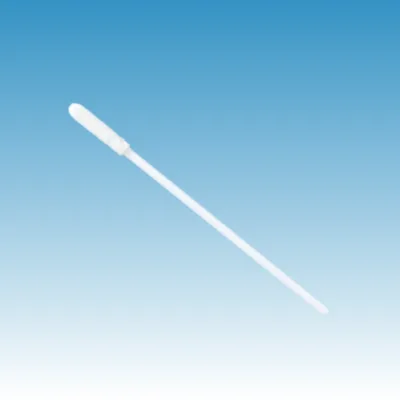
Sterile Foam Nasal Swab 3 Inch PP Handle Disposable Medical Sampling Swab
$0.02 - $0.05
MOQ: 10 Minimum
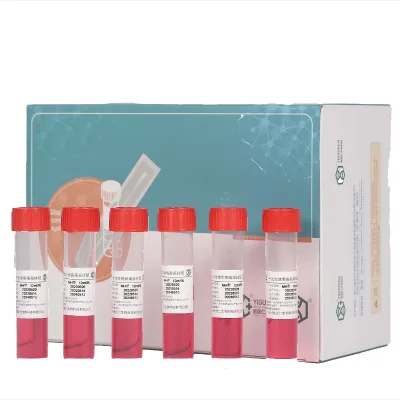

Nantong Diagnos Biotechnology Co., Ltd.
- Verified by BV
- Combined
- China Jiangsu
- Lead time15 days
- Avg. response≤ 10h
Main productsRapid Test Kits, Diagnostic Test Kit, Malaria Test Strips, Antigen Test, HIV Test Kit, Drug Test, Ovulation Test Kit, Malaria Antigen Test, Pregnancy Tests, H Pylori Test
Main marketsAfrica,Southeast Asia/ Mideast


$0.88 - $1.00
MOQ: 5000 Pieces

Metapneumovirus Human Rapid Test Human Metapneumovirus Test Human Metapneumovirus Kit
$0.88 - $1.00
MOQ: 5000 Pieces
HangZhou Testsea biotechnology Co., Ltd.
- Combined
- China Zhejiang
- Lead time15 days
- Avg. response≤ 9h
Main productsInfectious Disease Rapid Test, Drug of Abuse Rapid Test, Animals Diagnostic Rapid Test, Hormone Rapid Test, Tumor Markers Rapid Test, Cardiac Markers Rapid Test, Food Safety Rapid Test, Reagents and Original Material, Medical Machine, Women Health Test Seriese
Main marketsAfrica,Southeast Asia/ Mideast,Europe,Australia,North America




Comprehensive Sourcing Guide
Sterile Nasal Sampling Swab Supplier Concentration and Factory Types
Current data indicates a concentration of suppliers in China Jiangsu, where manufacturers and trading companies operate within the medical consumables sector. These entities often list main products including disposable medical items, laboratory supplies, and specific sampling tools like nylon swabs and flocked swabs. The presence of trading companies suggests a supply chain that may aggregate goods from various factories, while manufacturer listings indicate direct production capabilities for items such as sterile nasal swabs and transport media. Buyers should verify if the listed location corresponds to the actual factory floor or a sales office, as this distinction impacts quality control access and production transparency.
Factory types vary significantly across the results, ranging from pure trading companies to manufacturers with OEM and ODM capacities. Some suppliers explicitly state capabilities in customizing products, offering logo printing and specific material compositions like flocked nylon or sponge. Others focus on standard non-customized items with fixed models. When evaluating concentration, buyers must distinguish between suppliers who merely resell goods and those who control the sterilization and assembly processes. This distinction is critical for sterile products, as the manufacturing environment directly influences the final sterility assurance level and compliance with medical device standards.
How to Verify Sterile Nasal Sampling Swab Suppliers
Verification begins with scrutinizing system certifications and product-specific attributes found in supplier profiles. Available data shows certifications such as CE, ISO, and ISO 13485, which are essential for medical device compliance. Buyers must confirm that these certifications are current and cover the specific product line, such as sterile nasal swabs, rather than being generic company credentials. The presence of Ethylene Oxide Sterilization in product attributes is a key indicator of the sterilization method used, which must be validated against regulatory requirements in the buyer's target market.
Response times and lead times provide additional verification metrics for supplier reliability. Data points indicate response times ranging from approximately 4.75 to 20.42 hours, with lead times varying between 15 and 30 days. A supplier with a longer response time may indicate a larger volume of inquiries or less dedicated support, while shorter lead times suggest efficient production scheduling. Buyers should request proof of these metrics through direct communication, asking for recent shipment records or production schedules to ensure the stated capabilities match actual performance. This due diligence prevents reliance on outdated or inflated claims regarding operational speed.
What to Compare Across Sterile Nasal Sampling Swab Suppliers
Comparing suppliers requires a detailed analysis of minimum order quantities (MOQ) and pricing structures. Evidence shows MOQs ranging from 10 cartons to 100,000 pieces, with unit prices varying from $0.01 to $2.04 depending on the product specification. High-volume buyers might find suppliers with lower per-unit costs but higher MOQs, while smaller orders may require accepting higher unit prices or finding suppliers with flexible packaging options. It is essential to calculate the total landed cost, including shipping and potential customs duties, rather than focusing solely on the base product price.
Product attributes and customization options form another critical comparison dimension. Some suppliers offer customized logo printing and specific material compositions, while others provide non-customized standard items. The availability of customization can be a deciding factor for branding needs, but it often extends lead times or increases costs. Buyers should compare the specific product models, such as SBF-312 or HD5, to ensure the physical dimensions and material properties meet clinical requirements. Additionally, comparing packaging details, such as single packages versus cartons, helps determine storage and distribution logistics efficiency.
Common Sterile Nasal Sampling Swab Sourcing Risks
One significant risk involves the discrepancy between claimed certifications and actual product compliance. While profiles list certifications like CE and ISO, buyers must verify that these apply to the specific sterile swab models being ordered. There is a risk that a supplier holds a general certification but lacks specific validation for the sterilization process used on the nasal swabs. This gap can lead to regulatory non-compliance in the destination market, potentially resulting in product seizures or legal liabilities. Buyers should demand specific test reports or certificates of analysis for the exact batch of products intended for purchase.
Another risk relates to supply chain consistency and stock availability. Some suppliers indicate stock availability, while others operate on a make-to-order basis with lead times of up to 30 days. Inconsistent stock levels can disrupt procurement schedules, especially for time-sensitive medical testing needs. Furthermore, the variation in response times suggests potential communication bottlenecks that could delay order processing or issue resolution. Buyers should assess the supplier's capacity to handle sudden demand spikes and their ability to maintain consistent quality across different production batches to mitigate these operational risks.
Sterile Nasal Sampling Swab Regional Sourcing and Logistics
Regional sourcing is heavily influenced by the concentration of suppliers in China Jiangsu, which offers a mature ecosystem for medical consumables. This location provides access to a dense network of raw material suppliers and specialized manufacturing facilities, potentially reducing logistics costs for bulk orders. However, buyers must account for the distance and shipping duration when planning delivery schedules. The lead times observed, ranging from 15 to 30 days, include production and initial processing, but international shipping adds further variables that must be factored into the total delivery timeline.
Logistics planning also depends on the packaging specifications provided by the supplier. Data indicates packaging options ranging from single packages to cartons containing 10,000 pieces, with weights varying from 6kg to 18.5kg per carton. These specifications directly impact freight costs and storage requirements at the destination. Buyers should evaluate whether the supplier's packaging aligns with their distribution channels and whether it offers sufficient protection during transit to maintain sterility. Understanding the specific packing standards, such as 50 pieces per bag, helps in optimizing warehouse space and handling procedures upon arrival.
Sterile Nasal Sampling Swab Commercial Terms and Order Planning
Commercial terms must be carefully negotiated to align with the supplier's production capabilities and the buyer's financial constraints. The wide range of MOQs, from 10 cartons to 100,000 pieces, requires buyers to plan their order volumes strategically to balance inventory costs with unit pricing. Suppliers with lower MOQs may offer more flexibility for testing new markets, while those with high MOQs provide better economies of scale for established distribution networks. Buyers should clarify payment terms and whether escrow services are available to protect funds until delivery and quality verification are complete.
Order planning should also consider the customization lead times and quality guarantee periods. Some suppliers offer a one-year or two-year quality guarantee, which provides assurance against manufacturing defects. However, customized orders may extend the lead time beyond the standard 15 to 30 days observed for standard items. Buyers must factor in these extended timelines when planning for seasonal demand or regulatory submission deadlines. Additionally, verifying the supplier's ability to provide consistent quality over the guarantee period is essential for maintaining trust and ensuring long-term supply chain stability for critical medical supplies.
FAQs
What is a Sterile Nasal Sampling Swab used for?
A Sterile Nasal Sampling Swab collects specimens from the nasal cavity or nasopharynx for laboratory testing, such as respiratory virus screening and other diagnostic tests. Most swabs supplied for this purpose are single-use and individually packaged to preserve sterility. Buyers should confirm the intended anatomy, shaft flexibility, and break point match their collection protocol before ordering.
Which swab tip materials are common for nasal sampling?
Flocked nylon is the most common tip material because it releases specimens efficiently into transport medium, but foam, polyester, and sponge tips are also offered by suppliers. Listings in these results mention flocked nylon, sponge, and polyester options. Verify that the chosen material is validated for your assay, since some media and test chemistries interact differently with each tip type.
What price range should buyers expect for sampling swabs?
Listed unit prices in the current results range from roughly 0.01 to 2.04 US dollars, with most medical sampling swabs falling between 0.02 and 0.15 per piece. Price depends on tip material, sterile packaging, tube inclusion, and order volume. Higher volumes typically unlock lower unit prices, so request tiered quotations at several quantity breakpoints before committing.
What minimum order quantities apply to sterile swabs?
Minimum order quantities in the observed listings vary widely, from 10 cartons for flocked nasal swabs to 10,000 pieces for nylon oral-nasal sampling swabs and 100,000 pieces for some nasopharyngeal swab models. Confirm the MOQ for your specific configuration, including packaging and customization, and check whether stock availability allows smaller trial orders before a full production run.
How long is the typical lead time for swab orders?
Lead times observed among suppliers on this page range from about 15 to 30 days. The exact production time depends on order size, sterilization requirements, and packaging complexity. Always confirm the quoted lead time for your specification in writing, and ask how it changes for repeat orders, since stocked items may ship faster than customized production runs.
Do suppliers offer customization for swab products?
Yes, customization is listed as available across multiple swab listings, and one supplier lists ODM and OEM capability alongside its own brand. Options may include logo printing, custom shaft lengths, tube combinations, and packaging formats. Ask each supplier to specify which customization services apply to your swab model, related tooling costs, and how customization affects lead time and certification documentation.
Which certifications should be verified for medical sampling swabs?
Relevant listings show CE and ISO certifications, and one product lists CE and ISO13485 quality certification. Certifications alone do not guarantee suitability, so request copies of current certificates, confirm the certifying body, and verify that the certificate scope covers your exact swab model. Buyers importing into regulated markets should also confirm documentation meets their destination market's requirements.
How is sterilization typically performed on these swabs?
Listed products indicate ethylene oxide sterilization, with sterile single packaging or bag packaging used to maintain sterility. Swabs packed in bulk cartons may require separate sterile packaging for clinical use, so confirm the packaging format explicitly. Also check the stated quality guarantee period, which ranges from one to two years among observed listings, and verify sterilization expiry dating on the label.