sugar-free halal moringa gummies Suppliers and Manufacturers
Compare 21 verified suppliers offering sugar-free halal moringa gummies with details on certifications like HACCP, ISO, and BRC, lead times from 7 to 15 days, and MOQs starting at 50 bottles. Review product attributes and response times to select a partner for your order.
Updated
Suppliers List

Shaanxi Haibo Biological Technology Co., Ltd
- Verified by CTI
- Trading Company
- China Shaanxi
- Lead time15 days
- Avg. response≤ 5h
Main productsPharmaceutical, Dietarysupplement, Food
Main marketsSouth America,Africa,Others(foreignTradeCapacity.exportBusinessCapacityMarketOther),Southeast Asia/ Mideast,East Asia(Japan/ South Korea),Domestic,Europe,Australia,North America


Moringa Gummies Natural Health Supplement Factory Supply Moringa Leaf Gummies
$2.99 - $4.99
MOQ: 50 bottle

Shaanxi Haoyuan Plant Technology Co., Ltd.
- Verified by Intertek
- Trading Company
- Lead time7 days
- Avg. response≤ 1h
Main productsPlant Extracts, Moringa Leaf Powder, Shilajit Extract, UBE Powder, Mushroom Coffee Powder
Main marketsNorth America(30%), Western Europe(20%), Southeast Asia(10%)
Benyuanda Health Technology Industry (Guangdong) Co., Ltd.
- Verified by SGS Group
- Manufacturer, Trading Company
- Lead time10 days
- Avg. response≤ 4h
Main productsSoftgels Capsules, Capsules, Press Tablets, Powder, Liquid Drink
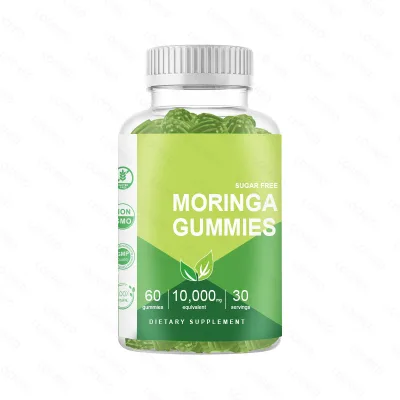
$1.50 - $1.80
MOQ: 500 pieces
Guangdong Changcheng Pharmaceutical Biotechnology Co., Ltd.
- Verified by SGS Group
- Manufacturer, Trading Company
- Lead time10 days
- Avg. response≤ 5h
Main productsTablet, Drops, Capsules, Resin & Gel, Soft Candy
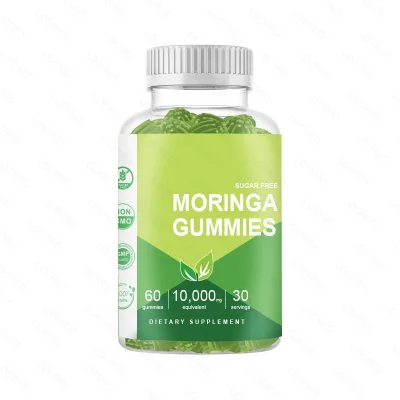
$1.50 - $1.80
MOQ: 1000 boxes
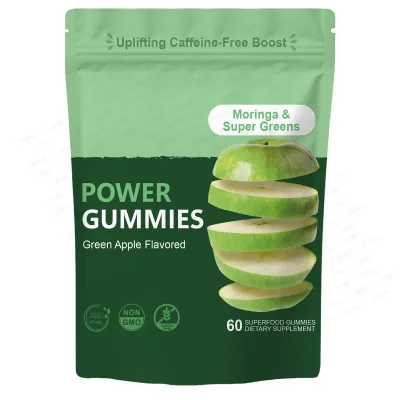
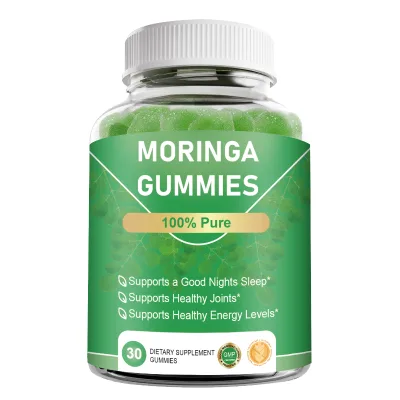

Zhongyuan (Wuhan) Trading Co., Ltd
- Verified by CTI
- Trading Company
- China Hubei
- Lead time23 days
- Avg. response≤ 13h
Main productsHealth Products
Main marketsDomestic


Moringa Leaf Extract Gummies Natural Energy Immune Support Supplement for Adults Kids
$1.40 - $1.50
MOQ: 1000 Pieces
- Verified by TüVRheinland
- Trading Company
- Lead time3 days
- Avg. response≤ 7h
Main productsHealth Food, Dietary Supplement
Main marketsNorth America(70%), Africa(10%), Northern Europe(10%)
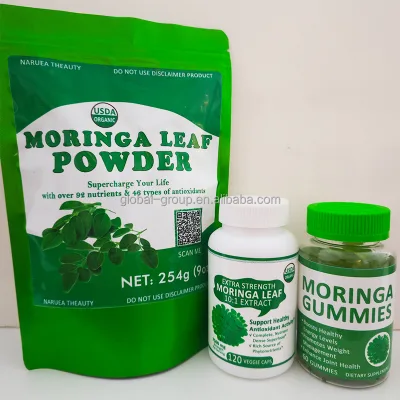
$9.3892 - $12.5194
MOQ: 1 sets
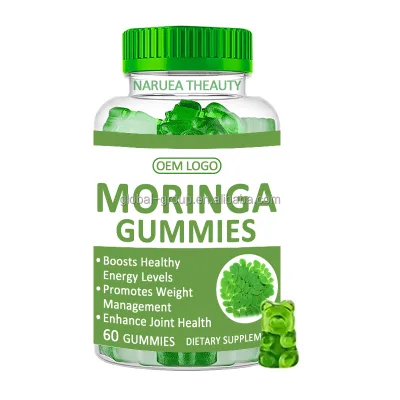

Henan Tangbainian Health Management Co., Ltd.
- Verified by SGS
- Combined
- China Henan
- Lead time15 days
- Avg. response≤ 3h
Main productsHealth Food Candy Gummy Tablet Candy Softgel
Main marketsDomestic

OEM/ODM Health Food Vitamins Supplements Factory Direct Organic Moringa Gummies
$1.25 - $2.38
MOQ: 500 Pieces


Private Label Health Food Supplement Support Booster Energy Moringa Spirulina Gummies
$1.20 - $2.30
MOQ: 500 Pieces

Xi'an Ekon Herbal Biotechnology Co., Ltd.
- Verified by TüVRheinland
- Trading Company
- Shaanxi, China
- Lead time7 days
- Avg. response≤ 3h
Main productsTea Bag, Gummies, Health Capsule, Plant Extract, Dietary Supplyment
Main marketsNorth America(35%), Western Europe(20%), Oceania(15%)
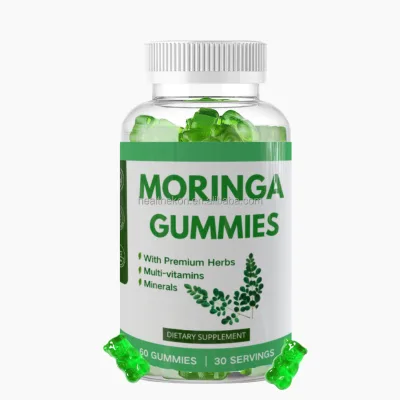
OEM Moringa Gummies Supplement Food OEM Private Label Moringa Leaf Extract Gummies
$2.90 - $3.50
MOQ: 100 boxes
Moringa Leaf Extract Moringa Gummies Gummy Supplement Multivitamins Minerals Organic Super Foods
$2.90 - $3.50
MOQ: 100 bags
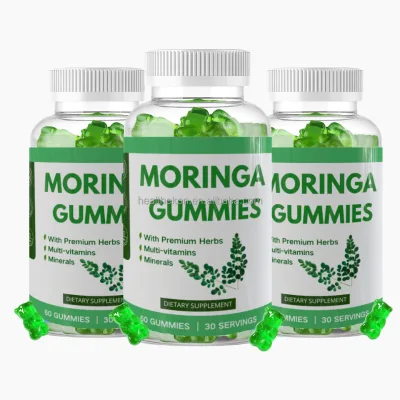

Jiangsu Handian Biotechnology Co., Ltd.
- Verified by BV
- Combined
- China Jiangsu
- Lead time23 days
- Avg. response≤ 20h
Main productsEffervescent Tablet, Vitamin Gummy, Chewable Tablet, Powder Supplement, Softgel&Capsule, Pet Supplement, Sports Nutrition, Collagen Supplement, Whey Protein, Weight Loss
Main marketsSouth America,Africa,Southeast Asia/ Mideast,Europe,Australia,North America

OEM Service Factory Wholesale Multivitamin Health Food Sugar Free Halal Bear Gummy
$1.80 - $2.40
MOQ: 5000 Bottle


Xi'an Heiner Supplement Co., Ltd.
- Verified by Intertek
- Manufacturer, Trading Company
- Lead time10 days
- Avg. response≤ 2h
Main productsCompound Whitening Powder, Compound Anti-wrinkle Powder, Healthcare Products, Herbal Extract, Solid Drink
Main marketsNorth America(30%), Southeast Asia(20%), South America(10%)
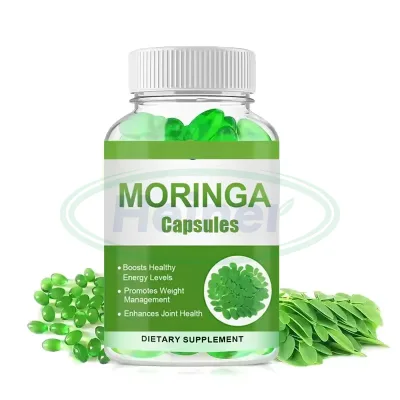
OEM Moringa Super Greens Gummies Supplement Organic Moringa Leaf Extract Gummies
$1.23 - $2.65
MOQ: 100 Minimum
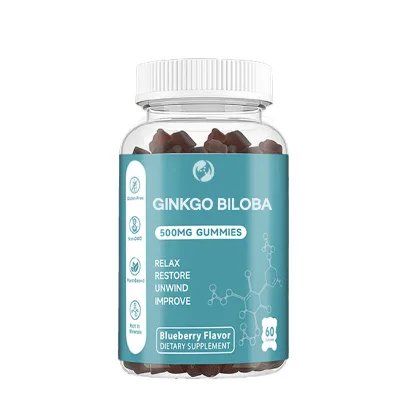
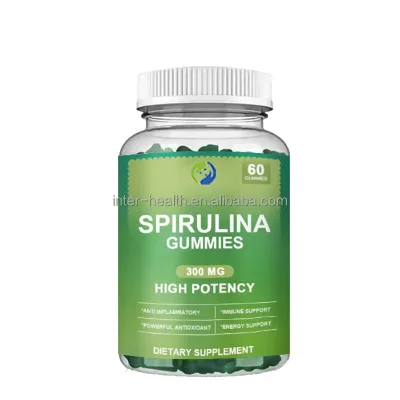
Private Label Spirulina Gummies Immune Booster Moringa Wheatgrass Chlorella Spirulina Gummies
$1.8473 - $3.2844
MOQ: 100 Minimum
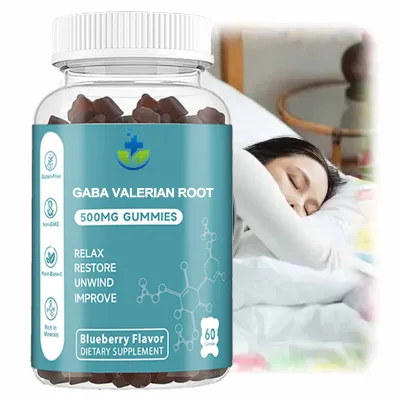
Guangzhou Ludingji Pharmaceutical Co., Ltd.
- Verified by TüVRheinland
- Trading Company
- Lead time0 days
- Avg. response≤ 5h
Main productsGummies, Capsules, Sofgel, Collagen Powder, Drop
Main marketsNorth America(15%), Western Europe(15%), Eastern Europe(10%)
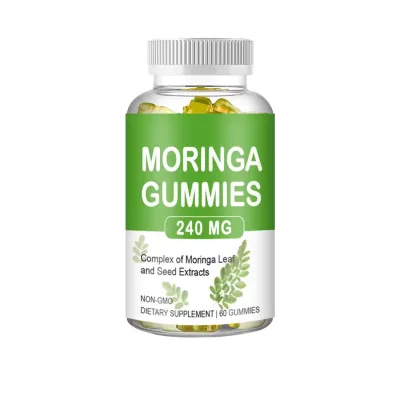
Moringa Gummy 60 Gummies Per Bottle Moringa Supplements Private Label logo Customization Available
$1.80 - $2.00
MOQ: 100 pieces
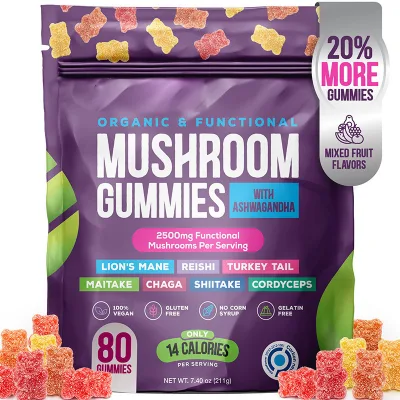
$2.1677 - $2.3742
MOQ: 500 pieces

Guangxi Kaitai Biotechnology Co., Ltd
- Verified by BV
- Trading Company
- China Guangxi
- Lead time15 days
- Avg. response≤ 8h
Main productsThailand Pueraria Mirifica Powder, Thailand Butea Superba Powder, Dietary Supplements for Male, Honey, Coffee
Main marketsSouth America,Africa,Southeast Asia/ Mideast,East Asia(Japan/ South Korea),Europe,Australia,North America
Guangxi Nanning Gufeng Food Co., Ltd.
- Manufacturer, Trading Company
- Lead time旺季: "1 - 100":7,"> 100":"To be negotiated", 淡季: "1 - 100":7,"> 100":"To be negotiated"
- Avg. response≤ 2h
Main productsBlueberry Syrup,Deer Antler (high quality capsules/bottle),Honey,Caterpillar Fungus (Cordyceps sinensis),Amino Acid Calcium Chondroitin

Xi'an Kangherb Bio-Tech Co., Ltd.
- Verified by TUVRHEINLAND
- Manufacturer/Factory
- China Shaanxi
- Lead time15 days
- Avg. response≤ 11h
Main productsNmn, Food Sweetener, Stevia, Resveratrol, Ca-Akg, Spermidine, Glutathione, Quercetin, Urolithin a, Astaxanthin
Main marketsSouth America,Eastern Europe,Mid East,North America,Southeast Asia,Eastern Asia,Oceania,Western Europe,Africa

Kangherb Pure Natural Herbal Extract Nutritious Vegan Snack Amla Gummies
$2.50 - $5.00
MOQ: 500 Pieces

Natural Fruit Flavor Dietary Supplement Urolithin a Gummies for Anti-Aging
$3.50 - $5.50
MOQ: 500 Pieces

Fujian Herbal Treasure Bioengineering Co., Ltd.
- Verified by SGS
- Combined
- China Fujian
- Lead time30 days
- Avg. response≤ 4h
Main productsMushroom Coffee, Instant Coffee, Health Supplement Coffee, Gummy, Hericium Ericium
Main marketsNorth America


Boost Immunity Complex Mushroom Gummies Healthy Delicious Mushroom Chews
$1.75 - $4.32
MOQ: 500 pieces
Shaanxi Bieyouth Biotech Co., Ltd.
- Verified by SGS Group
- Trading Company
- Lead time15 days
- Avg. response≤ 2h
Main productsFood Additives, Health Care Products Raw Materials, Cosmetic Raw Material
Main marketsMid East(25%), Eastern Europe(20%), Africa(10%)
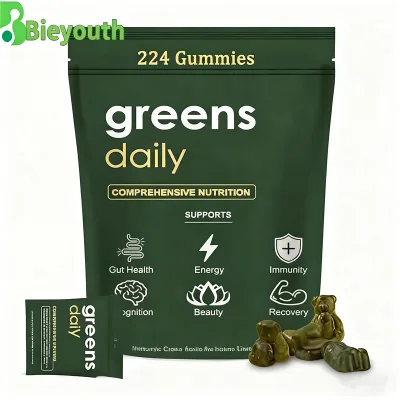
OEM Supergreens Gummies with Spinach, Broccoli, Moringa,Health Supplement Daily Greens Gummies
$4.6153 - $5.9476
MOQ: 1 Minimum

Shandong Shiyi Trading Co., Ltd.
- Verified by CTI
- Trading Company
- China Shandong
- Lead time15 days
- Avg. response≤ 19h
Main productsHealth and Care, Cosmetics
Main marketsAfrica,Europe,North America


OEM. Ashwagandha Gummies Dietary Fiber Gummies - 60 Pieces. Health Supplements
$2.00 - $3.50
MOQ: 500 Pieces

Health Supplement, Complete Qualifications, Ashwagandha Gummies, South African Ginseng Gummies, OEM
$2.00 - $3.50
MOQ: 500 Pieces


Healorena Dietary Supplement Factory
- Trading Company
- Shaanxi, China
- Lead time5 days
- Avg. response≤ 14h
Main productsDietary Supplement,Herbal Supplement,Capsules,Tablets,Liquid
Main marketsNorth America(80.00%), Africa(10.00%), Western Europe(5.00%), Southeast Asia(5.00%)
Xixian New Area Biyouti Biotechnology Co., Ltd.
- Manufacturer, Trading Company
- Shaanxi, China
- Lead time8 days
- Avg. response≤ 2h
Main productsNutrition Gel for Dogs and Cats,Dog Probiotic,Horse Gel Apple Flavor,Chewable Tablets for Dogs Immune Support,Joint Care for Dogs
Main marketsDomestic Market(30.00%), North America(10.00%), Central America(10.00%), Eastern Asia(10.00%), Africa(10.00%), Southeast Asia(10.00%), Eastern Europe(10.00%), South America(10.00%)
Zhengzhou Kunjing Trading Co., Ltd.
- Verified by Intertek
- Trading Company
- Lead time0 days
- Avg. response≤ 1h
Main productsGummy, Tablets, Pre-packed Food
Main marketsNorth America(40%), Western Europe(30%), Southeast Asia(20%)
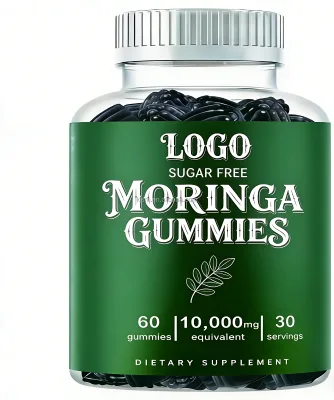
$3.6886 - $4.247
MOQ: 100 units
Guangzhou Hollycon Biotechnology Co., Ltd.
- Verified by TüVRheinland
- Manufacturer, Trading Company
- Lead time15 days
- Avg. response≤ 1h
Main productsHealthcare Supplements, Gummy, Capsules, Tablets, Powder
Main marketsNorth America(30%), Eastern Europe(10%), Western Europe(10%)


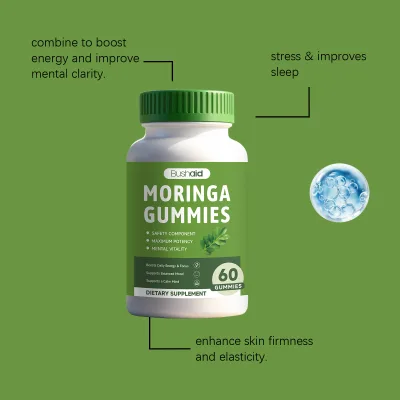
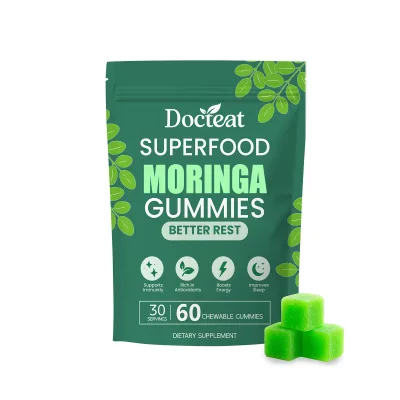
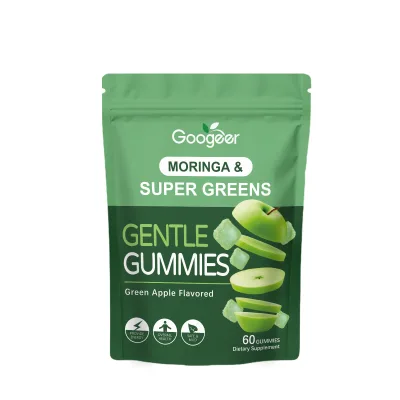
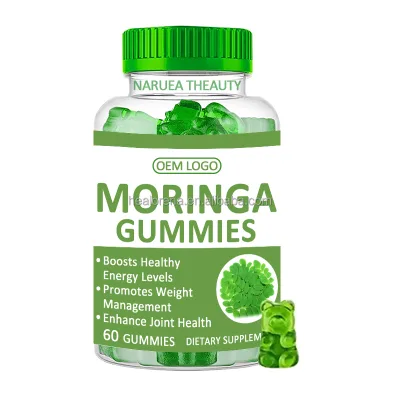
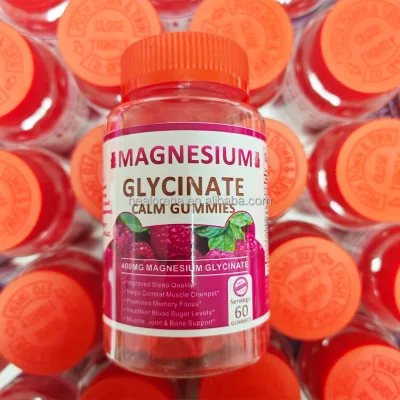
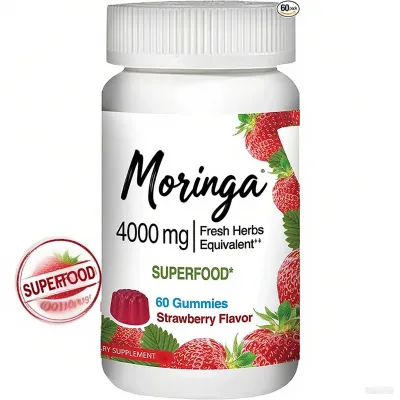
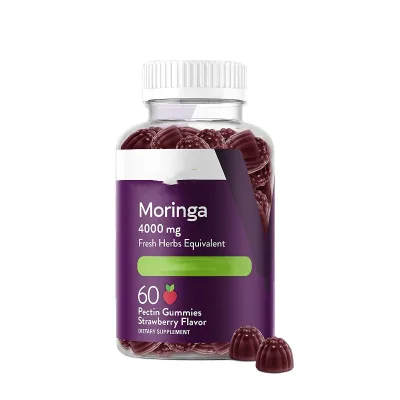
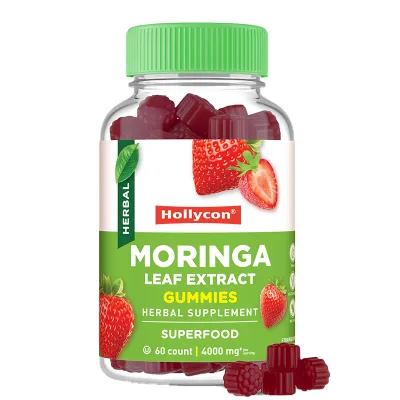
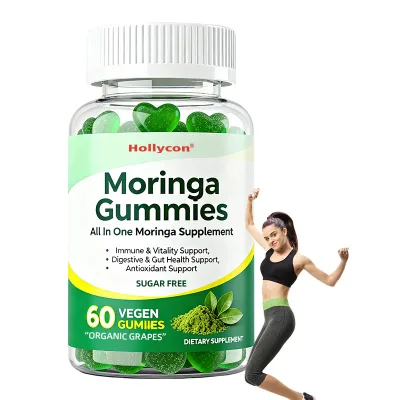
Comprehensive Sourcing Guide
Sugar-Free Halal Moringa Gummies Supplier Concentration and Factory Types
Suppliers of sugar-free halal moringa gummies in current search results are concentrated in Shaanxi, China, which appears as the place of origin across multiple gummy listings. This province is a well-known base for plant-extract and health-supplement production, and several listings categorize the products under plant extract and herbal supplement categories. Some suppliers also list broader portfolios including moringa leaf powder, shilajit extract, mushroom coffee powder, and other plant extracts, which signals an ingredient-level sourcing position rather than a pure finished-goods focus. When browsing, note that origin fields and category labels give you a fast way to separate dedicated gummy producers from general extract traders reselling finished products.
Company types vary meaningfully. Some listings identify trading companies, others identify manufacturer-and-trading combinations, and one manufacturer-and-trader lists main products spanning softgels, capsules, pressed tablets, powders, and liquid drinks. A manufacturer with multiple dosage forms is more likely to control gummy production in-house, while a trading company may broker between you and an unnamed factory. Neither model is inherently better, but your audit, sampling, and communication path differs. Before committing, ask each candidate to state whether they produce gummies themselves or source them, and request the actual producing entity's name if a third party is involved. Keep in mind that displayed company-type labels can lag behind reality, so verification documents should always corroborate what the platform profile claims.
How to Verify Sugar-Free Halal Moringa Gummies Suppliers
Start with third-party verification badges. In the current results, some suppliers carry verification from CTI, others from Intertek, and one from SGS Group. These are independent inspection and certification bodies, and a verified badge means the supplier's business credentials were audited by that entity, not that every product claim is true. Treat verification as a floor: confirm which legal entity was audited, when the audit occurred, and whether the verified entity matches the one quoting you. If a supplier lacks any third-party verification, ask for business licenses and export records directly before sending samples or deposits.
Next, verify product-level claims against certificates. Listings in this category display FDA, ISO, HACCP, and BRC certifications on some gummy products, while others show ISO9001 and Halal certificates, and one supplier lists system-level certifications including HACCP, GMP, Kosher, HALAL, EU Organic, and USDA. Because your keyword centers on halal and sugar-free formulations, request the halal certificate itself and confirm which issuing body signed it and which production site it covers. For sugar-free claims, ask for the sweetener specification and test reports rather than accepting listing text. Also confirm formulation documents match the model numbers quoted, since one supplier's listings show multiple gummy models with different certification sets. Finally, check assay methods: several listings state HPLC and UV testing, so ask who performs the testing and whether you may appoint a third-party lab to re-test pre-shipment samples.
What to Compare Across Sugar-Free Halal Moringa Gummies Suppliers
Build a comparison sheet using the attributes actually displayed, without assuming every supplier shows every field. Lead times in the current results range from 7 to 15 days, which is a meaningful spread for launch timing. Response times shown include one hour, four hours, and roughly five hours; fast replies do not guarantee quality, but unresponsive pre-sales behavior usually worsens after payment. MOQs differ sharply between listings: some gummy products show a 50-bottle minimum while a sugar-free OEM listing shows 500 bottles, so your order size may determine which suppliers are even reachable. Price ranges are visible on several listings, giving you a starting band for negotiation.
Beyond those numbers, compare main-product focus, company type, and customization capability. One supplier's R&D capacity listing mentions sample processing, graphic processing, and customized on-demand work, which matters if you need private-label gummies with your own logo and packaging. Another manufacturer-trader lists light customization plus the same sample and graphic services. Compare dosage-form breadth too: a supplier producing only gummies may specialize more deeply, while one producing capsules, tablets, powders, and drinks may have stronger generic supplement infrastructure but less gummy-specific expertise. Also compare displayed packing standards, bottle counts, and shelf-life declarations across listings, then normalize everything into a single spreadsheet so differences in formulation, certification, and service level are visible side by side before you shortlist.
Common Sugar-Free Halal Moringa Gummies Sourcing Risks
The biggest risk is certification mismatch. A listing may display FDA, ISO, HACCP, or BRC marks, but those certificates may belong to the trading entity, an expired audit, or a different factory than the one producing your order. Halal certification is especially sensitive: buyers assume any supplement can be certified, yet gelatin-based gummy bases, flavorings, and processing aids can all disqualify a product. If halal compliance is a sales requirement in your market, obtain the certificate, the issuing body's name, and the covered site before contract signing, and never rely on the word halal in a product title.
Formulation and labeling risks follow closely. Sugar-free claims depend on the sweetener system used, and some markets restrict specific sweeteners or require particular label wording for sugar-free or no-added-sugar statements. One listing in this category even marks the product as not applicable to teenagers, newborns, and children, which shows how age-group claims vary between formulations. Gummies are also moisture-sensitive: several listings specify cool, dry storage and 24-month shelf life, but a gummy that melts, weeps, or sticks in transit creates refunds regardless of certification. Additional risks include paying deposits to unverified intermediaries, receiving samples from a pilot line while bulk runs on different equipment, and assuming customization promises like custom logo packaging are free when they may carry mold or setup fees. Mitigate by specifying the sweetener, gelatin or pectin base, packaging material, and age-suitability statements in writing.
Sugar-Free Halal Moringa Gummies Regional Sourcing and Logistics
Because the visible origin for these gummies is Shaanxi, China, plan your logistics around inland Chinese provinces rather than coastal ones. Goods produced inland typically truck to a coastal port before ocean freight, which adds days and handling compared with shipments originating near a port city. The displayed lead times of 7, 10, and 15 days likely cover production only, not transit, so when comparing supplier quotes, ask each one to break out production time, inland transport, and export documentation time. A supplier quoting a 7-day lead time may still lose your timeline advantage if port congestion or trucking delays are not budgeted.
Packaging choices affect logistics more for gummies than for powders or capsules. Listings here describe cartons, aluminum foil bags, and bottled formats with specified carton counts, and one listing notes a 20 kg single gross weight for a bulk configuration while another shows 0.5 kg per bottled unit. Heavier carton configurations reduce per-unit freight cost but raise heat exposure risk in summer containers, so clarify whether temperature-controlled or shaded routing is needed for your destination climate. Ask suppliers which export ports they normally use, whether they handle export clearance, and which shipping terms they quote. If you are air-freighting samples, confirm the sample packing format, since gummies in foil bags travel more safely than loose bottles. Always reconcile the packing spec in the listing with the packing spec in your purchase contract.
Sugar-Free Halal Moringa Gummies Commercial Terms and Order Planning
Structure commercial terms around the MOQ and customization interaction. Current listings show 50-bottle minimums on standard gummy products and a 500-bottle minimum on a sugar-free OEM variant, which illustrates a common pattern: private-label or sugar-free custom formulations carry higher minimums than catalog products. When planning your first order, decide whether to validate demand with a lower-MOQ catalog item or commit to the custom minimum, and confirm in writing whether the displayed price range applies at the MOQ level or only at higher volumes. Also ask whether customization fees, mold charges, and label design costs are amortized into unit prices or billed separately.
Payment and milestone planning should reflect supplier risk. With verified suppliers, match your payment structure to verification strength: stronger third-party verification and longer operating history justify more favorable terms, while a first order with an unverified trading company warrants heavier deposit protection and clear pre-shipment inspection rights. Sequence your timeline backwards from your launch date using the displayed lead times as planning anchors: a 15-day production lead time plus sampling, halal certificate verification, and transit can easily become a two-to-three-month runway. Confirm sample cost and lead time separately, since R&D capacity listings here mention sample processing and graphic processing as distinct services. Finally, agree on re-order terms early, because repeat orders are where response speed, stable pricing, and consistent gummy quality actually get tested.
FAQs
Where is the typical production origin for sugar-free halal moringa gummies?
Listed suppliers are based in Shaanxi, China, a region known for plant extract and dietary supplement manufacturing. Many combine trading and manufacturing capabilities, so production sites and trading offices may differ. Before ordering, confirm whether your supplier manufactures in-house or sources from a partner facility, and request the exact factory address for your audit records.
What certifications should I verify before sourcing halal moringa gummies?
Ask for a valid Halal certificate alongside ISO 9001, which some suppliers list for gummy products, and check for HACCP, FDA, ISO, or BRC references on individual listings. Certificates should cover the specific gummy product, not just the facility. Request the issuing body's name and certificate validity dates, and confirm the halal approval applies to every ingredient including sweeteners and gelling agents.
How do manufacturers confirm moringa content and quality in gummies?
Listings commonly specify HPLC as the test method, with UV and HPLC listed as assay methods, at food grade. Request a batch certificate of analysis showing moringa content, and ask whether third-party lab reports are available for finished gummies rather than raw leaf powder. Also confirm the testing frequency, acceptable assay range, and who bears retesting costs if results are disputed.
What is the typical MOQ for moringa gummies from these suppliers?
MOQs vary widely: some listings start at 50 bottles, while an OEM sugar-free gummy listing specifies 500 bottles per order. Bottle standards range from 60 to 120 pieces per bottle, or bulk supply. Confirm the MOQ applies to your exact formulation, since custom flavors, sugar-free recipes, or private-label packaging often require higher minimums than the advertised baseline.
What lead times and price ranges should buyers expect?
Listed lead times on this page range from 7 to 15 days, and quoted prices for moringa gummies span roughly 1.80 to 4.99 USD per unit depending on specification and order size. Confirm whether quoted lead times cover production only or include customization and packaging. Ask that pricing be reconfirmed in writing after your sugar-free and halal requirements are finalized.
Can I get private-label or customized moringa gummies for my market?
Yes, most listings state customization is available, including custom logo packaging, OEM and ODM support, and customized flavor or appearance for gummies. Provide your artwork, target market labeling requirements, and halal claims early, since artwork processing and sample runs extend timelines. Ask for a pre-production sample for approval before the full batch is manufactured and confirm who covers sample and shipping costs.