Taiwan Display Props Suppliers and Manufacturers
Source 24 Taiwan Display Props suppliers to compare lead times, response speeds, and certifications like ISO 9001. Review pricing and MOQs for acrylic and wooden props. Contact verified factories directly to request samples and confirm production schedules; review the available evidence before requesting comparable quotations from suitable candidates.
Suppliers List

Zhaoqing dingyi advertising production co. LTD
- Verified by SGS
- Trading Company
- China Guangdong
- Lead time23 days
- Avg. response≤ 12h
Main productsChannel Letter, Light Box, Neon Sign, Sign Board, Signage, Letter Sign, Pylon Sign, Glorifier Display
Main marketsSouth America,Eastern Europe,Mid East,North America,Eastern Asia,Oceania,Western Europe,Africa


Spring Festival Window Display Props Retail Store Decoration Wooden Props Dragon Decorative Props
$1682.00 - $1845.00
MOQ: 1


Manufacturers Custom Acrylic Display Table Props Window Display Props for Clothing Store
$649.00 - $688.00
MOQ: 1

Kunshan Caamatech Displays Co., Ltd.
- Verified by TUVRHEINLAND
- Combined
- China Jiangsu
- Lead time15 days
- Avg. response≤ 2h
Main productsOptical Shop Display, Cosmetic Display, Sign, Window Display, Interactive Display, Paper Display, Wood Display, Metal Display, Acrylic Display
Main marketsSoutheast Asia/ Mideast,Europe,Australia,North America


Factory High Quality Colorful and Unique Props Custom Decoration Display Showcase
$8.00 - $25.00
MOQ: 2 pieces


Kunshan Yijiao Decorative Engineering Co., Ltd.
- Combined
- China Jiangsu
- Lead time15 days
- Avg. response≤ 3h
Main productsLED Sign Letter, Light Box, Channel Letter, Metal Sign, Luminous Sign Letter, Waterproof Sign, LED Lighting Letters, Shopfront Signage, Acrylic Letters, 3D Illuminated Sign
Main marketsDomestic,Europe,Australia,North America


Clear Crystal Display Props Transparent Acrylic Props for Clothing Store
$1.80 - $2.00
MOQ: 1 centimeters


Rizhao Fenghua Scaffoldings Co., Ltd.
- Verified by BV
- Combined
- China Shandong
- Lead time45 days
- Avg. response≤ 17h
Main productsScaffolding, Scaffold, Forging, Formwork, Scaffold Couplers, Swivel Coupler, Frame System, Hand Tools, Scaffold Plank
Main marketsSouth America,East Asia(Japan/ South Korea),Europe,North America


MOQ: 1000 Pieces

MOQ: 500 Pieces

Shandong Fandiluo Arts & Crafts Co., Ltd.
- Verified by TUVRHEINLAND
- Combined
- China Shandong
- Lead time30 days
- Avg. response≤ 7h
Main productsDisinfection Door, Disinfection Channel
Main marketsEast Asia(Japan/ South Korea),Europe,Australia


Photography Props Giant Shell Display Seats Ocean Theme Statues for Party Events
$200.00 - $300.00
MOQ: 5 Pieces

Fiberglass Colorful Display Props Candy Cane Donut Statue Christmas Candy Cane Props for Party Decor
$100.00 - $200.00
MOQ: 5 Pieces


Outdoor Waterproof Large Christmas Ball Sculpture Statue Figurine Props Christmas Decoration
$150.00 - $500.00
MOQ: 1 Pieces

MTM BUILDING MATERIALS CO., LTD.
- Verified by BV
- Trading Company
- China Hebei
- Lead time15 days
- Avg. response≤ 4h
Main productsPP Formwork, Formwork System, Scaffold, Steel Prop, Formwork, Plastic Formwork, Scaffoldingg, Base Jack, PVC Formwork, Coupler
Main marketsSouth America,Africa,Southeast Asia/ Mideast,Europe,Australia,North America
Xiamen E-Creative Display Co., Ltd.
- Manufacturer, Trading Company
- Fujian, China
- Lead time30 days
- Avg. response≤ 5h
Main productsWindow Display Props,Fiberglass Props,Cartoon Dolls,Arts Statues,Visual Display Props
Main marketsNorth America(35.00%), Domestic Market(35.00%), Mid East(8.00%), Southeast Asia(7.00%), Oceania(5.00%), Central America(3.00%), Eastern Asia(3.00%), Northern Europe(2.00%), Western Europe(2.00%)

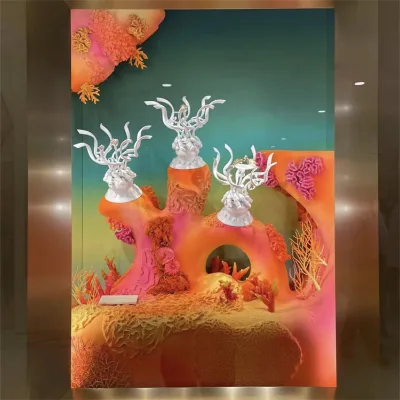
Creative Design Display Prop Fiberglass Sculpture Ocean Character House Window Display Props
$1800.00 - $2000.00
MOQ: 10

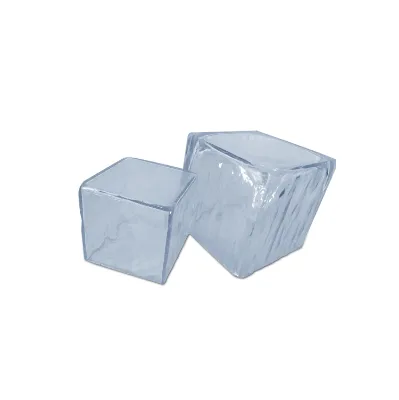
Cosmetics Store Display Resin Blusher Props Artificial Cosmetic Display Props
$78.69 - $80.77
MOQ: 50 sets
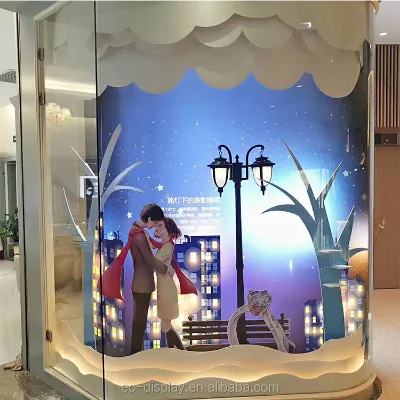

New Design Mall Center Visual Display Giant Fiberglass Water Drop Props Holiday Mall Decoration
$80.00 - $88.00
MOQ: 20 pieces
Dongguan Chance Gift & Craft Co., Ltd.
- Manufacturer, Trading Company
- Guangdong, China
- Lead time30 days
- Avg. response≤ 6h
Main productsManufacturer,Toys,Artificial Food Models,Gift & Crafts
Main marketsDomestic Market(50.00%), North America(20.00%), South Asia(10.00%), Eastern Asia(10.00%), Mid East(5.00%), Southern Europe(5.00%)

Guangzhou Namchi Culture & Arts Company
- Verified by SGS
- Trading Company
- China Guangdong
- Lead time15 days
- Avg. response≤ 10h
Main productsStatue, Robot Costume, Pizza Paddle, Kaws Statue, Bearbrick Toys, Animal Statue, Home Decoration, Hulk Statue, Action Figure Toy, Kaws
Main marketsEurope,North America

Event Party Decor Props Good Quality Fiberglass Resin Cartoon Cute Elephant Baby Statue
$80.00 - $180.00
MOQ: 1 Pieces

Event Party Decor Animal Props Handmade Resin Crafts Cartoon Cute Panda Statue
$52.00 - $122.00
MOQ: 1 Pieces

Shijiazhuang Hanpiao Metal Work Co., Ltd.
- Verified by SGS
- Manufacturer
- China Hebei
- Lead time15 days
- Avg. response≤ 7h
Main productsFormwork Accessories, Flat Tie Wall Tie, Wedge Pin Wedge Bolt, Form Tie B Cone D Cone, Tie Nut Tie Rod
Main marketsSoutheast Asia/ Mideast,East Asia(Japan/ South Korea),North America

Hanpiao Props Heavy Duty Adjustable Acrow Props for Construction Support
$8.30 - $8.50
MOQ: 500 Pieces


Shenzhen Xinfangzhen Technology Co., Ltd.
- Verified by SGS
- Combined
- China Guangdong
- Lead time15 days
- Avg. response≤ 1h
Main productsStainless Steel Sculpture, Fiberglass Sculpture, Metal Flower Pot, Outdoor Bench
Main marketsDomestic

$3000.00 - $50000.00
MOQ: 10 Pieces


$3000.00 - $50000.00
MOQ: 10 Pieces

$3000.00 - $50000.00
MOQ: 10 Pieces

FRP Shopping Mall Display Props, Models, Installations, Sculptures and Ornaments Manufacturer
$3000.00 - $50000.00
MOQ: 10 Pieces

Suzhou Vanmetta Landscape Engineering Co., Ltd.
- Verified by SGS Group
- Trading Company
- Lead time25 days
Main productsFiberglass Sculpture, Holiday Motif Lights, Commercial Christmas Decoration, Giant Christmas Tree
Main marketsNorth America(40%), Africa(30%), Domestic Market(15%)

Hebei Haihong Construction Equipment Co., Ltd
- Verified by SGS
- Combined
- China Hebei
- Lead time15 days
- Avg. response≤ 3h
Main productsSteel Support, Steel Prop, Scaffolding, Scaffolding Clamp, Jack Base, Formwork Spring Clamp
Main marketsDomestic

Tianjin Hengfengjinda Metal Structure Co., Ltd.
- Verified by SGS
- Combined
- China Tianjin
- Lead time30 days
- Avg. response≤ 2h
Main productsSteel Prop Formwork System Scaffolding, Scaffold Farme Push-Pull Prop Tripod, Ford Head Steel Tubes Steel Prop Accessories, Scaffolding Accessories
Main marketsSoutheast Asia/ Mideast,Europe,North America
Shanghai Blue-Sky Design & Display Engineering Limited
- Verified by SGS Group
- Trading Company
- Lead time30 days
Main productsHome Decoration, Resin Crafts, Window Display
Main marketsNorth America(60%), Western Europe(20%), Mid East(10%)
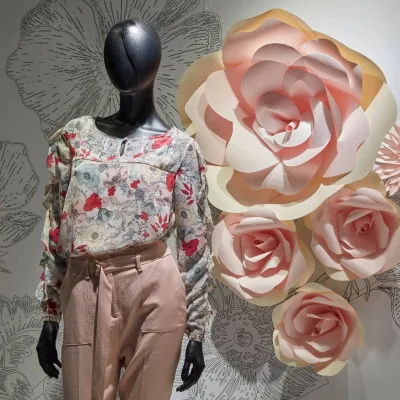
$49.00 - $99.00
MOQ: 1 pieces
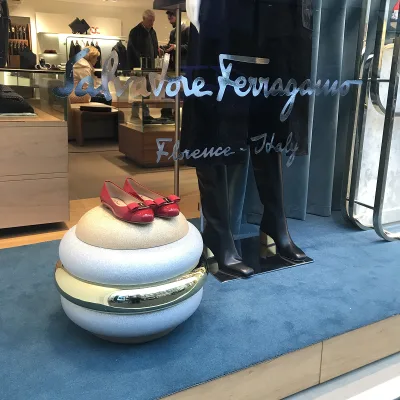
High-quality Display Props in Shopping Mall Windows Display Props FRP Decoration
$50.39 - $101.80
MOQ: 1 pieces


Tangshan Wufang Industry Co., Ltd.
- Verified by BV
- Combined
- China Hebei
- Lead time30 days
- Avg. response≤ 2h
Main productsRinglock Scaffolding System, Frame Scaffolding System, Tubes and Couplers, Scaffold Walking Board and Staris, Adjustable Shoring Props, Aluminum Tower, Steel Formwork, LVL Board, Steel Wires
Main marketsSoutheast Asia/ Mideast,Domestic
Arrival Technology (Xiamen) Co., Ltd.
- Verified by TüVRheinland
- Manufacturer, Trading Company
- Lead time20 days
Main productsDisplay Rack, Display Stand, Display Cabinet, Display Shelf, Display Holder
Main marketsNorth America(40%), South America(20%), Western Europe(15%)

Creative Custom Wood Sculpture Decorative Animal Sculptures Christmas Props Props for Window Display
$17.00 - $20.00
MOQ: 100 pieces

Window Display Prop Decor Prop Custom Decorative Modern Sculptures Mold Construction Props
$2.52 - $3.16
MOQ: 500 pieces
Taizhou Chuanggeng Arts And Crafts Co., Ltd.
- Verified by TüVRheinland
- Manufacturer, Trading Company
- Jiangsu, China
- Lead time20 days
- Avg. response≤ 2h
Main productsFiber Glass Sculpture, Stainless Steel Sculpture
Main marketsDomestic Market(27%), North America(15%), Eastern Asia(10%)


Factory Custom Cartoon Fruit Statue Shopping Mall Fruit Glass Fiber Props Pop Art Sculpture
$204.00 - $612.00
MOQ: 1

Custom Sculpture Display Shopping Mall Hotel Park Window Display Props Art Bird Sculpture
$618.00 - $688.00
MOQ: 1

Fiberglass Props Casual Letter Seat Sculpture for Outdoor Park Shopping Mall Lawn Decoration
$400.00 - $800.00
MOQ: 1

Shanghai Fei Hua Industrial Co., Ltd.
- Verified by Intertek
- Manufacturer, Trading Company
- Lead time15 days
Main productsPaper Flowers, Paper Art Props, Artistic Installations
Main marketsWestern Europe(40%), Oceania(25%), North America(25%)
Xianju Yijia Arts & Crafts Co., Ltd.
- Verified by SGS Group
- Manufacturer, Trading Company
- Lead time60 days
Main productsJewelry Display, Crystal products, Storage Boxes, Furniture, Jewelry Box
Main marketsNorth America(47%), South America(13%), Eastern Europe(10%)
Shenzhen Jiangxinge Gift Crafts Co., Ltd.
- Manufacturer, Trading Company
- Guangdong, China
- Lead time0 days
- Avg. response≤ 1h
Main productsfiberglass statue custom,FRP sculpture manufacturer,fiberglass figurines wholesale,fiberglass animal statue,fiberglass mascot custom
Main marketsSouth America(50.00%), North America(20.00%), Eastern Europe(10.00%)

$680.00 - $880.00
MOQ: 1 Minimum

Factory Direct Custom Design FRP Fiberglass Sculpture Manufacturer for Mall Display
$520.98 - $1041.96
MOQ: 1

Ningbo Walkon Plastic Industrial Co., Ltd.
- Trading Company
- China Zhejiang
- Lead time0 days
- Avg. response≤ 7h
Main productsFake Food, Foam Sculpture, Custom Display Stand, Cake Model, Fiberglass Sulpture, Food Model, Artificial Food, Food Replica

- Verified by SGS
- Combined
- China Guangdong
- Lead time30 days
- Avg. response≤ 1h
Main productsSand Table Model, Industrial Model, Equipment Model
Main marketsDomestic

Customize Your Exhibition Display with Heng Hui Mechanical Model From Guangdong
$4888.00 - $6888.00
MOQ: 1 Pieces

Tailored Exhibition Display for Textile Equipment Mod - Heng Hui Brand
$2888.00 - $3888.00
MOQ: 1 Pieces

Hangzhou Mingren Commercial Art Design Co., Ltd.
- Trading Company
- Zhejiang, China
- Lead time20 days
- Avg. response≤ 1h
Main productsFurniture,Chair,Stool,Sofa,Lamp
Main marketsDomestic Market(50.00%), Mid East(10.00%), North America(10.00%), Western Europe(10.00%), Oceania(6.00%), Southeast Asia(6.00%), Eastern Asia(6.00%), Northern Europe(2.00%)






Comprehensive Sourcing Guide
Taiwan Display Props Supplier Concentration and Factory Types
When evaluating the landscape for Taiwan Display Props, it is crucial to understand the diverse manufacturing structures available to international buyers. The current supplier base includes a mix of trading companies and combined entities, each offering distinct advantages for different procurement strategies. Trading companies often serve as intermediaries that consolidate products from multiple factories, providing a broader catalog and simplified communication for buyers who may not have the resources to manage multiple direct factory relationships. This model is particularly useful for sourcing complex or varied display solutions, as these entities can aggregate items that might not be available from a single specialized manufacturer. Buyers should recognize that while trading companies offer convenience and variety, they may add a layer of margin to the final cost, which needs to be weighed against the benefits of streamlined logistics and customer service.
In contrast, combined entities and direct manufacturers provide a different value proposition, often focusing on specific production capabilities such as OEM and ODM services. These suppliers are typically equipped to handle custom design requests and proprietary manufacturing processes, which is essential for brands seeking unique Taiwan Display Props that stand out in competitive retail environments. The presence of suppliers with combined operational models suggests a hybrid approach where internal production capabilities are complemented by external supply chain management. This structure allows for greater flexibility in scaling production and adapting to market demands. Buyers should assess whether their project requires the specialized technical expertise of a direct manufacturer or the logistical breadth of a trading company, as this decision will significantly impact the sourcing strategy and long-term supplier relationship.
How to Verify Taiwan Display Props Suppliers
Verification is a critical step in mitigating risk when sourcing Taiwan Display Props, as the quality and reliability of suppliers can vary significantly. Buyers should prioritize suppliers who have undergone third-party verification processes, such as those conducted by SGS or TÜV Rheinland, as these audits provide an independent assessment of the supplier’s operational capabilities and compliance standards. The presence of such verification badges indicates that the supplier has met specific criteria regarding business legitimacy and production capacity. However, verification is not a static guarantee; it is a snapshot of the supplier’s status at the time of the audit. Buyers should consider the recency of these verifications and the scope of the audit to ensure that the supplier’s current operations align with the verified standards. This due diligence helps in establishing a baseline of trust before engaging in deeper commercial negotiations.
Beyond third-party verification, buyers should examine the certifications and quality management systems held by the suppliers. Some suppliers may hold ISO 9001 certification, which demonstrates a commitment to standardized quality management processes. Additionally, product-specific certifications such as CE, UL, FCC, RoHS, and SAA are important for ensuring that the Taiwan Display Props meet safety and regulatory requirements in target markets. Buyers should request copies of these certificates and verify their validity with the issuing bodies. It is also advisable to check for any specific industry standards or compliance marks relevant to the materials used, such as acrylic or composite materials. By rigorously verifying these credentials, buyers can reduce the risk of receiving non-compliant products and ensure that their supply chain adheres to international quality and safety norms.
What to Compare Across Taiwan Display Props Suppliers
When comparing suppliers, lead time is a key metric that directly impacts inventory management and market responsiveness. Suppliers may offer varying lead times, such as 15 days or 23 days, depending on their production capacity and current order backlog. Buyers should align their procurement timelines with these lead times to avoid stockouts or excess inventory. Additionally, response time is a critical indicator of supplier reliability and communication efficiency. A supplier with a response time of 1.18 hours demonstrates a high level of responsiveness, which is essential for resolving issues quickly and maintaining smooth project progress. Buyers should consider both lead time and response time as complementary factors in their supplier evaluation, as a fast lead time is less valuable if the supplier is unresponsive to queries or changes.
Another important dimension for comparison is the minimum order quantity (MOQ) and pricing structure. Some suppliers may have an MOQ of 1, offering flexibility for small-scale orders or sampling, while others may require higher volumes, such as an MOQ of 2 or more. Pricing can also vary significantly, with ranges from as low as $5.00 to over $1,800.00, depending on the complexity, materials, and customization level of the Taiwan Display Props. Buyers should evaluate the total cost of ownership, including shipping and customization fees, rather than just the unit price. Furthermore, comparing the main products and customization capabilities of each supplier is essential. Suppliers offering OEM and ODM services may provide better value for custom designs, while those with a wide range of standard products may be more suitable for quick replenishment. By systematically comparing these attributes, buyers can identify the suppliers that best fit their specific operational needs and budget constraints.
Common Taiwan Display Props Sourcing Risks
One of the primary risks in sourcing Taiwan Display Props is the potential for quality inconsistencies, especially when dealing with composite materials or complex assembly processes. Products such as acrylic display tables or wooden props may vary in finish, durability, and structural integrity if quality control measures are not strictly enforced. Buyers should be aware that visual discrepancies or material defects can arise, particularly if the supplier relies on subcontractors or has inconsistent production standards. To mitigate this risk, buyers should request detailed product specifications and samples before placing large orders. It is also advisable to include quality assurance clauses in the contract, specifying acceptable tolerances and inspection criteria. By proactively addressing quality concerns, buyers can reduce the likelihood of receiving substandard products that could damage their brand reputation.
Another significant risk is the potential for delays in delivery or communication breakdowns, which can disrupt retail operations and marketing campaigns. Suppliers with longer lead times or slower response rates may struggle to meet tight deadlines, especially during peak seasons. Buyers should assess the supplier’s capacity to handle rush orders and their track record for on-time delivery. Additionally, there is a risk of intellectual property infringement if custom designs are not properly protected. Buyers should ensure that their designs are safeguarded through non-disclosure agreements and clear contractual terms. Furthermore, buyers should be cautious of suppliers who do not provide transparent pricing or hidden fees, which can inflate the total cost. By identifying and addressing these risks early in the sourcing process, buyers can establish a more resilient and reliable supply chain for their Taiwan Display Props.
Taiwan Display Props Regional Sourcing and Logistics
The geographic location of suppliers plays a significant role in determining logistics costs and delivery efficiency. Many suppliers are located in industrial hubs such as Guangdong and Jiangsu in China, which are known for their robust manufacturing ecosystems and proximity to major ports. Suppliers in Guangdong, for instance, may benefit from established supply chains for materials like acrylic and composite components, while those in Jiangsu might have specialized capabilities in wood and metal processing. Buyers should consider the logistical advantages of sourcing from these regions, including faster shipping times and lower freight costs. However, it is also important to evaluate the supplier’s ability to handle international shipping and customs clearance, as these factors can impact the overall delivery timeline.
Logistics planning should also account for the packaging and handling requirements of Taiwan Display Props, which can be fragile or bulky. Suppliers often use foam protection and wooden cases to ensure safe transit, but buyers should verify that the packaging meets international shipping standards to prevent damage. Additionally, buyers should consider the environmental impact of packaging materials, especially if they are targeting markets with strict sustainability regulations. Some suppliers offer recycled materials or eco-friendly packaging options, which can be a competitive advantage. By carefully planning the logistics and packaging strategy, buyers can minimize transit risks and ensure that their Taiwan Display Props arrive in pristine condition. This proactive approach to logistics management is essential for maintaining product quality and customer satisfaction.
Taiwan Display Props Commercial Terms and Order Planning
Effective order planning requires a clear understanding of the commercial terms offered by suppliers, including payment methods, warranty policies, and sample availability. Some suppliers provide samples, which is a valuable opportunity for buyers to evaluate product quality before committing to a large order. Buyers should inquire about sample costs and whether they can be credited against the final order. Additionally, warranty terms, such as a one-year warranty, provide assurance against defects and can reduce long-term costs. Buyers should review these terms carefully to ensure they align with their risk tolerance and operational needs. Understanding the customization options and design flexibility is also crucial, as many suppliers offer custom sizes, colors, and branding, which can enhance the uniqueness of the Taiwan Display Props.
Buyers should also consider the scalability of the supplier’s production capacity and their ability to handle repeat orders. Suppliers with OEM and ODM capabilities may offer better pricing and priority production for loyal customers. It is advisable to establish a long-term relationship with a supplier who demonstrates reliability and quality consistency, as this can lead to better terms and improved service over time. Buyers should also plan for potential fluctuations in demand by maintaining a buffer stock or having backup suppliers identified. By carefully managing commercial terms and order planning, buyers can optimize their procurement strategy and ensure a steady supply of high-quality Taiwan Display Props. This strategic approach helps in balancing cost efficiency with operational resilience, ultimately supporting the success of retail and marketing initiatives.
FAQs
Where are display prop suppliers located?
Suppliers are located in China Guangdong and China Jiangsu. Guangdong manufacturers specialize in channel letters and neon signs. Jiangsu suppliers focus on optical and cosmetic displays. Both regions offer diverse manufacturing capabilities for retail and window display needs.
What is the typical lead time?
Lead times range from 15 to 23 days. Jiangsu suppliers offer a 15-day lead time for customized acrylic and metal props. Guangdong suppliers typically require 23 days for production. These timelines apply to standard custom orders and may vary based on complexity.
What is the minimum order quantity?
MOQs are low, starting at 1 unit for some Guangdong products. Other Jiangsu suppliers require a minimum of 2 units. This flexibility supports small businesses testing new display concepts. Higher volumes may unlock better pricing tiers for bulk retail installations.
What certifications do products have?
Products carry CE, UL, FCC, RoHS, and SAA certifications. System certifications include ISO 9001 for quality management. Some suppliers hold SGS or TÜV Rheinland verification. These ensure safety and compliance for international retail and commercial display installations.
What materials are used for props?
Materials include composite materials, acrylic, wood, and metal. Some props are made from recycled composite materials. Acrylic is common for clear display tables. Wood is used for festive dragon props. Metal is utilized for jewelry holders and custom fixtures.
What is the price range?
Prices range from $5 to $1,845 per unit. Small acrylic blocks cost $5 to $7. Custom metal props range from $8 to $25. Large wooden dragon props cost $1,682 to $1,845. Pricing depends on size, material, and customization level.
Is customization available?
Customization is available for most display props. Buyers can choose custom colors, sizes, and designs. OEM and ODM services are offered by both Guangdong and Jiangsu suppliers. Custom mounting options include wall mounting or floor-standing upright columns.