Taiwan Bubble Tea Machine Suppliers and Manufacturers
Explore 29 verified suppliers offering Taiwan Bubble Tea Machine solutions with varying lead times, capacities, and certifications. Compare response times, MOQs, and product standards to select the right partner for your production needs today; review the available evidence before requesting comparable quotations from suitable candidates.
Suppliers List

Shanghai Target Industry Co., Ltd.
- Verified by TUVRHEINLAND
- Combined
- China Shanghai
- Lead time30 days
- Avg. response≤ 7h
Main productsCake Production Machine, Biscuit Machine, Chocolate Machine, Candy Machine, Confectionery Machinery, Packing Machine, Marshmallow Machine, Candy&Biscuit&Chocolate Mould, Cookie Machine, Food Machine
Main marketsSoutheast Asia/ Mideast,North America

Taiwan Bubble Tea Popping Boba Depositing Machine Coffee Drink Juice Ball Machinery
$20000.00 - $35000.00
MOQ: 1 Pieces

Automatic Bubble Tea Popping Boba Machine for Bubble Boba and Bubble Pearl Machine
$73000.00 - $120000.00
MOQ: 1 Pieces

Bubble Tea Depositing Production Line Taiwan Popping Boba Making Machine
$6999.00 - $9999.00
MOQ: 1 Pieces

Automatic Boba Machine for Sale Bubble Tea Making Machine and Bubble Tea Equipment
$68000.00 - $73000.00
MOQ: 1 Pieces

Agar Jelly Boba Forming Equipment Taiwan Bubble Milk Tea Popping Boba Machine
$6999.00 - $9999.00
MOQ: 1 Pieces

Taiwanese Drinks Tapioca Ball Popping Boba Making Machine for Bubble Tea Drinks
$30000.00 - $35000.00
MOQ: 1 Pieces
- Trading Company
- Taiwan, China
- Lead time7 days
- Avg. response≤ 4h
Main productsTopping, Syrup, 3 in 1 drink powder, Straw, Cup
Main marketsOceania(20.00%), Domestic Market(20.00%), Southeast Asia(20.00%), Western Europe(10.00%), Eastern Europe(10.00%), Southern Europe(5.00%), Mid East(5.00%)

Zheng Zhou Taizy Trading Co., LTD
- Verified by BV
- Trading Company
- China Henan
- Lead time15 days
- Avg. response≤ 5h
Main productsWood Processing Machine, Plastic Processing Machine, Charcoal Processing Machine, Food Processing Machine, Waste Recycling Machine, Packing Machine, Agricultural Machine, Egg Tray Machine, Metal Processing Machine
Main marketsSouth America,Others(foreignTradeCapacity.exportBusinessCapacityMarketOther),Southeast Asia/ Mideast,Europe


2022 Making Machine Tapioca Pearl Ball Machine Bubble Tea Ingredient Machine
$1000.00 - $3000.00
MOQ: 1 Pieces


Bubble Tea Equipment Tapioca Pearl Ball Machine Commercial Tapioca Pearl Making Machine
$1000.00 - $3000.00
MOQ: 1 Pieces
FOSHAN LIBOSA HOTEL SUPPLIES CO., LTD.
- Manufacturer, Trading Company
- Guangdong, China
- Lead time15 days
- Avg. response≤ 2h
Main productsoven,mixer,proffer,ice maker,cakeshowcase
Main marketsMid East(20.00%), Eastern Europe(10.00%), South America(10.00%), North America(10.00%), Southeast Asia(5.00%), Domestic Market(5.00%), South Asia(5.00%), Southern Europe(5.00%), Northern Europe(5.00%), Central America(5.00%), Western Europe(5.00%), Eastern Asia(5.00%), Oceania(5.00%), Africa(5.00%)
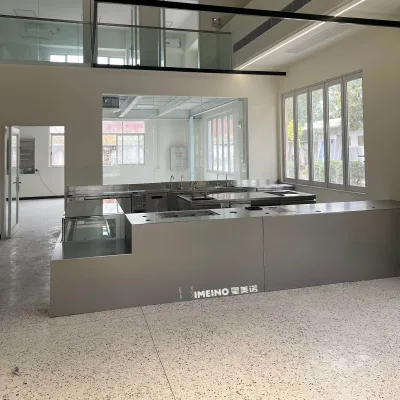
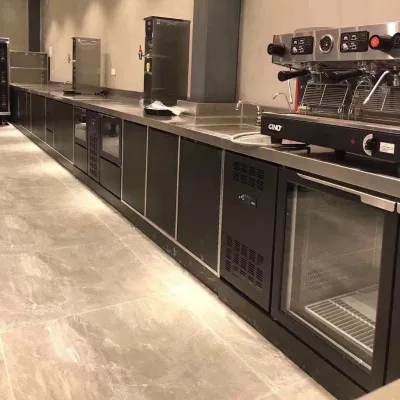
Gobelet Bubble Tea En Gros Bubble Tea Machine Boba Counter
$250.00 - $300.00
- Trading Company
- Zhejiang, China
- Lead time0 days
- Avg. response≤ 1h
Main productsCoating machine,Grinder Machine,Filling Machine,Oil Press Machine,Label Machine
Main marketsSouthern Europe(10.00%), Western Europe(10.00%), Eastern Asia(10.00%), Mid East(10.00%), Africa(10.00%), Southeast Asia(10.00%), Eastern Europe(10.00%), South America(10.00%), North America(10.00%), South Asia(5.00%), Northern Europe(5.00%)
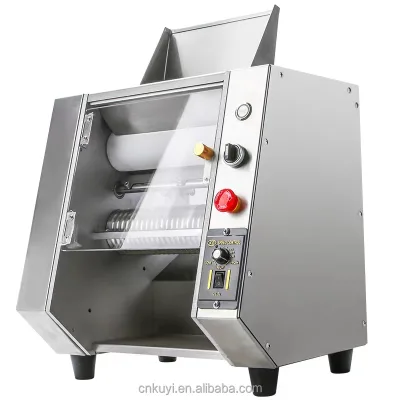
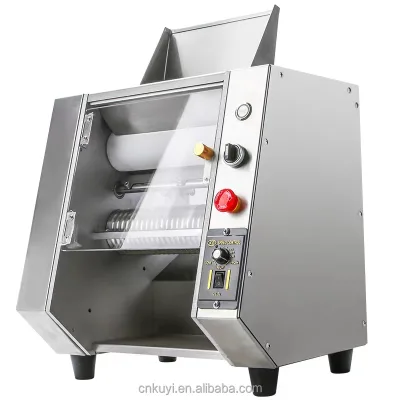
Taiwan Bubble Tea Balls Black Tapioca Pearls Machine Bubble Milk Tea Cassava Ball Making Machine
$1299.00 - $1499.00
MOQ: 1
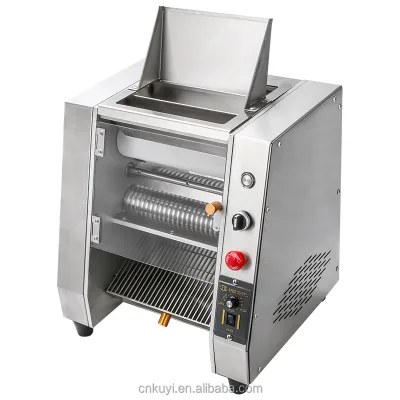
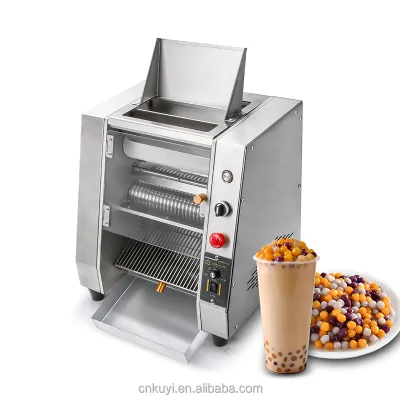
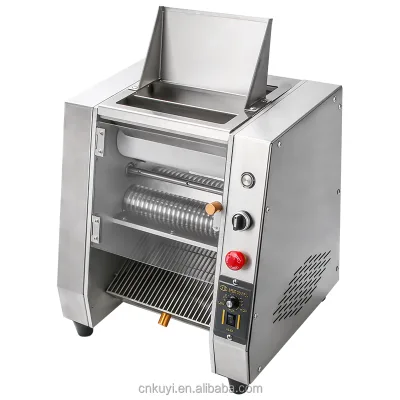
Bubble Tea Store Equipment Popping Making Machine Boba Popping Maker
$1299.00 - $1499.00
Henan Deshine Machinery Co., Ltd.
- Trading Company
- Henan, China
- Lead time7 days
- Avg. response≤ 2h
Main productsMeat Processing Equipment,Vegetable and fruit Processing Equipment,Food processing machine,Slaughtering Equipment,Chocolate Processing Equipment
Main marketsAfrica(19.00%), North America(15.00%), Southeast Asia(12.00%), Oceania(10.00%), Eastern Asia(7.00%), Mid East(6.00%), Northern Europe(6.00%), Eastern Europe(5.00%), South Asia(3.00%), South America(3.00%), Central America(3.00%), Western Europe(3.00%), Domestic Market(2.00%)
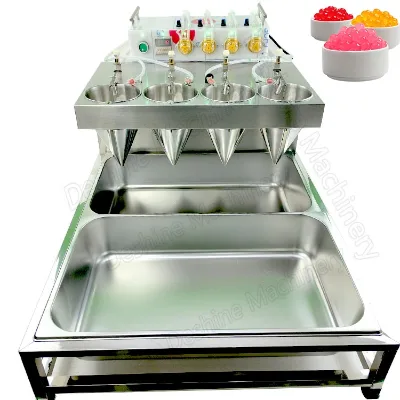
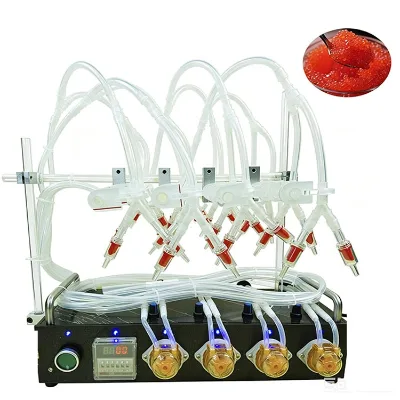
$299.00 - $369.00
MOQ: 1 sets
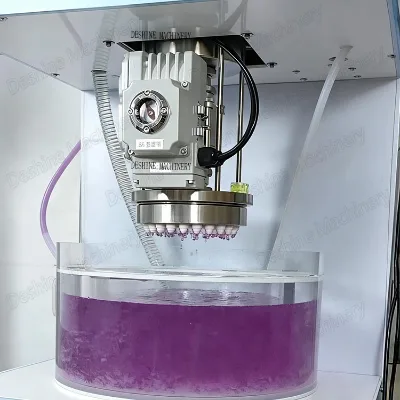
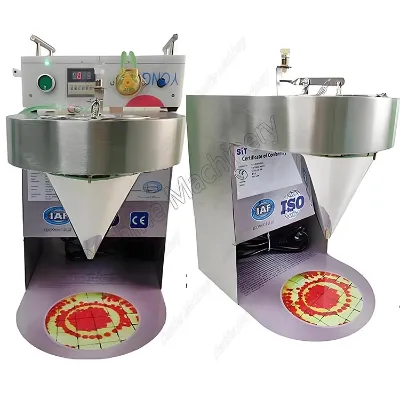
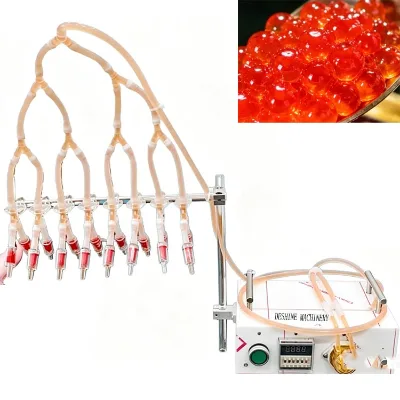

Luohe Xingdian Electromechanical Equipment Co., Ltd.
- Verified by BV
- Manufacturer/Factory
- China Henan
- Lead time0 days
- Avg. response≤ 2h
Main productsDrilling Rig, Meat Process Machine, Farm Machine, Packing Machine, Vegetable Process Machine, Textile Machine, Food Machine, Embroidery Machine, Construction Products, Industrial Product
Main marketsSouth America,Eastern Europe,Mid East,North America,Southeast Asia,Eastern Asia,Oceania,Western Europe,Africa
Guangzhou Ding Sheng Catering Equipment Co., Ltd.
- Verified by TüVRheinland
- Trading Company
- Lead time7 days
- Avg. response≤ 2h
Main productsBubble Tea Equipment, Ice Maker Machine, Kitchen Equipment, Ingredients, Package Product
Main marketsNorth America(36%), Oceania(20%), Southeast Asia(10%)
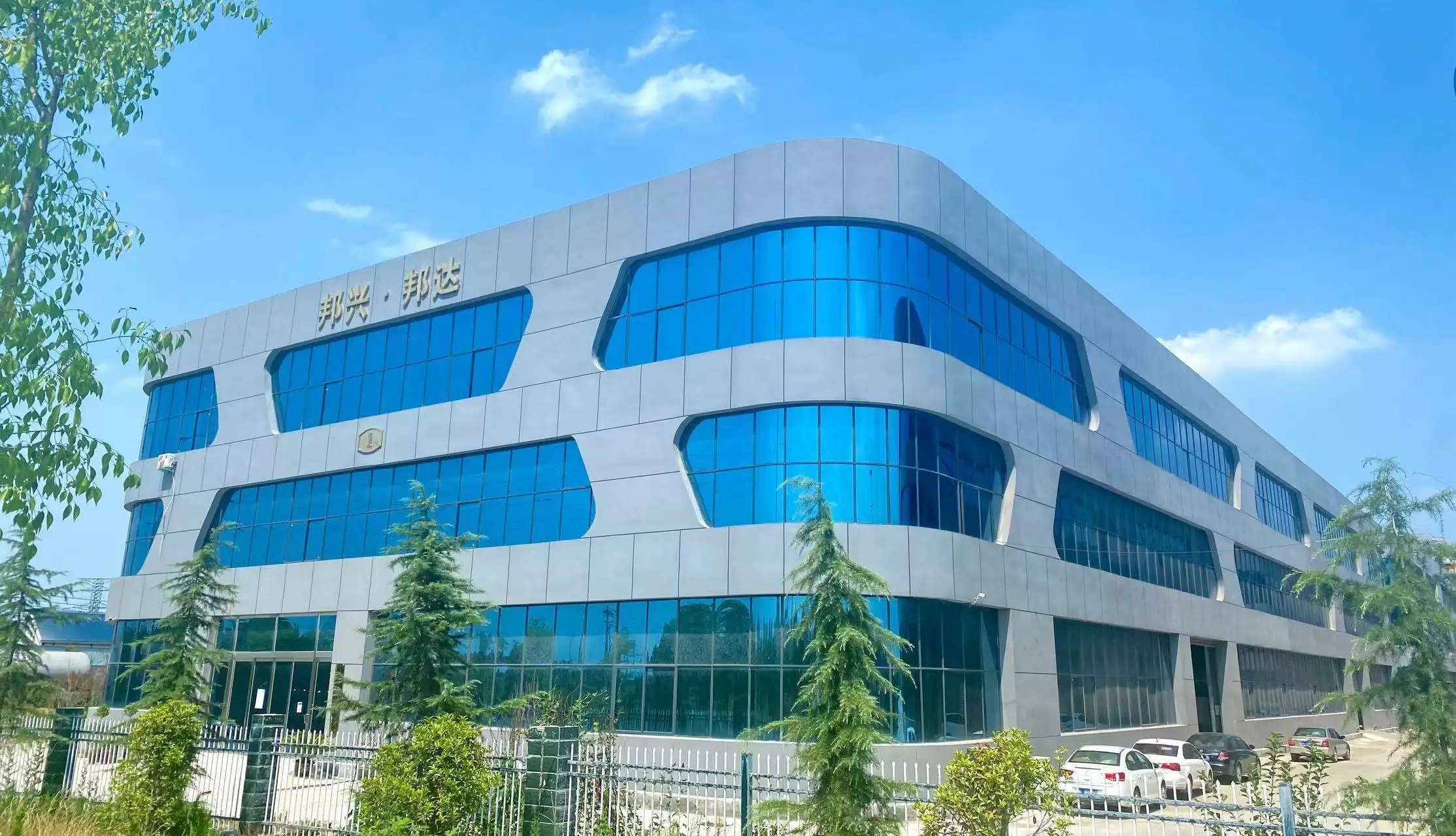
Luohe Bangxi Trading Co., Ltd.
- Manufacturer, Trading Company
- Henan, China
- Lead time20 days
- Avg. response≤ 4h
Main productsDumpling Making Machine,Vacuum Dough Mixer,Vegetable cutting Machine,Meat Grinding Machine,Stuffing Mixing Machine
Main marketsSouth America(27.00%), Southeast Asia(25.00%), Mid East(18.00%), Eastern Europe(8.00%), Oceania(6.00%), North America(6.00%), Eastern Asia(5.00%), Western Europe(3.00%), Africa(2.00%)

Zhengzhou Yize Machinery Co., Ltd.
- Verified by BV
- Trading Company
- China Henan
- Lead time15 days
- Avg. response≤ 3h
Main productsCutting Machine, Quilting Machine, Printing Machine, Brick Making Machine, Fiber Machine, Chaff Cutter, Animail Feed Pellet Machine, Wood Crusher
Main marketsSouth America,Africa


$350.00 - $370.00
MOQ: 1 set


HENAN SHULIY MACHINERY CO., LTD.
- Verified by TUVRHEINLAND
- Trading Company
- China Henan
- Lead time30 days
- Avg. response≤ 5h
Main productsPacking Machinery, Food Processing Machinery, Agriculture Processing Machinery, Wood Processing Machinery, Charcoal Processing Machinery, Plastic Processing Machinery, Waste Recycling Machinery, Metal Processing Machinery, Paper Processing Machinery
Main marketsAfrica,Southeast Asia/ Mideast,Europe,North America


Electric Pearl Ball Making Machine Bubble Tea Commercial Tapioca Pearl Machine
$1200.00 - $1600.00
MOQ: 1 Pieces


Luohe Juyou Commercial & Trading Co., Ltd.
- Verified by BV
- Trading Company,Manufacturer/Factory
- China Henan
- Lead time15 days
- Avg. response≤ 7h
Main productsDumpling Machine, Tortilla Pita Bread Machine, Meat Cutting Machine, Dough Divider Machine, Dough Mixer Machine, Meat Dicing Machine, Potato Chips Machine, Frying Machine, Packing Machine, Juice Machine
Main marketsSouth America,Eastern Europe,North America,Southeast Asia,Eastern Asia,Western Europe,Africa

Bubble Tea Popping Boba Making Machine Jelly Ball Bubble Tea Making Machine
$450.00 - $1280.00
MOQ: 1 Pieces

Pearl Jelly Ball Bubble Tea Juice Popping Boba Bursting Beads Making Machine
$450.00 - $1280.00
MOQ: 1 Pieces

$120.00 - $150.00
MOQ: 1 Pieces

Bubble Tea Equipment Single Head Popping Boba Making Machine Boba Popping Boba Molding Machine
$1555.00 - $1655.00
MOQ: 1 Pieces

Pearl Ball Popping Bubble Boba Milk Tea Tapioca Pearls Boba Maker Machine
$450.00 - $1280.00
MOQ: 1 Pieces


Zhengzhou Shuliy Machinery Co., Ltd.
- Verified by SGS
- Trading Company,Manufacturer/Factory
- China Henan
- Lead time0 days
- Avg. response≤ 5h
Main productsPacking Machinery, Food Processing Machinery, Agriculture Processing Machinery, Wood Processing Machinery, Plastic Processing Machinery, Charcoal Processing Machinery, Baler Machinery, Recycling Machinery, Metal Processing Machinery

Bubble Tea Balls Black Tapioca Pearls Machine Bubble Milk Tea Ball Making Machine
$3800.00 - $8000.00
MOQ: 1 set


Popping Ave Bubble Milk Tea Taro Boba Balls Making Taiwan Tapioca Pearls Machine
$1500.00 - $4500.00
MOQ: 1 set


Zhengzhou Auris Machinery Co., Ltd.
- Verified by TUVRHEINLAND
- Trading Company
- China Henan
- Lead time30 days
- Avg. response≤ 5h
Main productsNut Process Machinery, Fruit &Vegetable Machinery, Meat Process Machinery, Snacks Process Machinery, Printing Machinery, Quilting Machinery, Chocolate Machine, Packing Machine, Paper Pencil Making Machine, Bubble Tea Shop Machine
Main marketsSouth America,Southeast Asia/ Mideast,East Asia(Japan/ South Korea),Europe,Australia,North America

Popping Ave Bubble Milk Tea Taro Boba Balls Making Production Line Taiwan Tapioca Pearl Machine
$8000.00 - $8100.00
MOQ: 1 Pieces

$500.00 - $1200.00
MOQ: 1 Sets

Buble Tea Maker Shop Equipment Boba Tapioca Pearls Taro Circular Bubble Tea Machine Automatic
$8000.00 - $8100.00
MOQ: 1 Pieces

Stainless Steel Cassava Starch Forming Bubble Tea Pearls Boba Making Machine
$1100.00 - $1600.00
MOQ: 1 Sets

Zhejiang Sayeah Machinery Co., Ltd
- Verified by SGS
- Manufacturer/Factory
- China Zhejiang
- Lead time90 days
- Avg. response≤ 6h
Main productsPlastic Extruder, Thermoformiing Machine, Plastic Cup Making Machine
Main marketsSouth America,Eastern Europe,Mid East,North America,Southeast Asia,Eastern Asia,Oceania,Western Europe,Africa

Henan Methena Machine Co., Ltd
- Trading Company
- China Henan
- Lead time0 days
- Avg. response≤ 3h
Main productsCandy Machinery, Biscuit Machinery, Chocolate Machinery, Meat Processing Machinery, Drying Machinery, Freeze-Drying Machinery, Fruit and Vegetable Processing Machinery, Pasta Machinery, Baking Machinery, Environmental Protection Machinery


Semi Automatic Boba Fruit Juice Jelly Pearl Ball Popping Bubble Tea Make Machine
$5900.00 - $6300.00
MOQ: 1 Pieces

Automatic Boba Bubble Tea Tapioca Pearl Ball Popping Make Machine Equipment for Sale
$5900.00 - $6300.00
MOQ: 1 Pieces
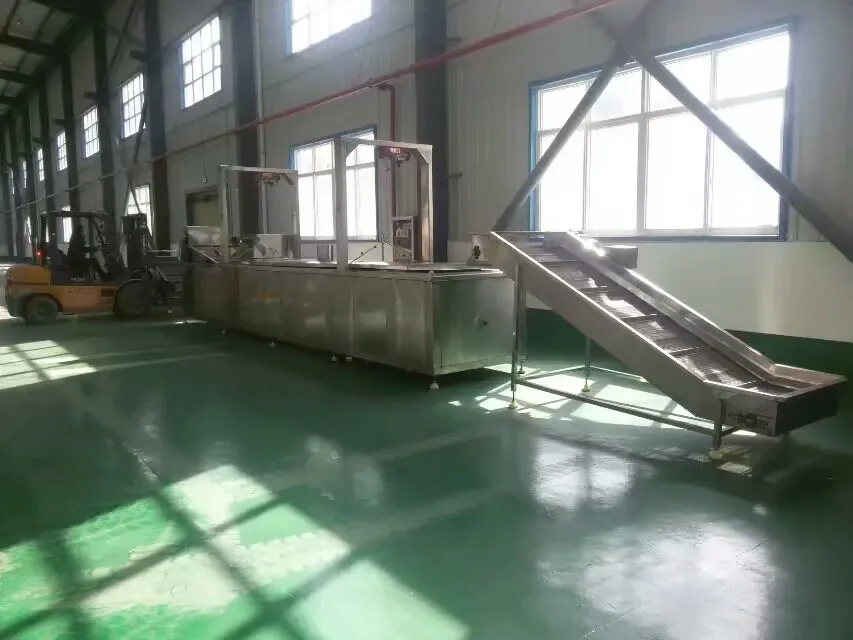
Zhengzhou Heze Machinery Co., Ltd.
- Trading Company
- Henan, China
- Lead time25 days
- Avg. response≤ 5h
Main productsFood Making Machine,Fabric cutting machine,Western Kitchen Equipments,Fruit and Vegetable Processing Machine,Cutting machine
Main marketsNorth America(20.00%), Eastern Europe(15.00%), Central America(10.00%), Western Europe(10.00%), Africa(10.00%), Southeast Asia(10.00%), South America(10.00%), Northern Europe(5.00%), Mid East(5.00%), South Asia(2.00%), Eastern Asia(2.00%), Domestic Market(1.00%)
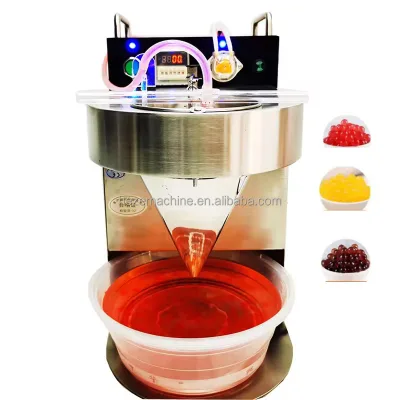
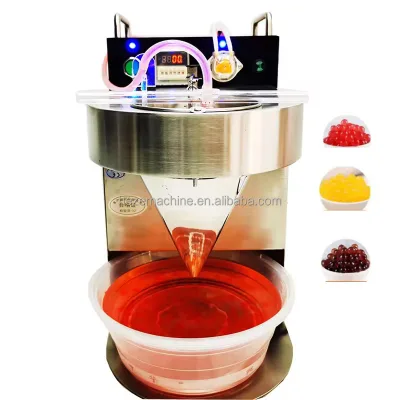
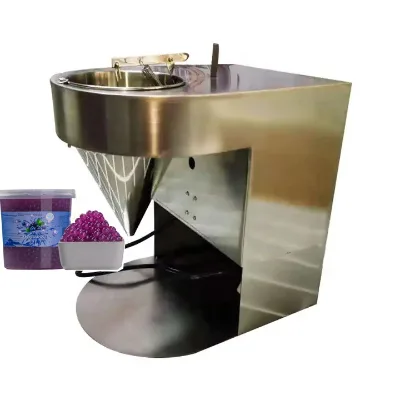
Factory Price High-quality Milk Tea Explosion Bead Making Machine Bubble Tea Making Machine
$370.00 - $390.00
MOQ: 1 sets
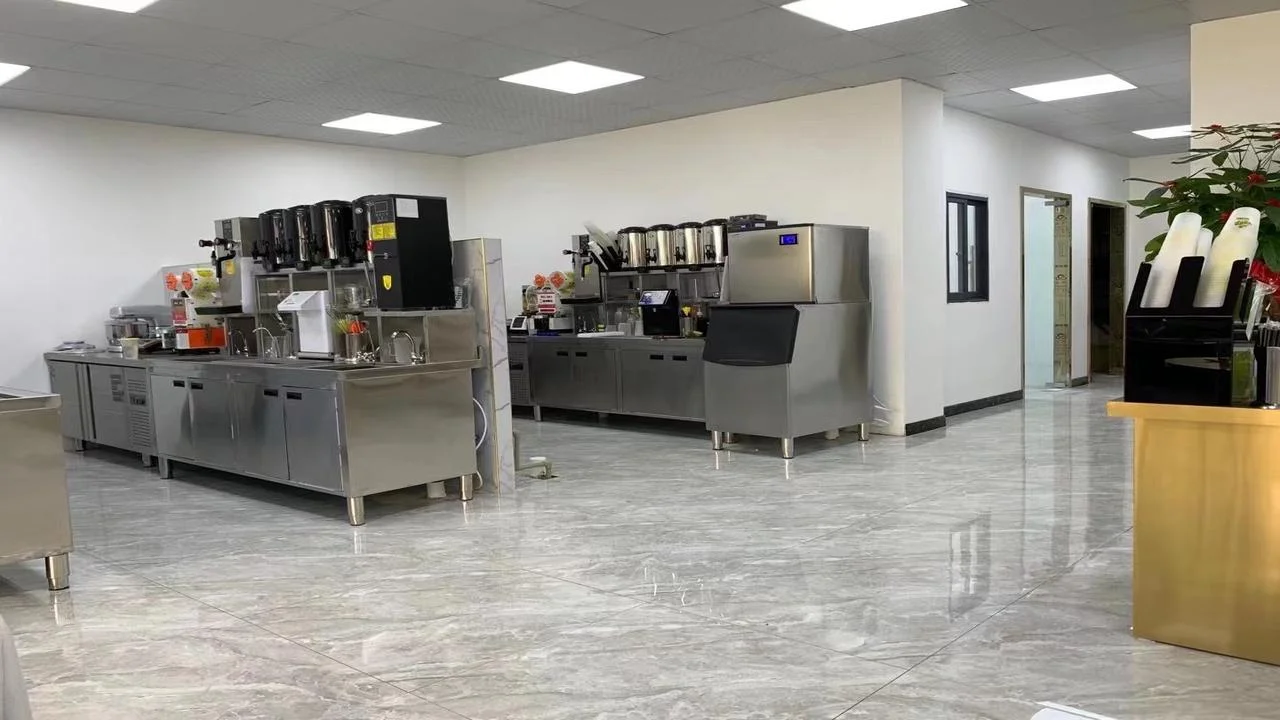
Commercial Jelly Ball Making Machine for Taiwan Bubble Tea
$370.00 - $390.00
Guangzhou Beiliton Catering Equipment Co., Ltd.
- Manufacturer
- Guangdong Province, China
- Lead time20 days
- Avg. response≤ 1h
Main productsBubble Tea Equipment,Cocktail Bar,Ice Making Machine,Kitchen Equipment,Coffee Machine
Main marketsSoutheast Asia(20.00%), North America(20.00%), Southern Europe(10.00%), Northern Europe(10.00%), South America(10.00%), Eastern Europe(10.00%), Domestic Market(5.00%), Eastern Asia(5.00%), Mid East(5.00%), Western Europe(5.00%)
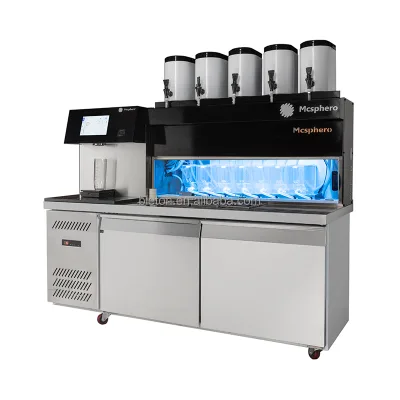
$5000.00 - $6000.00
MOQ: 1 Minimum
$308.72 - $360.17
MOQ: 1 sets

Changzhou Jinma Packaging Machinery Co., Ltd.
- Verified by SGS
- Combined
- China Jiangsu
- Lead time15 days
- Avg. response≤ 4h
Main productsPopping Boba Machine, Tapioca Pearls Machine, Jelly Machine, Boba Product Line, Automatic Packaging Machine, Pearl Forming Machine, Food Processing Machine, Beverage Pearl, Boba Machine, Bubble Tea Machine
Main marketsDomestic

Bubble Tea, Popping Boba Machine, Juice Popping Boba Jelly Machine Production Line
$30000.00 - $65000.00
MOQ: 1 Sets


$60000.00 - $98000.00
MOQ: 1 Sets

High Capacity Juice Ball Popping Boba Forming Machine for Bubble Tea Shop
$20000.00 - $30000.00
MOQ: 1 Sets


Gainjoys Technology (Shenyang) Co., Ltd.
- Verified by BV
- Combined
- China Liaoning
- Lead time30 days
- Avg. response≤ 1h
Main productsCapsule Filling Machine, Tablet Press, Pill Press, Filling Machine, Blister Machine, Boxing Machine, Labeling Machine, Bag Feeding Machine, Capsule Counting Machine
Main marketsSoutheast Asia/ Mideast,Europe,Australia,North America


Automatic Bubble Tea Sealing Machine and Packing Filling Sealing Machine Made in China
$10000.00
MOQ: 1 Pieces
Guangzhou Bestwin Catering Equipment Manufacturing Co., Ltd.
- Verified by TüVRheinland
- Manufacturer, Trading Company
- Lead time30 days
- Avg. response≤ 3h
Main productsBubble Tea Machine, Ice Cream Machine, Ice Maker Machine, Bakery Machine, Snack Machine
Main marketsNorth America(25%), Southeast Asia(15%), Mid East(10%)
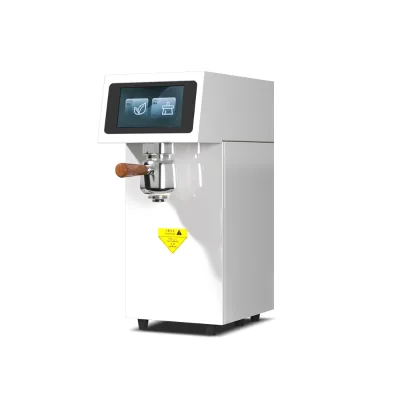
$892.00 - $1115.00
MOQ: 1 pieces
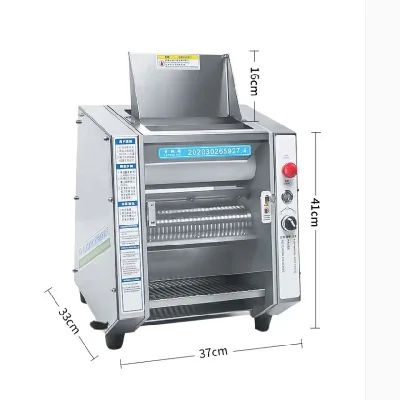

Henan Methena Intelligent Technology Co., Ltd
- Verified by SGS
- Manufacturer/Factory
- China Henan
- Lead time15 days
- Avg. response≤ 3h
Main productsCandy Machinery, Biscuit Machinery, Meat Processing Machinery, Pasta Processing Machinery, Mixing Machinery, Drying Machinery, Freeze Drying Machinery, Fruit and Vegetable Processing Machinery, Egg Processing Machinery, Packaging Machinery
Main marketsSouth America,Eastern Europe,Mid East,North America,Southeast Asia,Eastern Asia,Oceania,Western Europe,Africa


Automatic Bubble Tea Tapioca Pearl Boba Maker Small Juice Ball Popping Boba Make Machine for Sale
$11000.00 - $12000.00
MOQ: 1 Pieces

Suzhou Deedo Machinery Co., Ltd.
- Manufacturer
- China Jiangsu
- Lead time15 days
- Avg. response≤ 3h
Main productsPaper Straw Making Machine, Paper Straw Machine, Slitter Machine, Drinking Straw Wrapping Machine, PP PE Recycling Washing Line, Plastic Pipe Belling Machine, Plastic Mixer Machine, Plastic Crusher Machine, Plastic Shredder Machine, Plastic Recycling Pelletizer Machine
Main marketsSouth America,Africa,Southeast Asia/ Mideast,Domestic,Europe,North America

2026 Fully Automatic Machine Paper Straw Bubble Tea Machines Making
$18500.00 - $39800.00
MOQ: 1 Pieces


Juice Drinking Edible Making Machine From Rice Flour Paper Straw Bubble Tea
$18500.00 - $23900.00
MOQ: 1 Pieces
Shanghai Junyu Food Machinery Co., Ltd.
- Verified by TüVRheinland
- Manufacturer, Trading Company
- Lead time30 days
- Avg. response≤ 5h
Main productsBiscuit Equipment, Candy Equipment, Cake Equipment, Chocolate Equipment, Gummy Candy Production Line
Main marketsNorth America(15%), Domestic Market(15%), Mid East(10%)

Henan Gondor Machinery Co., Ltd.
- Verified by CTI
- Combined
- China Henan
- Lead time120 days
- Avg. response≤ 1h
Main productsCandy Machine, Food Machinery, Marshmallow Machine, Mixing Equipment, Biscuit Machinery, Meat Machinery, Fruit and Vegetable Processing Machinery, Baking Machinery, Grain Processing Machinery, Drying Machine
Main marketsSouth America,Africa,Others(foreignTradeCapacity.exportBusinessCapacityMarketOther),Southeast Asia/ Mideast,East Asia(Japan/ South Korea),Europe,Australia,North America

$6999.00 - $100000.00
MOQ: 1 Sets

Tapioca Pellet Pearls Crystal Jelly Juice Ball Popping Bubble Tea Pop Make Pearl Boba Maker Machine
$6999.00 - $100000.00
MOQ: 1 Sets

Guangzhou Sunrry Kitchen Equipment Co., Ltd.
- Verified by CTI
- Trading Company,Manufacturer/Factory
- China Guangdong
- Lead time30 days
- Avg. response≤ 3h
Main productsCommercial Kitchen Solutions, Turnkey Kitchen Solutions, Catering Equipment, Restaurant Equipment, Commercial Refrigeration Equipment, Commercial Bakery Equipment, Commercial Cooking Equipment, Stainless Steel Equipment, Commercial Food Prep Equipment, Commercial Kitchen Equipment
Main marketsSouth America,Eastern Europe,Mid East,North America,Southeast Asia,Eastern Asia,Oceania,Western Europe,Africa


One-Stop Solution Smoothie Bar Bubble Tea Machine Bubbleshop Juice Bar Equipment
$865.00 - $5286.00
MOQ: 1 Sets
ZHE CHENG HONGXIN MACHINRERY FACTORY
- Verified by TüVRheinland
- Manufacturer, Trading Company
- Henan, China
- Lead time15 days
- Avg. response≤ 3h
Main productsIntestine Case Cleaning Machine, Sesame Peeling Machine, Cardboard Expanding Shredder Machine, Flax Brake, Grain Thresher Machine
Main marketsDomestic Market(40%), Southeast Asia(20%), Africa(20%)
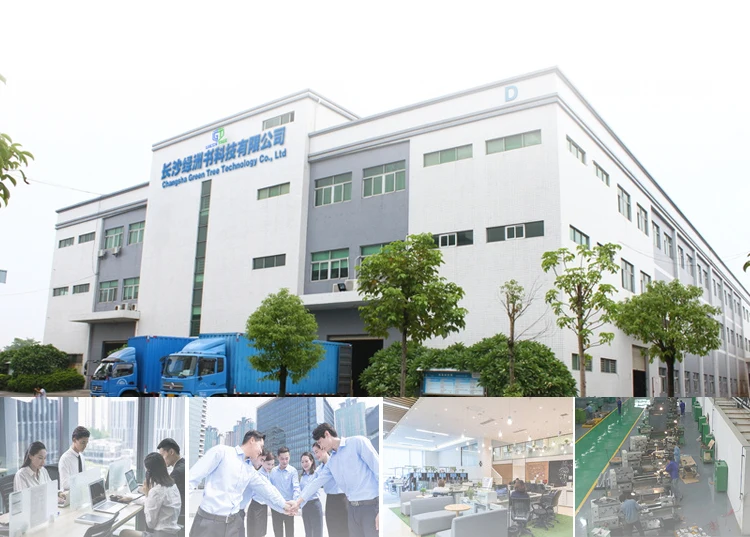
Changsha Lvzhoushu Technology Co., Ltd.
- Trading Company
- Hunan, China
- Lead time0 days
- Avg. response≤ 3h
Main productsindustrial machinery,Commercial service equipment
Main marketsNorthern Europe(100.00%), Eastern Europe(100.00%), North America(100.00%)

Quanzhou Shunkai Automation Equipment Co., Ltd
- Verified by CTI
- Combined
- China Fujian
- Lead time15 days
- Avg. response≤ 2h
Main productsPackaging Machinery
Main marketsDomestic


Professional Hidden Tea Cup Sealing Equipment for Bubble Tea Production
$1450.00 - $1750.00
MOQ: 1 Sets


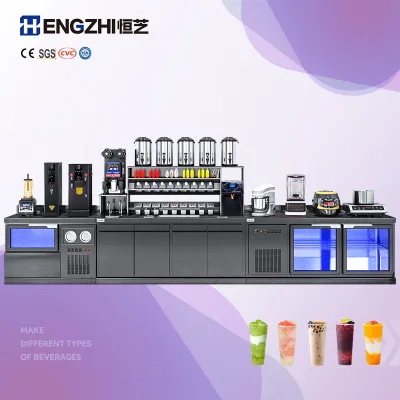
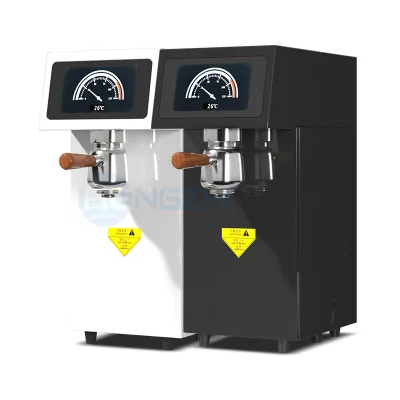
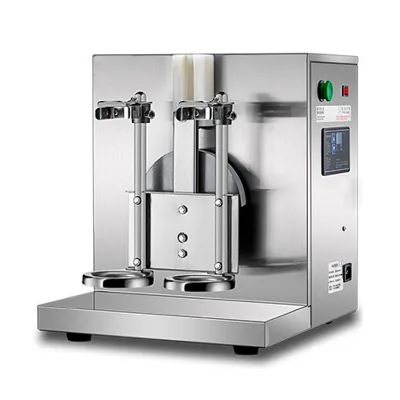
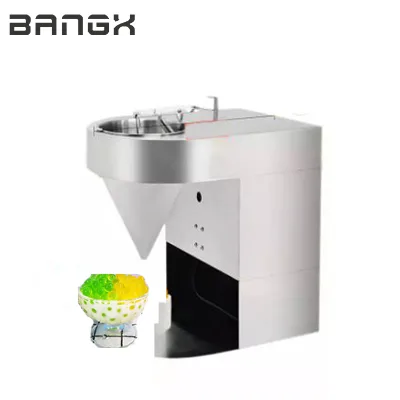


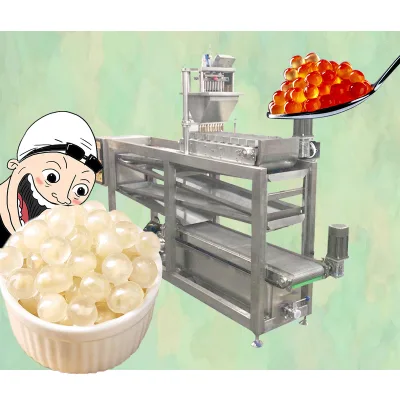
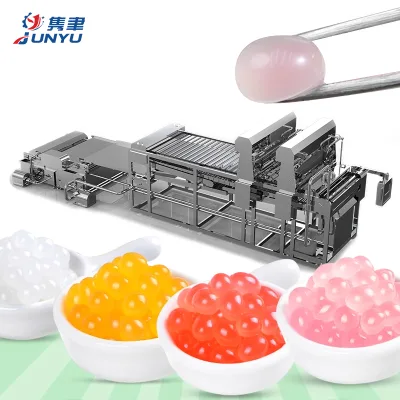
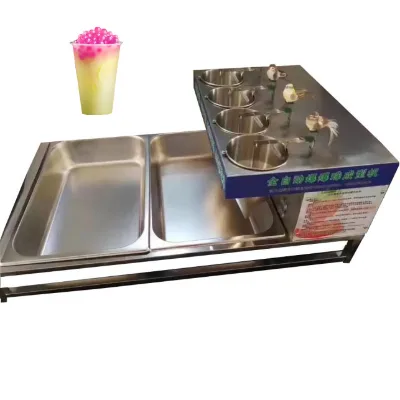
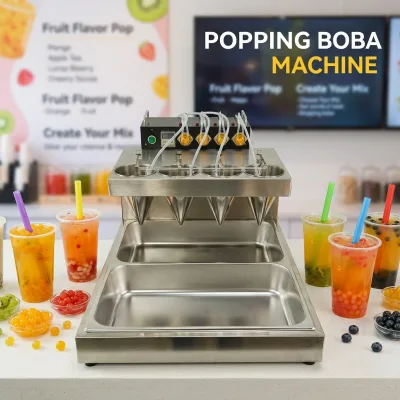
Comprehensive Sourcing Guide
Taiwan Bubble Tea Machine Supplier Concentration and Factory Types
Current data indicates a significant concentration of machinery manufacturers located in Shanghai, China, rather than within Taiwan itself. These suppliers often list their primary output as comprehensive food processing lines, including cake, biscuit, chocolate, and candy machinery alongside specific popping boba and bubble tea depositing equipment. The company types observed in this sector are predominantly combined entities that blend manufacturing capabilities with trading functions, allowing them to offer both original design manufacturing and original equipment manufacturing services. This hybrid structure enables them to handle custom orders while maintaining a broad inventory of standard food processing units.
Buyers should verify the specific factory type before assuming a direct manufacturing relationship, as some listed entities operate primarily as trading companies sourcing from various workshops. The distinction matters because combined companies may offer more flexible customization options for yield, material, and size compared to pure trading firms. When evaluating the cluster, look for evidence of in-house production capacity such as ODM and OEM labels, which suggest the ability to modify the automatic grade or thermal processing parameters. If a supplier claims a Taiwan origin for the machine but lists Shanghai as the location, this often indicates a manufacturing hub in China serving the regional market with equipment designed for Taiwanese-style beverages.
How to Verify Taiwan Bubble Tea Machine Suppliers
Verification of supplier credibility relies heavily on third-party audit results and specific system certifications rather than self-declared claims. Several observed suppliers hold ISO9001:2015 certificates, and product attributes frequently list CE and ISO standards as compliance markers for the machinery itself. A critical verification step involves checking for independent audit badges such as TUVRHEINLAND, which serves as a concrete indicator of a verified status. Buyers must confirm that the certification applies to the specific production facility and not just the corporate entity, ensuring that the quality management system covers the actual manufacturing of the popping boba machines.
Response time and lead time data provide additional layers of verification regarding operational reliability. The observed response times vary, with some suppliers indicating a response within 6.52 hours while others show a four-hour window, suggesting different levels of customer service staffing. Lead times for machinery production are typically cited around 30 days, though some product listings mention delivery windows of 30 to 60 days depending on customization. Buyers should request proof of these timelines for their specific order volume and verify that the supplier can meet the required delivery date without compromising on the automatic grade or material quality, such as the 304 or 316 stainless steel often specified for food contact surfaces.
What to Compare Across Taiwan Bubble Tea Machine Suppliers
When comparing suppliers, the primary differentiators are the technical specifications of the machinery, including capacity, power source, and automatic grade. Product evidence shows a wide range of capacities, from 100 to 600 kilograms per hour, with options for both fully automatic and semi-automatic configurations. The power source is consistently listed as electric, but the specific voltage and motor specifications should be confirmed for compatibility with local infrastructure. Buyers must also compare the material composition, as some units specify 304 or 316 stainless steel, which impacts durability and hygiene standards for food processing applications.
Pricing and minimum order quantities (MOQ) represent another critical comparison point that varies significantly across the supplier base. Prices for popping boba machines can range from approximately 7,000 to 120,000 units of currency, depending on the complexity and capacity of the line. While some suppliers offer an MOQ of just one unit, others may require larger orders or have different pricing structures for customized models. Additionally, the packaging method, often described as wooden cases or plywood crates, should be evaluated for its ability to protect the machinery during international transit. Buyers should also compare the availability of customization, as some suppliers allow changes to yield, material, and size, while others offer only standard configurations.
Common Taiwan Bubble Tea Machine Sourcing Risks
One significant risk involves the discrepancy between the product origin and the actual manufacturing location. While the keyword focuses on "Taiwan," many suppliers list their location as Shanghai, China, and may use "Taiwan" in product names to denote the style of beverage or the target market rather than the place of manufacture. This distinction is crucial for understanding import duties, shipping logistics, and the actual origin of the technology. Buyers must verify the "prod_origin" field in product attributes to ensure they are aware of the true manufacturing base, which affects supply chain transparency and potential trade barriers.
Another risk relates to the variability in certification standards and the potential for outdated compliance claims. While some products list ISO9001:2015, others reference older standards like ISO9001:2008 or generic "ISOCE" labels that may not reflect current regulatory requirements. The presence of HACPP certification for ingredients is noted, but for machinery, the specific safety and electrical standards must be validated against the buyer's local regulations. Relying solely on the product title or generic keywords without verifying the specific certification documents can lead to non-compliant equipment that fails inspection upon arrival. Buyers should request current certification copies and cross-reference them with the specific model number to ensure accuracy.
Taiwan Bubble Tea Machine Regional Sourcing and Logistics
Logistics planning must account for the primary shipping origin, which is frequently identified as Shanghai, China, rather than Taiwan. This location dictates the shipping routes, transit times, and the specific incoterms that will apply to the transaction. Suppliers in Shanghai typically utilize wooden cases or plywood packaging to secure the machinery, which adds weight and volume to the shipment. Buyers need to calculate the gross weight per batch, which can be substantial for large production lines, and ensure that their freight forwarder is equipped to handle heavy industrial equipment. The packaging dimensions, such as 38x31x33 cm for smaller items or larger crates for full lines, directly impact the container utilization and overall shipping costs.
Lead time variability is a key logistical factor that affects inventory planning and project timelines. While some suppliers indicate a standard lead time of 30 days, others may extend this to 60 days for customized orders or during peak production periods. The response time of the supplier also influences the speed of logistics coordination, as delays in communication can push back the finalization of shipping documents. Buyers should confirm the exact delivery date in the contract, noting that some listings specify a range of 30 to 60 days. Understanding the specific production capacity, such as 150-600kg/H, helps in estimating the time required for manufacturing and testing before the goods are ready for dispatch.
Taiwan Bubble Tea Machine Commercial Terms and Order Planning
Commercial terms for these machines often include specific pricing structures that vary based on the model and customization level. Prices observed range from roughly 7,000 to 120,000, with some models having a minimum order quantity of one unit while others require larger volumes. Buyers must clarify whether the quoted price includes the wooden case packaging and if it covers the cost of the CE or ISO certification documentation. The payment terms should be negotiated carefully, considering the high value of the machinery and the need for escrow services to protect the buyer's funds until the goods are verified.
Order planning requires a detailed review of the product attributes, including the automatic grade, material type, and capacity specifications. Some suppliers offer full or semi-automatic options, and the choice between these affects the operational workflow and labor requirements at the buyer's facility. The customization options, such as yield adjustments or material changes, should be finalized before production begins to avoid delays. Additionally, the shelf life of any accompanying ingredients, like tapioca pearls, must be considered if the order includes consumables. Buyers should ensure that the delivery date aligns with their production schedule and that the supplier can meet the required timeline for the specific model, such as the TGP series or other custom configurations.
FAQs
What types of taiwan bubble tea machines are available from suppliers?
Suppliers list popping boba depositing machines and production lines that form jelly balls for bubble tea drinks. Options span automatic and semi-automatic grades, with models such as TGP 100, TGP 200 and TGP 500 series. Capacity listings range from about 100-500 kg/h on some lines and 150-600 kg/h on others, and customization is generally available.
How much does a Taiwan Bubble Tea Machine cost?
Listed prices vary widely by machine type and automation level. Popping boba machines and lines are listed from roughly $6,999-$9,999 for some production lines, $20,000-$35,000 for automatic depositing machines, and up to $68,000-$120,000 for larger semi-automatic bubble tea equipment. Confirm current pricing directly with suppliers, as quoted prices may change.
What is the minimum order quantity for a Taiwan Bubble Tea Machine?
Machinery listings commonly show a minimum order quantity of one unit, so small buyers can purchase a single production line. Ingredients work differently: one powdered tea product lists an MOQ of 20 units sold in multiples of 20. Always confirm MOQ in writing before ordering, since requirements can differ by product and customization level.
How long is the lead time for Taiwan Bubble Tea Machine orders?
Lead times differ by supplier and product type. Some machinery suppliers list a 30-day lead time, while one production line listing shows delivery dates of 30-60 days depending on order scope. A Taiwan trading company supplying ingredients lists a 7-day lead time. Confirm exact lead times for your configuration before placing a deposit.
Do suppliers offer customization on popping boba machines?
Yes, machinery listings state customization is available. Suppliers indicate they can customize yield, material, and size, and list ODM, OEM, and own-brand capabilities. Machines can be full or semi automatic, built from 304 or 316 stainless steel, with multi-functional designs. Discuss your target capacity and layout with the supplier before finalizing specifications.
What certifications should I verify before buying a bubble tea machine?
Listings show product certifications including ISOCE, CE, and ISO standards, and one supplier holds an ISO9001:2015 system certificate with TUV Rheinland verification. Ingredient products may list HACCP-related certification. Because certification claims vary by listing, ask each supplier for copies of current, valid certificates and verify them with the issuing body before contracting.
How do popping boba machines differ from tapioca pearl machines?
Popping boba machines deposit flavored juice or jelly into spherical balls that burst when bitten, using thermal processing and coagulation. Tapioca pearl production involves boiling and kneading cassava starch dough instead. Listings also cover related equipment like bubble tea shaking machines and sealing units. Confirm which process your product requires, since the machines are not interchangeable.
Can I source bubble tea ingredients alongside the machine?
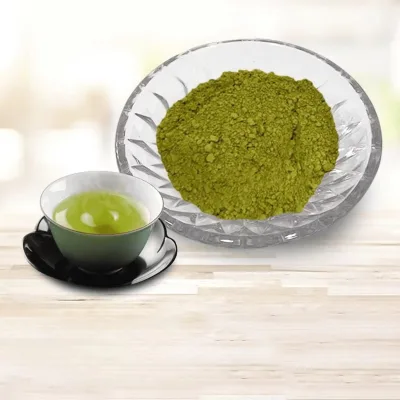
Yes, a Taiwan-based trading company supplies toppings, syrup, 3-in-1 drink powder, cups, and straws, with a listed response time of 4 hours and 7-day lead time. One powdered sencha product offers a 2-year shelf life and 1 kg packs, while tapioca pearls have a 6-month shelf life. Verify shelf life and storage conditions for each ingredient you order.