Taiwan Bulb Socket Suppliers and Manufacturers
Explore 24 verified suppliers offering Taiwan Bulb Socket options with customizable features like E27 and B22 interfaces. Buyers can compare lead times, certifications, and pricing to select the right partner. Contact suppliers directly to request quotes and verify specifications; review the available evidence before requesting comparable quotations from suitable candidates.
Suppliers List

Zhongshan Linkedlight Lighting Technology CO.,LTD
- Combined
- China Guangdong
- Lead time30 days
- Avg. response≤ 25h
Main productsPlug with Cable, Lamp Cable Assemblies, Lamp Suspensions, Lamp Cord, GU10 LED Light Connectors, GU10 Lampholder with Cable, GU10 Lamp Socket, LED Cable Assemblies, LED Light Connector, Connectors with Cable Assemblies
Main marketsSouth America,Europe,North America

Wenzhou Amon Electric Co., Ltd
- Verified by BV
- Manufacturer/Factory
- China Zhejiang
- Lead time0 days
- Avg. response≤ 4h
Main productsWall Switches, Light Switches, Switches and Socket, Lamp Holder, Extension Socket, Power Strip, Electrical Plug, Wall Switch, Wall Socket

Bulb Socket Adapter Lighting Parts E27 Socket with Chain American Sockets
$0.30 - $1.00
MOQ: 500 pieces

Yueqing Holen Electronics Co., Ltd.
- Manufacturer, Trading Company
- Zhejiang, China
- Lead time30 days
- Avg. response≤ 21h
Main productsWire Harness,Bulb holder,Connector
Main marketsSoutheast Asia(35.00%), Eastern Europe(25.00%), Western Europe(15.00%), North America(15.00%), Domestic Market(10.00%)
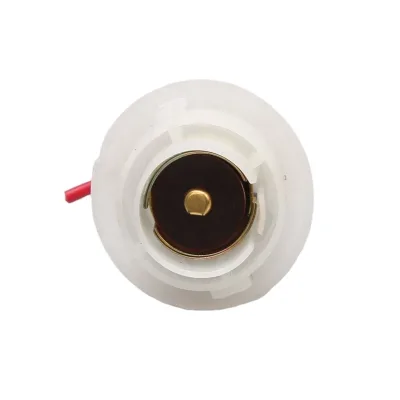
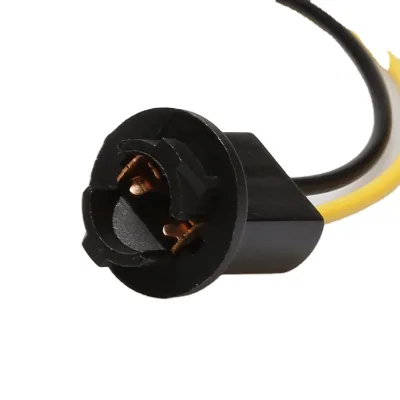
$0.50
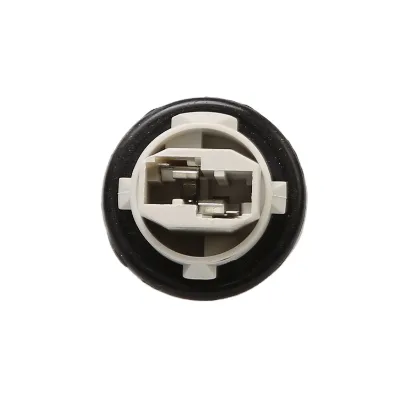

Fuzhou Sansheng Industry and Trade Co., Ltd.
- Verified by CTI
- Combined
- China Fujian
- Lead time30 days
- Avg. response≤ 11h
Main productsPorcelain Lamp Holder Insulator Knife Swith, Fuse Holder Plastic Lamp Holder
Main marketsDomestic

Shanghai Star Electronic Technology Co., Ltd.
- Verified by SGS
- Combined
- China Shanghai
- Lead time15 days
- Avg. response≤ 4h
Main productsWire Harness, Terminal Block, Connector, Auto Connector, Female Header, Male Header, ISO Harness, Car Connector, Automotive Connector, Cable Assembly
Main marketsSouth America,Southeast Asia/ Mideast,East Asia(Japan/ South Korea),Europe,North America
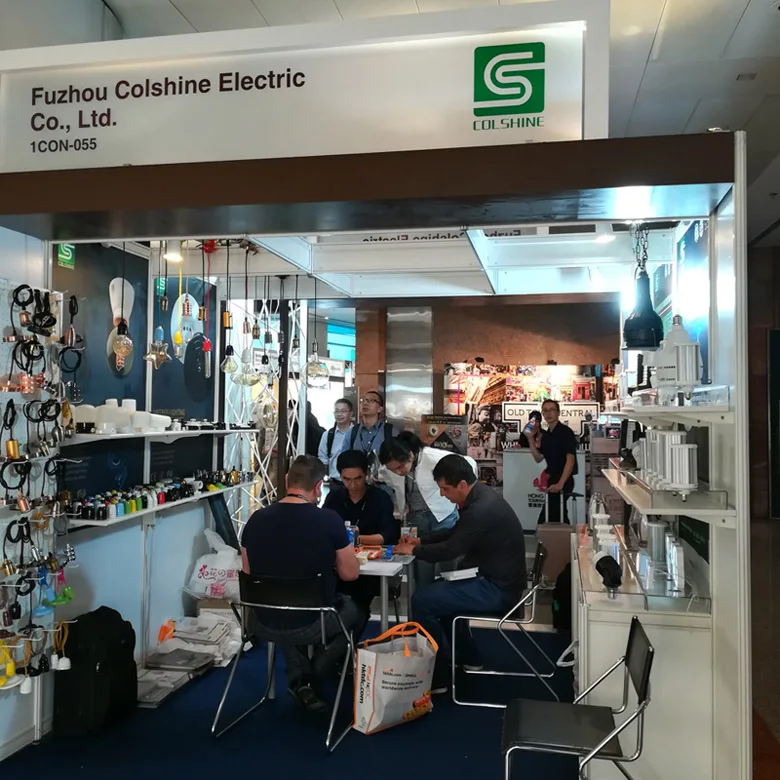
Fuzhou Colshine Electric Co., Ltd.
- Manufacturer, Trading Company
- Fujian, China
- Lead time30 days
- Avg. response≤ 5h
Main productsLed Corn Bulbs,Led High Bays,Sauna Lamp,Retro Switch and Socket,Pendant Light
Main marketsEastern Europe(20.00%), Western Europe(20.00%), Southern Europe(20.00%), Northern Europe(15.00%), South America(10.00%), North America(10.00%), Central America(5.00%)
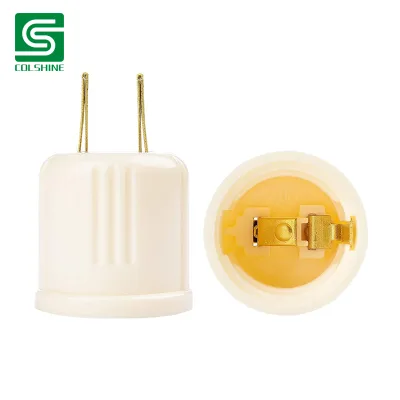
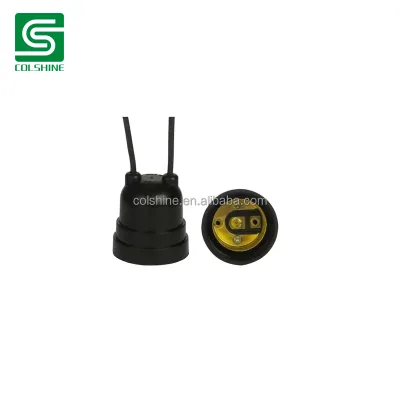
$0.10 - $0.20
MOQ: 5000 Minimum
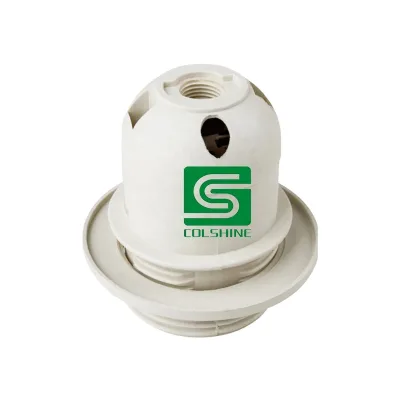
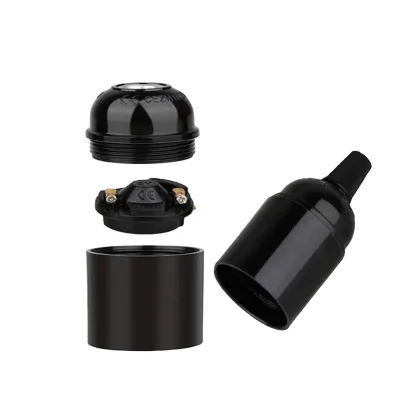
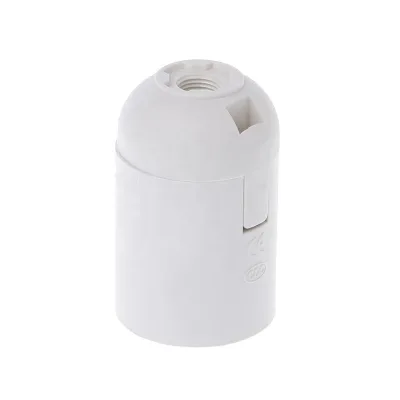
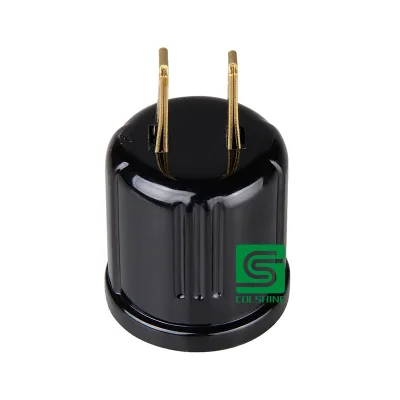
Guangzhou Echainer Electronics Co., Ltd.
- Manufacturer, Trading Company, Distributor/Wholesaler
- Guangdong, China
- Lead time5 days
- Avg. response≤ 1h
Main productslamp socket holders,Bulb converter,LED strip connector,Lamp holder,wire connector
Main marketsNorth America(40.00%), Western Europe(10.00%), Eastern Asia(10.00%), Southeast Asia(10.00%), Southern Europe(10.00%), South America(10.00%), Eastern Europe(5.00%), Northern Europe(5.00%)
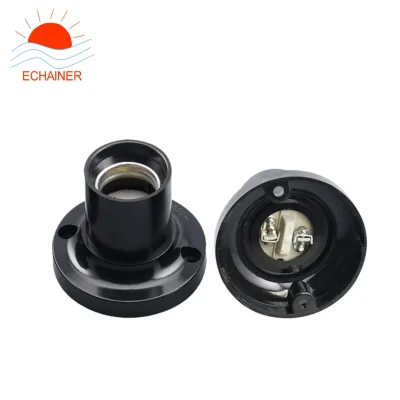
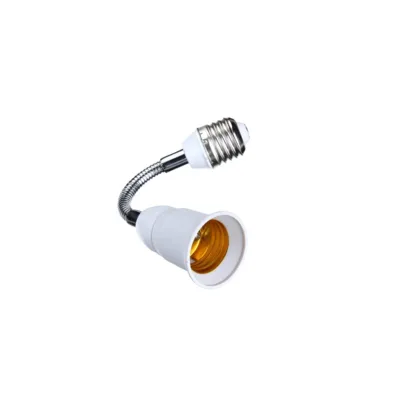
Exporting Russia E27 Bulb Socket Carbolite Wall Mounted Holder Socket E27 Socket Bakelite
$0.29 - $0.31
MOQ: 500 pieces
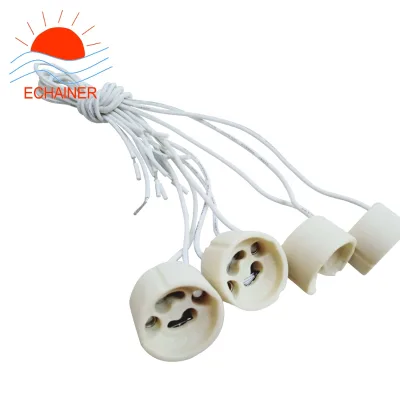
Yueqing Hengpai Electronics Co., Ltd.
- Trading Company
- Zhejiang, China
- Lead time7 days
- Avg. response≤ 9h
Main productsPUSH BUTTON SWITCH,WIRE CONNECTOR,TIME SWITCH,CABLE TERMINAL,FUSE
Main marketsDomestic Market(20.00%), North America(15.00%), South Asia(15.00%), Eastern Europe(15.00%), Western Europe(15.00%), South America(10.00%), Eastern Asia(5.00%), Mid East(5.00%)
Ningbo Zhenhai Jingchen Electronics Co., Ltd.
- Trading Company
- Zhejiang, China
- Lead time30 days
- Avg. response≤ 22h
Main productsrelay,switch,socket,fuse
Main marketsDomestic Market(8.00%), Eastern Europe(8.00%), Eastern Asia(8.00%), Southern Europe(7.00%), South America(6.00%), Southeast Asia(5.00%), Northern Europe(5.00%), Central America(5.00%), Western Europe(5.00%), North America(5.00%), Mid East(5.00%), South Asia(5.00%), Oceania(3.00%), Africa(1.00%)
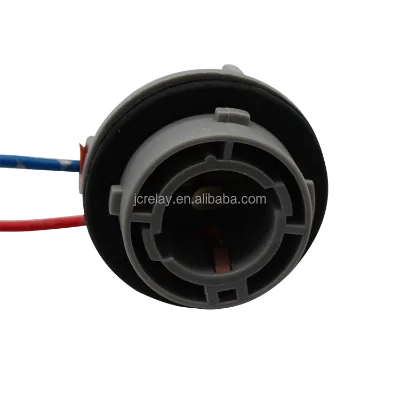
Light Lamp 1156 1157 Socket Cable Auto Bulb Sockets Taillight Female Socket
$0.35 - $0.45
MOQ: 100 pieces
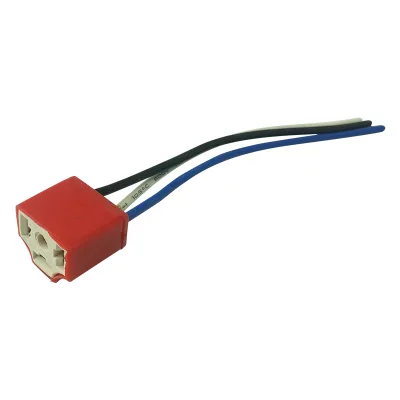
Female Ceramic Headlight Extension Connector Plug Light Lamp Bulb Wire Socket
$0.45 - $0.50
MOQ: 500 pieces
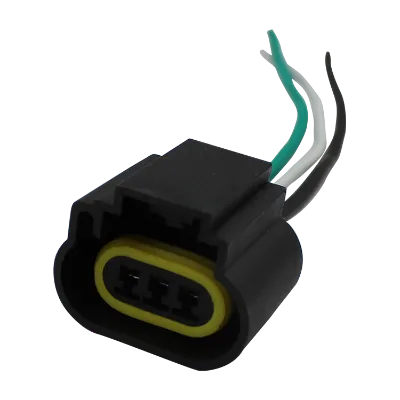
Factory H13 Led Bulb Socket Lamp Holder High Temperature Resistance Headlight Socket
$0.10 - $0.25
MOQ: 500 pieces

Etman Electric(Changzhou) Co., Ltd
- Verified by TUVRHEINLAND
- Combined
- China Jiangsu
- Lead time15 days
- Avg. response≤ 3h
Main productsUSB Socket, Power Module, Perilex Plug, Electric Stove Plug, Dcl Socket, Lamp Socket, Power Plug, LED Light Accessory, Wall Box Accessory, Electric Cables
Main marketsEurope

WANSHUN ELECTRICAL & INTELLIGENT MANUFACTURE (GUANGDONG) CO., LTD.
- Trading Company
- China Guangdong
- Lead time0 days
- Avg. response≤ 8h
Main productsSocket, Switch, Travel Adapter, Extension Socket, Plug Top, Terminal Block, Conversion Box


High Quality Bakelite Solid Structure Light Bulb Multi Switch and Socket
$1.00 - $1.30
MOQ: 5000 Pieces
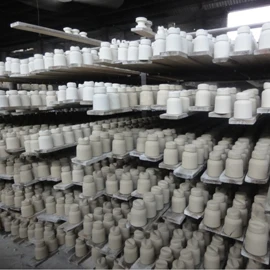
Fuzhou Faithreach Ceramics & Electronic Co., Ltd.
- Manufacturer, Trading Company
- Fujian, China
- Lead time30 days
- Avg. response≤ 1h
Main productsElectrical Porcelain (Lamp Holder,Porcelain Insulator,Terminal Block,Knife Switch,Porcelain Fuse) (All Only Overseas Sales)
Main marketsSouth America(25.00%), Eastern Europe(20.00%), Mid East(18.00%), Southeast Asia(15.00%), Africa(8.00%), North America(5.00%), Northern Europe(5.00%), Oceania(4.00%)
Guangzhou Hongy Trading Co., Ltd.
- Trading Company
- guangdong, China
- Lead time10 days
- Avg. response≤ 2h
Main productsLED Headlight,car led light,3.0 bi led,Hid kit,hid ballast
Main marketsCentral America(30.00%), North America(30.00%), Mid East(20.00%), Western Europe(20.00%)

Fuzhou Colshine Electric Co., Ltd.
- Verified by SGS
- Trading Company,Manufacturer/Factory
- China Fujian
- Lead time23 days
- Avg. response≤ 12h
Main productsLED Corn Light, LED Street Light, LED Yard Light, LED Dusk to Dawn Light, Sauna Lamp, Pendant Light, Porcelain Lampholder, Metal Lampholder, Halogen Lampholder, Retro Switch & Socket
Main marketsSouth America,Eastern Europe,Mid East,North America,Southeast Asia,Eastern Asia,Oceania,Western Europe,Africa
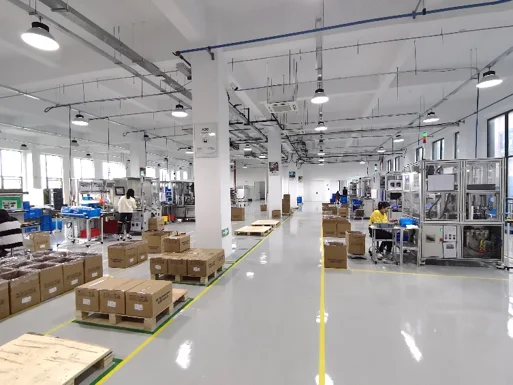
Jinyu (dongguan) Electric Appliance Co., Ltd.
- Manufacturer
- Guangdong, China
- Lead time15 days
- Avg. response≤ 4h
Main productsFuse holder,circuit breaker,Battery switch,Switch Panel,USB Charger
Main marketsSoutheast Asia(21.00%), North America(20.00%), South America(10.00%), Africa(10.00%), Southern Europe(5.00%), Western Europe(5.00%), Northern Europe(5.00%), Mid East(5.00%), Oceania(5.00%), Eastern Europe(5.00%), South Asia(3.00%), Central America(3.00%), Eastern Asia(3.00%)
Green Lantern Optoelectronic Light Factory
- Trading Company
- Guangdong, China
- Lead time7 days
- Avg. response≤ 5h
Main productsLED strip light,LED Neon Flex,LED Controller,holiday light,led grow light
Main marketsNorth America(50.00%), Southern Europe(20.00%), Southeast Asia(20.00%), Western Europe(10.00%)

Focan Electronic Factory (wujin)
- Manufacturer, Trading Company
- Jiangsu, China
- Lead time15 days
- Avg. response≤ 10h
Main productsTravel adapter,power cord & power strip,HDMI Cable,car antenna cable,Siren speaker & Warning light
Main marketsNorth America(18.00%), Western Europe(15.00%), South America(12.00%), Southeast Asia(11.00%), Domestic Market(10.00%), Eastern Europe(10.00%), Africa(9.00%), Oceania(3.00%), South Asia(3.00%), Southern Europe(3.00%), Northern Europe(3.00%), Central America(3.00%)
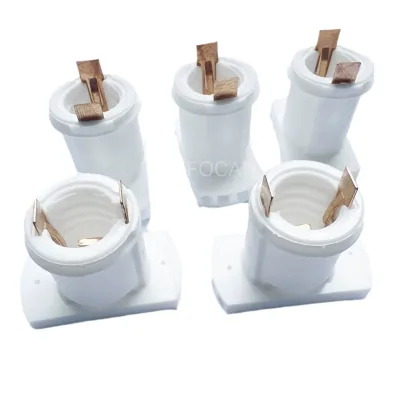
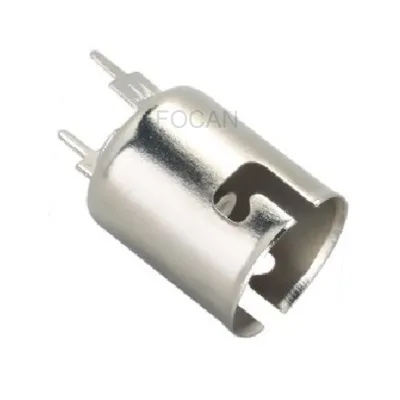
Ba15D, Ba15yd, Ba15s Lamp Bulb Holder & Light Socket
$0.88 - $0.98
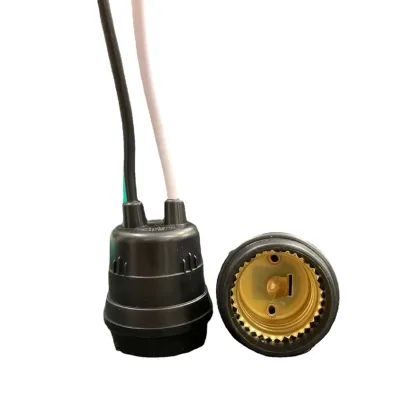
Waterproof Plastic Lamp Holder Socket E27 Bulb
$0.23 - $0.28
Hubei Derun Lighting Appliance Co., Ltd.
- Manufacturer, Trading Company
- Lead time旺季: "1 - 1000":15,"> 1000":"To be negotiated", 淡季: "1 - 1000":15,"> 1000":"To be negotiated"
- Avg. response≤ 2h
Main productsLED Flood Light, LED Bulb, LED Tube Light, Halogen Bulb, Incandescent Bulb

Ningbo Hengboyi Lamp Co., Ltd.
- Verified by SGS
- Combined
- China Zhejiang
- Lead time15 days
- Avg. response≤ 3h
Main productsString Lights
Main marketsNorth America
Changzhou Ramos International Trading Co., Ltd.
- Trading Company
- Jiangsu, China
- Lead time7 days
- Avg. response≤ 3h
Main productsAuto Bulb,Car wiper,Hose clamp,LED,car horn
Main marketsSouth America(40.00%), Northern Europe(10.00%), Western Europe(10.00%), Southern Europe(10.00%), Eastern Europe(10.00%), North America(10.00%), South Asia(5.00%), Southeast Asia(5.00%)

Yueqing Minyang Electric Co., Ltd.
- Verified by BV
- Trading Company
- China Zhejiang
- Lead time23 days
- Avg. response≤ 9h
Main productsAutomotive Connector, Terminal Block, Wire Harness, PCB Heaer Connector, Housing Connector, Wire Connector, Tyco Connector, Aptiv Connector, Cable Tie, Wire Seal
Main marketsDomestic

GO GO Automatic Company Limited
- Verified by TUVRHEINLAND
- Trading Company
- China Zhejiang
- Lead time23 days
- Avg. response≤ 14h
Main productsHydraulic Valve, Hydraulic Accumulator, Hydraulic Pump, Hydraulic Motor, Hydraulic Power Unit, Hydraulic Cylinder, Hydraulic Bladder, Hydraulic Solenoid Coil, Hydraulic Fitting, Oil Cooler
Main marketsSouth America,Africa,Southeast Asia/ Mideast,East Asia(Japan/ South Korea),Europe,Australia,North America
Foshan Car-Refine Optoelectronics Co., Ltd.
- Verified by TUVRHEINLAND
- Combined
- China Guangdong
- Lead time15 days
- Avg. response≤ 4h
Main productsLED Headlight, LED Headlight Bulb, LED Fog Lamp, LED Brake Light, Car LED Light Bulb, H7 LED, High Power LED Headlight, H11 LED, 9005 LED, D1s LED Bulb
Main marketsSouth America,Southeast Asia/ Mideast,Domestic,Europe,Australia,North America


LED Bulb Socket Adapter Connector Light Bulb Holder Wiring Harness Connector
$1.49 - $1.89
MOQ: 50 Pieces

BONLE (FUZHOU) INTERNATIONAL CO., LTD.
- Verified by BV
- Trading Company,Manufacturer/Factory
- China Fujian
- Lead time30 days
- Avg. response≤ 6h
Main productsInsulator, Lamp Holder, Emerency Light, RV Socket, Voltage Protectors, Meter Base, LED Desk Lamp, Connector, Terminal Block, Street Light
Main marketsSouth America,Eastern Europe,Mid East,North America,Southeast Asia,Eastern Asia,Oceania,Western Europe,Africa




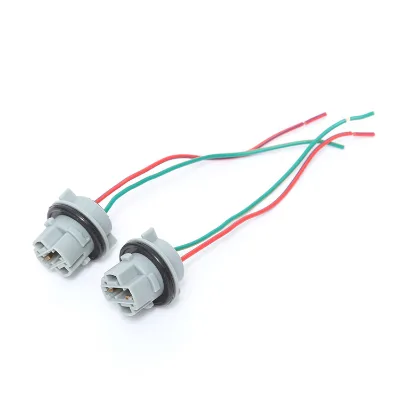


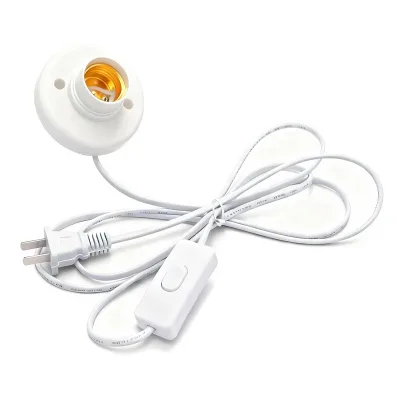
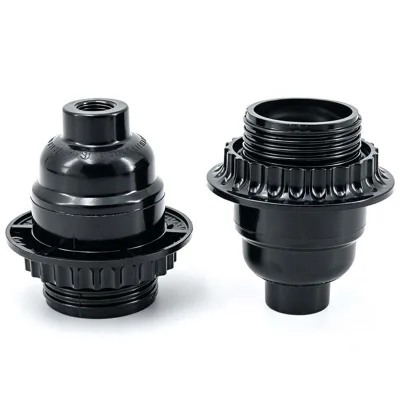
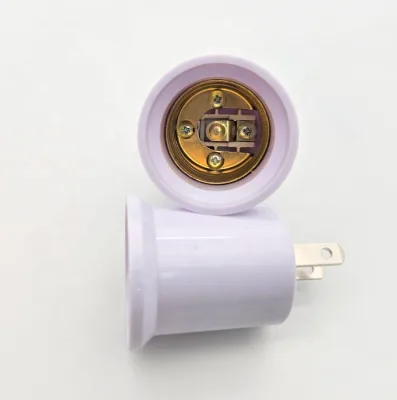


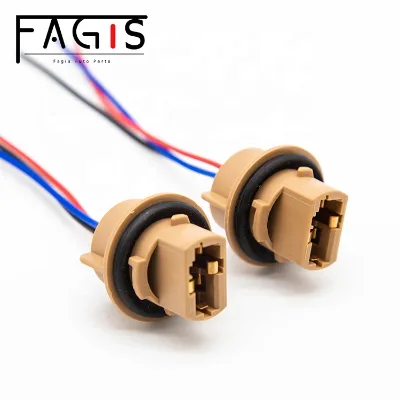
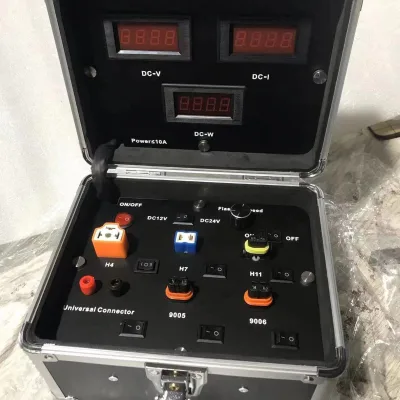
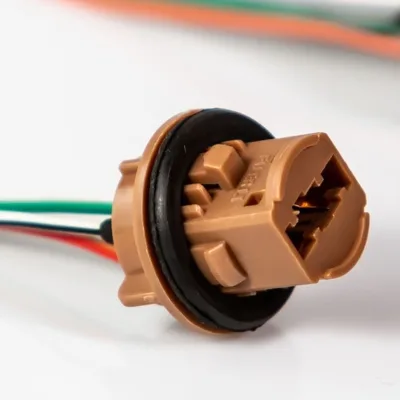


Comprehensive Sourcing Guide
Taiwan Bulb Socket Supplier Concentration and Factory Types
The available data indicates that current supplier results for bulb socket manufacturing are concentrated in China Guangdong, rather than Taiwan. This geographic fact suggests that buyers searching for "Taiwan Bulb Socket" suppliers may need to adjust their location filters or verify if specific Taiwanese entities are listed under different regional tags. When evaluating factory types, the observed results show a mix of combined company types that offer both OEM and ODM services alongside own brand capabilities. This combination allows for flexible production models where a single entity can handle custom design requests while also managing standard inventory items.
Buyers should not assume that all listed suppliers possess a physical presence in Taiwan based on the keyword alone. Instead, the focus must shift to verifying the actual manufacturing location through direct inquiry or document review. The presence of combined company types implies that some suppliers may act as trading intermediaries while others operate as direct manufacturers. To distinguish between these, buyers should request proof of factory ownership or ask for specific details regarding the production facility's location. This verification step is critical because the supply chain dynamics differ significantly between a direct factory in Guangdong and a trading company sourcing from multiple locations.
How to Verify Taiwan Bulb Socket Suppliers
Verification begins with scrutinizing the response time and communication channels provided in the supplier profile. The observed data shows a response time of approximately 24.34 hours, which serves as a baseline metric for evaluating supplier responsiveness. Buyers should test this metric by sending initial inquiries and measuring the actual time taken to receive a reply, as this often correlates with the supplier's operational efficiency and customer service priority. A slow response time may indicate a high volume of inquiries or a lack of dedicated support staff, which could delay critical project timelines.
Certification status is another vital verification point, though the current data shows a mix of results where some products list ENEC, VDE, CE, and RoHS certifications while the general company certification field is marked as NIL. This discrepancy requires buyers to request specific product-level certificates rather than relying on a general company badge. Buyers must ask for valid test reports from accredited laboratories to confirm that the bulb sockets meet the required safety standards for their target market. Without these specific documents, the claimed certifications cannot be considered verified, and the risk of non-compliance remains high.
What to Compare Across Taiwan Bulb Socket Suppliers
When comparing suppliers, the primary dimensions to evaluate include lead time, minimum order quantity (MOQ), and price ranges. The observed data reveals a lead time of 30 days and an MOQ of 500 units for specific product models, which sets a benchmark for standard orders. Buyers should compare these figures against their own production schedules and inventory requirements to ensure alignment. A supplier offering a lower MOQ might be more suitable for trial runs, while a supplier with a shorter lead time could be essential for urgent restocking needs. Price comparisons should also consider the range, as observed prices vary from 0.15 to 0.74 depending on the specific socket type and material.
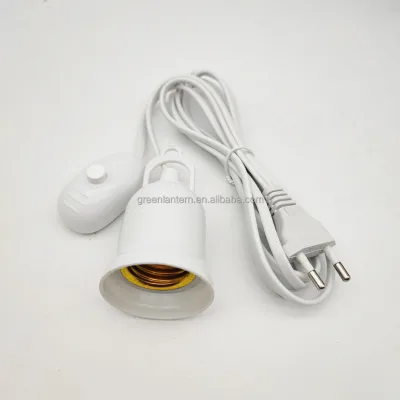
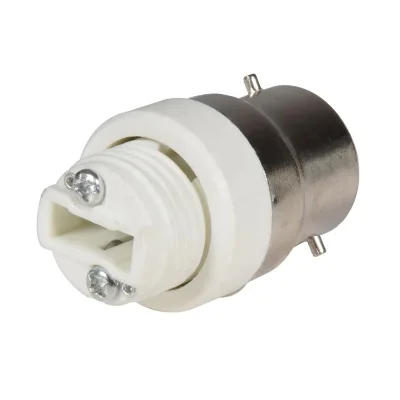
Material composition and customization options are equally important comparison factors. The data shows products made from plastic, bakelite, porcelain, and PBT, each with different durability and aesthetic properties. Buyers must compare these material options against their application requirements, such as whether the socket will be used in high-temperature environments or decorative settings. Additionally, the availability of customization services, such as color variations or specific interface styles, should be compared across suppliers. Some suppliers offer screw cap interfaces while others provide bayonet bases, and the ability to customize these features can significantly impact the final product's compatibility with existing lighting fixtures.
Common Taiwan Bulb Socket Sourcing Risks
One significant risk involves the potential mismatch between the search keyword and the actual supplier location. Since the current results indicate a concentration in China Guangdong, buyers searching for "Taiwan Bulb Socket" may inadvertently engage with suppliers who do not have a Taiwanese origin. This geographic discrepancy can lead to misunderstandings regarding shipping times, import duties, and quality control standards specific to the region. Buyers must explicitly confirm the country of origin for every batch of goods to avoid unexpected logistical complications or regulatory issues at the destination port.
Another risk relates to the variability in certification claims across different product lines. While some products list comprehensive certifications like ENEC and VDE, the general company certification status is listed as NIL. This inconsistency suggests that while a specific product model might be certified, the broader manufacturing facility may not hold the same level of accreditation. Buyers should not assume that all products from a supplier carry the same certifications. It is essential to verify the certification for each specific order, as relying on a general claim without product-specific documentation can result in rejected shipments or safety violations in the target market.
Taiwan Bulb Socket Regional Sourcing and Logistics
Logistics planning must account for the actual manufacturing location, which is currently identified as China Guangdong. This location dictates the shipping routes, transit times, and potential customs procedures involved in the supply chain. Buyers should calculate the total lead time by adding the production time of 30 days to the estimated shipping duration from Guangdong to their destination. Understanding the specific port of loading and the available freight options is crucial for accurate cost estimation and delivery scheduling. Relying on the keyword "Taiwan" for logistics planning without confirming the actual origin can lead to significant errors in the supply chain timeline.
The regional concentration of suppliers in Guangdong also offers advantages in terms of supply chain density and logistics infrastructure. However, buyers must verify if the supplier has experience exporting to their specific region, as this affects their familiarity with local regulations and documentation requirements. The distance between the factory and the port of loading can also impact the final cost and speed of delivery. Buyers should inquire about the supplier's preferred shipping methods and whether they offer door-to-door delivery services to streamline the logistics process. This information helps in building a more resilient and predictable supply chain for bulb socket procurement.
Taiwan Bulb Socket Commercial Terms and Order Planning
Commercial terms should be negotiated with a clear understanding of the observed price ranges and MOQs. The data indicates a price range of 0.15 to 0.74 per unit with an MOQ of 500, which serves as a starting point for negotiations. Buyers should use these figures to structure their order quantities and payment terms, ensuring that the total cost aligns with their budget constraints. It is important to clarify whether the quoted prices include packaging, shipping, or taxes, as these factors can significantly alter the final landed cost. Clear communication regarding payment milestones and delivery schedules is essential to avoid disputes and ensure smooth transaction execution.
Order planning must also consider the customization capabilities and production capacity of the supplier. The observed data shows that suppliers offer customization for voltage, color, and interface style, which allows for tailored solutions. However, buyers should confirm the lead time for customized orders, as these may differ from standard production times. Additionally, the capacity for ODM and OEM services should be evaluated to ensure the supplier can handle the specific volume and complexity of the order. Planning for potential delays or changes in specifications is crucial, and buyers should maintain a buffer in their timeline to accommodate any unforeseen production challenges.
FAQs
Where are these bulb socket suppliers located?
The available suppliers are located in China Guangdong. This region is a major manufacturing hub for lighting accessories. Buyers should verify specific factory addresses before placing orders to ensure logistics compatibility with their distribution needs.
What is the typical lead time for these products?
The standard lead time observed for these bulb sockets is 30 days. This duration covers production and initial packaging. Buyers requiring faster delivery should confirm if expedited options exist directly with the manufacturer before finalizing the purchase agreement.
What is the minimum order quantity for these sockets?
The minimum order quantity starts at 500 pieces for most listed items. Some specific models may have different thresholds. Buyers planning large volume purchases should confirm the exact MOQ for their selected model to avoid unexpected inventory costs.
Do these suppliers offer customization services?
Yes, customization is available for many of the listed bulb socket models. Suppliers offer OEM and ODM services to meet specific design requirements. Buyers should provide detailed specifications to ensure the final product matches their intended application and safety standards.
What certifications do these bulb sockets hold?
Certifications vary by product but include CE, RoHS, ENEC, VDE, and CQC. Specific models like the E27 socket list ENEC and VDE. Buyers must verify the exact certification documents for their chosen model to ensure compliance with local regulations.
What is the response time for supplier inquiries?
The average response time for these suppliers is approximately 24.34 hours. This indicates a moderate speed for initial communication. Buyers seeking urgent assistance should prioritize suppliers with faster response metrics or request immediate contact channels during the inquiry phase.
What materials are used for these lamp sockets?
Materials include plastic, bakelite, porcelain, and thermoplastic PET. The E27 model uses plastic while the B22 model uses bakelite. Buyers should select the material based on the required temperature rating and application environment for optimal safety and durability.
What is the price range for these bulb sockets?
Prices range from 0.15 to 0.74 USD per unit depending on the model. The E27 socket starts at 0.15 USD while the Gx53 model reaches 0.74 USD. Buyers should request a detailed quote including shipping costs to determine the total landed cost.