Taiwan Lapis Lazuli Decorations Suppliers and Manufacturers
Browse 20 suppliers of Taiwan Lapis Lazuli Decorations and compare them on product range, MOQ, lead time, response speed and supplier type. Shortlist candidates and send an inquiry to confirm pricing and specifications; review the available evidence before requesting comparable quotations from suitable candidates.
Suppliers List
Lianyungang Duanshu Trading Co., Ltd.
- Trading Company
- Jiangsu, China
- Lead time3 days
- Avg. response≤ 2h
Main productsCrystal Bracelets,Crystal Raw Stone,Crystal Bangles,Crystal Healing Stone,Gravels/Chips
Main marketsNorth America(40.00%), Southeast Asia(20.00%), South America(10.00%), Oceania(10.00%), Western Europe(5.00%), Eastern Europe(5.00%), South Asia(5.00%), Northern Europe(3.00%), Africa(2.00%)
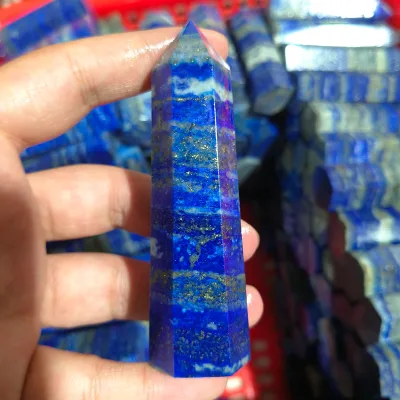
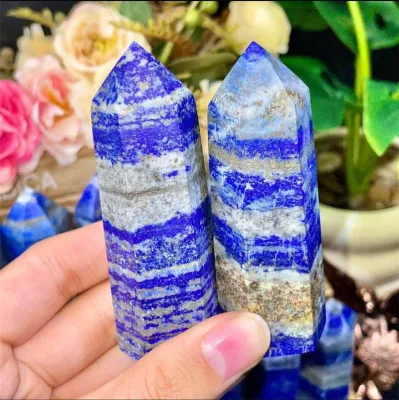
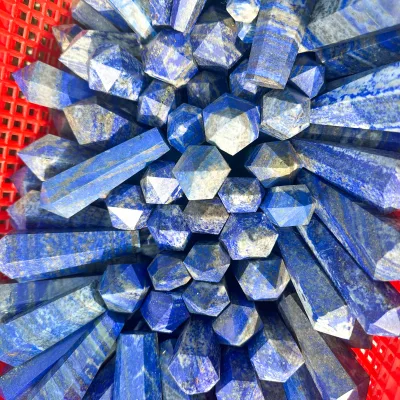
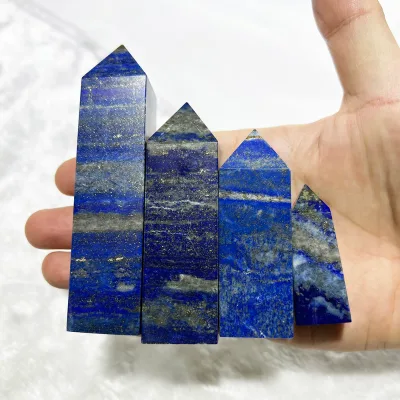
Wholesale Natural Lapis Stone Processing High Quality Lapis Lazuli Points for Decoration
$35.84 - $40.96
MOQ: 2 kilograms
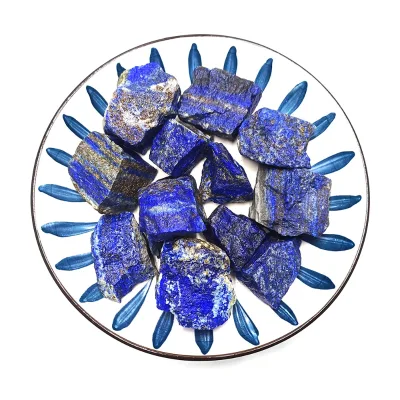
Natural Lapis Healing Stone Wholesale Lapis Lazuli Incense Stone for Decoration
$9.18 - $10.20
MOQ: 2 Minimum
Donghai Kindfull Crystal Product Co., Ltd.
- Manufacturer, Trading Company
- Lead time旺季: "1 - 100":15,"> 100":"To be negotiated", 淡季: "1 - 100":15,"> 100":"To be negotiated"
- Avg. response≤ 2h
Main productsCarving/Crystal Points/Crystal Palm/Crystal Sphere/Beauty Tools
Yiwu Baiyi Trading Company Ltd.
- Verified by SGS Group
- Trading Company
- Lead time18 days
Main productsNecklaces, Jewelry Accessories, Bracelets, Earrings, Anklet
Main marketsNorth America(30%), Western Europe(25%), South America(10%)
Donghai County Dongqing Crystal Products Co., Ltd.
- Manufacturer, Trading Company
- Jiangsu, China
- Lead time15 days
- Avg. response≤ 2h
Main productsCrystal Crafts,crystal ball,crystaltower,skull,agate
Main marketsNorth America(50.00%), Oceania(22.00%), Southeast Asia(7.00%), Domestic Market(4.00%), Eastern Europe(3.00%), South America(3.00%), Central America(2.00%), Western Europe(2.00%), South Asia(2.00%), Mid East(2.00%), Northern Europe(1.00%), Eastern Asia(1.00%), Southern Europe(1.00%)
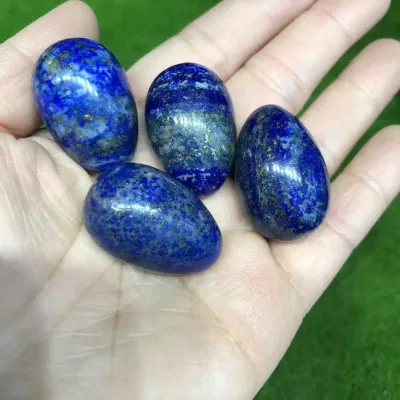
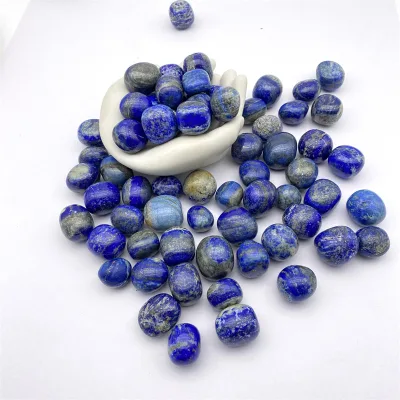
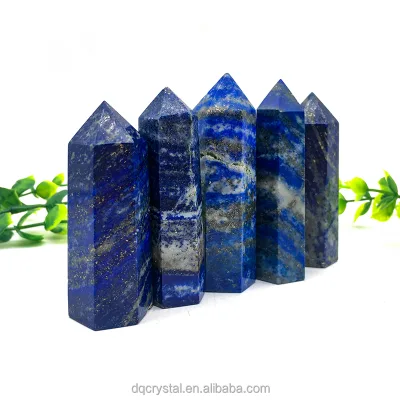
$30.51 - $35.60
MOQ: 1 kilograms
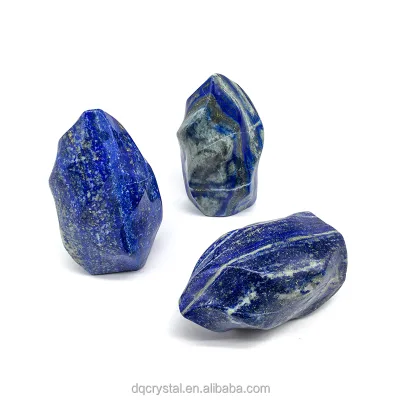
$40.94 - $46.05
MOQ: 1 kilograms
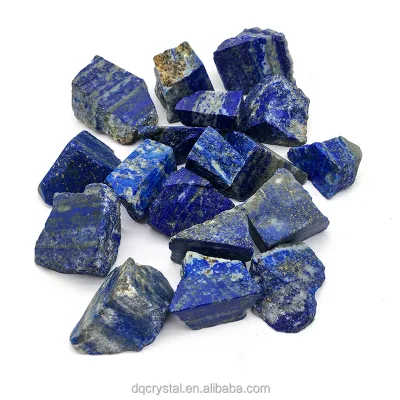
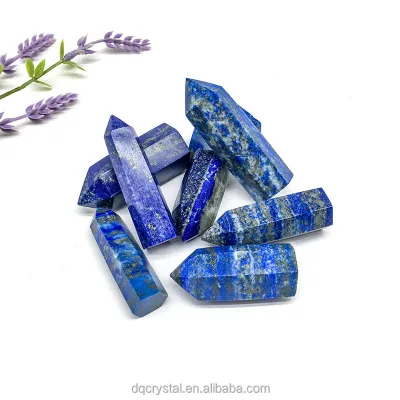
Donghai County Yuelu Jewelry Co., Ltd.
- Verified by SGS Group
- Trading Company
- Lead time5 days
- Avg. response≤ 4h
Main productsCrystal Sphere/Crystal Tower/Crystal Carving/Crystal Crafts
Main marketsNorth America(35%), Eastern Europe(10%), Oceania(10%)
Donghai Liuxiuli Crystal Factory
- Verified by SGS Group
- Trading Company
- Lead time0 days
- Avg. response≤ 2h
Main productsHealing Crystal Spheres, Feng Shui Weath Crystal, Rose Quartz Tower, Amethyst Geode, Natural Crystal Obelisk
Main marketsDomestic Market(100%)
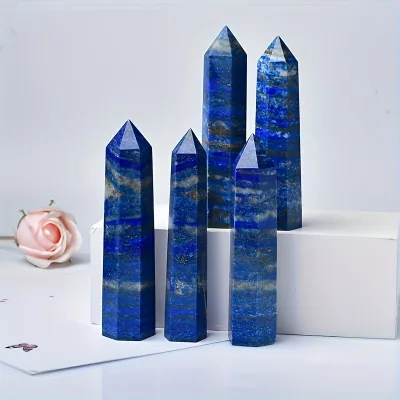
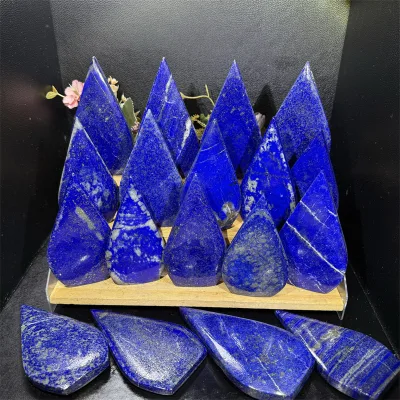
High Quality Lapis Lazuli Tower for Wholesale Natural Crystal Stone Crafts for Feng Shui Decoration
$2.40 - $3.00
MOQ: 1 Minimum
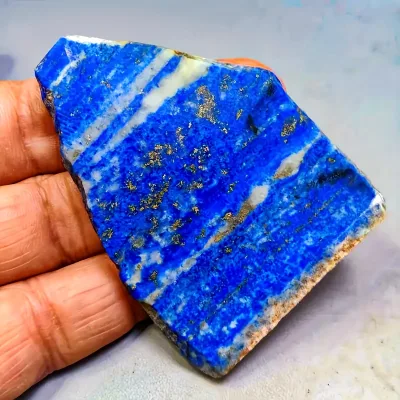
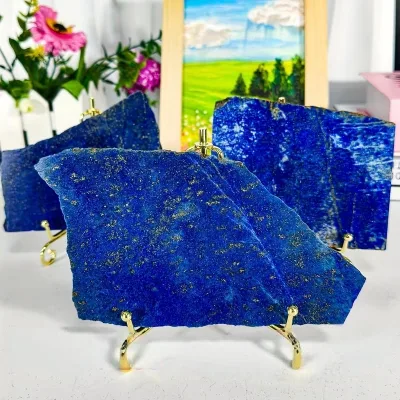
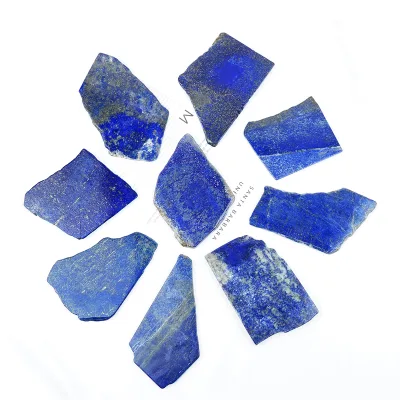
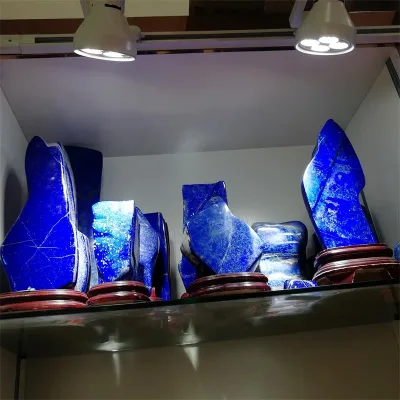
Wholesale Spiritual Crystals Slices Lapis Lazuli Slabs Healing Stones Gemstone for Decoration
$22.59 - $28.75
MOQ: 1 kilograms
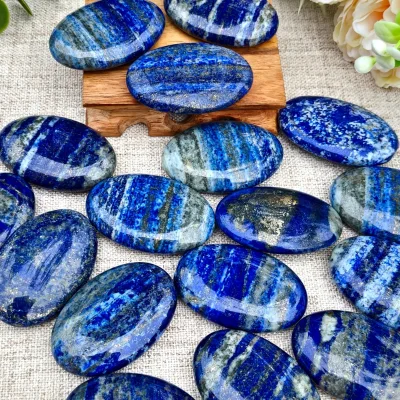
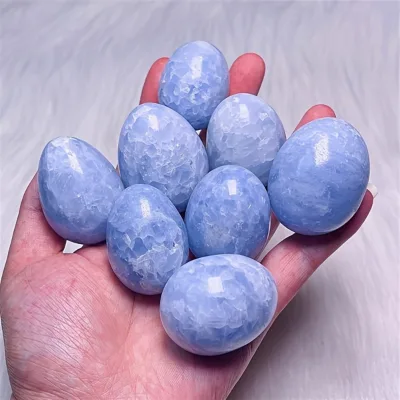
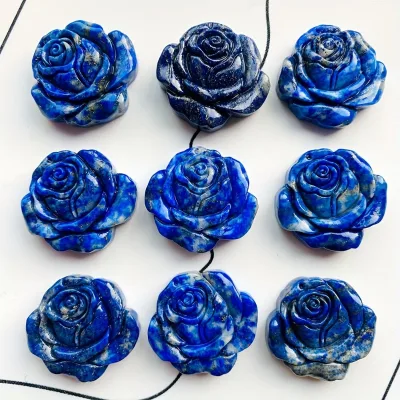
Donghai Crown Crystal Crafts Co., Ltd.
- Trading Company
- Jiangsu, China
- Lead time3 days
- Avg. response≤ 3h
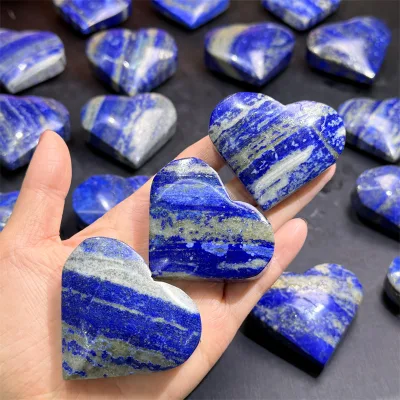
Main productsCrystal Points/Crystal Carvings/Crystal Hearts/Crystal Skulls/Crystal Balls
Main marketsEastern Europe(26.00%), North America(18.00%), South America(15.00%), Central America(10.00%), Northern Europe(10.00%), Southeast Asia(10.00%), Southern Europe(6.00%), Western Europe(5.00%)
$14.30 - $16.34
MOQ: 2 pieces
Dongguan Huiying Art&crafts Co., Ltd.
- Manufacturer, Trading Company
- Guangdong, China
- Lead time20 days
- Avg. response≤ 5h
Main productsgifts,crafts,skin care products,face rollers,gua sha massagers
Main marketsWestern Europe(25.00%), North America(25.00%), Northern Europe(10.00%), Oceania(10.00%), Mid East(5.00%), Eastern Europe(5.00%), Central America(5.00%), Southeast Asia(3.00%), Eastern Asia(3.00%), South Asia(2.00%), Southern Europe(2.00%), South America(2.00%), Africa(2.00%), Domestic Market(1.00%)
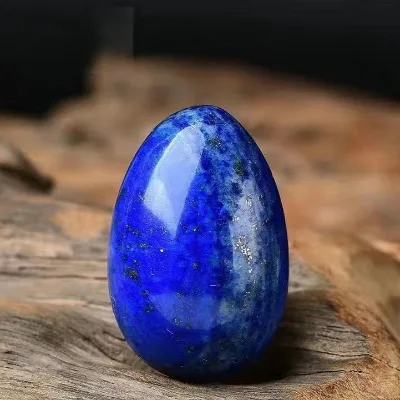
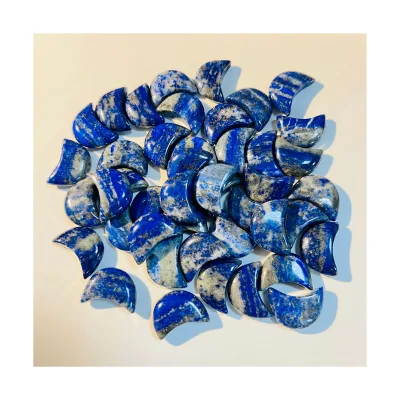
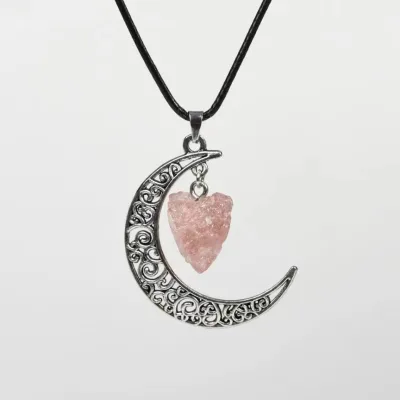
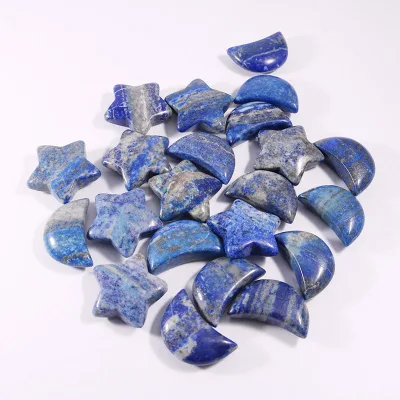
HY Wholesale Natural Crystal Carved lapis lazuli Moon Crystal Moon For Gifts
$1.00 - $10.00
MOQ: 10 Minimum
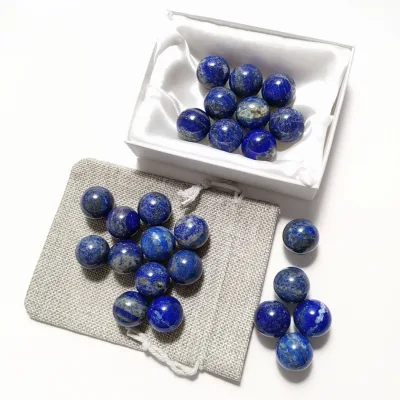
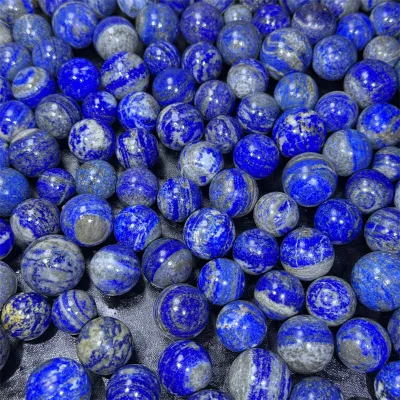
DIY Beautiful Popular Unique Lapis Lazuli Ball for Home Crystal Craft Decoration Crafts
$1.00 - $10.00
MOQ: 100 Minimum
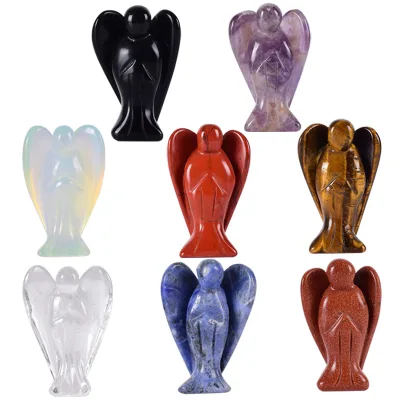
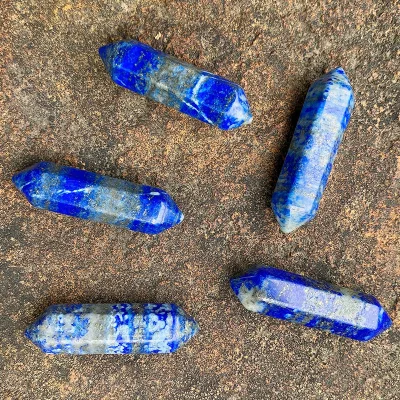
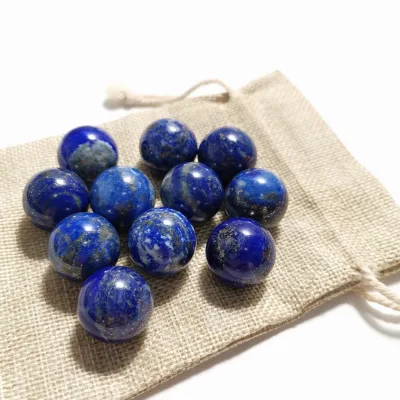
Huiying Top Quality Lapis Lazuli Wholesale Natural Gemstone Loose Crystal Ball for Home Decor Crafts
$1.02 - $10.23
MOQ: 100 Minimum
Donghai Futeng Jewelry Co., Ltd.
- Trading Company
- Jiangsu, China
- Lead time0 days
- Avg. response≤ 3h
Main productsCrystal Pillar, Crystal Ball, Crystal Bracelet, Crystal Ring
Main marketsNorth America(50.00%), Oceania(22.00%), Southeast Asia(7.00%), Domestic Market(4.00%), South America(3.00%), Eastern Europe(3.00%), South Asia(2.00%), Western Europe(2.00%), Central America(2.00%), Mid East(2.00%), Eastern Asia(1.00%), Southern Europe(1.00%), Northern Europe(1.00%)
Donghai County Boheng Crystal Jewelry Co., Ltd.
- Verified by SGS Group
- Manufacturer, Trading Company
- Lead time3 days
- Avg. response≤ 2h
Main productsCrystal Water Bottle; Crystal Smoking Pipes; Crystal Point/Crystal Gravel/Crystal Ball
Main marketsNorth America(60%), Oceania(15%), Southeast Asia(10%)
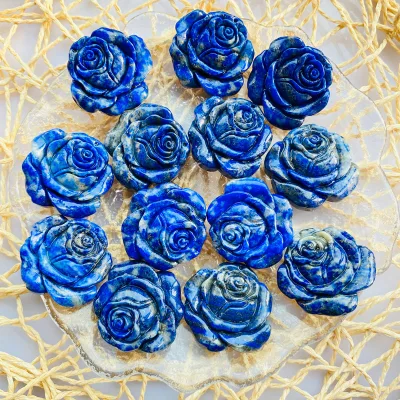
$2.14 - $2.55
MOQ: 10 pieces
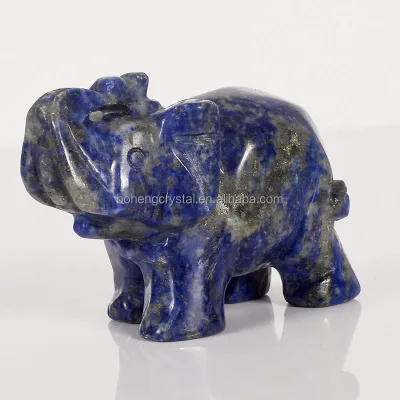
Wholesale Hand Carved Natural Lapis Lazuli Gemstone Stone Quartz Animal Elephant
$5.10 - $15.30
MOQ: 1 pieces

Yiwu Hongzhuo Art&crafts Factory
- Manufacturer, Trading Company
- Zhejiang, China
- Lead time30 days
- Avg. response≤ 6h
Main productsCrystal Crafts,Beauty Tools,Massage Tools,Gemstone Carving,Jewelry & Accessories
Main marketsDomestic Market(100.00%)
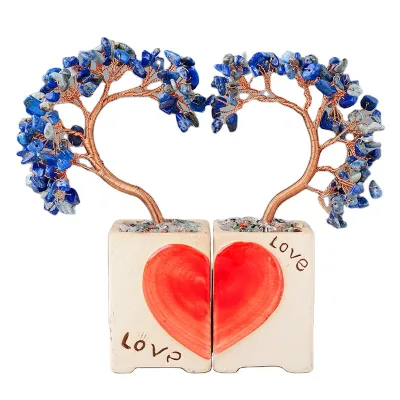
DIY Heart Colorful Crystal Stone Lapis Lazuli Tree Natural Crystal Stone Tree Ornaments
$1.03 - $9.28
MOQ: 100 Minimum
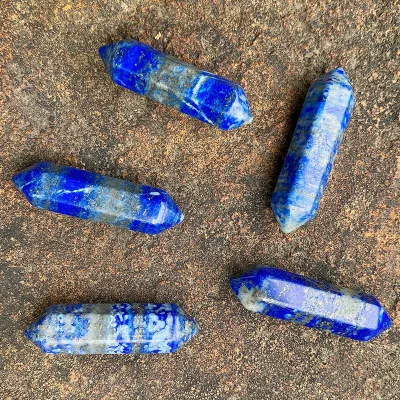
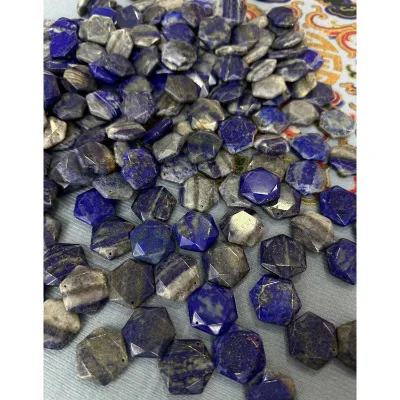
$3.99 - $6.99
MOQ: 100 pieces
Donghai Vardy Crystal Company Limited
- Trading Company
- Jiangsu, China
- Lead time10 days
- Avg. response≤ 2h
Main productscrystal points and wands,crystal spheres,crystal clusters,gemstone carving,mineral specimens
Main marketsWestern Europe(30.00%), North America(25.00%), South America(12.00%), Eastern Europe(12.00%), Northern Europe(11.00%), Oceania(6.00%), Mid East(4.00%)

Donghai Jinuo Crystal Co., Ltd.
- Trading Company
- Jiangsu, China
- Lead time15 days
- Avg. response≤ 9h
Main productsCrystal Point, Crystal Ball, Crystal Massage Wand, Crystal Carving, Crystal Gravel
Main marketsNorth America(59.00%), Western Europe(10.00%), Northern Europe(10.00%), South America(5.00%), Oceania(5.00%), Southeast Asia(3.00%), Southern Europe(2.00%), Eastern Asia(2.00%), Eastern Europe(2.00%), South Asia(1.00%), Mid East(1.00%)
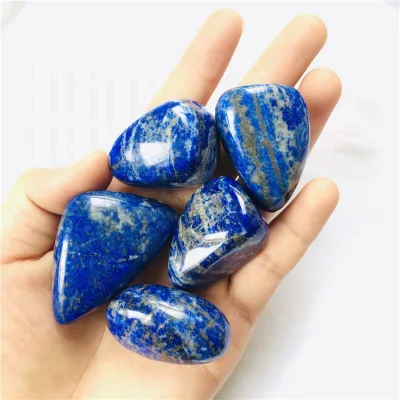
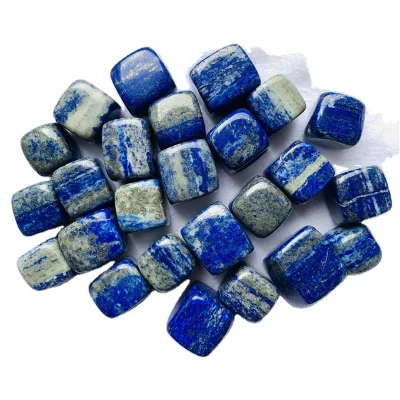
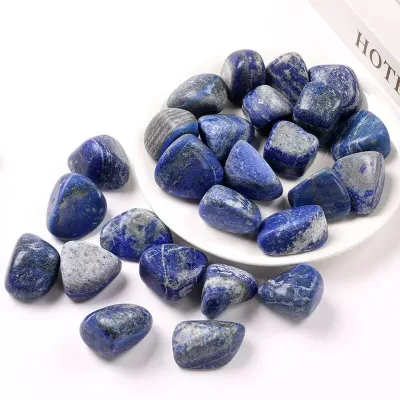
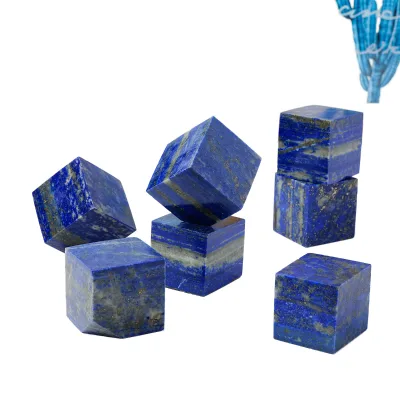
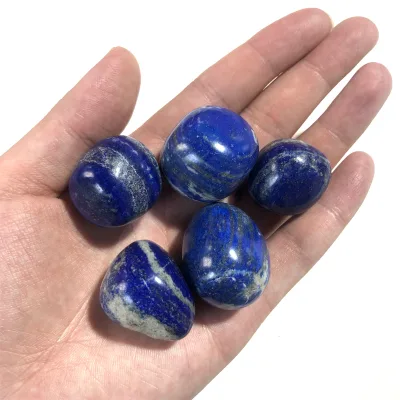
Natural Healing Lapis Lazuli Tumbled Stone Crystal Gravel Cube Tumbled Stone for Decoration
$27.00 - $30.00
MOQ: 1 kilograms
Huizhou FubaoYing jewelry Co., LTD.
- Manufacturer, Trading Company
- Guangdong, China
- Lead time0 days
- Avg. response≤ 1h
Main productsStone Pendant,Bracelets,Stone Beads,Cabochon Stone,Stone Crafts
Main marketsNorth America(50.00%), Western Europe(15.00%), Oceania(10.00%), Southeast Asia(10.00%), Northern Europe(5.00%), South America(5.00%), Mid East(5.00%)

Guangzhou Milky Way Jewelry Limited
- Trading Company
- Guangdong, China
- Lead time10 days
- Avg. response≤ 2h
Main productsfashion jewelry,jewelry supplies,jewelry findings,jewelry material,art and gift
Main marketsNorth America(40.00%), Eastern Europe(12.00%), South America(12.00%), Africa(10.00%), Western Europe(10.00%), Northern Europe(8.00%), Eastern Asia(3.00%), Southern Europe(2.00%), Mid East(1.00%), Oceania(1.00%), Southeast Asia(1.00%)
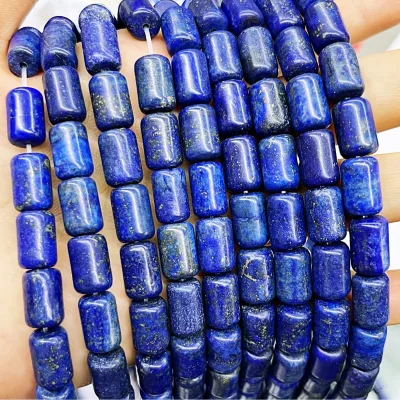
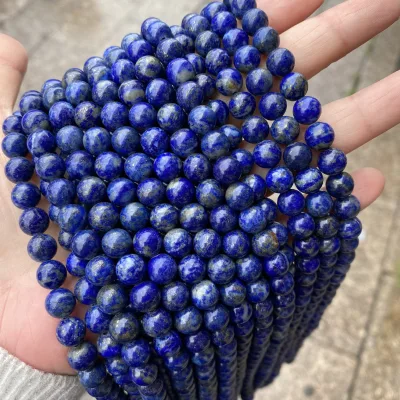
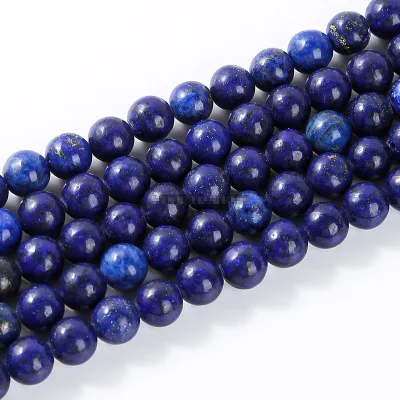
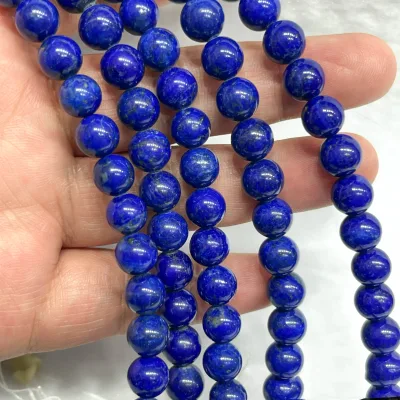
Wholesale Natural High Quality Column Lapis Lazuli GemStone Loose Beads for Jewelry Making DIY
$8.26 - $9.18
MOQ: 13 Minimum
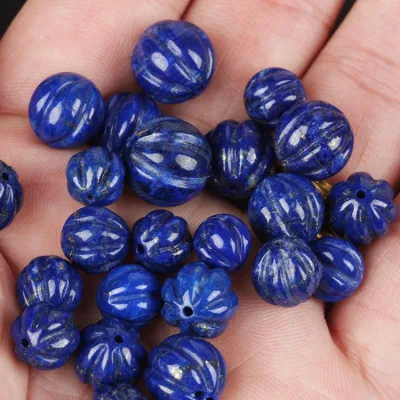
DIY Pumpkin Natural Lapis Lazuli Beads Different Size for Choice Cyan 1499861
$1.64 - $5.83
MOQ: 50 Minimum
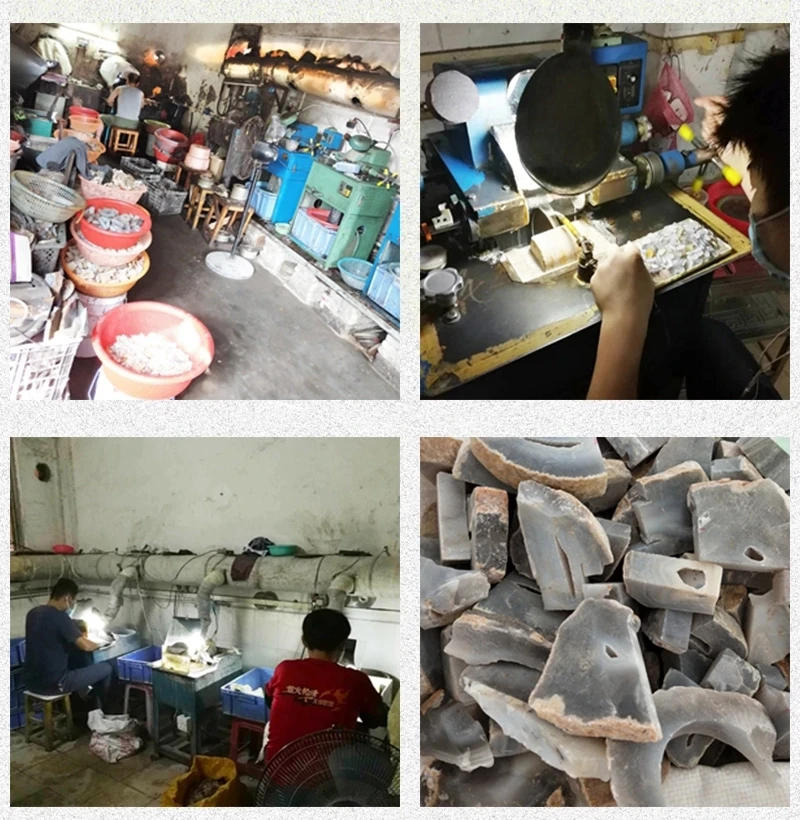
Guangzhou Yasa Jewelry Co., Ltd.
- Manufacturer, Trading Company
- Guangdong, China
- Lead time10 days
- Avg. response≤ 4h
Main productsjewelry,crystal jewelry,natural gemstone,925 silver jewelry,gold plated jewelry
Main marketsNorth America(40.00%), Southeast Asia(10.00%), Eastern Europe(10.00%), South America(10.00%), Eastern Asia(5.00%), Mid East(5.00%), Oceania(5.00%), Western Europe(5.00%), Southern Europe(2.00%), Northern Europe(2.00%), Central America(2.00%), Africa(2.00%), Domestic Market(1.00%), South Asia(1.00%)

Logo Emblem Industries Co., Ltd.
- Verified by TUVRHEINLAND
- Combined
- China Guangdong
- Lead time15 days
- Avg. response≤ 14h
Main productsMetal Craft, Pin, Badge, Coin, Souvenirs, Medal, Golf, Bag Holder, Bottle Opener, Ornament
Main marketsNorth America
Donghai Hengmei Crystal Co., Ltd.
- Verified by TüVRheinland
- Manufacturer, Trading Company
- Lead time25 days
- Avg. response≤ 4h
Main productsCrystal Crafts, Bulk Tumbled Stones, Black Tourmaline, Chakra Stones, Crystal Raw Stone
Main marketsNorth America(30%), Western Europe(15%), Eastern Europe(10%)
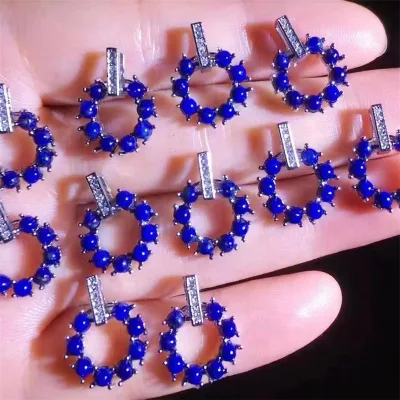
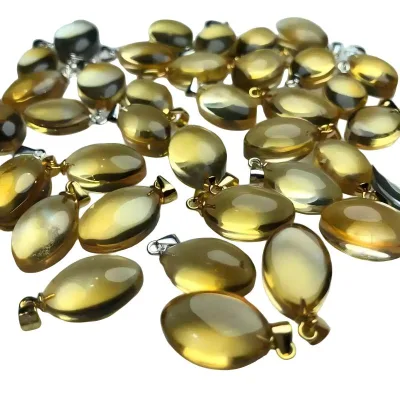
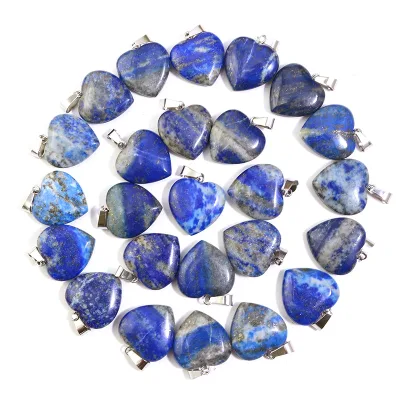
New Arrivals Circle Shaped Silver Lapis Lazul Crystals Healing Pendants for Gift
$1.40 - $1.70
MOQ: 10
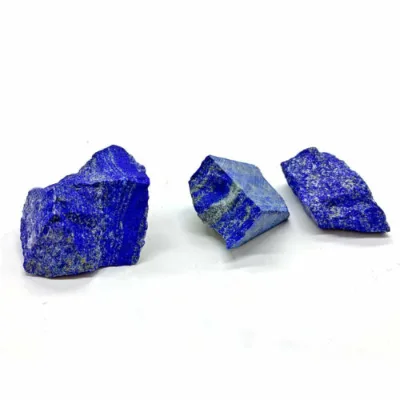
Natural Blue Quartz Gemstone Lapis Lazuli Raw Rough Stone Crystal Mineral Specimen for Wholesale
$12.00 - $18.00
MOQ: 2 kilograms
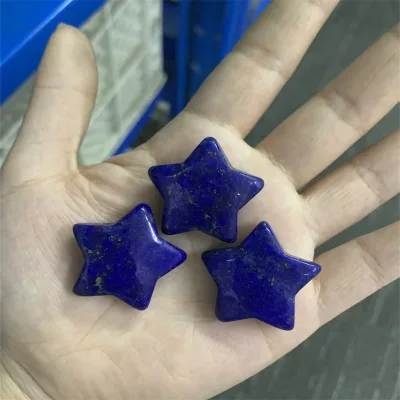

Henan Shengbang Medical Technology Co., Ltd.
- Verified by SGS
- Manufacturer
- China Henan
- Lead time15 days
- Avg. response≤ 19h
Main productsInvestment Material
Main marketsOthers(foreignTradeCapacity.exportBusinessCapacityMarketOther),Europe
Yiwu Zhenxin Trading Co., Ltd.
- Trading Company
- Zhejiang, China
- Lead time15 days
- Avg. response≤ 4h
Main productsfashion jewelry,gemstone,stone beads,jewelry finding,packing bags
Main marketsNorth America(70.00%), Western Europe(10.00%), Southern Europe(5.00%), Northern Europe(5.00%), South America(5.00%), Eastern Europe(5.00%)


Comprehensive Sourcing Guide
Taiwan Lapis Lazuli Decorations Supplier Concentration and Factory Types
When buyers search for Taiwan Lapis Lazuli Decorations, the visible supplier pool is rarely made up of Taiwanese manufacturers alone. Listings commonly originate from mainland Chinese suppliers whose place-of-origin fields reference specific gemstone processing regions. In the current results, location fields point to Jiangsu, China, and one product listing cites Donghai as its origin, a reference consistent with that province's well-known crystal and gemstone carving trade. Buyers should treat such location fields as first-pass signals rather than verified factory addresses, and should confirm where the material is actually cut, polished, and packed before assuming any single cluster covers every product form.
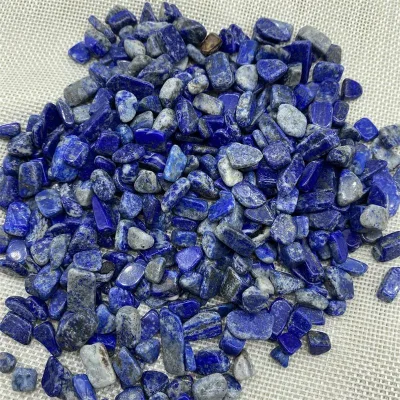
Supplier types in this category split into trading companies and combined manufacturer-trading businesses. Trading companies list broad assortments that can span crystal bracelets, raw stone, bangles, healing stones, and gravels or chips, which suits buyers consolidating mixed lapis and crystal orders. Manufacturer-trading businesses tend to emphasize carving, points, palm stones, spheres, and beauty tools, and may accept production negotiations on larger volumes. Both types frequently list lapis lazuli in multiple processed forms, including polished points, raw incense and healing stones, Afghanistan-origin gravels and chips, and tumble stones. Because these are decorative craft goods rather than industrial components, ask whether a supplier finishes goods in-house, subcontracts carving, or only resells stock, since that distinction determines both pricing flexibility and consistency across repeat orders.
How to Verify Taiwan Lapis Lazuli Decorations Suppliers
Verification should begin with the attributes a supplier actually displays, then move to what you must request. In the current listings, useful displayed signals include company type, main product lines, a response time as short as two hours, and location fields naming Jiangsu or Donghai. Establish whether a profile states a founding year; some do, some do not, and a missing year is not proof of inexperience but should prompt a direct question. Request business registration documentation and confirm the legal name matches the storefront. For craft goods, verification also means confirming the material is genuine lapis lazuli rather than dyed howlite or resin composite, so ask for close-up photos under natural light and, when stakes justify it, an independent gemological check before a large deposit.
Next, verify capability against the specific product form you need. A supplier quoting polished points at 5-7 cm may not produce chips in 3-8 mm or 8-14 mm grades, or irregular raw stone in 2-3 cm and 3-5 cm sizes, so match your questions to listed model numbers and ask which items are catalog stock versus made to order. Ask who inspects color grading, since one listing distinguishes A and AA color tiers and grading discipline varies widely in decorative stone. Confirm packing methods in writing; listings reference safe packaging and single gross weights above one kilogram, which affects freight claims. Finally, test communication responsiveness yourself with a technical question and measure the reply against any advertised response time.
What to Compare Across Taiwan Lapis Lazuli Decorations Suppliers
Build a comparison sheet from attributes visible on each profile, but never assume every supplier displays the same fields. Comparable dimensions include company type, main products, location, response time, establishment year where shown, and whether any platform protections such as escrow are indicated. On products, compare the specific lapis forms offered: points for decoration, raw healing and incense stone, Afghanistan gravels and chips, and tumble stones sized around 15-30 mm. Price signals in current listings range widely, from roughly nine to ten dollars for raw material to about thirty-six to forty-one dollars for polished points, so normalize quotes per kilogram and per finished piece before ranking suppliers.
Lead time is a second high-value comparator. One supplier profile shows fifteen days for quantities from one to one hundred units in peak season, with above-one-hundred quantities negotiated, and the same structure in the off-season. Product listings separately quote delivery windows of two to ten days and ten days, reflecting stock goods versus processing time. MOQ also varies meaningfully, from one kilogram on tumble stones to two kilograms on points, raw stone, and gravels, so align MOQ with your trial order budget. Compare technique descriptions too, since polished, carved, and unpolished raw each imply different finishing capacity. Record which suppliers accept payment methods such as PayPal, Western Union, or telegraphic transfer, and which origin they declare, because declared origin affects both customs treatment and your ability to market provenance.
Common Taiwan Lapis Lazuli Decorations Sourcing Risks
The most frequent risk in this category is material substitution. Lapis lazuli commands a premium over lookalike stones, and decorative buyers receive dyed magnesite, howlite, or reconstructed stone far more often than they detect it. Listings that advertise Afghanistan lapis or natural raw stone create an expectation you should test with photos, density checks, and third-party assessment rather than trust from listing copy alone. A second risk is grading ambiguity: where color tiers like A and AA appear, definitions are supplier-specific, and a batch graded AA by one vendor may match another's B stock. Fix grading criteria in writing with reference photos before production.
Fulfillment risks follow a different pattern. Stock items advertised with short delivery windows can still sell out between order and payment, turning a fast listing into a processing delay, so reconfirm availability at payment time. Weight declarations of roughly 1.0 to 1.1 kilograms per package are common, but actual variance in raw and chip products can push dimensional and gross weight beyond quoted figures, raising freight costs. Fragility is another exposure: points, spheres, and carved pieces crack in transit unless inner packing is specified, so treat a generic safe-package note as a starting point and require foam or compartment details. Finally, small MOQs expressed in kilograms can mask minimum per-piece counts for carved or drilled work. Confirm piece-level minimums, and keep claims procedures documented for any shipment arriving with breakage or off-grade color.
Taiwan Lapis Lazuli Decorations Regional Sourcing and Logistics
The current listings anchor this category in Jiangsu, China, with one product additionally citing Donghai as its place of origin, a name strongly associated with gemstone processing. No supplier results in this set declare Taiwan as a manufacturing location, so buyers searching for Taiwan-focused goods should verify origin claims directly and treat keyword-driven matches as a starting point rather than confirmation. When origin fields conflict with your assumptions, ask the supplier to state where raw material is sourced, where cutting and polishing occur, and where shipment departs, then reconcile those answers against the packing and shipping details in their listings.
Logistics planning benefits from specifics the listings already provide. Shipping methods named include DHL, UPS, EMS, TNT, and FedEx, which suits kilogram-scale parcels of points, chips, or tumble stones. Single package sizes range from compact 10x10x10 cm boxes to 20x20x20 cm cartons, with gross weights around 1.05 to 1.117 kilograms, so estimate freight on dimensional weight, not stone weight alone. Delivery windows quoted include two to ten days and ten days for individual products, alongside a fifteen-day profile-level lead time for quantities up to one hundred with larger volumes negotiated. For heavier consolidation, sea freight is a natural extension, but confirm packing grade first. Always verify export documentation, declared origin, and any stone-specific restrictions in your destination market before booking, since decorative mineral goods face different import rules than finished jewelry.
Taiwan Lapis Lazuli Decorations Commercial Terms and Order Planning
Commercial terms in this category are small-scale and negotiable, which favors structured pilots. Current signals show MOQs of one to two kilograms, price bands from roughly nine to ten dollars for raw stone up to about thirty-six to forty-one dollars for polished points, and lead times ranging from two to ten days on listings to fifteen days at profile level for up to one hundred units, with larger quantities negotiated. Payment methods visible include PayPal, Western Union, and telegraphic transfer. Plan a first order that tests one product form per supplier, sized at or slightly above the stated MOQ, so quality grading, packing, and shipping performance can each be judged without heavy exposure.
Negotiation should focus on the variables listings leave open. Seasonal lead-time tables show fifteen days for one-to-one-hundred units in both peak and off-season, with everything above that marked to be negotiated, so any volume beyond a trial run needs a written production schedule with milestones. Ask whether quoted prices are per kilogram or per piece and which grade applies, since A and AA color tiers appear in chip listings. Confirm incoterms, who arranges the courier, and whether packing upgrades for fragile points or spheres add cost. For repeat orders, request lot photos before dispatch and agree on a remedy, such as replacement or credit, for off-grade or broken pieces. Keep model numbers from listings in your purchase order so the delivered stone matches what was quoted.
FAQs
Where do Taiwan buyers typically source lapis lazuli decorations?
Many Taiwan buyers source lapis lazuli decorations from suppliers based in Jiangsu, China, a region known for crystal and gemstone craft production. Listings there cover polished points, raw stone, chips, and tumble stones suitable for decoration. Buyers should confirm each supplier's product range, export experience, and shipping options to Taiwan before committing to an order.
What is the typical minimum order quantity for lapis lazuli decorations?
Listed lapis lazuli products in these results show minimum orders as low as 1 to 2 kilograms, making small trial orders practical. Chips, raw stone, and polished points each have their own MOQ, so check the specific product page. Confirm whether MOQ is measured per item, per kilogram, or per order before placing a sample purchase.
How long does delivery of lapis lazuli decorations usually take?
Listed delivery times range from 2 to 10 days for shipped orders, while supplier lead times around 15 days apply to quantities of 1 to 100 units in some cases. Larger volumes may require negotiated timelines. Always confirm current production and transit schedules with the supplier before finalizing your purchase.
What forms of lapis lazuli decorations are available for wholesale?
Available forms include polished points, raw rough stone, irregular incense stones, chips and gravels, and tumble stones. Sizes span roughly 3-8 mm chips up to 5-7 cm points, with colors graded A and AA on chip listings. Decoration, healing, gift, and feng shui uses are all cited, so match the product form to your intended retail application.
What price ranges should buyers expect for wholesale lapis lazuli?
Listed prices range from roughly 9 to 11 dollars per unit for raw incense stone, up to about 36 to 41 dollars for polished points. Price varies with processing level, size, grading, and order volume. Request current quotations directly, since published prices can change with material availability and order quantity.
How can buyers verify lapis lazuli quality before ordering?
Ask suppliers for detailed photos, size specifications, and grading information, since some chip listings use A and AA color grades. Request samples where possible and inspect polish quality, color depth, and dyeing. Confirm the stated place of origin, as one listing cites Afghanistan material processed in Jiangsu, and document agreed specifications in your purchase contract.
What shipping options are available for lapis lazuli orders?
One supplier listing cites DHL, UPS, EMS, TNT, and FedEx as shipping methods, with safe packaging and single gross weights around 1.1 kilograms per package. Payment methods cited on another listing include PayPal, Western Union, and TT. Confirm shipping costs, insurance, and packaging standards for fragile stone goods before ordering.
Are suppliers manufacturers or trading companies?
Both types appear in these results. One supplier is listed as a trading company focused on crystal bracelets, raw stone, bangles, and chips, while another is listed as both manufacturer and trading company producing carved crystal points, spheres, and palm stones. Manufacturer-traders may offer better customization, so ask directly about production capability and factory location.