Taiwan Lamp Holder Suppliers and Manufacturers
Explore 19 verified suppliers offering Taiwan Lamp Holder options with varying lead times, response speeds, and certifications. Compare specifications like voltage ratings and materials to find the right fit for your project. Contact suppliers directly to request quotes; review the available evidence before requesting comparable quotations from suitable candidates.
Suppliers List
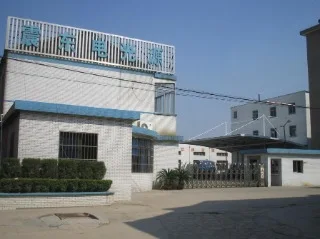
Zhenjiang Hu's Photoelectron Science & Technology Co., Ltd.
- Manufacturer, Trading Company
- Jiangsu, China
- Lead time25 days
- Avg. response≤ 24h
Main productsLED Bulbs and Luminaires,Lighting Components
Main marketsDomestic Market(72.45%), Eastern Asia(10.03%), South America(8.16%), Southern Europe(5.78%), Southeast Asia(2.21%), Africa(1.37%)

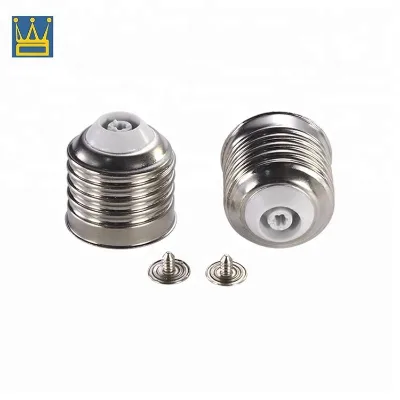
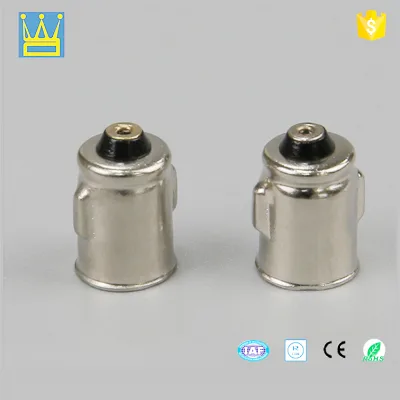
Hot Selling Lamp Bulb Holder With Low Price
Contact supplier
Shenzhen Huaxunneng Technology Co., Ltd.
- Manufacturer, Trading Company, Distributor/Wholesaler
- Lead time旺季: "1 - 1000":15,"> 1000":"To be negotiated", 淡季: "1 - 1000":15,"> 1000":"To be negotiated"
- Avg. response≤ 10h
Main productsFPV drone kits,Blushless motor,FPV camera,FPV Transmitter&Receiver,Flight Controller
Haining Tonghua Import & Export Co., Ltd.
- Verified by Intertek
- Trading Company
- Lead time15 days
Main productsPendant Light, Wall Light, Table Light, Led Bulb, Floor Light
Main marketsWestern Europe(15%), Northern Europe(15%), North America(10%)

- Verified by SGS
- Trading Company
- China Zhejiang
- Lead time15 days
- Avg. response≤ 20h
Main productsTerminal Block, Cable Gland, Power Cord, Lightting Components, Lamp Holder, Plug and Socket, Textile Cable, Plastic Buttons, Snaps, Cable Connector
Main marketsAfrica

Ningbo Newlite International Trade Co., Ltd.
- Trading Company
- China Zhejiang
- Lead time60 days
- Avg. response≤ 21h
Main productsOven Parts, Oven Components, Gas Cooker Part, Spark Igniter, Oven Switch, Gas Stove Part, Oven Timer, Gas Valve, Barbeque Grill Parts, Gas Water Heater Parts
Main marketsSoutheast Asia/ Mideast,Europe,North America

Oven Lamp Holder/Ceramic Lampholder/Oven Parts/Ceramic Oven Lampholder/Oven Part
Contact supplier
Moq: 5000


Fujian Minqing Minya Electrical Appliance Co., Ltd.
- Manufacturer, Trading Company
- Fujian, China
- Lead time0 days
- Avg. response≤ 5h
Main productslamp holder,terminal block,fuse holder,socket,insulator
Main marketsAfrica(30.0%), South America(30.0%), Eastern Asia(20.0%), Eastern Europe(10.0%), Mid East(10.0%)

- Verified by SGS
- Combined
- China Guangdong
- Lead time15 days
- Avg. response≤ 17h
Main productsPrecision Stamping, Brass Contacts, Plug Pins, Sheet Metal Parts, Machining Parts, Metal Stamping Parts, Connector Terminals, Stainless Steel Door Hinge, Auto Parts, Electronic Box
Main marketsSouth America,Southeast Asia/ Mideast,Europe,North America
Hangzhou Delta Art Light Co., Ltd.
- Verified by SGS Group
- Manufacturer, Trading Company
- Lead time60 days
Main productsTable Lamp, Floor Lamp, Lampshade, Pendant Lamp, Ceiling Lamp
Main marketsMid East(30%), Eastern Asia(25%), Western Europe(20%)

Fuzhou Colshine Electric Co., Ltd.
- Verified by SGS
- Trading Company,Manufacturer/Factory
- China Fujian
- Lead time23 days
- Avg. response≤ 14h
Main productsLED Corn Light, LED Street Light, LED Yard Light, LED Dusk to Dawn Light, Sauna Lamp, Pendant Light, Porcelain Lampholder, Metal Lampholder, Halogen Lampholder, Retro Switch & Socket
Main marketsSouth America,Eastern Europe,Mid East,North America,Southeast Asia,Eastern Asia,Oceania,Western Europe,Africa

Lanxi Kingway International Trade Co., Ltd.
- Verified by TUVRHEINLAND
- Trading Company,Manufacturer/Factory
- China Zhejiang
- Lead time23 days
- Avg. response≤ 4h
Main productsRoofing Sheets, Doors, Iron Nails, Hinges, Paint Brush, Hand Tools, Locks, Measuring Tools, Hammers, Coffin Fitting
Main marketsSouth America,Eastern Europe,Mid East,North America,Southeast Asia,Eastern Asia,Africa

WANSHUN ELECTRICAL & INTELLIGENT MANUFACTURE (GUANGDONG) CO., LTD.
- Trading Company
- China Guangdong
- Lead time0 days
- Avg. response≤ 11h
Main productsSocket, Switch, Travel Adapter, Extension Socket, Plug Top, Terminal Block, Conversion Box
Zhongshan Sanliang Lighting Co., Ltd.
- Verified by SGS Group
- Manufacturer, Trading Company
- Lead time35 days
Main productsPendant Light, Ceiling Lamp, Table Lamp, Floor Lamp, Wall Lamp
Main marketsNorth America(50%), South America(10%), Eastern Europe(5%)

Fuzhou Sansheng Industry and Trade Co., Ltd.
- Verified by CTI
- Combined
- China Fujian
- Lead time30 days
- Avg. response≤ 8h
Main productsPorcelain Lamp Holder Insulator Knife Swith, Fuse Holder Plastic Lamp Holder
Main marketsDomestic

Plastic E27 Lamp Holder for Cambodia Thailand Lamp Holder Southeast Asia Lamp Holder
$0.05 - $0.52
Moq: 10000


Jiangxi Heying Technology Co., Ltd.
- Verified by SGS
- Combined
- China Jiangxi
- Lead time15 days
- Avg. response≤ 9h
Main productsRotary Damper, Push Latch, Rivet, Auto Clips and Retainers, Plastic Screw and Nut, Book Screw, PCB Support, Wire Mount, Cable Clamp, Foot Pad
Main marketsEast Asia(Japan/ South Korea)

LED Lens Lamp Holder for Compact and High-Intensity Lighting Fixtures Ls-Ld4wk
$0.05 - $0.06
Moq: 1000


Wenzhou Amon Electric Co., Ltd
- Verified by BV
- Manufacturer/Factory
- China Zhejiang
- Lead time0 days
- Avg. response≤ 4h
Main productsWall Switches, Light Switches, Switches and Socket, Lamp Holder, Extension Socket, Power Strip, Electrical Plug, Wall Switch, Wall Socket

Shen Zhen WIN-KARE Technology Co.,Ltd
- Verified by BV
- Trading Company,Manufacturer/Factory
- China Guangdong
- Lead time45 days
- Avg. response≤ 4h
Main productsDimmer Switch, Lighting Controller, Switch, Power Socket, AC Socket, LED Switch, Power Cord, Connector, Terminal, Rocker Switch
Main marketsSouth America,Eastern Europe,Southeast Asia,Oceania,Western Europe


Germany Standard High Quality China Manufacturer E26 Lamp Holder for Bulb Lamp Light
$1.30 - $1.50
Moq: 100

Xuzhou Risen Industry and Supply Co., Ltd
- Verified by TUVRHEINLAND
- Trading Company
- China Jiangsu
- Lead time30 days
- Avg. response≤ 3h
Main productsHousehold Adornment, Household Supplies, Home Decoration, Compressed Sofa, Dining Furniture, Bothroom Organizer, Kitchen Storage, Glass Ornaments, Ceramic Tableware, Home Fragrance
Main marketsSouth America

Fuzhou Keruida Electric Porcelain And Appliance Co., Ltd.
- Verified by SGS
- Combined
- China Fujian
- Lead time15 days
- Avg. response≤ 4h
Main productsRetro Switch
Main marketsEurope

HEBEI GIONLEE MACHINERY EQUIPMENT SALES CO., LTD.
- Verified by BV
- Trading Company
- China Hebei
- Lead time30 days
- Avg. response≤ 2h
Main productsMetal Welding Parts, Metal Stamping Part, Sheet Metal Fabrication, Deep Drawn Parts, CNC Machining Part, Ready Made Fasteners, Plastic Parts, Rubber Parts, Parking Heater, Machine
Main marketsSouth America,Southeast Asia/ Mideast,East Asia(Japan/ South Korea),Europe,North America








Comprehensive Sourcing Guide
Taiwan Lamp Holder Supplier Concentration and Factory Types
The available data indicates that suppliers offering lamp holders are primarily located in mainland China, specifically within the Jiangsu and Guangdong provinces, rather than in Taiwan. One observed cluster is in Jiangsu, where manufacturers and trading companies produce LED bulbs, luminaires, and lighting components. Another significant group operates out of Guangdong, supplying E27 universal lamp holders with switches and waterproof variants. These regions host a mix of company types, including manufacturers, trading companies, and distributors. Buyers should verify if a specific supplier claims a Taiwan origin, as the current evidence points to mainland production hubs for these lighting accessories.
When assessing factory types, the results show a blend of direct manufacturers and trading companies. Some entities list themselves as manufacturers, trading companies, and distributors simultaneously, which can complicate the supply chain structure. For instance, certain suppliers in the lighting sector are identified as manufacturers, while others in the consumer electronics space operate as distributors. Buyers must confirm the actual production capability by checking if the supplier lists specific manufacturing equipment or if they function primarily as intermediaries. The presence of a trading company status does not inherently reduce quality, but it may affect lead times and communication directness compared to a pure manufacturer.
How to Verify Taiwan Lamp Holder Suppliers
Verification begins with checking the stated location against the actual production site, as the data shows origins in Jiangsu and Guangdong rather than Taiwan. Buyers should request factory audit reports or video tours to confirm the physical address matches the supplier profile. The evidence includes verification statuses like Intertek for some lighting suppliers, which serves as a third-party validation of business legitimacy. However, this specific verification is not universal across all results, so buyers must ask for current certificates for each potential partner. Relying solely on platform badges without independent confirmation can lead to sourcing from unverified entities.
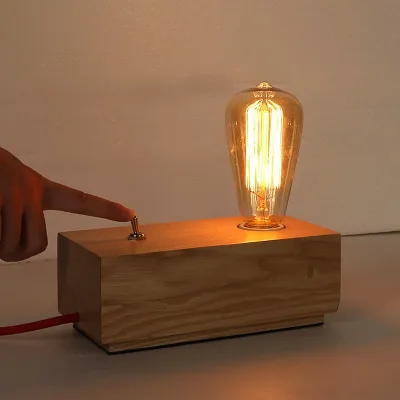
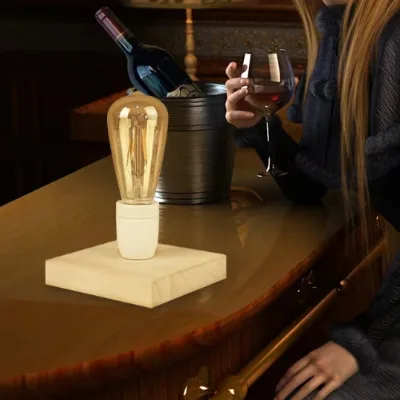
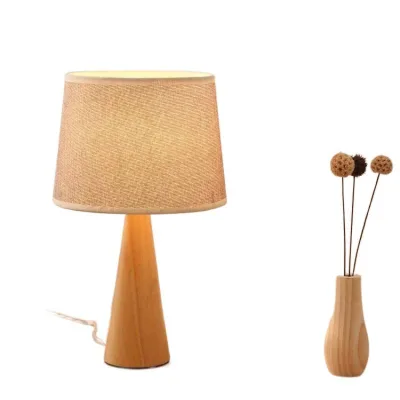
Certifications are another critical verification point, with some suppliers displaying CE, RoHS, and LVD marks for their lighting products. One specific listing confirms CE and RoHS compliance for a wooden table lamp with a ceramic bulb holder, indicating adherence to safety standards. Buyers should demand these documents for the specific lamp holder models they intend to purchase, as product lines can vary in compliance. Additionally, checking the response time is a practical verification method; observed times range from 10 to 24 hours, suggesting varying levels of operational readiness. A supplier unable to provide timely responses or specific certification documents should be treated with caution during the vetting process.
What to Compare Across Taiwan Lamp Holder Suppliers
Comparing suppliers requires a focus on lead times, which vary significantly based on order volume and seasonality. One supplier indicates a lead time of 15 days for orders under 1000 units, while others show a standard 25-day window. Seasonal fluctuations are also noted, with some suppliers adjusting timelines during peak periods, potentially extending delivery to "to be negotiated" status for large orders exceeding 1000 units. Buyers must clarify these conditions before placing orders to avoid delays. The variation in lead times suggests that production capacity and current workload differ widely among the available vendors, making direct comparison essential for planning.
Minimum Order Quantities (MOQ) and pricing structures also differ substantially across the supplier base. Some listings show an MOQ of 10,000 units for basic lamp holders, while others accept orders as low as 2 units for specialized items like universal holders with switches. Price ranges reflect this disparity, with some products listed between $0.012 and $0.017 per unit, while others range from $0.20 to $0.80 depending on features like waterproofing or remote control capabilities. Buyers should align their order volume with the supplier's MOQ to avoid unnecessary costs. Comparing these metrics helps identify suppliers that match the buyer's specific scale and budget requirements without overcommitting to large inventories.
Common Taiwan Lamp Holder Sourcing Risks
A primary risk involves the discrepancy between the search keyword and actual supplier locations, as the data points to mainland China rather than Taiwan. Buyers searching for "Taiwan Lamp Holder" may encounter suppliers based in Jiangsu or Guangdong, which could lead to confusion regarding origin claims or shipping routes. It is crucial to verify the place of origin listed in product attributes, such as Guangdong or Zhejiang, to ensure transparency. Misalignment between the expected origin and the actual manufacturing site can impact shipping costs, import duties, and perceived product quality, making clear communication about location a vital risk mitigation step.
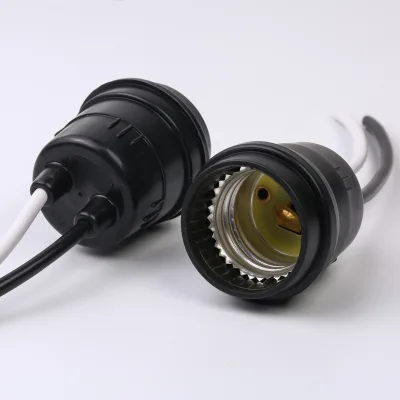
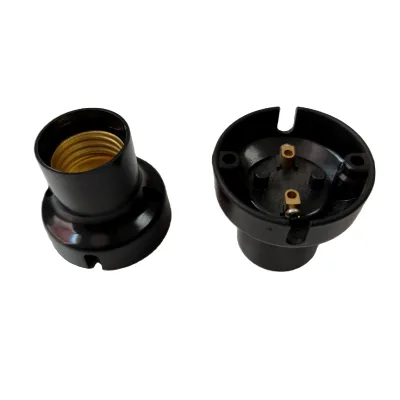
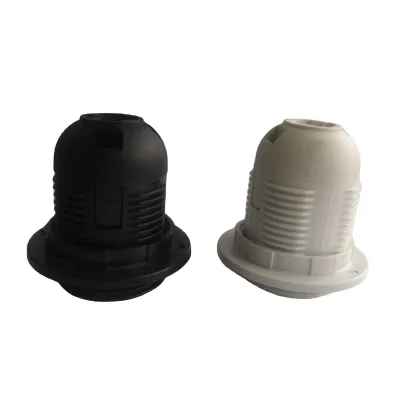
Another significant risk relates to inconsistent product specifications and material quality across different listings. While some lamp holders are described with specific materials like ABS or Plastic/Metal, others lack detailed material breakdowns in the initial data. For example, one product lists a heat-resistant temperature of 660 degrees, while another specifies 120 degrees, indicating different performance capabilities. Buyers must request detailed technical datasheets to confirm that the materials meet their safety and durability standards. Relying on generic product titles without verifying specific attributes like rated voltage or current can result in receiving components that are unsuitable for the intended application.
Taiwan Lamp Holder Regional Sourcing and Logistics
Logistics planning must account for the actual production regions identified in the data, which are concentrated in Jiangsu and Guangdong provinces. These areas have established infrastructure for exporting lighting components, but buyers should confirm the specific port of loading for each supplier. The distance from these manufacturing hubs to international ports can influence transit times and freight costs. Since the search term implies Taiwan, buyers need to clarify if the supplier offers direct shipping from their mainland facilities or if they route goods through other locations. Understanding the specific logistics chain helps in calculating accurate landed costs and delivery schedules.
Shipping and handling times are further influenced by the supplier's response speed and order processing efficiency. Observed response times range from 10 to 24 hours, which can impact how quickly shipping documents are prepared and orders are dispatched. Suppliers with faster response times may be better equipped to handle urgent logistics requests or last-minute changes to shipping instructions. Buyers should factor in these communication delays when planning their inventory replenishment cycles. Additionally, verifying the packaging details, such as single package sizes and gross weights, is essential for optimizing container loading and reducing shipping expenses.
Taiwan Lamp Holder Commercial Terms and Order Planning
Commercial terms regarding payment and order planning should be scrutinized based on the specific supplier's policies. While some listings show low MOQs allowing for small trial orders, others require bulk purchases of 10,000 units. Buyers must negotiate payment terms that align with their cash flow, especially when dealing with high-volume orders that have extended lead times. The evidence suggests that for orders exceeding 1000 units, lead times may become negotiable, which could affect the overall project timeline. Establishing clear agreements on payment milestones and delivery schedules is critical to managing these commercial variables effectively.
Warranty and after-sales support are also key components of the commercial agreement. One specific product listing mentions a one-year warranty, which provides a baseline for expected support duration. However, this is not universally stated across all results, so buyers must explicitly confirm warranty coverage for the specific lamp holder models they select. Understanding the scope of the warranty, including what defects are covered and the process for claims, is vital for long-term planning. Buyers should also inquire about the supplier's policy on defective units and replacement timelines to ensure business continuity in case of quality issues.
FAQs
Where are lamp holder manufacturers located?
Manufacturers of lamp holders are primarily located in Jiangsu and Guangdong provinces in China. Some suppliers also operate from Zhejiang. These regions host both manufacturers and trading companies offering various lighting components and accessories for global buyers.
What is the minimum order quantity for lamp holders?
Minimum order quantities vary by product type. Some fancy lamp holders require 10,000 units, while universal E27 holders with switches may start at just 2 units. Waterproof models often have an MOQ of 10 units. Buyers should check specific product listings for exact thresholds.
How long does it take to receive lamp holder orders?
Standard lead times for lamp holders are typically around 15 to 25 days. For larger orders exceeding 1,000 units, lead times may extend or require negotiation. Seasonal peaks can also impact delivery schedules, so confirming timelines with the supplier before ordering is recommended.
What certifications do lamp holder suppliers hold?
Many suppliers provide products certified under CE, RoHS, and LVD standards. Some listings explicitly mention Declaration of Conformity. Verification services like Intertek are also available for certain suppliers. Buyers should verify specific certification documents for each product to ensure compliance with local regulations.
What is the price range for E27 lamp holders?
Prices for E27 lamp holders range from approximately 0.012 to 0.80 USD per unit depending on the model. Basic fancy holders start near 0.012 USD, while specialized universal holders with switches cost around 0.80 USD. Bulk orders often influence the final unit price significantly.
How quickly do suppliers respond to inquiries?
Supplier response times vary, with some companies replying within 10 hours and others within 24 hours. Faster response times are common among manufacturers and trading companies. Buyers seeking urgent quotes should prioritize suppliers with shorter response windows to ensure timely communication and order processing.
What materials are used for lamp holder construction?
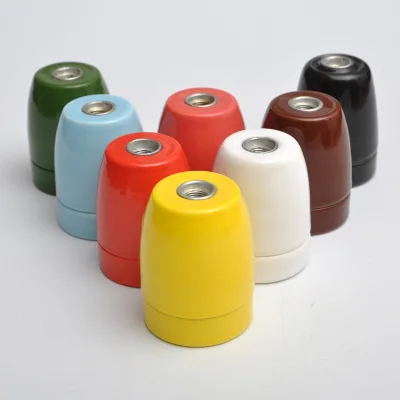
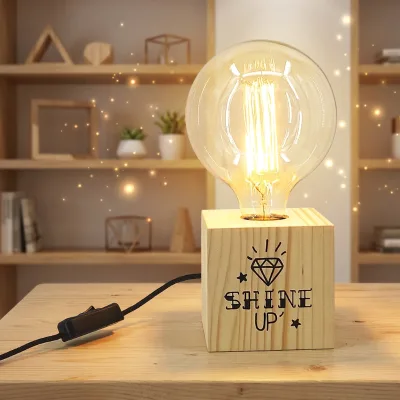
Lamp holders are constructed from materials such as ABS plastic, metal, and ceramic. Some models feature wooden bases for decorative lighting. Heat-resistant temperatures range from 120 to 660 degrees Celsius. Buyers should select materials based on their specific voltage and safety requirements for the application.