Taxi Electric Car Suppliers and Manufacturers in China
Source 30 verified suppliers for Taxi Electric Car units across China. Compare key dimensions including lead times, certifications, and pricing to identify suitable partners. Review product specifications and contact suppliers directly to initiate procurement; review the available evidence before requesting comparable quotations from suitable candidates.
Suppliers List
Jinjiang Yashixin Electric Vehicle Manufacturing Co., Ltd
- Verified by BV
- Manufacturer/Factory
- China Fujian
- Lead time0 days
- Avg. response≤ 3h
Main productsElectric Scooter, Electric Motorcycle, Electric Mobility Scooter, 3 Wheel Scooter, 4 Wheel Scooter
Main marketsEastern Europe,North America,Southeast Asia,Western Europe


Popular and Best Sell Electric Car with CE Certificate for Adult Use
$1700.00 - $1800.00
MOQ: 1 Pieces

Anhui Liteduro Technology Co., Ltd.
- Trading Company,Manufacturer/Factory
- China Anhui
- Lead time45 days
- Avg. response≤ 10h
Main productsBicycle Frame, Electric Bike Frame, Bike Shock, Bicycle Fork, Full Suspesion MTB Frame, Bicycle Assembly, Kids Bicycles, Mountain Bike, Wheelset, Electric Bicycle
Main marketsSouth America,Eastern Europe,Mid East,North America,Southeast Asia,Eastern Asia,Oceania,Western Europe,Africa

Dezhou Furen Import And Export Trade Co., Ltd.
- Trading Company
- Shandong, China
- Lead time15 days
- Avg. response≤ 3h
Main productsElectric Car,New Energy Car,Car,Charger pile,Auto parts
Main marketsSouth America(25.0%), Eastern Europe(25.0%), Mid East(10.0%), Domestic Market(6.0%), South Asia(5.0%), Southeast Asia(5.0%), North America(5.0%), Eastern Asia(5.0%), Africa(5.0%), Southern Europe(3.0%), Northern Europe(3.0%), Central America(3.0%)
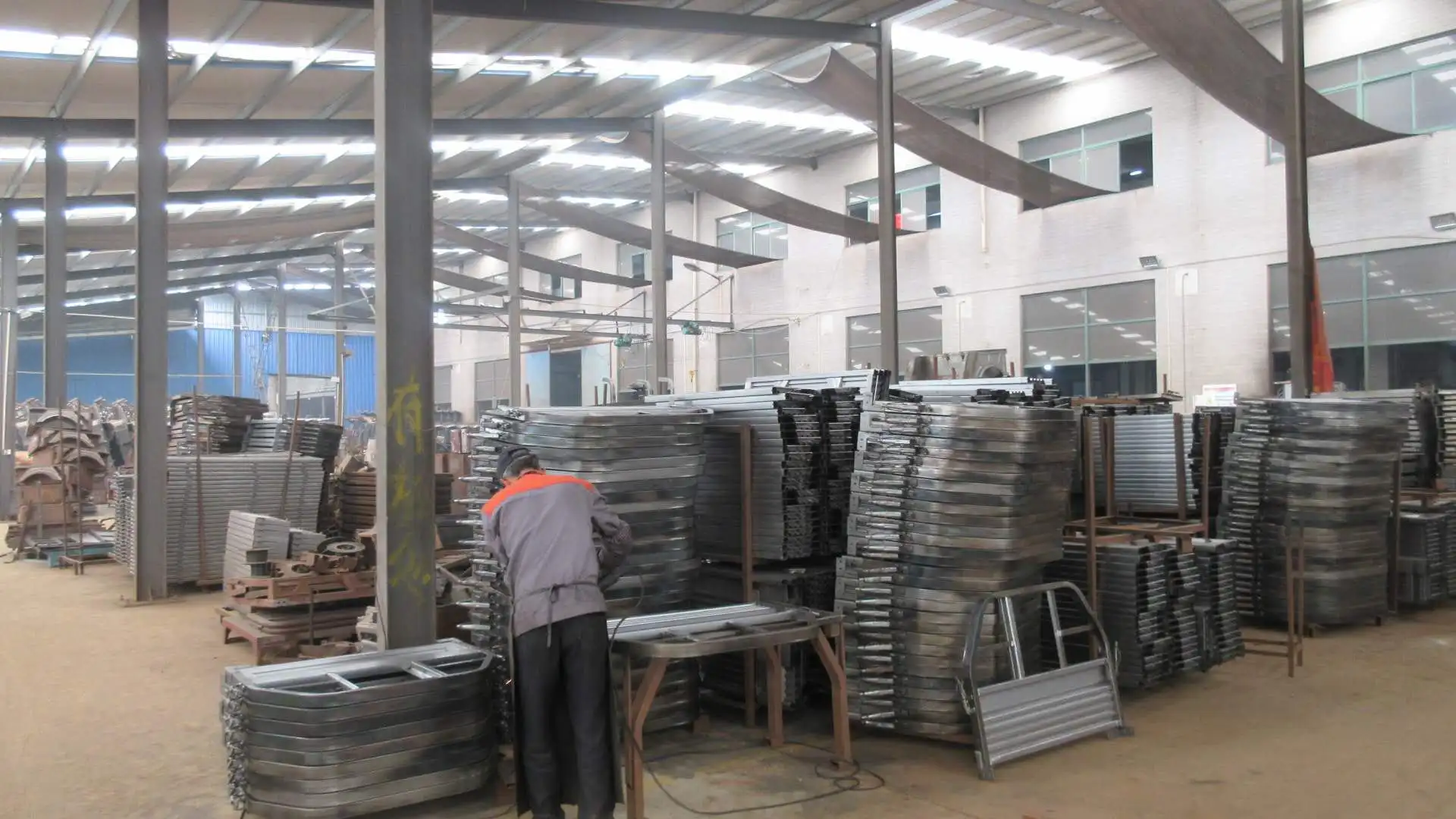
Jiangsu Ruipaiying Import And Export Co., Ltd.
- Manufacturer, Trading Company
- Jiangsu, China
- Lead time0 days
- Avg. response≤ 6h
Main productsElectric Tricycle,Four Wheels Electric Vehicle,Logistics Platform Lifting,Electric Construction Vehicle,Scooter
Main marketsNorth America(55.00000000000001%), Africa(10.0%), Southeast Asia(10.0%), South America(10.0%), Domestic Market(5.0%), Western Europe(5.0%), Eastern Asia(5.0%)
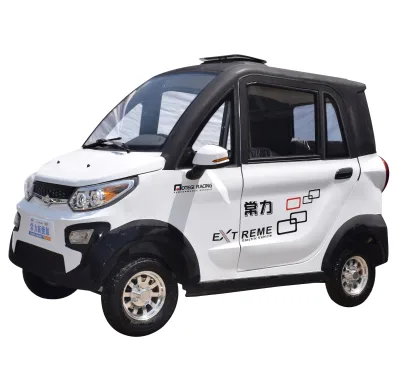
$1749.34 - $1810.36
MOQ: 1 sets
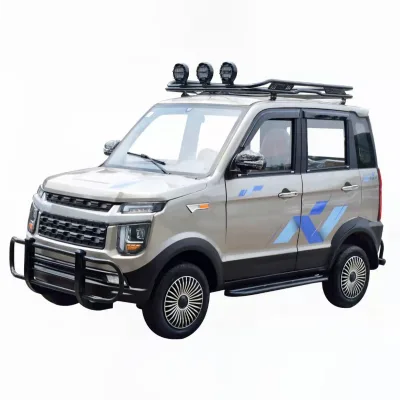
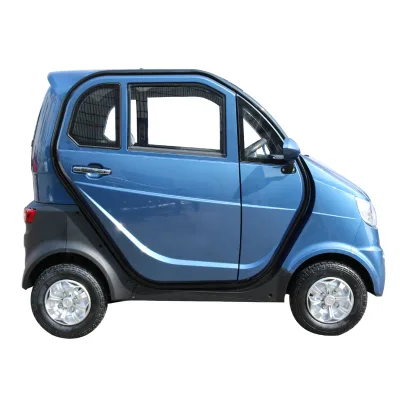
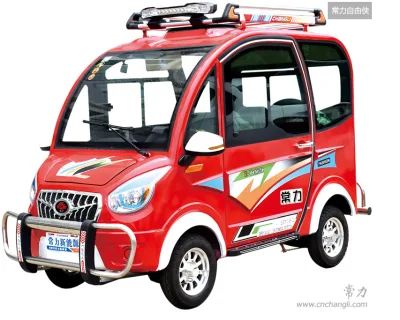
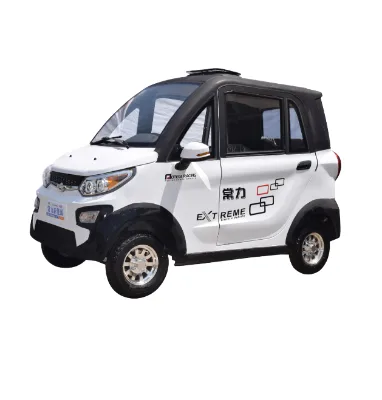
2024 New Car 4 Wheels Electric Car for Taxi No Used Auto Electric Car
$1933.00 - $1963.00

Zhengzhou Carstar Vehicle Sales Co., Ltd.
- Verified by TUVRHEINLAND
- Trading Company
- China Henan
- Lead time30 days
- Avg. response≤ 6h
Main productsUsed Bus, Used Dump Truck, Used Tractor Truck, Used Water Tanker Truck, Used Fuel Tank Truck, Used Excavator, Used Bulldozer, Used Loader, Used Motor Grader, Semi-Trailer
Main marketsSouth America,Africa,Europe

Electric Car 5 Seater Electric Automobile Car Four Wheel Cheap Electric Car
$12000.00 - $20000.00
MOQ: 1 Sets

Electric Car 5 Seater Electric Automobile Car Four Wheel Chinese Cheap Electric Car
$12000.00 - $20000.00
MOQ: 1 Sets

High Speed Electric Car with High Performance Four Wheel Electric Car
$12000.00 - $20000.00
MOQ: 1 Sets


Four Wheeler 4kw Passenger Electric Car High Speed Electric Car New Cars Electric Vehicle
$12000.00 - $20000.00
MOQ: 1 Sets

Xuzhou Senka Locomotive Co., Ltd.
- Verified by TUVRHEINLAND
- Combined
- China Jiangsu
- Lead time15 days
- Avg. response≤ 8h
Main productsElectric Tricycle, Electric Car, Vehicle, Passenger Car, Mini Car, Tricycle Accessories, Car Parts, Battery, Cargo Tricycle
Main marketsDomestic


Customised Mini Electric Car Taxi with Lithium Battery 100km Range for City Use
$1158.00
MOQ: 22 Pieces
Hebei Laichuang Industrial Co., Ltd.
- Verified by Intertek
- Trading Company
- Lead time7 days
- Avg. response≤ 2h
Main productsElectric Four-Wheeler Vehicle, Electric Bicycle, Electric Tricycle, Fuel-Powered Tricycle, Tuktuk Tricycle
Main marketsSouth America(60%), Africa(15%), Eastern Europe(5%)
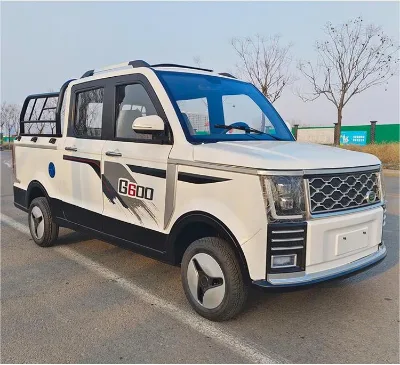
$1613.79 - $1621.01
MOQ: 2 units
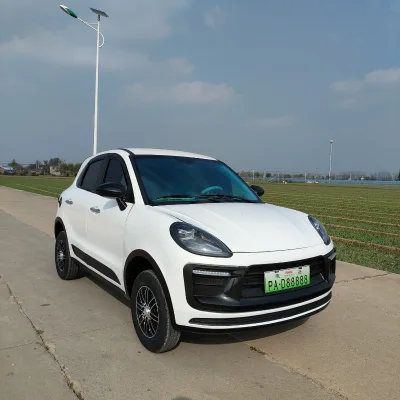
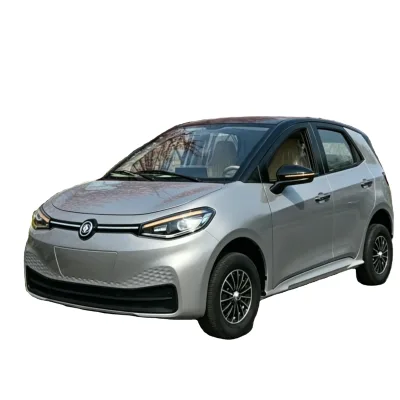
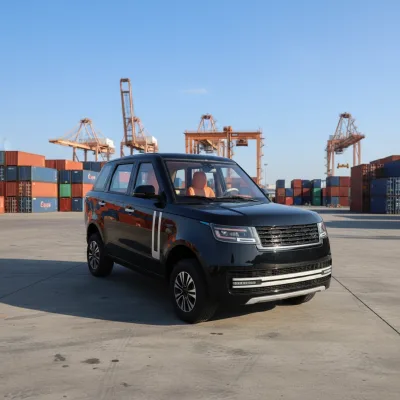

Jiangsu Jinpeng Group Co., Ltd.
- Verified by TUVRHEINLAND
- Trading Company,Manufacturer/Factory
- China Jiangsu
- Lead time30 days
- Avg. response≤ 11h
Main productsTricycle, Electric Tricycle, Electric Vehicle, Electric Car, Electric Bike, Gasoline Tricycle, Electric Scooter, Electric Leisure Three Wheel, Electric Passenger Tricycle, Mini Electric Car
Main marketsSouth America,Eastern Europe,Mid East,North America,Southeast Asia,Eastern Asia,Oceania,Africa

Good appearance Mini Four Seats Electric New Energy Vehicles Electric Car for Taxi SUV Electric Car
$4230.00 - $4500.00
MOQ: 5 Pieces

SUV Electric Carelectric Car Electric Car SUV Electric Car Low Speed Cars
$4080.00 - $4300.00
MOQ: 4 Pieces

Long Drive Mileage Distance Range 4 Wheel Electric Car for Adult Utility Taxi Use Mobility Vehicle
$9550.00 - $9950.00
MOQ: 4 Pieces

New Type Close Suitable Style 170km Mileage Long Range Electric Car for Daily Life
$4380.00 - $4700.00
MOQ: 5 Pieces

$4380.00 - $4700.00
MOQ: 5 Pieces
Wuxi Xushi Thunder International Trade Co., Ltd.
- Verified by TUVRHEINLAND
- Manufacturer/Factory
- China Jiangsu
- Lead time23 days
- Avg. response≤ 17h
Main productsE Bike, Electric Motorcycle, Electric Tricycle., Electric Scooter, Electric Car
Main marketsSouth America,Eastern Europe,Mid East,North America,Southeast Asia,Eastern Asia,Oceania,Western Europe,Africa

Shandong Everbright Foreign Trade Co., Ltd.
- Trading Company
- Shandong, China
- Lead time20 days
- Avg. response≤ 19h
Main productsHumanoid Robots,Quadruped Industrial Robots,Tracked Mobile Robots,Robot Spare Parts,Collaborative Robot Arms
Main marketsSouth America(25.0%), Eastern Europe(25.0%), Eastern Asia(15.0%), North America(10.0%), Mid East(10.0%), Africa(5.0%), Western Europe(5.0%), Southeast Asia(5.0%)
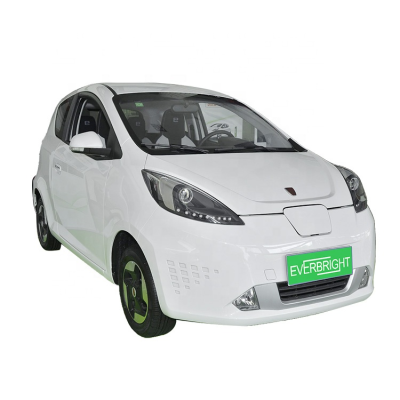
High Speed Electric Cars Used Made in China Used Cars Used Price 2024 New Cars Used for Sale Coches
$4130.00 - $4630.00
MOQ: 1 sets
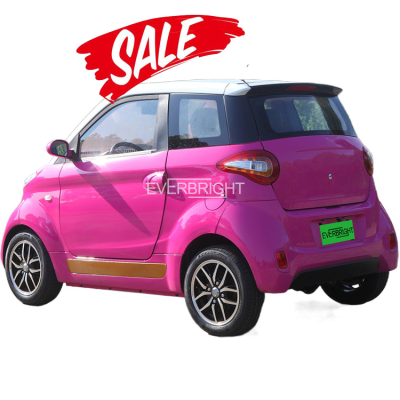
Used / Second Handed Cars for Sale New Cars
$4697.66 - $4901.91
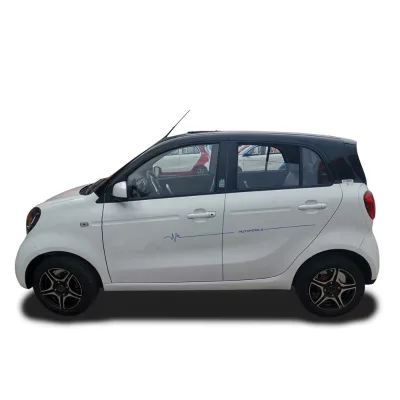
Passenger Mini Electric Car Made in China
$12500.00 - $15800.00
Langfang Sandi Electric Tricycle Co., Ltd.
- Verified by SGS
- Combined
- China Hebei
- Lead time30 days
- Avg. response≤ 9h
Main productsElectric Tricycle, Electric Rickshaw, Electric Tuk Tuk, Electric Three Wheel Bajaj, Electric Three Wheels, Electric Three Wheel Motorcycle
Main marketsAfrica,Southeast Asia/ Mideast
Qingdao Uniland Import and Export Co., Ltd.
- Verified by TUVRHEINLAND
- Trading Company,Manufacturer/Factory
- China Shandong
- Lead time23 days
- Avg. response≤ 3h
Main productsElectric Car, Electric Vehicle, EV Car, Electric Truck, Electric Van, Electric Bus, Used Electric Car, Toyota EV, Avatr Car, Byd Cars
Main marketsSouth America,Eastern Europe,Mid East,North America,Southeast Asia,Eastern Asia,Oceania,Western Europe,Africa

Electric-Car Electric Automobile Car Electric Delivery Car Electric Vehicles Car
$34900.00 - $35500.00
MOQ: 1 Pieces

EV Car for Taxi City Car Electric Electric Automobile Cars Electric High Speed Used ID4crozz
$29780.00 - $29980.00
MOQ: 1 Pieces

Car EV Electric-Car Electric Automobile Car Auto Elettriche New Electric Car
$29300.00 - $29500.00
MOQ: 1 Pieces

EV SUV Car E Car Electric electric Car Electric Vehicle Electric Car 2022
$29300.00 - $29500.00
MOQ: 1 Pieces
Changzhou Xili Vehicle Co., Ltd.
- Verified by Intertek
- Manufacturer, Trading Company
- Lead time0 days
- Avg. response≤ 5h
Main productsElectric Tricycle
Main marketsDomestic Market(80%), North America(4%), South America(3%)
Jinan Hongteng Machinery Equipment Co., Ltd.
- Trading Company
- Shandong, China
- Lead time25 days
- Avg. response≤ 5h
Main productsgolf cart,tricycle,cosmetic raw material,Golf Cart Accessories,GHK-CU
Main marketsMid East(50.0%), North America(30.0%), Southeast Asia(20.0%)
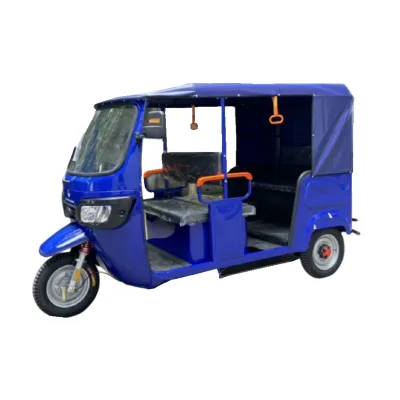
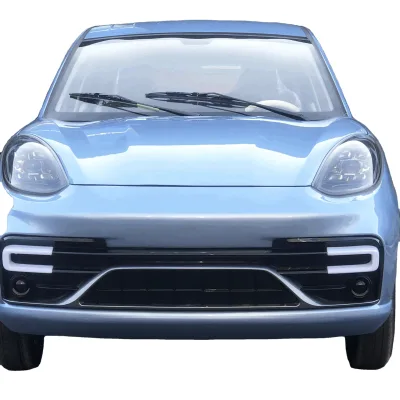
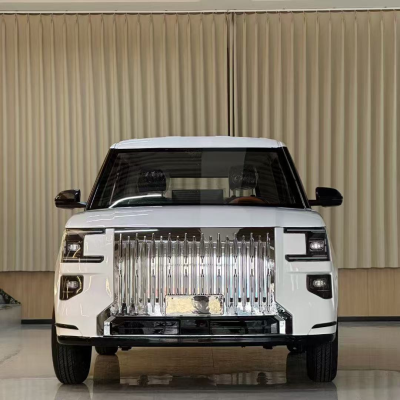
Ready Stock Chinese Brand Cheap Car Electric Left Hand Drive Taxi Vehicles Ev Car
$4099.00 - $4611.37
MOQ: 1 units
Esun International Trade Co., Ltd.
- Verified by SGS Group
- Trading Company
- Lead time15 days
Main productsElectric Tricycles, Electric Vehicles, Electric Mini Car, Electric Pickup/Trucks, Electric Golf Cart
Main marketsSouth America(35%), North America(20%), Africa(20%)
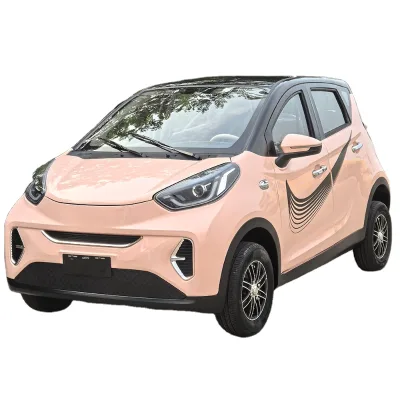
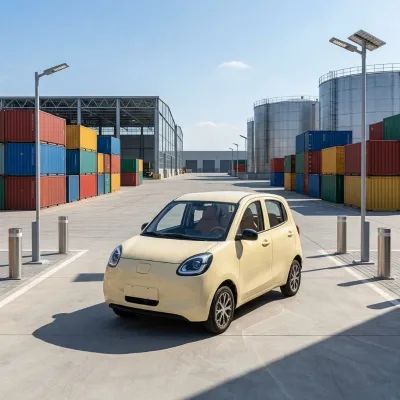
Hot Selling 4-Seater Electric Taxi Car Made in China Household Electric Vehicle
$2403.52 - $2607.21
MOQ: 1 pieces
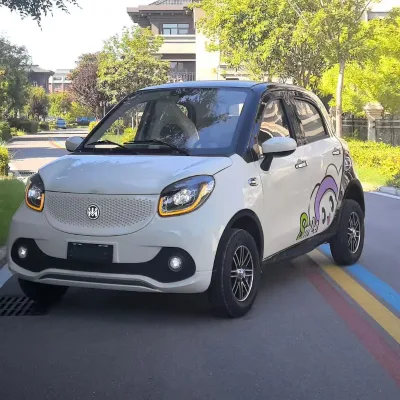
New Best-selling Models in 2025 Hot Selling 4-Seater Electric Taxi Car for Household Use
$2431.78 - $2637.86
MOQ: 1 pieces
Wuxi Leo New Energy Vehicle Co., Ltd.
- Verified by BV
- Trading Company
- China Jiangsu
- Lead time15 days
- Avg. response≤ 21h
Main productsElectric Car, Electric Bike, Mobility Scooter, Electric Tricycle
Main marketsNorth America
SUNUP NEW ENERGY VEHICLE INDUSTRY CO., LTD.
- Verified by BV
- Trading Company,Manufacturer/Factory
- China Anhui
- Lead time45 days
- Avg. response≤ 8h
Main productsElectric Van, Mini Electric Truck, Pure Electric Car, Solar Electric Car
Main marketsSouth America,Eastern Europe,Mid East,North America,Southeast Asia,Eastern Asia,Oceania,Western Europe,Africa
Henan Niegui Import and Export Trading Co., Ltd.
- Manufacturer/Factory
- China Henan
- Lead time30 days
- Avg. response≤ 7h
Main productsTricycle, Three Wheeled Motorcycle, Motorcycle, Cargo Three-Wheeled Motorcycle, Three-Wheeled Taxi, Electric Tricycle, Cargo Tricycle, Three-Wheeled Passenger Vehicle, Electric Motorcycle, Electric Vehicle
Main marketsSouth America,Eastern Europe,Mid East,North America,Southeast Asia,Eastern Asia,Oceania,Western Europe,Africa


$1180.00 - $1398.00
MOQ: 2 Pieces

Guangdong Haize Intelligent Equipment Technology Co., Ltd.
- Verified by TUVRHEINLAND
- Manufacturer/Factory
- China Guangdong
- Lead time0 days
- Avg. response≤ 2h
Main productsDie Casting Machine, Melting Furnace, Industrial Robot, Spray Machine, Soup Extractor, Extractor, Manipulator, Processing Machine

Zhengzhou Donwin Import And Export Co., Ltd.
- Trading Company
- Henan, China
- Lead time7 days
- Avg. response≤ 2h
Main productsGolf cart,Classic car,Electric bus,Mini jeep,Amusement equipment
Main marketsNorth America(20.0%), South America(15.0%), Eastern Europe(10.0%), Domestic Market(5.0%), South Asia(5.0%), Southern Europe(5.0%), Northern Europe(5.0%), Central America(5.0%), Western Europe(5.0%), Eastern Asia(5.0%), Mid East(5.0%), Oceania(5.0%), Africa(5.0%), Southeast Asia(5.0%)
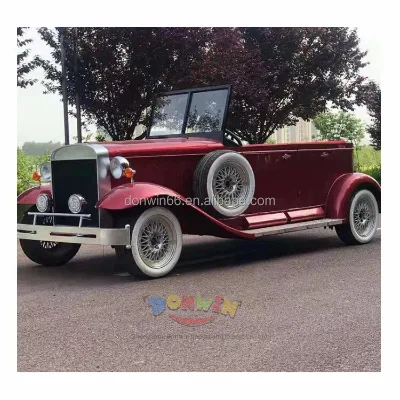
Special Price for Sale of Vintage Electric Car Low Speed Car for Passenger Electric Four Wheeler Car
$2230.87 - $2435.53
MOQ: 1 pieces
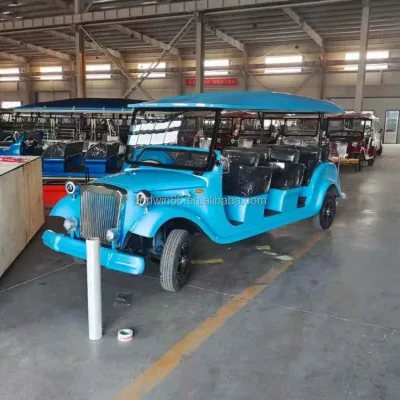
Multi-seat Passenger Car, Environmentally Friendly Electric Classic Car, Customizable Color
$3099.00 - $3299.00
MOQ: 1 pieces
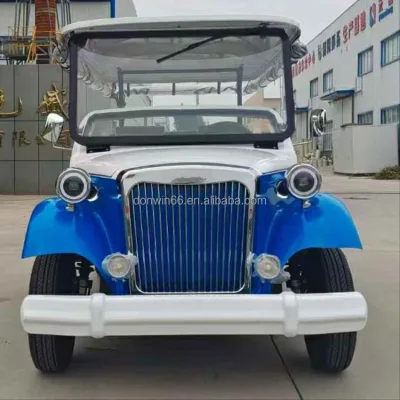
Classic Car 4 Passengers Electric Version Made Street Legal Car with EU EEC L7e Approval
$3099.00 - $3299.00
MOQ: 1 pieces
Beijing Kaidesheng Technology Development Co., Ltd.
- Verified by TüVRheinland
- Manufacturer, Trading Company
- Lead time15 days
- Avg. response≤ 8h
Main productsElectric Tricycle, Electric Vehicle, Electric Bike, Golf Carts, 4 Wheels Elderly Scooter
Main marketsSouth America(45%), Eastern Europe(18%), North America(8%)

Guangdong Lvtong New Energy Electric Vehicle Technology Co., Ltd.
- Verified by SGS
- Trading Company,Manufacturer/Factory
- China Guangdong
- Lead time23 days
- Avg. response≤ 5h
Main productsGolf Cart, Eectric Car, Sightseeing Bus, Utility Vehicle, Electric Vehicle, Electric UTV, Electric Golf Cart, Electric Bus, Buggy Car, Club Car
Main marketsSouth America,Eastern Europe,Mid East,North America,Southeast Asia,Eastern Asia,Oceania,Western Europe,Africa


Four-Wheel Sightseeing Car Electric Vehicle 14 Passenger Car Electric Vehicle
Contact supplier
MOQ: 1 Pieces

- Verified by TUVRHEINLAND
- Trading Company,Manufacturer/Factory
- China Shandong
- Lead time15 days
- Avg. response≤ 9h
Main productsCNC Drilling Machine, CNC Punching Machine, Hydralic Shearing Machine, Press Brake, CNC Laser Cutting Machine, CNC Plasam Flame Cutting Machine, Angle Steel Line
Main marketsSouth America,Mid East,Southeast Asia,Africa
Guangzhou Winner Electric Vehicle Co., Ltd
- Verified by TUVRHEINLAND
- Manufacturer
- China Guangdong
- Lead time15 days
- Avg. response≤ 1h
Main productsGolf Cart, Sightseeing Bus & Car, Fire Truck, Food Trailer, Dump Truck, Tractor Truck, Garbage Truck, Autopartes
Henan Camp Industrial Co., Ltd.
- Trading Company
- Lead time旺季: "1 - 10":7,"11 - 50":20,"> 50":"To be negotiated", 淡季: "1 - 10":7,"11 - 50":20,"> 50":"To be negotiated"
- Avg. response≤ 2h
Main productsGolf Cart, Electric Golf Cart, Gas Golf Cart, Club Car, Sightseeing Car
Xiamen Longmy Electric Vehicle Co., Ltd.
- Verified by BV
- Trading Company
- China Fujian
- Lead time30 days
- Avg. response≤ 1h
Main productsGolf Car, Electric Golf Cart, Electric Sightseeing Vehicle, Electric Vehicle, Electric Sightseeing Bus, Tourist Sightseeing Vehicle, Tourist Sightseeing Bus, Golf Electric Car, Electric Golf Trolley, Electric Sightseeing Car
Main marketsDomestic

Xianghe Qiangsheng Electric Vehicle Manufacturing Co., Ltd.
- Manufacturer/Factory
- China Hebei
- Lead time15 days
- Avg. response≤ 15h
Main productsElectric Vehicle, Electric Rickshaw, E Scooter, Electric Auto Rickshaw
Main marketsSouth America,Eastern Europe,Mid East,North America,Southeast Asia,Eastern Asia,Oceania,Western Europe,Africa
Hebei Hensim Jinhe Motorcycle Co., Ltd.
- Verified by SGS
- Combined
- China Hebei
- Lead time30 days
- Avg. response≤ 2h
Main productsFuel Motorcycle and Its Parts, Electric Bicycle and Its Parts, Electric Three-Wheeled Motorcycle
Main marketsSouth America,Africa,Southeast Asia/ Mideast

Hot Sale Electric Enclosed 4 Seat Three Wheel Passenger Tricycle Passengers Taxi
$1360.00
MOQ: 1 Pieces


Guangdong Yatian Industrial Co., Ltd.
- Verified by BV
- Manufacturer
- China Guangdong
- Lead time23 days
- Avg. response≤ 3h
Main productsElectric Golf Cart, Electric Retro Car, Electric Tourist Bus, Electric Utility Car, Food Truck, Electric Fire Fighting Car, Hunting Golf Cart, 2WD UTV (Utility Task Vehicle), 4WD UTV (Utility Task Vehicle), Patrol Vehicle
Main marketsSouth America,Africa,Southeast Asia/ Mideast,Europe,Australia,North America

Luxury Electric Vintage Car for Middle East VIP Event & Royal Guest Reception
$3800.00 - $7200.00
MOQ: 1 unit

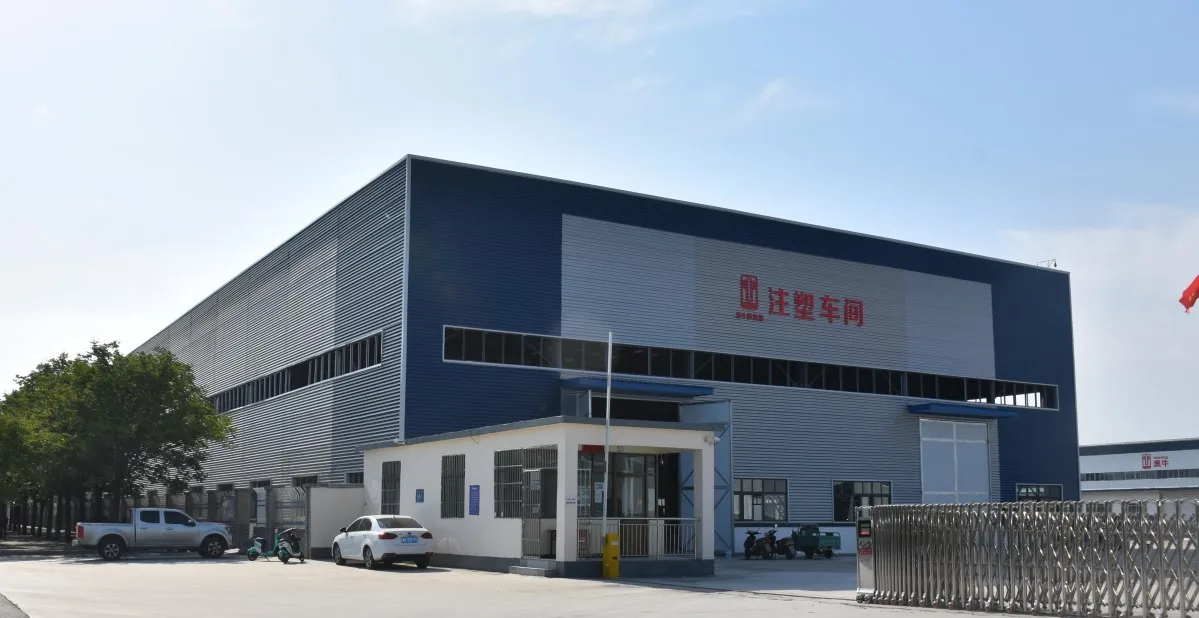
Zhejiang Aonew Technology Co., Ltd.
- Manufacturer, Trading Company
- Zhejiang, China
- Lead time20 days
- Avg. response≤ 21h
Main productsElectric Tricycles, Four Wheel Electric Scooter
Main marketsEastern Europe(40.0%), Western Europe(20.0%), Domestic Market(15.0%), South America(10.0%), Southeast Asia(10.0%), Eastern Asia(5.0%)




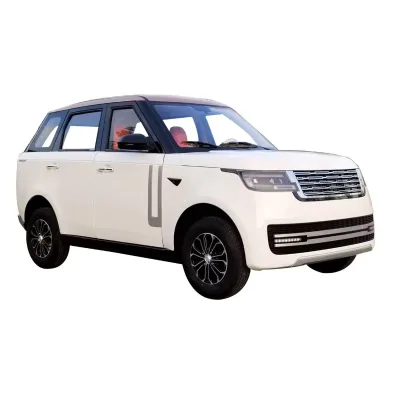


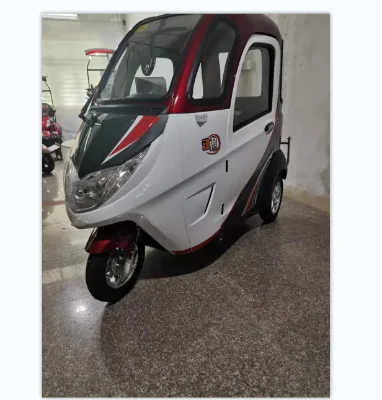
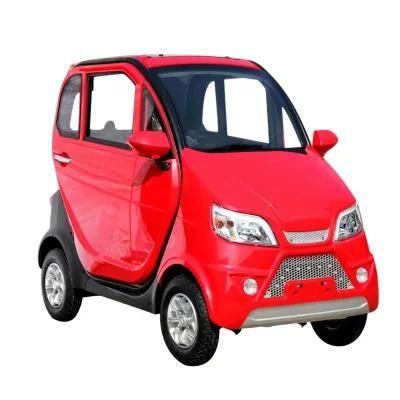


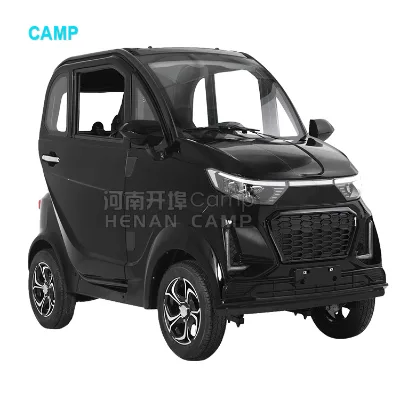
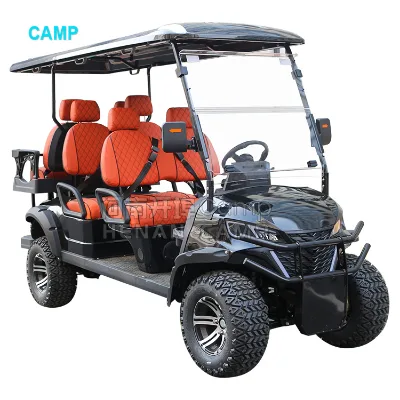
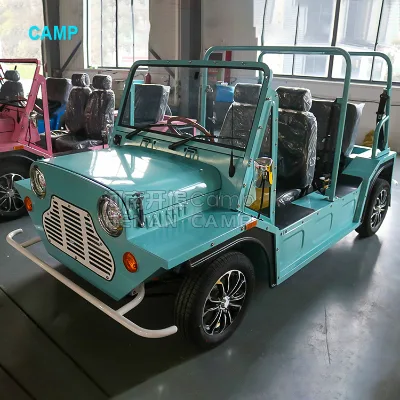


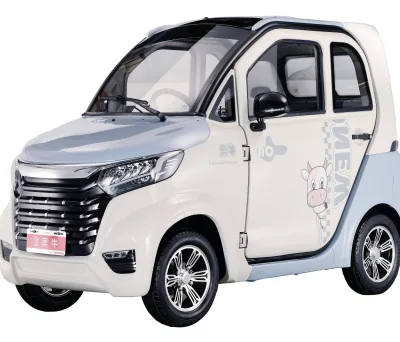
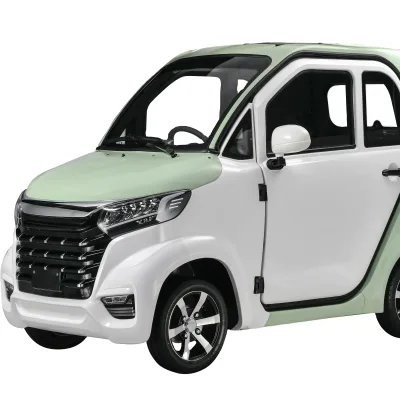
Comprehensive Sourcing Guide
Taxi Electric Car Supplier Concentration and Factory Types
Current search results indicate a concentration of manufacturers and trading companies operating primarily within China, specifically in the provinces of Fujian, Anhui, Shandong, and Jiangsu. These regions host facilities producing a diverse range of vehicles, including electric rickshaws, three-wheeled passenger cars, and four-wheeled electric taxis. Some suppliers in Fujian list electric scooters and motorcycles alongside their primary focus on adult electric cars, while others in Shandong specialize in high-speed electric vehicles with lithium batteries. The presence of both manufacturer and factory types suggests a mix of direct production capabilities and trading entities that may source from multiple factories.
Buyers should verify the specific company type listed for each supplier to understand their operational model. A supplier labeled as a Manufacturer or Factory typically implies direct control over the production line, which can influence customization options and quality control processes. In contrast, Trading Companies may offer a broader catalog of models from different origins but might have less direct oversight over manufacturing details. When evaluating these clusters, look for evidence of specific product attributes like battery type, driving type, and body type to confirm the supplier's actual focus aligns with your specific taxi requirements rather than general vehicle sales.
How to Verify Taxi Electric Car Suppliers
Verification is critical when sourcing electric taxis, as the market includes both established factories and new trading entities. Look for suppliers displaying BV verification status, which indicates a third-party audit of their business operations. Additionally, check for system certifications such as BSCI and ISO 9001, which suggest adherence to social compliance and quality management standards. Some suppliers may also hold product-specific certifications like CCC or CE, which are essential for legal operation in various markets. These credentials provide a baseline of trust but should be cross-referenced with the specific product details provided in the listing.
Response time is another key metric for assessing supplier reliability and engagement levels. Data shows response times varying significantly, with some suppliers responding in under three hours while others take nearly ten hours. A faster response time often correlates with better communication channels and a more active sales team, which is vital for resolving technical queries about battery capacity or charging times. Buyers should prioritize suppliers who demonstrate quick engagement, as this often reflects a commitment to customer service and the ability to handle urgent inquiries regarding lead times or customization requests for their taxi fleet.
What to Compare Across Taxi Electric Car Suppliers
When comparing suppliers, focus on tangible operational metrics such as lead time, minimum order quantity, and pricing structures. Lead times in the current results range from immediate availability to forty-five days, depending on the supplier's location and production capacity. For instance, some suppliers in Anhui list a lead time of forty-five days, while others in Shandong may offer fifteen days. Minimum order quantities also vary, with some suppliers accepting single units while others require a minimum of two vehicles. These differences directly impact your inventory planning and cash flow, making it essential to align supplier capabilities with your specific procurement schedule.
Product specifications and pricing are equally important for making an informed decision. Prices for electric taxis can range from approximately $1,700 for basic models to over $16,000 for high-speed, long-range vehicles with advanced features like ternary lithium batteries. Buyers must compare attributes such as engine power, maximum speed, and battery capacity to ensure the vehicle meets operational needs. For example, a vehicle with a 1200W engine and lead-acid battery differs significantly from one with a 40 KWh battery and a 150 km/h top speed. Always verify the specific model number and dimensions to ensure the vehicle fits your intended use case and infrastructure requirements.
Common Taxi Electric Car Sourcing Risks
One significant risk involves the discrepancy between advertised specifications and actual product capabilities. Some listings may claim high speeds or long ranges that are not consistent with the battery technology or motor power provided. For instance, a vehicle advertised with a high speed might rely on a lead-acid battery that limits its actual performance compared to a ternary lithium battery model. Buyers must carefully review the detailed product attributes, such as battery type, charging time, and maximum torque, to avoid purchasing vehicles that do not meet their operational standards. Inconsistent data across different listings can lead to confusion and potential procurement errors.
Another risk is the variability in packaging and shipping standards, which can affect the condition of the vehicle upon arrival. Some suppliers use iron frame packages, while others utilize bubble wrap and steel frames. The dimensions and weight of the packaging, such as a single gross weight of 2000 kg, can significantly impact logistics costs and handling requirements. If the packaging is not robust enough, the vehicle may suffer damage during transit, leading to additional costs and delays. Buyers should verify the packing details and ensure that the supplier has a proven track record of safe delivery to mitigate these logistical risks effectively.
Taxi Electric Car Regional Sourcing and Logistics
Sourcing from different regions in China offers distinct advantages and challenges regarding logistics and supply chain efficiency. Suppliers in Fujian and Anhui may have different shipping routes and customs procedures compared to those in Shandong and Jiangsu. The origin of the product, such as Fujian or Shandong, influences the transportation costs and delivery times to international destinations. Buyers should consider the proximity of the supplier to major ports to minimize freight costs and reduce the overall lead time. Additionally, the specific dimensions of the vehicle, such as a length of 4671 mm, can affect container loading efficiency and shipping expenses.
Logistics planning must also account for the specific requirements of electric vehicles, including battery handling and charging infrastructure. Some suppliers offer vehicles with charging times ranging from five to ten hours, which impacts the operational readiness of the fleet upon arrival. Buyers need to ensure that the destination country has the necessary infrastructure to support the charging requirements of the specific battery type, whether it is lead-acid or ternary lithium. Furthermore, verifying the place of origin and the specific model number helps in tracking the vehicle's compliance with local regulations and safety standards, ensuring a smoother import process.
Taxi Electric Car Commercial Terms and Order Planning
Commercial terms, including payment methods and escrow services, play a crucial role in securing a safe transaction. While specific escrow details may vary, buyers should always utilize secure payment channels to protect their financial interests. The minimum order quantity, which can be as low as one unit for some suppliers, allows for flexible ordering strategies. However, larger orders may require negotiation on pricing and lead times. Buyers should plan their orders based on the supplier's capacity to deliver within the specified timeframe, considering that lead times can range from zero to forty-five days depending on the manufacturer's current workload.
Order planning should also consider the customization options available, such as color, body type, and battery configuration. Many suppliers offer customization services, allowing buyers to tailor the vehicle to their specific brand or operational needs. However, customization may extend the lead time and increase the cost. Buyers must clearly communicate their requirements and confirm the feasibility of these customizations before placing an order. Additionally, understanding the warranty and after-sales support provided by the supplier is essential for long-term fleet management. Ensuring that the supplier can provide timely support for maintenance and repairs will help maintain the reliability of the electric taxi fleet.
FAQs
What is the typical lead time for electric taxi cars?
Lead times vary by supplier, with some offering 15 days and others up to 45 days. Verify the specific production schedule during inquiry. Confirm if the quoted lead time includes shipping and customs clearance. Request a sample to test quality before committing to a bulk order.
What are the minimum order quantities for electric taxi cars?
MOQs range from 1 to 2 units depending on the supplier. Some manufacturers allow single-unit orders for testing, while others require a minimum of two. Confirm the exact MOQ for your specific model and configuration. Ask if mixed models are permitted in the same shipment.
What certifications are required for electric taxi cars?
Common certifications include CE and CCC, which are essential for market access. Some suppliers also hold ISO 9001 for quality management. Verify that the specific vehicle model has the required certifications for your target region. Request copies of the certificates before finalizing the purchase.
What battery types are available for electric taxi cars?
Options include lead-acid and ternary lithium batteries. Lead-acid is often used in smaller tricycles, while lithium is common in larger vehicles. Check the battery capacity and charging time to ensure it meets your operational needs. Ask about battery warranty and replacement costs.
Can electric taxi cars be customized for specific needs?
Yes, customization is available for colors, branding, and specific features. Suppliers can adjust body types and seating configurations. Provide detailed specifications to ensure the final product meets your requirements. Confirm the additional cost and lead time for custom orders.
What is the price range for electric taxi cars?
Prices vary widely, from $1,700 for small tricycles to $16,100 for high-speed vehicles. The cost depends on size, battery type, and features. Request a detailed quote including shipping and duties. Compare prices from multiple suppliers to ensure competitive pricing.
What is the maximum speed of electric taxi cars?
Maximum speeds range from 30 km/h for small tricycles to 150 km/h for high-speed vehicles. Choose a speed that complies with local traffic regulations. Verify the top speed and acceleration performance during testing. Ensure the vehicle is suitable for your intended use case.