Tape Dispenser Suppliers and Manufacturers in China
Explore 26 verified Tape Dispenser suppliers from Anhui and Jiangsu offering manual and automatic models. Compare response times, lead times, certifications, and customization options to find the right partner. Contact suppliers directly to request quotes and samples; review the available evidence before requesting comparable quotations from suitable candidates.
Suppliers List
- Verified by TUVRHEINLAND
- Trading Company
- China Anhui
- Lead time45 days
- Avg. response≤ 15h
Main productsEraser, Pencil, Chalk, Paper Clip, Crayon, Stick Pen, Sheet Protector, Punch, Mathematerical Instruments, Pencil Sharpener
Main marketsSouth America,Africa,North America


Office Tape Dispenser/Desktop Tape Dispenser/Plastic Tape Dispenser/Tape Holder
$0.20 - $0.50
Moq: 3000


Kunshan Xuxin Industrial Equipment Co., Ltd.
- Verified by SGS
- Trading Company
- China Jiangsu
- Lead time15 days
- Avg. response≤ 16h
Main productsWire Stripping Machine, Terminal Crimping Machine, Automatic Tape Dispenser, Wire Winding and Tie Machine, Harness Tape Wrapping Machine, Component Lead Cut Machine, Automatic Tape Cutting Machine, Automatic Label Dispenser, Automatic Labeling Machine, Filling and Capping Machine
Main marketsSouth America,Africa,Others(foreignTradeCapacity.exportBusinessCapacityMarketOther),Southeast Asia/ Mideast,East Asia(Japan/ South Korea),Domestic,Europe,Australia,North America

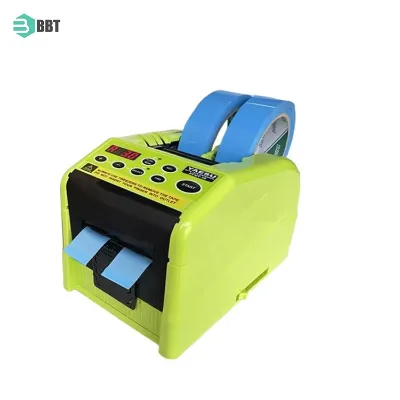
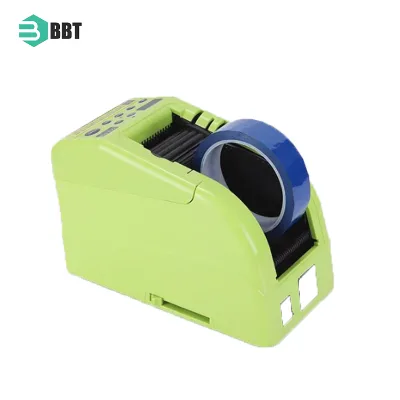
Tape Cutter Automatic Electronic Tape Dispenser/Electronic Packing Tape Dispenser
$80.00 - $110.00
Moq: 1


Suzhou Quanjuda Purification Technology Co., Ltd
- Trading Company,Manufacturer/Factory
- China Jiangsu
- Lead time0 days
- Avg. response≤ 10h
Main productsESD Fabric, ESD Garment, ESD Uniform, Sticky Mat, ESD Shoes, ESD Wrist Strap, ESD Glove, Disposable Facemask, Cleanroom Wipers, ESD Finger Cots

- Manufacturer/Factory
- China Beijing
- Lead time23 days
- Avg. response≤ 4h
Main productsPackaging Tape, Industrial Tape, Electrical Tape, Tape Dispenser, Adhesive Tape, Double Sided Tape, Foam Tape, Special Tape, PVC Tape
Main marketsSouth America,Eastern Europe,Mid East,North America,Southeast Asia,Eastern Asia,Oceania,Western Europe,Africa

JIANG SU XIN KAI GROUP CO., LTD.
- Verified by BV
- Trading Company
- China Jiangsu
- Lead time15 days
- Avg. response≤ 23h
Main productsPaint Brush, Paint Roller, Paint Tools, Hardware
Main marketsAfrica

Tape Dispenser Wholesale Automatic Tape Dispenser Automatic Gum Tape Dispenser
$1.50 - $6.00
Moq: 2000



Ningbo Hollan Stationery Co., Ltd.
- Trading Company
- Zhejiang, China
- Lead time30 days
- Avg. response≤ 11h
Main productsStationery,Office Suppliers
Main marketsSouth America(25.0%), North America(21.0%), Africa(15.0%), Western Europe(7.000000000000001%), Oceania(6.0%), Mid East(5.0%), Eastern Europe(5.0%), Northern Europe(4.0%), Central America(3.0%), Eastern Asia(3.0%), South Asia(2.0%), Southern Europe(2.0%), Southeast Asia(2.0%)
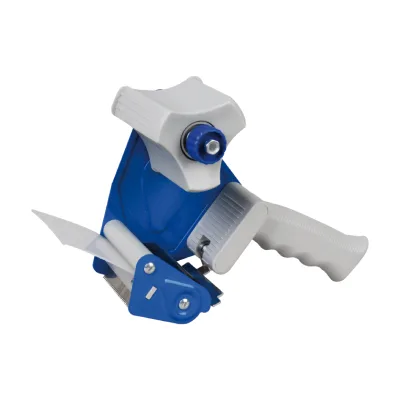
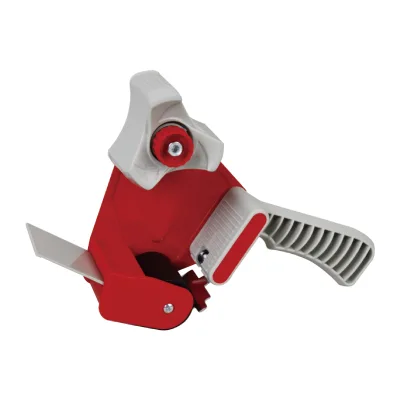
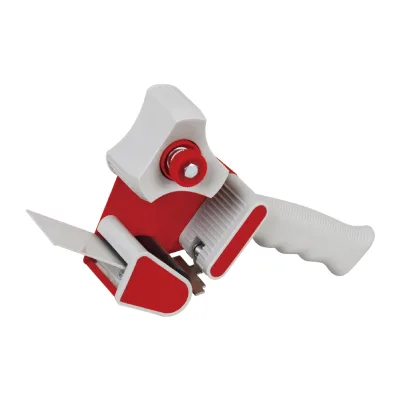
Plastic Hand Held Packing Tape Dispenser
Contact supplier
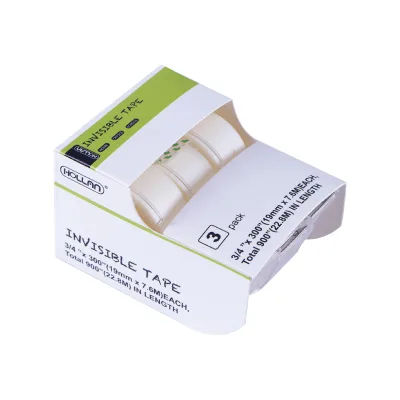
High Quality Invisible Tape with Dispenser
Contact supplier
Henan Yuenai Trading Co., Ltd.
- Trading Company
- Henan, China
- Lead time5 days
- Avg. response≤ 2h
Main productsMedical consumables,safety butterfly needle,Vacuum blood collection,wheelchair,Medical equipment
Main marketsEastern Asia(30.0%), Southeast Asia(20.0%), Western Europe(20.0%), Africa(20.0%), Mid East(10.0%)
Shenzhen King Fung Industry Co., Ltd.
- Verified by TUVRHEINLAND
- Combined
- China Guangdong
- Lead time30 days
- Avg. response≤ 4h
Main productsBOPP Packing Tape, LLDPE Stretch Film, Food Film
Main marketsSouth America,North America

Shanghai Baisan Stationery Co., Ltd.
- Trading Company
- Shanghai, China
- Lead time30 days
- Avg. response≤ 2h
Main productsWriting instruments,Stationary articles,Paper and Folders,glue and Correction,Art material
Main marketsSouth America(30.0%), North America(30.0%), Western Europe(20.0%), Eastern Europe(10.0%), Southeast Asia(10.0%)

DONGGUAN KAIDI ADHESIVE TECHNOLOGY CO.,LTD
- Verified by BV
- Combined
- China Guangdong
- Lead time23 days
- Avg. response≤ 10h
Main productsPacking Tapes, Adhesive Tapes, Plastic Bags, Stretch Film for Pallet, Protective Film, Carton Sealing Tape, PP Strap, PE Bags, Masking Tapes, Double Side Tape
Main marketsSouth America,Africa,Southeast Asia/ Mideast,East Asia(Japan/ South Korea),Europe,Australia,North America


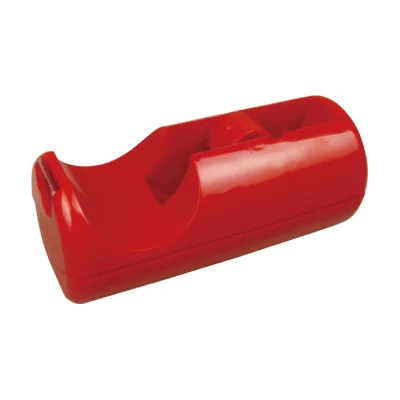
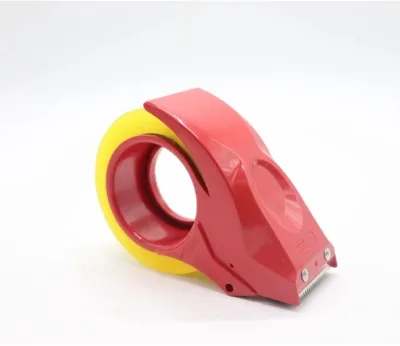
Mini Cute Red Desktop Tape Dispensers, 1 Inch Core, for School, Office and Home DIY
$0.63 - $1.00
Moq: 500
Yiwu Jiahe Adhesive Tape Co., Ltd.
- Manufacturer, Trading Company
- Zhejiang, China
- Lead time15 days
- Avg. response≤ 3h
Main productsBOPP Packing Tape,Masking Tape,PVC Electrical Tape,Double Sided Tape,Duct Tape
Main marketsMid East(25.0%), Eastern Europe(20.0%), North America(20.0%), South America(15.0%), Southeast Asia(10.0%), Western Europe(10.0%)
Hangzhou Essente Import and Export Trading Co., Ltd.
- Verified by SGS
- Trading Company
- China Zhejiang
- Lead time15 days
- Avg. response≤ 8h
Main productsPacking Tape, Super Clear Tape, BOPP Stationery Tape, Tape Dispenser, Double-Sided Adhesive Tape, Kraft Paper Tape, Masking Tape, Sided Foam Tape, Waterproof Tape, Customizable Tape
Main marketsSoutheast Asia/ Mideast

NINGBO ZHONGRUI IMPORT & EXPORT CO., LTD.
- Verified by CTI
- Manufacturer/Factory
- China Zhejiang
- Lead time0 days
- Avg. response≤ 15h
Main productsOffice Tools, School Items, Garden Tools, Gym Sports, Music Instructments
Main marketsSouth America,Eastern Europe,Mid East,North America,Southeast Asia,Western Europe,Africa
Qingdao Aosheng Plastic Co., Ltd.
- Manufacturer/Factory
- China Shandong
- Lead time30 days
- Avg. response≤ 10h
Main productsPaint Mixing Cup, Disposable Painting Cup, Spray Gun Cup, Drop Sheet, Building Film, Construction Film, Masking Film, Car Cover, Plastic Film, Mattress Bag
Main marketsSouth America,Eastern Europe,Mid East,North America,Southeast Asia,Eastern Asia,Oceania,Western Europe,Africa
- Verified by Intertek
- Trading Company
- Lead time7 days
- Avg. response≤ 2h
Main productsFruit Vegetable Machine, Meat Processing Machine, Pastry Bakery Machine, Snack Machine, Feed Processing Machine
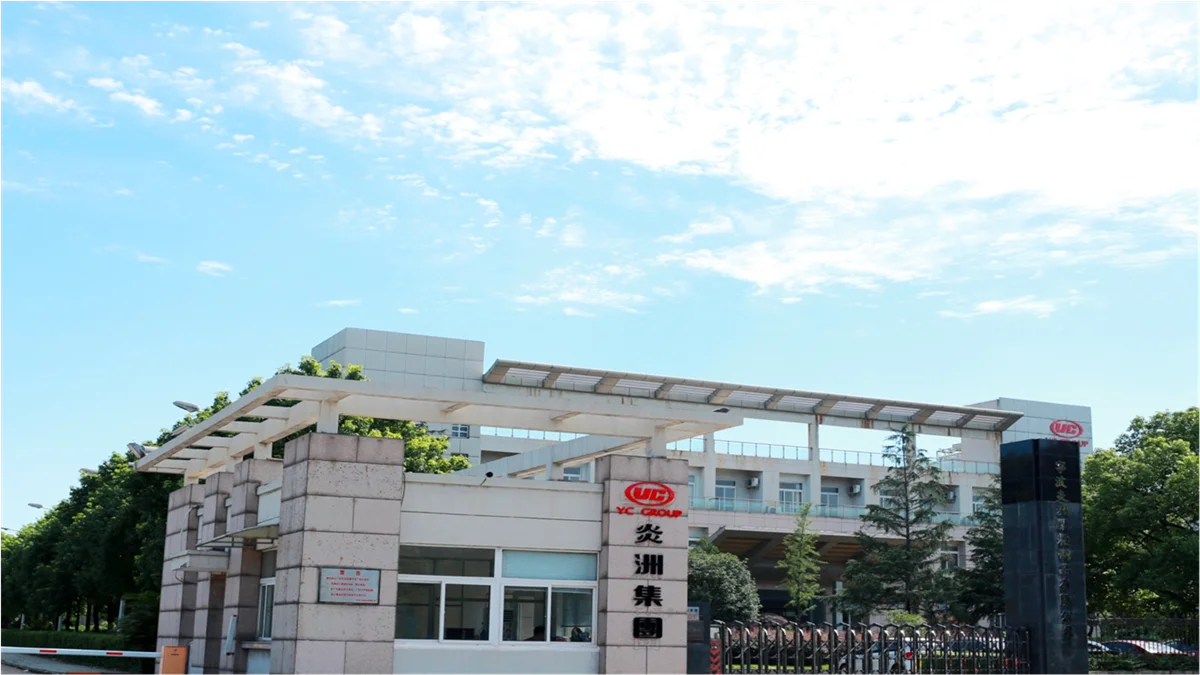
Achem Technology (Ningbo) Co., Ltd.
- Manufacturer, Trading Company
- Zhejiang, China
- Lead time30 days
- Avg. response≤ 1h
Main productsBopp packaging tape,pvc tape,over lamination film,tape dispenser,water based acrylic glue
Main marketsNorth America(40.0%), Eastern Asia(20.0%), South America(20.0%), Western Europe(10.0%), Mid East(5.0%), Africa(5.0%)
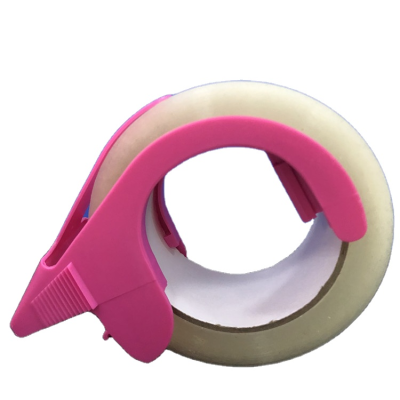
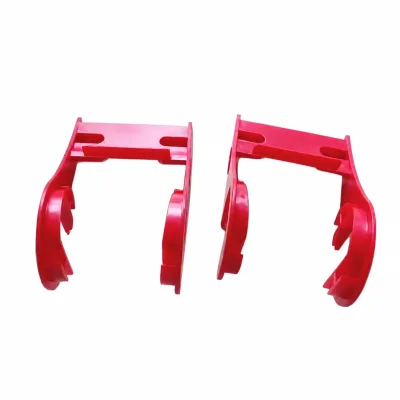
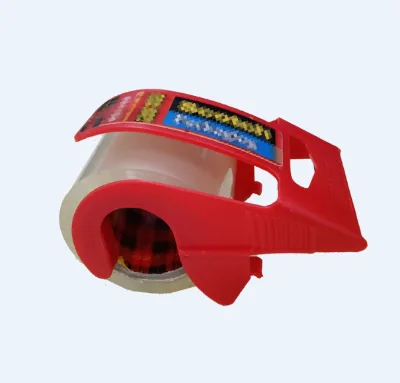
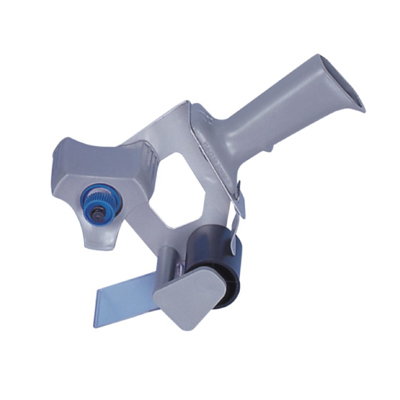
Plastic Large-Size Industrial Tape Dispenser with Cutter and 48 mm Wide Tape Roll
$0.13 - $0.15
Moq: 4500

SanShine Electronics (Xiamen) Technology Co., Ltd.
- Verified by TUVRHEINLAND
- Trading Company
- China Fujian
- Lead time15 days
- Avg. response≤ 2h
Main productsWinding Machine, Welding Machine, Motor Winding Machine, Line of Production, Transformer Tester, Toroidal Winding Machine, Winding Machine Tensioner, Coil Winder, Coil Turns Tester, Coil Winding Machine
Main marketsOthers(foreignTradeCapacity.exportBusinessCapacityMarketOther),Domestic
Ninghai Haibei Stationery Co., Ltd.
- Manufacturer, Trading Company
- Zhejiang, China
- Lead time30 days
- Avg. response≤ 4h
Main productsPaper Fastener,Paper Clip,Stapler,Staples
Main marketsSouth America(35.0%), Eastern Europe(20.0%), Southeast Asia(17.0%), Mid East(10.0%), North America(4.0%), Oceania(2.0%), Africa(2.0%)
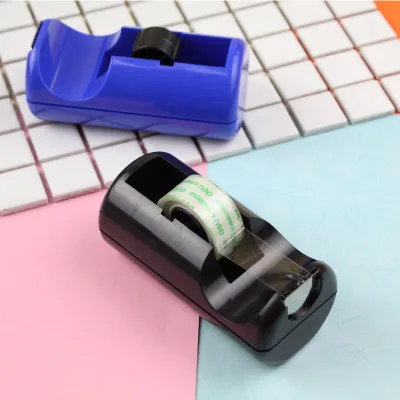
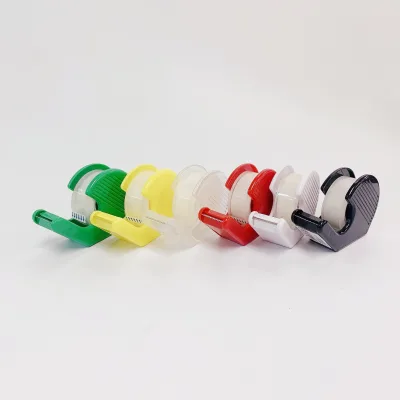
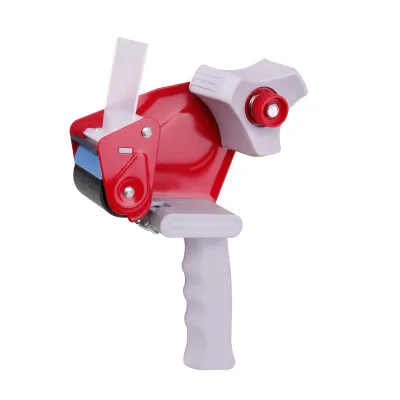
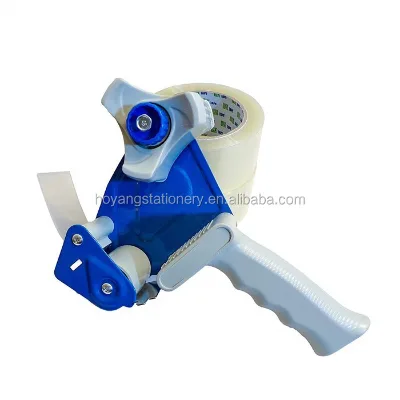
Hot Selling Hand Tape Cutter Tape Dispenser Modern Tape Dispenser for Office School Home
$0.44 - $0.89
Moq: 3600
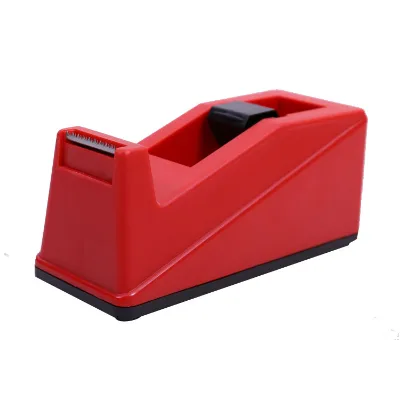
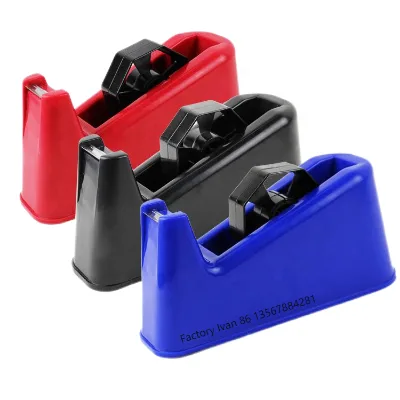
Heavy Duty Tape Dispenser ,Weighted Base, Nonskid Pad for One-hand Dispensing Color Random
$0.50 - $1.40
Moq: 10000
Wenzhou East World Automation Equipment Co., Ltd.
- Verified by BV
- Combined
- China Zhejiang
- Lead time30 days
- Avg. response≤ 3h
Main productsStripping Machine, Crimping Machine, Cutting Machine, Connector & Terminal, Wind & Nylon Tying Machine, Prefeeding& Deposit System, Moulds, Tape Bundling Machine, Heat Shrinkage Machine, Labeling Machine
Main marketsSouth America,East Asia(Japan/ South Korea),Europe,Australia,North America

Ningbo Rainma Stationery Co., Limited.
- Verified by TUVRHEINLAND
- Trading Company,Manufacturer/Factory,Other
- China Zhejiang
- Lead time23 days
- Avg. response≤ 10h
Main productsPaper Notebook and Note Pad, School Stationery, Art Pigments, Ball Pen, Paint Canvas and Canvas Board, Office Stationery, Promotion Gift Stationery, Eraser and Ruler, Marker & Highlighter, Cutter Knife
Main marketsSouth America,Eastern Europe,Mid East,North America,Southeast Asia,Eastern Asia,Oceania,Western Europe,Africa

Shenzhen World Packing Industrial Limited
- Verified by CTI
- Manufacturer/Factory
- China Guangdong
- Lead time23 days
- Avg. response≤ 2h
Main productsStretch Film, Adhesive Tape, Shrink Film, Masking Tape, Duct Cloth Tape, Double Side Tape, Logo Printed Tape, Invisible Tape, PVC Electrical Tape, PE Warning Tape
Main marketsSouth America,Eastern Europe,Mid East,North America,Southeast Asia,Eastern Asia,Oceania,Western Europe,Africa
DONGGUAN ANTISK ELECTRONIC CO., LTD
- Verified by SGS
- Trading Company
- China Guangdong
- Lead time15 days
- Avg. response≤ 2h
Main productsESD Mat, Grounding Mat, Grounding Bed Sheet, Grounding Fitted Sheet, ESD Waste Bin, ESD Chairs, ESD Magazine Rack, ESD Brush, Cleanroom Wiper, ESD Box
Main marketsEast Asia(Japan/ South Korea),Europe,North America
Ningbo Hi-Tech Zone J&J Stationery Co., Ltd.
- Verified by TüVRheinland
- Trading Company
- Lead time45 days
Main productsStationery
Main marketsEastern Europe(20%), Western Europe(19%), Mid East(13%)
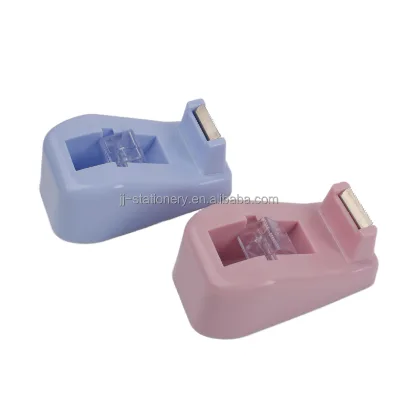
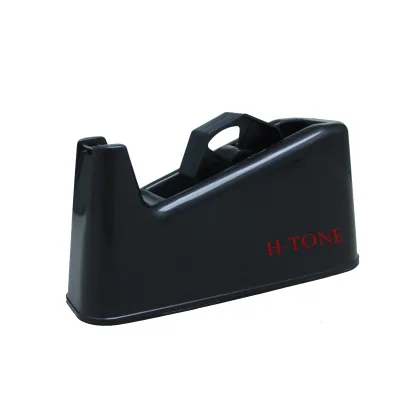
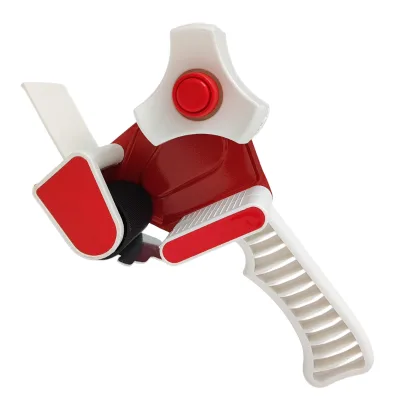
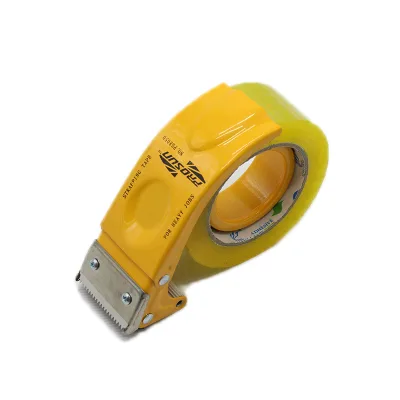
Automatic Dispenser Tape Office Large Double-Sided Packing Un Carton 3 Inch Tape Dispenser
Contact supplier
Moq: 1200
Nantong Genmes Office Products Co., Ltd.
- Verified by TUVRHEINLAND
- Combined
- China Jiangsu
- Lead time30 days
- Avg. response≤ 1h
Main marketsSoutheast Asia/ Mideast,Domestic,Europe,North America

Shenzhen Telling Commodity Co., Ltd.
- Verified by TUVRHEINLAND
- Trading Company
- China Guangdong
- Lead time15 days
- Avg. response≤ 8h
Main productsPaper Bag, Paper Box, Paper Straw, Paper Cup, Paper Doilly, Toilet Paper, Paper Towel, Paper Napkin, Facial Tissue, Jumbo Roll Toilet Paper
Main marketsAfrica,Southeast Asia/ Mideast,Europe,Australia,North America

Multifold Paper Towel Dispenser
Contact supplier

Jumbo Roll Dispenser (SHA-004)
Contact supplier
Hebei Enyang Import And Export Trading Co., Ltd.
- Verified by SGS
- Trading Company
- China Hebei
- Lead time15 days
- Avg. response≤ 4h
Main productsBaseball Caps, Custom Baseball Caps, Plain Baseball Caps, Embroidered Baseball Caps, Running Cap, Washed Cap, Trucker Hat, Flat Bill Hat
Main marketsSouth America,Southeast Asia/ Mideast,Europe








Comprehensive Sourcing Guide
Tape Dispenser Supplier Concentration and Factory Types
Current data indicates a concentration of Tape Dispenser manufacturers and trading companies within specific Chinese provinces, notably Anhui and Jiangsu. Suppliers in Anhui frequently list Eraser, Pencil, and various office stationery items alongside tape dispensers, suggesting a broader stationery manufacturing cluster. In contrast, Jiangsu-based entities often specialize in automated equipment, listing Wire Stripping Machines and Automatic Tape Dispensers as core products. This distinction implies that manual or plastic-based dispensers may originate from Anhui, while electronic or industrial-grade units are more likely sourced from Jiangsu. Buyers should verify the specific province listed on a supplier profile to align with their product requirements, as the manufacturing ecosystem differs significantly between these regions.
Factory types vary from pure trading companies to those holding manufacturer status. Some suppliers in the results are identified strictly as trading companies, acting as intermediaries for stationery goods. Others combine trading activities with manufacturing capabilities, offering OEM and ODM services for custom tape dispensers. A few entities explicitly state they possess their own brands and R&D capacity, which is critical for buyers seeking unique designs or specific technical modifications. When evaluating a supplier, check their company type designation to determine if they control the production line or merely resell goods. This distinction affects lead times, customization flexibility, and the ability to resolve quality issues directly at the source.
How to Verify Tape Dispenser Suppliers
Verification status is a primary indicator of supplier reliability, with several entities displaying certifications from recognized bodies like TÜV Rheinland and SGS. These third-party validations suggest that the supplier has undergone external audits regarding their business operations or product quality systems. However, verification alone does not guarantee product performance; it confirms the entity exists and meets certain baseline criteria. Buyers must cross-reference these claims with specific product evidence, such as detailed specifications for blade types, bearing capacities, and material compositions. For instance, a supplier claiming to produce metal serrated knife dispensers should provide clear attributes confirming the blade material and bearing weight to ensure the verification aligns with the actual product being sourced.
Response time and lead time data offer further insight into operational readiness. Some suppliers demonstrate rapid response capabilities, with response times under ten hours, while others may take longer to engage. Lead times vary significantly, ranging from immediate availability to forty-five days, depending on the product complexity and customization level. A supplier with a short lead time for standard models might require extended periods for custom orders. Buyers should prioritize suppliers who provide transparent response metrics and realistic production schedules. It is essential to confirm that the stated lead time applies to the specific order volume and customization requirements, as these factors can drastically alter the delivery timeline from the initial inquiry to final shipment.
What to Compare Across Tape Dispenser Suppliers
Comparing suppliers requires a detailed analysis of product attributes, pricing structures, and minimum order quantities. Product specifications vary widely, from manual plastic dispensers to automatic electronic models with folding functions. Key differentiators include the material composition, such as plastics and metals, and functional features like blade types and bearing capacities. Pricing data shows a broad range, with manual units starting at very low price points while automatic electronic dispensers command significantly higher costs. Buyers must align their budget with the required functionality, ensuring that the price per unit reflects the complexity of the mechanism and the durability of the materials used in the construction.
Minimum order quantities and packaging standards are critical logistical factors that influence the total cost of ownership. Some suppliers require substantial order volumes, such as three thousand units, while others accept single-unit orders for high-value automated equipment. Packaging configurations also differ, with some products shipped in cartons of twenty-four pieces and others in larger bulk quantities. These variations impact storage requirements and shipping costs. Additionally, customization availability is a key comparison point; while many suppliers offer customization, the extent of this service varies. Buyers should compare the specific customization options, such as branding or structural modifications, against their market needs to select a supplier that offers the necessary flexibility without excessive minimums.
Common Tape Dispenser Sourcing Risks
One significant risk involves the discrepancy between claimed capabilities and actual product output, particularly regarding material quality and safety standards. While some suppliers list certifications like ISO 9001, the specific product evidence must be scrutinized to ensure the tape dispensers meet the required safety and performance benchmarks. For example, a supplier might claim to produce ESD-safe dispensers, but the product attributes must explicitly confirm the anti-static properties and color specifications. Without clear evidence of these attributes in the product data, buyers risk receiving non-compliant goods that could damage sensitive electronic components or fail in industrial environments.
Another risk stems from inconsistent lead times and response delays, which can disrupt supply chain planning. Suppliers with longer lead times, such as those exceeding forty-five days, may struggle to meet urgent demand, especially if customization is required. Furthermore, the distinction between trading companies and manufacturers can lead to communication gaps regarding production issues. If a trading company acts as the sole point of contact, they may lack the technical depth to resolve complex manufacturing defects quickly. Buyers should verify the supplier's capacity to handle production bottlenecks and ensure they have direct access to technical teams capable of addressing quality concerns before they escalate into major delays or financial losses.
Tape Dispenser Regional Sourcing and Logistics
Regional sourcing strategies should focus on the specific manufacturing clusters identified in the supplier data, primarily Anhui and Jiangsu. Anhui appears to be a hub for general stationery and manual tape dispensers, often associated with a broader range of office supplies like pencils and erasers. This concentration suggests a mature supply chain for standard office products, potentially offering competitive pricing and faster logistics for bulk orders of manual units. Buyers targeting these products should prioritize suppliers located in this region to leverage the existing infrastructure and specialized knowledge of stationery manufacturing.
Jiangsu, conversely, is emerging as a center for automated and electronic tape dispensers, with suppliers listing advanced machinery like wire stripping and automatic labeling equipment. This region likely offers superior technical expertise for complex, high-value dispensers that require precise engineering and electronic integration. Logistics from Jiangsu may be optimized for heavier, more sophisticated machinery, but buyers must account for potential differences in shipping costs and delivery times compared to Anhui. Understanding these regional specializations allows buyers to match their product requirements with the most efficient sourcing location, ensuring that the logistics network supports the specific nature of the tape dispensers being procured.
Tape Dispenser Commercial Terms and Order Planning
Commercial terms for tape dispensers vary significantly based on the product type and supplier capacity. Manual dispensers often come with lower price points and higher minimum order quantities, reflecting their status as high-volume, low-margin items. In contrast, automatic electronic dispensers carry higher unit costs but may offer lower minimums, catering to specialized or pilot orders. Buyers must carefully evaluate the price range, which can span from fractions of a dollar for basic models to hundreds of dollars for advanced automated systems. Understanding these pricing tiers is essential for accurate budgeting and ensuring that the total cost of goods aligns with the intended market positioning and profit margins.
Order planning must account for customization lead times and packaging requirements to avoid logistical bottlenecks. Suppliers offering customization services may require additional time for design approval and production setup, which can extend the overall lead time beyond standard estimates. Packaging standards, such as the number of pieces per carton, also influence shipping efficiency and storage costs. Buyers should plan their orders well in advance, considering the specific packing configurations and the supplier's response time to ensure timely delivery. By aligning order volumes with the supplier's capacity and lead time capabilities, buyers can mitigate risks of delays and ensure a smooth procurement process from initial inquiry to final receipt of goods.
FAQs
What is the price range for manual tape dispensers?
Manual tape dispensers typically range from $0.10 to $0.50 per unit. Prices vary based on material composition, such as plastic or metal, and specific features like serrated blades. Minimum order quantities often start at 3,000 pieces for these affordable office supplies.
How fast do suppliers respond to inquiries?
Response times generally fall between 9.68 and 15.29 hours. Faster responses are often associated with manufacturers holding ISO certifications, while trading companies may take slightly longer. Buyers should expect replies within a day for standard product inquiries.
What are the lead times for automatic dispensers?
Lead times for automatic tape dispensers vary significantly by supplier type. Some manufacturers offer rapid production with zero lead time, while others require up to 15 days. Buyers should confirm specific schedules based on order volume and customization requirements.
Are tape dispensers customizable for branding?
Yes, customization is available for most Tape Dispenser models. Suppliers offer OEM and ODM services, allowing for specific branding, colors, and design modifications. Buyers can request custom packaging or product features to align with their specific office or industrial needs.
What certifications do suppliers hold?
Suppliers hold various certifications including ISO 9001, ISO 14001, and SGS verification. Some products also carry CE certificates for automatic models. These certifications ensure quality management and environmental standards are met for both manual and electronic tape dispensing equipment.
Where are tape dispensers manufactured?
Tape dispensers are primarily manufactured in China, specifically in Anhui and Jiangsu provinces. These regions host both trading companies and factories specializing in office supplies and electronic equipment. Buyers can source products directly from these established manufacturing hubs.