CNC Linear Guide Rail Suppliers and Manufacturers
Browse 26 verified suppliers of CNC Linear Guide Rail products and compare key dimensions such as location, lead time, response time, OEM/ODM capability, certifications, MOQ, and price ranges. Shortlist candidates and request quotes or samples to confirm specifications before ordering.
Updated
Suppliers List

Shandong Sair Import & Export Trading Co., Ltd.
- Verified by TUVRHEINLAND
- Combined
- China Shandong
- Lead time15 days
- Avg. response≤ 5h
Main productslinear guide, ball screw
Main marketsEast Asia(Japan/ South Korea),Europe


Laser Mechanical Aluminum Linear Guide Rail CNC Actuated Motion Guide CNC Rails
$6.00 - $12.00
MOQ: 1 Pieces
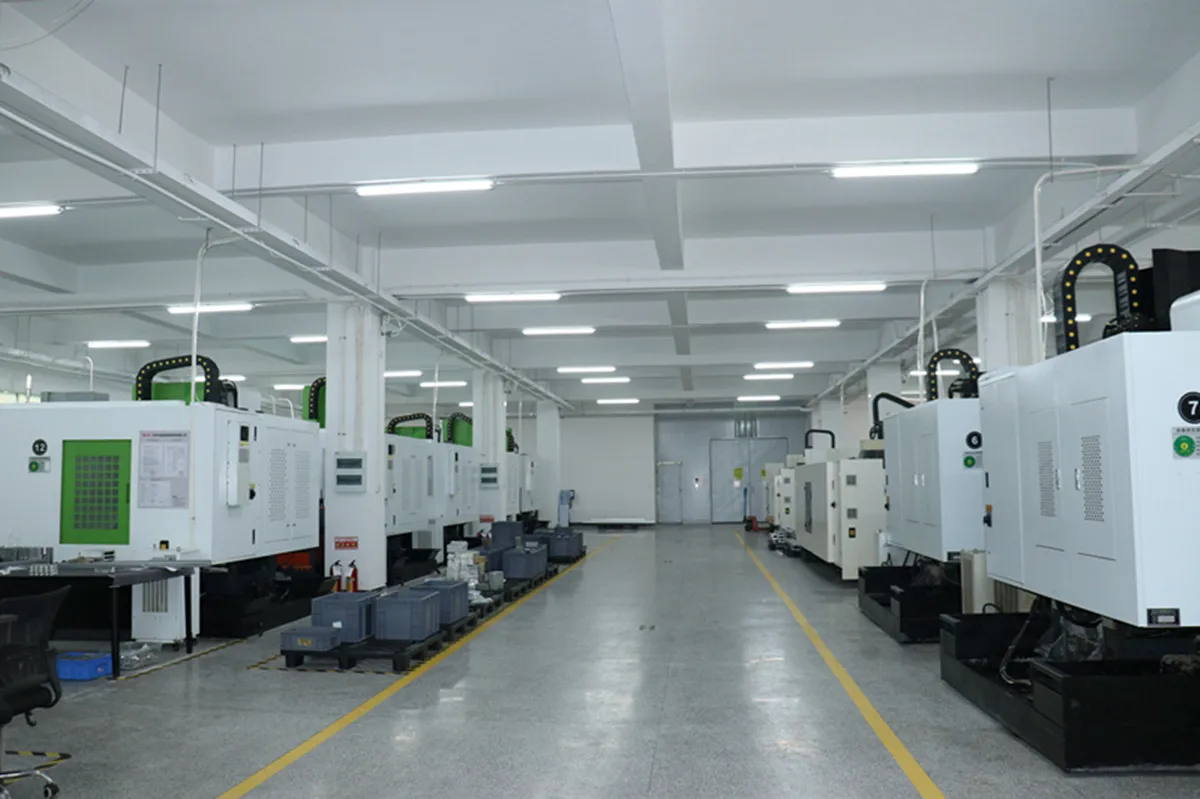
Dongguan Jiayi Intelligent Equipment Co., Ltd.
- Manufacturer, Trading Company
- Guangdong, China
- Lead time15 days
- Avg. response≤ 6h
Main productsLinear Module,Linear Motor,Ball Screw,Linear Guide,Electric Cylinder
Main marketsDomestic Market(75.00%), North America(10.00%), Eastern Europe(5.00%), Southern Europe(5.00%), Western Europe(5.00%)
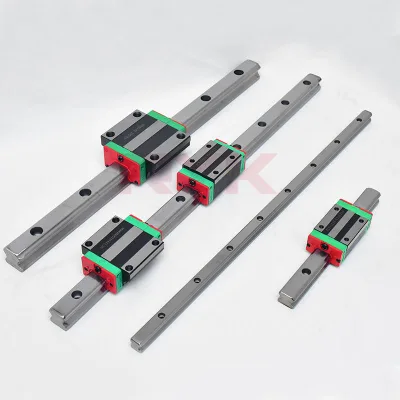
Ball Type CNC Linear Rail Precise Heavy Duty Track Rollers and Guide Rails CNC Linear Rail
$4.0733 - $19.5269
MOQ: 1 Minimum
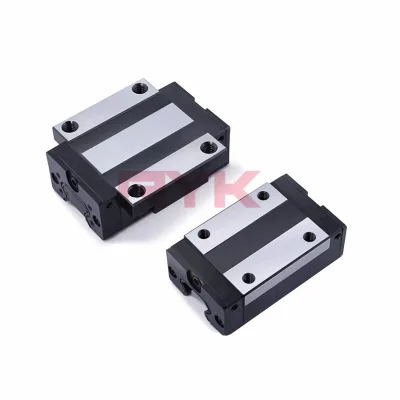
Wholesale Linear Guides 6 Meters Linear Guide Rail and Block Slider Carriage for Cnc
$2.10 - $58.50
MOQ: 1 Minimum
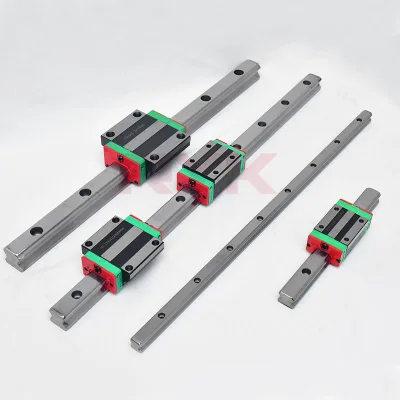
HGR25 Linear Motion Guides for CNC Core Component Linear Rails and Guides Essential for 3D Printer
$3.88 - $18.30
MOQ: 1 Minimum

Lishui City Jialida Bearing Co., Ltd.
- Verified by SGS
- Combined
- China Zhejiang
- Lead time15 days
- Avg. response≤ 1h
Main productsLinear Guide, Linear Guide Rail, Linear Rail, Linear Bearing, Ball Screw, Precision Ball Screw, Ball Screw Nut, Linear Shaft, Linear Bushing, Plastic Linear Bearing
Main marketsAfrica,Southeast Asia/ Mideast,Domestic,Australia,North America

HENGERDA NEW MATERIALS (FUJIAN) CO., LTD.
- Trading Company,Manufacturer/Factory,Group Corporation
- China Fujian
- Lead time23 days
- Avg. response≤ 12h
Main productsRule Die Steel, Cutting Rules, Creasing Rules, Cermet Circular Saw Blade, Circular Saw Machine, Bandsaw Machine, Machining Centers, Carbide Band Saw Blade, Bi-Metal Band Saw Blade, Linear Guide
Main marketsSouth America,Eastern Europe,Mid East,North America,Southeast Asia,Eastern Asia,Oceania,Western Europe,Africa

Wholesale CNC Machine Tools Linear Guide Excellent Movement Linear Guide Rail
$10.00 - $40.00
MOQ: 10 Pieces

High Speed Low Noise Linear Motion Guide CNC Machine Tool Linear Guide Rail
$10.00 - $40.00
MOQ: 10 Pieces

Smooth Movement CNC Linear Guide Wholesale Price Linear Motion Guide Rail
$10.00 - $40.00
MOQ: 10 Pieces

CNC Machine Linear Guide with Different Specifications High Speed Movement Linear Rail
$10.00 - $40.00
MOQ: 10 Pieces

CNC Machine Parts Linear Rail with Excellent Quality Various Size Linear Motion Guide Rail
$10.00 - $40.00
MOQ: 10 Pieces

Rectangular Type Linear Guide CNC Machine Tool Linear Rail with Different Specifications
$10.00 - $40.00
MOQ: 10 Pieces
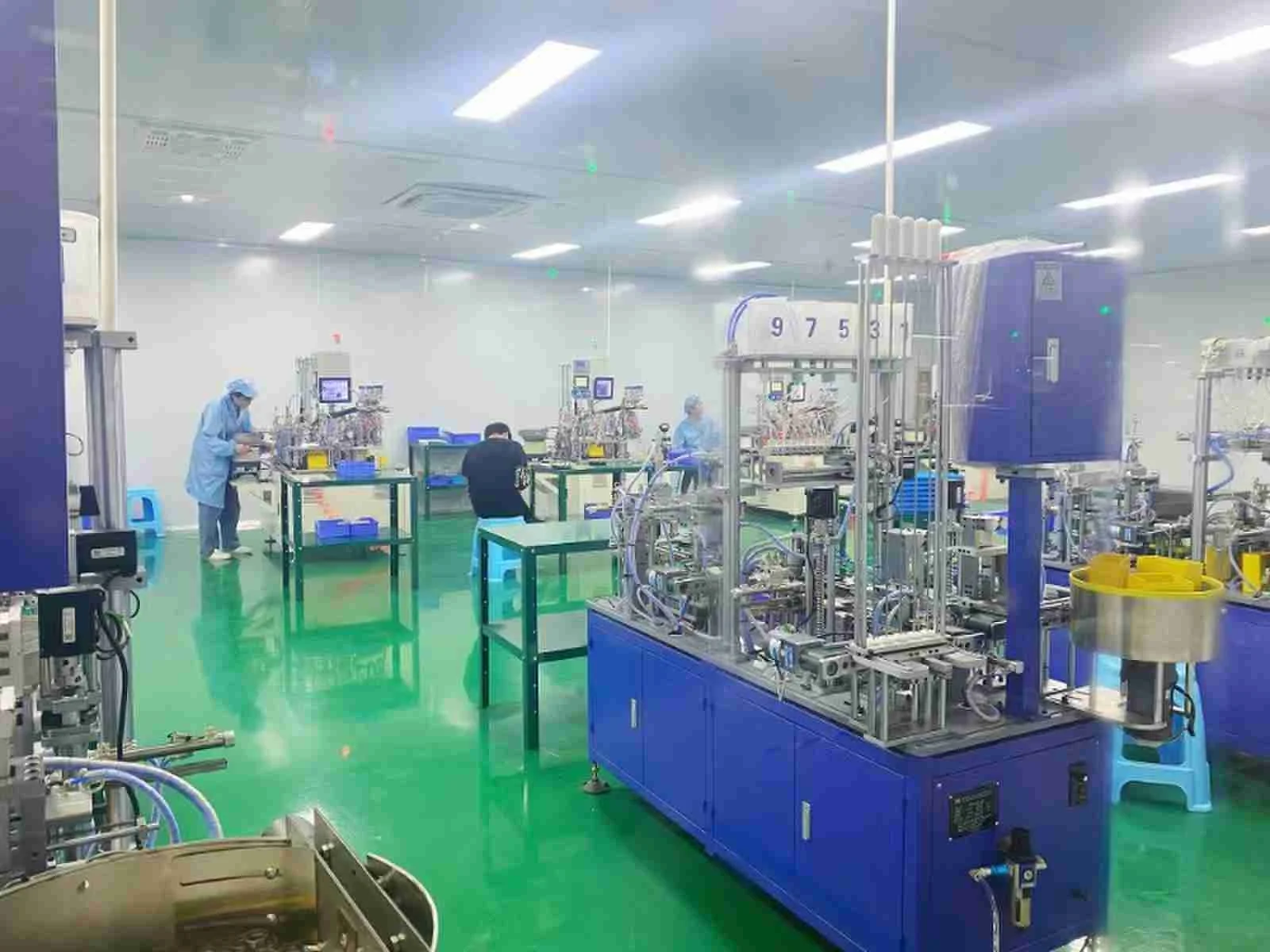
Guangzhou Rimao Bearing Co., Ltd.
- Trading Company
- Guangdong, China
- Lead time20 days
- Avg. response≤ 1h
Main productsBearing,Pulley
Main marketsNorth America(50.00%), Western Europe(20.00%), Domestic Market(15.00%), Northern Europe(15.00%)

Dongguan Pinsi Machinery Co., Ltd.
- Verified by SGS
- Combined
- China Guangdong
- Lead time15 days
- Avg. response≤ 3h
Main productsLinear Guide, Ball Screw, Linear Module, Linear Bearing, Linear Actuator, Linear Rail, Cross Roller Guide, THK Linear Guide, Hiwin Linear Guide, Linear Guideway
Main marketsDomestic

CNC Linear Guideway Precision Cylindrical Cross Roller Linear Guide Rail
$63.30 - $70.00
MOQ: 1 Pieces

CNC High Precision Crossed Roller Linear Guide Rail Crossed Roller Guide Rail
$63.30 - $70.00
MOQ: 1 Pieces

Nanjing Technical Equipment Manufacture Co., Ltd.
- Verified by TUVRHEINLAND
- Combined
- China Jiangsu
- Lead time45 days
- Avg. response≤ 1h
Main productsBall Screw, Linear Guideway, Roller Guide, Ball Spline, Ball Bushing
Main marketsSouth America,Southeast Asia/ Mideast,East Asia(Japan/ South Korea)

Shenzhen Gepai Technology Co.,ltd
- Manufacturer, Trading Company, Distributor/Wholesaler
- Guangdong, China
- Lead time10 days
- Avg. response≤ 6h
Main productsdeep groove ball bearings,plastic bearing rollers,roller chain,U groove track roller,thin selection bearing
Main marketsWestern Europe(52.00%), North America(15.00%), Southeast Asia(10.00%), Oceania(5.00%), Eastern Asia(5.00%), Eastern Europe(5.00%), South Asia(3.00%), South America(2.00%), Africa(2.00%), Mid East(1.00%)
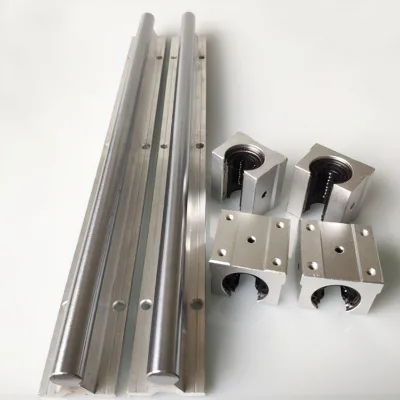
SBR20 20mm Rail L400mm Linear Guide SBR20-400mm Cnc Router Part Linear Rail
$1.00 - $5.00
MOQ: 1 pieces
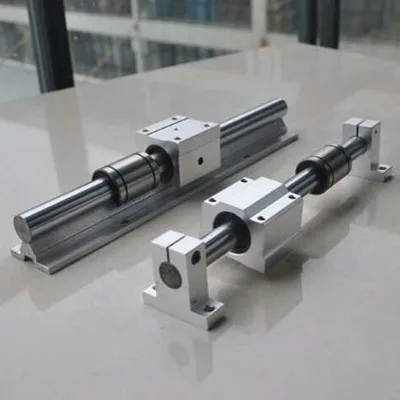
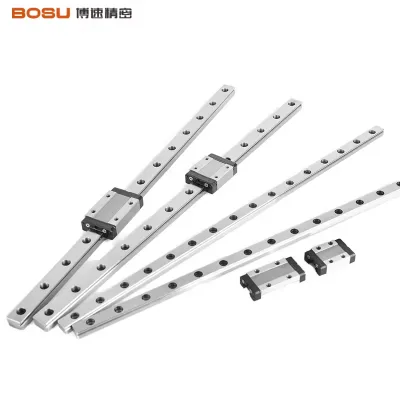
Zhejiang Bosu Precision Transmission Co., Ltd.
- Verified by TüVRheinland
- Manufacturer, Trading Company
- Lead time25 days
- Avg. response≤ 3h
Main productsBall Screws, Linear Guideway, Linear Motion Slide Units, Roller Guide, Linear Shaft
Main marketsDomestic Market(45%), Eastern Europe(15%), Southeast Asia(15%)
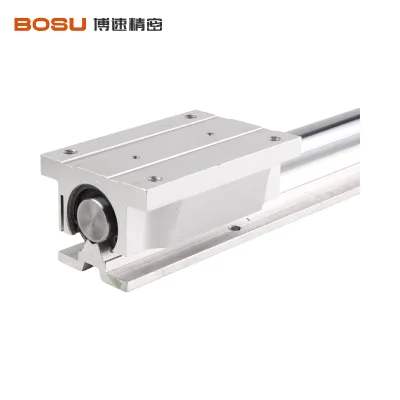
$12.00 - $25.00
MOQ: 1 Minimum
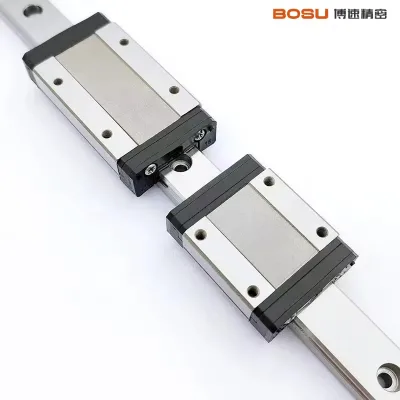
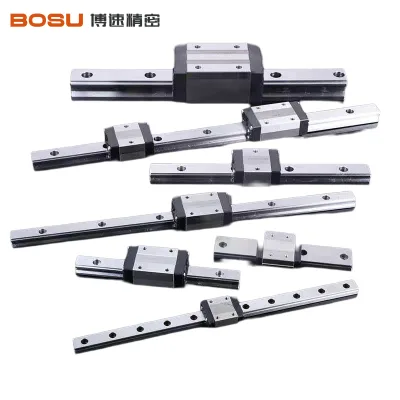
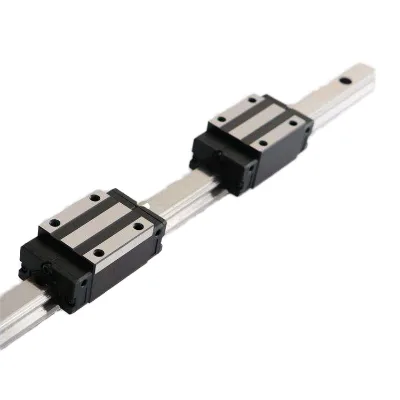
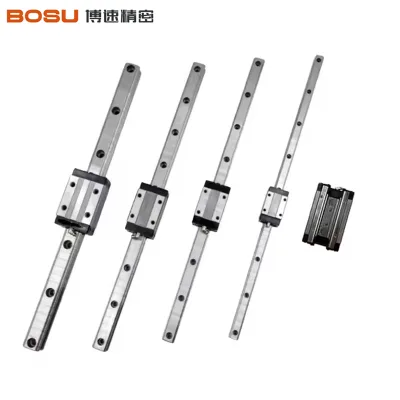
Precision Linear Guide Blocks Roller Linear Guide Assembly CNC Bearing Automatic Forming System
$10.50 - $20.00
MOQ: 1 Minimum

Jinan Tom Machinery Manufacturing Co., Ltd.
- Verified by SGS
- Trading Company
- China Shandong
- Lead time15 days
- Avg. response≤ 8h
Main productsInjector and Nozzle Tester, Common Rail Injector Tester, DPF Cleaning Machine, Balancing Machine, Testing Bench, CNC Machines, CNC Spare Parts, Diesel Spare Parts
Main marketsNorth America

Beijing Foxslide Automation Technology Co., Ltd.
- Manufacturer, Trading Company
- Beijing, China
- Lead time7 days
- Avg. response≤ 3h
Main productsDrawer Slide,Ball bearing drawer slide,Linear Guide Rail,Ball Screw,guide rail
Main marketsSoutheast Asia(15.00%), Domestic Market(12.00%), North America(10.00%), Eastern Europe(8.00%), Northern Europe(5.00%), Southern Europe(5.00%), Eastern Asia(5.00%), Mid East(5.00%), Oceania(5.00%), South America(5.00%), Central America(3.00%), Africa(1.00%), South Asia(1.00%)
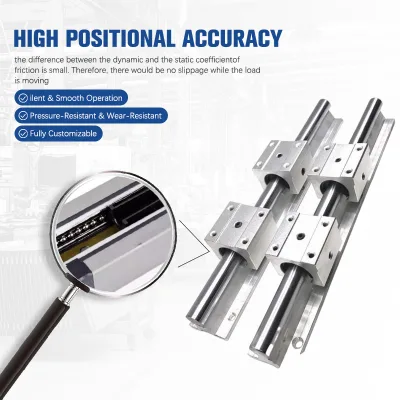
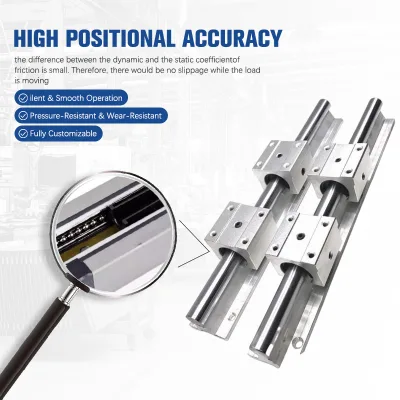
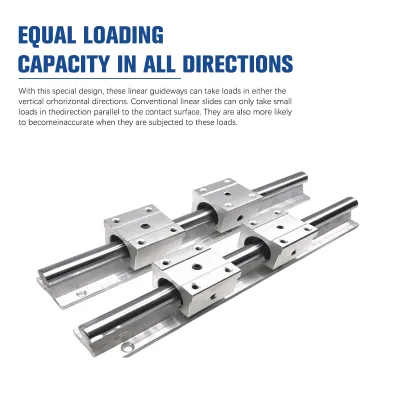
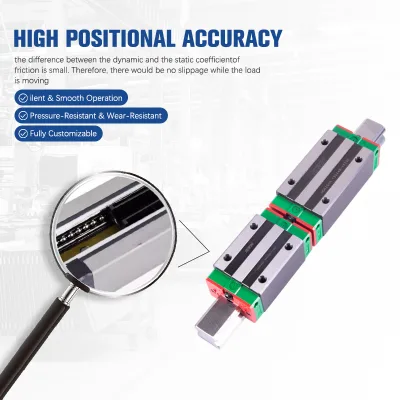
$14.6062 - $15.6481
MOQ: 1 sets
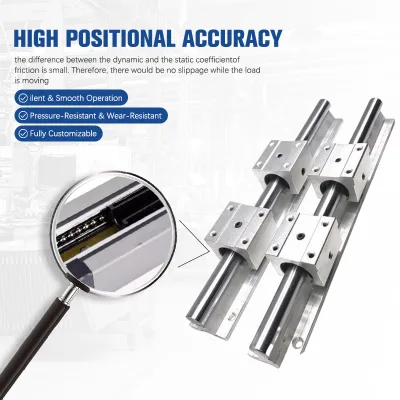
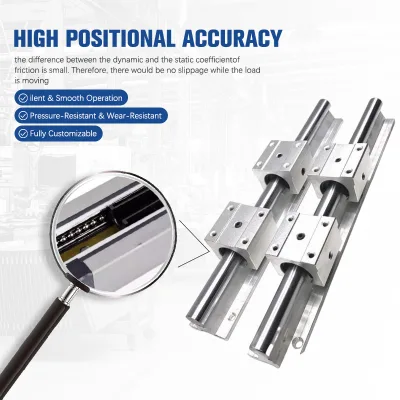
Changsha Chushitian Precision Machinery Co., Ltd.
- Trading Company
- Hunan Province, China
- Lead time5 days
- Avg. response≤ 5h
Main productsReducer,Ball screw,Linear Guides,Robot Parts,Servo Motor
Main marketsDomestic Market(30.00%), Southeast Asia(20.00%), Oceania(15.00%), Southern Europe(10.00%), Eastern Asia(10.00%), Mid East(10.00%), Eastern Europe(10.00%), Africa(10.00%), Central America(10.00%), Northern Europe(8.00%), South Asia(5.00%), North America(5.00%), South America(5.00%), Western Europe(2.00%)
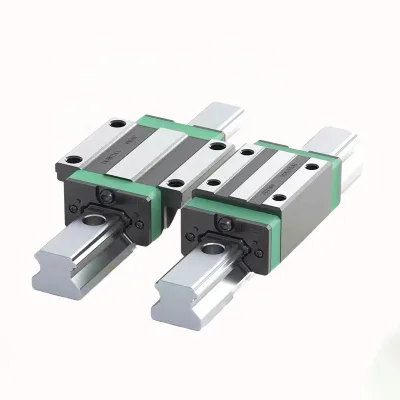
$17.5778 - $27.9235
MOQ: 1 pieces
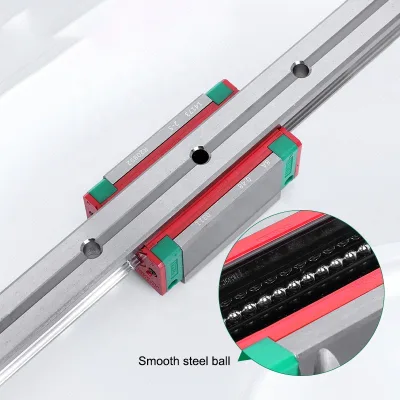
$8.3338 - $65.4264
MOQ: 1 Minimum
Puyang Zhongda Precision Automation Co., Ltd.
- Verified by TüVRheinland
- Trading Company
- Lead time10 days
- Avg. response≤ 2h
Main productsCoupling, Packaging Machine Accessories, Belt Pulley Accessories, Rubber And Plastic Products, Linear Bearing Lead Screw
Main marketsMid East(22%), North America(21%), South Asia(11%)
Jingpeng Machinery Equipment (shanghai) Co., Ltd.
- Verified by Intertek
- Trading Company
- Lead time7 days
- Avg. response≤ 3h
Main productsBearings, Ball Screw, Linear Guide, Racks And Gears, Mechanical Parts
Main marketsWestern Europe(30%), North America(20%), Domestic Market(15%)

ZHEJIANG JIANZHUANG TRANSMISSION TECHNOLOGY CO.,LTD
- Verified by SGS
- Combined
- China Zhejiang
- Lead time15 days
- Avg. response≤ 4h
Main productsBall Screw, Linear Guide, Linear Beairng, Linear Shaft, Ball Screw Support, Linear Module, Rod End Bearing, Coupling
Main marketsSouth America,Africa,Southeast Asia/ Mideast,East Asia(Japan/ South Korea),Domestic,Europe,Australia,North America
Zhejiang Deyi Transmission Co., Ltd.
- Verified by TüVRheinland
- Manufacturer, Trading Company
- Lead time0 days
- Avg. response≤ 1h
Main productsBearing
Main marketsNorth America(25%), Southern Europe(25%), South America(10%)
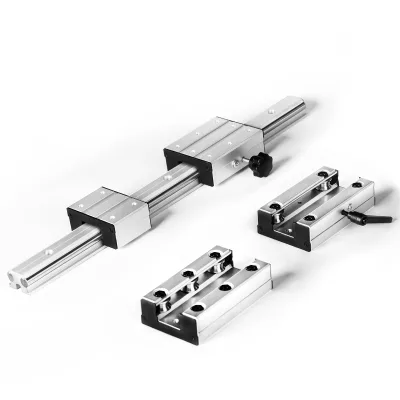
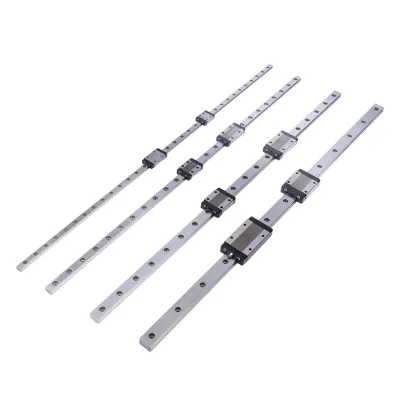
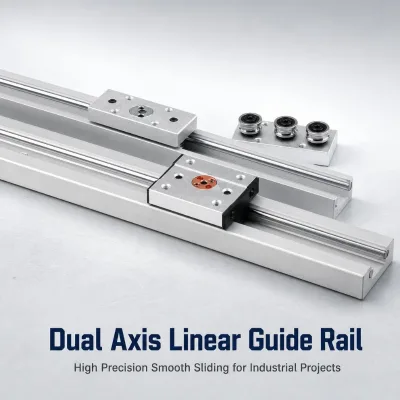
OEM/ODM CNC Linear Motion System LGD12 High Quality Linear Guide Rail with Roller Block Bearing
$5.16 - $9.64
MOQ: 1 Minimum
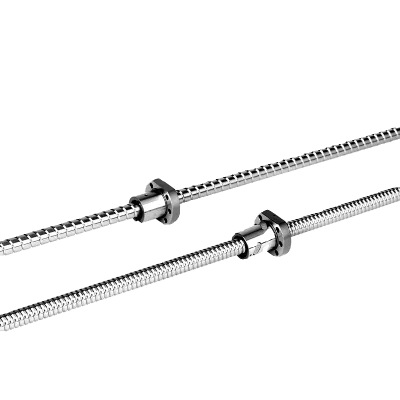
Demark (wuhan) Technology Co., Ltd.
- Verified by SGS Group
- Manufacturer, Trading Company
- Lead time30 days
- Avg. response≤ 2h
Main productsLaser Marking Machine, Laser Welding Machine, Laser Cleaning Machine , Laser Source, Laser Machine Consumables
Main marketsNorth America(8%), South America(8%), Eastern Europe(7%)

Zaozhuang Yiding Bearing Co., Ltd.
- Trading Company
- Shandong, China
- Lead time3 days
- Avg. response≤ 2h
Main productsBall Bearing,Linear Bearing,Needle Bearing,Guide Rail and Ball Screw,Roller Bearing
Main marketsWestern Europe(55.00%), North America(20.00%), Eastern Asia(10.00%), Oceania(10.00%), South America(5.00%)
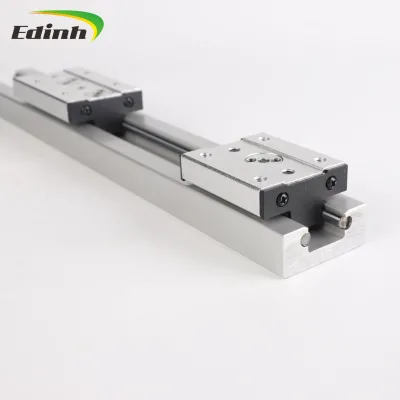
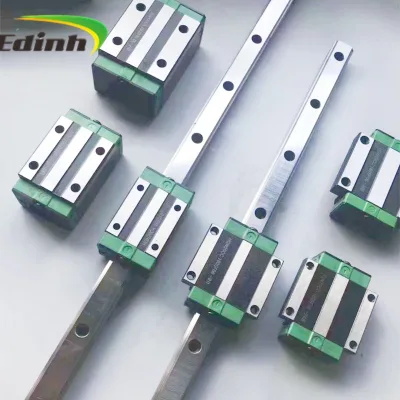
$27.2469 - $102.8155
MOQ: 1 Minimum
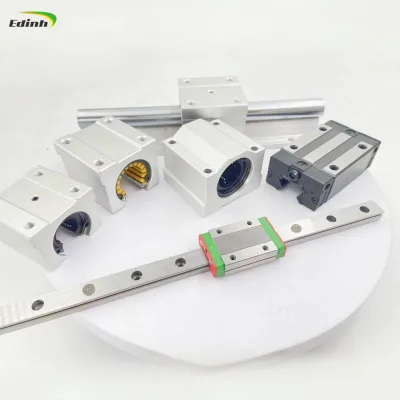
Lishui Yuxuan Automation Manufacturing Co., Ltd.
- Verified by TüVRheinland
- Manufacturer, Trading Company
- Lead time7 days
- Avg. response≤ 9h
Main productsLinear Shaft, Linear Bearing, Rod End Bearing, Linear Guides, Ball Screws
Main marketsDomestic Market(60%), Southern Europe(10%), North America(5%)
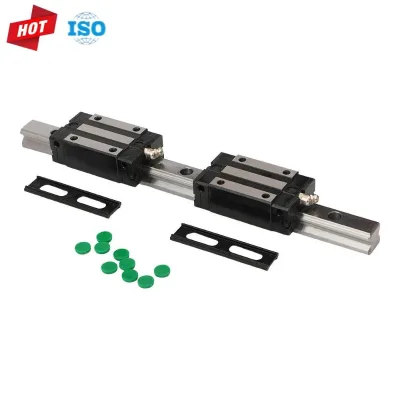
$5.1138 - $10.2679
MOQ: 10 Minimum
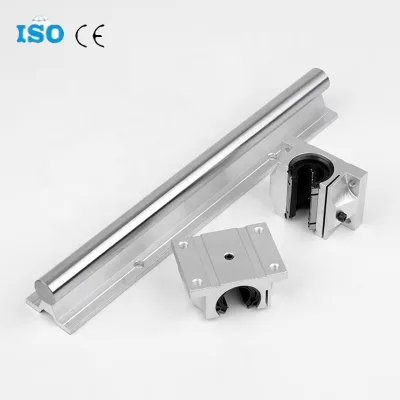
$2.0644 - $22.1122
MOQ: 10 Minimum
Lishui Wangong Precision Machinery Co., Ltd.
- Manufacturer, Trading Company
- Lead time旺季: "1 - 1":1,"2 - 100":7,"101 - 500":15,"> 500":"To be negotiated", 淡季: "1 - 1":1,"2 - 100":7,"101 - 500":15,"> 500":"To be negotiated"
- Avg. response≤ 12h
Main productsball screw,linear guide,linear shaft,linear bearing,rod end bearing
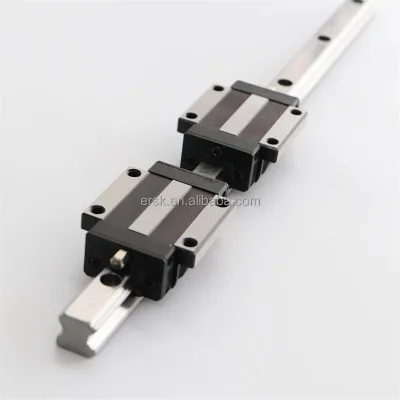
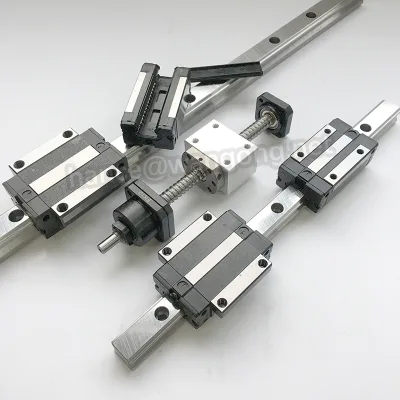
Belt Drive Circular Small Linear Guide HGH20 Linear Motion Guide Rail
$5.1422 - $53.9788
MOQ: 1 Minimum
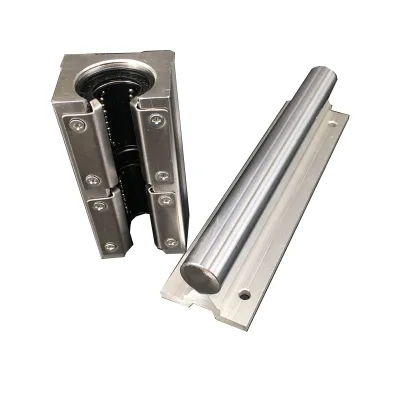

Lishui City Jialida Bearing Co., Ltd.
- Verified by SGS
- Combined
- China Zhejiang
- Lead time15 days
- Avg. response≤ 2h
Main productsLinear Shaft, Linear Guide, Ball Screw, Linear Bearing, Rod End Bearing, Needle Roller Bearing, Hydraulic Rod Ends, Deep Groove Bearing, Guide Rail, Module
Main marketsAfrica,Southeast Asia/ Mideast,Domestic,Australia,North America
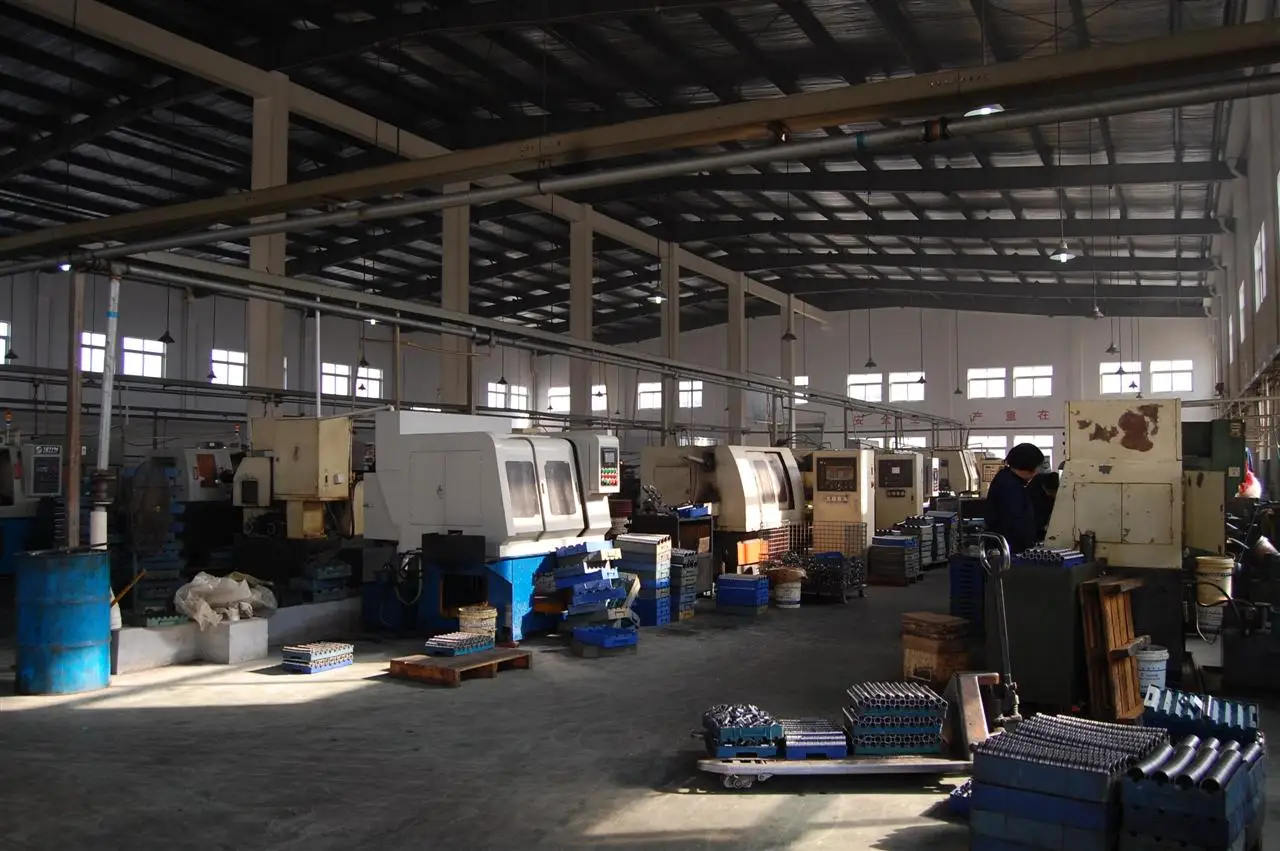
Jinan Compass Bearing Co., Ltd.
- Trading Company
- Shandong, China
- Lead time10 days
- Avg. response≤ 5h
Main productsbearings,ball screw,linear guide,3D printer parts,CNC parts
Main marketsNorth America(30.00%), Western Europe(22.00%), South America(18.00%), Northern Europe(8.00%), Domestic Market(6.00%), Eastern Europe(4.00%), Southern Europe(3.00%), Oceania(2.00%), South Asia(2.00%), Africa(1.00%), Eastern Asia(1.00%), Mid East(1.00%), Southeast Asia(1.00%), Central America(1.00%)
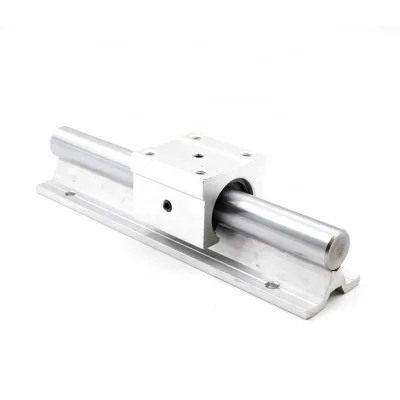
40mm CNC Linear Guide Rail and Bearing SBR40 for Linear Motion System X Y Z Shafts
$10.3607 - $20.72
MOQ: 1 Minimum
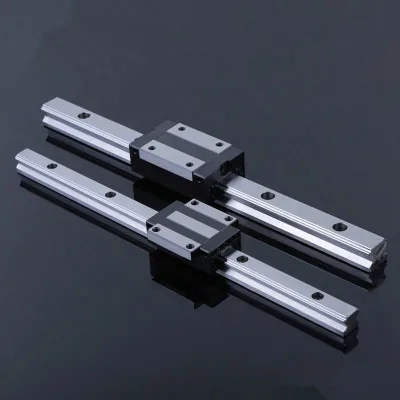
JINHUA XINMAI AUTOMATION EQUIPMENT CO., LTD.
- Trading Company
- Zhejiang, China
- Lead time15 days
- Avg. response≤ 2h
Main productsCNC Machining Center,CNC Rotary Table (4th/5th Axis),Precision Spindle,Angle Head,Chuck And Other Mechanical Accessories
Main marketsNorth America(20.00%), Eastern Europe(15.00%), Western Europe(13.00%), Southern Europe(12.00%), Northern Europe(10.00%), Mid East(10.00%), Southeast Asia(5.00%), Eastern Asia(5.00%), Central America(5.00%), South America(5.00%)
Lishui Hengli Automation Technology Co., Ltd.
- Manufacturer, Trading Company
- Zhejiangsheng, China
- Lead time7 days
- Avg. response≤ 1h
Main productsBallscrew,Linear Guide,Stepper Motor,Servo Motor
Main marketsEastern Europe(40.00%), Western Europe(12.00%), Domestic Market(10.00%), Southeast Asia(10.00%), South America(6.00%), Northern Europe(3.00%), Central America(3.00%), Mid East(3.00%), Southern Europe(3.00%), North America(3.00%), Oceania(3.00%), Africa(2.00%), Eastern Asia(2.00%)
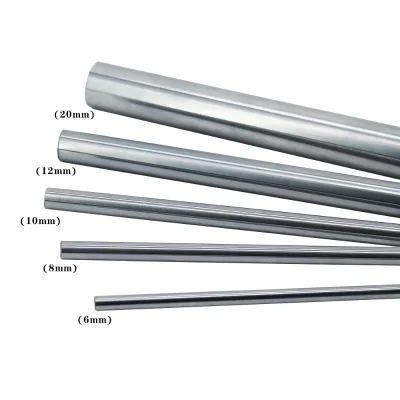
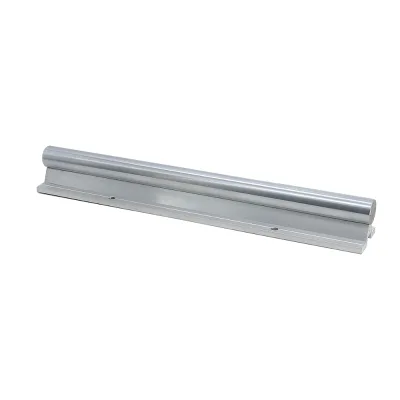
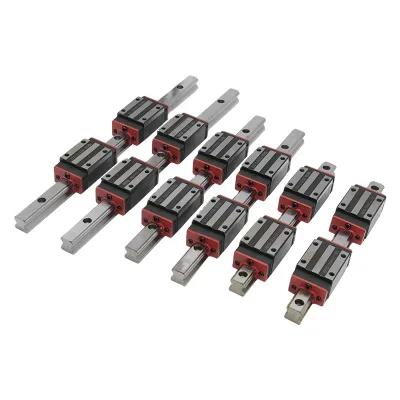
HLTNC Linear guide rail optical axis: 45# steel 6mm 8mm 10mm 12mm 20mmLinear slider for Cnc
$3.5973 - $3.9057
MOQ: 10 pieces
Foshan Weierma Bearing Electromechanical Co., Ltd.
- Trading Company
- Guangdong, China
- Lead time60 days
- Avg. response≤ 1h
Main productsDeep Groove Ball Bearings,Pillow Block Bearings,Spherical Roller Bearings,Double Row Angular Contact Ball Bearings,Linear Guide Sliders
Main marketsNorth America(35.00%), Southeast Asia(20.00%), Western Europe(12.00%), Mid East(10.00%), Oceania(8.00%), Eastern Europe(5.00%), Africa(4.00%), Northern Europe(3.00%), Eastern Asia(3.00%)

Wuxi BLS Mechanical Transmission Technology Co., Ltd.
- Trading Company,Manufacturer/Factory,Other
- China Jiangsu
- Lead time60 days
- Avg. response≤ 7h
Main productsDeep Groove Ball Bearing, Angular Contact Bearing, Hub Bearing, Needle Roller Bearing, Insert Bearing, Pillow Block Bearing, Linear Bearing, Rod End Bearing, Tapper Roller Bearing
Main marketsEastern Europe,Mid East,North America,Western Europe,Africa




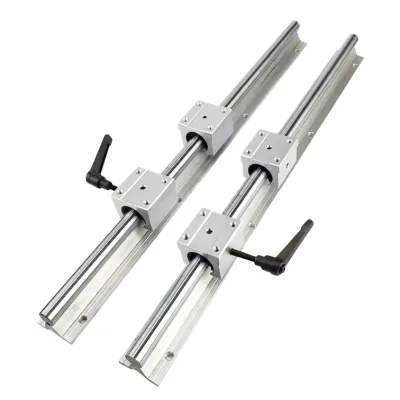
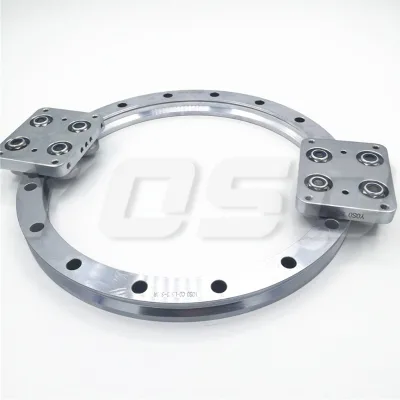
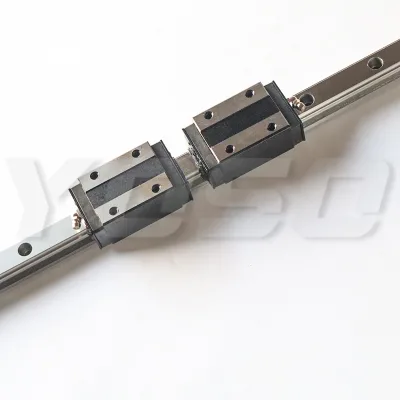
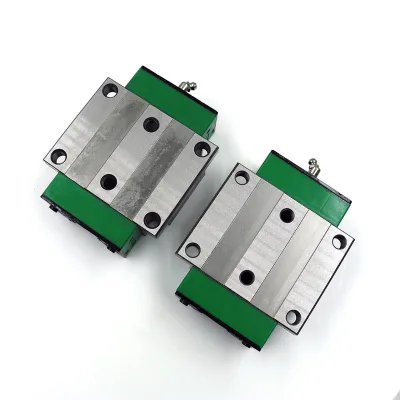
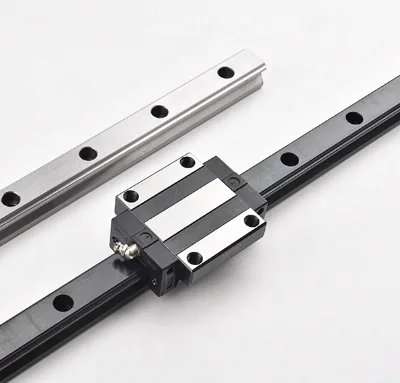
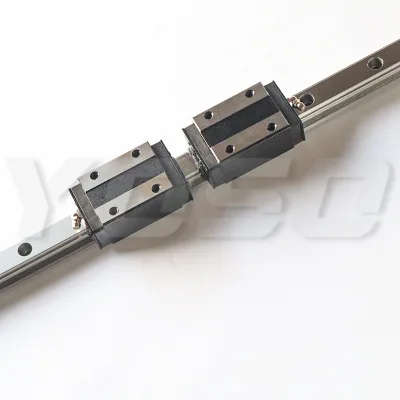
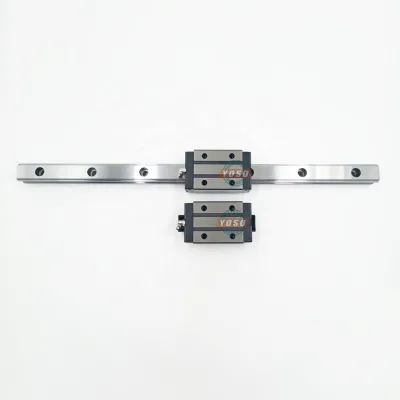


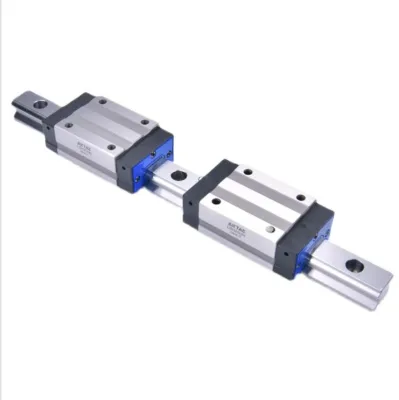
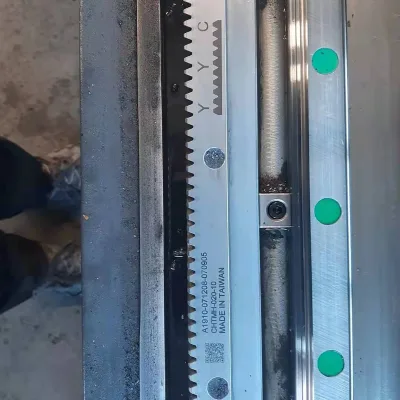


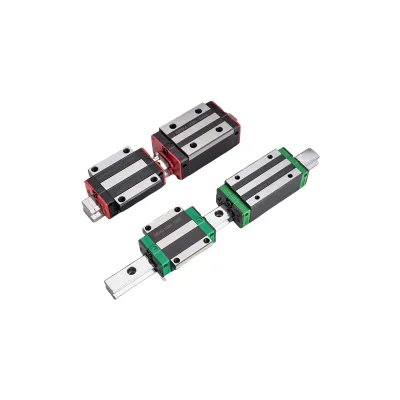

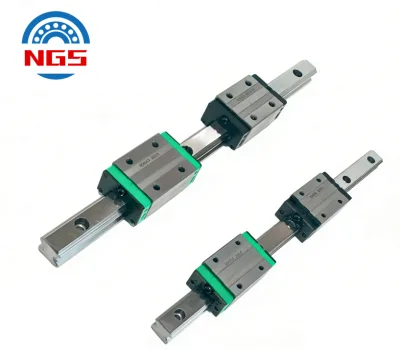
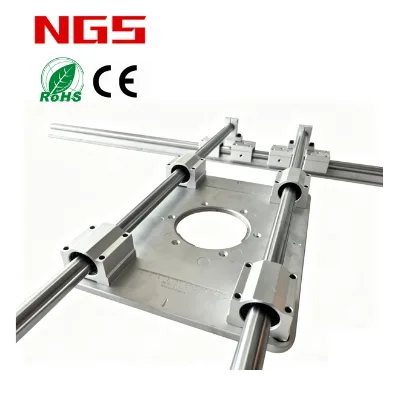


Comprehensive Sourcing Guide
CNC Linear Guide Rail Supplier Concentration and Factory Types
Current data indicates a concentration of suppliers in China, specifically within the Shandong and Guangdong provinces, where manufacturers and trading companies operate in close proximity. These regions host a mix of combined entity types that offer both direct manufacturing and trading services for linear guides and ball screws. Some suppliers in these areas explicitly state they are factories, while others operate as trading companies or a hybrid of both, providing a broader range of sourcing options for buyers seeking specific product configurations. The presence of combined company types suggests that buyers may encounter entities capable of handling both production and distribution, which can streamline the procurement process for complex orders.
When evaluating the factory types, buyers should look for explicit declarations of their operational model, such as whether they are a factory or a trading company, as this impacts control over quality and lead times. The observed data shows that many suppliers in these clusters offer OEM and ODM capabilities, indicating a capacity for customization beyond standard off-the-shelf items. This flexibility is crucial for buyers requiring specific modifications to linear guide rails, such as custom lengths or specialized slider colors. However, the absence of a unified certification standard across all entities means that buyers must verify each supplier's specific manufacturing credentials individually rather than assuming a regional standard applies to all.
How to Verify CNC Linear Guide Rail Suppliers
Verification of suppliers requires checking for specific third-party audit results and system certifications that confirm their operational legitimacy. Some suppliers in the current results display verification from entities like TÜV Rheinland or SGS, which serves as a tangible indicator of their compliance with international standards. In contrast, other suppliers may show a system certification status of "NIL," which does not necessarily imply a lack of quality but requires the buyer to request alternative proof of their manufacturing capabilities. Buyers should prioritize suppliers who provide clear verification badges or certificates, as these documents offer a higher degree of confidence regarding the supplier's stability and adherence to safety protocols.
Beyond external verification, buyers must examine the specific product attributes and certifications listed for the linear guide rails themselves. The data reveals that many products carry ISO 9001 and CE certifications, which are critical for ensuring the components meet international safety and quality benchmarks. However, the presence of these certifications on a product listing does not automatically guarantee the supplier's overall reliability; buyers should cross-reference these claims with the supplier's own verification status. Additionally, the availability of machinery test reports and video outgoing-inspection services provides further evidence of a supplier's commitment to quality control, allowing buyers to validate the physical condition of the goods before shipment.
What to Compare Across CNC Linear Guide Rail Suppliers
Comparing suppliers effectively involves analyzing key operational metrics such as response time, lead time, and minimum order quantities to determine which partner best fits the project timeline. Response times in the observed data vary significantly, with some suppliers responding in under an hour while others take several days, directly impacting the speed of the negotiation and order placement process. Lead times also differ, with some suppliers offering a standard 15-day turnaround, which is a critical factor for buyers with tight production schedules. Buyers should create a comparison matrix that includes these time-based metrics alongside the supplier's stated main products to ensure they are engaging with entities that specialize in the specific type of linear guide rail required.
Another vital dimension for comparison is the pricing structure and the flexibility of the minimum order quantity. The observed price ranges for linear guide rails span from approximately $2.10 to $58.50, reflecting differences in material quality, precision levels, and customization options. Some suppliers offer a low MOQ of just one unit, which is ideal for prototyping or small-scale projects, while others may have higher thresholds that require larger volume commitments. Buyers must also consider the customization availability, as many suppliers offer OEM services and can adjust features like slider color or rail length. By weighing these commercial terms against the supplier's response speed and lead time, buyers can identify the most efficient partner for their specific volume and urgency requirements.
Common CNC Linear Guide Rail Sourcing Risks
One significant risk in sourcing linear guide rails is the potential discrepancy between the advertised specifications and the actual product delivered, particularly regarding certification and material quality. While many listings claim ISO 9001 and CE compliance, the absence of a unified system certification for some suppliers means that buyers must independently verify these claims through third-party testing or on-site audits. Relying solely on the product description without confirming the supplier's verification status can lead to receiving components that do not meet the required performance standards, potentially causing failures in CNC machinery or automated systems. This risk is heightened when dealing with suppliers who do not provide machinery test reports or video inspections, as there is no external validation of the product's integrity.
Another critical risk involves the variability in lead times and the potential for delays in shipping, which can disrupt production schedules. Although some suppliers list a standard lead time of 15 days, this figure may not account for unforeseen manufacturing bottlenecks or logistical delays, especially when ordering from regions with complex supply chains. Buyers must also be cautious of suppliers who do not clearly state their warranty policies, as the absence of a warranty can leave the buyer without recourse if the linear guide rails fail prematurely. Additionally, the lack of standardized packaging descriptions across different suppliers can lead to damage during transit, necessitating careful review of packing details like wooden crates or specific single package sizes to ensure safe delivery.
CNC Linear Guide Rail Regional Sourcing and Logistics
Sourcing from specific regions in China, such as Shandong and Guangdong, offers distinct logistical advantages due to the established industrial clusters and infrastructure. These provinces host a high density of manufacturers and trading companies specializing in linear guides, which facilitates faster communication and potentially lower shipping costs due to the concentration of suppliers. Buyers sourcing from these areas can benefit from the proximity of raw material suppliers and the availability of specialized logistics providers familiar with the export requirements for industrial machinery components. However, the distance from the buyer's location remains a factor that must be calculated into the total cost of ownership, including freight charges and potential customs duties.
Logistics planning must also account for the specific packaging requirements of linear guide rails to prevent damage during transit. The observed data indicates that suppliers use various packing methods, ranging from wooden crates to specific single package sizes, which can affect the volume and weight of the shipment. Buyers should verify the packing details with the supplier to ensure that the goods are protected against moisture and physical impact, especially for long-distance shipping. Furthermore, the availability of machinery test reports and video inspections can serve as a quality checkpoint before the goods leave the factory, reducing the risk of receiving damaged or non-compliant products. By understanding the regional logistics landscape, buyers can better anticipate delivery timelines and manage the risks associated with international shipping.
CNC Linear Guide Rail Commercial Terms and Order Planning
Order planning for linear guide rails requires a clear understanding of the commercial terms, including pricing, MOQ, and payment structures, to avoid unexpected costs. The price ranges observed in the market vary widely, from as low as $2.10 to over $58.50, depending on the model, precision, and customization level. Buyers must carefully evaluate these prices against their budget and the specific performance requirements of their application, ensuring that the selected supplier offers the best value without compromising on quality. Additionally, the minimum order quantity can range from a single unit to larger batches, influencing the total investment required and the feasibility of small-scale projects.
Effective order planning also involves coordinating with the supplier on lead times and customization options to ensure timely delivery. Many suppliers offer OEM services and can customize features such as rail length, slider color, and block type, which adds complexity to the ordering process. Buyers should confirm these customization details early in the negotiation to avoid delays caused by rework or miscommunication. Furthermore, the response time of the supplier is a critical factor in maintaining a smooth ordering process, as quick communication can resolve issues before they escalate. By aligning commercial terms with operational needs, buyers can streamline the procurement process and ensure that the linear guide rails are delivered on schedule and meet all technical specifications.
FAQs
What is the price range for CNC linear guide rails?
Prices typically range from $2.10 to $58.50 per unit depending on specifications. Factors such as carrying capacity, rail length, and slider type influence the final cost. Buyers should verify exact pricing for specific models like HGR25 or MGN12 to ensure accurate budgeting for their machinery projects.
What certifications are available for these linear guides?
Products often carry ISO 9001 and CE certifications. These standards indicate compliance with quality management and safety requirements. Buyers should confirm specific certification documents with suppliers to ensure the components meet the regulatory standards required for their specific industrial applications and machinery installations.
What is the typical lead time for orders?
Lead times are generally around 15 days for standard orders. This duration allows for manufacturing and quality checks. Buyers requiring urgent delivery should contact suppliers directly to discuss expedited options, as lead times may vary based on order volume and specific customization requirements.
What is the minimum order quantity for these rails?
The minimum order quantity is often just one unit. This low MOQ allows buyers to test samples before placing larger orders. It is ideal for prototyping or small-scale production runs. Buyers should confirm if bulk discounts apply for larger quantities to optimize costs.
Where are these suppliers located?
Suppliers are primarily located in China, specifically in Shandong, Guangdong, and Zhejiang provinces. These regions are known for industrial machinery manufacturing. Buyers can filter results by location to reduce shipping costs or to align with regional logistics preferences for their supply chain.
Can suppliers provide OEM and ODM services?
Many suppliers offer both OEM and ODM capabilities. This allows for custom branding and design modifications. Buyers seeking specific dimensions or features should verify customization availability. Factory-direct suppliers often provide more flexible options for tailored linear motion solutions compared to trading companies.