Truck Step Garnish Suppliers and Manufacturers in China
Compare 23 verified Truck Step Garnish suppliers across locations like Jiangsu and Guangdong, response times, lead times, and certifications. Review product specifications and pricing to select the right partner for your needs; review the available evidence before requesting comparable quotations from suitable candidates.
Suppliers List

Yangzhou Sunwii Machinofacture Co., Ltd.
- Combined
- China Jiangsu
- Lead time45 days
- Avg. response≤ 22h
Main productsBuilding Supplies, Auto Accessories, Steel Ladder, Truck Tool Box, Aluminum Ladder, Truck Handle, Truck Fender Accessories, Tool Box Lock, Truck Steps, Safety Gate
Main marketsSoutheast Asia/ Mideast,Europe,North America
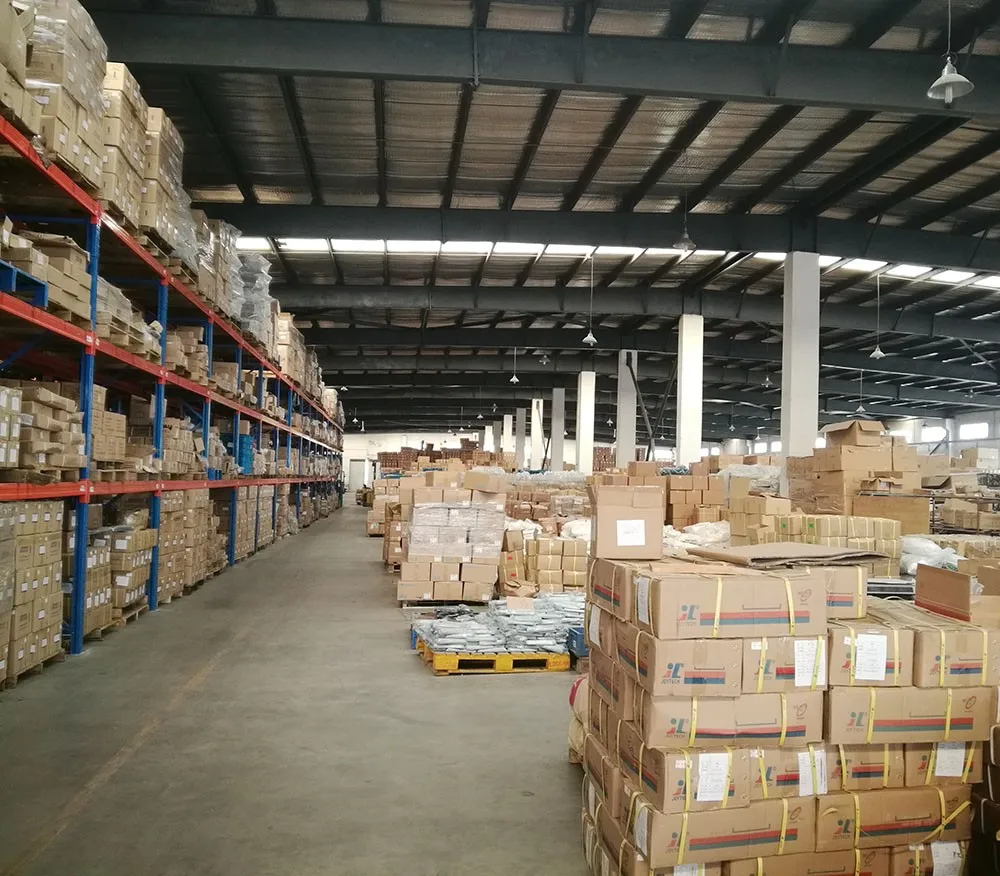
Guangzhou Onok Auto Parts Co., Ltd.
- Manufacturer, Trading Company
- Guangdong, China
- Lead time15 days
- Avg. response≤ 7h
Main productsFilters,Brake Valves,Brake System,Clutch Parts,Truck Body Parts
Main marketsAfrica(30.0%), Mid East(20.0%), South America(20.0%), Southeast Asia(10.0%), Eastern Europe(10.0%), South Asia(5.0%)
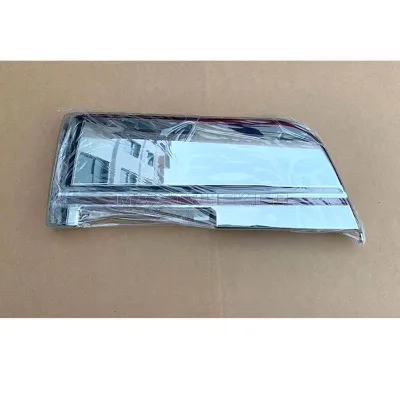
Truck Body Spare Parts KN-I005032 Chrome Foot Step Panel Garnish for Isuzu Elf Npr 700P
$12.00 - $16.00
Moq: 20
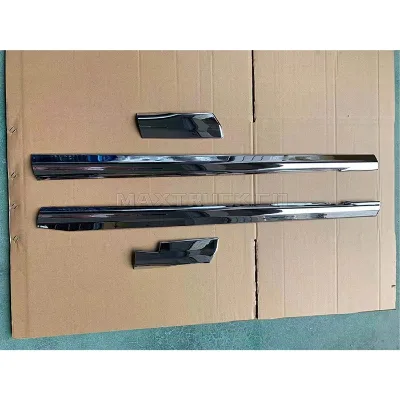
Wholesale Truck Body Parts KNN-001037 Chrome Door Garnish for Nisan UD QUON 2007
$20.00 - $60.00
Moq: 10

Zhenjiang Brilliant Auto Parts Co., Ltd.
- Trading Company
- Jiangsu, China
- Lead time45 days
- Avg. response≤ 9h
Main productsTruck accessories,European Trucks,Truck body parts,Mirror,Lamp
Main marketsDomestic Market(5.0%), South Asia(5.0%), Southern Europe(5.0%), Northern Europe(5.0%), Central America(5.0%), Western Europe(5.0%), Eastern Asia(5.0%), Mid East(5.0%), Oceania(5.0%), Africa(5.0%), Southeast Asia(5.0%), Eastern Europe(5.0%), South America(5.0%), North America(5.0%)
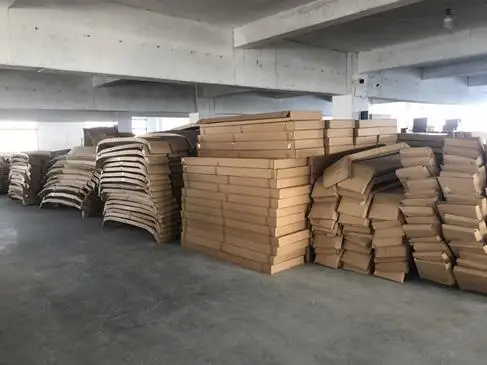
Guangzhou Inspiration Bear Auto Parts Co., Ltd.
- Manufacturer, Trading Company, Distributor/Wholesaler
- Guangdong, China
- Lead time25 days
- Avg. response≤ 11h
Main productstruck parts,truck head lamp,truck mirror,truck bumper,truck grille
Main marketsSouth America(60.0%), Mid East(15.0%), South Asia(5.0%), Southern Europe(5.0%), Central America(5.0%), Western Europe(5.0%), Eastern Europe(5.0%)
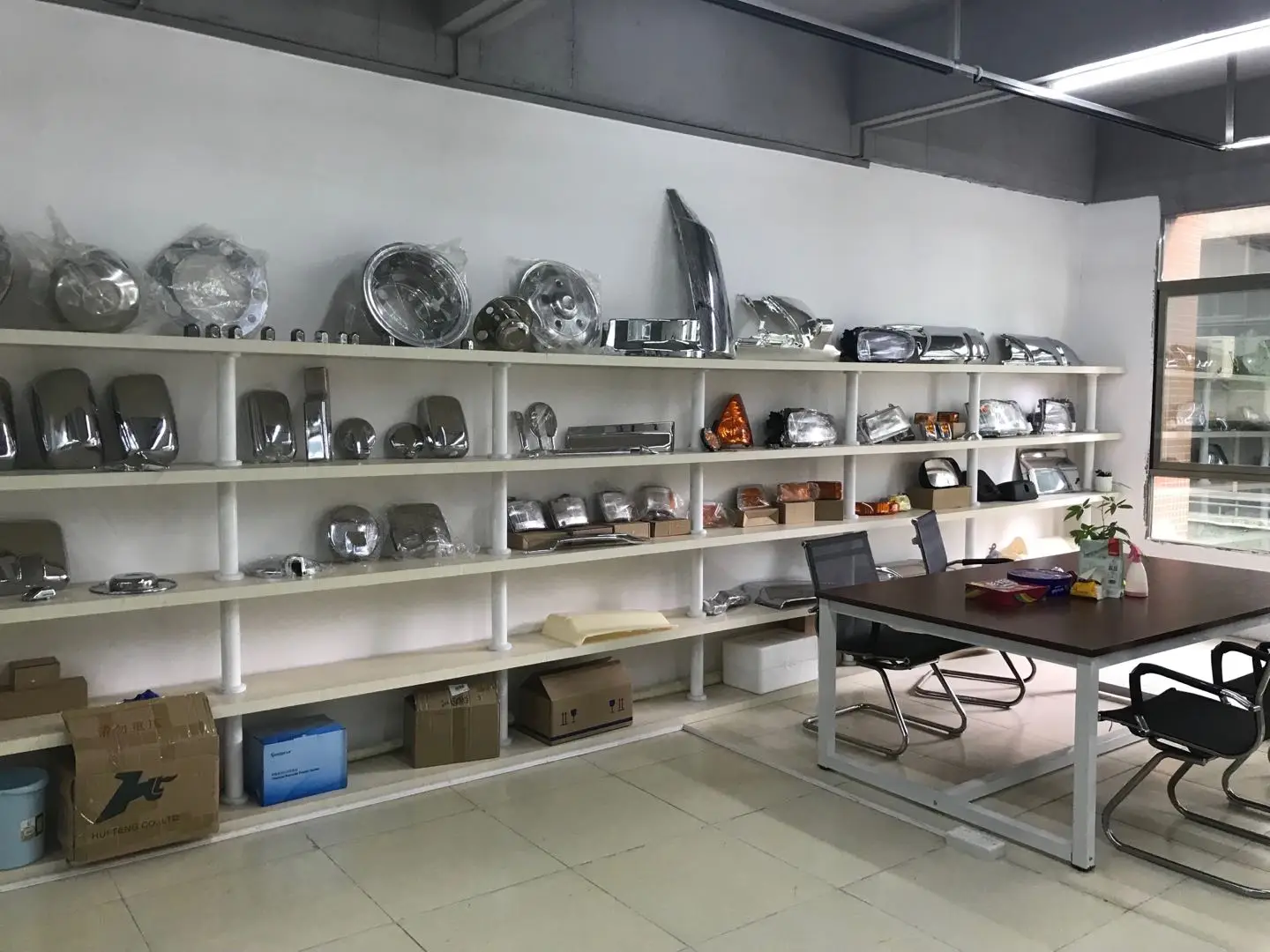
Guangzhou FdongAuto Parts Co., Ltd.
- Manufacturer, Trading Company, Distributor/Wholesaler
- Guangdong, China
- Lead time20 days
- Avg. response≤ 7h
Main productstruck parts for HINO,truck parts for Isuzu,truck parts for Fuso,truck parts for UD,truck parts for Hyundai
Main marketsSouth America(27.0%), Southeast Asia(16.0%), Domestic Market(14.000000000000002%), Central America(13.0%), Eastern Asia(11.0%), Oceania(9.0%), South Asia(6.0%), North America(4.0%)
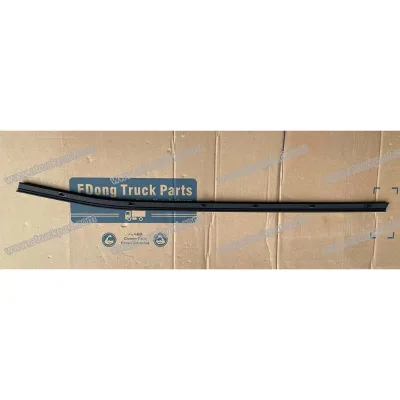
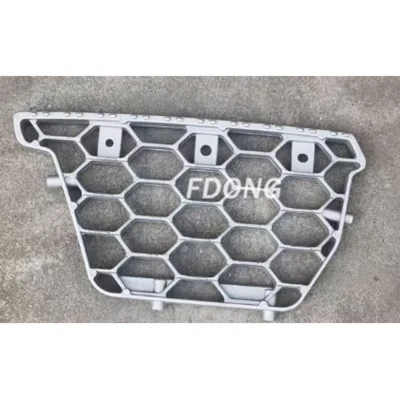
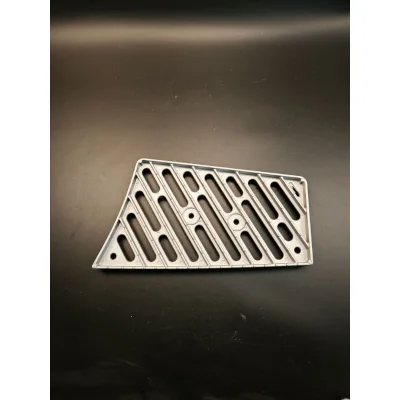
ALLOY STEP for New Hino 500 Truck Body Spare Parts
Contact supplier
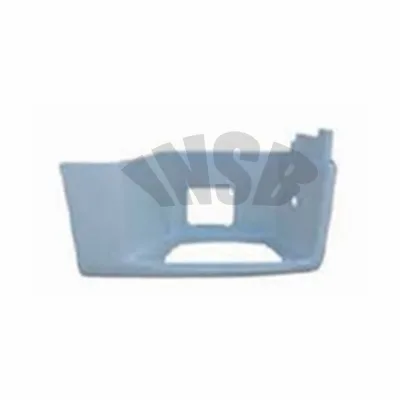
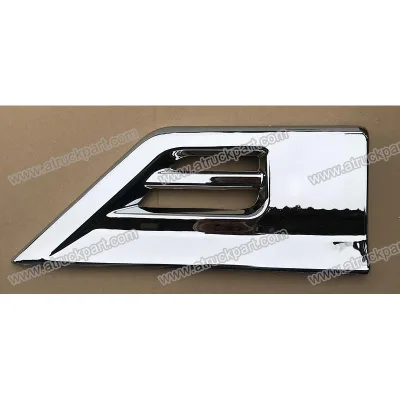
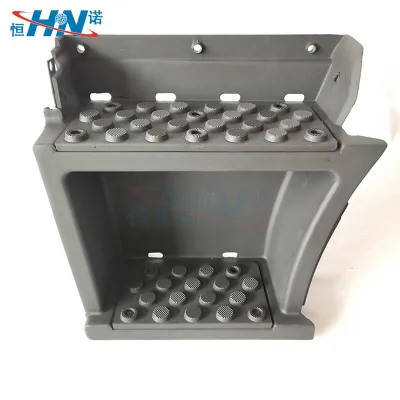
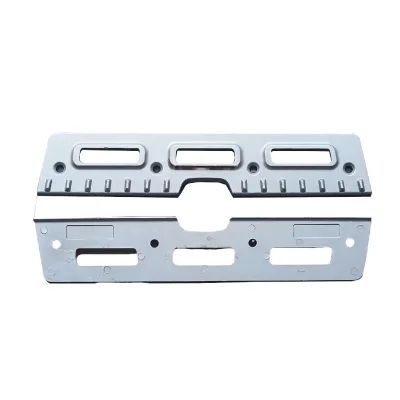
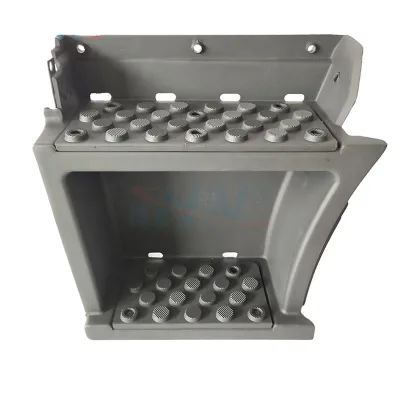
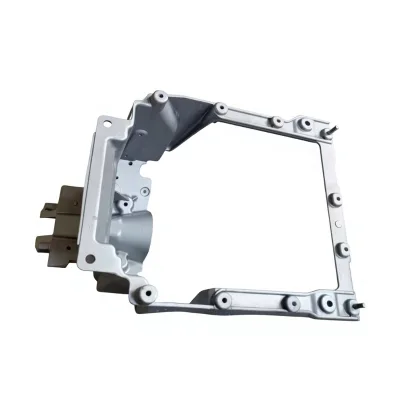
81615100374 81615100752 MAN TGA XXL Step Housing FOOT STEP
Contact supplier
Wenzhou Naqin Auto Parts Co., Ltd.
- Trading Company
- Zhejiang, China
- Lead time45 days
- Avg. response≤ 2h
Main productsBrake Pad/Brake Shoes/Brake Disc, Ball Joint/Linkage/Rack End/Tie Rod/Suspension Bushing, Universal Joint
Main marketsAfrica(40.0%), Mid East(23.0%), South America(20.0%), South Asia(5.0%), Eastern Europe(5.0%), Southeast Asia(5.0%), North America(2.0%)
Jiangsu Geling Auto Parts Co., Ltd.
- Verified by SGS Group
- Manufacturer, Trading Company
- Lead time30 days
Main productsAuto Lamp, Auto Mirror/Grille/Bumper/Dashboard/Steel And Plastic Body Parts
Main marketsMid East(30%), South America(20%), Southeast Asia(16%)

Changzhou Super Auto Parts Co., Ltd.
- Verified by CTI
- Combined
- China Jiangsu
- Lead time30 days
- Avg. response≤ 5h
Main productsAuto Lamp, Auto Mirror, Auto Parts, Bus Lamp, Bus Mirror, Bus Parts, Truck Light, Truck Mirror, Truck Parts, Bus Light
Main marketsSouth America,Southeast Asia/ Mideast,Europe,Australia

Suzhou Aroliss Auto Parts Co., Ltd.
- Manufacturer/Factory
- China Jiangsu
- Lead time60 days
- Avg. response≤ 10h
Main productsTrailer Part, Traile Hinge, Trailer Lock, Hinge, Lock, Trailer Body Parts, Stainless Steel Hinge, Trailer Door Hinge, Trailer Curtain Roller, Spring Bolt
Main marketsSouth America,Eastern Europe,Mid East,North America,Southeast Asia,Eastern Asia,Oceania,Western Europe,Africa

- Verified by BV
- Combined
- China Zhejiang
- Lead time30 days
- Avg. response≤ 13h
Main productsEuropean Truck Parts, Truck Oil Sump, Truck Adblue Tank, Truck Cabin Stabilizer, Truck Towing Hook
Main marketsDomestic
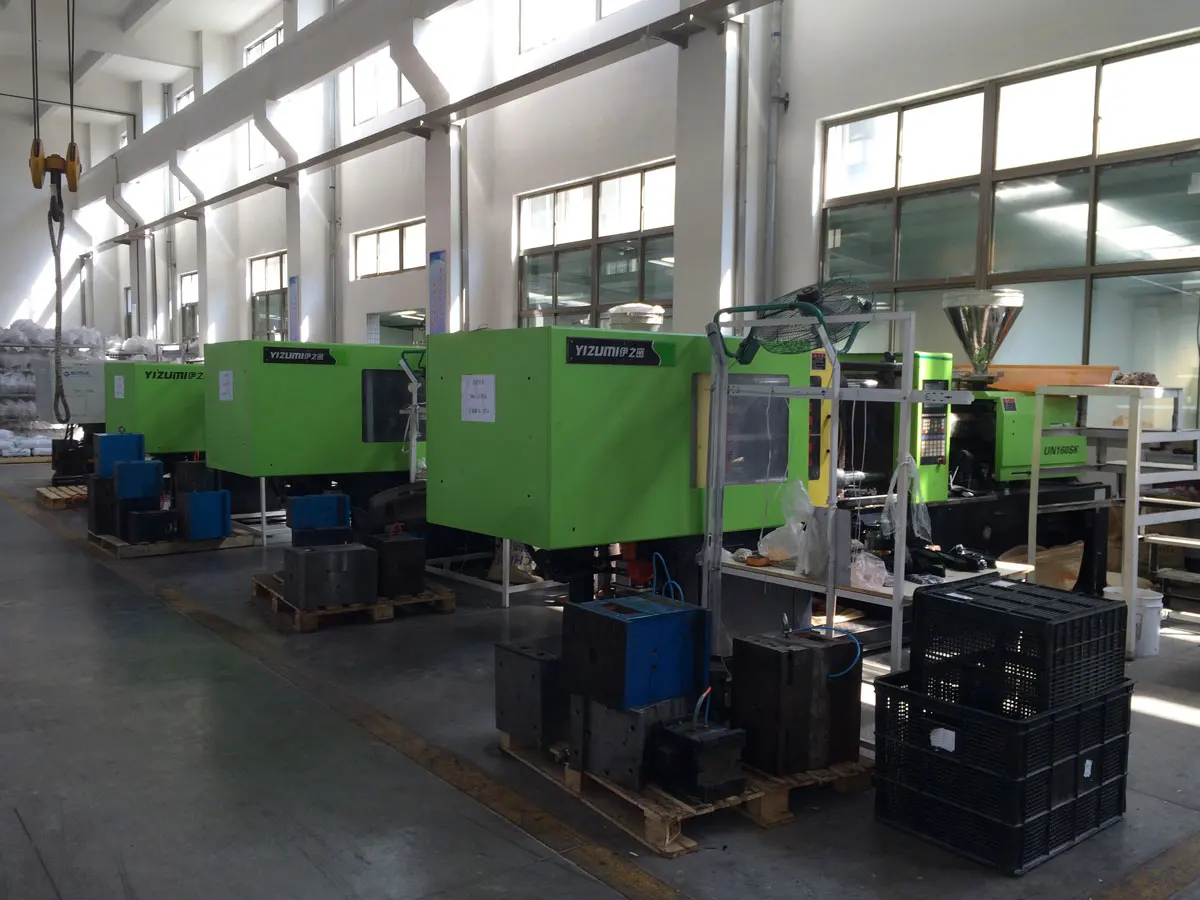
Danyang Hana Auto Parts Co., Ltd.
- Manufacturer, Trading Company
- Jiangsu, China
- Lead time30 days
- Avg. response≤ 5h
Main productsTruck body parts,bus parts,truck lamps,led lamp,trailer light
Main marketsSouth America(15.0%), Domestic Market(13.0%), Eastern Europe(12.0%), Oceania(10.0%), Africa(10.0%), Northern Europe(8.0%), Western Europe(8.0%), Southern Europe(8.0%), Mid East(8.0%), South Asia(3.0%), Southeast Asia(3.0%), Eastern Asia(2.0%)

Guangzhou FDong Auto Parts Co., Ltd.
- Verified by SGS
- Trading Company
- China Guangdong
- Lead time15 days
- Avg. response≤ 12h
Main productsTrailer Part
Main marketsSouth America,Southeast Asia/ Mideast,East Asia(Japan/ South Korea),Europe,Australia

- Trading Company
- Taiwan, China
- Lead time40 days
- Avg. response≤ 13h
Main productsEngine Parts,Transmission Parts,Differential Assay & Parts,Suspension Parts,Chassis Parts
Main marketsEastern Europe(20.0%), North America(20.0%), Southeast Asia(15.0%), Africa(15.0%), South America(10.0%), Mid East(7.000000000000001%), South Asia(5.0%), Oceania(5.0%), Eastern Asia(3.0%)
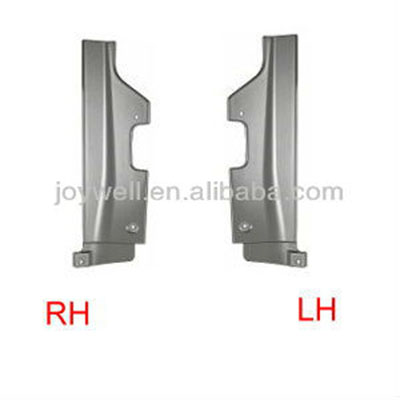
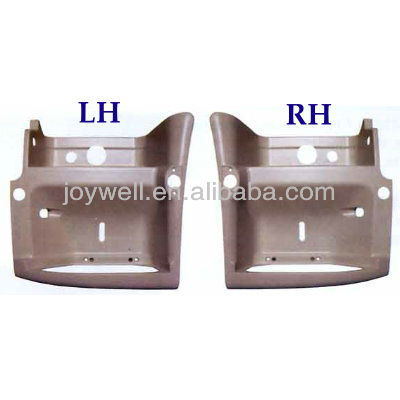
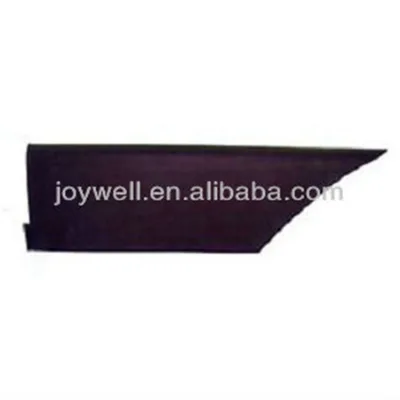
Left Outer Door Garnish for FU-SO Light Truck Body Parts Model MC142059 Year 2 96'
$5.10 - $306.77
Moq: 100
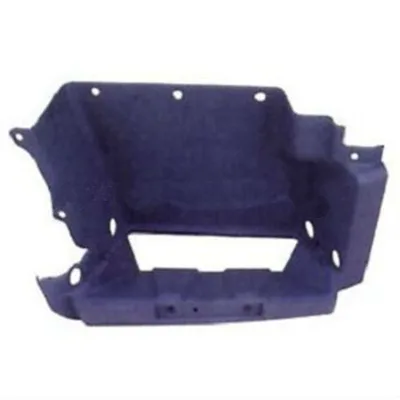
GARNISH Step RH MC932371 for MITSU-BISHI FU-SO Medium Truck Body Parts JMC Brand JMFI94009
$5.10 - $306.77
Moq: 100
Shandong Disam Machinery Co., Ltd.
- Trading Company
- Shandong, China
- Lead time0 days
- Avg. response≤ 3h
Main productstransmission case,Loader accessories
Main marketsDomestic Market(10.0%), Africa(10.0%), Southeast Asia(10.0%), Eastern Europe(10.0%), Northern Europe(10.0%), North America(10.0%), Oceania(5.0%), South Asia(5.0%), Southern Europe(5.0%), South America(5.0%), Central America(5.0%), Western Europe(5.0%), Eastern Asia(5.0%), Mid East(5.0%)
JIAXING GANLAND AUTO PARTS CO., LTD
- Manufacturer, Trading Company
- Zhejiang, China
- Lead time20 days
- Avg. response≤ 2h
Main productsSide Curtain Truck Parts,Cargo Control Series,Door Locking Gear,Truck Door Hinges,Toolbox Locks
Main marketsEastern Asia(100.0%), Domestic Market(25.0%), South America(10.0%), North America(10.0%), Central America(10.0%), Western Europe(10.0%), Southern Europe(5.0%), Mid East(5.0%), Northern Europe(5.0%), Africa(5.0%), Eastern Europe(5.0%)

Changzhou Xinder-Tech Electronics Co., Ltd.
- Verified by SGS
- Combined
- China Jiangsu
- Lead time30 days
- Avg. response≤ 4h
Main productsWheelchair Lift, Electric Wheelchair Ramp, Hydraulic Scissor Lift, Manual Wheelchair Ramps, Electric Steps, Electric Folding Steps, Manual Folding Steps, Wheelchair Restraint System, Manual Driveing System, Seat Fixing System
Main marketsSoutheast Asia/ Mideast,East Asia(Japan/ South Korea)

Shandong Welle Vehicle & Parts Co., Ltd.
- Verified by TUVRHEINLAND
- Combined
- China Shandong
- Lead time15 days
- Avg. response≤ 3h
Main productsTruck Parts, Chinese Truck Parts, Sinotruk Parts, HOWO Parts
Main marketsSouth America
Ruian Wintop International Trade Co., Ltd.
- Trading Company
- Zhejiang, China
- Lead time30 days
- Avg. response≤ 3h
Main productsTruck Body Parts, Sensor, Filters, Suspension Parts, Engine Parts
Main marketsMid East(30.0%), South America(20.0%), Africa(20.0%), North America(10.0%), Eastern Europe(10.0%), Southeast Asia(10.0%)
Huangyan Xinqian Yingjia Metal Product Factory
- Verified by SGS
- Combined
- China Zhejiang
- Lead time23 days
- Avg. response≤ 4h
Main productsTruck Body Parts, Trailer Parts, Door Hinge, Door Retainer/Holder, Door Locking Gear, Toolbox Lock, Toggle Latch, Refrigerator Truck Parts
Main marketsSouth America,Africa,Southeast Asia/ Mideast,East Asia(Japan/ South Korea),Europe,Australia,North America

Ningbo Tower Machinery Co., Ltd
- Verified by TUVRHEINLAND
- Manufacturer/Factory
- China Zhejiang
- Lead time30 days
- Avg. response≤ 7h
Main productsSheet Metal Fabrication, CNC Machining Parts, Laser Cutting Parts, Tube Bending Parts, Welding Parts, Stamping Parts, Bus Seat, Trailer Jack, Electric Winch, Wheel Spacer
Main marketsSouth America,Eastern Europe,Mid East,North America,Southeast Asia,Eastern Asia,Oceania,Western Europe,Africa
Danyang Jiayi Automotive Technology Co., Ltd.
- Manufacturer, Trading Company
- Jiangsu, China
- Lead time14 days
- Avg. response≤ 3h
Main productsCar rearview mirror bracket,Automobile aluminum pedals,Die-cast aluminum products,Customized production based on samples,Aluminum Truck Parts
Main marketsDomestic Market(30.0%), Mid East(20.0%), Eastern Asia(15.0%), Southeast Asia(15.0%), Africa(10.0%), South America(3.0%), South Asia(2.0%), Northern Europe(2.0%), Central America(2.0%), North America(1.0%)
Guangzhou Bisitai Auto Accessories Co., Ltd.
- Manufacturer
- Guangdong, China
- Lead time30 days
- Avg. response≤ 17h
Main products4x4 Fender Flares,4x4 Roof trays,4x4 Grilles,4x4 Bumpers,Pickup Trucks Accessories
Main marketsNorth America(80.0%), Northern Europe(10.0%), Mid East(10.0%)
Huangyan Xinqian Yingjia Metal Product Factory
- Manufacturer
- Zhejiang, China
- Lead time45 days
- Avg. response≤ 1h
Main productsTrailer hinges,trailer locking gear,lashing rings,spring latches,trailer body parts
Main marketsDomestic Market(30.0%), Mid East(15.0%), Central America(12.0%), North America(10.0%), Africa(8.0%), Southeast Asia(8.0%), Eastern Asia(5.0%), Northern Europe(5.0%), Eastern Europe(5.0%)
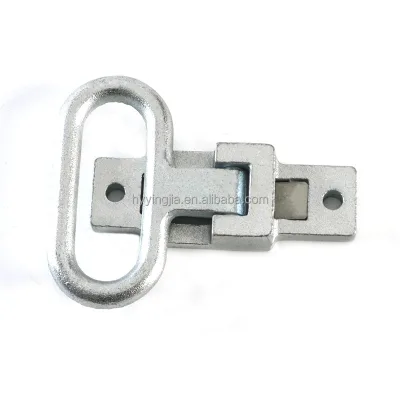
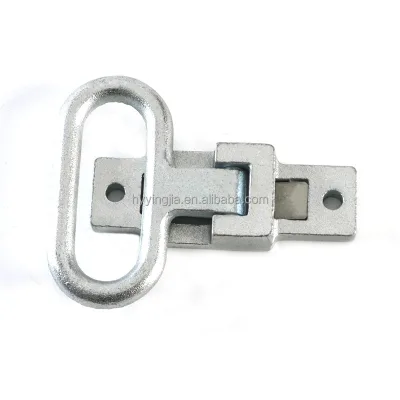
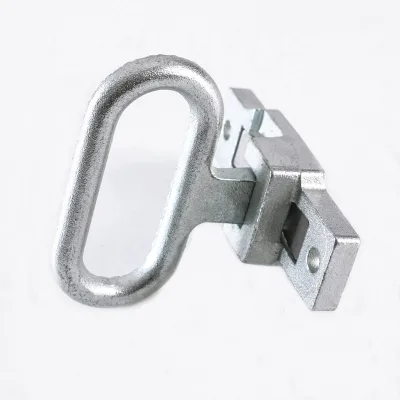
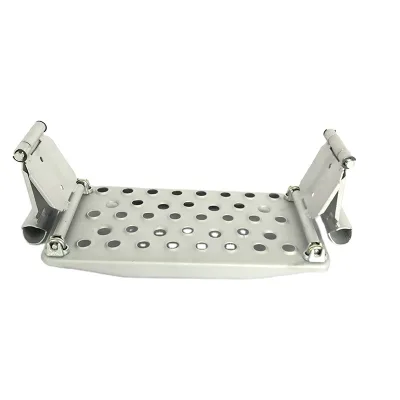
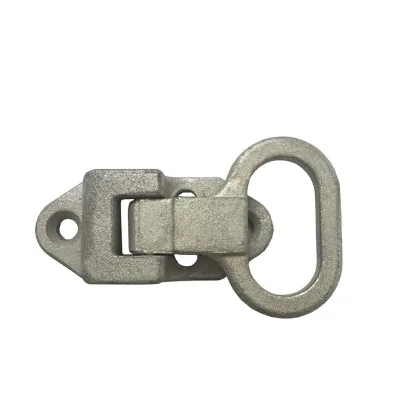
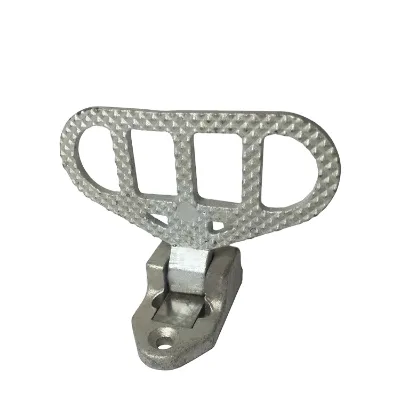
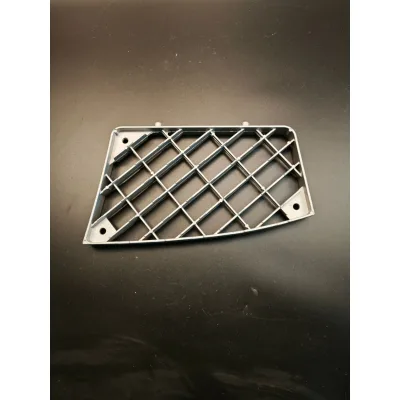
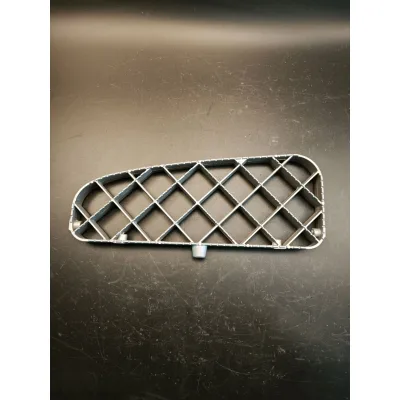
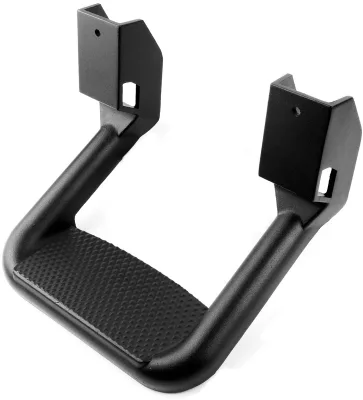
Van Truck Body Parts Steel Folding Foot Step
Contact supplier


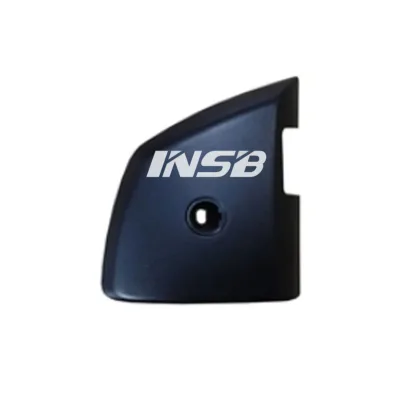
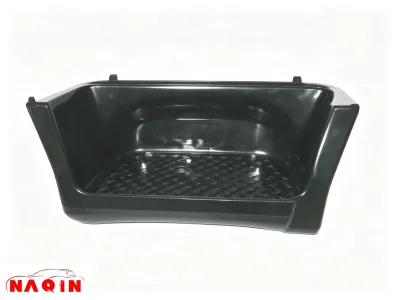
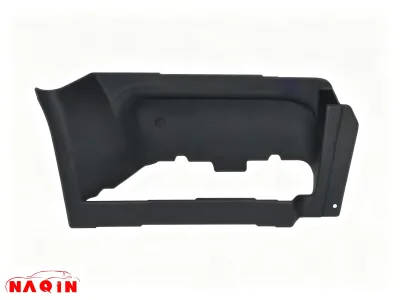
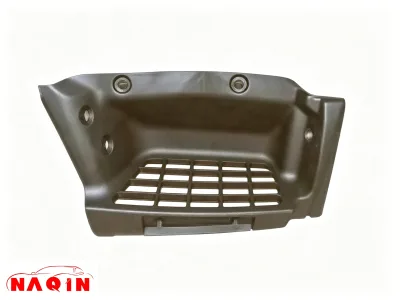








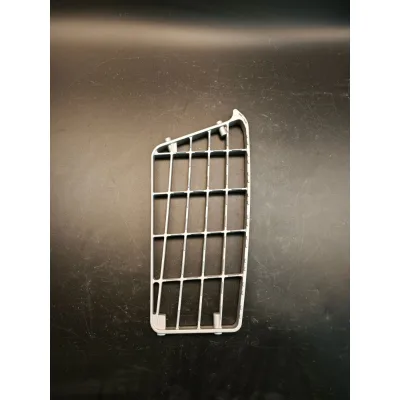
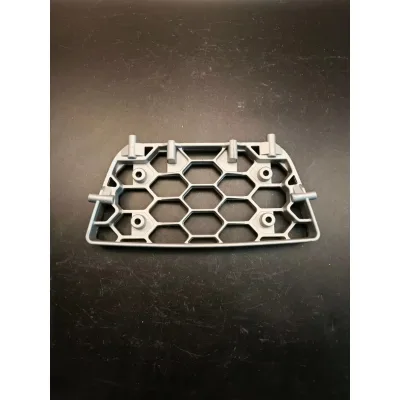
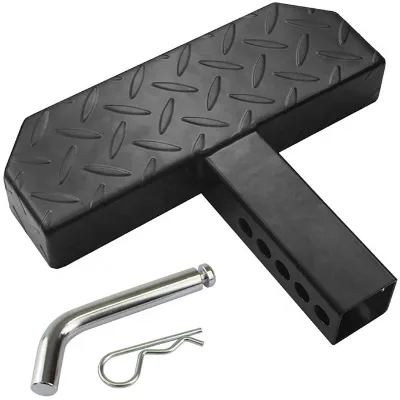
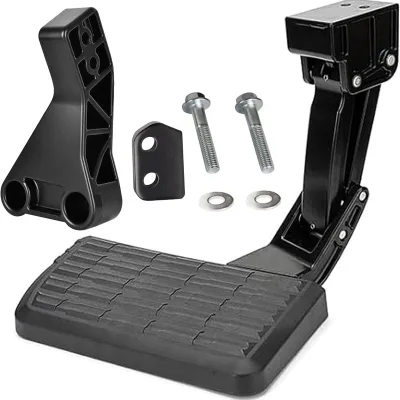
Comprehensive Sourcing Guide
Truck Step Garnish Supplier Concentration and Factory Types
Current data indicates a concentration of suppliers in Jiangsu and Guangdong provinces, with specific product origins noted in Yangzhou and Danyang. These regions host a mix of combined entities and trading companies that specialize in vehicle parts and accessories. Some suppliers list main products including building supplies, auto accessories, and specific truck body components like ladders and tool boxes, while others focus strictly on filters, brake valves, and truck body parts. The presence of ODM capabilities suggests that some facilities in these clusters can handle custom design requests, though this varies by entity. Buyers should verify if a supplier's primary focus aligns with their specific needs, as some operate as trading companies while others function as manufacturers.
When assessing factory types, it is crucial to distinguish between combined companies and pure manufacturers or trading firms. The available records show company types ranging from combined structures to dedicated trading companies, each offering different value propositions. A combined entity might offer broader product lines, whereas a trading company may provide access to a wider network of factories. Buyers must confirm the actual manufacturing capability rather than assuming all listed suppliers produce the goods in-house. The distinction impacts quality control, customization flexibility, and direct communication channels. Always request proof of the specific factory type before committing to a partnership, as this determines the depth of technical support available for complex Truck Step Garnish projects.
How to Verify Truck Step Garnish Suppliers
Verification begins with checking response times and lead times, which serve as immediate indicators of operational efficiency. Data shows response times varying significantly, with some suppliers responding in under ten hours while others take over twenty hours. Lead times also differ, ranging from fifteen days to forty-five days depending on the supplier and order complexity. A supplier with a seven-hour response time and a fifteen-day lead time may offer faster turnaround than one with a twenty-one-hour response and a forty-five-day lead. Buyers should prioritize suppliers who demonstrate consistent, rapid communication and realistic delivery schedules. These metrics are critical for maintaining supply chain stability and meeting project deadlines without unnecessary delays.
Beyond speed, buyers must validate product attributes and certifications against their specific requirements. Product evidence reveals materials such as aluminum and metal, with standards like CE certification listed for certain items. Customization availability is another key verification point, as some products explicitly state customization is available while others do not. Buyers should cross-reference the stated material, model numbers, and origin details with their own specifications to ensure compatibility. For instance, a product originating from Yangzhou may have different logistical implications than one from Guangdong. Always request detailed product specifications and certification documents to confirm that the supplier can meet the exact technical and regulatory standards required for the intended application.
What to Compare Across Truck Step Garnish Suppliers
Comparing suppliers requires a systematic evaluation of minimum order quantities, pricing structures, and product specifications. Available data indicates MOQs ranging from ten to one hundred units, with prices varying from approximately six dollars to sixty dollars per unit depending on the specific item and material. Some listings show a price of zero dollars, which likely represents a placeholder or requires further clarification, while others list concrete figures like twenty-two dollars or twelve dollars. Buyers must analyze these price points in the context of the MOQ to determine the true cost per unit. A lower MOQ might be preferable for testing, while a higher volume order could unlock better pricing tiers. Understanding these variables is essential for accurate budgeting and inventory planning.
In addition to cost and volume, buyers should compare the scope of main products and the specific application of the garnish. Suppliers may specialize in different truck models, such as Isuzu Elf, Nissan UD Quon, or Scania G380, with specific part numbers and fitment details. One supplier might offer chrome door garnishes for Japanese trucks, while another focuses on aluminum folding steps for general truck bodies. The fitment details, such as "for Elf Npr 700P" or "for UD QUON 2007," are critical for ensuring compatibility. Buyers should create a comparison matrix that includes these fitment details, material types, and warranty terms. This approach ensures that the selected supplier can provide the exact components needed for the specific truck models in the buyer's fleet, reducing the risk of returns or installation issues.
Common Truck Step Garnish Sourcing Risks
One significant risk involves the discrepancy between advertised product attributes and actual delivery. While product evidence lists materials like aluminum and metal, and standards like CE, there is a risk that the physical goods may not match these descriptions upon arrival. Buyers must verify that the material composition and finish match the samples provided. For example, a product described as "Same as the original" material may differ in quality or durability compared to the genuine part. It is essential to request physical samples before placing large orders to confirm that the material quality and finish meet expectations. This step mitigates the risk of receiving substandard components that could compromise vehicle safety or aesthetics.
Another risk is the variability in lead times and the potential for supply chain disruptions. Lead times in the data range from fifteen to forty-five days, and delays can occur due to production bottlenecks or logistical issues. A supplier with a short lead time might struggle to maintain that speed during peak seasons. Buyers should assess the supplier's capacity to handle volume spikes and their contingency plans for delays. Additionally, the lack of a standardized warranty or quality guarantee across all listings poses a risk. Some suppliers offer a one-year warranty, while others do not specify terms. Buyers must clarify warranty conditions and quality assurance protocols to ensure they have recourse if the products fail to perform as expected.
Truck Step Garnish Regional Sourcing and Logistics
Sourcing from Jiangsu and Guangdong offers distinct logistical advantages and challenges. Suppliers in these regions often have established shipping networks, but the specific origin city, such as Yangzhou or Danyang, can impact transit times and costs. Products originating from Yangzhou may have different shipping routes compared to those from Danyang or other parts of Guangdong. Buyers should calculate the total landed cost, including freight, insurance, and customs duties, based on the specific origin of the goods. Understanding the regional logistics landscape helps in selecting suppliers that can deliver efficiently to the buyer's location. It also allows for better planning of inventory levels to account for potential shipping delays.
Logistics planning must also consider the packaging standards and handling requirements of the specific products. Product evidence indicates "Factory Standard Packing" for many items, but this may vary in robustness depending on the supplier. Fragile components like chrome garnishes require careful handling to prevent damage during transit. Buyers should verify the packaging details and ensure that the supplier uses protective measures suitable for the product type. Additionally, the distance between the supplier's location and the destination port or warehouse affects the overall lead time. Buyers should work with suppliers who have experience in exporting similar goods to their region to ensure smooth logistics execution and minimize the risk of damage or loss during shipping.
Truck Step Garnish Commercial Terms and Order Planning
Commercial terms such as payment methods, escrow usage, and contract specifics are vital for securing a successful transaction. While the provided data does not explicitly detail escrow availability, buyers should inquire about secure payment options to protect their investment. Establishing clear terms regarding payment schedules, deposit requirements, and final payment conditions is essential. Buyers should also clarify the warranty terms, as some suppliers offer a one-year warranty while others may not. Understanding these commercial terms helps in managing financial risk and ensuring that the supplier is committed to product quality and customer satisfaction. Clear communication of these terms prevents misunderstandings and disputes later in the order process.
Order planning should account for the minimum order quantities and the potential for customization. With MOQs ranging from ten to one hundred units, buyers need to balance inventory costs with the need for sufficient stock. Customization availability is another factor, as some suppliers offer tailored solutions while others sell standard items. Buyers should plan their orders to align with their production schedules and sales forecasts, ensuring they have enough stock to meet demand without overstocking. Additionally, buyers should consider the lead times when placing orders, especially if they have tight deadlines. A well-planned order strategy that considers these variables ensures a smooth procurement process and minimizes the risk of stockouts or excess inventory.
FAQs
What materials are used for truck step garnishes?
Truck step garnishes are commonly made from aluminium or metal to ensure durability and resistance to corrosion. Some products feature a diamond deck-span tread for added safety. Buyers should verify the specific material composition listed in product attributes before placing an order.
What is the typical lead time for these parts?
Lead times vary significantly between suppliers, ranging from 15 days to 45 days depending on the manufacturer. Some suppliers in Guangdong offer faster turnaround times of 15 days, while others in Jiangsu may require up to 45 days for production and shipping.
Are customization options available for truck steps?
Yes, customization is available for many truck step models, allowing buyers to specify dimensions or finishes. Products like folding steps often list customization as an available option. Buyers must confirm specific requirements with the supplier to ensure the final product meets their needs.
What is the minimum order quantity for these items?
Minimum order quantities typically range from 10 to 100 units depending on the specific product and supplier. Some chrome door garnishes require only 10 units, while aluminium steps may have a minimum of 100 units. Always check the specific MOQ listed for the item.
Which truck models are compatible with these garnishes?
These garnishes are designed for various models including Isuzu Elf, Nissan UD Quon, and Scania trucks. Specific fitment details like NQR 600P or UD QUON 2007 are often listed in product attributes. Verify the model number to ensure compatibility before purchasing.
Do these products come with a warranty?
Some suppliers offer a one-year warranty on truck body parts like chrome garnishes. This warranty typically covers defects in materials or workmanship. Buyers should confirm the warranty terms directly with the supplier as coverage may vary between different product listings.
Where are these truck parts manufactured?
Manufacturing locations include Jiangsu and Guangdong provinces in China. Specific origins like Yangzhou or Danyang are often noted in product attributes. Buyers can filter results by location to find suppliers in their preferred region for logistics or quality assurance purposes.