USB Volcanic Flame Humidifier Suppliers and Manufacturers
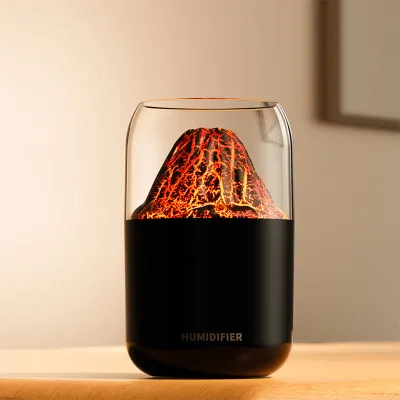
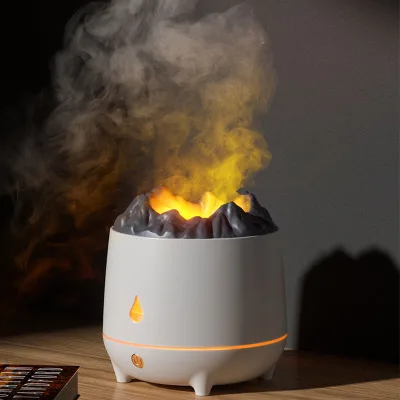
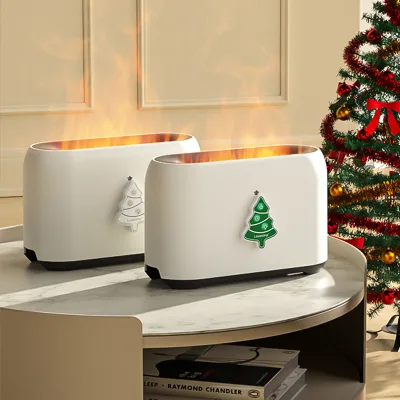
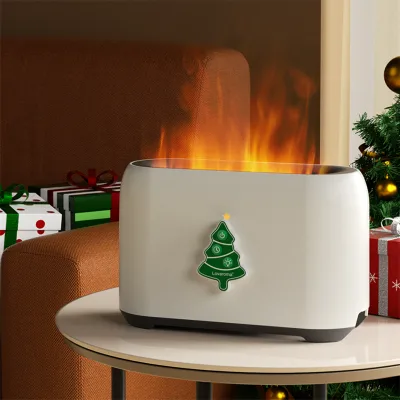
Explore 28 verified options for USB Volcanic Flame Humidifier from Guangdong and Zhejiang factories. Compare response times, lead times, certifications like ISO and CE, and pricing ranges to find the right partner. Contact suppliers directly to request samples and confirm customization details.
Updated
Suppliers List

Shenzhen HY Electronic Technology Co., Ltd.
- Verified by SGS
- Manufacturer/Factory
- China Guangdong
- Lead time23 days
- Avg. response≤ 4h
Main productsAroma Diffuser, Humidifier, Essential Oil Diffuser, Essential Oil, Flame Humidifier, Atomizing Diffuser, Scent Oil, Aromatherapy Oils, Fragrance Oils, Waterless Diffuser
Main marketsSouth America,Eastern Europe,Mid East,North America,Southeast Asia,Eastern Asia,Oceania,Western Europe,Africa


$14.50 - $17.00
MOQ: 1 Pieces

$6.80 - $8.50
MOQ: 1 Pieces


Volcanic Flame Aroma Diffuse Simulation Flame Air Humidifier Aroma Diffuser with Remote Control
$9.00 - $11.20
MOQ: 1 Pieces

- Verified by SGS
- Trading Company
- China Zhejiang
- Lead time15 days
- Avg. response≤ 10h
Main productsFan, Heater Fan, Air Fryer, Toaster, Rice Cooker, Vacuum Cleaner, Coffee Machine, Hairdressing Appliance, Electric Toothbrush, Steam Iron
Main marketsEurope,Australia


Creative Campfire Flame Diffuser - USB Color-Changing Mood Light Aroma Humidifier Diffuser
$7.29 - $8.14
MOQ: 130 Pieces

Shenzhen Lafulaifu Electronics Co., Ltd.
- Verified by TüVRheinland
- Manufacturer, Trading Company
- Lead time0 days
- Avg. response≤ 2h
Main productsTimer, Aroma Diffuser, Humidifier, Fan
Main marketsNorth America(40%), South America(20%), Eastern Europe(5%)

Shenzhen Dexinyang Smart Technology Co., Ltd.
- Manufacturer, Distributor/Wholesaler
- Guangdong, China
- Lead time15 days
- Avg. response≤ 12h
Main productsHome Appliance,Household Products
Main marketsWestern Europe(40.00%), Southeast Asia(30.00%), North America(20.00%), Oceania(10.00%)

NINGBO HAISHU HOPE-U INTERNATIONAL TRADING CO., LTD.
- Manufacturer/Factory
- China Zhejiang
- Lead time45 days
- Avg. response≤ 25h
Main productsGift, Beauty Device, Bluetooth Speaker, Skin Care, Cosmetics, Promotional Products, Camping Lamp, Fan, Keyboard and Mouse, Humidifier
Main marketsSouth America,Eastern Europe,North America,Southeast Asia,Western Europe


Volcano Aroma Machine Flame Household Air Humidifier with Colorful Atmosphere Lamp
$3.63 - $4.60
MOQ: 2 Pieces


Huizhou Hongxin Technology Co., Ltd.
- Manufacturer, Trading Company
- Guangdong, China
- Lead time15 days
- Avg. response≤ 4h
Main productsHumidifier,Aroma Diffuser,Small Fan,Fragrance Machine,Wax Melting Lamp
Main marketsWestern Europe(35.00%), North America(25.00%), Eastern Europe(11.00%), Oceania(5.00%), Africa(5.00%), Southeast Asia(5.00%), Southern Europe(3.00%), Northern Europe(2.00%), Domestic Market(2.00%), Central America(2.00%), South America(2.00%), South Asia(1.00%), Eastern Asia(1.00%), Mid East(1.00%)
- Manufacturer, Trading Company
- Guangdong, China
- Lead time30 days
- Avg. response≤ 7h
Main productsAroma Diffusers,Aroma humidifier,Aromatherapy diffusers,Essential oil diffusers,Oil Diffusers
Main marketsWestern Europe(26.10%), Northern Europe(23.80%), Eastern Asia(14.90%), North America(10.80%), South America(9.50%), Oceania(7.70%), Domestic Market(4.40%), Africa(1.70%), Southeast Asia(1.10%)
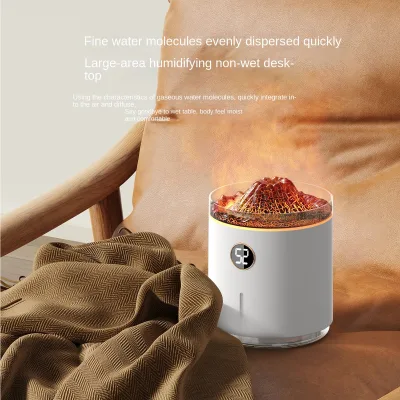
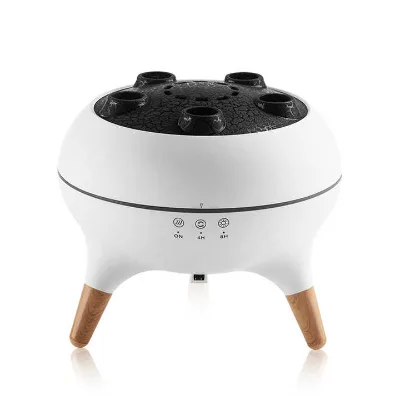
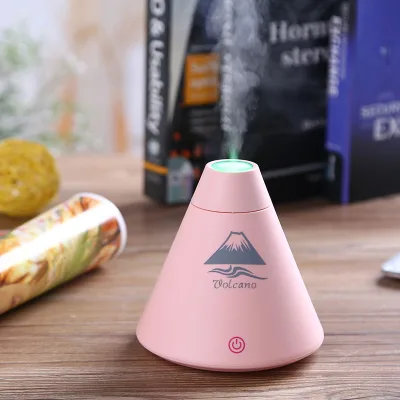
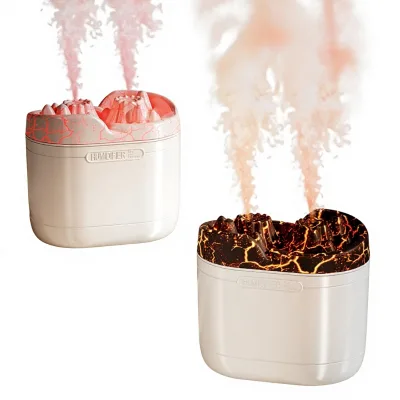
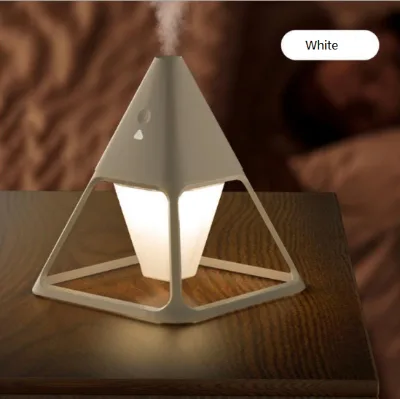
160ml Volcano Ultrasonic USB Humidifier with Colorful Light Auto-off Function Gift Packaging Box
$6.362 - $7.1829
MOQ: 2 pieces

Ningbo Flow Technology Co., Ltd.
- Verified by SGS
- Trading Company,Manufacturer/Factory
- China Zhejiang
- Lead time15 days
- Avg. response≤ 1h
Main productsAroma Diffuser, Essential Oil Diffuser, Scent Diffuser, Air Humidifier, Electric Incense Burner, Car Incense Burner, Fragrance Diffuser, Car Aroma Diffuser, Light Industry Daily Necessities, Air Purifier
Main marketsSouth America,Eastern Europe,Mid East,North America,Western Europe,Africa

Carbon Fire Humidifier Mini Mute Fog Flame Humidifier USB Smart Bonfire Humidifier for Living Room
$1.88 - $3.92
MOQ: 20 Pieces

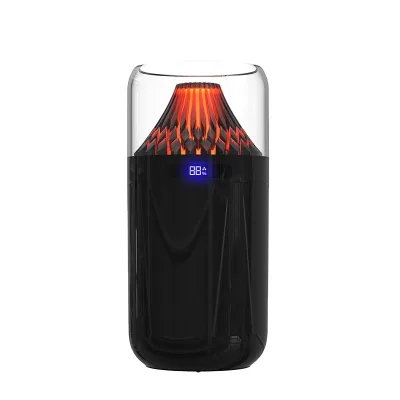
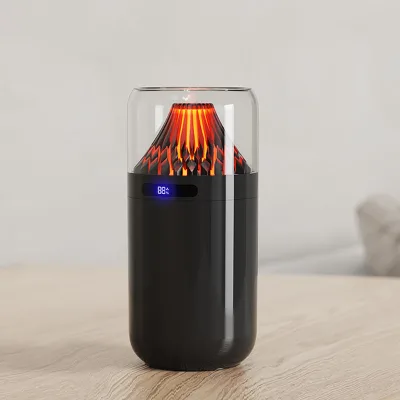
Factory Price 300ml Ultrasonic Volcano Air Humidifier Volcanic Portable Mini Humidifier for Bedroom
$1.88 - $3.28
MOQ: 20 Pieces


Foshan Happy Star Electronics Co., Ltd.
- Manufacturer
- Guangdong, China
- Lead time3 days
- Avg. response≤ 6h
Main productsSmall Household appliance,Camping Cookware,Outdoor activities
Main marketsNorth America(30.00%), Western Europe(10.00%), Northern Europe(10.00%), Eastern Europe(10.00%), South America(10.00%), Central America(5.00%), South Asia(5.00%), Eastern Asia(5.00%), Southern Europe(5.00%), Oceania(5.00%), Southeast Asia(3.00%), Africa(1.00%), Mid East(1.00%)
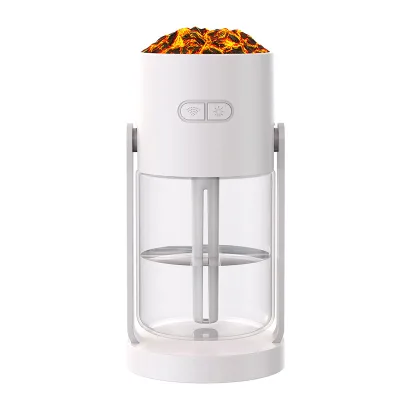
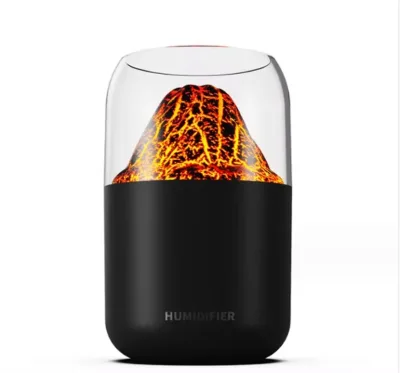
$2.5661 - $3.5922
MOQ: 5 pieces
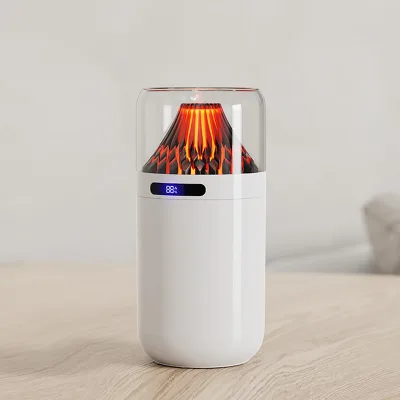
Yiwu Bukhoont Technology Co., Ltd.
- Trading Company
- Zhejiang, China
- Lead time15 days
- Avg. response≤ 1h
Main productsIncense Burner,Hair Straightener,humidifier,Fan/Mini Fan,Hair Trimmer
Main marketsMid East(80.00%), Northern Europe(5.00%), Western Europe(5.00%), North America(5.00%), Eastern Europe(5.00%)

- Verified by BV
- Trading Company
- China Zhejiang
- Lead time30 days
- Avg. response≤ 7h
Main productsElectric Kettle, Massager, Hair Dryer, Heater, Electric Grill, Humidifier, Hair Straightener, Mixer, Beauty Instrument, Electronics
Main marketsAfrica,Southeast Asia/ Mideast,Europe,North America

Ningbo General Union Co., Ltd.
- Trading Company
- China Zhejiang
- Lead time23 days
- Avg. response≤ 12h
Main productsTable Lamp, Heat Press Machine, Home Appliance, Alarm Clock, Fans, Night Light, Solar Light, Kitchen Appliance, Pet Product, Sport Equipment
Main marketsSouth America,Eastern Europe,Mid East,North America,Southeast Asia,Eastern Asia,Oceania,Western Europe,Africa


Wholesale Ultrasonic USB Humidifier Diffuser Manufacturer Mist Maker Mini Humidifier
$2.70 - $3.32
MOQ: 200 Pieces

Guangdong Rechargeable Cool Humidifier Diffuser Volcano Ultrasonic Mini Humidifier
$5.45 - $6.06
MOQ: 100 Pieces


Ultrasonic Air Humidifier USB Portable Water Bottle Humidifier with Night Light
$6.74 - $7.34
MOQ: 100 Pieces
Guangzhou Taoxiansheng International Trade Co., Ltd.
- Trading Company
- Guangdong, China
- Lead time0 days
- Avg. response≤ 2h
Main productsEarphone,mini speaker,wireless charger,humidifier,USB cable
Main marketsSouth America(40.00%), Mid East(15.00%), North America(15.00%), Southern Europe(10.00%), Western Europe(10.00%), Eastern Europe(10.00%)

Shenzhen Vissko Technology Co., Ltd.
- Verified by SGS
- Combined
- China Guangdong
- Lead time15 days
- Avg. response≤ 18h
Main productsAroma Diffuser, Humidifier, Fan, Handheld Fan, Vehicle-Mounted Fan, Neck-Hanging Fan, Camping Lamp, Car Aroma Diffuser
Main marketsEast Asia(Japan/ South Korea),Domestic,Europe,North America

Ultrasonic Essential Oil Mist Humidifier Volcanic Flame Humidifier Air Diffuser
$8.20 - $8.90
MOQ: 36 Pieces


Essential Oil Humidifier Volcano Colorful Mist Aromatherapy Machine Office Mini Humidifier
$8.20 - $8.90
MOQ: 36 Pieces

Home Office Mini Humidifier Volcano Colorful Mist Aromatherapist Portable Purifier
$8.20 - $8.90
MOQ: 36 Pieces

180ml Artificial Flame Diffuser USB Desktop Purifier Seven-Color Atomizing Humidifier
$4.20 - $5.09
MOQ: 1 Pieces

$8.20 - $8.90
MOQ: 36 Pieces
Guangzhou Ideal Tech Co., Ltd.
- Verified by TüVRheinland
- Trading Company
- Lead time35 days
- Avg. response≤ 4h
Main productsHumidifier, Aroma Diffuser, Scent Diffuser, Essential Oil, Mini Fan
Main marketsWestern Europe(50%), North America(20%), Oceania(10%)
Shenzhen Chaojin Electronics Co., Ltd.
- Verified by SGS Group
- Manufacturer, Trading Company
- Lead time15 days
- Avg. response≤ 3h
Main productsAroma Diffuser, Humidifier, Essential Oil Diffuser, Smart Aroma Diffuser, Wireless Charger
Main marketsNorth America(67%), Mid East(7%), Western Europe(7%)
Shenzhen Graceland Technology Co., Ltd.
- Manufacturer, Trading Company, Distributor/Wholesaler
- Guangdong, China
- Lead time7 days
- Avg. response≤ 2h
Main productsHair brush,Facial care,Body care,Makeup tool,Clean tool
Main marketsNorth America(30.00%), Western Europe(20.00%), Mid East(10.00%), Southeast Asia(10.00%), Eastern Europe(10.00%), Domestic Market(5.00%), South Asia(5.00%), South America(5.00%), Eastern Asia(5.00%)
$2.259 - $2.6065
MOQ: 10 Minimum

Shenzhen Alyster Technolgoy Co., Ltd.
- Trading Company, Agent, Other
- Guangdong, China
- Lead time15 days
- Avg. response≤ 3h
Main productspower strip,smart switch,socket
Main marketsDomestic Market(50.00%), North America(50.00%)

Shenzhen Weitao Technology Co., Ltd.
- Manufacturer
- Guangdong, China
- Lead time5 days
- Avg. response≤ 10h
Main productsAir Humidifiers,Aroma Diffusers,Portable Fans,Creative Lamps,Electric Heater
Main marketsEastern Asia(40.00%), North America(35.00%), Western Europe(10.00%), Eastern Europe(10.00%), Southeast Asia(5.00%)
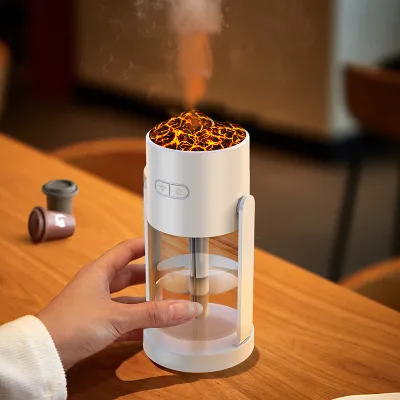
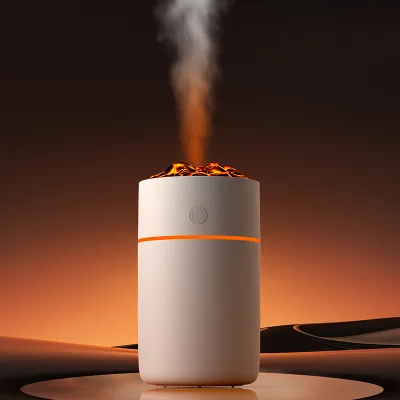
$2.0433 - $2.4522
MOQ: 20 pieces
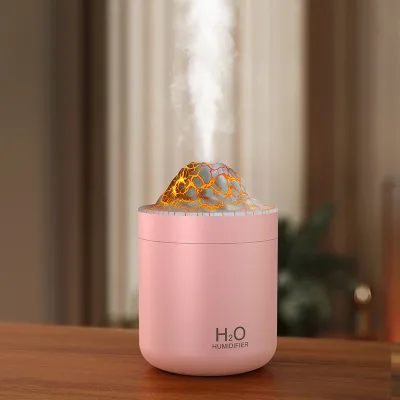
Shenzhen Kingsway Technology Co., Ltd.
- Verified by SGS Group
- Trading Company
- Lead time0 days
- Avg. response≤ 4h
Main productsAndroid TV Box, Mini Projector, TV Dongle, Mini Keyboard, Wireless WiFi Media Share Devices
Main marketsNorth America(35%), Western Europe(27%), South America(10%)
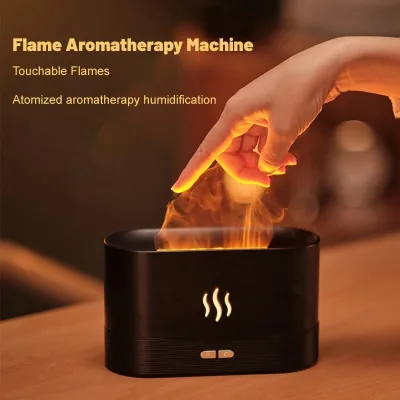
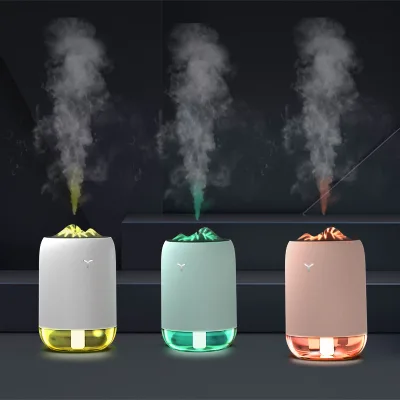
USB Ultrasonic Flame Humidifier Led Colorful Fire Flame Aroma Oil Diffuser
$3.75 - $4.49
MOQ: 10 pieces


Ningbo Brite Import and Export Co., Ltd.
- Verified by SGS
- Trading Company
- China Zhejiang
- Lead time23 days
- Avg. response≤ 1h
Main productsKettle, Safe Box, LED Lights, Hair Dryer, Weight Scale, Minibar Fridge, Coffee Maker, Garment Steamer, Cosmetic Mirror, Air Purifier
Main marketsAfrica

$15.78 - $29.89
MOQ: 1 Pieces


Quanzhou Mailuo Technology Co., Ltd.
- Verified by SGS
- Trading Company
- China Fujian
- Lead time23 days
- Avg. response≤ 7h
Main productsAir Humidifier, Electric Fan, Portable Fan
Main marketsEurope


China′ S Best 3D Flame Humidifier Aromatic Air Humidifier for The Bedroom, Office
$7.50 - $8.50
MOQ: 600 Pieces

Wenzhou Chuanmei Electronic Scienec& Technology Co., Ltd.
- Manufacturer, Trading Company
- Zhejiang, China
- Lead time0 days
- Avg. response≤ 4h
Main productsMassager,Beauty Instrument,Hair Tools; Hair Remover,Home Appliances
Main marketsEastern Asia(100.00%), Mid East(100.00%), Oceania(100.00%), South Asia(100.00%), Africa(100.00%), Central America(100.00%), South America(100.00%), Domestic Market(50.00%), North America(15.00%), Northern Europe(10.00%), Western Europe(10.00%), Southeast Asia(5.00%), Southern Europe(5.00%), Eastern Europe(5.00%)
Shenzhen Mobius Household Products Co.,ltd.
- Manufacturer, Trading Company, Agent
- Guangdong, China
- Lead time15 days
- Avg. response≤ 7h
Main productsAroma diffuser,Ultrasonic Humidifier,Air Purifier,Air cooler,Fan
Main marketsNorth America(28.00%), Eastern Europe(10.00%), Eastern Asia(10.00%), Domestic Market(8.00%), Northern Europe(8.00%), Southeast Asia(6.00%), Southern Europe(4.00%), Oceania(4.00%), South Asia(4.00%), Western Europe(4.00%), South America(4.00%), Mid East(4.00%), Africa(2.00%), Central America(2.00%)
Dongguan Yongyuan Plastic Electronic Technology Co., Ltd.
- Verified by Intertek
- Manufacturer, Trading Company
- Lead time10 days
- Avg. response≤ 1h
Main productsMini Hand Held Fan, Mini Aromatherapy Humidifier
Main marketsNorth America(40%), South America(20%), Southern Europe(15%)

Outstanding Design & Manufacture Co., Ltd.
- Verified by BV
- Combined
- China Shanghai
- Lead time30 days
- Avg. response≤ 13h
Main productsScented Candle, Reed Diffuser, Car Air Freshener, Aroma Diffuser, Incense Gift Set, Scented Sachet, Oil Burner, Fragrance Oil, Essential Oil, Fragrance Lamp
Main marketsEurope,Australia,North America
- Trading Company
- China Guangdong
- Lead time120 days
- Avg. response≤ 16h
Main productsScent Machine, Humidifier, Aroma Diffuser Machine, Fragrance, Essential Oil
Main marketsSouth America,Eastern Europe,Mid East,North America,Southeast Asia,Eastern Asia,Oceania,Western Europe

Desktop USB Large Capacity 3L Water Evaporative Air Humidifier Purifier Room Fogger Humidifier
$6.30 - $7.50
MOQ: 200 Pieces


USB Mini Humidifier Air Purifier Essential Oil Fragrance Aroma Diffuser
$11.42 - $16.97
MOQ: 200 Pieces
Henan Zlovy Enterprise Co., Ltd.
- Trading Company
- Henan, China
- Lead time1 days
- Avg. response≤ 8h
Main productsCoffee Pot,Coffee Tools,Water Bottle,Home Appliances,Baking Tools
Main marketsNorth America(35.00%), Western Europe(20.00%), Mid East(20.00%), Southeast Asia(15.00%), South America(10.00%)


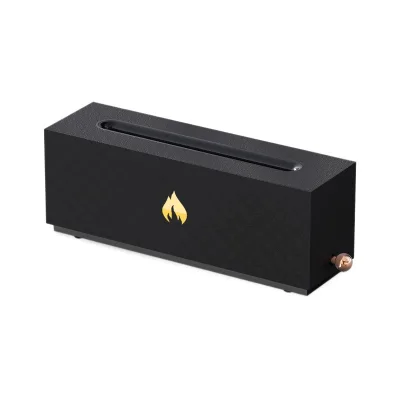
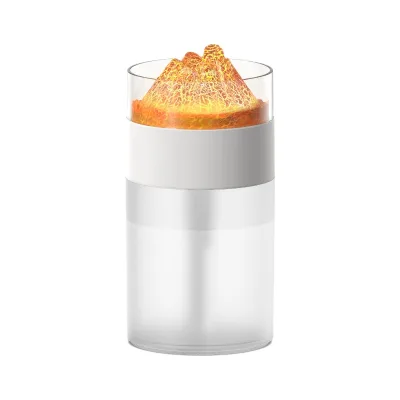
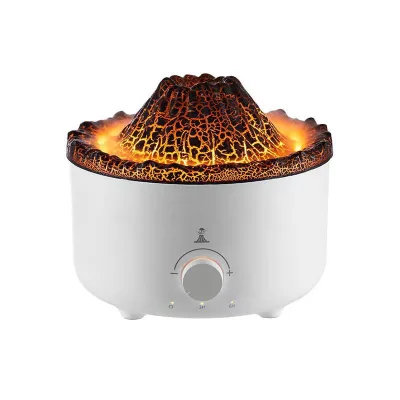



Comprehensive Sourcing Guide
USB Volcanic Flame Humidifier Supplier Concentration and Factory Types
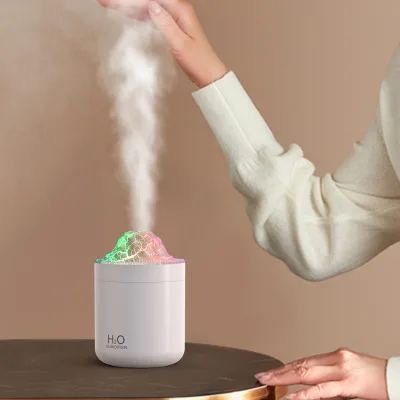
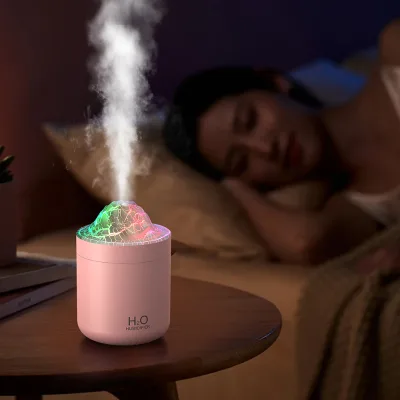
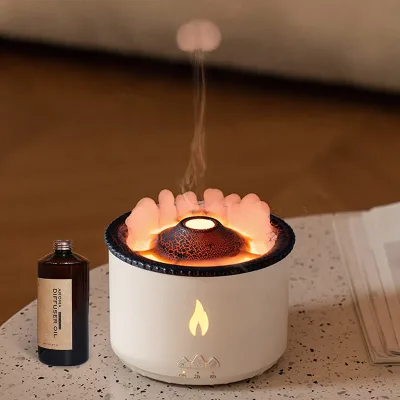
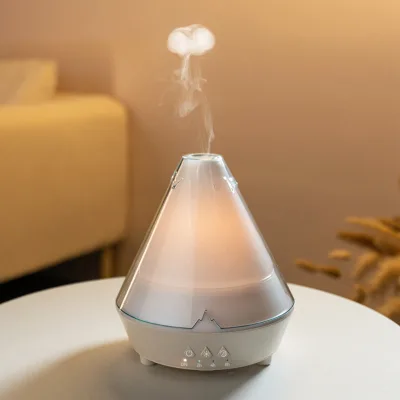
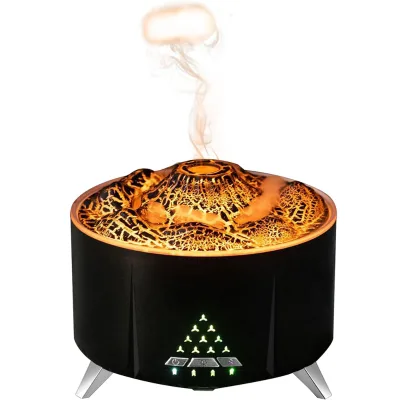
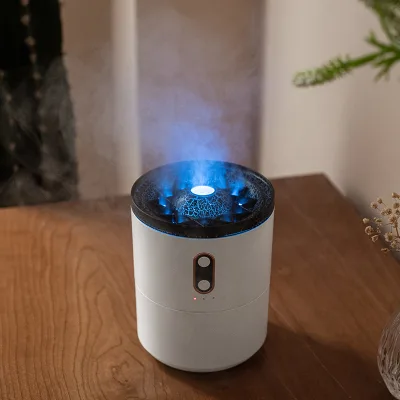
The current supplier landscape for USB volcanic flame humidifiers reveals a distinct split between manufacturing entities and trading companies, each offering different operational advantages for buyers seeking specific product configurations. Evidence indicates that manufacturers are primarily concentrated in China’s Guangdong province, where they leverage established supply chains for electronics and plastic molding to produce complex devices like large capacity volcanic flame aromatherapy humidifiers. These factories often possess robust research and development capabilities, supporting OEM, ODM, and own brand initiatives, which is critical for buyers requiring custom branding or unique design modifications. The presence of verified certifications such as SGS for these manufacturing entities suggests a higher baseline of operational compliance and quality control infrastructure, allowing buyers to trust that production processes adhere to international standards. This concentration in Guangdong provides a logistical advantage for sourcing high-volume orders, as the region is a global hub for home appliances and air quality devices, ensuring that raw materials for components like ultrasonic mist generators and USB power interfaces are readily available and cost-effective.
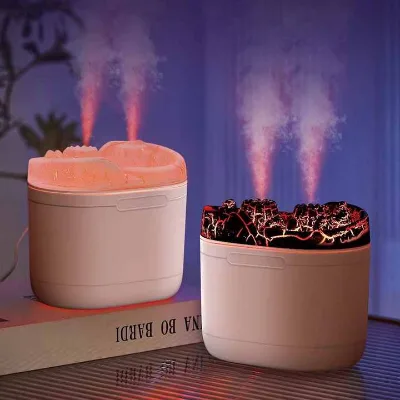
In contrast, trading companies located in regions like Zhejiang, China, offer a different value proposition focused on product diversity and flexible order structures rather than deep manufacturing integration. These entities typically aggregate products from various sources, allowing them to present a wider array of designs, such as mini portable cool mist humidifiers or creative campfire flame diffusers, under a single procurement interface. While they may not own the factories, their role as intermediaries can simplify communication and consolidate shipping for buyers who need mixed product types. However, buyers must recognize that trading companies often have longer response times and less direct control over production schedules compared to direct manufacturers. The main products listed for these trading entities often include a broad range of home appliances beyond just humidifiers, indicating a generalist approach rather than a specialized focus on air quality technology. This distinction is vital for buyers to assess whether their priority lies in deep technical customization and factory-direct pricing or in variety and simplified sourcing logistics.
How to Verify USB Volcanic Flame Humidifier Suppliers
Verifying the legitimacy and capability of suppliers requires a multi-layered approach that goes beyond surface-level profile reviews, focusing heavily on certification authenticity and production transparency. Buyers should prioritize suppliers who display specific, verifiable certifications such as ISO, CE, RoHS, GS, and CQC, as these indicate that the products have undergone rigorous testing for electrical safety, electromagnetic compatibility, and environmental standards. For USB-powered devices, compliance with these standards is particularly important to ensure that the low-voltage power interfaces do not pose fire hazards or interfere with other electronic devices. It is essential to request copies of these certificates and verify their validity through the issuing bodies, rather than accepting them as static images on a supplier profile. Additionally, buyers should look for evidence of third-party verification services like SGS, which provides an independent assessment of the supplier’s manufacturing capabilities and quality management systems. This step is crucial for mitigating the risk of receiving substandard products that may fail in the market or cause safety incidents for end-users.
Beyond certifications, buyers must assess the supplier’s responsiveness and technical support capabilities to ensure they can handle post-sale issues and technical inquiries effectively. The response time metric is a key indicator of operational efficiency; suppliers with faster response times, such as those averaging around 3.62 hours, are generally more reliable for resolving urgent production or shipping issues. Buyers should initiate direct communication to test the depth of the supplier’s technical knowledge, asking specific questions about the ultrasonic frequency, mist discharge methods, and water shortage power-off protection features. A competent supplier will provide detailed specifications and be able to explain how their products meet specific usage scenarios, whether for home, car, or industry applications. Furthermore, buyers should inquire about the customization process, including how design changes are implemented and what additional costs or lead times are associated with OEM or ODM requests. This direct interaction helps establish a baseline of trust and ensures that the supplier has the internal resources to support the buyer’s specific requirements throughout the product lifecycle.
What to Compare Across USB Volcanic Flame Humidifier Suppliers
When evaluating multiple suppliers, buyers must systematically compare key operational metrics such as lead times, minimum order quantities, and pricing structures to determine the best fit for their business model. Lead times vary significantly among suppliers, with some offering rapid turnaround times of around 15 days, while others may require up to 23 days for production and preparation. This difference can be critical for buyers managing tight inventory cycles or responding to seasonal demand spikes, making it essential to align supplier capabilities with sales forecasts. Minimum order quantities also differ widely, ranging from low MOQs of just one unit for sample testing or small boutique orders to higher thresholds of 130 or 310 units for bulk purchases. Buyers should assess whether the supplier’s MOQ aligns with their initial order volume and storage capacity, keeping in mind that lower MOQs often come with higher per-unit prices. Understanding these constraints helps buyers plan their cash flow and inventory management more effectively, avoiding overstocking or stockouts.
Pricing and product specifications are equally important factors in the comparison process, as they directly impact profit margins and product performance. Prices for USB volcanic flame humidifiers can range from approximately $2.92 to $18.80, depending on features such as capacity, material quality, and additional functions like timing or automatic humidity control. Buyers should compare not just the base price but also the total landed cost, including shipping and any customization fees. Product attributes such as power type, humidification method, and certification levels should be matched against target market requirements to ensure compliance and customer satisfaction. For instance, products with USB power and portable designs may appeal to different segments than those with electric power and tabletop styles. By creating a detailed comparison matrix that includes these variables, buyers can objectively rank suppliers based on their specific needs, ensuring that they select partners who offer the best balance of cost, quality, and service reliability.
Common USB Volcanic Flame Humidifier Sourcing Risks
One of the primary risks in sourcing USB volcanic flame humidifiers is the potential discrepancy between advertised product specifications and the actual delivered goods, particularly regarding safety features and performance metrics. Buyers must be vigilant about verifying claims related to water shortage power-off protection, as this is a critical safety feature that prevents the device from overheating or catching fire when the water tank is empty. If a supplier fails to implement this feature correctly, it could lead to product failures and liability issues in the end market. Additionally, the quality of the ultrasonic mist generator and the consistency of the flame effect simulation are common areas where cost-cutting measures can compromise product integrity. Buyers should request samples to test these features thoroughly before committing to large orders, ensuring that the mist output is consistent and the visual effects meet the advertised standards. This due diligence is essential to maintain brand reputation and avoid costly returns or negative reviews from customers.
Another significant risk is the lack of transparency in the supply chain, which can lead to delays, quality inconsistencies, and compliance issues. Trading companies, in particular, may not have direct oversight of the manufacturing process, making it difficult to track production progress or address quality issues promptly. Buyers should establish clear communication channels and regular update schedules with their suppliers to monitor production status and identify potential bottlenecks early. Furthermore, buyers must ensure that all products meet the regulatory requirements of their target markets, including electrical safety standards and environmental regulations. Failure to comply with these regulations can result in customs seizures, fines, or bans on product sales. By conducting thorough background checks and maintaining open lines of communication, buyers can mitigate these risks and build a more resilient supply chain that supports long-term business success.
USB Volcanic Flame Humidifier Regional Sourcing and Logistics
Sourcing from China’s Guangdong and Zhejiang provinces offers distinct logistical advantages and challenges that buyers must carefully consider when planning their supply chain. Guangdong, being a major manufacturing hub for electronics and home appliances, provides access to a mature ecosystem of suppliers, component manufacturers, and logistics providers. This concentration allows for efficient production runs and faster shipping times, particularly for buyers located in regions with strong trade links to China. However, buyers must also account for potential congestion at ports and fluctuations in freight costs, which can impact delivery schedules and overall costs. Understanding the specific location of the supplier within these provinces can help buyers estimate transit times more accurately and plan for potential delays. Additionally, buyers should consider the supplier’s experience with international shipping and their ability to handle customs documentation, as this can significantly affect the smoothness of the import process.
For buyers sourcing from trading companies in Zhejiang, the logistics may involve additional handling and consolidation steps, which can add time to the delivery process. These companies often aggregate products from multiple factories, requiring careful coordination to ensure that all items are ready for shipment simultaneously. Buyers should work closely with their suppliers to establish clear shipping instructions and track the progress of their orders through the various stages of production and consolidation. It is also important to consider the packaging and labeling requirements of the destination market, as improper packaging can lead to damage during transit. By understanding the logistical nuances of sourcing from different regions in China, buyers can optimize their supply chain for efficiency and reliability, ensuring that products reach their customers in good condition and on time.
USB Volcanic Flame Humidifier Commercial Terms and Order Planning
Effective order planning for USB volcanic flame humidifiers requires a strategic approach to commercial terms, including payment structures, warranty policies, and after-sales support. Buyers should negotiate clear payment terms that align with their cash flow needs, such as using escrow services to protect their funds until the goods are received and verified. This is particularly important for new supplier relationships, where trust has not yet been established. Additionally, buyers should clarify the warranty period and the process for handling defective products, ensuring that they have a clear recourse if quality issues arise. Understanding the supplier’s return and refund policies is also crucial, as it can impact the overall cost of doing business. By establishing these terms upfront, buyers can minimize financial risks and ensure a smoother transaction process.
Beyond immediate transactional terms, buyers should consider the long-term relationship with their suppliers, focusing on factors such as responsiveness, flexibility, and commitment to quality. Suppliers who demonstrate a willingness to accommodate changes in order volume or product specifications can be valuable partners for growing businesses. Buyers should also evaluate the supplier’s ability to provide technical support and marketing materials, which can help them promote the products effectively in their target markets. By building strong, collaborative relationships with suppliers, buyers can gain access to new product innovations and preferential treatment during peak seasons. This strategic approach to commercial terms and order planning helps buyers create a sustainable and competitive supply chain that supports their long-term business goals.
FAQs
What is the typical price range for a USB Volcanic Flame Humidifier?
Listed factory prices on this page range roughly from about 2.92 to 18.80 USD per unit, depending on capacity, flame effect complexity, and certifications. Compact mini models sit at the lower end, while larger 560ml volcanic flame aroma diffusers occupy the higher range. Final pricing depends on order quantity, customization level, and the certifications required for your market.
What is the usual minimum order quantity for these humidifiers?
Minimum order quantities vary by supplier and product. Some listings accept a single-piece trial order, while trading-company listings show MOQs around 130 or 310 units for mini USB models. Before committing, confirm the MOQ in writing, since it often differs between standard catalog items and customized flame-effect designs bearing your logo or packaging.
How long does production usually take after order confirmation?
Lead times reported by suppliers on this page range from roughly 15 to 23 days after order confirmation. Lead time can extend if you request custom colors, packaging, or certification documents. Ask each supplier to confirm the current production schedule in writing, and clarify whether the quoted lead time covers sample approval, mass production, and packing separately.
Which certifications should I check before importing a flame humidifier?
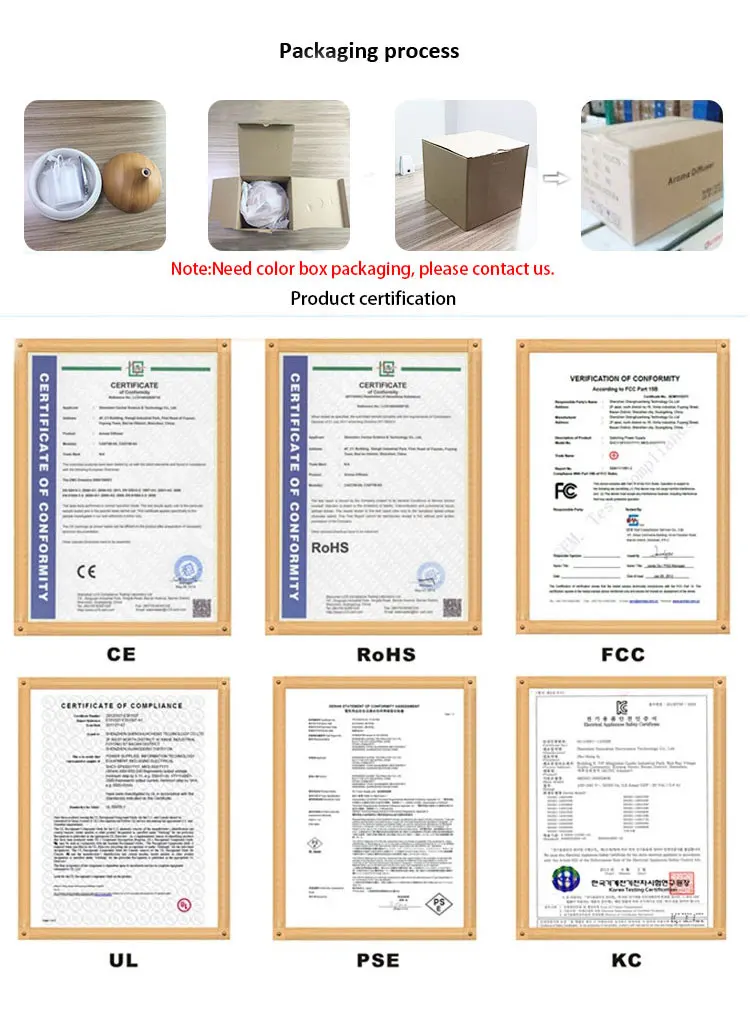
Several products on this page list certifications including CE, RoHS, GS, LFGB, SASO, CQC, ISO, EMF, and UR. The documents you need depend on your destination market, such as CE for Europe or SASO for Saudi Arabia. Always request valid, current certificate copies and verify they match the exact model and rated specifications you intend to import.
Do suppliers offer OEM or ODM customization for volcanic flame models?
Yes, customization is marked as available on multiple products, and suppliers list OEM and ODM capability, with one manufacturer also offering its own brand. Typical customization covers logo printing, color box packaging, colors, and sometimes flame-effect tuning. Confirm minimum quantities for customized runs, sample costs, and approval procedures before placing a production order with any supplier.
Are these humidifiers ultrasonic, and what does that mean for buyers?
Yes, most volcanic flame humidifiers here use ultrasonic mist technology, with some models specifying a 2.4MHz high-frequency atomizer. Ultrasonic operation runs quietly, which suits bedrooms and offices, and one listing cites noise below 36dB. When comparing suppliers, ask for noise levels, mist output per hour, and dry-run protection details so you can evaluate quality objectively.
How fast do suppliers on this page respond to buyer inquiries?
Average response times shown range from under four hours to nearly ten hours, so speed varies considerably between suppliers. A faster response often indicates better communication during production and after-sales stages. Test responsiveness by sending detailed technical questions before ordering, and weigh reply speed alongside lead time, verification status, and product fit rather than relying on it alone.
Which safety features should a USB flame humidifier include?
Key features to confirm are water shortage power-off protection, dry-run protection, and stable low-voltage USB power such as DC24V or 5V input. Several listings explicitly include water shortage power-off protection, which stops heating or atomizing when the tank empties. Ask for test reports covering these protections and confirm the plug or cable standard required for your retail market.