Used Business Laptop with SSD Suppliers and Manufacturers
Find 17 verified suppliers offering Used Business Laptop with SSD options from China Guangdong. Compare response times, lead times, certifications, and product specifications like RAM and processor types. Contact suppliers directly to request quotes for your specific needs; review the available evidence before requesting comparable quotations from suitable candidates.
Suppliers List

- Verified by TUVRHEINLAND
- Combined
- China Guangdong
- Lead time30 days
- Avg. response≤ 3h
Main productsTablet PC, Laptop, Kiosk, Digital Signage, Smart TV, Notebook Computer, Laptops, 4G Tablet PC, Laptop Computer
Main marketsAfrica,Europe,North America


Laptops Computer I7 6560u 128GB SSD DDR4 8GB Laptop Computer Notebook for Business
$429.00 - $459.00
MOQ: 1 Pieces


- Verified by TUVRHEINLAND
- Trading Company,Manufacturer/Factory
- China Guangdong
- Lead time23 days
- Avg. response≤ 4h
Main productsTablet, All in One PC, Laptops, Mini PC, Rugged Tablet, Interactive Whiteboard, Industrial Tablet PC, Koisk
Main marketsSouth America,Eastern Europe,Mid East,North America,Southeast Asia,Eastern Asia,Oceania,Western Europe,Africa

New 340g7 14 Inch 4GB 8GB RAM I3 I5 I7 SSD Business Notebook Computer Laptop
$30.00 - $220.00
MOQ: 1 Pieces


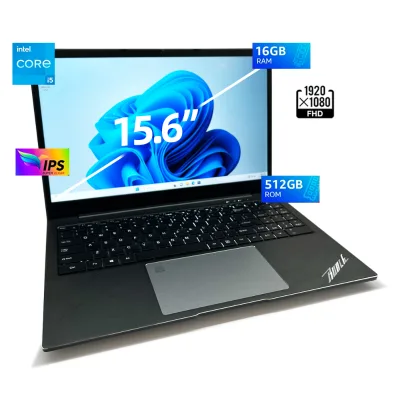
15.6 Inch Portable Netbook Business Laptop Dual Core 16GB of DDR4 RAM 512GB SSD Laptop
$210.00 - $230.00
MOQ: 1 Pieces


Guangdong Maifan Technology Co., Ltd.
- Verified by BV
- Combined
- China Guangdong
- Lead time15 days
- Avg. response≤ 4h
Main productsAll in One PC, Laptop, Mini PC, Monitor, Desktop
Main marketsSouth America,Africa,Southeast Asia/ Mideast,Domestic,Europe,Australia,North America

- Verified by BV
- Manufacturer/Factory
- China Guangdong
- Lead time23 days
- Avg. response≤ 3h
Main productsDesktop Computers, Laptops, Interactive Touchscreen Whiteboard, All-in-One PCS, Monitors, Windows Tablet PCS, 2-in-1 Laptops, Android Laptops, Mini PCS, Thin Clients
Main marketsEastern Europe,Mid East,Southeast Asia,Eastern Asia,Africa

Beijing Jiuyun Technology Co., Ltd
- Verified by SGS
- Trading Company
- China Beijing
- Lead time15 days
- Avg. response≤ 11h
Main productsServer, Switch, Desktop Computers, Laptops, Workstation, RAM, Hard Disk, Storage, Router, Graphics Card
Main marketsDomestic


Reliable P15V Laptops for Business Office and Creative Professionals
$1287.00 - $1487.00
MOQ: 1 Pieces

Shenzhen T.d.s Electronic Technology Co., Limited
- Verified by TüVRheinland
- Manufacturer, Trading Company
- Lead time0 days
- Avg. response≤ 4h
Main productsMotherboard, Notebook, All In One PC, Mini PC, Monitor
Main marketsNorth America(23%), Western Europe(22%), Eastern Europe(20%)
Hongpin Times (shenzhen) Technology Co., Ltd.
- Verified by SGS Group
- Trading Company
- Lead time15 days
- Avg. response≤ 13h
Main productsTablet Computer, Digital Photo Frame, Laptop, Notebook
Shenzhen Great Asia Electronic Co., Ltd.
- Manufacturer, Trading Company
- Lead time旺季: "1 - 1000":31,"1001 - 10000":90,"> 10000":"To be negotiated", 淡季: "1 - 1000":31,"1001 - 10000":90,"> 10000":"To be negotiated"
- Avg. response≤ 2h
Main productsTablet PC, Laptop, All In One PC
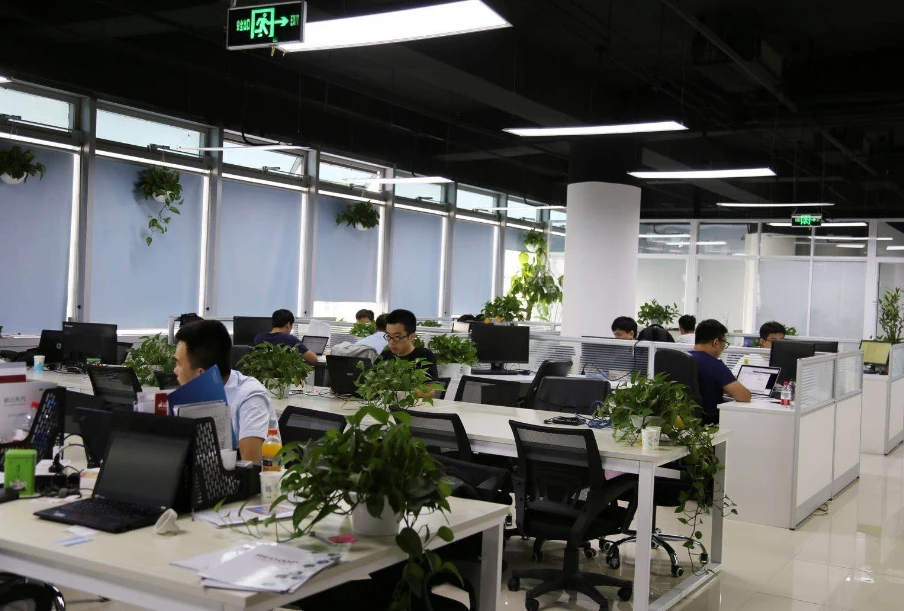
Beijing Guangshengying Import And Export Co., Ltd.
- Trading Company
- Beijing, China
- Lead time15 days
- Avg. response≤ 2h
Main productsBusiness Laptops,Personal & Home Laptops,Student & Education Laptops
Main marketsAfrica(38.00%), South America(25.00%), North America(15.00%), Southeast Asia(4.00%), South Asia(2.00%), Southern Europe(2.00%), Northern Europe(2.00%), Central America(2.00%), Western Europe(2.00%), Eastern Asia(2.00%), Mid East(2.00%), Oceania(2.00%), Eastern Europe(2.00%)
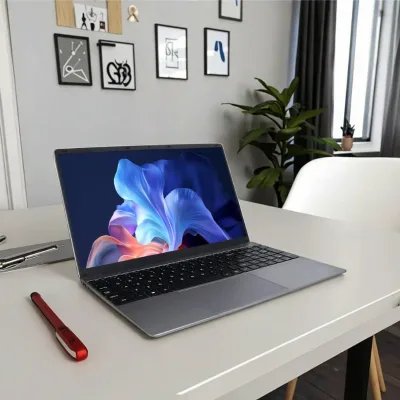
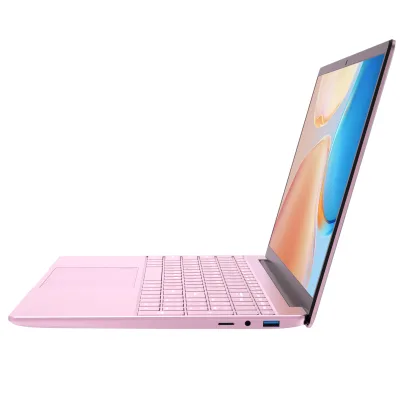
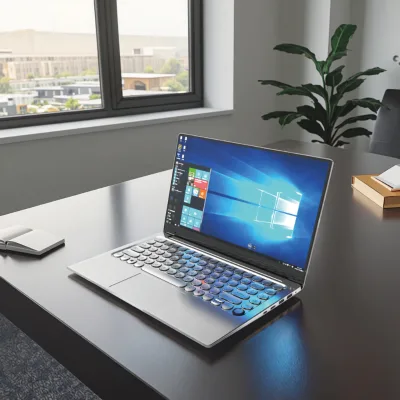
Custom I7 Configuration Personal & Home Laptops with RAM/SSD Upgrades B2B Platform Partner
$263.85 - $345.67
MOQ: 5 Minimum
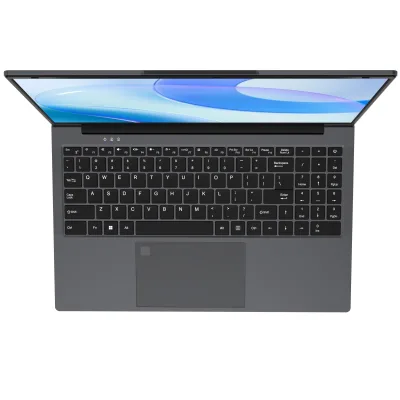
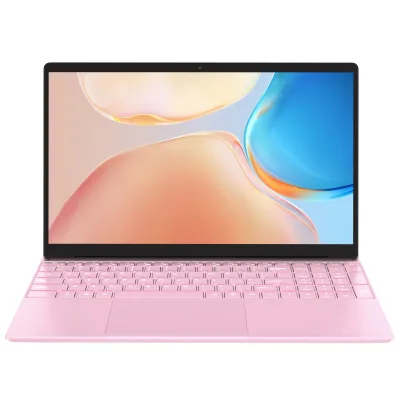

Junsha International Holdings Limited
- Manufacturer, Trading Company
- Hong Kong S.A.R.
- Lead time0 days
- Avg. response≤ 6h
Main productslaptop sales
Main marketsNorth America(45.00%), Mid East(15.00%), Eastern Europe(10.00%), Africa(10.00%), Eastern Asia(10.00%), Western Europe(10.00%)

Guangzhou Samqing Trading Co., Ltd
- Verified by BV
- Trading Company
- China Guangdong
- Lead time15 days
- Avg. response≤ 4h
Main productsServer&Workstation, Server Accessories, Network Switch, Network Router, Network Security, Network Cable, Desktop Computer, Laptop
Main marketsEastern Europe,Mid East,Southeast Asia,Eastern Asia,Oceania,Western Europe,Africa
Shenzhen Hopestar Sci-Tech Co., Ltd.
- Manufacturer, Trading Company
- Lead time旺季: "1 - 10":15,"> 10":"To be negotiated", 淡季: "1 - 10":15,"> 10":"To be negotiated"
- Avg. response≤ 3h
Main productsLCD/LED Monitor, Gaming Monitor, Touch Screen Monitor, Android AD Play, LED Display
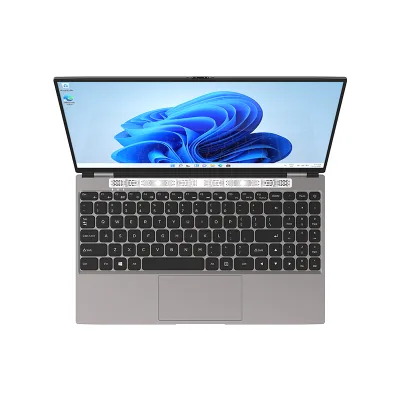
15.6 Inch Business Laptop with 8/16GB+128/256/512GB/1TB and 180° Opening and Closing Notebook
$183.00 - $232.00
MOQ: 2 pieces
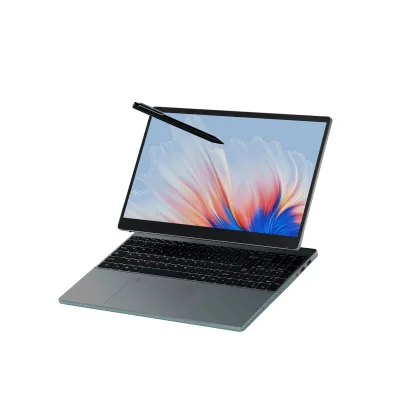
Popular Portable 15.6 Inch Laptop 16G 1TB Personal Business Laptop Computer
$212.72 - $361.31
MOQ: 10 pieces

Shenzhen Vitek Electronics Co., Ltd.
- Verified by BV
- Manufacturer/Factory
- China Guangdong
- Lead time23 days
- Avg. response≤ 6h
Main productsLaptop, Tablet PC, Digital Signage, Mini PC, LCD Monitor, All in One PC, Interactive Flat Panel, Advertising Screen, Self Payment Kiosk, POS Tablet
Main marketsSouth America,Eastern Europe,Mid East,North America,Southeast Asia,Oceania,Western Europe,Africa


14" R7-8745HS 1.45kg Lightweight 2.5K 144Hz 100W Pd Fast Charge Business Laptop
$408.05 - $441.86
MOQ: 5 Pieces

Core I3 I5 I7 High Performance Gaming Laptop School Home Business Laptop Compute
$459.00 - $465.50
MOQ: 1000 Pieces

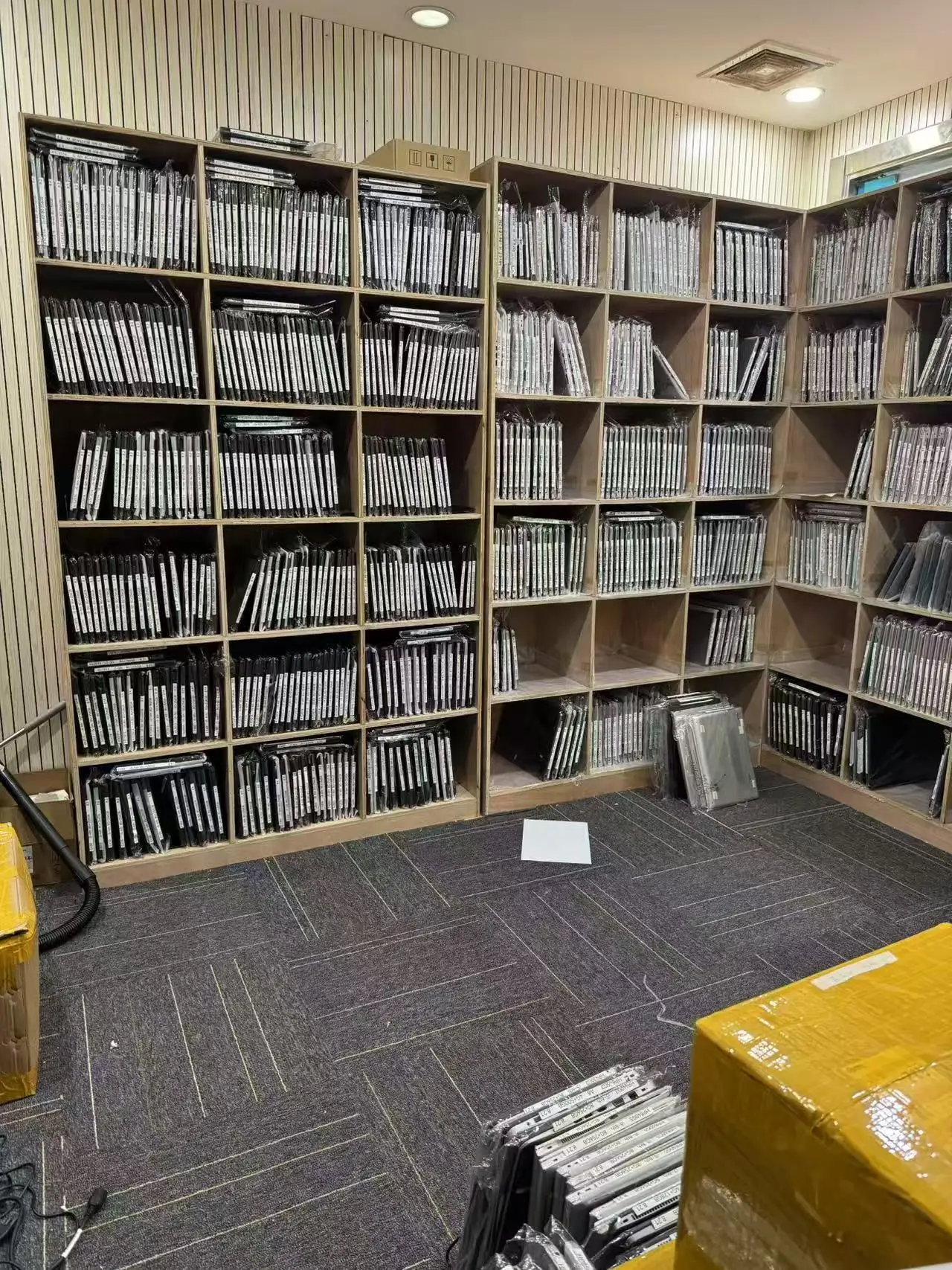
Shenzhen Bovin Technology Co., Ltd.
- Manufacturer, Trading Company
- Guangdong, China
- Lead time14 days
- Avg. response≤ 4h
Main productsCPU,RAM and HDD,Graphic Cards,Mother board,Laptop
Main marketsAfrica(40.00%), Mid East(20.00%), Southeast Asia(10.00%), South Asia(10.00%), Domestic Market(2.00%), Eastern Europe(2.00%), Southern Europe(2.00%), Northern Europe(2.00%), Central America(2.00%), Western Europe(2.00%), Eastern Asia(2.00%), South America(2.00%), Oceania(2.00%), North America(2.00%)

Beijing Xin Qi Dian Technology Co., Ltd.
- Verified by BV
- Trading Company
- China Beijing
- Lead time30 days
- Avg. response≤ 5h
Main productsServer/Computer/Laptop/Workstation/Desktop, Storage/All in One/Processor/Hard Drive, Memory/RAID Card/Net Card/CPU/Power Supply, Graphic Card/Riser Card It Hardware, Rack Server/Tower Server/Industrial Grade Server, Specialty Server/Blade Server/Data Storage, DELL/Inspur/Hpe/H3c/Xfusion Hardware, Network Switch, Gaming PC, Storage System/It
Main marketsDomestic
Chongqing Dolan Trading Co., Ltd.
- Trading Company
- Chongqing, China
- Lead time0 days
- Avg. response≤ 4h
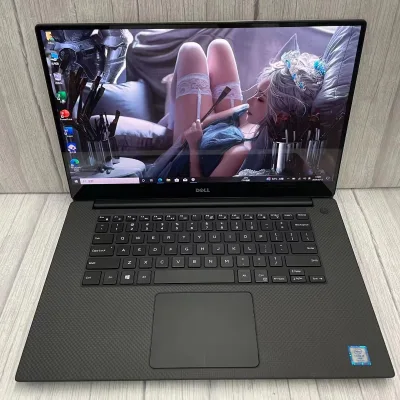
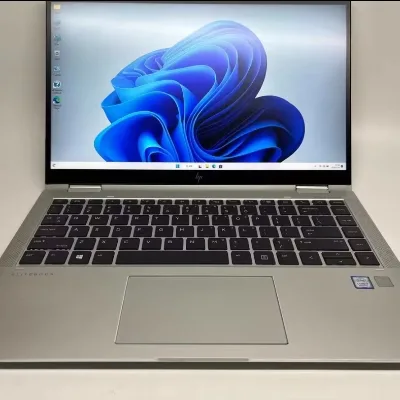
Wholesale Used Laptop XPS15 Core I7 10TH GTX1650ti 4K Display Slim Office Business Laptops
$754.00 - $789.00
MOQ: 1
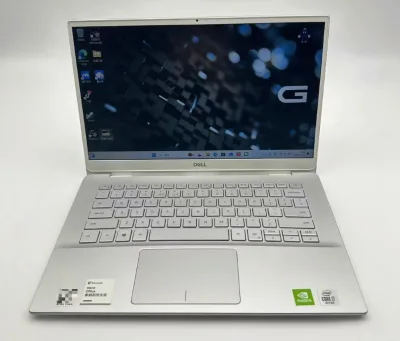
$278.00 - $284.00
MOQ: 1 units
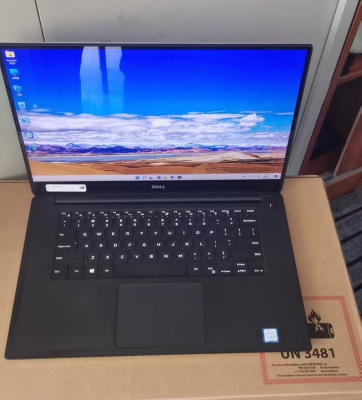
Shenzhen Chxk Technology Co., Ltd.
- Manufacturer, Distributor/Wholesaler
- Guangdong, China
- Lead time5 days
- Avg. response≤ 2h
Main productsLaptop
Main marketsWestern Europe(20.00%), Africa(15.00%), North America(15.00%), Domestic Market(10.00%), South America(10.00%), Southern Europe(5.00%), Eastern Asia(5.00%), Northern Europe(5.00%), Oceania(5.00%), Eastern Europe(4.00%), Southeast Asia(2.00%), Mid East(2.00%), Central America(1.00%), South Asia(1.00%)






Comprehensive Sourcing Guide
Used Business Laptop with SSD Supplier Concentration and Factory Types
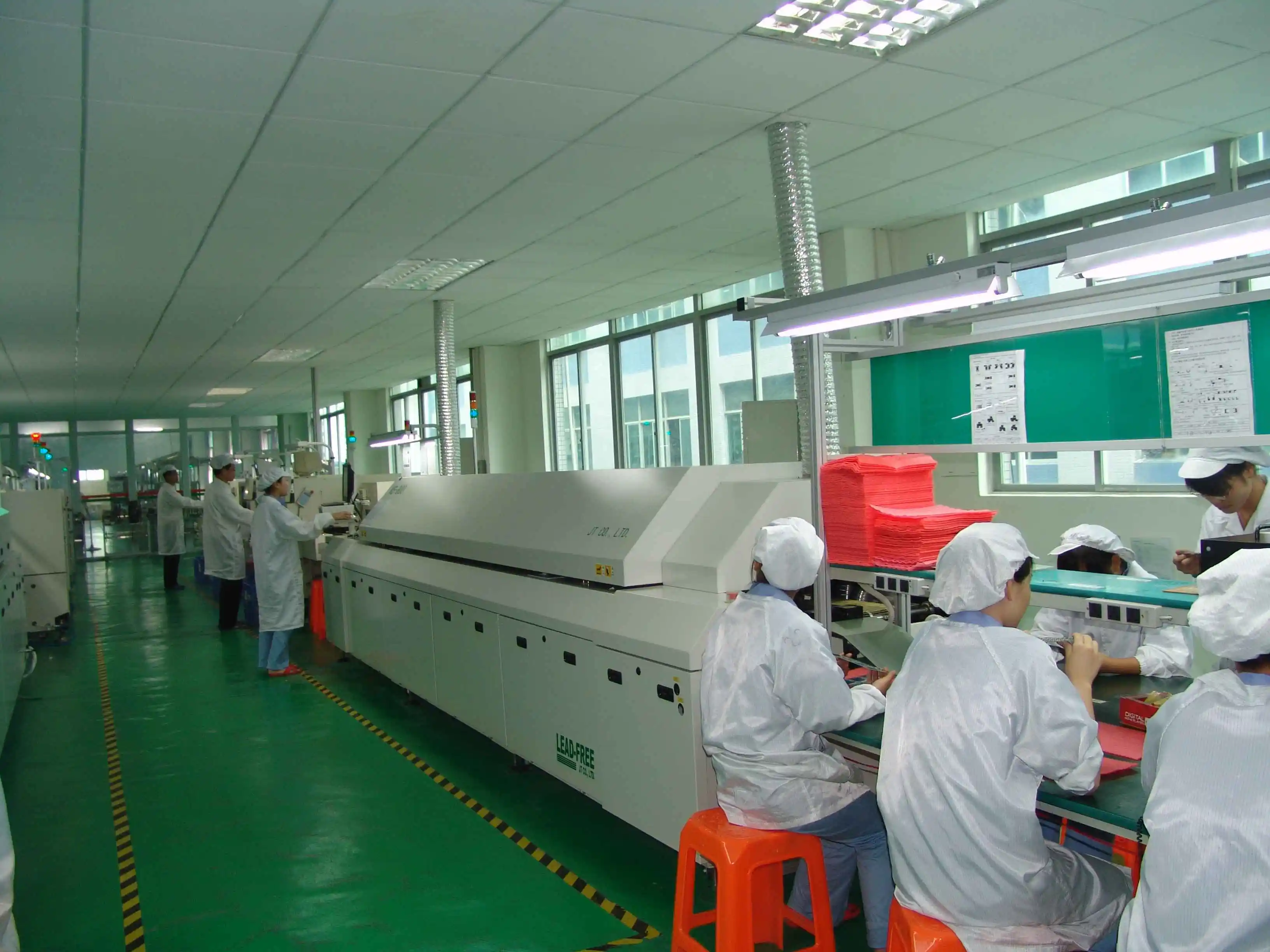
The current supplier results indicate a concentration of manufacturers and trading companies located in China Guangdong, a region known for its dense electronics manufacturing ecosystem. This specific location data allows buyers to identify a cluster where supply chains for computer hardware are highly developed, potentially reducing logistics friction for components like SSDs and processors. When evaluating suppliers, the presence of this location suggests a mature industrial base capable of supporting both Original Design Manufacturing and Original Equipment Manufacturing models. Buyers should prioritize verifying if a supplier's physical address aligns with this known cluster, as this often correlates with faster access to raw materials and specialized assembly lines.
Supplier types observed in the results include combined entities that function as both trading companies and manufacturers, as well as pure manufacturers and factories. This hybrid structure can offer flexibility in sourcing, allowing buyers to access direct factory pricing while retaining the logistical support of a trading arm. However, the distinction is critical for quality control; a manufacturer typically controls the production line directly, whereas a trading company may source from multiple factories. Buyers must confirm the specific company type listed in the supplier profile to understand the depth of their involvement in the manufacturing process. This verification ensures that the supplier has the technical capacity to handle customizations or specific hardware configurations required for business-grade laptops.
How to Verify Used Business Laptop with SSD Suppliers
Verification of supplier credibility relies heavily on third-party audit reports and specific certification data provided in the supplier profile. In the current results, one supplier displays a TUVRHEINLAND verification status, which serves as a concrete indicator of external validation regarding their business operations and product quality standards. Buyers should treat this specific credential as a primary filter, seeking similar third-party audit results from recognized bodies before proceeding with negotiations. The absence of such a verification badge does not automatically disqualify a supplier, but it necessitates a more rigorous internal due diligence process to confirm their legitimacy and operational stability.
Beyond external audits, buyers must scrutinize the supplier's response time and communication metrics as indicators of reliability. The data shows response times ranging from approximately 2.37 to 3.07, which can serve as a benchmark for expected communication speed. A supplier with a consistently low response time is more likely to address technical queries regarding SSD compatibility or hardware specifications promptly. Additionally, checking for system certifications like ISO 9001 provides evidence of a standardized quality management system. Buyers should request copies of these certificates directly from the supplier to ensure they are current and applicable to the specific laptop models being sourced, rather than relying solely on the summary data provided in the initial search results.
What to Compare Across Used Business Laptop with SSD Suppliers
When comparing suppliers, the primary focus should be on lead times and minimum order quantities, as these directly impact inventory planning and cash flow. The observed lead times vary, with some suppliers indicating a 30-day window while others suggest a 23-day turnaround. These differences are significant for buyers needing rapid deployment of business hardware. Similarly, minimum order quantities range from a single unit to 100 units, offering flexibility for different procurement strategies. Buyers must align these constraints with their specific volume requirements, ensuring that the chosen supplier can accommodate their order size without imposing excessive financial burdens or delays.
Product specifications and customization capabilities form another critical comparison dimension. The results highlight various configurations, including processors like Intel Atom and Intel Celeron, as well as RAM capacities ranging from 4GB to 16GB. Some suppliers offer customization options, which is essential for tailoring laptops to specific business needs. Buyers should compare the specific attributes listed, such as screen size, hard disk capacity, and operating system compatibility, to ensure the hardware meets their operational standards. Additionally, the presence of features like fingerprint sensors or backlit keyboards should be verified against the supplier's product list to avoid mismatches between expectations and delivered goods.
Common Used Business Laptop with SSD Sourcing Risks
One significant risk involves the discrepancy between advertised specifications and actual product delivery, particularly regarding storage and processor performance. The product evidence shows a mix of SSD capacities and processor brands, but buyers must verify that the "Used" status does not imply degraded performance or hidden defects. For instance, a laptop advertised with a 512GB SSD might have a lower actual usable capacity if the drive is partially filled or damaged. Buyers should insist on detailed condition reports and warranty terms that explicitly cover the SSD health and processor functionality to mitigate the risk of receiving substandard equipment.
Another risk is the variability in warranty and after-sales support across different supplier types. While some products list a one-year warranty, the terms of service may vary significantly between manufacturers and trading companies. A trading company might not have the technical expertise to handle complex hardware repairs, potentially leaving the buyer without adequate support if a laptop fails. Buyers must clarify the warranty process, including who bears the cost of shipping for repairs and the expected turnaround time for replacements. Ensuring that the supplier has a clear, documented support protocol is essential to protect the investment in business-critical hardware.
Used Business Laptop with SSD Regional Sourcing and Logistics
Sourcing from the identified China Guangdong region offers logistical advantages due to established shipping routes and port infrastructure, but buyers must account for potential transit delays. The location data confirms that many suppliers operate within this specific province, which is a major hub for electronics export. However, international shipping times can fluctuate based on customs regulations and carrier availability. Buyers should calculate the total lead time by adding the supplier's production time to the estimated shipping duration, ensuring that the delivery schedule aligns with their business needs.
Packaging standards also play a crucial role in protecting laptops during transit. The product evidence indicates various packing methods, including box, gift box, and carton box, with specific dimensions provided for some items. Buyers should verify that the packaging is robust enough to prevent damage during long-distance shipping, especially for used equipment that may have existing wear. Requesting photos of the actual packaging or a detailed packing list can help assess the level of protection provided. Additionally, understanding the Incoterms used by the supplier will clarify who is responsible for insurance and freight costs, allowing for accurate budgeting of the total landed cost.
Used Business Laptop with SSD Commercial Terms and Order Planning
Commercial terms regarding pricing and payment security are vital for managing financial risk in this category. The observed price ranges vary significantly, from as low as 30.00 to over 459.00, depending on the specifications and condition of the laptop. Buyers must ensure that the quoted price includes all relevant taxes and duties to avoid unexpected costs upon delivery. Furthermore, utilizing escrow services or secure payment methods is recommended to protect funds until the goods are received and verified. This approach minimizes the risk of fraud and ensures that the supplier fulfills their obligations before payment is released.
Order planning must also consider the scalability of the supplier's capacity to meet future demand. The results show that some suppliers offer OEM and ODM capabilities, which can be beneficial for businesses looking to customize their hardware fleet. However, buyers should confirm the supplier's ability to scale production if order volumes increase unexpectedly. Establishing a clear communication channel for order updates and potential changes is essential for maintaining a smooth supply chain. By carefully planning the order timeline and verifying the supplier's capacity, buyers can ensure a steady supply of business laptops that meet their operational requirements without disruption.
FAQs
What is the typical lead time for business laptops?
The typical lead time for business laptops is 30 days based on current supplier data. Some suppliers offer faster delivery with a 23-day lead time. Buyers should confirm specific timelines with the manufacturer before placing orders to ensure timely delivery for their projects.
Are these laptops available with SSD storage?
Yes, many listed business laptops come equipped with SSD storage options. Specific models feature capacities ranging from 128GB to 512GB or even 1TB. Buyers can find configurations with 256GB SSDs or larger drives depending on their specific performance and storage requirements for office or educational use.
What is the minimum order quantity for these laptops?
The minimum order quantity varies significantly among suppliers. Some sellers require a minimum of 100 units for certain models, while others accept orders as low as one unit. Buyers must check the specific product listing to determine the exact MOQ applicable to their purchase volume.
Do suppliers offer customization for business laptops?
Customization is available for many of the listed business laptop models. Suppliers indicate that features like processors, RAM, and storage can often be tailored. Buyers seeking specific configurations should verify the customization options directly with the manufacturer to ensure the final product meets their exact business needs.
What certifications do the suppliers hold?
Some suppliers hold ISO 9001 system certification, indicating adherence to quality management standards. Additionally, certain suppliers have undergone verification by TÜV Rheinland. Buyers should request current certification documents to confirm compliance with international quality and safety standards before finalizing any procurement agreements.
Where are these business laptops manufactured?
The business laptops are manufactured in China, specifically in the Guangdong region. This location is a major hub for electronics production. Buyers sourcing from this area should consider logistics and shipping times when planning their supply chain for these computer hardware products.
What is the price range for these laptops?
Prices for these business laptops range from approximately 30 to 459 dollars depending on specifications. Lower-end models start around 30 dollars, while high-performance units with advanced processors can reach 459 dollars. Buyers should compare specific model prices to find the best value for their budget.