USDA Organic Mangosteen Extract Powder Suppliers and Manufacturers
Compare 30 verified suppliers offering USDA Organic Mangosteen Extract Powder with details on location, certifications, lead times, and response times. Review product attributes like extraction ratios and packaging options to select the right partner for your needs; review the available evidence before requesting comparable quotations from suitable candidates.
Suppliers List

Fufeng Sinuote Biotechnology Co., Ltd
- Verified by BV
- Combined
- China Shaanxi
- Lead time15 days
- Avg. response≤ 3h
Main productsPlant Extract, Sea Buckthorn Powder, Echinacea Purpurea Extract, Soybean Peptide Powder, Valerian Extract, Chaga Mushroom Extract, Elderberry Extract, Kiwi Fruit Powder, Honey Powder, Sambucus Williamsii Hance Extract Powder
Main marketsOthers(foreignTradeCapacity.exportBusinessCapacityMarketOther)


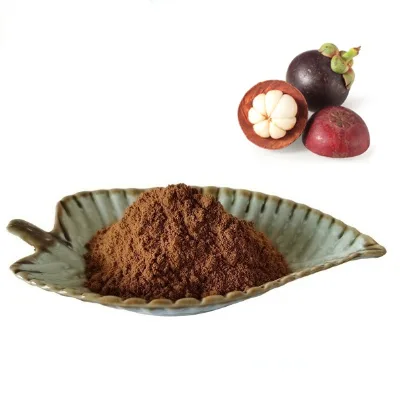
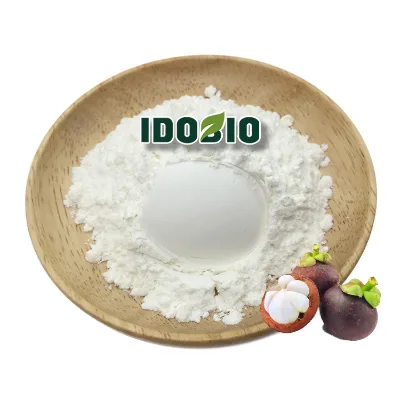
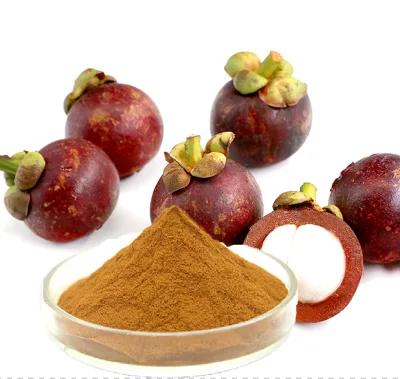
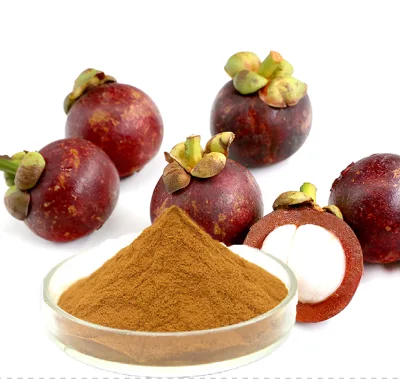
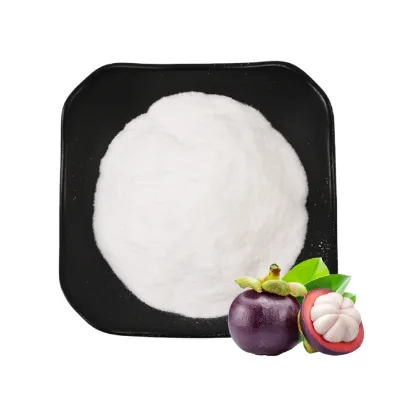
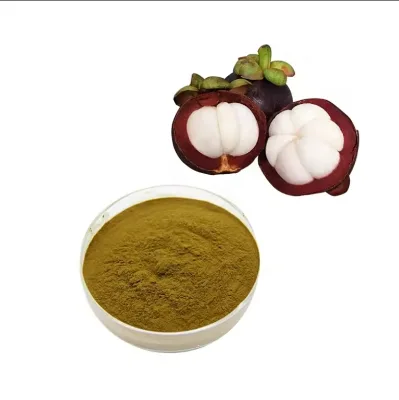
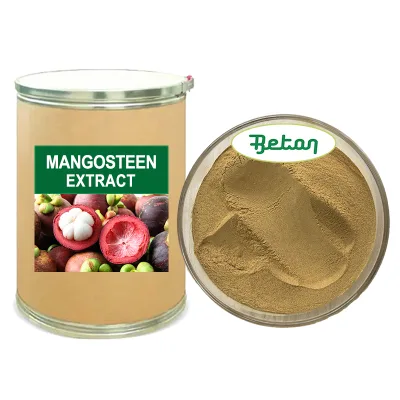
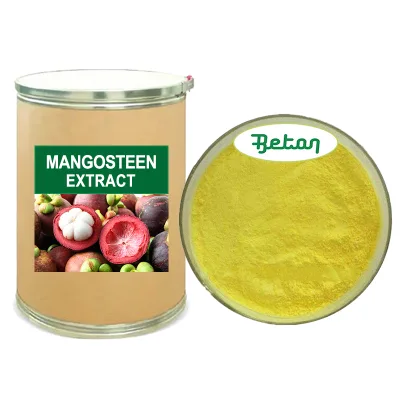
ISO Certified Factory Best Price Alpha-Mangostin 10% 20% 30% 90% Mangosteen Extract
$12.00 - $18.00
Moq: 10

Hunan New Mstar Biotechnology Co., Ltd.
- Trading Company,Manufacturer/Factory
- China Hunan
- Lead time15 days
- Avg. response≤ 14h
Main productsGreen Tea Extract L-Theanine, Soapberry/Soapnut/Sapindus Extract, Cranberry Extract, Lemon Balm Extract, Saw Palmetto Extract, Balck Garlic Extract, Milk Thistle Extract, Grape Seed Extract, Hibiscus Extract, Stevia Extract
Main marketsSouth America,Eastern Europe,Mid East,North America,Southeast Asia,Eastern Asia,Oceania,Western Europe

Qingdao Vital Nutraceutical Ingredients Bioscience Co., Ltd.
- Trading Company
- China Shandong
- Lead time15 days
- Avg. response≤ 5h
Main productsGarlic Extract, Red Yeast Rice Extract, Mushroom Extract, Phosphatidylserine, Resveratrol, Horse Chestnut Extract, Saw Palmetto Extract, Peptide, Goji Extract, Black Garlic Extract
Main marketsSouth America,Southeast Asia/ Mideast,Europe

Hainan Nicepal Industry Co., Ltd.
- Verified by SGS
- Combined
- China Hainan
- Lead time15 days
- Avg. response≤ 23h
Main productsCoconut Powder, Mango Powder, Pineapple Powder, Papaya Powder, Pumpkin Powder, Banana Powder, Lime Powder, Lemon Powder, Coconut Milk Powder, Mango Juice Powder
Main marketsSoutheast Asia/ Mideast,East Asia(Japan/ South Korea),Europe

- Verified by SGS
- Combined
- China Hunan
- Lead time15 days
- Avg. response≤ 6h
Main productsPlant Extract Powder
Main marketsEurope,North America

- Manufacturer
- China Shaanxi
- Lead time15 days
- Avg. response≤ 4h
Main productsReishi Extract, Ginseng Extract, Lutein Powder, Chlorophyll, Quercetin, Phycocyanin, Astaxanthin, Kojic Acid, Beetroot Powder, Cherry Powder
Main marketsSouth America,Africa,Southeast Asia/ Mideast,East Asia(Japan/ South Korea),Domestic,Europe,Australia,North America
Xiamen Boten Biological Technology Co., Ltd.
- Manufacturer, Trading Company, Distributor/Wholesaler
- Fujian, China
- Lead time5 days
- Avg. response≤ 19h
Main productsReishi Extract,Lions mane Extract,Chaga Extract,Cordyceps Extract,Shiitake Extract
Main marketsWestern Europe(30.0%), North America(15.0%), Oceania(10.0%), South Asia(7.000000000000001%), South America(5.0%), Central America(5.0%), Southeast Asia(5.0%), Eastern Europe(5.0%), Northern Europe(5.0%), Eastern Asia(4.0%), Mid East(3.0%), Southern Europe(3.0%), Africa(3.0%)
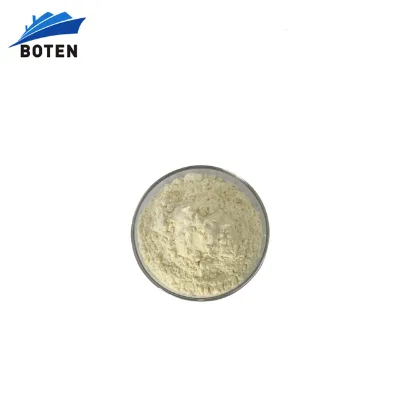
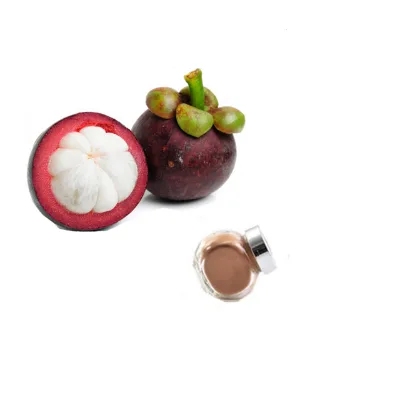
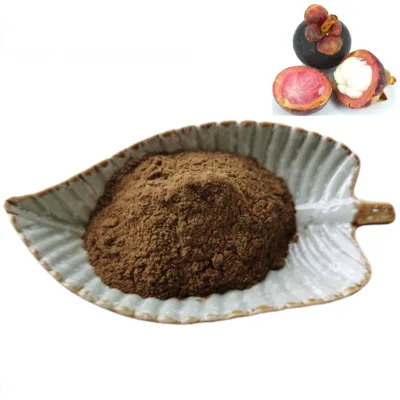
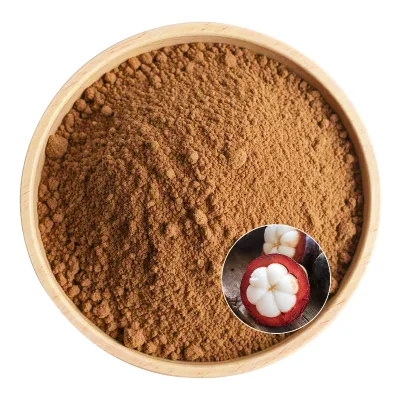
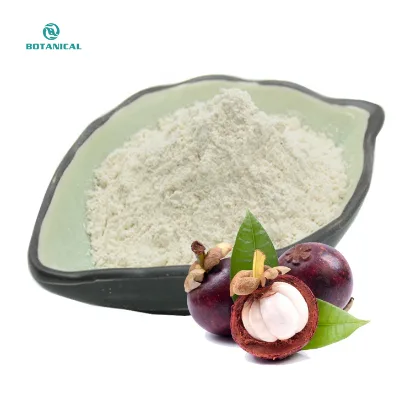
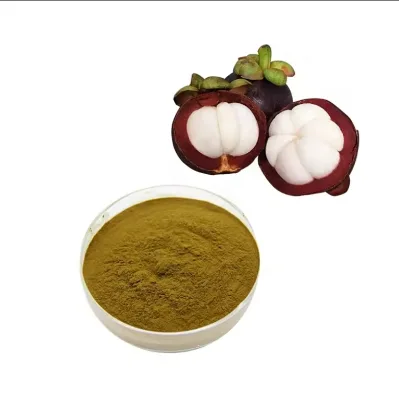
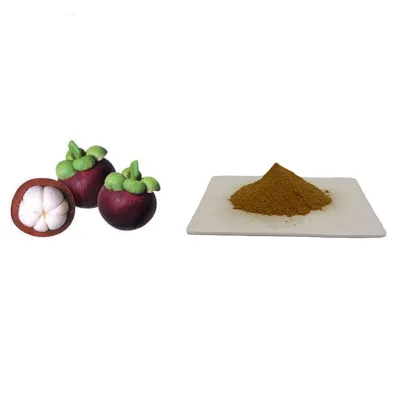
Healthcare Supplement Mangosteen Shell Extract Mangosteen Mangostin Extract Powder
Contact supplier
Moq: 1
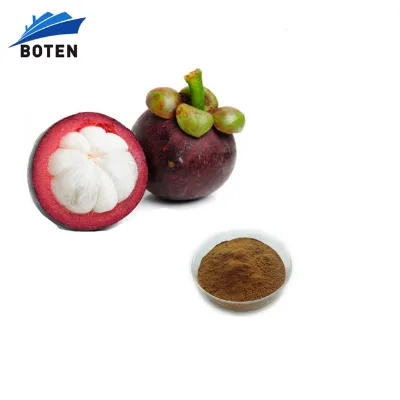

Xuancheng Quality Herb Co., Ltd.
- Verified by TUVRHEINLAND
- Manufacturer/Factory
- China Anhui
- Lead time23 days
- Avg. response≤ 1h
Main productsPlant Extract, White Willow Bark Extract, Milk Thistle Extract, Hyaluronic Acid, Red Yeast Rice Powder, Horny Goat Weed Extract, Bilberry Extract, Green Tea Extract, Marigold Extract Lutein, Panax Ginseng Extract
Main marketsSouth America,Eastern Europe,Mid East,North America,Southeast Asia,Eastern Asia,Oceania,Western Europe,Africa


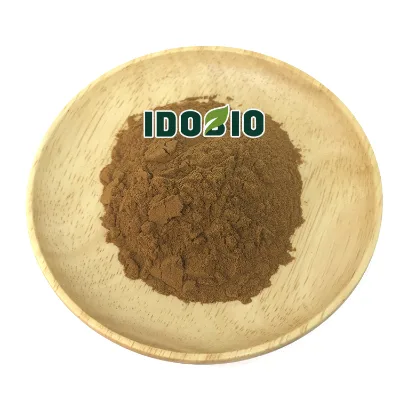
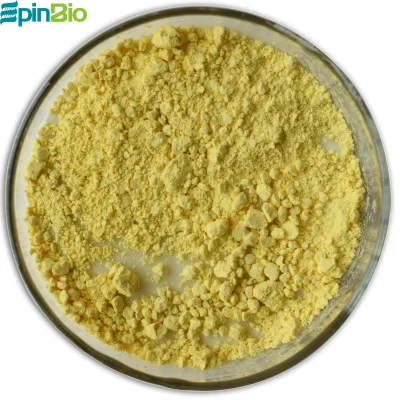
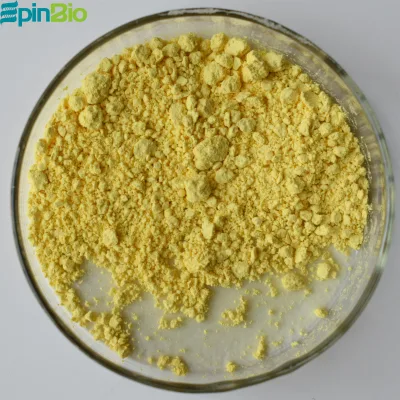
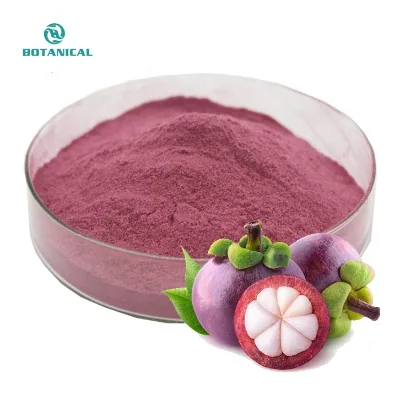
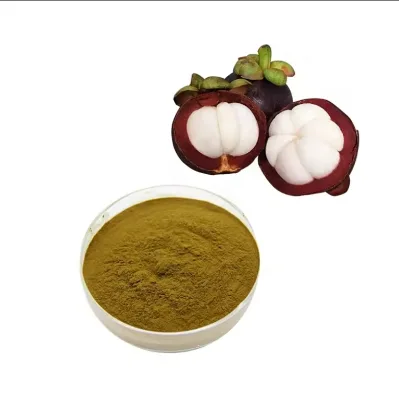
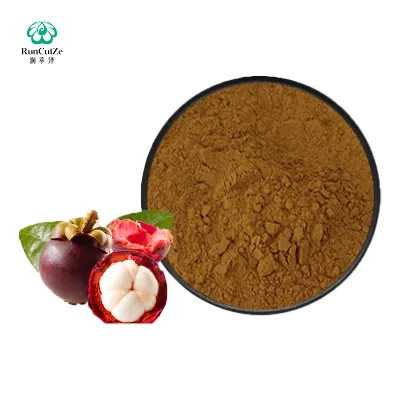
Natural Garcinia Mangostana Extract 10% Alpha-Mangostin HPLC with Halal Certificate
$20.00 - $25.00
Moq: 1

- Verified by BV
- Combined
- China Hunan
- Lead time15 days
- Avg. response≤ 11h
Main productsMonk Fruit Extract, Stevia Leaf Extract, Sweet Tea Extract, Natural Sweeteners Formulation, Resveratrol, Coenzyme Q10, Ginseng Extract, Ginkgo Biloba Extract, Milk Thistle Extract, Lutein Zeaxanthin
Main marketsSoutheast Asia/ Mideast,Europe,North America

- Verified by TUVRHEINLAND
- Trading Company
- China Hunan
- Lead time15 days
- Avg. response≤ 8h
Main productsBotanical Extract Herbal Extract, Herbal Ingredients Artemisia, Elderberry Extract Cranberry Extract, Resveratrol Polydatin Polygonum Extract, Myricetin Dihydromyricetin Phloridzin, Neohesperidin Dihydrochalcone Carnosic Acid, Sea Buckthorn Seed Oil Reishi Spore Oil, Echinacea Purpurea Extract Isatis Extract, Zerumbone Mangiferin Rosmarinic Acid, Olive Leaf Extract Oleuropein Maslinic Acid
Main marketsEurope

Hangzhou Kindherb Biotechnology Co., Ltd.
- Verified by SGS
- Trading Company
- China Zhejiang
- Lead time15 days
- Avg. response≤ 5h
Main productsGreen Tea Extract, Ginseng Extract, Cranberry Extract, Bilberry Extract, Ginkgo Biloba Extract, Rosehip Extract, Acerola Extract, Grape Seed Extract
Main marketsSoutheast Asia/ Mideast,Europe,North America

Hunan World Well-Being Bio-Tech Co., Ltd.
- Verified by CTI
- Combined
- China Hunan
- Lead time15 days
- Avg. response≤ 4h
Main productsEucommia Ulmoides Extract, Green Tea Extract, Magnolia Bark Extract, Centella Asiatica Extract, Rosemary Extract, Polygonum Cuspidatum Extract, Horny Goat Weed Extract, Tongkat Ali Extract, Notoginseng Extract, Ginkgo Biloba Extract
Main marketsSouth America,Southeast Asia/ Mideast,East Asia(Japan/ South Korea),Domestic,Europe,North America
Xi An Sunray Biotechnology Co., Ltd.
- Verified by SGS Group
- Manufacturer, Trading Company
- Lead time3 days
Main productsPlant Extract, Amino Acid, Vitamin, Mushroom Extract, Fruit Juice Powder
Main marketsWestern Europe(50%), North America(30%), Eastern Asia(20%)
Shaanxi Ingrelonier Bio-Tech Co., Ltd.
- Verified by SGS Group
- Trading Company
- Lead time0 days
Main productsAshwagandha Root Extract Powder , Black Pepper Extract Powder, Epimedium Extract Powder , Ginkgo Biloba Extract Powder , Grape Seed Extract Powder
Main marketsAfrica(20%), Western Europe(15%), Northern Europe(15%)
Shanxi Hill Chemical Technology Co., Ltd.
- Verified by Intertek
- Manufacturer, Trading Company
- Lead time7 days
- Avg. response≤ 2h
Main productsGinger Root Powder, Inonotus Obliquus Extract, Creatine Supplement, Electrolyte Powder, Adaptogen Powder
Main marketsNorth America(30%), Eastern Europe(20%), South America(10%)
- Trading Company
- Shaanxi, China
- Lead time3 days
- Avg. response≤ 8h
Main productsPlant Extract,Cosmetic Raw Material,Mushroom Extract,Health Care Products Raw Materials,Fruit And Vegetable Powder
Main marketsNorth America(25.0%), Eastern Asia(20.0%), Western Europe(15.0%), Oceania(10.0%), South America(5.0%), Eastern Europe(5.0%), Southeast Asia(5.0%), Africa(5.0%), Domestic Market(3.0%), Northern Europe(2.0%), Southern Europe(2.0%), Mid East(1.0%), South Asia(1.0%), Central America(1.0%)
Qingyang Interl-Healthcare Factory Co., Ltd.
- Verified by Intertek
- Manufacturer, Trading Company
- Lead time10 days
- Avg. response≤ 2h
Main productsSupplements, Solid Drink, Herbal Extract, Compound Anti-wrinkle Powder, Compound Whitening Powder
- Verified by SGS Group
- Trading Company
- Lead time7 days
- Avg. response≤ 6h
Main productsStevia Extract, Betulin, Matcha Powder, Tumeric Extract, Citrus Aurantium Extract
Main marketsSouth America(50%), North America(40%), Western Europe(10%)
- Verified by SGS Group
- Trading Company
- Lead time3 days
- Avg. response≤ 1h
Main productslion's mane mushroom powder, ashwagandha extract , spirulina powder, maca powder, acai berry powder(all kinds of fruit powder)
Main marketsNorth America(20%), Oceania(20%), Southeast Asia(10%)
- Verified by SGS
- Manufacturer/Factory
- China Shandong
- Lead time0 days
- Avg. response≤ 4h
Main productsTablet Supplement, Hard Capsule, Time Released Capsule, Softgel Capsule, Superfood / Drink / Drop, Gummy / Probiotics, Herbal & Plant Extract, Fruit & Vegetable Powder, Empty Capsule, Premix Solutions / API
Main marketsSouth America,Eastern Europe,Mid East,North America,Southeast Asia,Eastern Asia,Oceania,Western Europe,Africa
- Verified by TüVRheinland
- Manufacturer, Trading Company
- Lead time3 days
Main productsPlant Extrat
Main marketsNorth America(30%), Eastern Europe(20%), Oceania(20%)
- Trading Company
- Liaoning, China
- Lead time5 days
- Avg. response≤ 3h
Main productsBotanical Extract,Herb,Nutraceutical ingredients,Natural Ingredients,Ginseng Extract
Main marketsEastern Europe(30.0%), North America(20.0%), Domestic Market(20.0%), South America(5.0%), Northern Europe(5.0%), Western Europe(5.0%), Mid East(5.0%), Africa(5.0%), Southeast Asia(5.0%)
Shaanxi Dennis Biotechnology Co., Ltd.
- Verified by Intertek
- Trading Company
- Lead time0 days
Main productsSolid Drinks, Xanthan Gum, Locust Bean Gum, White Tuckahoe Extract, American Ginseng Extract
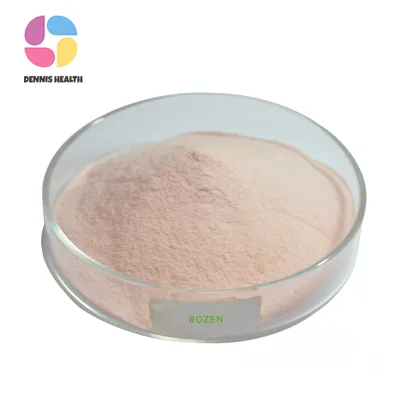
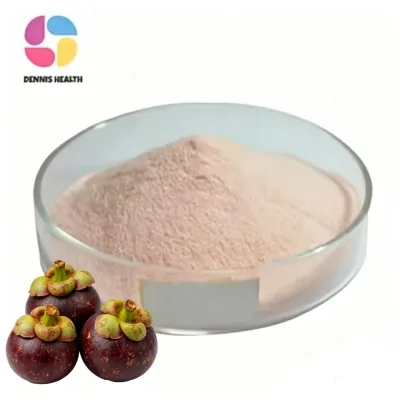
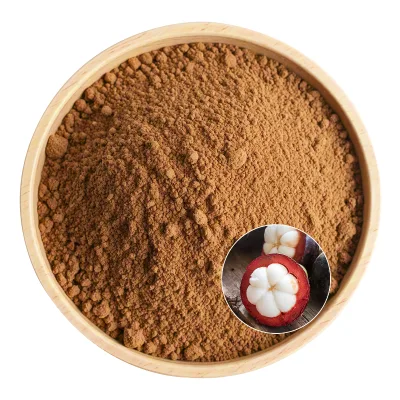
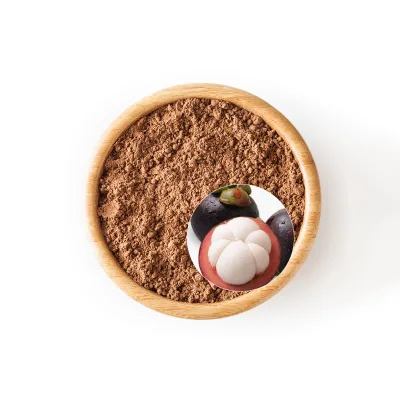
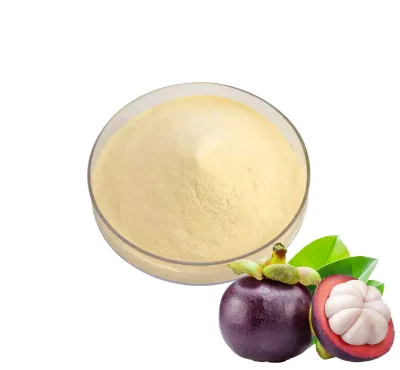
Wholesale Supply Original Flavor Mangosteen Powder Dehydrated Fruit Fine Powder
Contact supplier
Moq: 1
- Verified by TüVRheinland
- Trading Company
- Lead time3 days
Main productsSpirulina Extract Phycocyanin Powder, Sea Moss Extract Powder, Shilajit Extract, Organic Mushroom Extract Powder, Alpha Arbutin
Main marketsNorth America(40%), Western Europe(15%), Oceania(10%)
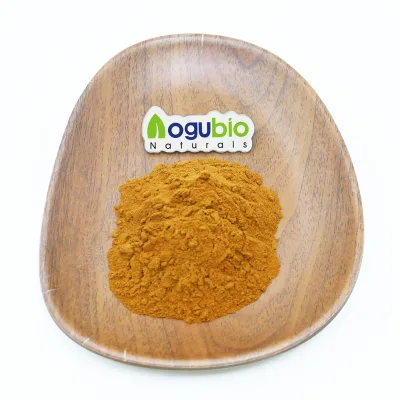
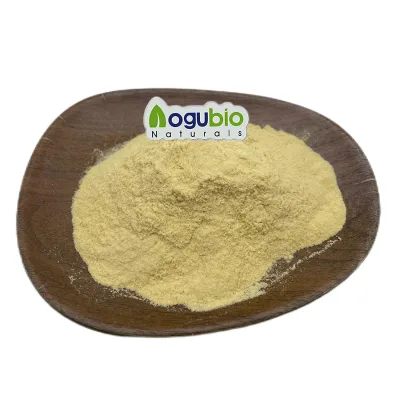
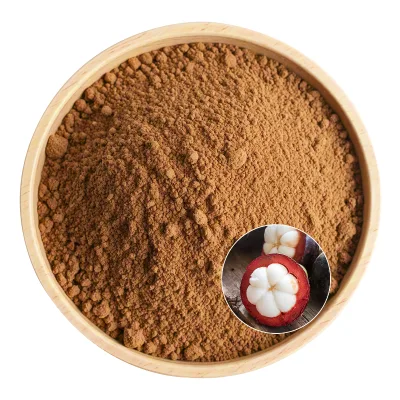
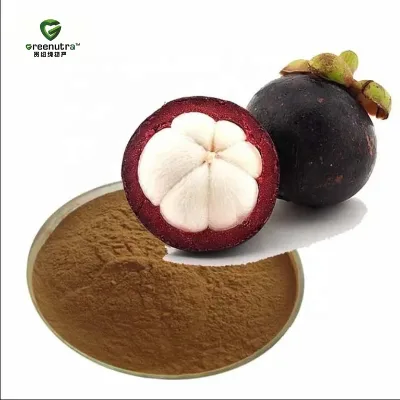
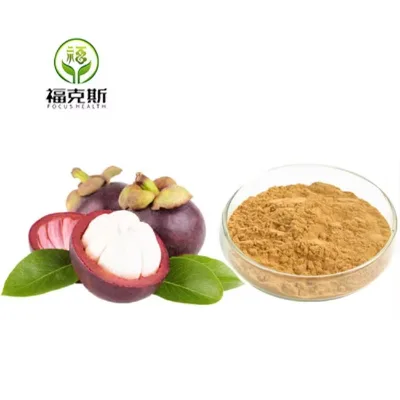
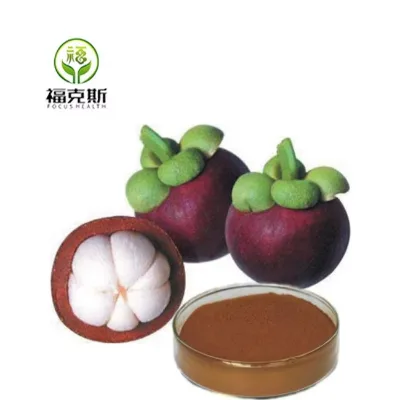
High Quality Mangosteen Extract Mangostin Garcinia Mangostana Fruit Peel Extract
$23.46 - $30.60
Moq: 1
Shaanxi Focus Biotechnology Co., Ltd.
- Manufacturer, Trading Company
- Shaanxi, China
- Lead time3 days
- Avg. response≤ 3h
Main productsherb extract,food additives,fruit powder,vitamins,amino acid
Main marketsNorth America(50.0%), Southern Europe(10.0%), Western Europe(10.0%), Eastern Europe(10.0%), Africa(5.0%), Northern Europe(5.0%), Southeast Asia(5.0%), Eastern Asia(5.0%)

Changsha Comext Biotech Co., Ltd.
- Verified by BV
- Combined
- China Hunan
- Lead time15 days
- Avg. response≤ 3h
Main productsOlive Leaf Extract, Rhodiola Rosea Extract, Red Clover Extract, Flax Seed Extract, Andrographis Extract, Mulberry Leaf Extract, Organic Irish Moss Powder, Barley Grass Powder, Protein Isolate, Rosemary Extract
Main marketsSoutheast Asia/ Mideast,Europe,North America
- Verified by SGS Group
- Manufacturer, Trading Company
- Lead time7 days
Main productsPlant Extract, Phytochemicals & chemicals, Amino Acids, Food Additives, Vitamins & Supplements
Main marketsNorth America(33%), Eastern Europe(18%), Western Europe(10%)
Xi'an Haoze Biotechnology Co., Ltd.
- Verified by BV
- Manufacturer/Factory
- China Shaanxi
- Lead time15 days
- Avg. response≤ 8h
Main productsNmn, Pharmaceutical Intermediates, Melatonin, Lidocaine, Coenzyme Q10, L-Carnitine, Plant Extract, Alpha Arbutin, Resveratrol, Quercetin
Main marketsSouth America,Eastern Europe,Mid East,North America,Southeast Asia,Eastern Asia,Oceania,Western Europe,Africa
Shaanxi Runcuize Biotechnology Co., Ltd.
- Manufacturer, Trading Company
- shaanxi, China
- Lead time3 days
- Avg. response≤ 4h
Main productsHuperzia Serrata Extract,Horse Chestnut extract,Polygonum Cuspidatum Extract,Okra Extract,Natto extract
Main marketsNorth America(30.0%), Southeast Asia(20.0%), Eastern Europe(20.0%), South America(20.0%), Africa(10.0%)

- Verified by SGS
- Trading Company,Manufacturer/Factory
- China Anhui
- Lead time15 days
- Avg. response≤ 13h
Main productsNootropics, Vitmians, Herbal Extract, Amino Acids
Main marketsSouth America,Eastern Europe,Mid East,North America,Southeast Asia,Eastern Asia,Oceania,Western Europe,Africa










Comprehensive Sourcing Guide
USDA Organic Mangosteen Extract Powder Supplier Concentration and Factory Types
When buyers search for USDA Organic Mangosteen Extract Powder, the listings that surface are heavily weighted toward plant-extract producers and combined manufacturer-traders based in China. On this page, the visible suppliers include a combined company in Shaanxi whose main product lines span plant extracts, sea buckthorn powder, echinacea, soybean peptide, valerian, chaga mushroom, elderberry and other fruit powders, and a Hunan-based trading company with manufacturing operations listing green tea L-theanine, cranberry, milk thistle, grape seed, hibiscus and stevia extracts among its core products. This pattern tells you something important: mangosteen extract is rarely a supplier's only offering. It typically appears as one item inside a broad botanical extract catalog, which means your evaluation should focus on how deeply the supplier works with this specific raw material rather than on general extract credentials.
Supplier types also differ in ways that affect your risk. A combined manufacturer-trader may control extraction internally but still broker some volumes; a pure trading layer may subcontract entirely. The listing data itself offers clues: the Shaanxi supplier shows ODM, OEM and own-brand capability and BV verification, while the Hunan supplier shows OEM capability and a multi-certification profile including ISO 9001, ISO 22000, GMP and HACCP. Neither profile proves organic status. Treat company type, product breadth and capability labels as a screening grid, then demand direct evidence of organic certification for the mangosteen SKU before any sampling commitment.
How to Verify USDA Organic Mangosteen Extract Powder Suppliers
Verification should start with the organic claim itself, because "organic" in a product title is a marketing keyword, not a credential. Ask each supplier for the organic certificate covering the exact SKU, checking that the certificate names the holder, the product, and is currently valid. For a USDA organic claim on mangosteen extract powder, the material must come through a certified organic supply chain, so request transaction certificates as well, since a one-time certificate does not guarantee that each exported lot retains organic status. Cross-check the certificate issuer and scope, and confirm the certifier is accredited.
Beyond organic status, use the on-page evidence as a starting checklist. The Shaanxi listing shows ISO9001:2015 system certification, BV verification, and product-level attributes such as HACCP, FDA and ISO references with HPLC-relevant details; the Hunan supplier's product attributes cite HACCP and ISO with UV and HPLC assay methods. Verify each of these independently: ask for the ISO 9001 certificate number, request third-party lab reports for alpha-mangostin content or total extract ratio depending on the SKU, and confirm pesticide residue testing against the standard the supplier claims. Beware of attribute tables listing many certifications on a generic extract template; one product on this page even shows conflicting product names within its own attributes, which signals copied listing data. Any supplier whose documentation cannot be matched to the exact mangosteen SKU should be removed from consideration.
What to Compare Across USDA Organic Mangosteen Extract Powder Suppliers
Build a comparison sheet using dimensions the listings actually display, while remembering that not every supplier shows every attribute. Useful fields include location, company type, verification status, system certifications, main products, response time, lead time, MOQ and customization capability. On this page, the Shaanxi combined supplier shows a response time of roughly 2.5 hours and a 15-day lead time, while the Hunan manufacturer-trader shows a much slower response time near 13.7 hours; those gaps matter when you need fast sampling or issue resolution. The Shaanxi supplier's mangosteen listing shows an MOQ of 1 for one SKU and 10 for another, with prices ranging from the high teens to high twenties per kilogram, while a separate alpha-mangostin listing spans 12 to 18 dollars per kilogram and another healthcare-grade listing reaches 25 to 48. Compare price only at matched specification and grade.
Also compare specification depth. Some mangosteen listings here specify alpha-mangostin percentages from 10% to 90%, fruit versus peel sourcing, extract ratios, packing in 25 kg drums, and delivery windows stated in working days. Others give only powder state and application fields. Suppliers who specify part used, assay method, Latin name and pesticide residue standards in the listing itself generally have tighter production control. Weight product-level specificity above supplier-level slogans when ranking candidates.
Common USDA Organic Mangosteen Extract Powder Sourcing Risks
The most common risk in this category is specification drift: you order a 90% alpha-mangostin peel extract and receive a lower-concentration fruit powder, or an extract with a ratio claim instead of an assayed marker. The listings here cover everything from organic fruit powder to 10%–40% peel extract to 90% alpha-mangostin, so ambiguity between "mangosteen powder" and "mangosteen extract" is real. Lock the specification—part used, active marker, concentration, assay method—into the purchase contract, and require a pre-shipment certificate of analysis from a named third-party laboratory, not only an in-house report.
The second major risk is organic-status contamination. Because mangosteen is a tropical fruit often processed by generalist botanical factories, bulk handling lines may also run conventional material, undermining organic integrity. Require documentation showing segregated processing or at minimum documented cleaning protocols, plus transaction certificates for each shipment. A third risk is listing-data reliability: as noted, one listing on this page carries mismatched product names inside its attribute block, a sign that template data was reused and the supplier's attention to detail is weak. Finally, watch for certification claims like BRC, RoHS or FDA registration listed per-product without certificate copies, and for pricing that seems inconsistent across a supplier's own SKUs without a clear concentration or grade rationale. Any unexplained inconsistency is a reason to verify harder or walk away.
USDA Organic Mangosteen Extract Powder Regional Sourcing and Logistics
The listings on this page point to two Chinese provinces: Shaanxi and Hunan. Both are recognized hubs for botanical extraction, but they play slightly different roles. Shaanxi, anchored around Xi'an, hosts a dense concentration of plant-extract factories serving supplement and food brands, which is consistent with the Shaanxi supplier here listing mangosteen powder alongside many other fruit and herb extracts. Hunan suppliers similarly position themselves as multi-extract houses, with the listing here combining trading and manufacturing roles. Because neither province grows mangosteen locally at commercial scale—the fruit is tropical—the raw material is sourced from Southeast Asian growing regions and processed in these clusters. That supply chain length is itself a logistics consideration.
For planning, use the lead-time signals in the data without generalizing: the Shaanxi listing shows a 15-day lead time, while one Hunan product attributes a 2–3 working-day delivery window and another cites 5–7 working days with 4 tons of regular stock. Stocked conventional SKUs ship far faster than made-to-order organic lots, which must wait for raw material, processing and certification paperwork. Ask each supplier how organic raw material is procured, stored and segregated, and what the realistic timeline is for a certified organic batch with a transaction certificate. For shipping, 25 kg fiber drums or cartons are the stated packing norm, so calculate container utilization and confirm drum integrity for long transit.
USDA Organic Mangosteen Extract Powder Commercial Terms and Order Planning
Commercial terms should be negotiated against the displayed benchmarks but never assumed. On this page, displayed price ranges for mangosteen-related SKUs run roughly from the low teens to nearly 50 dollars per kilogram depending on concentration, grade and application, and MOQs range from 1 to 10 units on listed products. Treat these as opening reference points: obtain written quotes at your exact specification, including organic certification surcharges, packaging, and freight terms, and confirm whether the quoted price assumes FOB, CIF or DDP delivery. Because listed prices can be stale, reconfirm currency, validity period and price-break tiers at 100 kg, 500 kg and 1,000 kg volumes.
Order planning should sequence risk reduction. Start with a paid or free sample—both relevant listings mention sample availability, one specifying a 100 g free sample—then conduct third-party testing for identity, active content and pesticide residues before placing a pilot order. Pilot lots let you validate lead-time claims, since the 15-day and 2–3 working-day figures on this page describe different SKUs and conditions. Build contracts around inspection rights, replacement terms for failed CoAs, and organic transaction certificates per shipment. Keep payment protection in mind: ask whether the supplier supports escrow or trade assurance through their channel, since the page data does not confirm escrow for these suppliers. Plan reorders against realistic organic-batch production cycles rather than the fastest advertised delivery window.
Word count check: approximately 1,390 words total across six sections.
FAQs
What certifications are available for mangosteen extract powder?
Suppliers typically offer HACCP, ISO, FDA, BRC, and RoHS certifications for their plant extracts. These credentials ensure the product meets international food safety and quality standards. Buyers should verify specific certificates for their target market requirements before placing orders to ensure full regulatory compliance.
What is the typical lead time for orders?
Lead times generally range from 2 to 15 working days depending on the supplier and order volume. Some manufacturers provide rapid delivery within 2-3 working days for standard items, while others may require up to 15 days for production. Confirm the exact timeline with the supplier during negotiation.
What is the minimum order quantity for bulk purchases?
Minimum order quantities vary significantly, with some suppliers accepting orders as low as 1 kilogram. Others may require a minimum of 10 kilograms for specific extract grades. Always check the specific MOQ listed for the product variant you intend to purchase to avoid unnecessary inventory costs.
Where are these suppliers located?
Manufacturers are primarily located in China, specifically in the Shaanxi and Hunan provinces. These regions are known for their robust plant extraction industries and supply chains. Buyers can expect products to originate from these verified industrial hubs, ensuring access to established manufacturing capabilities.
What is the price range for mangosteen extract?
Prices typically range from $10 to $48 per kilogram depending on the concentration and purity. Standard extracts may cost between $10 and $15, while high-purity alpha-mangostin powders can reach up to $48. Costs are influenced by extraction ratios and specific certification requirements.
Can suppliers provide free samples?
Many manufacturers offer free samples, such as 100g portions, to allow buyers to test product quality. Some suppliers also provide free samples upon request for bulk inquiries. Sampling helps verify the powder color, state, and active ingredient levels before committing to larger commercial orders.