Car Cabin Air Conditioning Filter Suppliers and Manufacturers
Source Car Cabin Air Conditioning Filter options from 27 verified suppliers in China. Compare grounded dimensions including CE and ISO 9001 certifications, lead times, and MOQs. Review product specifications and request quotes to streamline your procurement process; review the available evidence before requesting comparable quotations from suitable candidates.
Updated
Suppliers List

Guangzhou Ruchu Imp. & Exp. Co., Ltd
- Trading Company
- China Guangdong
- Lead time15 days
- Avg. response≤ 5h
Main productsAC Compressor, AC Condenser, AC Evporator, Clutch, Blower Motor, Fan, Fan Motor, Fitting, Rubber Hose, AC Tools
Main marketsAfrica,Southeast Asia/ Mideast,Europe

Hebei Congben Vehicle Fittings Co., Ltd.
- Verified by TUVRHEINLAND
- Trading Company,Manufacturer/Factory
- China Hebei
- Lead time15 days
- Avg. response≤ 5h
Main productsAir Filter, Cabin Filter, Oil Filter, Fuel Filter, Fuel Water Separator, Motorcycle Filter, Transmission Filter, Truck Filter, Construction Machinery Filter Element, Spark Plug Brake Pads Water Pump
Main marketsSouth America,Eastern Europe,Mid East,North America,Southeast Asia,Oceania,Western Europe,Africa

Car Cabin Air Filter 6447. Xg Air Conditioner Filter Air Conditioning Filter
$0.85 - $1.35
MOQ: 100 Pieces


$0.85 - $1.25
MOQ: 100 Pieces


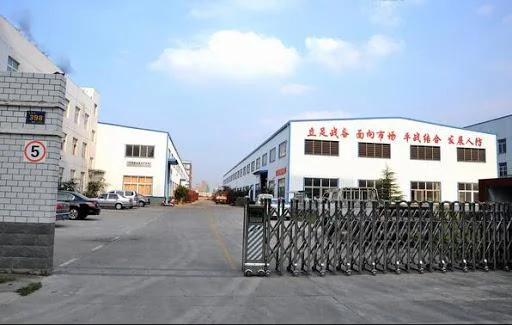
Xingtai Hongmao Auto Part Co., Ltd.
- Trading Company
- Hebei, China
- Lead time15 days
- Avg. response≤ 2h
Main productscar clips,oxygen sensor,catalytic converter,oil seal,gasket
Main marketsMid East(50.00%), Africa(30.00%), North America(20.00%)
- Trading Company
- Henan, China
- Lead time7 days
- Avg. response≤ 2h
Main productshydraulic filter,fuel filter,water filter,gas filter,dust filter
Main marketsEastern Europe(60.00%), Africa(10.00%), Mid East(10.00%), Oceania(8.00%), North America(6.00%), Eastern Asia(3.00%), South America(3.00%)

XINGTAI FULANGMU FILTER MANUFACTURE CO., LTD.
- Verified by CTI
- Combined
- China Hebei
- Lead time30 days
- Avg. response≤ 7h
Main productsAir Filter, Oil Filter, Cabin Filter, Fuel Filter, Engine Mount, Center Bearing, Suspension Bushing
Main marketsSouth America,Africa,Southeast Asia/ Mideast,East Asia(Japan/ South Korea),Domestic,Europe,Australia,North America

Nangong Tongda Auto Parts Co., Ltd
- Verified by TUVRHEINLAND
- Combined
- China Hebei
- Lead time15 days
- Avg. response≤ 1h
Main productsOil Filter AC Filter, Wiper, Cabin Filter Fuel Filter Hydraulic Oil Filter, Truck Air Filter Motorcycle Filter, Air Filter, Motorcycle Filter
Main marketsSoutheast Asia/ Mideast
Henan Gangding International Trade Co., Ltd.
- Verified by TüVRheinland
- Trading Company
- Lead time10 days
- Avg. response≤ 2h
Main productsAir Filter, Oil Filter, Truck Fuel Filters, Hydraulic Oil Suction And Return Filter, Air Conditioning Filter
Main marketsNorth America(24%), Mid East(24%), Eastern Europe(14%)
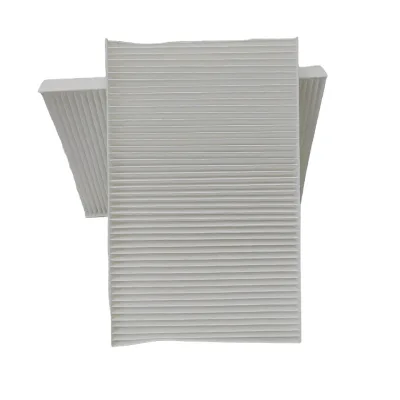
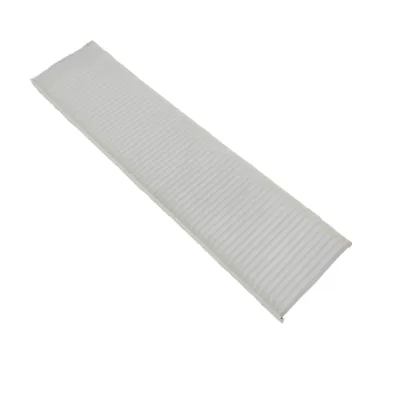
$1.481 - $2.9621
MOQ: 20 pieces
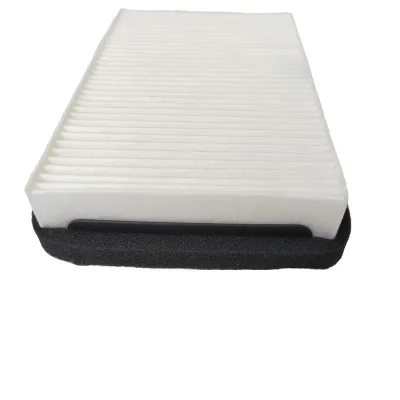
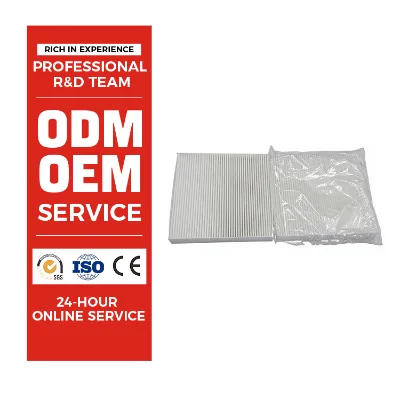
Hot Sale High Quality Auto Parts Cabin Filters for Air Conditioning System Harvester Air Filters
$2.14 - $3.57
MOQ: 50 pieces
Guangzhou Daheng Auto Parts Co., Ltd.
- Manufacturer, Trading Company
- Guangdong, China
- Lead time0 days
- Avg. response≤ 4h
Main productsauto parts
Main marketsAfrica(40.00%), Mid East(30.00%), South America(25.00%), South Asia(5.00%)
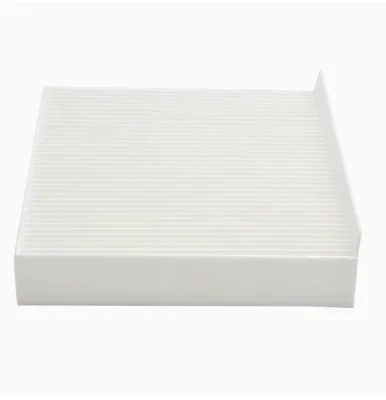
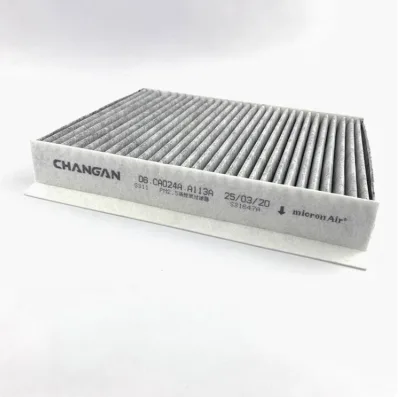
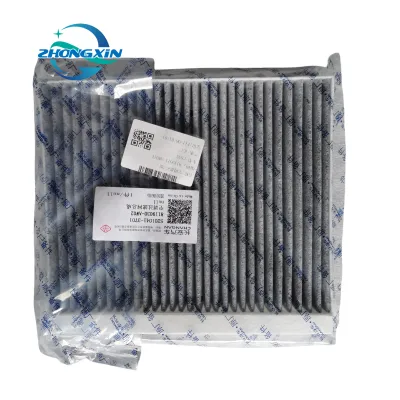
Changan CS55 Auto Parts Cabin Air Filter Air Conditioning Filter for Cars
$15.00 - $20.00
MOQ: 10 pieces
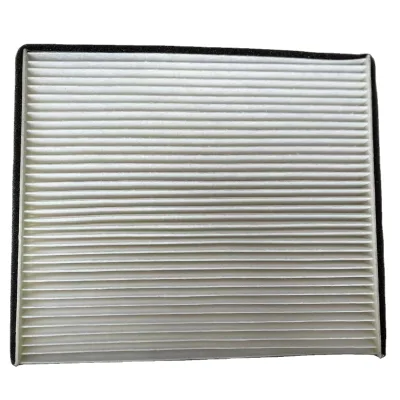
USA Car Cabin Filters Spare Automotive Parts & Accessories Air Conditioning Filter 26208524
$1.2566 - $1.5708
MOQ: 1 pieces
Hangzhou Biosafety and Purification Technology Co.,Ltd
- Manufacturer, Trading Company
- Zhejiang, China
- Lead time0 days
- Avg. response≤ 4h
Main productscabin filter,air conditioner filter,home appliance parts,air purifier parts
Main marketsNorth America(40.00%), Domestic Market(20.00%), Oceania(10.00%), Northern Europe(10.00%), Western Europe(10.00%), Eastern Asia(10.00%)
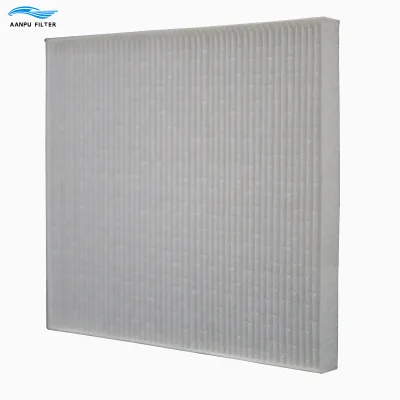
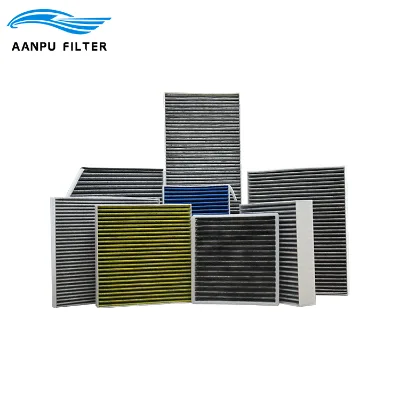
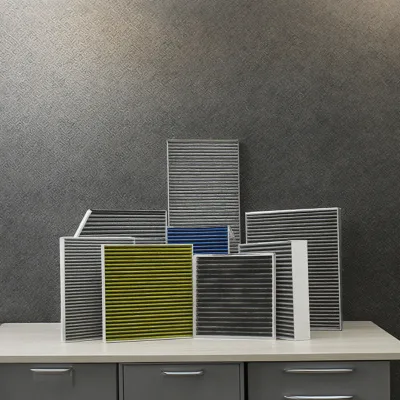
Multi-Functional Cabin Air Filters Fit for 4F0 819 439 A 4F0 898 438 A
$2.5761 - $3.2972
MOQ: 50 pieces
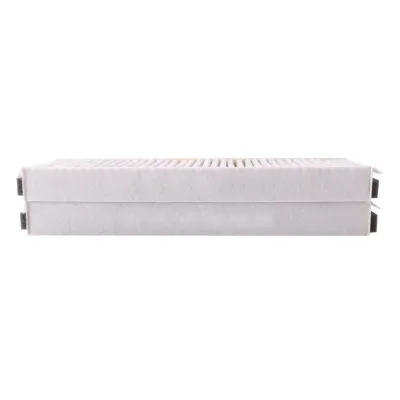
Wholesales Antibacterial Cabin Filters Fit for 4F0 819 439 A 4F0 898 438 A 4F0 898 438 C
$2.5836 - $3.3062
MOQ: 50 pieces
Hebei Aoyue Auto Parts Co., Ltd.
- Verified by TüVRheinland
- Manufacturer, Trading Company
- Lead time20 days
- Avg. response≤ 3h
Main productsWiper
Main marketsDomestic Market(20%), North America(15%), Eastern Europe(10%)
- Verified by TüVRheinland
- Trading Company
- Lead time7 days
- Avg. response≤ 2h
Main productsCar Headlights, Car Taillights, Car Modificati, Truck Lights, Speaker
Main marketsNorth America(30%), Africa(20%), Western Europe(20%)
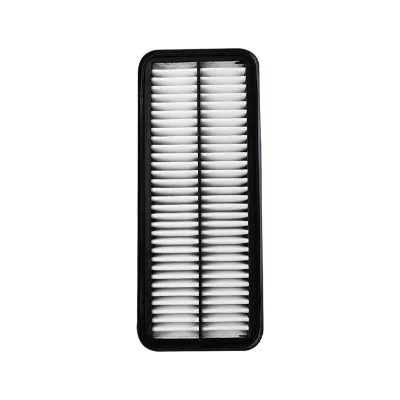
$0.4443 - $0.7121
MOQ: 100 pieces
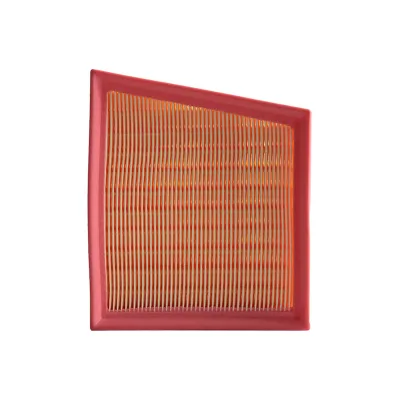
$0.4443 - $0.7136
MOQ: 100 pieces
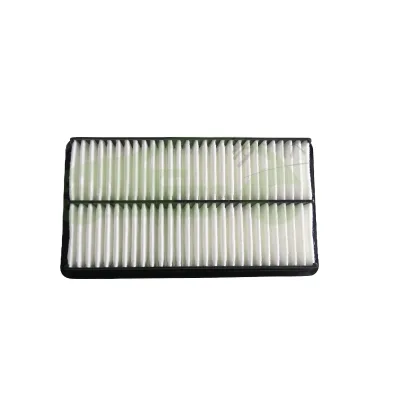
$0.4443 - $0.7121
MOQ: 100 pieces
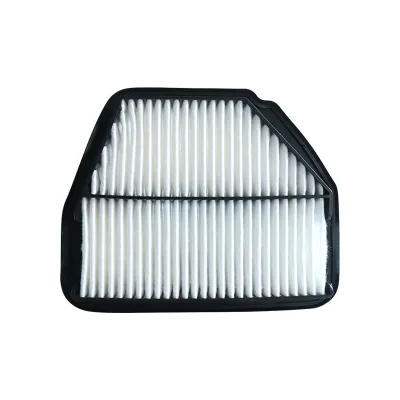
$0.4413 - $0.7076
MOQ: 100 pieces
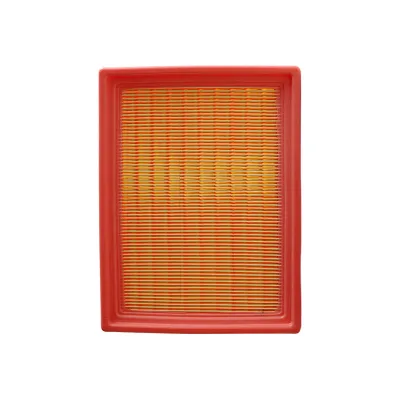
$0.4443 - $0.7136
MOQ: 100 pieces
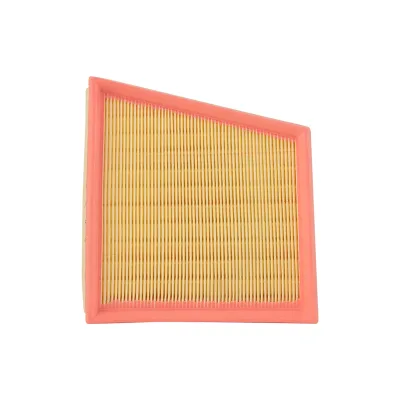
$0.43 - $0.69
MOQ: 100 pieces

Changsha Torch Auto Parts Co., Ltd.
- Verified by CTI
- Combined
- China Hunan
- Lead time45 days
- Avg. response≤ 4h
Main productsSpark Plug, Ignition Coil, Seal, Brake Pad, Ignition Parts, Power Plant Equipment and Spare Parts, Gas Genesets, Engine Parts, Filter
Main marketsAfrica,Southeast Asia/ Mideast,Domestic,Europe,North America

China Cabin Air Conditioning Vehicle Filter with 99.8%+ Filtration Efficiency
$1.20 - $2.50
MOQ: 800 Pieces

High Efficiency Environmental Friendly Car Air Conditioning Cabin Filter 87139-32010
$1.20 - $2.50
MOQ: 800 Pieces

Hebei Qianli Auto Parts Technology Co., Ltd.
- Manufacturer, Trading Company
- Hebei, China
- Lead time10 days
- Avg. response≤ 2h
Main productsHandbrake,Brake Pedal,Stamping Parts,Car Cable,Air Filter
Main marketsDomestic Market(70.00%), North America(10.00%), Eastern Europe(5.00%), Mid East(5.00%), Africa(5.00%), Southeast Asia(5.00%)

Zhejiang Autocool Automotive Thermal Management Technology Co., Ltd.
- Trading Company
- Zhejiang, China
- Lead time30 days
- Avg. response≤ 8h
Main productsFord Vehicle Cooling Parts,Pickup & LCV Cooling Parts,Automotive Thermal System
Main marketsSoutheast Asia(25.00%), South America(25.00%), Mid East(15.00%), South Asia(10.00%), Africa(10.00%), Oceania(10.00%), Domestic Market(5.00%)

Jinan Fuju Auto Parts Co., Ltd.
- Verified by SGS
- Trading Company
- China Shandong
- Lead time15 days
- Avg. response≤ 6h
Main productsFilter, Heavy-Duty Truck Accessories, Generator Sets Filter, Mining Equipment Filters, Commercial Truck Filters, Silicone Hoses
Main marketsDomestic,Europe
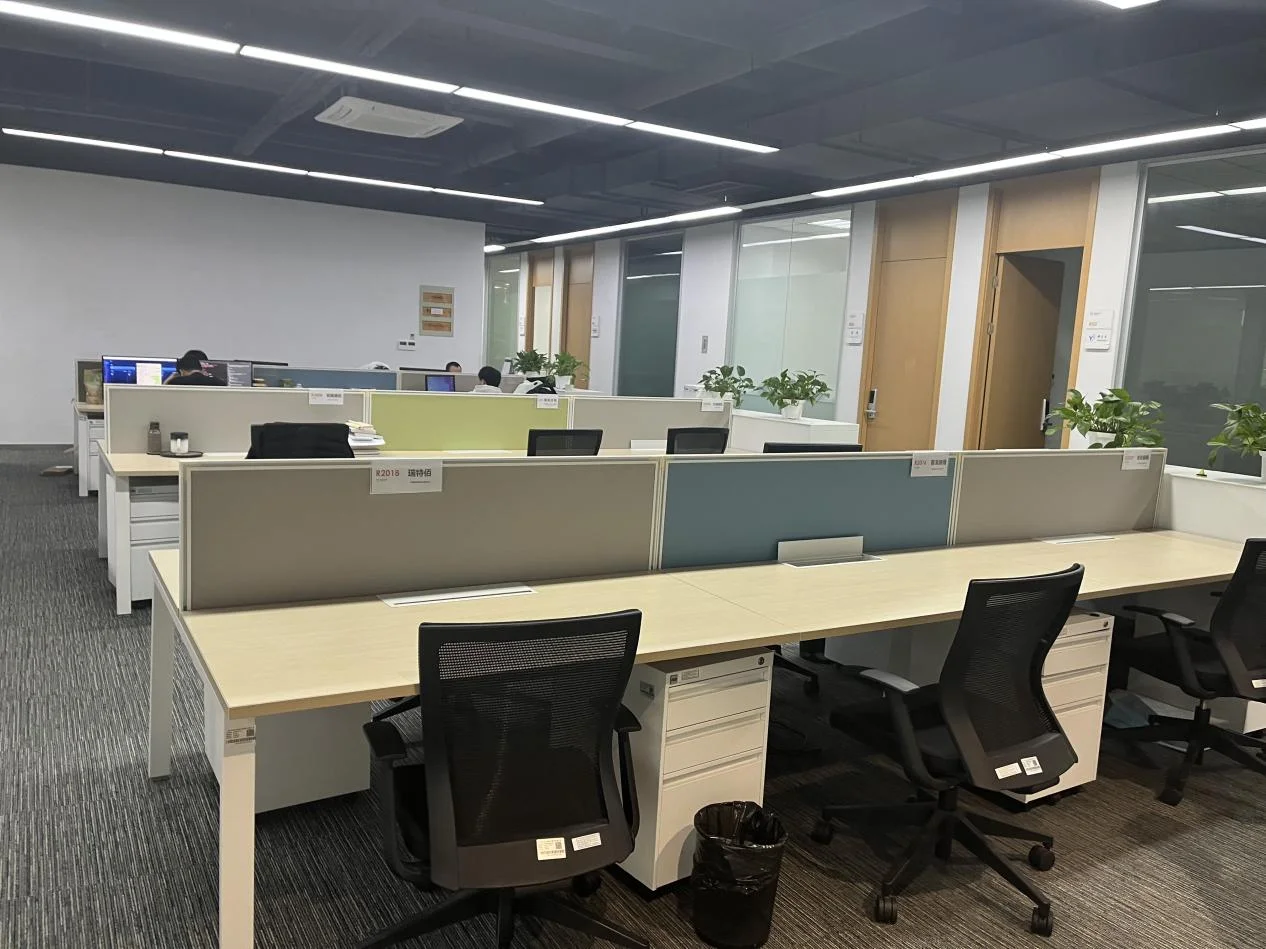
Foshan Shirui Trading Company Ltd.
- Trading Company
- Guangdong, China
- Lead time10 days
- Avg. response≤ 4h
Main productscar accessories,floor mat,trunk mat
Main marketsSoutheast Asia(30.00%), North America(30.00%), Mid East(10.00%), South America(10.00%), Eastern Europe(10.00%), Africa(5.00%), Oceania(5.00%)
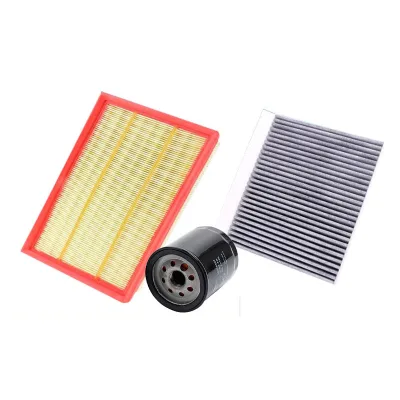
$3.5874 - $4.3549
MOQ: 1 Minimum
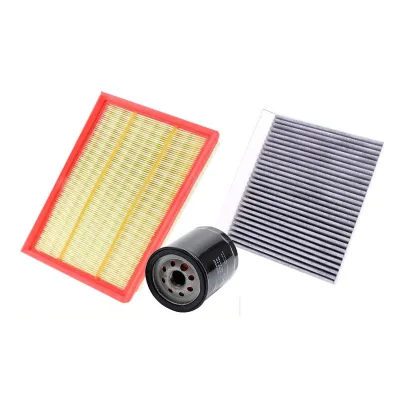
Car air Conditioning Filter Carbon Filter for Acura CDX 2016 2017 2018 2019 2020 2021
$3.0728 - $3.5844
MOQ: 1 Minimum
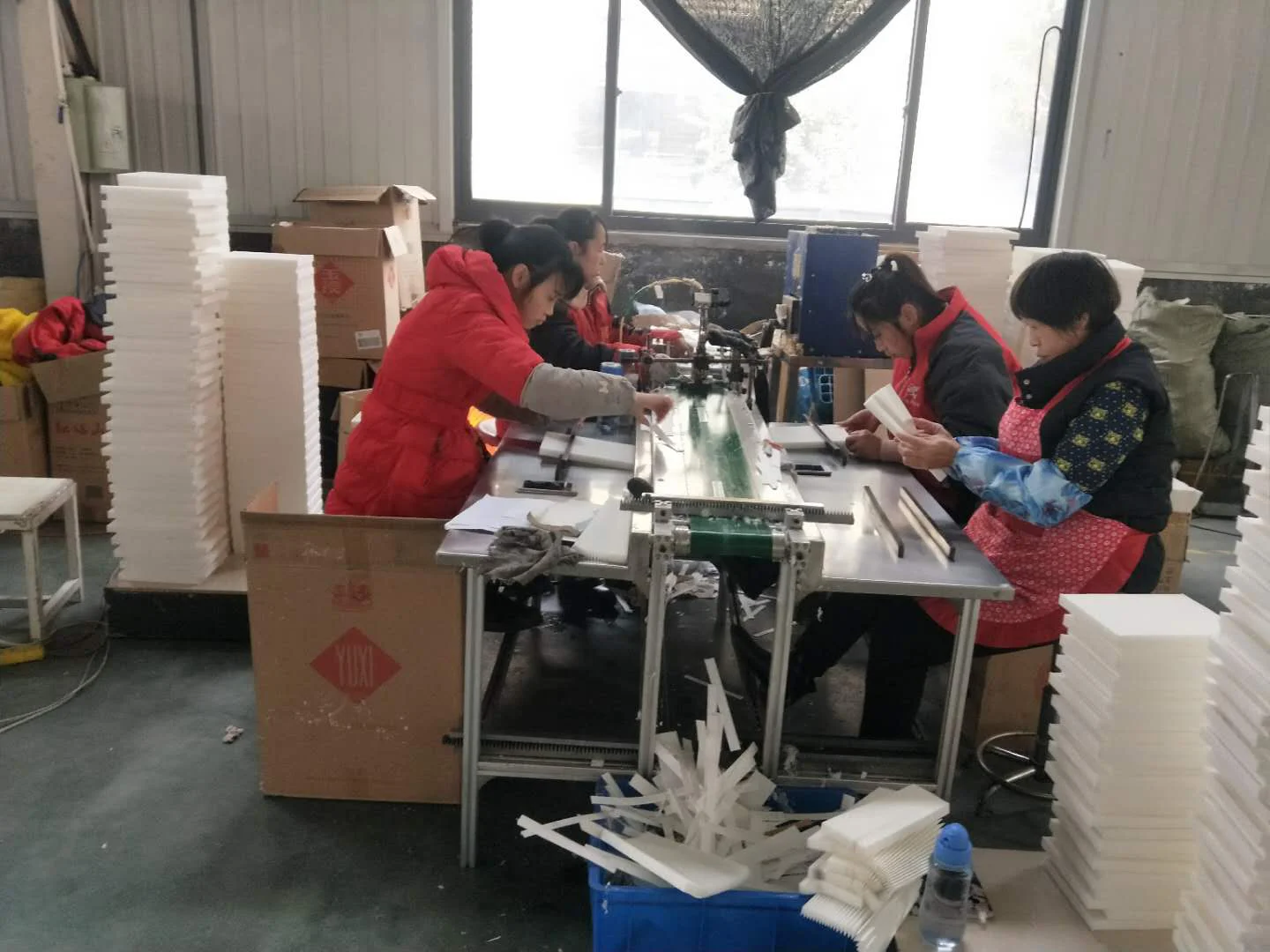
Nangong Mingding Auto Parts Co., Ltd.
- Manufacturer, Trading Company
- Hebei, China
- Lead time30 days
- Avg. response≤ 2h
Main productscar cabin filter,car wiper,oil filter,cabin filter,air filter
Main marketsSouth Asia(12.00%), Mid East(11.00%), Central America(10.00%), Domestic Market(8.00%), Eastern Europe(8.00%), North America(8.00%), South America(7.00%), Africa(6.00%), Southern Europe(6.00%), Northern Europe(6.00%), Southeast Asia(5.00%), Western Europe(5.00%), Eastern Asia(5.00%), Oceania(3.00%)
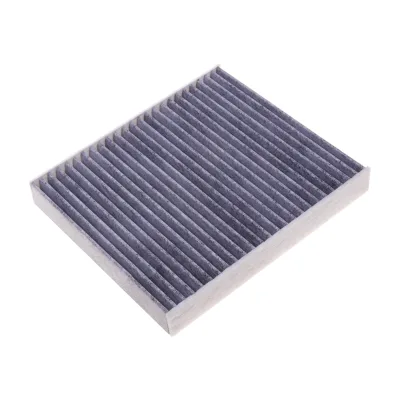
$0.72 - $1.32
MOQ: 100 pieces

$0.5146 - $0.8542
MOQ: 20 pieces
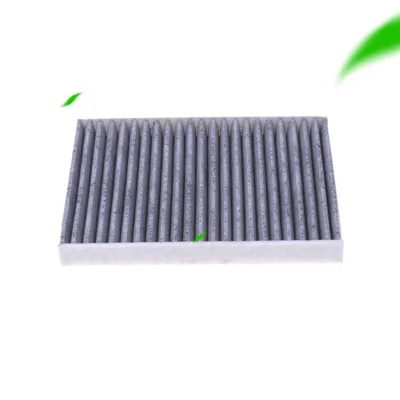
$0.50 - $0.84
MOQ: 100 pieces

Nantong Lyusen Environmental Protection Purification Material Co., Ltd
- Verified by SGS
- Combined
- China Jiangsu
- Lead time23 days
- Avg. response≤ 1h
Main productsAir Filter, Activated Carbon Filter, Air Conditioner Filter
Main marketsEast Asia(Japan/ South Korea)

$3.00 - $6.00
MOQ: 50 Pieces

OEM Cabin Air Filter for Car Air Conditioning System with Multilayer Odor Absorption Material Design
$3.00 - $6.00
MOQ: 50 Pieces

Automotive Air Conditioner Cabin Filter with Long Lifespan and High Filtration Area Design
$3.00 - $6.00
MOQ: 50 Pieces

OEM Car Air Conditioner Filter for Automotive Air Systems with Electrostatic Fiber Filtration Layer
$3.00 - $6.00
MOQ: 50 Pieces
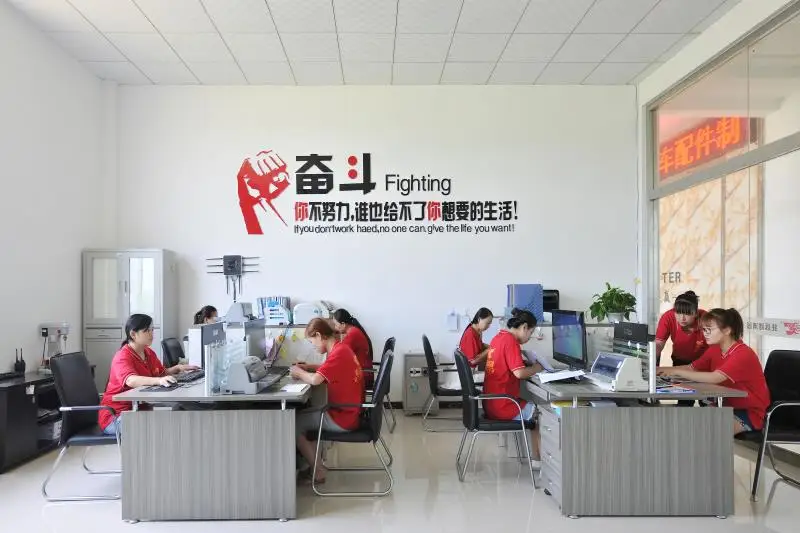
Hebei Huanzhan Auto Parts Co., Ltd.
- Trading Company
- Hebei, China
- Lead time30 days
- Avg. response≤ 5h
Main productsAir Filter, Oil Filter, Cabin Filter, Car Filter, Fuel Filter
Main marketsSoutheast Asia(25.00%), North America(20.00%), Eastern Europe(20.00%), South America(10.00%), Mid East(10.00%), Western Europe(5.00%), Eastern Asia(5.00%), Central America(5.00%)

CHONGQING POWERLAND MACHINERY CO., LTD.
- Verified by CTI
- Trading Company
- China Chongqing
- Lead time15 days
- Avg. response≤ 1h
Main productsEGR Valve, Sensor, Ignition Coil, Solenoid Valve, Electric Fan, Electric Vacuum Pump, Gasket, Plug, Bumper, Grille

ZHEJIANG YUFENG FILTER CO., LTD.
- Verified by SGS
- Manufacturer
- China Zhejiang
- Lead time30 days
- Avg. response≤ 2h
Main productsFilter, Oil Filter


Car Air Condition Filter 68120-08030 Improves Cabin Air, Easy Installation
$1.50 - $2.00
MOQ: 100 Sets
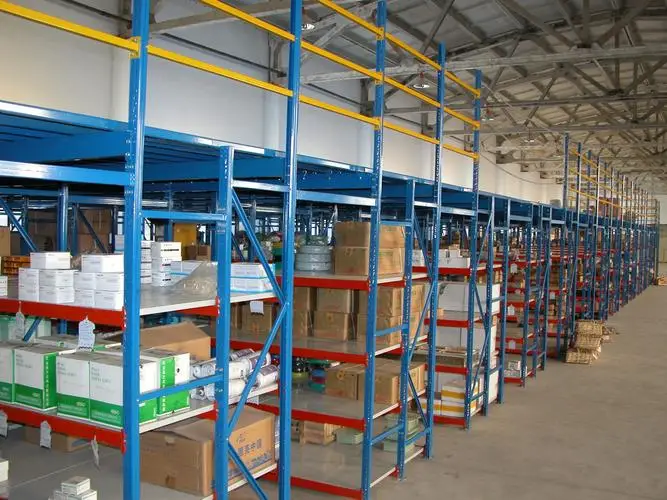
Xianghe Huobuquan Trading Co., Ltd.
- Trading Company
- Hebei, China
- Lead time40 days
- Avg. response≤ 2h
Main productsEngine Accessories, Chassis Accessories, Exterior Parts Of Whole Car, Whole Vehicle Electrical Components
Main marketsMid East(50.00%), Africa(30.00%), Southeast Asia(20.00%)
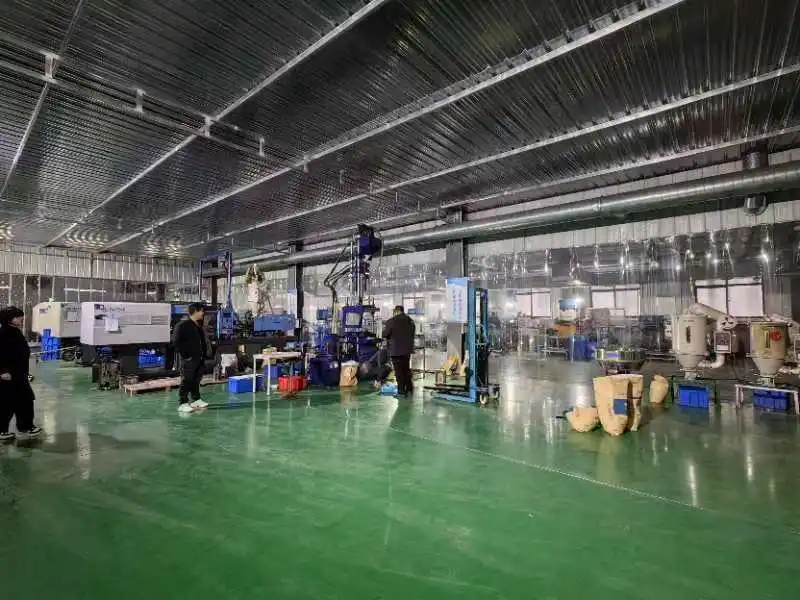
Xingtai Yuesheng Auto Parts Co., Ltd.
- Trading Company
- Hebei, China
- Lead time15 days
- Avg. response≤ 2h
Main productsOil filter,Car filter,The air filter,Fuel filter,Air conditioning filter
Main marketsOceania(20.00%), Eastern Europe(20.00%), Africa(19.00%), South America(16.00%), North America(14.00%), Southeast Asia(11.00%)

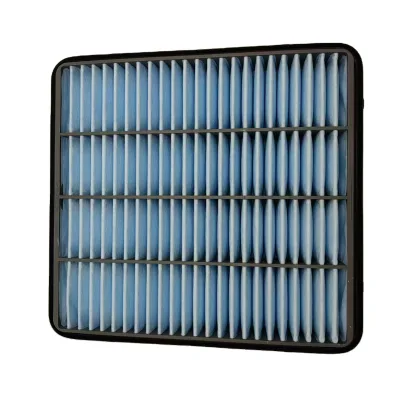
China Wholesale Activated Carbon Air Cabin Filter 1780138030 for for Pickup Truck
$2.78 - $3.79
MOQ: 100
$1.15 - $1.50
MOQ: 100 pieces
$0.9739 - $1.6396
MOQ: 100 pieces
Beijing Zhongxin Sihai International Trade Co., Ltd.
- Trading Company
- Beijing, China
- Lead time15 days
- Avg. response≤ 3h
Main productsEngine parts,Chassis fitting,Air conditioning system accessories,Outer fitting,Cooling system accessories
Main marketsDomestic Market(40.00%), Mid East(30.00%), Southeast Asia(20.00%), Africa(10.00%)
Guangzhou Coral Industrial Co., Ltd.
- Manufacturer, Trading Company
- Lead time旺季: "1 - 5000":30,"> 5000":"To be negotiated", 淡季: "1 - 5000":30,"> 5000":"To be negotiated"
- Avg. response≤ 1h
Main productsOil Filter, Fuel Filter, Hydraulic Oil Filter, Fuel Water Separator Filter, Air Filter
Air Guard Purification Technology Group(guangdong)co., Ltd.
- Verified by Intertek
- Manufacturer, Trading Company
- Lead time15 days
- Avg. response≤ 8h
Main productsAuto Cabin Air Filter, Air Purifier Filter, Industrial HVAC Filter, Ventilation Filter, Air Filter
Main marketsDomestic Market(45%), North America(40%), Western Europe(7%)

Ningbo Newlite International Trade Co., Ltd.
- Trading Company
- China Zhejiang
- Lead time60 days
- Avg. response≤ 21h
Main productsOven Parts, Oven Components, Gas Cooker Part, Spark Igniter, Oven Switch, Gas Stove Part, Oven Timer, Gas Valve, Barbeque Grill Parts, Gas Water Heater Parts
Main marketsSoutheast Asia/ Mideast,Europe,North America


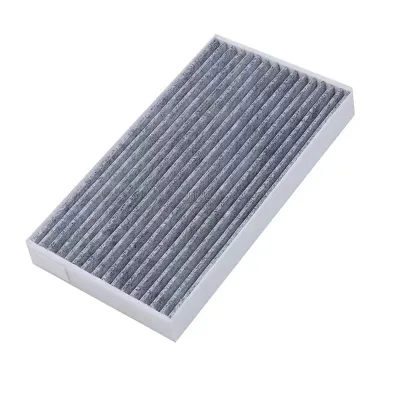
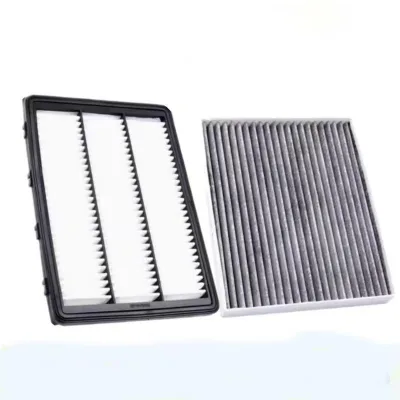
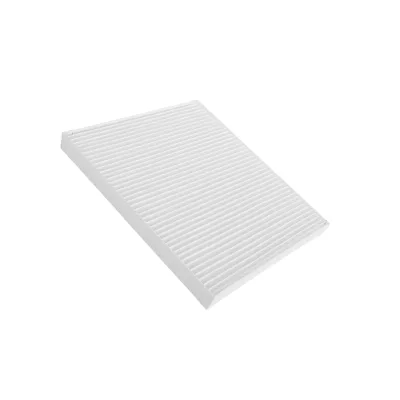
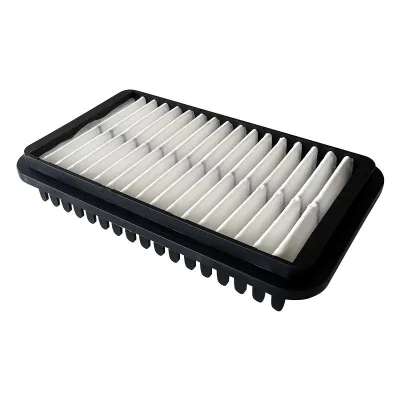


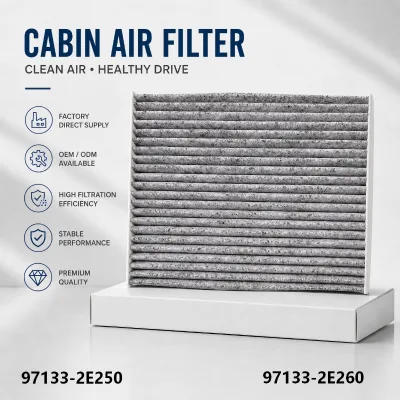
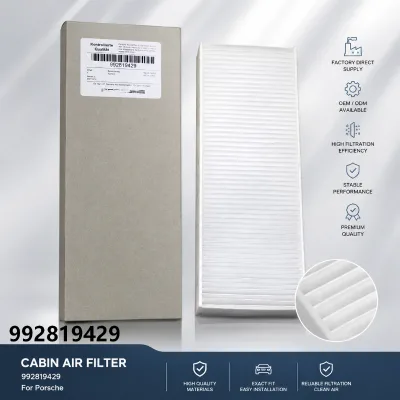
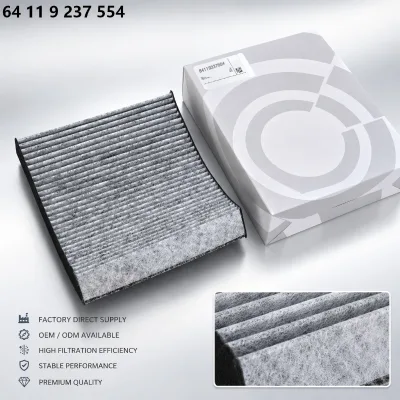
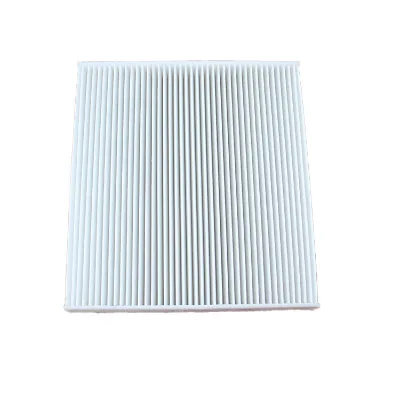
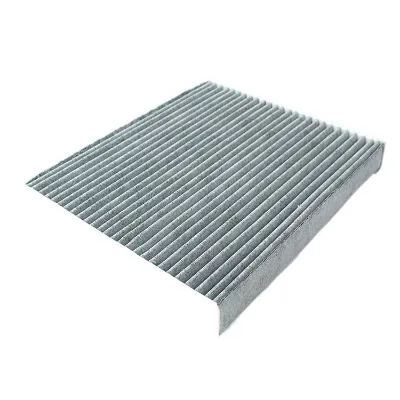


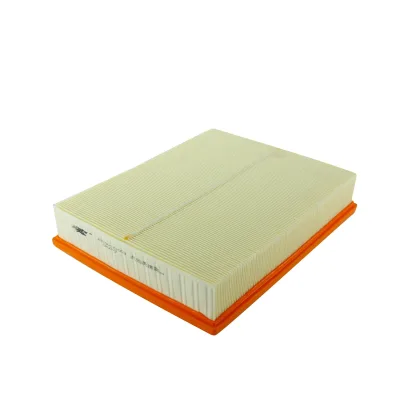
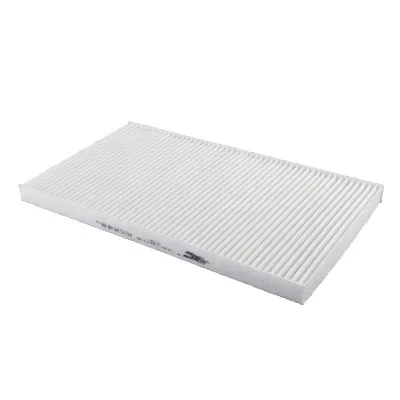


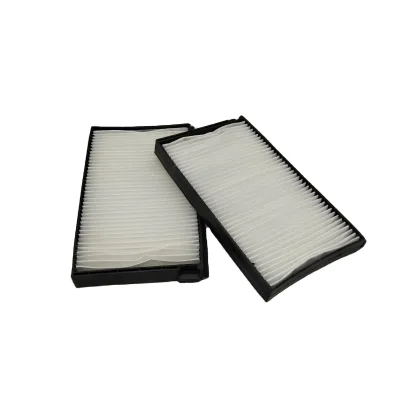
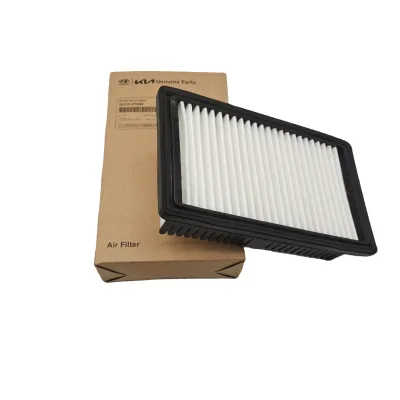
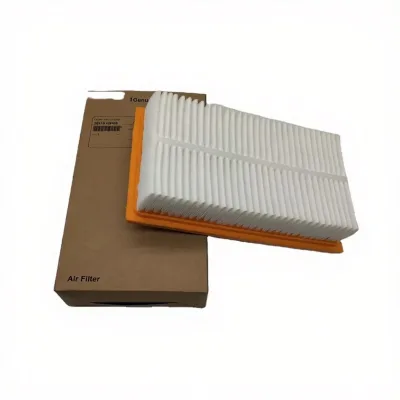
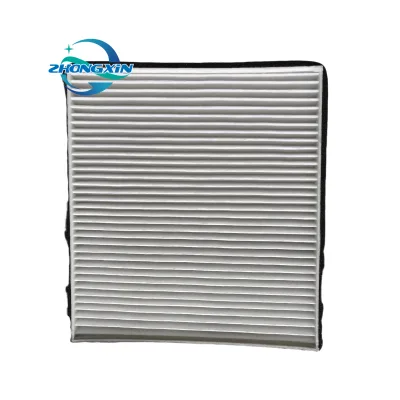


Comprehensive Sourcing Guide
Car Cabin Air Conditioning Filter Supplier Concentration and Factory Types
The current supplier landscape for car cabin air conditioning filters reveals a distinct concentration of manufacturing and trading entities within specific Chinese provinces, primarily Guangdong and Hebei. This geographic clustering is not random but reflects established industrial ecosystems where supply chains for automotive components are deeply integrated. Suppliers located in Guangdong often operate as trading companies, leveraging the region’s robust export infrastructure and proximity to major ports to facilitate international logistics. These entities typically focus on a broad range of AC components, including compressors, condensers, and evaporators, alongside cabin filters, allowing them to offer bundled sourcing solutions for buyers seeking comprehensive automotive parts. In contrast, suppliers in Hebei frequently present themselves as a hybrid of trading companies and manufacturers, indicating a more direct involvement in the production process. This distinction is critical for buyers, as it influences pricing structures, quality control capabilities, and the flexibility to handle custom orders. The presence of both factory and trading company types in the results suggests that buyers can choose between direct manufacturing relationships and the convenience of consolidated sourcing, depending on their volume requirements and operational preferences.
Understanding the company type is essential for evaluating the supplier’s core competencies and service model. Trading companies often excel in customer service, communication, and handling diverse product catalogs, making them suitable for buyers with smaller order volumes or those requiring a wide variety of SKUs. They act as intermediaries, managing the complexities of international trade while sourcing from various factories. On the other hand, manufacturers or factory-type suppliers may offer greater control over production schedules, material selection, and cost structures, particularly for large-volume orders. Some suppliers in the results explicitly list capabilities such as OEM and ODM services, indicating their ability to produce custom-branded or specification-specific filters. This is particularly relevant for buyers who need filters tailored to specific vehicle models or who wish to establish their own brand identity. The diversity in company types allows buyers to align their sourcing strategy with their business goals, whether that involves maximizing cost efficiency through direct manufacturing or ensuring supply chain flexibility through trading partners.
How to Verify Car Cabin Air Conditioning Filter Suppliers
Verifying the legitimacy and capability of Car Cabin Air Conditioning Filter suppliers requires a multi-layered approach that goes beyond surface-level profile information. One of the most critical steps is to check for third-party verification badges, such as those from TÜV Rheinland, which indicate that an independent body has assessed the supplier’s business operations and facilities. This verification provides a layer of trust, confirming that the supplier exists and operates as claimed. Additionally, buyers should scrutinize the certifications listed in the supplier’s profile, such as ISO 9001 or TS 16949, which are standard quality management systems in the automotive industry. These certifications suggest that the supplier adheres to rigorous quality control processes, which is vital for automotive parts that impact vehicle safety and performance. However, buyers should not assume that all suppliers possess these certifications; some may only list product-specific certifications like CE, which may not reflect the same level of systemic quality assurance. It is important to request copies of these certificates and verify their validity with the issuing bodies to ensure they are current and applicable to the specific products being sourced.
Beyond certifications, buyers should evaluate the supplier’s response time and communication efficiency as indicators of their operational maturity. A quick and professional response to inquiries often reflects a well-organized internal team that can handle orders and resolve issues promptly. In the current results, response times vary, with some suppliers showing an average response time of around 4.16 to 4.30 hours, which is generally acceptable for B2B interactions. Buyers should also look for evidence of past performance, such as detailed product attributes and specifications, which demonstrate the supplier’s familiarity with their inventory. For instance, suppliers providing specific OE numbers, dimensions, and filtration grades show a higher level of product knowledge. Additionally, buyers should inquire about the supplier’s ability to provide samples, as this allows for physical inspection of the filter’s material, construction, and fitment. A supplier willing to provide samples and respond to technical questions with detailed information is more likely to be a reliable partner. Buyers should also verify the supplier’s main products to ensure they specialize in cabin filters rather than offering them as a minor part of a diverse catalog, which could indicate a lack of focus and expertise.
What to Compare Across Car Cabin Air Conditioning Filter Suppliers
When comparing suppliers, buyers must analyze a range of operational and commercial metrics to determine the best fit for their needs. One key dimension is the minimum order quantity (MOQ), which varies significantly across suppliers. Some suppliers offer an MOQ of 100 pieces, which is accessible for smaller buyers or those testing new markets, while others may have higher thresholds. Buyers should align their MOQ requirements with their inventory management strategy and cash flow capabilities. Another critical factor is the lead time or delivery time, which indicates how quickly the supplier can fulfill orders. In the current results, delivery times range from 7 days to 15 days, with some suppliers specifying a range of 3-15 days. Faster lead times are advantageous for buyers with urgent needs or those operating with lean inventory systems, but they may come at a premium price. Buyers should also compare the price ranges, which can vary from $0.40 to $3.00 per unit depending on the product specifications, material quality, and order volume. It is important to note that lower prices may not always indicate better value, as they could reflect lower quality materials or less rigorous quality control.
In addition to price and lead time, buyers should compare the customization options and service offerings provided by each supplier. Some suppliers explicitly state that customization is available, allowing buyers to request specific materials, packaging, or branding. This is particularly useful for buyers who need filters tailored to specific vehicle models or who wish to enhance their brand presence. Buyers should also evaluate the supplier’s main product range to ensure they have the capacity to handle additional products if needed. For example, suppliers that also offer oil filters, fuel filters, and other automotive parts may be better positioned to provide a one-stop sourcing solution. Furthermore, buyers should compare the packaging standards, as proper packaging is crucial for protecting the filters during transit. Some suppliers offer export carton packages, while others provide customized packaging options. Buyers should also consider the supplier’s main market destinations, as this can indicate their experience with international logistics and compliance with different regional standards. By systematically comparing these dimensions, buyers can make informed decisions that balance cost, quality, and service.
Common Car Cabin Air Conditioning Filter Sourcing Risks
Sourcing car cabin air conditioning filters from international suppliers involves several risks that buyers must proactively manage to ensure a smooth procurement process. One significant risk is the variability in product quality, which can arise from differences in manufacturing standards and material sourcing. While some suppliers list certifications like ISO 9001, not all suppliers adhere to the same level of quality control, leading to potential inconsistencies in filter performance. Buyers may receive filters with inferior filtration efficiency, shorter lifespans, or poor fitment, which can result in customer complaints and returns. Another risk is the discrepancy between the supplier’s claims and the actual product specifications. For instance, a supplier may claim that their filters are HEPA grade, but without independent testing, this claim may not be accurate. Buyers should request detailed product specifications and test reports to verify the filter’s performance characteristics. Additionally, buyers should be cautious of suppliers who provide vague or incomplete product information, as this may indicate a lack of transparency or expertise.
Logistical and communication risks are also prevalent in international sourcing. Delays in production or shipping can disrupt the buyer’s supply chain, leading to stockouts and lost sales. Buyers should establish clear communication channels with their suppliers and set realistic expectations regarding lead times and delivery schedules. It is also important to have a contingency plan in place, such as identifying alternative suppliers or maintaining safety stock, to mitigate the impact of potential disruptions. Another risk is the potential for intellectual property infringement, particularly when dealing with custom or branded products. Buyers should ensure that their designs and branding are protected and that the supplier agrees to confidentiality and non-disclosure agreements. Furthermore, buyers should be aware of the regulatory requirements in their target markets, such as safety standards and labeling requirements, and ensure that the supplier’s products comply with these regulations. By identifying and addressing these risks early in the sourcing process, buyers can minimize potential issues and build a more resilient supply chain.
Car Cabin Air Conditioning Filter Regional Sourcing and Logistics
The regional location of suppliers plays a crucial role in determining logistics costs, lead times, and overall supply chain efficiency. Suppliers located in Guangdong, China, benefit from proximity to major international ports, which facilitates faster and more cost-effective shipping to global destinations. This geographic advantage is particularly beneficial for buyers who require frequent shipments or operate in regions with high demand for automotive parts. The presence of a robust logistics infrastructure in Guangdong also means that suppliers can offer a variety of shipping options, including sea freight, air freight, and express delivery, allowing buyers to choose the most suitable method based on their urgency and budget. In contrast, suppliers in Hebei, China, may have different logistical considerations, as their location may be further from major ports. However, these suppliers may still offer competitive shipping solutions, especially for buyers in Eastern Asia or other nearby regions. Buyers should evaluate the supplier’s transportation options and shipping costs to determine the most efficient logistics strategy for their needs.
When planning logistics, buyers should also consider the packaging and handling requirements of the car cabin air conditioning filters. Proper packaging is essential to protect the filters from damage during transit, especially when shipped via sea freight, which involves longer transit times and potential exposure to moisture and rough handling. Suppliers in the current results offer various packaging options, including export carton packages, boxes, and customized packaging, which can help ensure the products arrive in good condition. Buyers should work with their suppliers to select the most appropriate packaging method based on the shipping route and destination. Additionally, buyers should be aware of the documentation requirements for international shipping, such as commercial invoices, packing lists, and certificates of origin, and ensure that the supplier provides all necessary documents promptly. By understanding the logistical implications of sourcing from different regions, buyers can optimize their supply chain and reduce the risk of delays or damage.
Car Cabin Air Conditioning Filter Commercial Terms and Order Planning
Effective order planning and negotiation of commercial terms are essential for successful sourcing of car cabin air conditioning filters. Buyers should start by clearly defining their order requirements, including the quantity, specifications, and delivery schedule, to ensure that the supplier can meet their needs. It is important to negotiate favorable payment terms, such as using secure payment methods like escrow, which protect both parties by holding the funds until the goods are received and verified. Buyers should also discuss the supplier’s return and refund policies in case of quality issues or non-conformance, as this provides a safety net for potential problems. Additionally, buyers should consider the total cost of ownership, which includes not only the unit price but also shipping costs, tariffs, and any additional fees. By understanding the full cost structure, buyers can make more accurate budgeting decisions and avoid unexpected expenses.
Another critical aspect of order planning is establishing a long-term relationship with the supplier, which can lead to better pricing, priority production, and improved service. Buyers should communicate their volume projections and growth plans to the supplier, as this can help the supplier plan their production capacity and offer more competitive terms. It is also important to maintain regular communication with the supplier to monitor order progress and address any issues promptly. Buyers should also consider the supplier’s capacity to handle large orders, as some suppliers may have limitations on their production capabilities. By planning orders strategically and building strong relationships with suppliers, buyers can ensure a stable and reliable
FAQs
What is the price range for car cabin air conditioning filters?
Prices typically range from $0.40 to $3.00 per unit depending on the specific model and material quality. Basic non-woven filters often start around $0.40, while specialized HEPA or carbon variants may cost up to $3.00. Buyers should verify exact pricing based on their required OE number and order volume.
What is the minimum order quantity for these filters?
The standard minimum order quantity is generally 100 pieces. This baseline applies to most listed cabin filter models, including those with CE certification or custom packaging options. Buyers seeking larger volumes should confirm if tiered pricing or reduced MOQs are available directly with the supplier.
How long does delivery take for cabin air filters?
Delivery times vary between 7 and 25 days depending on the supplier and production schedule. Some manufacturers offer a standard 7-day turnaround, while others may require up to 25 days for complex orders. Expedited shipping options via express, air, or sea freight are typically available to meet urgent needs.
Are these filters certified for quality assurance?
Many suppliers hold ISO 9001 and TS 16949 certifications, ensuring adherence to international quality management standards. Some products also display CE certification for specific markets. Buyers should request valid certificates to verify compliance before placing large orders, as certification status can vary by manufacturer.
Where are these cabin filters manufactured?
Manufacturing locations primarily include Guangdong and Hebei provinces in China. Suppliers in these regions offer diverse capabilities, ranging from trading companies to direct manufacturers. Buyers can filter results by specific province to align with logistics preferences or regional sourcing strategies.
Can I get custom packaging for these filters?
Customization is available for most cabin filter models, including private labeling and specific packaging requirements. Options range from export cartons to branded boxes or naked packaging. Buyers should specify their branding needs and minimum quantities to ensure the supplier can accommodate custom design and printing services.