Used Twin Turbo Engine Suppliers and Manufacturers
Compare 21 verified suppliers offering used twin turbo engines with varying lead times, certifications, and response speeds. Review product specifications like cooling types and cylinder counts to source the right engine for your needs today; review the available evidence before requesting comparable quotations from suitable candidates.
Suppliers List

- Verified by TUVRHEINLAND
- Trading Company,Manufacturer/Factory
- China Chongqing
- Lead time15 days
- Avg. response≤ 4h
Main productsPower Tiller, Mini Tractor, Generator, Engine, Water Pump, Accessories and Spare Parts, EV Car

Hebei Keluo Construction Machinery Co., Ltd.
- Verified by BV
- Trading Company
- China Hebei
- Lead time15 days
- Avg. response≤ 4h
Main productsExcavator, Compactor, Used Engine, Used Excavator, Road Roller, Construction Machinery, Engine, Agricultural Machinery, Excavator Parts
Main marketsSouth America,Africa,Others(foreignTradeCapacity.exportBusinessCapacityMarketOther),Southeast Asia/ Mideast,East Asia(Japan/ South Korea),Domestic,Europe,Australia,North America

Yantai Guanming International Trade Co., Ltd.
- Verified by TUVRHEINLAND
- Combined
- China Shandong
- Lead time30 days
- Avg. response≤ 3h
Main productsMini Excavator, Loader, Wheel Excavator, Hydraulic Breaker, Skid Steer Loader, Backhoe Loader, Big Excavator, Electric Forklift, off-Road Forklift, Construction Machinery Attachments
Main marketsSouth America,Europe,North America


Long Lifespan Low Fault Rate Perfect Matching Vehicle Installed Power Engine
$2754.00 - $2885.00
Moq: 1

Low Maintenance Design Low Fault Rate Long Service Life Daily Power Driving Engine
$3512.00 - $3647.00
Moq: 1

Snail Truck Network(Shandong) E-Commerce Co., Ltd.
- Manufacturer/Factory
- China Shandong
- Lead time38 days
- Avg. response≤ 12h
Main productsUsed Trucks, Used Tractor Truck, Used HOWO Tipper, Used Dump Truck, Used Sinotruck, Used Tipper Truck, Heavy Truck, HOWO Truck, HOWO Truck Head, Used HOWO Truck
Main marketsMid East,Southeast Asia,Africa

Beinei (Tianjin) Technology Co., Ltd.
- Combined
- China Beijing
- Lead time23 days
- Avg. response≤ 23h
Main productsDiesel Engine, Air Cooled Diesel Engine, Beinei
Main marketsSouth America,Africa,Southeast Asia/ Mideast,East Asia(Japan/ South Korea),Domestic,Europe,Australia,North America
Inner Mongolia Firmaco Import & Export Co., Ltd.
- Verified by SGS Group
- Manufacturer, Trading Company
- Lead time0 days
Main productsCasting Parts, Railway Wagon, Engineering Machinery, Heavy Duty Truck, Special Vehicle
Main marketsSoutheast Asia(40%), Africa(20%), North America(10%)

Anhui Quanchai Engine Co., Ltd.
- Verified by SGS
- Combined
- China Anhui
- Lead time30 days
- Avg. response≤ 11h
Main productsDiesel Engine, Single-Cylinder Diesel Engine, Multi-Cylinder Diesel Engine, Generator Engine, Fire Pump Engine, Vehicle and Truck Engine, Harvester and Tractor Engine, Diesel Engine Parts, Construction Machinery Engine, Automotive Engineering Engine
Main marketsAfrica,Others(foreignTradeCapacity.exportBusinessCapacityMarketOther),Southeast Asia/ Mideast,Domestic,Europe,Australia,North America

Taizhou Qinli Machinery Co., Ltd.
- Verified by SGS
- Combined
- China Zhejiang
- Lead time23 days
- Avg. response≤ 18h
Main productsSprayer, Power Sprayer, Brush Cutter, Engine, Mist-Duster, Agriculture Machine, Sprayer Gun, Gasoline Water Pump, Sprayer Parts, Lown Mower
Main marketsSouth America,Africa,Southeast Asia/ Mideast,East Asia(Japan/ South Korea),Domestic,Europe,Australia,North America

Weifang Lambert Power Co., Ltd
- Verified by SGS
- Combined
- China Shandong
- Lead time15 days
- Avg. response≤ 12h
Main productsDiesel Engine
Main marketsEast Asia(Japan/ South Korea),Europe,Australia

Shandong Xinchen Power Equipment Co., Ltd.
- Verified by TUVRHEINLAND
- Combined
- China Shandong
- Lead time15 days
- Avg. response≤ 2h
Main productsGenerator Set, Engine, Diesel Water Pump Set
Main marketsDomestic
Ningbo Joy International Trade Co., Ltd.
- Verified by BV
- Trading Company
- China Zhejiang
- Lead time30 days
- Avg. response≤ 6h
Main marketsEurope
Jiangsu Suzhou Dingxing Drivetrain Technology Co., Ltd.
- Verified by TUVRHEINLAND
- Combined
- China Jiangsu
- Lead time15 days
- Avg. response≤ 3h
Main productsEngine Parts Drivetrain Auto Motive Components, Engines Engine Parts Fuel Pump
Main marketsDomestic

Taizhou Aisen Machinery Co. Ltd.
- Verified by SGS
- Combined
- China Zhejiang
- Lead time15 days
- Avg. response≤ 3h
Main productsWater Pump, Portable Generator, Generator, Gasoline Generator, Gasoline Engine, Washer
Main marketsSouth America,Africa,Others(foreignTradeCapacity.exportBusinessCapacityMarketOther),North America
Hubei Qida Machinery Co., Ltd.
- Trading Company
- China Hubei
- Lead time0 days
- Avg. response≤ 2h
Main productsDiesel Engine, Diesel Engine Parts, Generator Set, Industrial Generator Set, Marine Generator Set, Silent Generator Set, Auto Parts, Marine Engine, Boat Engine

Beijing Antaios Technology Co., Ltd.
- Verified by SGS
- Manufacturer/Factory
- China Beijing
- Lead time0 days
- Avg. response≤ 4h
Main productsDeutz Engine, Deutz Diesel Engine, Diesel Engine, Air Cooled Diesel Engine, Water Cooled Diesel Engine, Marine Diesel Engine, 4bt Engine, 6bt Engine, 4 Cylinder Diesel Engine, 4 Stroke Diesel Engine
Main marketsSouth America,Eastern Europe,Mid East,North America,Southeast Asia,Eastern Asia,Oceania,Western Europe,Africa
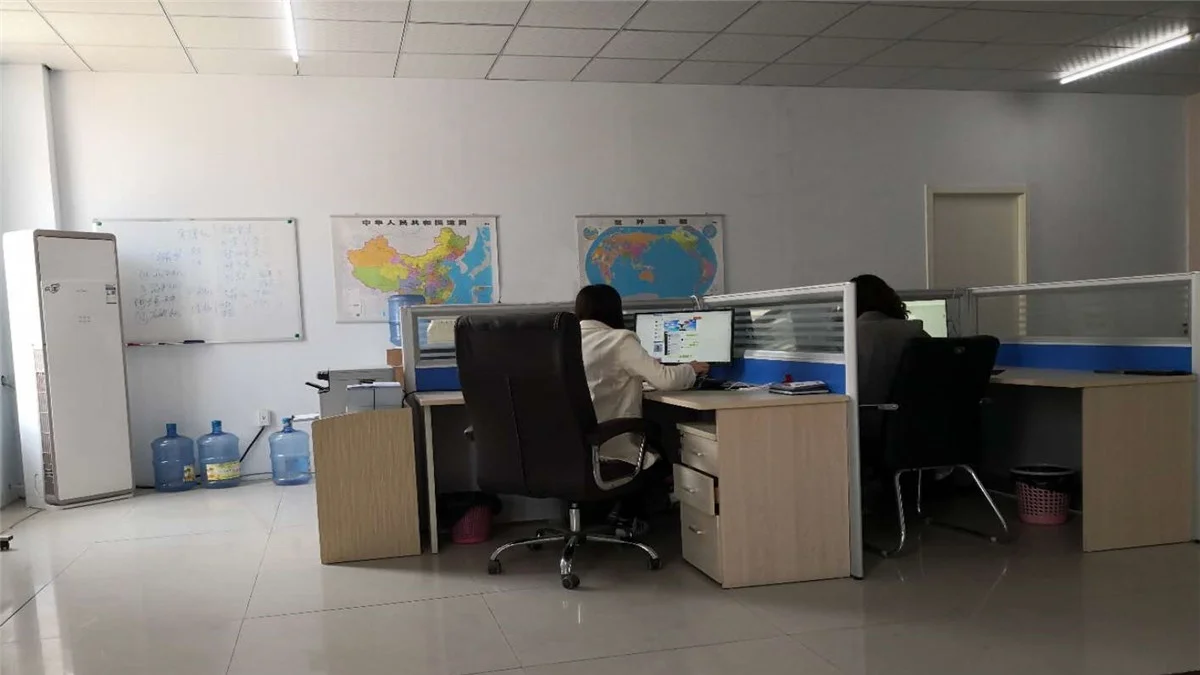
Yucheng Restone Machinery And Equipment Co., Ltd.
- Trading Company
- Shandong, China
- Lead time10 days
- Avg. response≤ 4h
Main productsagricultural machinery,forestry machinery,food processing machinery,feed machinery,spare parts and other products
Main marketsAfrica(40.0%), South America(20.0%), Eastern Europe(10.0%), North America(5.0%), Domestic Market(5.0%), South Asia(4.0%), Eastern Asia(3.0%), Northern Europe(3.0%), Southern Europe(2.0%), Mid East(2.0%), Central America(2.0%), Southeast Asia(2.0%), Western Europe(1.0%), Oceania(1.0%)

ZHEJIANG GREEN POWER MACHINERY INCORPORATED CO., LTD.
- Verified by SGS
- Combined
- China Zhejiang
- Lead time30 days
- Avg. response≤ 14h
Main productsGasoline Water Pump, Gasoline Engine, Gasoline Generator, Gasoline Tiller, Diesel Water Pump, Diesel Engine, Diesel Tiller, Power Tiller, Rotary Cultivator, Half Engine
Main marketsAfrica,Others(foreignTradeCapacity.exportBusinessCapacityMarketOther),Europe

Wuhan Ruich Greatup Industry Limited
- Trading Company
- China Hubei
- Lead time30 days
- Avg. response≤ 3h
Main productsMotor AC Motor DC Motor BLDC Motor, Brushless DC Motor Capacitor Motor, Shade Pole Motor Synchronous Motor Fan Motor, Water Pump Hair Dryer Parts Oven Parts Timer
Main marketsSouth America,Southeast Asia/ Mideast,East Asia(Japan/ South Korea),Europe,Australia,North America
Lianzhong Automotive Technology (Shandong) Co., Ltd.
- Verified by SGS
- Trading Company
- China Shandong
- Lead time15 days
- Avg. response≤ 7h
Main productsDump Truck, Tractor Truck, Special Truck, Semi-Trailer, Construction Machinery
Main marketsSouth America,Africa
Chongqing Fuwang General Machinery Equipment Co., Ltd.
- Verified by SGS
- Combined
- China Chongqing
- Lead time30 days
- Avg. response≤ 4h
Main marketsSouth America,Africa,Southeast Asia/ Mideast,East Asia(Japan/ South Korea),Domestic,Europe,Australia,North America
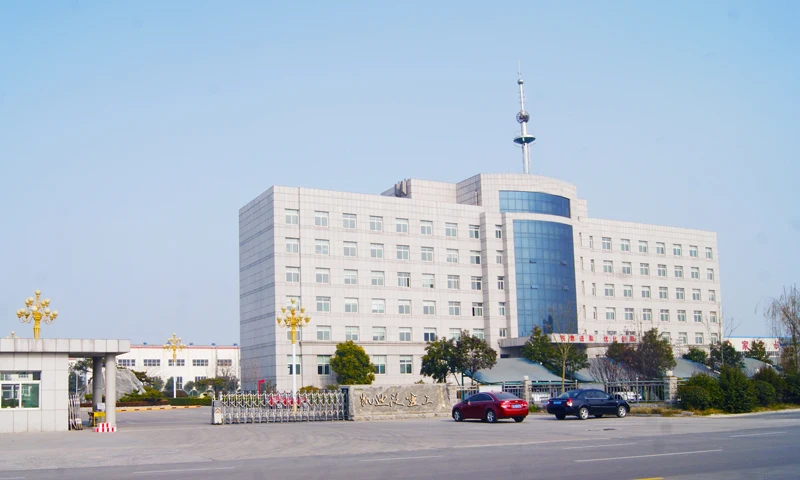
Jining Yikang Machinery Co.,Ltd
- Manufacturer, Trading Company
- Shandong, China
- Lead time3 days
- Avg. response≤ 2h
Main productsCummins engine,Cummins parts,engine,Cummins remanufactured engine,Cummins used engine
Main marketsSoutheast Asia(20.0%), North America(20.0%), Southern Europe(10.0%), Northern Europe(10.0%), Western Europe(10.0%), Oceania(10.0%), South America(10.0%), Eastern Europe(10.0%)
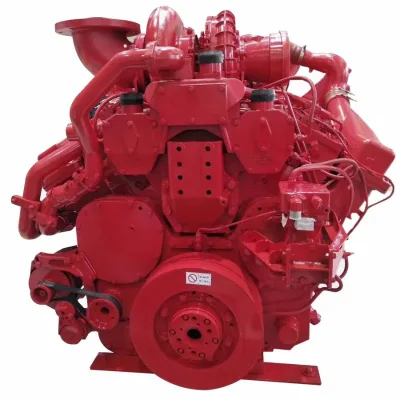
Superior QSKTAA50-C Engine, 1864KW Power Output, 1900RPM Speed
$169730.00 - $185160.00
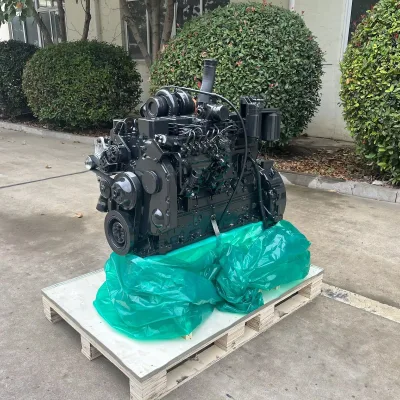






Comprehensive Sourcing Guide
Used Twin Turbo Engine Supplier Concentration and Factory Types
Current supplier data indicates manufacturing and trading entities are concentrated in specific Chinese provinces, with Chongqing, Hebei, and Shandong emerging as key industrial hubs for engine production. In Chongqing, suppliers list main products including power tillers, mini tractors, and various engine types, suggesting a cluster focused on agricultural and light industrial machinery. Hebei-based entities appear to specialize in heavy-duty used and rebuilt engines, including Weichai and Cummins series, often serving the construction and trucking sectors. Shandong suppliers are noted for offering a broad range of construction machinery attachments and loaders, which often complements engine supply chains for heavy equipment. These regional concentrations allow buyers to assess local supply chains, though specific factory counts vary and should be verified against real-time listings.
The company types observed include a mix of manufacturers, factories, and trading companies, each offering distinct advantages for sourcing used twin turbo engines. Some entities in Chongqing operate as both trading companies and manufacturers, providing OEM and ODM capabilities alongside direct sales of new and used components. In Hebei, trading companies dominate the used engine market, often dealing in second-hand units from excavators and trucks, while also offering remanufactured options. Buyers should verify whether a supplier is a direct factory or a middleman, as this impacts pricing, customization options, and after-sales support. The presence of OEM and ODM capacities suggests that some suppliers can adapt used engine specifications, though this requires direct confirmation of their current production capabilities and inventory status.
How to Verify Used Twin Turbo Engine Suppliers
Verification of supplier credibility relies on checking specific third-party audit results and certification statuses provided in the supplier profile. For instance, some suppliers in the current dataset hold TUVRHEINLAND verification, indicating a level of external quality assurance regarding their business operations and product standards. Others may display BV verification, which serves a similar function in confirming the legitimacy of the trading entity. Buyers must look for these explicit verification badges rather than assuming general trustworthiness, as the absence of such marks does not necessarily indicate fraud but requires deeper due diligence. Additionally, system certifications like ISO 9000 and ISO 9001 are present in some profiles, signaling adherence to international quality management standards, which is critical when sourcing complex mechanical components like used engines.
Response time and lead time data offer further insights into supplier reliability and operational efficiency. A response time of approximately 3.89 hours suggests a supplier is active and capable of quick communication, which is vital for resolving technical queries about engine condition or compatibility. Lead times, such as the 15-day window observed in some listings, help buyers plan their procurement schedules and manage inventory levels effectively. However, these metrics should be treated as indicative rather than guaranteed, as actual performance can fluctuate based on order volume and stock availability. Buyers should cross-reference these numbers with the supplier's main product focus; for example, a supplier specializing in used excavator engines may have different lead times compared to one focusing on agricultural machinery parts.
What to Compare Across Used Twin Turbo Engine Suppliers
When evaluating multiple suppliers, buyers should prioritize comparing minimum order quantities (MOQ) and price ranges to ensure alignment with their budget and volume requirements. The current data shows significant variation, with some used engine listings having an MOQ of just one unit, while others require a minimum of ten units. Price points also differ widely, ranging from approximately $498 to over $5,300 depending on the engine model, condition, and specifications. A supplier offering a single-unit MOQ might be ideal for small-scale repairs or testing, whereas a higher MOQ could indicate a focus on bulk industrial applications. Buyers must carefully review these thresholds to avoid unexpected costs or inventory bottlenecks that could disrupt their operations.
Another critical comparison point involves the specific technical attributes and customization options available for the used engines. Suppliers may offer engines with varying cylinder configurations, such as double-cylinder or six-cylinder setups, and different cooling systems like air-cooled or water-cooled variants. Some listings explicitly state that customization is available, allowing buyers to request specific modifications or part replacements. In contrast, other suppliers may only offer standard, off-the-shelf units with fixed specifications. Buyers should also examine the stated origin of the products, as engines sourced from Chongqing may have different wear patterns or maintenance histories compared to those from Hebei. These technical details directly impact the engine's suitability for specific machinery and its expected lifespan in the buyer's application.
Common Used Twin Turbo Engine Sourcing Risks
One significant risk in sourcing used twin turbo engines is the potential discrepancy between advertised specifications and actual engine condition. While some product listings provide detailed attributes like displacement, bore, and stroke, others may lack critical data regarding internal wear, compression ratios, or previous repair history. For example, a listing might claim a "remanufactured" status without providing a clear warranty period or inspection report, leaving the buyer vulnerable to premature failure. Buyers must be cautious of vague descriptions such as "different" standards or "high speed" without specific RPM data, as these terms can mask underlying mechanical issues. Verifying the physical condition through third-party inspections or requesting detailed video evidence is essential to mitigate this risk.
Another risk involves the reliability of the supply chain and the consistency of product availability. Suppliers may list a wide range of models, but stock levels for specific used engines can fluctuate rapidly due to the nature of the second-hand market. A supplier might advertise a specific engine model with a low MOQ, only to find that the unit is no longer available upon order confirmation. Additionally, the origin of the engine, whether from a truck, excavator, or marine vessel, can affect its compatibility with the buyer's equipment. Buyers should verify the application history of the engine and ensure that the supplier can provide documentation proving the engine's previous usage and maintenance records. Without this information, the risk of purchasing an incompatible or non-functional unit increases significantly.
Used Twin Turbo Engine Regional Sourcing and Logistics
Regional sourcing strategies should focus on the specific industrial strengths of Chinese provinces like Chongqing, Hebei, and Shandong, where engine manufacturing and trading are concentrated. Chongqing is known for producing a variety of engines, including gasoline and diesel models, often used in agricultural and light industrial applications. Hebei, on the other hand, appears to be a hub for heavy-duty used engines, particularly those from construction machinery and trucks. Shandong suppliers often provide a broader range of construction equipment, which may include engines suitable for heavy-duty excavators and loaders. Buyers should consider these regional specializations when selecting suppliers, as local expertise can lead to better product knowledge and more reliable after-sales support.
Logistics planning must account for the specific packaging and shipping requirements associated with heavy engine components. Some suppliers use wooden packages or wooden boxes for their engines, which provide robust protection during transit but may add to the overall shipping weight and cost. Others may offer customized packing solutions, which can be beneficial for irregularly shaped or particularly fragile units. Buyers should verify the standard dimensions and weight of the packaging, as these factors influence freight costs and handling requirements. Additionally, the origin location, such as Chongqing or Hebei, will determine the distance to the buyer's destination and the associated transit time. Planning for these logistical variables ensures that the procurement process remains efficient and cost-effective.
Used Twin Turbo Engine Commercial Terms and Order Planning
Commercial terms for used twin turbo engines often include specific payment structures and warranty provisions that vary by supplier. While some listings mention a one-year warranty on core components, others may offer limited or no warranty, requiring buyers to negotiate these terms explicitly before placing an order. The price range for these engines can be substantial, with some units costing over $5,000, making it crucial to understand the payment schedule and any escrow options available to protect the buyer's investment. Buyers should also clarify the return policy and the process for handling defective units, as these terms can significantly impact the overall cost of ownership. Clear communication regarding these commercial terms helps prevent disputes and ensures a smooth transaction.
Order planning should incorporate the lead times and response times observed in the supplier data to ensure timely delivery and operational readiness. A lead time of 15 days, as seen in some listings, provides a baseline for scheduling, but buyers should confirm this with the specific supplier to account for potential delays. Response times, such as the 3.89-hour average, indicate how quickly a supplier can address inquiries, which is vital for resolving technical issues or confirming stock availability. Buyers should also consider the MOQ requirements, as a minimum order of ten units may necessitate a larger budget and storage capacity. By aligning these commercial and logistical factors with their operational needs, buyers can create a robust procurement strategy that minimizes risks and maximizes efficiency.
FAQs
What is the lead time for new twin cylinder engines?
The lead time for new twin cylinder engines is 15 days. This duration applies to standard orders from suppliers in Chongqing and Hebei. Buyers should confirm specific shipping schedules before placing orders to ensure timely delivery.
What is the minimum order quantity for diesel engines?
The minimum order quantity for diesel engines varies by product. Some models require a minimum of 1 unit, while others like the 17kw gasoline engine require 10 units. Check specific product listings to verify the exact MOQ before purchasing.
Are suppliers in Chongqing verified by third parties?
Yes, suppliers in Chongqing are verified by TÜV Rheinland. This verification confirms their operational status and product capabilities. Buyers can rely on this certification as a baseline for supplier reliability when sourcing engines from this region.
What certifications do the engine manufacturers hold?
Manufacturers in the search results hold ISO 9000 and ISO 9001 certifications. These standards indicate adherence to quality management systems. Buyers should request proof of these certifications to ensure the engines meet international quality requirements.
How quickly do suppliers typically respond to inquiries?
Suppliers typically respond within 3.20 to 3.89 hours. This response time reflects the average speed for inquiries regarding engine specifications and pricing. Faster communication helps buyers clarify technical details and negotiate terms efficiently.
What is the price range for used diesel engines?
The price range for used diesel engines spans from 500 to 5300 USD. Specific models like the 6BT series start around 1290 USD, while larger units like the K19 series can reach 5300 USD. Prices depend on the engine model and condition.
Do suppliers offer customization for engine specifications?
Yes, customization is available for many engine models. Suppliers in Chongqing and Hebei offer OEM and ODM services to tailor engines to specific needs. Buyers should discuss their requirements directly with the supplier to confirm available customization options.
Where are the main engine manufacturing locations?
Main manufacturing locations include Chongqing, Hebei, and Shandong. These regions host suppliers offering various engine types including diesel, gasoline, and used units. Buyers can filter search results by these locations to find specific regional suppliers.