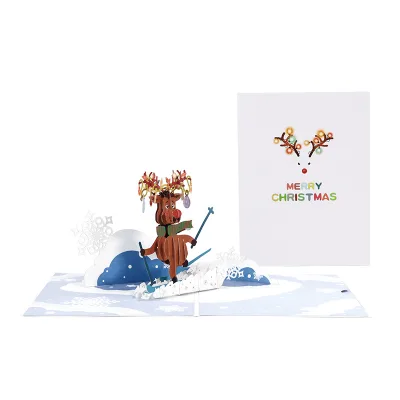
Find 3D Pop Up Sledding Card Suppliers and Manufacturers
Browse 30 suppliers of the 3D Pop Up Sledding Card on SourcingX. Buyers can compare location, lead times, customization options, certifications, and response times side by side. Request samples and quotes to verify specifications before committing to an order; review the available evidence before requesting comparable quotations from suitable candidates.
Suppliers List

- Combined
- China Guangdong
- Lead time15 days
- Avg. response≤ 6h
Main productsLarge 3D Poster, Lenticular Lens Sheet, 3D Postcard, Large 3D Advertising, 3D Lenticular Prints, 3D Lenticular Training, Lenticular Advertising, Super Clear Double Tape, 3D Lenticular Software, Soft PVC Printing
Main marketsAfrica,Southeast Asia/ Mideast,Europe
Hebei Zhonghu Intelligent Technology Co., Ltd
- Verified by SGS
- Manufacturer
- China Hebei
- Lead time15 days
- Avg. response≤ 4h
Main productsCard


Fully Customized Promotional Design Cards, Fare Cards, Entertainment Cards
$0.05 - $0.08
MOQ: 500 Pieces

Guangzhou JOJO Craft and Art Company Limited
- Verified by TüVRheinland
- Manufacturer, Trading Company
- Lead time7 days
- Avg. response≤ 5h
Main productsInvitation Card, Gift Box, Wedding Planner, Acrylic Table Sign, Ornament
Main marketsNorth America(26%), Africa(18%), Eastern Europe(12%)

Dongguan Jiguan Technology Co., Ltd.
- Verified by TUVRHEINLAND
- Combined
- China Guangdong
- Lead time15 days
- Avg. response≤ 4h
Main productsLabels, Adhesive Labels, Roll Labes, Stickers
Main marketsNorth America

Chengdu MIND IOT Technology Co., Ltd.
- Verified by TUVRHEINLAND
- Manufacturer/Factory
- China Sichuan
- Lead time23 days
- Avg. response≤ 4h
Main productsHotel Key Card, RFID Card, NFC Card, Business Card, RFID Tag, RFID Wristbands, RFID Key Fob, RFID Label, Metal Card, Magnetic Stripe Card
Main marketsSouth America,Eastern Europe,Mid East,North America,Southeast Asia,Eastern Asia,Oceania,Western Europe,Africa

Taizhou Goddess Playingcards Co., Ltd.
- Verified by CTI
- Combined
- China Jiangsu
- Lead time30 days
- Avg. response≤ 10h
Main productsPlaying Card, Playing Cards, Plastic Playingcards, Jumbo Playingcards, Giant Playingcards, Tarot, Skat, Jeu De Cartes, Paper Playing Card, OEM Playing Card
Main marketsEast Asia(Japan/ South Korea),Domestic,Europe,North America

Shenzhen Seaory Technology Co., Ltd.
- Manufacturer/Factory
- China Guangdong
- Lead time0 days
- Avg. response≤ 10h
Main productsRFID Card/ PVC Card, Smart Card, Payment Kiosk, Information Kiosk, Card Printer, IC/ID Card, Comsumables / Ribbon, Self Service Kiosk, Vending Kiosk, Touch Screen Kiosk
Main marketsSouth America,Eastern Europe,Mid East,North America,Southeast Asia,Eastern Asia,Oceania,Western Europe,Africa
- Verified by TüVRheinland
- Manufacturer, Trading Company
- Lead time15 days
- Avg. response≤ 3h
Main productsEVA Hard Cases, Soft Bags, Leather Goods, EVA Case
Main marketsDomestic Market(25%), South America(20%), Central America(20%)
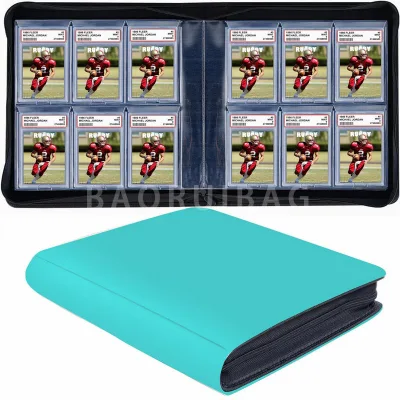
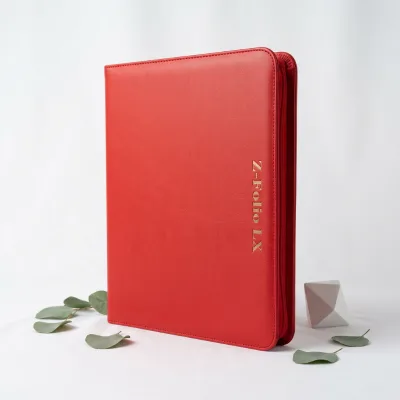
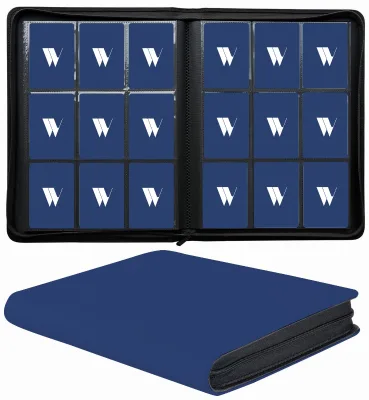
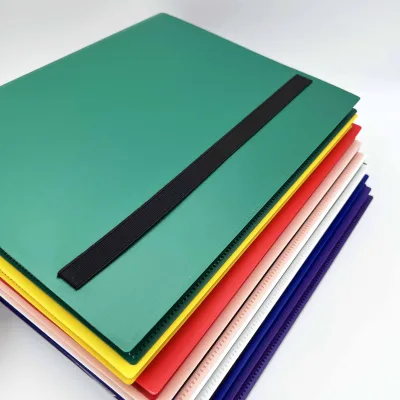
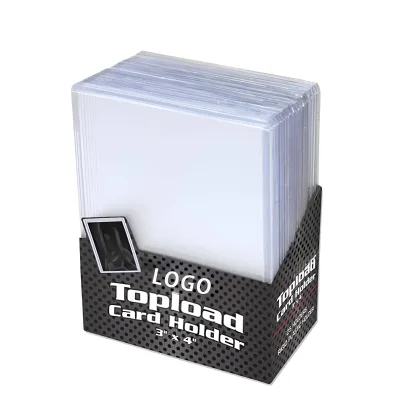
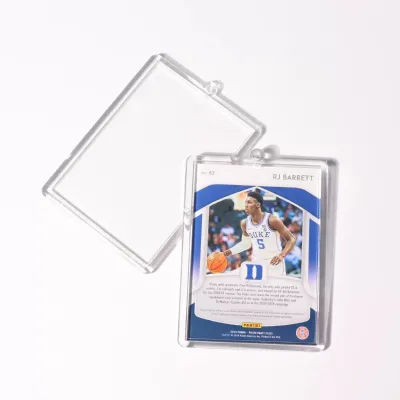
High Quality Card Folders for Trading Cards or Sports Cards in3"X4"Toploaders
Contact supplier
MOQ: 500 Minimum

WUHAN YAOQIWEI MACHINERY TECHNOLOGY CO., LTD.
- Verified by TUVRHEINLAND
- Combined
- China Hubei
- Lead time30 days
- Avg. response≤ 13h
Main productsCard Laminator, Card Punching Machine, Smart Card, Inkjet/Laser PVC Printing Sheet, Steel Plate, RFID Chip, Neck Strap Lanyards/Badge Reel, Hologram PVC Sheet, Hot Stamping Machine, Card Embosser
Main marketsDomestic
Dongguan Huacent Industrial Development Co., Ltd.
- Verified by Intertek
- Trading Company
- Lead time20 days
- Avg. response≤ 3h
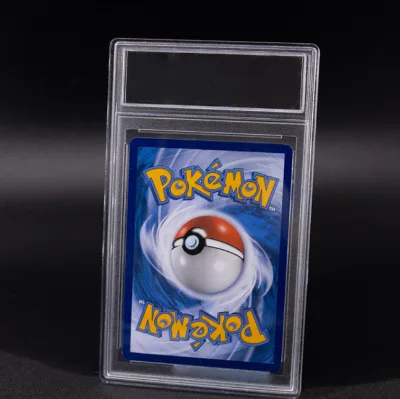
Main productsCard Holder Sleeves, Collection Storage Binder, Acrylic Photo Frame, Board Game Accessories, Graded Card Slab Protector
Main marketsSouth America(30%), Oceania(10%), Western Europe(10%)
Zhongshan Jin Ou Hardware & Plastic Products Co., Ltd.
- Verified by SGS Group
- Manufacturer, Trading Company
- Lead time0 days
- Avg. response≤ 7h
Main productsTop Loader, Card Saver, Magnetic Holder, Penny Sleeves, Acrylic Keychains
Main marketsNorth America(33%), South America(20%), Western Europe(12%)
Renqiu Huarunke Sports Equipment Co., Ltd.
- Manufacturer
- Hebei, China
- Lead time30 days
- Avg. response≤ 3h
Main productsRainbow Slide,ski,snow tube,swim ring
Main marketsDomestic Market(30.00%), North America(10.00%), South America(5.00%), South Asia(5.00%), Southern Europe(5.00%), Northern Europe(5.00%), Central America(5.00%), Western Europe(5.00%), Eastern Asia(5.00%), Mid East(5.00%), Oceania(5.00%), Africa(5.00%), Southeast Asia(5.00%), Eastern Europe(5.00%)
Cangnan Mei Li Stationery Co., Ltd.
- Verified by Intertek
- Manufacturer, Trading Company
- Lead time15 days
- Avg. response≤ 7h
Main productsName Tag, Lanyard
Main marketsDomestic Market(50%), Eastern Asia(20%), North America(15%)
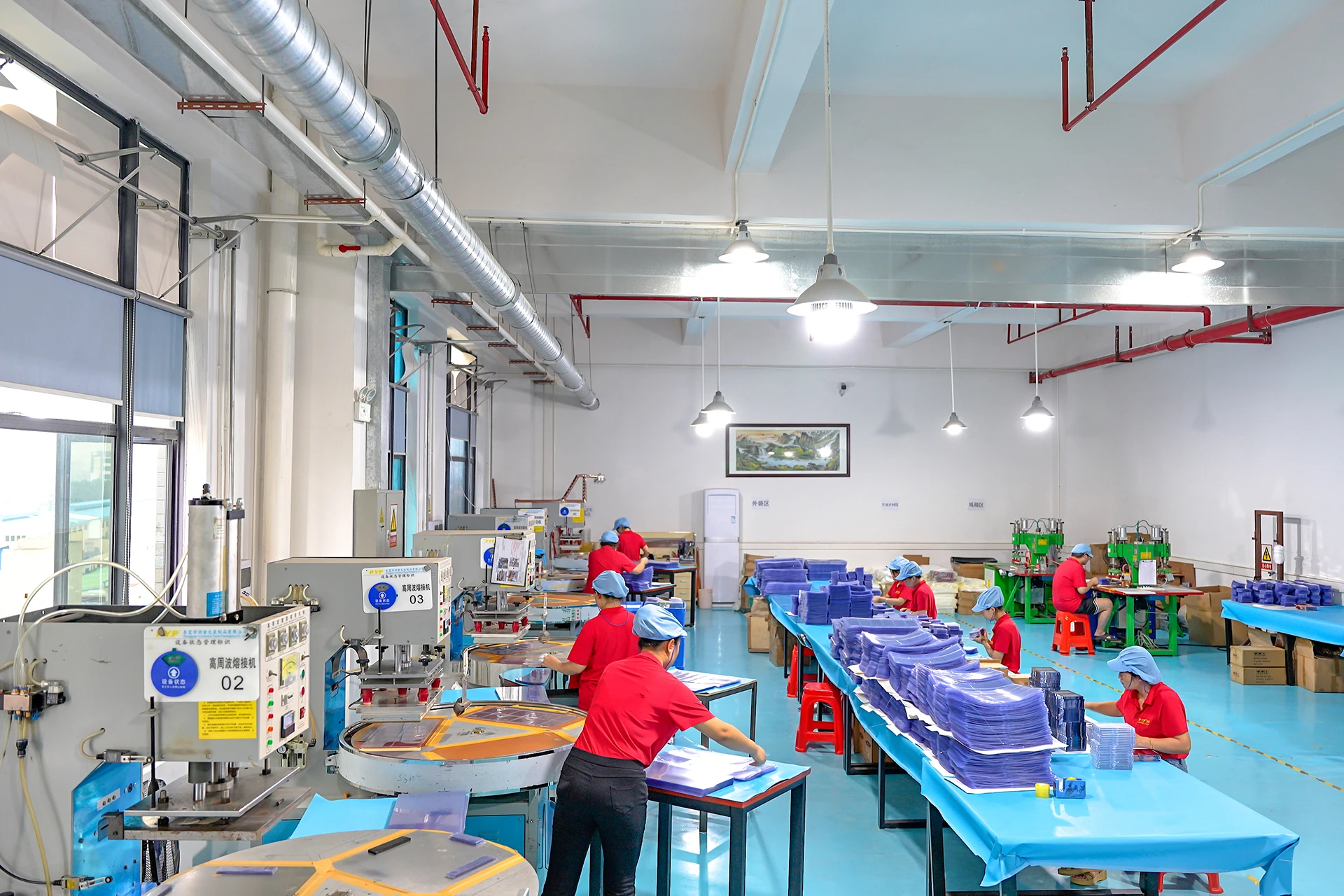
Anhui Yageli Display Co., Ltd.
- Manufacturer
- Anhui, China
- Lead time7 days
- Avg. response≤ 5h
Main productscard binder,card deck box,card sleeves,card holder,Top-Open Rigid Cases
Main marketsSouth America(18.00%), Domestic Market(13.00%), North America(13.00%), Oceania(9.00%), Africa(9.00%), Southeast Asia(9.00%), Eastern Europe(8.00%), Central America(5.00%), Southern Europe(4.00%), Northern Europe(4.00%), Eastern Asia(3.00%), Western Europe(3.00%), Mid East(1.00%), South Asia(1.00%)
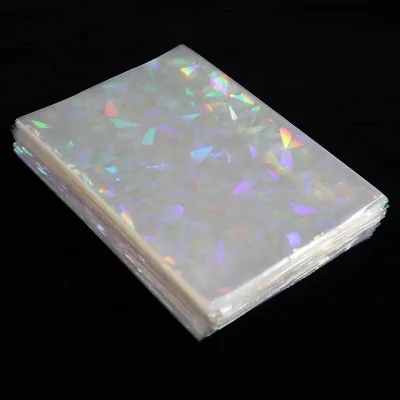
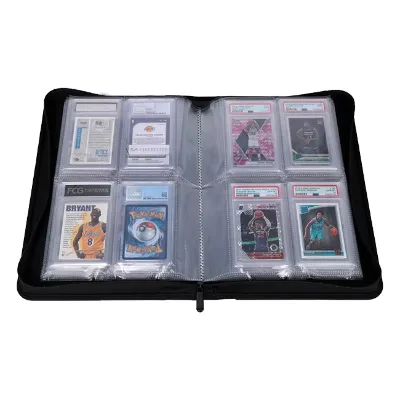
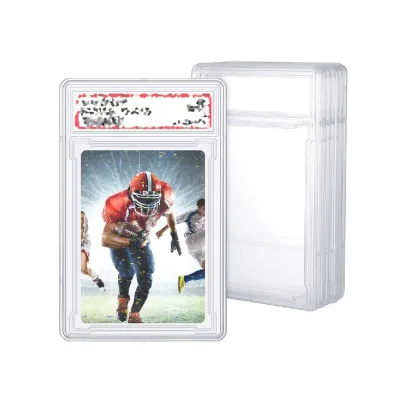
Pokemoned Sports Baseball Card Storage Display Page 4 Pocket Sleeves Holder Graded Card Slab Binder
$6.90 - $8.90
MOQ: 100 pieces

Chongqing Colorful Technology Co., Ltd.
- Verified by TUVRHEINLAND
- Combined
- China Chongqing
- Lead time15 days
- Avg. response≤ 6h
Main productsSmart Card, PVC Card, Bisiness Card, Metal Card, Gift Card, Thank You Card, Plastic Card
Main marketsDomestic


Dye Sublimation ID Silk Printing Card Holder Logo Worker Sports Promotional Lanyard
$0.15 - $0.40
MOQ: 100 Pieces

DG Continent Fame PKG Co., LTD
- Verified by TUVRHEINLAND
- Combined
- China Guangdong
- Lead time15 days
- Avg. response≤ 6h
Main productsCard Sleeves, Magnetic Card Holder, Toploaders, Trading Card Pages, Trading Card Albums, Grading Card Slab, Card Deck Boxes, Vinyl Record Sleeves, Comic Book Bags, Baseball Display Cases
Main marketsNorth America
Hangzhou Gelvshi Supply Chain Management Co., Ltd.
- Verified by TüVRheinland
- Trading Company
- Lead time0 days
- Avg. response≤ 3h
Main productsCard Sleeves, Deck Box, Acrylic Display Case, Toploader, Card Binder
Main marketsNorth America(40%), Eastern Europe(18%), Eastern Asia(18%)

Shanghai Wallis Technology Co., Ltd.
- Verified by BV
- Trading Company
- China Shanghai
- Lead time30 days
- Avg. response≤ 5h
Main productsPet Sheet / Film, PVC Sheet /Film, Acrylic Sheet, PVC PC Pet Card, RFID Card or Tag, Blister Packing
Main marketsSoutheast Asia/ Mideast,Europe

Shanghai Star Trend Enterprise Co., Ltd.
- Verified by BV
- Manufacturer/Factory
- China Shanghai
- Lead time15 days
- Avg. response≤ 15h
Main productsSmart RFID Cards, RFID/NFC Tags Stickers and Labels, RFID Wristbands/Bracelets, PVC Cards, Plastic Badge Holders, Printing Services, RFID/NFC Solutions, RFID Readers, Paper Cards, Card/Tag Accessories
Main marketsSouth America,Eastern Europe,Mid East,North America,Southeast Asia,Eastern Asia,Oceania,Western Europe,Africa
Huizhou Licheng Inflatable Toys Product Co., Ltd.
- Manufacturer, Trading Company
- Guangdong, China
- Lead time5 days
- Avg. response≤ 6h
Main productsInflatable Pool Float,Inflatable Splash Sprinkler,Swimming Ring,Inflatable Snow Sled,Pet Pool
Main marketsNorth America(60.00%), Western Europe(20.00%), Oceania(8.00%), Northern Europe(6.00%), Southeast Asia(6.00%)

Shenzhen A. N. G Technology Co., Ltd.
- Verified by TUVRHEINLAND
- Trading Company,Manufacturer/Factory
- China Guangdong
- Lead time23 days
- Avg. response≤ 2h
Main productsSmart Card, RFID Card, RFID Tag, NFC Tag, RFID Sticker, RFID Keyfob, RFID Wristband, RFID Blocking Card, RFID Reader, NFC Reader
Main marketsSouth America,Eastern Europe,Mid East,North America,Southeast Asia,Eastern Asia,Oceania,Western Europe,Africa
Dongguan Huifeng Plastic Bag Co., Ltd.
- Manufacturer, Trading Company
- Lead time旺季: "1 - 10000":18,"10001 - 50000":25,"> 50000":"To be negotiated", 淡季: "1 - 10000":18,"10001 - 50000":25,"> 50000":"To be negotiated"
- Avg. response≤ 2h
Main productsplastic packaging bags,Grow bag,mushroom bag,plastic Food bags,ice bag
Fortune Smart Tag Co., Limited
- Verified by SGS
- Combined
- China Guangdong
- Lead time15 days
- Avg. response≤ 2h
Main marketsDomestic
- Manufacturer, Trading Company
- Shandong, China
- Lead time10 days
- Avg. response≤ 1h
Main productskorean bbq grill,gas grill barbecue,korean bbq grill table,korean bbq table grill,korean bbq grill
Main marketsNorth America(26.00%), Western Europe(10.00%), Eastern Asia(10.00%), South Asia(10.00%), Southeast Asia(10.00%), Eastern Europe(10.00%), Southern Europe(10.00%), Northern Europe(4.00%), Africa(4.00%), Central America(3.00%), South America(3.00%)
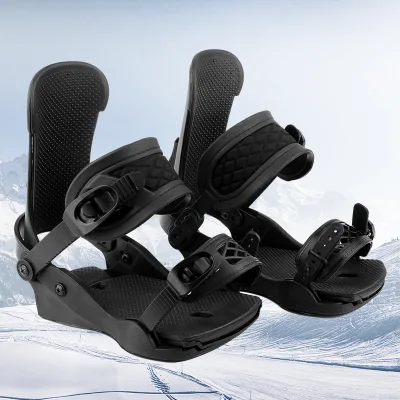
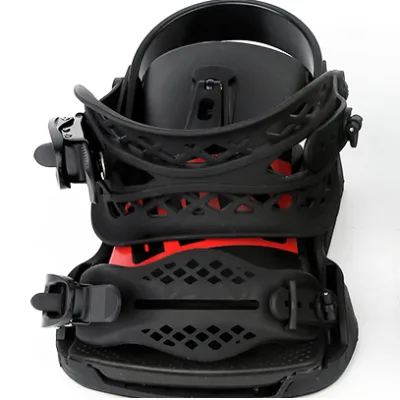
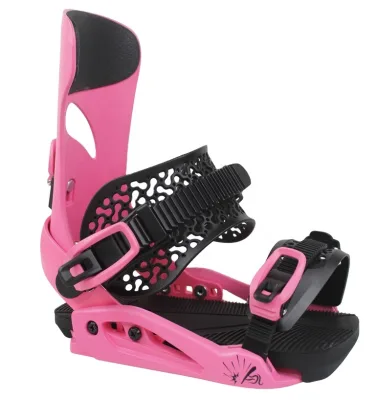
Cool Full Black Customized Logo Splitboard Snowboard Binding Snow Board Bindings
$58.00 - $67.00
MOQ: 10

Weihai Jingrui Plastic Tech Co., Ltd.
- Manufacturer
- Shandong, China
- Lead time30 days
- Avg. response≤ 3h
Main productsSnowboard,Ski,Cross Country Ski,Ski Board,Twin Snowboard
Main marketsEastern Europe(50.00%), Northern Europe(20.00%), North America(10.00%), Western Europe(10.00%)

Chinapack Ningbo Import & Export Co., Ltd.
- Verified by SGS
- Trading Company,Manufacturer/Factory
- China Zhejiang
- Lead time23 days
- Avg. response≤ 18h
Main productsSnowboard, Water Bottle, Promotional Hats, Glass Bottle, Ski Set, Snowboot, Snowboard Binding, Home Sock, Hood, Scarf
Main marketsSouth America,Eastern Europe,North America,Southeast Asia,Eastern Asia,Oceania,Western Europe

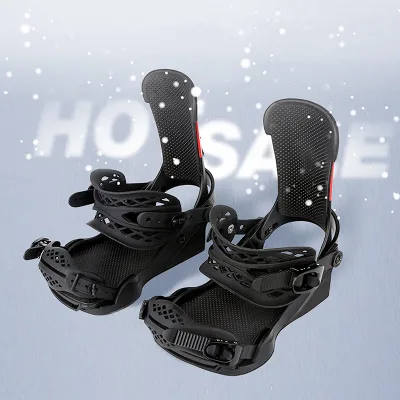
Men's Women's Ground Trick Carving Entry Level Advanced Snowboard Binding
$65.00 - $80.00
MOQ: 100 Pieces


Zhejiang Shenzhou Printing Technology Co., Ltd.
- Verified by SGS
- Combined
- China Zhejiang
- Lead time15 days
- Avg. response≤ 1h
Main marketsSouth America,Southeast Asia/ Mideast,East Asia(Japan/ South Korea),Europe,Australia,North America
Xiamen Hongju Printing Industry & Trade Co., Ltd.
- Manufacturer, Trading Company
- Lead time旺季: "1 - 500":10,"> 500":"To be negotiated", 淡季: "1 - 500":10,"> 500":"To be negotiated"
- Avg. response≤ 3h
Main productsCard Games, Planner, Notebook, Gift Box, Paper Box

Weihai Hi Wobang Yacht Co., Ltd.
- Verified by SGS
- Manufacturer/Factory
- China Shandong
- Lead time23 days
- Avg. response≤ 17h
Main productsInflatable Boat, Air Track, Inflatable Toy, Kayak, Surfboard, Sup, Air Bed, Inflatable Paddle Board, Inflatable Sup, Tent
Main marketsSouth America,Eastern Europe,Mid East,North America,Eastern Asia,Western Europe


Multi Size Inflatable Stand up Paddle Board Custom Logo Sup for Surfing
$65.00 - $105.00
MOQ: 1 Pieces
Wenzhou Hanwen Crafts Co., Ltd.
- Trading Company
- Zhejiang, China
- Lead time10 days
- Avg. response≤ 3h
Main productsplastic box,plastic bottle,coin capsule,plastic stands,coin slabs
Main marketsSouth Asia(10.00%), Southeast Asia(10.00%), Mid East(10.00%), South America(10.00%), Eastern Asia(10.00%), North America(8.00%), Western Europe(7.00%), Eastern Europe(6.00%), Southern Europe(6.00%), Domestic Market(5.00%), Oceania(5.00%), Northern Europe(5.00%), Central America(5.00%), Africa(3.00%)
















Comprehensive Sourcing Guide
3D Pop Up Sledding Card Supplier Concentration and Factory Types
The current supplier landscape for 3D pop up sledding cards shows a concentration of manufacturing capabilities primarily within China, specifically in the Guangdong province. This region hosts combined suppliers and manufacturers capable of handling complex lenticular printing and 3D effects. The available data indicates that these facilities often operate with ODM and OEM capacities, allowing them to customize designs for specific client needs. While the exact number of active suppliers fluctuates, the presence of combined company types suggests a mix of trading and direct manufacturing operations in this cluster. Buyers should note that the primary products listed include various forms of 3D advertising, lenticular lens sheets, and specialized printing services, which are essential for producing high-quality sledding cards.
In contrast to the Guangdong cluster, other regions like Hebei also appear in the results, though their focus may differ slightly toward card manufacturing in general. The Hebei-based entities identified are often manufacturers with a history of producing various card types, including smart cards and promotional items. These suppliers typically have a business history spanning over a decade, indicating stability and experience in the industry. However, the specific concentration of 3D Pop Up Sledding Card factories remains most evident in the Guangdong area where the technology for lenticular printing is more prevalent. Buyers evaluating potential partners should look for these combined or manufacturer profiles to ensure they can access the necessary technical expertise for 3D effects.
How to Verify 3D Pop Up Sledding Card Suppliers
Verifying a supplier for 3D pop up sledding cards requires a careful examination of their response times and verification status. The data shows response times varying significantly, with some suppliers responding in under four hours while others take closer to six hours. A faster response time often correlates with a more active and engaged sales team, which is crucial for resolving technical queries about 3D effects and lenticular lenses. Additionally, some suppliers in the results have undergone third-party verification, such as SGS, which adds a layer of credibility to their operational claims. Buyers should prioritize suppliers with verified status to reduce the risk of dealing with unregistered entities.
Beyond response speed, the establishment year and business history provide critical insights into a supplier's reliability. Several manufacturers in the results list a business history of 16 years, suggesting a long-term commitment to the market and a proven track record. This longevity often translates to better quality control and more stable supply chains. When assessing a supplier, buyers should also check for specific certifications or system certifications, although some results indicate a lack of formal system certification. In such cases, relying on the supplier's foreign trade experience and the number of overseas clients becomes a key metric for verification. Buyers must cross-reference these historical data points with current product evidence to ensure the supplier can deliver the specific 3D Pop Up Sledding Card designs required.
What to Compare Across 3D Pop Up Sledding Card Suppliers
When comparing suppliers, the minimum order quantity (MOQ) is a primary differentiator that affects budget and inventory planning. The available data reveals a wide range of MOQs, with some suppliers requiring as few as 500 units while others demand 1000 units or more. This variation allows buyers to select partners that align with their order volume and financial constraints. Additionally, the price per unit varies, with some listings showing prices around 0.43 to 0.65 USD, while others offer lower rates for different card types. Buyers should carefully analyze these price points in relation to the specified MOQ to determine the most cost-effective option for their specific project scale.
Lead time and customization capabilities are equally critical factors in the comparison process. The observed lead times for production can be around 15 days, but this may vary depending on the complexity of the 3D effect and the customization level required. Suppliers offering ODM and OEM services provide greater flexibility for custom designs, which is essential for unique 3D pop up sledding cards. Buyers should also compare the standard sizes and thickness options available, as some suppliers offer standard dimensions like 85*54mm while others allow for fully customized sizes. By evaluating these operational parameters, buyers can identify suppliers that best match their timeline and design requirements without compromising on quality or cost efficiency.
Common 3D Pop Up Sledding Card Sourcing Risks
One significant risk in sourcing 3D pop up sledding cards is the potential mismatch between product specifications and actual output. The product evidence shows various thickness ranges, from 0.25mm to 3mm, and different effects like flip, zoom, and morph. If a supplier does not clearly communicate their capabilities regarding these specific effects, the final product may not meet the buyer's expectations. Furthermore, the lack of standardized certifications for some suppliers can lead to quality inconsistencies. Buyers must ensure that the supplier has a robust quality control process to verify that the lenticular lenses and 3D printing align with the agreed-upon specifications before mass production begins.
Another risk involves the reliability of the supply chain and the potential for delays. While some suppliers have a business history of 16 years, others may be newer or less established, increasing the risk of production bottlenecks. The response time data indicates that not all suppliers are equally responsive, which can delay critical communication regarding order changes or issues. Additionally, the absence of specific system certifications for some manufacturers means buyers must rely on other indicators of reliability, such as foreign trade experience. To mitigate these risks, buyers should request samples and verify the supplier's ability to meet deadlines before committing to a large order, ensuring that the 3D pop up sledding cards are delivered on time and to the required standard.
3D Pop Up Sledding Card Regional Sourcing and Logistics
Regional sourcing plays a vital role in the logistics and cost structure of 3D Pop Up Sledding Card orders. The primary manufacturing hubs identified are in China, specifically in Guangdong and Hebei provinces. Guangdong is known for its advanced printing and lenticular technology, making it a preferred location for high-quality 3D effects. Hebei, on the other hand, offers a strong base for general card manufacturing. Buyers should consider the proximity of these regions to major shipping ports to minimize freight costs and transit times. Understanding the regional strengths helps in selecting a supplier that can offer the best balance of quality and logistical efficiency for the specific 3D Pop Up Sledding Card requirements.
Logistics planning must also account for the specific packaging requirements of 3D pop up sledding cards. The product evidence indicates that suppliers use various packing methods, including cartons, pallets, and plywood boxes, to ensure safe transport. Some suppliers offer customized packing solutions, which can be crucial for protecting the delicate 3D structures during shipping. Buyers should verify the packaging standards with their chosen supplier to prevent damage during transit. Additionally, the origin of the products, whether from Jiangmen City or other parts of China, can influence customs clearance and import duties. A clear understanding of these regional and logistical factors ensures a smoother supply chain and reduces the risk of unexpected costs or delays.
3D Pop Up Sledding Card Commercial Terms and Order Planning
Commercial terms for 3D pop up sledding cards often include specific details about payment, delivery, and customization. The data shows that customization is widely available, allowing buyers to tailor the cards to their brand or event needs. However, the minimum order quantities and pricing structures vary, requiring careful negotiation to align with the buyer's budget. Buyers should also consider the lead times, which can range from 15 days to longer periods depending on the complexity of the order. Establishing clear commercial terms early in the process helps avoid misunderstandings and ensures that both parties are aligned on the project timeline and financial expectations.
Order planning for 3D pop up sledding cards requires a strategic approach to manage inventory and production schedules. Given the varying MOQs and lead times, buyers should plan their orders well in advance to accommodate potential delays. The availability of different effects, such as flip, zoom, and morph, adds another layer of complexity to the planning process. Buyers must ensure that the supplier has the capacity to handle the specific effects required without compromising quality. Additionally, the use of escrow services or other secure payment methods can provide an extra layer of protection for the buyer. By carefully planning the order and understanding the commercial terms, buyers can successfully navigate the sourcing process and secure high-quality 3D pop up sledding cards for their needs.
FAQs
What is the typical lead time for 3D pop up sledding cards?
The typical lead time for these cards is 15 days based on current supplier data. This duration applies to standard orders from manufacturers in China. Buyers should confirm specific timelines with the supplier before placing large orders to ensure timely delivery.
What is the minimum order quantity for 3D lenticular name cards?
The minimum order quantity varies by product type, with some items requiring 500 units and others needing 1000 units. Specific models like GZY-C118 have a 500 unit threshold while GZY-C0369 requires 1000 units. Always check the specific product listing for accurate MOQ details.
Are 3D lenticular cards recyclable and what is their thickness?
Yes, the 3D lenticular cards listed are recyclable and feature film lamination. The thickness ranges from a minimum of 0.25mm to a maximum of 3mm depending on the specific model. This allows for flexibility in durability and visual effect requirements for different applications.
What is the price range for 3D business cards with lenticular printing?
Prices for 3D business cards with lenticular printing range from 0.43 to 0.65 USD per unit. Specific models like GZY-C0369 are priced at 0.43 USD while GZY-C118 is priced at 0.65 USD. These prices are subject to order volume and customization requirements.
Where are the manufacturers of 3D lenticular cards located?
Manufacturers of these cards are located in China, specifically in Guangdong and Hebei provinces. Some suppliers are based in Jiangmen City within Guangdong. Buyers should verify the exact location of the supplier to assess shipping costs and logistics capabilities for their specific needs.
What effects are available for 3D lenticular name cards?
Available effects include 3D, Flip, Zoom, Morph, Action, and Animation. Some cards also support 3D+Flip combinations for enhanced visual impact. These effects are achieved through lenticular printing technology and are customizable based on the buyer's design preferences and product specifications.
How quickly do suppliers typically respond to inquiries?
Suppliers typically respond within 3.47 to 5.66 hours based on current data. This response time indicates a high level of engagement and readiness to assist buyers. Faster response times are often associated with verified suppliers who have established business histories and overseas client experience.