Closet Organizer Suppliers and Manufacturers in China
Compare 24 verified Closet Organizer suppliers from China Zhejiang and Guangdong. Review lead times, certifications, and pricing to source cotton storage bags or metal wardrobe drawers. Contact suppliers directly to request quotes; review the available evidence before requesting comparable quotations from suitable candidates.
Suppliers List

- Trading Company
- China Zhejiang
- Lead time30 days
- Avg. response≤ 6h
Main productsFishing Products, Hand Dryer, Soap Dispenser, Paper Dispenser
Main marketsSouth America,Europe,North America


Storage Bag Garment Cover Storage Organizer Closet Organizer Package Bag
$2.00 - $2.80
MOQ: 100 Pieces

Guangzhou Welldo Hardware Manufacturing Co.,Ltd.
- Trading Company,Manufacturer/Factory
- China Guangdong
- Lead time45 days
- Avg. response≤ 6h
Main productsKitchen Pull-out Basket, Kitchen Wire Basket, Pull out Basket, Kitchen Cabinet Organiser, Wardrobe Accessories, Kitchen Rack, Storage Basket, Kitchen Accessories, Pantry Unit, Tall Unit
Main marketsSouth America,Eastern Europe,Mid East,North America,Western Europe,Africa


Wardrobe Cabinet Storage Solution Accessories Storage Box Jewelry Organizer
$49.32 - $54.25
MOQ: 100 Pieces

Dongguan Wanze Household Product Co., Ltd.
- Manufacturer, Trading Company
- Guangdong, China
- Lead time30 days
- Avg. response≤ 2h
Main productsHome Storage Products,Luggage and Bag
Main marketsDomestic Market(25.14%), North America(16.01%), Eastern Europe(11.21%), Western Europe(10.89%), Central America(7.69%), Northern Europe(7.21%), South America(7.21%), Southern Europe(4.48%), Southeast Asia(4.00%), Mid East(1.92%), Oceania(1.60%), Eastern Asia(1.12%), Africa(0.80%), South Asia(0.72%)

Shenzhen Orient Industry Co. Limited
- Manufacturer/Factory
- China Guangdong
- Lead time45 days
- Avg. response≤ 9h
Main productsStaircase, Balustrade, Kitchen Cabinet, Bedroom Wardrobe, Door, Window, Shower Room, Partition, Furniture, Bathroom Cabinet
Main marketsEastern Europe,Mid East,North America,Western Europe,Africa

Qingdao Best Ever Handcrafts Co., Ltd.
- Trading Company
- China Shandong
- Lead time30 days
- Avg. response≤ 5h
Main productsStorage Basket, Cotton Rope Basket, Laundry Basket, Fabric Storage Basket, Place Mats, Rope Bags, Diaper Caddy, Bag
Main marketsAfrica,Europe,Australia,North America
Foshan Grandsea Building Material Co., Ltd.
- Combined
- China Guangdong
- Lead time23 days
- Avg. response≤ 8h
Main productsAluminum Windows, Aluminum Doors, Steel Doors, Garage Doors, Iron Doors, Wood Doors, Pergola
Main marketsAfrica,Australia,North America


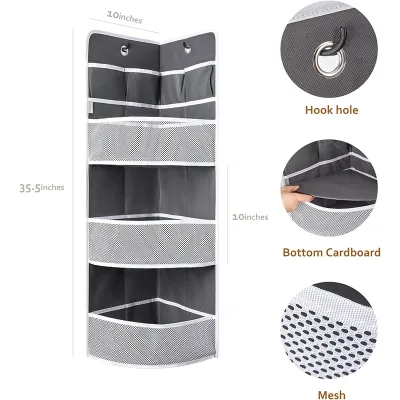
Factory Direct Sale Custom-Made Corner Wardrobes Closet Clothes Organizer
$12.00 - $18.00
MOQ: 20 Square Feet

Xiamen Anzhiyan Industrial and Trade Co., Ltd.
- Verified by TUVRHEINLAND
- Trading Company,Manufacturer/Factory
- China Fujian
- Lead time0 days
- Avg. response≤ 15h
Main productsMetal Bed, Iron Bed, Metal Chair, Bookshelf

Clothes Storage Organizer Clothes Storage Closet Freestanding Closet Cloth Closet
$6.00 - $9.00
MOQ: 50 Sets

Clothes Storage Organizer Folding Storage Clothing Wardrobe Closet Cloth Wardrobe
$4.00 - $7.00
MOQ: 50 Sets
Jinhua Saving Industry and Trade Co. Ltd
- Verified by SGS
- Manufacturer
- China Zhejiang
- Lead time15 days
- Avg. response≤ 6h
Main productsNon-Woven Storage Box, Non-Woven Storage Bag, Laundry Bag, Cloth Storage Box, Foldable Storage Box, Storages Basket

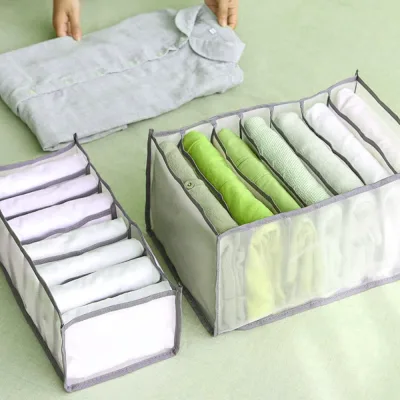
Foldable Underwear Drawer Organizers Dividers Closet Dresser Clothes Storage Organizer Box
$0.71 - $0.92
MOQ: 2000 Pieces


Guangdong Baishan Furniture Co., Ltd.
- Verified by CTI
- Manufacturer/Factory
- China Guangdong
- Lead time30 days
- Avg. response≤ 3h
Main productsKitchen Cabinets, Wardrobes, Walk in Closets, Bathroom Cabinets, TV Cabinets, Laundry Cabinets, Outdoor Kitchen, Bookcases, Shoe Racks, Other House Furniture
Main marketsMid East,North America,Southeast Asia,Eastern Asia,Oceania,Africa
Dongguan Everwave Houseware Co., Ltd.
- Manufacturer, Trading Company
- Guangdong, China
- Lead time30 days
- Avg. response≤ 8h
Main productsHanging Organizer/ Storage Box/ Storage Basket/ Storage Bag/ Laundry Hamper
Main marketsNorth America(50.00%), Domestic Market(20.00%), Western Europe(10.00%), Oceania(5.00%), Southern Europe(5.00%), Southeast Asia(5.00%), Eastern Asia(5.00%)

Jinjiang Jiaxing Import and Export Co., Ltd.
- Verified by CTI
- Manufacturer/Factory
- China Fujian
- Lead time120 days
- Avg. response≤ 1h
Main productsShoes, Slipper, Clothes, Promotion Gifts, Silicone Products, Outdoor Sports Products, Bags, Fashion Accessories, Consumer Electronics
Main marketsSouth America,Eastern Europe,Mid East,North America,Southeast Asia,Eastern Asia,Oceania,Western Europe,Africa
Xuzhou Risen Industry and Supply Co., Ltd
- Verified by TUVRHEINLAND
- Trading Company
- China Jiangsu
- Lead time30 days
- Avg. response≤ 3h
Main productsHousehold Adornment, Household Supplies, Home Decoration, Compressed Sofa, Dining Furniture, Bothroom Organizer, Kitchen Storage, Glass Ornaments, Ceramic Tableware, Home Fragrance
Main marketsSouth America
Shanghai Shengyada Houseware Co., Ltd.
- Verified by SGS
- Combined
- China Shanghai
- Lead time30 days
- Avg. response≤ 2h
Main productsfoldable storage box
Main marketsEurope


Space-Saving Folding Cloth Wardrobe Lightweight Fabric Collapsible Portable Closet Organizer
$7.23 - $8.33
MOQ: 500 Pieces
Fuzhou ADF International CO., LTD.
- Verified by BV
- Trading Company,Manufacturer/Factory
- China Fujian
- Lead time45 days
- Avg. response≤ 4h
Main productsBags, Suitcase, Backpack, Travel Bags, School Bags, Storage Ottoman, Luggage, Cooler Bag, Household Products
Main marketsSouth America,Eastern Europe,Mid East,North America,Southeast Asia,Eastern Asia,Oceania,Western Europe,Africa

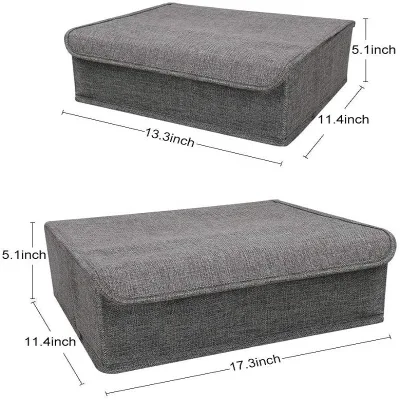
Design Household Storage Foldable Storage Box Closet Organizer with Lid
$0.80 - $1.80
MOQ: 1000 Pieces

Multifunction Closet Storage Washable Drawer Organizer for Clothes Storage Box
$0.80 - $1.80
MOQ: 1000 Pieces

- Verified by BV
- Trading Company
- China Guangdong
- Lead time23 days
- Avg. response≤ 6h
Main productsKitchen Cabinet, Wood Door, Aluminum Windows&Doors, Staircase, Closets, Cabinet, Garage Door, Balustrade&Railings, Home Furniture, Sofa
Main marketsSouth America,Africa,Southeast Asia/ Mideast,East Asia(Japan/ South Korea),Europe,Australia,North America
Dongguan Anqi Household Articles Co., Ltd.
- Manufacturer, Trading Company
- Guangdong, China
- Lead time30 days
- Avg. response≤ 13h
Main productsClothes Hanger, Household Storage
Main marketsNorth America(60.00%), Western Europe(10.00%), Eastern Asia(10.00%), Eastern Europe(10.00%), Western Europe(10.00%), Eastern Asia(10.00%), Eastern Europe(10.00%), South Asia(5.00%), South America(5.00%)

Taizhou Shangyi Plastic Co., Ltd.
- Verified by TUVRHEINLAND
- Trading Company
- China Zhejiang
- Lead time23 days
- Avg. response≤ 17h
Main productsFood Container, Storage Container, Lunch Box, Bento Box, Plastic Laundry Basket, Plastic Storage Container, Plastic Cutting Board
Main marketsSouth America,Southeast Asia/ Mideast
- Verified by TUVRHEINLAND
- Trading Company
- China Zhejiang
- Lead time15 days
- Avg. response≤ 5h
Main productsHome, Kitchen, Outdoors, Garden, Sports, Travel, Pet Supplies
Main marketsNorth America

Dongguan Simply Metal Products Co., Ltd.
- Trading Company
- China Guangdong
- Lead time23 days
- Avg. response≤ 7h
Main productsWire Shelving, Wire Shelving Units, Shelving, Shelf, Wire Wall Shelf, Wire Rack Shelving, Wire Storage Racks, Wire Racks, Metal Wire Shelving, Wire Storage Shelves
Main marketsSouth America,Africa,Southeast Asia/ Mideast,Europe,Australia,North America
Ningbo General Union Co., Ltd.
- Verified by BV
- Trading Company
- China Zhejiang
- Lead time30 days
- Avg. response≤ 10h
Main productsCleaning Brush, Bottle, Kitchenware, Storage Box, Outdoor, Pet, Fitness Equipment, Digital Devices, Camping, Pet Bottle
Main marketsSouth America,Africa,Southeast Asia/ Mideast,East Asia(Japan/ South Korea),Europe,Australia,North America

Wardrobe Organizer Cotton Storage Baskets Large Capacity Clothes Storage Bag Organizer
$1.80 - $1.95
MOQ: 500 Pieces


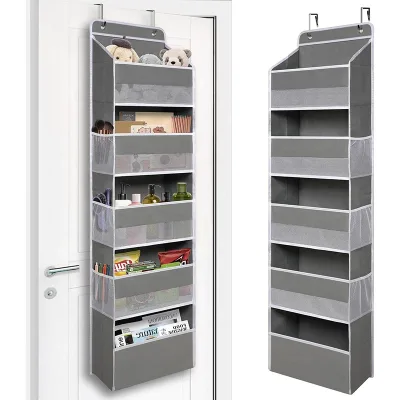
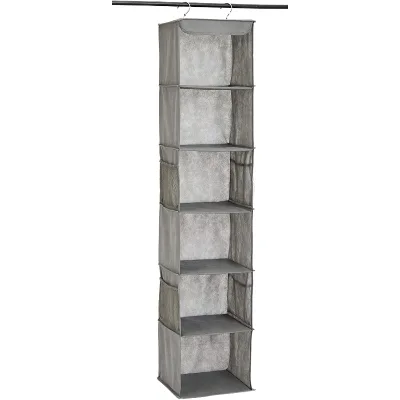
2 in 1 Multifunction Hanging Closet Organizer with 6 Pockets Purses Storage Rack
$24.99
MOQ: 3000 Pieces

Ningbo Dongsu Plastic Industry Co., Ltd.
- Verified by SGS Group
- Manufacturer, Trading Company
- Lead time30 days
- Avg. response≤ 2h
Main productsLazy Susan Turnable Organizer, Fridge Organizer, Silverware Organizer, Food Storage Container, Storage Basket; Storage Bin
Main marketsNorth America(25%), Western Europe(20%), Southeast Asia(15%)

Wenzhou Guanmin Import and Export Co., Ltd.
- Verified by BV
- Trading Company,Manufacturer/Factory
- China Zhejiang
- Lead time120 days
- Avg. response≤ 6h
Main productsShopping Bag, Cooler Bag, Notebook, Pen, Color Pencil, Lanyard, Beach Ball, Umbrella, Sunshade, Air Freshener
Main marketsSouth America,Eastern Europe,Mid East,North America,Southeast Asia,Eastern Asia,Western Europe
Jiangsu Mingyou Smart Home Technology Co., Ltd.
- Verified by CTI
- Combined
- China Jiangsu
- Lead time15 days
- Avg. response≤ 1h
Main productsCabinet, Wardrobe, Closet, Table, Wood Panel, Decorative Panel, Custom Furniture, OEM Furniture, ODM Furniture
Main marketsDomestic

Shaoxing City Xinlan Textile CO., LTD.
- Verified by TUVRHEINLAND
- Combined
- China Zhejiang
- Lead time23 days
- Avg. response≤ 2h
Main productsHome Textile, Curtain, Cushion Cover, Shower Curtain, Macrame Handmade Products, Curtain Fabric, Tablecloth, Placemat, Blankets, Bedding
Main marketsNorth America

$2.50 - $3.00
MOQ: 100 Pieces


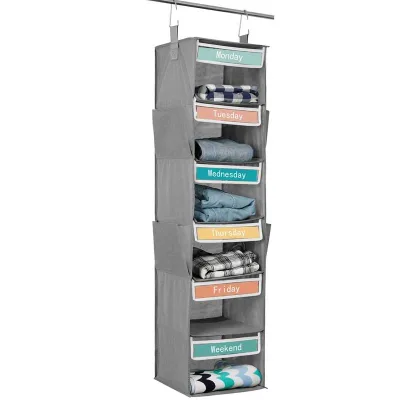
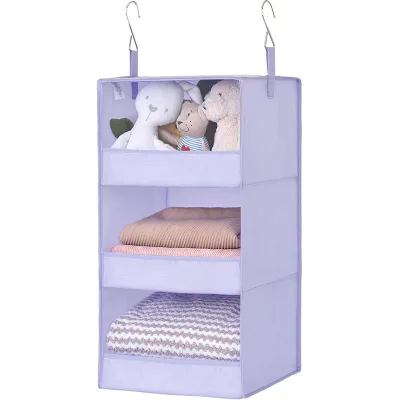
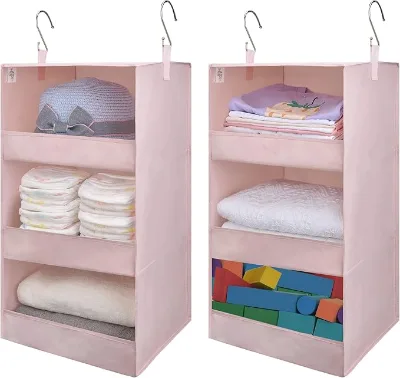
Hanging Closet Organizer and Storage 3-Shelf, Foldable Hanging Closet Wardrobe Storage Shelves
$2.50 - $3.00
MOQ: 100 Pieces

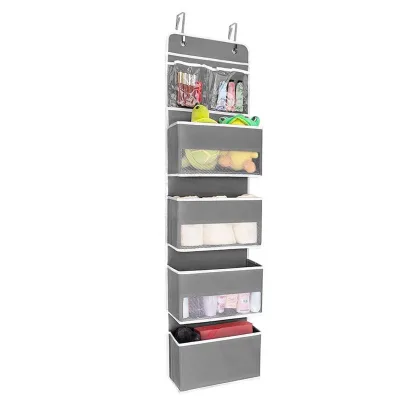
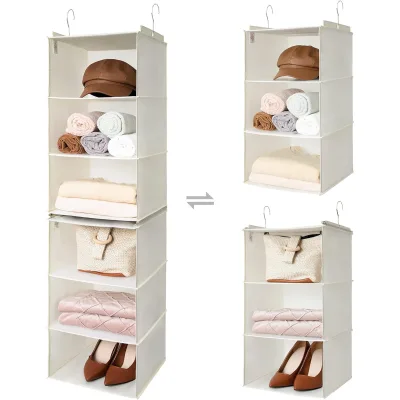
Hanging Closet Organizer and Storage, 5-Shelf Closet Hanging Storage Shelves
$2.50 - $3.00
MOQ: 100 Pieces








Comprehensive Sourcing Guide
Closet Organizer Supplier Concentration and Factory Types
Current data indicates a concentration of suppliers in China, specifically within the Zhejiang and Guangdong provinces. These regions host a mix of trading companies and manufacturers that specialize in home storage solutions. In Zhejiang, suppliers often list main products including fishing products alongside hand dryers and soap dispensers, suggesting a diverse manufacturing base that may also produce cotton weave storage bags and fabric organizers. The presence of ISO9001:2015 certification among these entities signals a baseline commitment to quality management systems, which is critical for buyers seeking consistent production standards.
In contrast, suppliers located in Guangdong frequently operate as both trading companies and manufacturers, offering a broader range of hardware solutions. Their product portfolios often include kitchen pull-out baskets, wire baskets, and specific wardrobe accessories like jewelry organizers and pull-out clothes baskets. These entities frequently cite OEM and ODM capabilities, indicating they can adapt designs for specific client needs. While some suppliers focus on cotton-based storage bags with round shapes and multicolor options, others specialize in metal drawer organizers with precise dimensions. Buyers should verify if a supplier's primary focus aligns with their specific material requirements, whether cotton or metal, before proceeding with engagement.
How to Verify Closet Organizer Suppliers
Verification begins with confirming the supplier's operational status and certification validity. Many listed entities hold ISO9001 or ISO certifications, which serve as a baseline for quality assurance. However, buyers must distinguish between trading companies and actual manufacturers, as the latter often provide more direct control over production timelines and customization. For instance, some suppliers explicitly state OEM and ODM capacities, while others may only offer standard catalog items. It is essential to request proof of these certifications and confirm the specific scope of their manufacturing capabilities rather than relying solely on profile descriptions.
Response time and communication efficiency are also critical verification metrics. Data shows response times ranging from approximately 5.47 to 5.91, which can indicate the responsiveness of the sales team. A faster response time often correlates with better project management and quicker resolution of technical queries regarding product dimensions or material specifications. Buyers should test communication channels early to gauge reliability. Additionally, checking the "Customization" attribute is vital; some products are marked as available for customization, while others are listed as non-customized. Confirming these details directly with the supplier ensures that the final product will meet the exact design and functional requirements of the buyer's project.
What to Compare Across Closet Organizer Suppliers
When evaluating potential partners, buyers must compare lead times, minimum order quantities, and pricing structures. Lead times in the current dataset vary significantly, with some suppliers indicating a 30-day production window while others require up to 45 days. This variance can impact inventory planning and market launch schedules. Similarly, minimum order quantities (MOQ) differ, with some suppliers setting a floor of 100 units for fabric storage bags, while others may have different thresholds for metal hardware. Understanding these constraints is necessary to determine if a supplier can accommodate the buyer's volume needs without incurring excessive costs or delays.
Pricing and product attributes also require careful comparison across the supplier pool. Prices for similar items, such as cotton storage bags, can range from 2.00 to 23.00 depending on the specific model, material quality, and customization level. For metal organizers, prices may range from 54.17 to 68.11 based on dimensions and finish. Buyers should analyze the price-to-value ratio by examining attributes like material composition, packaging standards, and color options. Some products are available in specific colors like Benz Grey or Hermes Orange, while others offer multicolor choices. Comparing these detailed specifications ensures that the selected supplier offers the best value proposition for the specific product configuration required.
Common Closet Organizer Sourcing Risks
One significant risk involves the discrepancy between product descriptions and actual manufacturing capabilities. While some listings claim customization is available, others explicitly state that items are non-customized. This inconsistency can lead to misunderstandings regarding the final product design. Buyers must verify the "Customized" attribute for every specific model before placing an order. Additionally, relying on general product keywords without checking specific attributes can result in receiving items that do not fit the intended closet system dimensions. For example, wardrobe drawer widths vary from 700mm to 900mm, and selecting the wrong size can render the organizer unusable.
Another risk pertains to the reliability of lead times and the potential for supply chain disruptions. While some suppliers advertise a 30-day lead time, others may require 45 days, and these figures can fluctuate based on order volume or raw material availability. If a buyer plans a tight schedule, assuming a shorter lead time without written confirmation could result in missed deadlines. Furthermore, the origin of materials, such as cotton or metal, must be verified to ensure compliance with import regulations and quality standards. Buyers should also be cautious of suppliers who do not clearly state their packaging methods, as improper packing can lead to damage during transit, especially for fragile metal components or delicate fabric items.
Closet Organizer Regional Sourcing and Logistics
Sourcing from China, particularly from Zhejiang and Guangdong, offers access to a dense network of manufacturers and trading companies. Zhejiang suppliers often focus on textile-based storage solutions, such as cotton weave bags and fabric organizers, while Guangdong entities frequently specialize in metal hardware and pull-out basket systems. This regional specialization allows buyers to target suppliers based on their specific material needs. However, logistics from these regions require careful planning to manage shipping costs and delivery times. Buyers should consider the distance from the port of origin to their destination and factor in potential customs delays when calculating the total landed cost.
Logistics efficiency is also influenced by the packaging standards adopted by the supplier. Many listings indicate standard carton packing, with specific configurations like 3 sets per carton for certain drawer organizers. Understanding these packaging details is crucial for optimizing container space and reducing freight costs. Buyers should verify the exact dimensions and weight of the packaged goods to ensure they fit within their shipping constraints. Additionally, the origin of the product, consistently listed as China, means that international shipping regulations and tariffs must be accounted for. Proper logistics planning ensures that the supply chain remains smooth and that the products arrive in good condition, ready for immediate distribution or installation.
Closet Organizer Commercial Terms and Order Planning
Commercial terms regarding payment and order planning must be clearly defined to mitigate financial risk. While specific payment terms are not detailed in the current data, buyers should negotiate based on the supplier's response time and certification status. Suppliers with faster response times and valid ISO certifications may be more reliable partners for establishing long-term contracts. Buyers should also clarify the handling of customization fees and whether they are included in the base price or charged separately. Understanding the full cost structure, including any additional charges for specific colors or custom dimensions, is essential for accurate budgeting.
Order planning should account for the variability in lead times and MOQs observed across different suppliers. With lead times ranging from 30 to 45 days, buyers need to build buffer time into their production schedules to avoid stockouts. The MOQ of 100 units for certain fabric items suggests that smaller orders may not be feasible, requiring buyers to consolidate demand or negotiate lower thresholds. Furthermore, the availability of specific models, such as those with unique dimensions like 900mm width, should be confirmed well in advance. By aligning order quantities with supplier capabilities and lead times, buyers can ensure a steady supply of closet organizers that meet their market demands without unnecessary delays or cost overruns.
FAQs
What is the typical lead time for closet organizers?
The typical lead time for closet organizers is 30 days based on current supplier data. Some manufacturers in Guangdong offer a longer lead time of 45 days. Buyers should confirm specific delivery schedules with the supplier before placing an order to ensure timely arrival.
What is the minimum order quantity for storage bags?
The minimum order quantity for storage bags is 100 units. This MOQ applies to cotton weave storage and fabric storage bags available from suppliers in China. Buyers must meet this threshold to secure the listed price range of 2.00 to 23.00 per unit.
Are customization options available for closet organizers?
Customization is available for many Closet Organizer products listed on the platform. Suppliers offer options for material, color, and shape to meet specific needs. Buyers should verify the customization details directly with the supplier to ensure the final product matches their requirements.
Which certifications do the suppliers hold?
Suppliers hold ISO9001:2015 and ISO 9001 certifications for their quality management systems. These certifications indicate adherence to international standards for production and service. Buyers can request copies of these certificates to verify the supplier's compliance with quality requirements before proceeding.
Where are the Closet Organizer manufacturers located?
Manufacturers and trading companies are located in Zhejiang and Guangdong provinces in China. These regions are known for producing home storage and organization products. Buyers should consider the location when calculating shipping costs and estimating delivery times for their orders.
What is the average response time for inquiries?
The average response time for supplier inquiries is approximately 5.5 hours. This metric reflects how quickly suppliers typically reply to initial contact. Buyers should expect a response within this timeframe but should also check individual supplier profiles for specific communication speeds.
What materials are used for closet organizers?
Closet organizers are made from materials such as cotton, metal, and textile fabrics. Some products feature machinery processing for durability and precision. Buyers can choose between cotton weave storage bags or metal drawer organizers depending on their specific storage needs and aesthetic preferences.