Wooden Bluetooth Speaker Suppliers and Manufacturers
Source 21 verified suppliers for Wooden Bluetooth Speaker products from China. Compare key dimensions including BSCI and ISO9001 certifications, OEM capabilities, and lead times ranging from 30 to 60 days. Review pricing and MOQs to identify suitable partners for your procurement needs.
Suppliers List

Xiamen Ebei Import & Export Co., Ltd.
- Verified by CTI
- Trading Company,Manufacturer/Factory
- China Fujian
- Lead time45 days
- Avg. response≤ 2h
Main productsEco-Friendly Products, Bamboo Tableware, Bamboo Furniture, Bamboo Kitchenware, Bamboo Office Supply, Bamboo Fibre Products, Biodegradable Products, Bamboo Towel, Solar Energy Products, Bamboo Garden Products
Main marketsSouth America,Eastern Europe,Mid East,North America,Southeast Asia,Eastern Asia,Oceania,Western Europe,Africa

Guangzhou Baiyun District Jianggao Feiyang Electronic Factory
- Combined
- China Guangdong
- Lead time30 days
- Avg. response≤ 8h
Main productsBluetooth Speaker, Battery Speaker, 2.0 Speaker, Portable Speaker, Multimedia Speaker, Professional Speaker, Active Speaker, Mini Speaker, Professional Audio, Speaker Box
Main marketsEurope


Wholesale Wooden Dual 6.5 Inch Professional Sound Box Wireless Bluetooth Speaker
$67.50 - $68.50
Moq: 300


Guangzhou SOHO Industry Co., Limited
- Verified by TUVRHEINLAND
- Trading Company
- China Guangdong
- Lead time30 days
- Avg. response≤ 7h
Main productsPortable Speaker, LED TV, Trolley Speaker, TV Mother Board, TV Panel, Smart TV, Curved TV
Main marketsSouth America

Shenzhen BringYourHope Electronics Co., Ltd.
- Verified by TUVRHEINLAND
- Trading Company
- China Guangdong
- Lead time15 days
- Avg. response≤ 4h
Main productsPower Bank, Bluetooth Speaker, Digital Photo Frame, USB Flash Drive, Memory Card, Travel Adapter, USB Charger, Computer Speaker, Android TV Box, Mini PC
Main marketsOthers(foreignTradeCapacity.exportBusinessCapacityMarketOther),North America


Wireless Charging Wooden Bluetooth Speaker TF Card Alarm Clock LED Desktop Speaker
$13.88 - $14.58
Moq: 100

2-in-1 Wooden Wireless Charging Portable Speaker Wood Bluetooth Speaker with Wireless Charger
$12.25 - $12.65
Moq: 2000


Ningbo Jumboaudio Industrial Co., Ltd.
- Verified by TUVRHEINLAND
- Combined
- China Zhejiang
- Lead time30 days
- Avg. response≤ 6h
Main productsPortable Speaker Box, Speaker, Subwoofer Speaker Box, HiFi Speaker
Main marketsSouth America,Africa,Southeast Asia/ Mideast,East Asia(Japan/ South Korea),Domestic,Europe,North America
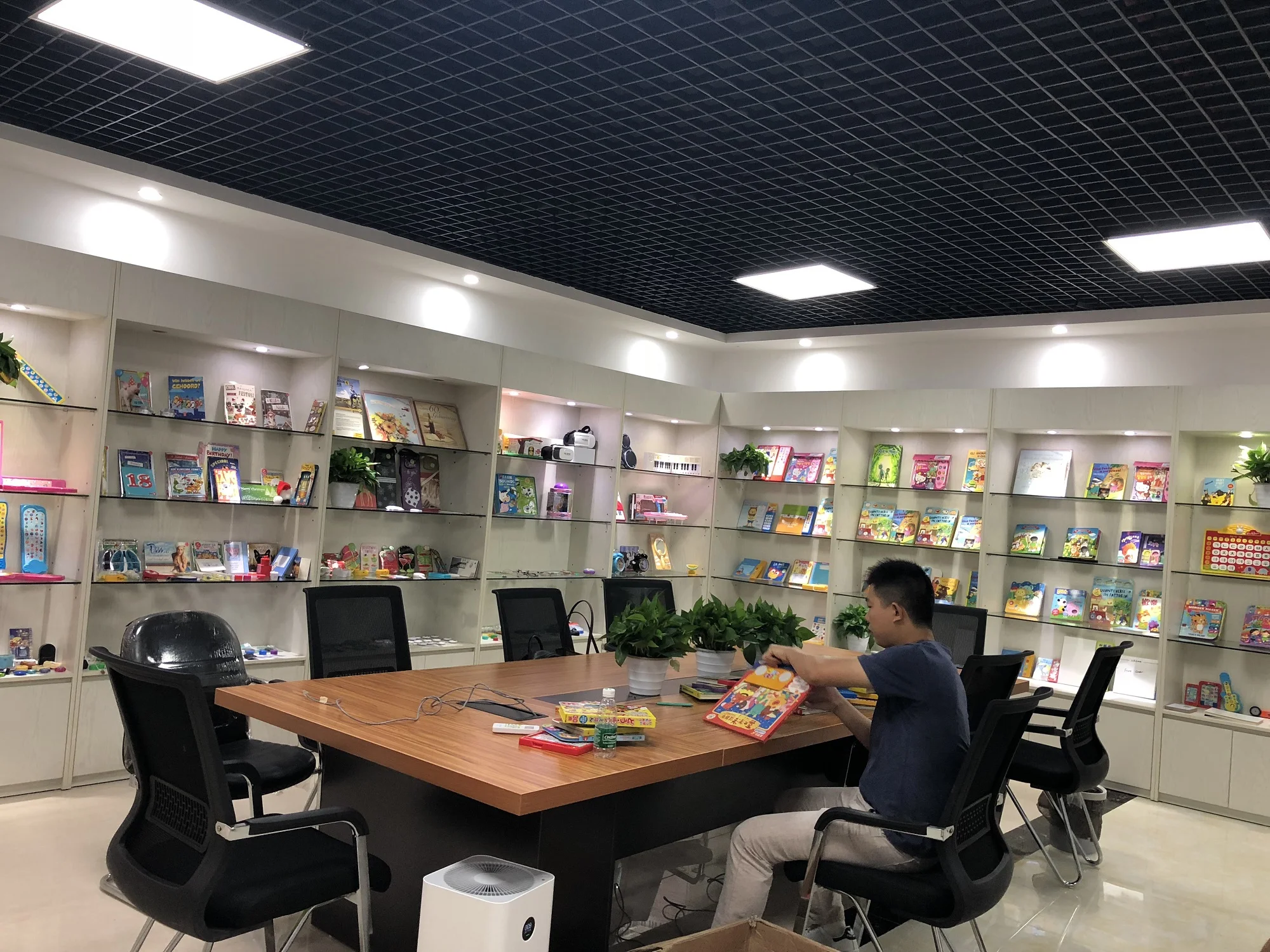
Shenzhen Joyfun Technology Co., Limited
- Manufacturer, Trading Company
- Guangdong, China
- Lead time30 days
- Avg. response≤ 3h
Main productsDigital Piggy Bank,Electronic Money bank,Sound Module Box,Sound button,Customize Gifts &Toy
Main marketsNorth America(30.0%), Northern Europe(20.0%), Southern Europe(10.0%), South America(10.0%), Domestic Market(5.0%), Southeast Asia(5.0%), Eastern Europe(5.0%), Western Europe(5.0%), Mid East(5.0%), Oceania(5.0%)

NINGBO HAISHU HOPE-U INTERNATIONAL TRADING CO., LTD.
- Manufacturer/Factory
- China Zhejiang
- Lead time45 days
- Avg. response≤ 7h
Main productsGift, Beauty Device, Bluetooth Speaker, Skin Care, Cosmetics, Promotional Products, Camping Lamp, Fan, Keyboard and Mouse, Humidifier
Main marketsSouth America,Eastern Europe,North America,Southeast Asia,Western Europe

- Verified by CTI
- Trading Company,Manufacturer/Factory
- China Guangdong
- Lead time105 days
- Avg. response≤ 8h
Main productsBluetooth Speaker, Radio Receiver, Solar Energy, Car Motro Battery, TV DVD, Headphone Headset, Data Cable, Smart Watch
Main marketsSouth America,Eastern Europe,Mid East,North America,Southeast Asia,Eastern Asia,Oceania,Western Europe,Africa


OEM Portable Sound Box Fabric Speaker Outdoor Wireless Bluetooth Speaker with Handle
$4.52 - $4.82
Moq: 1000
Shenzhen Wellsun Wood & Metal Products Co., LTD
- Verified by SGS
- Trading Company
- China Guangdong
- Lead time15 days
- Avg. response≤ 3h
Main productsWooden Chess Game Set, Wood Humidor Cigar Box, Watch Boxes, Wooden Board Games, Antique Wood Lamp, Coffee Table, Wooden Wall Decorations, Living Room Cabinets, Wooden Wall Shelf, Antique Furniture
Main marketsEurope

Guangzhou Lingyin Electronic Co., Ltd.
- Verified by BV
- Combined
- China Guangdong
- Lead time30 days
- Avg. response≤ 6h
Main productsPRO Audio, Speaker, Amplifier, PA Address System, IP Network System, Wireless Broadcast, Wireless Mic, PA Lectern, Professional Audio, Line Arry
Main marketsOthers(foreignTradeCapacity.exportBusinessCapacityMarketOther),Southeast Asia/ Mideast,Europe,Australia,North America

Changsha Sofly Industry Co.,Ltd
- Verified by BV
- Trading Company
- China Hunan
- Lead time15 days
- Avg. response≤ 6h
Main productsPower Bank, Digital Luggage Scale, USB Flash Drive, LED Light, LED, Mobile Battery Charger, USB Stick, USB 2.0 USB 3.0, Digital Hanging Portable Scale, Digital Scale
Main marketsEurope

Custom Laptop Outdoor Wooden Wireless Extra Bass Bamboo Mini Bluetooth Speaker
$14.60 - $15.00
Moq: 100

Eco Friendly Wooden Bamboo Mini Portable Wireless Bluetooth Speaker with RGB Light
$4.90 - $5.20
Moq: 100

- Verified by SGS
- Trading Company
- China Zhejiang
- Lead time15 days
- Avg. response≤ 13h
Main marketsOthers(foreignTradeCapacity.exportBusinessCapacityMarketOther),North America

- Manufacturer/Factory
- China Fujian
- Lead time45 days
- Avg. response≤ 13h
Main productsBamboo Chopping Board, Bamboo Box, Bamboo Tray, Bamboo Bottle, Bamboo Products, Bamboo Cutlery, Bamboo Plywood, Bamboo Furniture, Bamboo Plate, Bamboo Broom
Main marketsSouth America,Eastern Europe,Mid East,North America,Southeast Asia,Oceania,Western Europe,Africa
- Trading Company
- China Zhejiang
- Lead time30 days
- Avg. response≤ 11h
Main productsHome Appliance, Cookware Set, Thermos, Home Storage, Furniture, Pet Supplies, Garden Tools, Outdoor Supplies, Baby Supplies, Houesehold Items
Main marketsSouth America,Africa,Southeast Asia/ Mideast,East Asia(Japan/ South Korea),Domestic,Europe,Australia,North America
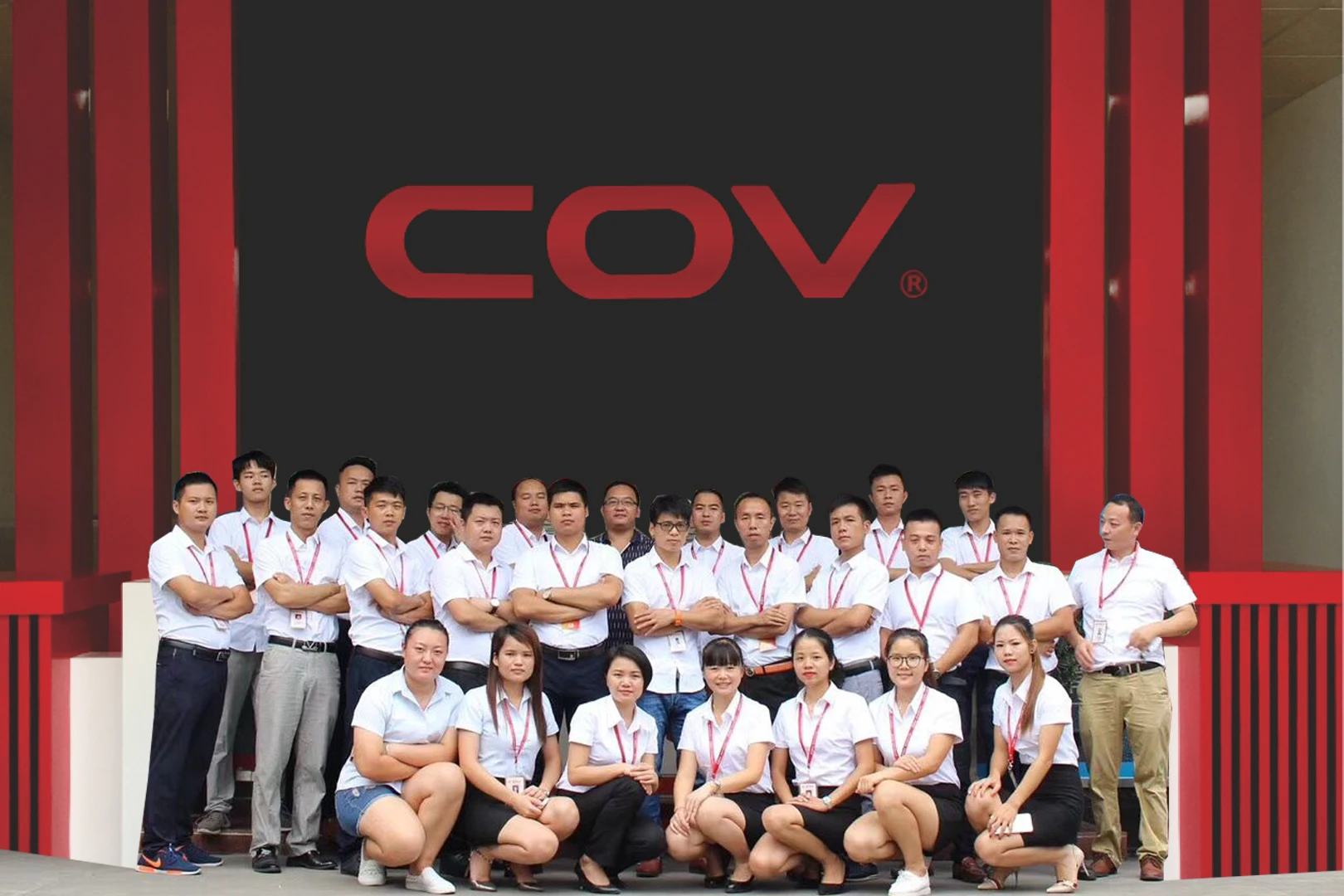
Guangzhou Xiouwei Audio Visual Techonology Co., Ltd.
- Manufacturer
- Guangdong, China
- Lead time45 days
- Avg. response≤ 18h
Main productsTrolley Speaker,Karaoke Speaker,Party speaker,Professional Speaker,Portable speaker
Main marketsDomestic Market(50.0%), Southeast Asia(30.0%), Central America(5.0%), South Asia(5.0%), South America(3.0%), Eastern Europe(3.0%), Africa(2.0%), North America(2.0%)
Shenzhen Sachikoo Yongfa Technology Co., Ltd.
- Verified by TUVRHEINLAND
- Combined
- China Guangdong
- Lead time15 days
- Avg. response≤ 3h
Main productsSafe, Telephone, LED Mirror, Electric Kettle, Mini Fridge, Hairdryer
Main marketsSouth America,Southeast Asia/ Mideast,Europe,Australia,North America
Shenzhen Ao Lai De Electronic Co., Ltd.
- Verified by SGS Group
- Manufacturer, Trading Company
- Lead time35 days
- Avg. response≤ 3h
Main productsBluetooth Speaker, Multimedia Speaker, Party Speaker, Sound Bar, Vinyl Record Player
Main marketsNorth America(15%), South America(12%), Central America(12%)

Dongguan Deluo Industry & Trade Co., Ltd.
- Verified by SGS
- Manufacturer/Factory
- China Guangdong
- Lead time23 days
- Avg. response≤ 4h
Main productsHeat Transfer Label, Label, Boxing Shorts, Heat Transfer Logo, Garment Logo, Silicone Label, Bjj Gi Kimono, Brazilian Jiu Jitsu Uniform, Muay Thai Shorts, PVC Patch
Main marketsSouth America,Eastern Europe,Mid East,North America,Southeast Asia,Eastern Asia,Oceania,Western Europe,Africa

Hangzhou Zhonghe Electronic Equipment Co., Ltd.
- Combined
- China Zhejiang
- Lead time45 days
- Avg. response≤ 25h
Main productsAmplifier, Speaker, Microphone, Sound Mixer
Main marketsSoutheast Asia/ Mideast,Europe

YUOKO ELECTRONICS CO., LIMITED
- Verified by SGS
- Manufacturer/Factory
- China Guangdong
- Lead time23 days
- Avg. response≤ 25h
Main productsMobile Phone Accessories, Cell Phone Batteries, Pd Fast Charger, Energy Battery & BMS, Wall Charger Power Bank, Bt Mini Speaker, Interlligent Battery Equalizer, Interlligent Battery Equirement, Energy Storage Battery, electronic Vehiche Charger
Main marketsSouth America,Eastern Europe,Mid East,North America,Southeast Asia,Eastern Asia,Oceania,Western Europe,Africa

SHENGZHOU CITY ESOUND ELECTRONIC CO., LTD.
- Verified by TUVRHEINLAND
- Trading Company
- China Zhejiang
- Lead time30 days
- Avg. response≤ 25h
Main productsSpeaker, Speaker Cabinet, Speaker Parts
Main marketsSoutheast Asia/ Mideast


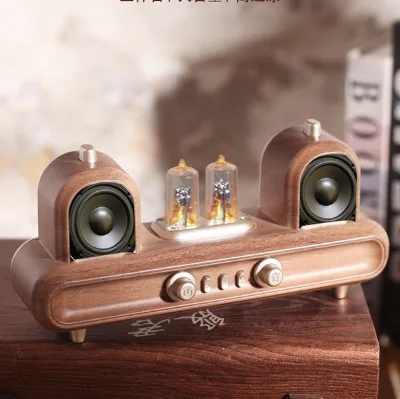
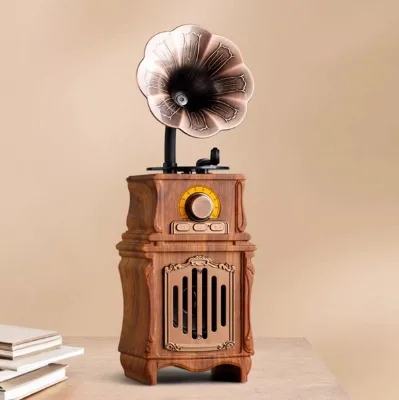






Comprehensive Sourcing Guide
Wooden Bluetooth Speaker Supplier Concentration and Factory Types
Suppliers of wooden and bamboo Bluetooth speakers on this page cluster in two Chinese provinces with distinct profiles. Suppliers based in Fujian present themselves as eco-focused manufacturers and trading companies whose main product lines include bamboo tableware, bamboo furniture, bamboo kitchenware, biodegradable products and related bamboo items, with wooden Bluetooth speakers appearing as a product extension within that range. Suppliers in Guangdong are speaker specialists: their main products are Bluetooth speakers, portable speakers, multimedia speakers, professional speakers and speaker boxes, so a wooden enclosure is one variant within an established audio portfolio rather than a side product. Recognizing this difference early helps you decide whether you need a vendor whose core competence is the acoustic product or one whose core competence is the natural material.
The page also shows different company types. Some Fujian suppliers combine Trading Company and Manufacturer/Factory designations, which can mean an in-house workshop plus sourcing of complementary items. One Guangdong supplier lists a Combined type with own brand, ODM and OEM capabilities, suggesting deeper product development involvement. Buyers should treat these labels as a starting hypothesis and confirm whether enclosure carpentry, finishing, electronics assembly and battery fitting happen in-house or through subcontractors. When clusters are not evidenced for your category, identify them by comparing how many suppliers of the same product list the same province, then validate with business licences and third-party audits before committing to any factory.
How to Verify Wooden Bluetooth Speaker Suppliers
Verification for this category should cover both the electronics and the natural material sides, because a wooden speaker is effectively two supply chains joined together. Several signals appear on this page that buyers can use as prompts rather than proofs. One Fujian supplier shows CTI verification and a BSCI system certification, which speak to audited working conditions, while a Guangdong supplier lists an ISO9001:2015 quality management certificate. None of these replaces your own checks: request the current certificate documents, confirm scope and expiry, and match the certified legal entity name against invoices and contracts. Ask specifically whether the certification covers the speaker assembly site or only the bamboo products operation.
Product-level evidence is equally important for verification. Listings here include attributes such as Mao bamboo, natural color, polished surface treatment, laser processing, brown box or carton packing, and model codes like EB-B1059, EB-B6428 and ET020, alongside product standards cited as SGS, FDA and LFGB on one listing. Ask each supplier which of those standards actually applies to the speaker electronics and which applies only to food-contact bamboo items, since materials standards do not automatically cover batteries, Bluetooth modules or chargers. Request sample units from the exact model quoted, test radio and battery performance independently, and confirm whether the verified profile, response behavior and product listings belong to the same entity you will contract with.
What to Compare Across Wooden Bluetooth Speaker Suppliers
Build a comparison sheet from the attributes actually displayed, without assuming every supplier shows every field. Useful dimensions visible here include lead time, MOQ, response speed, location, company type, R&D capability and main products. On lead time, the page shows one Fujian supplier at 45 days and one Guangdong supplier at 30 days, while individual product listings cite delivery of 45–60 days after order confirmation for some bamboo models and 15–35 days for another. That gap between company-level and product-level figures is exactly what to probe: ask which number applies to your chosen model, your order size and your customization level. On MOQ, displayed values for bamboo speaker models range from 300 to 500 pieces, which is manageable for a first trial order.
Response speed is another comparable field: recorded response times here range from about 1.8 hours to just over 7 hours, but treat these as indicators of account staffing, not of engineering support quality. Compare main product lists to judge fit — a supplier whose catalog is entirely speakers may solve audio problems faster, while a bamboo specialist may offer more enclosure and finishing options. Also compare OEM/ODM positioning, customization availability, sample time of 10–15 days shown on some listings, and price points such as 4.54 and 6.65 USD per unit shown for specific models, always reconfirming prices against your own specification.
Common Wooden Bluetooth Speaker Sourcing Risks
The most category-specific risk is the interface between wood and electronics. Bamboo and wooden enclosures are natural materials that vary in grain, density and moisture content, and suppliers here describe laser processing, polished surfaces and natural color finishes. Natural variation means units in one production batch can look different from approved samples unless you agree a tolerance range, a sealed golden sample and a documented color standard. Humidity during shipping can also move wooden panels, so ask how enclosures are dried, sealed and packed, and what happens when a creak or panel gap appears after arrival. Laser logo customization shown in listings is convenient, but confirm logo depth, position tolerance and rejection criteria in writing before mass production.
Electronics and compliance risks follow. Listings on this page cite certifications such as CE, RoHS and FCC on one speaker model, and SGS, FDA and LFGB standard references on another, yet these may relate to different scopes; verify certificates against the exact model and confirm whether battery, charger and radio module certifications are included. Trade risks are generic but real: a 45–60 day quoted delivery window can slip when bamboo material supply or assembly capacity tightens, so build delay penalties and staggered shipment options into contracts. Finally, beware of mismatched profiles — a trading company listing a factory address, or a bamboo tableware catalog suddenly featuring speakers — and reduce risk with smaller first orders near the displayed 300–500 piece MOQs.
Wooden Bluetooth Speaker Regional Sourcing and Logistics
Within the evidence on this page, regional sourcing for wooden and bamboo Bluetooth speakers maps to Fujian and Guangdong, and the two regions suggest different logistics patterns. Fujian is presented as the home of eco-friendly bamboo product suppliers, which places enclosure material sourcing close to production; origin details on listings there even cite Fujian, China as product origin for specific models. Guangdong suppliers sit in a major electronics manufacturing region, which favors access to Bluetooth modules, drivers, batteries and audio accessories, and one supplier there lists a 30-day lead time, shorter than the 45 days shown for a Fujian counterpart. Neither advantage eliminates the other: many buyers pair a bamboo-capable supplier with an audio-focused one and compare total landed cost.
Logistically, this is a compact, moderately heavy consumer product — one listing gives an item weight of 0.14 kg and a unit size of 6×6×6 cm — which supports economical consolidation, though lithium battery contents dictate how units ship. Confirm whether units contain built-in lithium batteries, as one listing states, and verify the correct air, sea and courier handling requirements for battery-containing goods before booking. Packaging choices shown here include brown boxes and cartons; request drop-test results and master carton dimensions. Because origins, battery configuration and packing choices all affect freight class and documentation, gather these details from each supplier in writing and compare fully landed costs rather than unit prices alone.
Wooden Bluetooth Speaker Commercial Terms and Order Planning
Plan commercial terms around the numbers suppliers actually display, then negotiate the gaps. Observed reference points on this page include unit prices of 4.54 and 6.65 USD for specific bamboo speaker models, MOQs of 300 and 500 pieces, company lead times of 30 and 45 days, product-level delivery windows of 15–35 and 45–60 days, and sample lead times of 10–15 days. Convert these into a written quotation that fixes model code, customization level, packaging, delivery term and validity period, because a bamboo speaker with laser logo customization and a polished finish is a different cost object from a stock non-customized unit, as the listings themselves distinguish customized and non-customized variants.
Order planning should sequence a pilot before scale. A sensible path: order samples at the quoted 10–15 day sample time, run your own audio, battery and appearance checks, then place a first production run near the 300–500 piece MOQ with a third-party inspection before shipment. Confirm who pays for golden samples, tooling for laser logos, and re-inspection after defects. Ask whether payment terms, trade assurance or escrow-style arrangements are offered, and document what dispute remedies exist — some profiles on the page advertise verification badges, but you should verify what protection those badges actually deliver. Finally, align reordering schedules with the longer 45–60 day delivery windows so seasonal retail dates are protected by buffer stock.
Word count check: Section totals 228+229+228+227+228+228 = 1368. Within 1350–1450. Done.
FAQs
What is the typical lead time for wooden bluetooth speakers?
Lead times for wooden bluetooth speakers typically range from 15 to 60 days after order confirmation. Specific durations depend on the product model and customization requirements. Buyers should confirm the exact timeline with the supplier before placing a bulk order to ensure it aligns with their inventory schedule.
What are the common MOQs for these speakers?
Minimum order quantities for wooden bluetooth speakers often start at 300 units for standard models. Some specific designs may require a higher MOQ of 500 units. Buyers should verify the exact MOQ for their chosen model, as it can vary based on the product specifications and customization level.
Are wooden bluetooth speakers eco-friendly?
Yes, many wooden bluetooth speakers are designed with eco-friendly features. They often use natural bamboo or wood materials and are labeled as eco-products. This makes them suitable for buyers seeking sustainable audio solutions for home or commercial use without compromising on sound quality or durability.
Can suppliers customize wooden bluetooth speakers?
Suppliers generally offer customization options for wooden bluetooth speakers. This includes laser engraving for logos and specific design modifications. Buyers can request custom features to match their brand identity, though they should confirm the available customization scope and any associated costs with the supplier.
What certifications do these speakers usually have?
Wooden bluetooth speakers often come with certifications such as CE, RoHS, and FCC. Some suppliers also hold ISO9001:2015 or BSCI system certifications. These credentials indicate compliance with international safety and quality standards, which is crucial for buyers importing products into regulated markets.
Where are wooden bluetooth speakers typically manufactured?
These speakers are primarily manufactured in China, with major production hubs in Fujian and Guangdong provinces. Fujian is known for bamboo-based products, while Guangdong focuses on broader audio equipment. Buyers can source from these regions to access a wide range of styles and manufacturing capabilities.
How long does it take to get a sample?
Sample lead times for wooden bluetooth speakers are usually between 10 and 15 days. This period allows the supplier to prepare and ship the sample for quality evaluation. Buyers should factor this time into their product development schedule to ensure timely testing and approval before mass production.