eco friendly anti-pilling crop top and shorts set Suppliers and Manufacturers
Compare 36 verified suppliers offering eco friendly anti-pilling crop top and shorts sets with details on location, lead times, and certifications. Review product specifications and response times to select a factory that meets your sourcing needs; review the available evidence before requesting comparable quotations from suitable candidates.
Updated
Suppliers List

Jiuya Huitong (Qingdao) International Trade Co., Ltd.
- Verified by SGS
- Trading Company,Manufacturer/Factory
- China Shandong
- Lead time90 days
- Avg. response≤ 5h
Main productsClothes, Abaya, Camping Tent, Camping Furniture, Solar Light
Main marketsSouth America,Eastern Europe,Mid East,North America,Southeast Asia,Eastern Asia,Oceania,Western Europe,Africa

- Verified by CTI
- Trading Company
- China Anhui
- Lead time23 days
- Avg. response≤ 1h
Main productsFurniture, Home Furniture
Main marketsSoutheast Asia/ Mideast

Xiamen Timee Garment Co., Ltd.
- Verified by BV
- Trading Company
- China Fujian
- Lead time15 days
- Avg. response≤ 19h
Main productsYoga Wear, Sports Wear
Main marketsSouth America,Australia,North America
Dongguan King Young Apparel Co., Ltd.
- Verified by SGS Group
- Manufacturer, Trading Company
- Lead time20 days
- Avg. response≤ 1h
Main productsJeans, Tracksuit, T Shirt, Hoodie, Pants
Main marketsNorth America(40%), Eastern Europe(10%), Western Europe(10%)

Dongguan Humen Hucai Garment Co., Ltd.
- Verified by TUVRHEINLAND
- Combined
- China Guangdong
- Lead time15 days
- Avg. response≤ 7h
Main productsSportswear, Yoga Pants, Sports Bra, T Shirt, Tank Top, Jogger Pants, Tracksuit, Hoodies, Shorts, Leggings
Main marketsAustralia,North America
Taian Lianchuang Textile Co., Ltd.
- Manufacturer, Trading Company
- Lead time旺季: "1 - 10000":35,"> 10000":"To be negotiated", 淡季: "1 - 10000":35,"> 10000":"To be negotiated"
- Avg. response≤ 3h
Main productsAdult Clothing, Baby Clothing
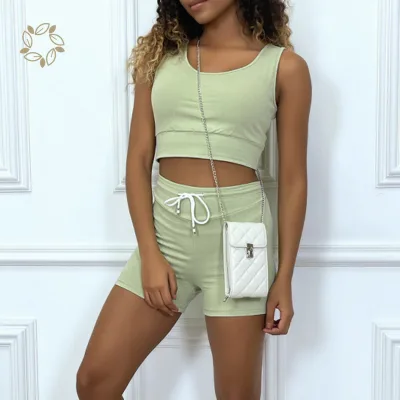
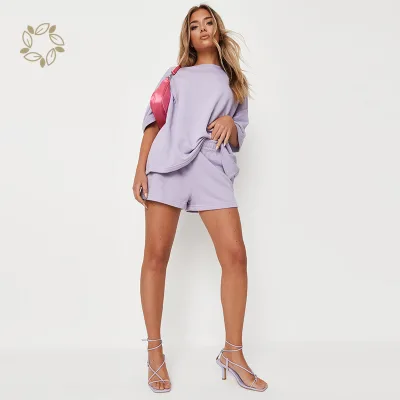
$10.90 - $12.30
MOQ: 100 pieces
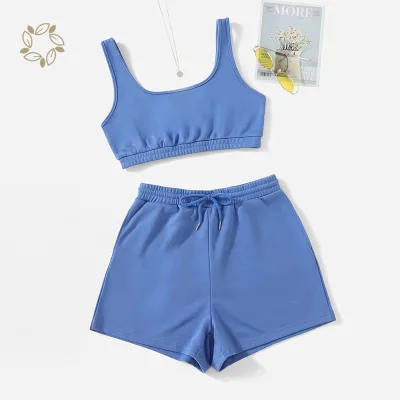

Hangzhou Jiuxing Clothing Co., Ltd.
- Verified by TUVRHEINLAND
- Trading Company,Manufacturer/Factory
- China Zhejiang
- Lead time60 days
- Avg. response≤ 3h
Main productsDown Jacket, Wool Coat, Sweatshirt, Hoodies, Dress, Blouse, PU Jacket, Shawl, Scarf, T-Shirt
Main marketsEastern Europe,North America,Western Europe
- Verified by TüVRheinland
- Manufacturer, Trading Company
- Lead time25 days
- Avg. response≤ 3h
Main productsSheet, Duvet Cover, Pillowcase, Pyjama, Dress
Main marketsOceania(70%), North America(30%)
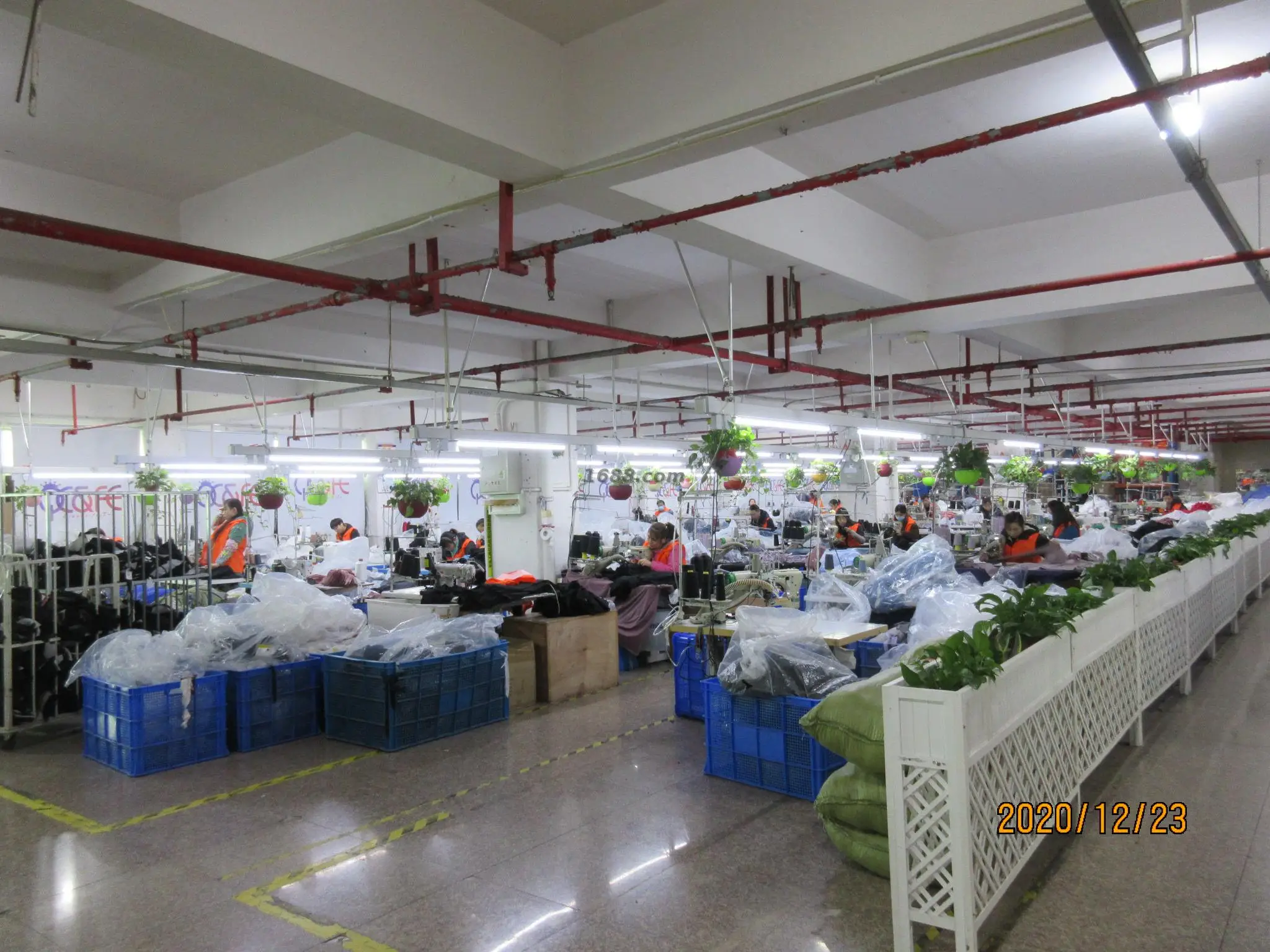
Guangzhou Yiga Trading Co., Ltd.
- Manufacturer, Trading Company
- Guang Dong, China
- Lead time15 days
- Avg. response≤ 2h
Main productsyoga wear,fitness wear,gym wear,sportswear,Cycling wear
Main marketsNorth America(50.00%), Northern Europe(10.00%), Western Europe(10.00%), Eastern Asia(10.00%), Oceania(10.00%), Eastern Europe(10.00%)

Guangzhou Mingyu Manufacturing Co., Ltd
- Verified by SGS
- Trading Company
- China Guangdong
- Lead time15 days
- Avg. response≤ 1h
Main productsCoat, Dress, Trousers
Main marketsDomestic

Trendy Summer Two-Piece Set with Pleated Sleeveless Top and Shorts
$18.00 - $20.90
MOQ: 100 Top +Shorts

Shenzhen Hana Electronic Commerce Co., Ltd.
- Manufacturer, Trading Company, Distributor/Wholesaler
- Guangdong, China
- Lead time5 days
- Avg. response≤ 3h
Main productsWomen's shoes,Stock shoes,women's sandals,Children's shoes,Accessories
Main marketsNorth America(70.00%), Southern Europe(5.00%), Northern Europe(5.00%), Eastern Europe(5.00%), South America(5.00%), Central America(4.00%), Mid East(3.00%), Africa(3.00%)
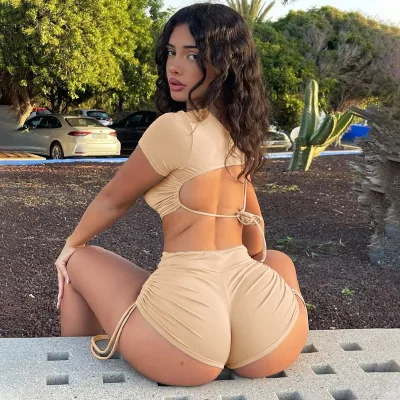
Summer Fashion Round Neck Short-sleeved Open Waist Top Slim Fit Women Shirts and Shorts Set
$4.88 - $5.70
MOQ: 1 pieces
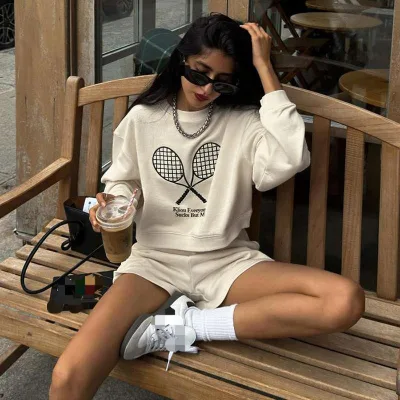
Women's Autumn New Casual Embroidered Letter Sweat Sports High Waist Shorts Sets for Women
$6.70 - $8.38
MOQ: 2 pieces
- Manufacturer, Trading Company
- Zhejiang, China
- Lead time0 days
- Avg. response≤ 6h
Main productsSports Wear,Yoga Wear,Mens Wear,Street Wear,Underwear
Main marketsNorth America(50.00%), Oceania(15.00%), South America(10.00%)
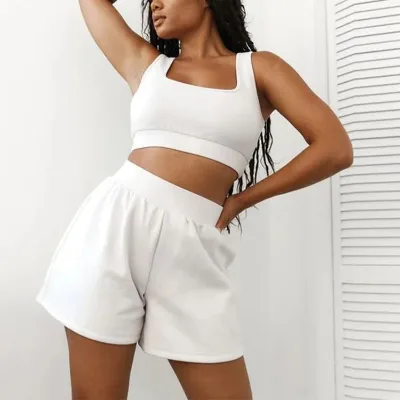
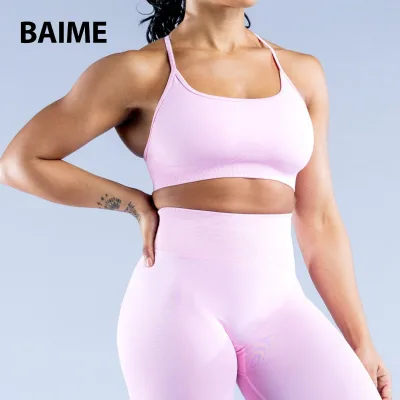
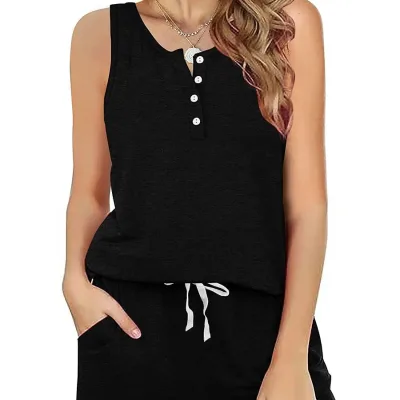
High Quality Custom Two Piece Short Sets Soft Cotton Women Causal Crop Top and Shorts Set
$19.80 - $25.00
MOQ: 2 pieces

- Manufacturer/Factory
- China Guangdong
- Lead time23 days
- Avg. response≤ 9h
Main productsYoga Clothes, Gym Clothes, Workout Clothes, Fitness Clothes, Running Clothes, Tennis Clothes, Golf Clothes, Plitates Clothing, Fashion Fitness, Sportswear
Main marketsEastern Europe,North America,Western Europe

Halter Neck Deep V-Neck, Open-Back Crop Top & High-Waist Butt-Lifting Contour Lines Shorts Set
$9.99 - $18.99
MOQ: 100 Pieces

Women's 2-Piece Workout Set Crew Neck Crop Top & No Camel Toe Biker Shorts
$9.99 - $18.99
MOQ: 100 Pieces

Women's 2-Piece Slim Fit 3/4 Sleeve Crop Top & Butt Lifting High Waist Biker Shorts Workout Set
$9.99 - $18.99
MOQ: 100 Pieces

Women's 2-Piece Workout Set Crew Neck Long Sleeve Top & Butt-Lifting Biker Shorts
$9.99 - $18.99
MOQ: 100 Pieces


Women 2 Piece Workout Set, Boat Neck Elbow Sleeve Crop Top & Pleated Bermuda Shorts with Pockets
$9.99 - $18.99
MOQ: 100 Pieces
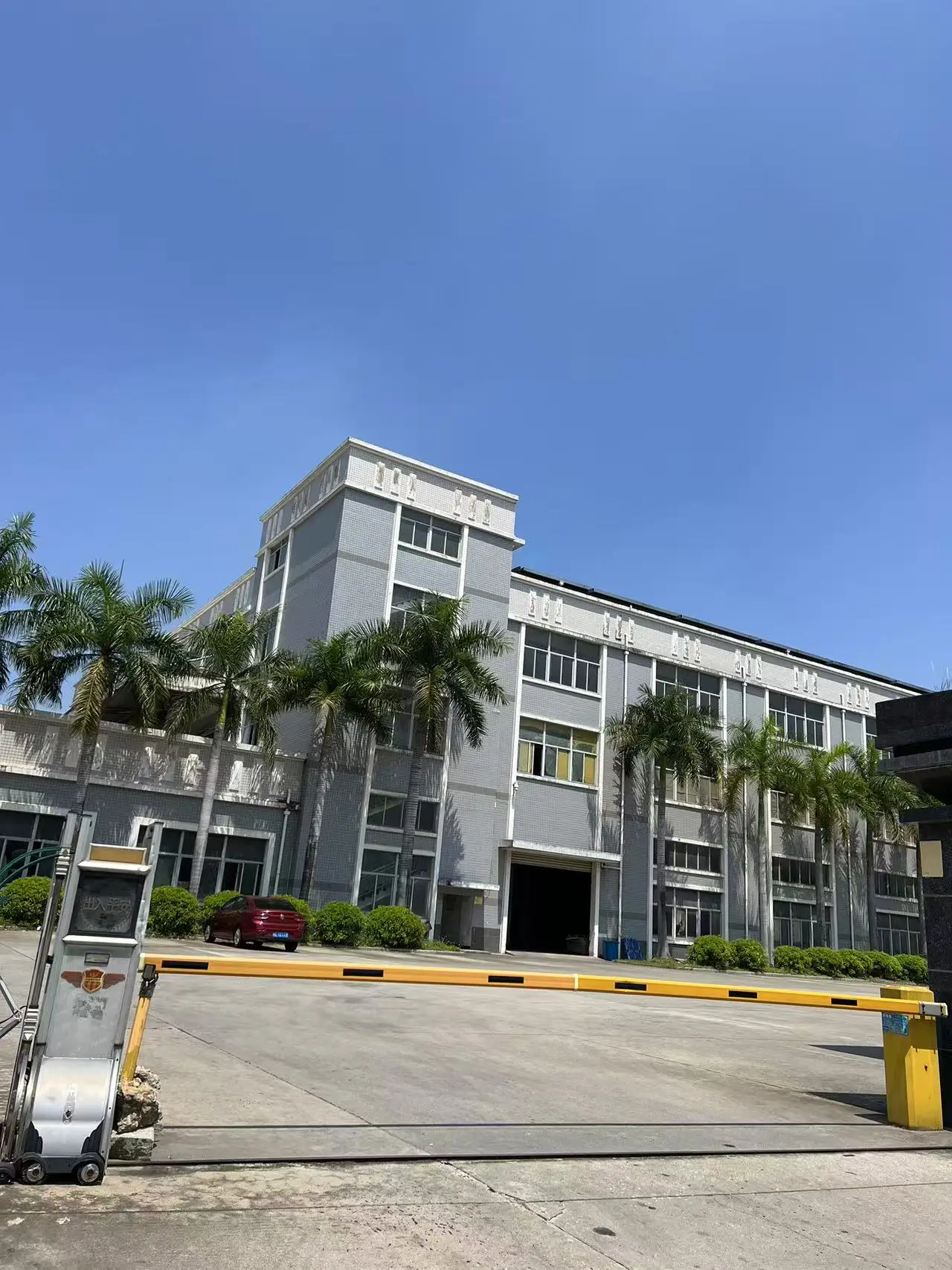
Zhangzhou Longwen Anyu Trading Co., Ltd.
- Trading Company
- Fujian, China
- Lead time15 days
- Avg. response≤ 5h
Main productsFashion clothing,women's clothing,swimsuit,Yoga Wear,socks
Main marketsNorth America(70.00%), Western Europe(20.00%), Central America(5.00%), Africa(5.00%)
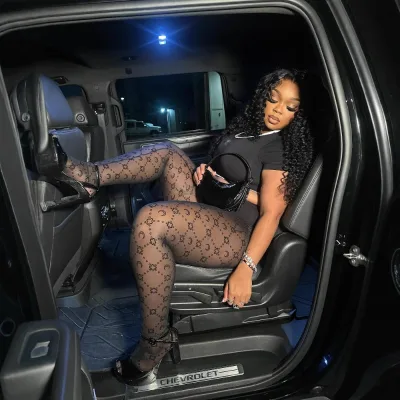
Y0535 Ins Style Black and White Patchwork Round Neck Moon Print Tight Fitting Crop Top Shorts Set
$6.238 - $7.2694
MOQ: 2 pieces
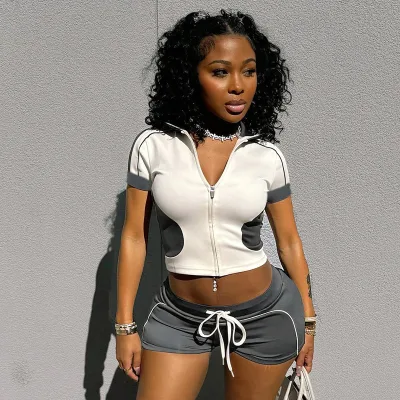
Y0156 Summer New Slim Fit and Slimming Patchwork Top, Sports Short Sleeved Shorts Set
$7.14 - $8.14
MOQ: 2 pieces

Guangzhou Dongzhou Garment Co., Ltd.
- Verified by TUVRHEINLAND
- Combined
- China Guangdong
- Lead time15 days
- Avg. response≤ 6h
Main productsDress, Blazer / Suit Jacket, Trousers / Dress Pants, Vest / Waistcoat, Chanel Style / Tweed Style, Skirt
Main marketsDomestic,Europe


$5.00 - $25.00
MOQ: 100 Pieces

$5.00 - $25.00
MOQ: 100 Pieces

Womens 2 Piece Activewear Set, V Neck Racerback Crop Top & High Waist Biker Shorts for Gym Workout
$5.00 - $25.00
MOQ: 100 Pieces

Tong Lu Spring River Knitting Group Co., Ltd.
- Verified by BV
- Manufacturer/Factory
- China Zhejiang
- Lead time60 days
- Avg. response≤ 25h
Main productsSweater, Cashmere Cardigan, Cashmere Sweater, Knitwear, Merino Sweater, Knitted Pullover, Kid Sweater, Wool Sweater, Women Sweater, Men Sweater
Main marketsEastern Europe,Mid East,North America,Eastern Asia,Western Europe

Musen (xiamen) Trading Co., Ltd.
- Trading Company
- Fujian, China
- Lead time10 days
- Avg. response≤ 8h
Main productsWomen Dress/Women Coat/Women Sets/Women Jumpsuits/Activewear/Swimsuit/Swimwear, Women Dress/Women Coat/Women Sets/Women Jumpsuits/Activewear
Main marketsNorth America(80.00%), Western Europe(20.00%)
Dongguan AMAN Apparel Co., Ltd.
- Verified by SGS Group
- Manufacturer, Trading Company
- Lead time25 days
- Avg. response≤ 5h
Main productsYoga Wear, Training Jogger Wear, Sportswear, Fitness Wear, Street Wear
Main marketsNorth America(30%), Western Europe(20%), Oceania(10%)

Xiamen Evaricky Trading Co., Ltd.
- Trading Company
- China Fujian
- Lead time15 days
- Avg. response≤ 3h
Main productsSports Wear, Gym Wear, Leggings, Sports Bra, Shorts, Yoga Set, Jackets, Tank Top, Tennis Wear
Main marketsEastern Europe,Mid East,North America,Oceania,Western Europe

Custom Gym Fitness Clothing Patchwork Color Removable Padded Crop Top and Butt Lift Shorts Yoga Set
$14.72 - $15.90
MOQ: 200 Pieces


Hot Sell Gym Fitness Sets Scrunch Butt Leggings Shorts High Elastic Fabric Sports Top Yoga Set
$10.69 - $11.54
MOQ: 200 Pieces

Wholesale Tight Shorts Women Sports Bra 2 Piece Sportswear Gym Fitness Sets
$14.89 - $17.18
MOQ: 1 Sets

Guangzhou Ouzun Clothing Co., Ltd.
- Verified by CTI
- Combined
- China Guangdong
- Lead time23 days
- Avg. response≤ 3h
Main productsUniforms, Pants, Suits&Blazer, T Shirt, Polo Shirt, Sportswear, Jacket, Hoodies&Sweatshirts
Main marketsDomestic


2026 Hot Sale Ladies Vacation Beach Sets Crop Top + Shorts Women's Shorts Sets Summer
$3.99 - $5.99
MOQ: 100 Pieces

Plus Size Women's Summer Vacation Sets Tank Top + Shorts Women's Shorts Sets Summer
$3.99 - $5.99
MOQ: 100 Sets

2026 New Design Women's Loungewear Shorts Set with Pocket Women's Shorts Set
$3.99 - $5.99
MOQ: 100 Sets

Laoling Hairui Garment Co., Ltd.
- Verified by SGS
- Combined
- China Shandong
- Lead time23 days
- Avg. response≤ 7h
Main productsSportswear, Yoga Wear
Main marketsDomestic


Women Custom Logo Halter Crop Top Shorts Sexy Gym Set Quick Dry Naked Feeling Fitness Yoga Set
$4.00 - $5.00
MOQ: 30 Pieces

$13.90 - $15.00
MOQ: 10 Pieces

Huzhou Jindou Network Technology Co., Ltd.
- Trading Company
- Zhejiang, China
- Lead time3 days
- Avg. response≤ 3h
Main productsPlus Size Women's Clothing, Women's Sets, Women's Coats, Women's Dress, Women's Underwear
Main marketsNorth America(33.00%), Northern Europe(15.00%), Western Europe(14.00%), Southern Europe(13.00%), Eastern Europe(11.00%), Southeast Asia(6.00%), Eastern Asia(2.00%), Africa(2.00%), South Asia(1.00%), South America(1.00%), Oceania(1.00%), Mid East(1.00%)

Efirsty Enterprise (Anhui) Co., Ltd.
- Verified by TUVRHEINLAND
- Trading Company
- China Anhui
- Lead time30 days
- Avg. response≤ 5h
Main productsLeggings Yoga Pants Swimwear, Swimsuit
Main marketsSouth America,Southeast Asia/ Mideast,East Asia(Japan/ South Korea),Europe,Australia,North America
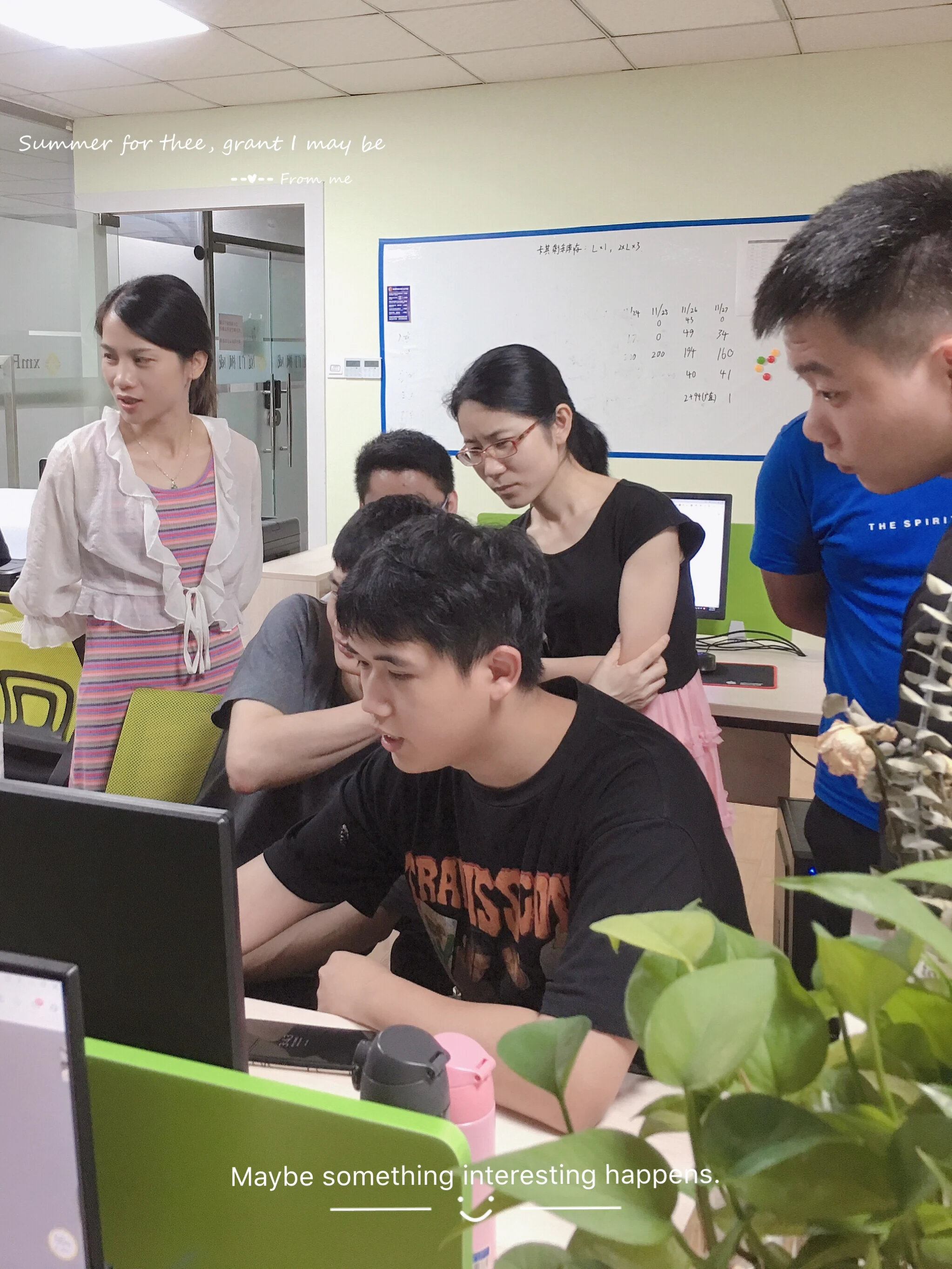
Xiamen Come Luckin Clothing Co., Ltd.
- Trading Company
- Fujian, China
- Lead time0 days
- Avg. response≤ 4h
Main productsWomen's Jacket & Coat, Women's T-Shirts, Women's Shorts, Women's Sportwear, Shoes
Main marketsNorth America(85.00%), Western Europe(6.00%), Southern Europe(3.00%), Northern Europe(3.00%), Eastern Europe(3.00%)
Dongguan Hongzhiyue Garment Co., Ltd.
- Verified by Intertek
- Manufacturer, Trading Company
- Lead time35 days
- Avg. response≤ 2h
Main productsTops, Dress, Pants, T-Shirts, Hoodies
Main marketsNorth America(46%), Mid East(30%), Western Europe(15%)
Dongguan Huoyoung Apparel Co., Ltd.
- Verified by SGS Group
- Manufacturer, Trading Company
- Lead time20 days
- Avg. response≤ 2h
Main productsSleepwear, Lounge Wear, Night Wear, Robe, Romper
Main marketsNorth America(29%), Western Europe(25%), Oceania(10%)
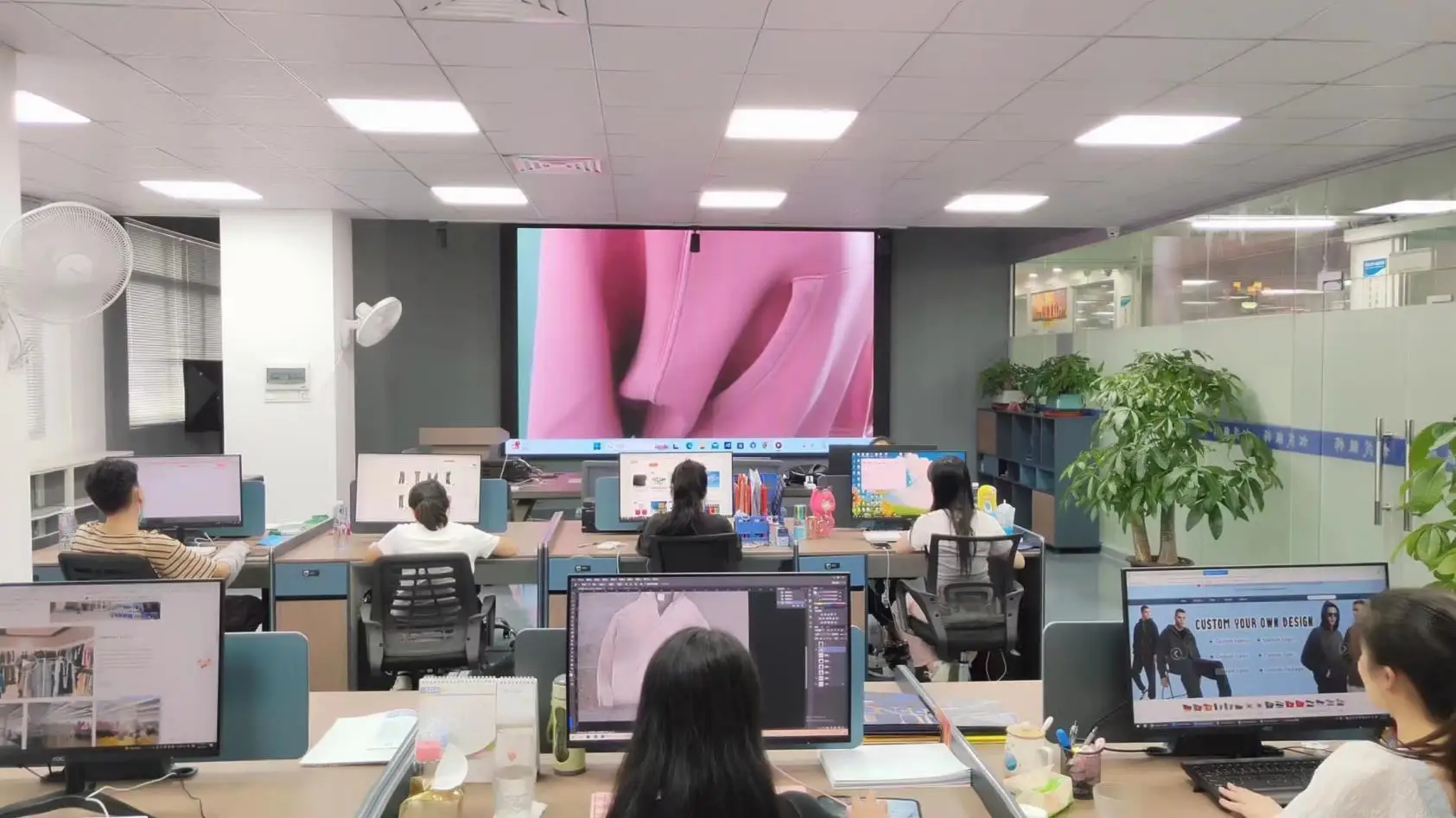
Dongguan Songmao Clothing Co., Ltd.
- Manufacturer
- Guangdong, China
- Lead time30 days
- Avg. response≤ 2h
Main productsHoodie,T-Shirt,Jacket,Tracksuit,Pants
Main marketsNorth America(40.00%), Western Europe(25.00%), Northern Europe(15.00%), Mid East(10.00%), Oceania(10.00%)
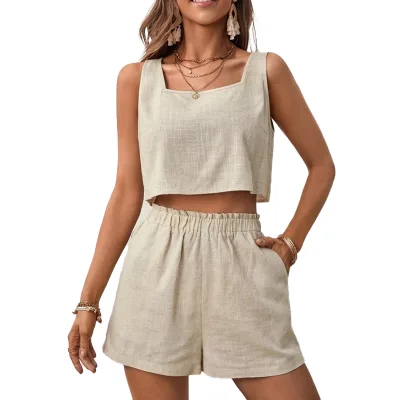
$8.8877 - $12.9985
MOQ: 50 pieces
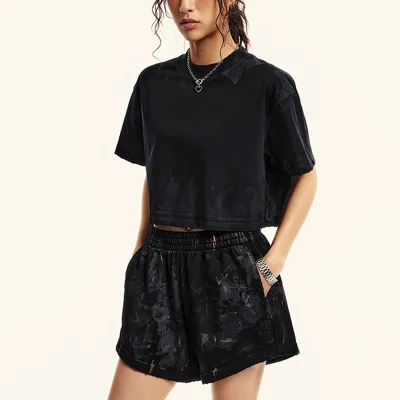
$20.60 - $28.90
MOQ: 50 sets
Shanxi Ashley Bio-Tech Co., Ltd.
- Verified by Intertek
- Trading Company
- Lead time0 days
- Avg. response≤ 8h
Main productsUnderwear
Main marketsNorth America(70%), Mid East(15%), South Asia(15%)

Hangzhou Yuanzhe Clothing Technology Co., Ltd.
- Verified by SGS
- Combined
- China Zhejiang
- Lead time15 days
- Avg. response≤ 5h
Main marketsSouth America,Europe,Australia,North America

$6.99 - $15.99
MOQ: 50 pieces

Custom Logo Women Short Sleeve Ribbed Cropped Shorts Sets Women's Gym Biker Two Piece Short Set
$16.99 - $17.99
MOQ: 100 sets
Dongguan Anxi Clothing Co., Ltd
- Verified by Intertek
- Manufacturer, Trading Company
- Lead time15 days
- Avg. response≤ 2h
Main productsWomen Dress, Women Skirt, Women Shirt, Women Pant, Women Short
- Verified by TüVRheinland
- Manufacturer, Trading Company
- Lead time30 days
- Avg. response≤ 7h
Main productsWomen Pullover, Fleece Jackets, Women T-Shirt, Dresses, Vest
Main marketsNorth America(100%)

Shenzhen Energy Pig Supply Chain Management Co., Ltd.
- Verified by SGS
- Trading Company,Manufacturer/Factory
- China Guangdong
- Lead time15 days
- Avg. response≤ 8h
Main productsYoga Wear, Woman Yoga Bra, Women Yoga Top, Women Yoga Coat, Woman Yoga Pants, Women Yoga Shorts, Women Yoga Skirt, Woman Yoga Set, Women Yoga Bodysuit
Main marketsSouth America,Eastern Europe,Mid East,North America,Southeast Asia,Eastern Asia,Oceania,Western Europe,Africa
Shandong Sailtek Clothing Technology Co., Ltd.
- Verified by TüVRheinland
- Manufacturer, Trading Company
- Lead time5 days
- Avg. response≤ 1h
Main productsWomen's Wear, Men's Sets, Yoga Wear
Main marketsNorth America(30%), Oceania(30%), Western Europe(13%)

Dongguan Hongjing Costume Co., Ltd.
- Manufacturer, Trading Company
- Guangdong, China
- Lead time30 days
- Avg. response≤ 6h
Main productsEvening Dress, Denim, Hoodie, Sports Set, Sweater
Main marketsNorth America(20.00%), South America(10.00%), Oceania(10.00%), Central America(10.00%), Eastern Europe(10.00%), Domestic Market(10.00%), Western Europe(5.00%), Southern Europe(5.00%), Northern Europe(5.00%), Southeast Asia(5.00%), Eastern Asia(3.00%), Africa(3.00%), South Asia(2.00%), Mid East(2.00%)

- Verified by SGS
- Trading Company
- China Zhejiang
- Lead time30 days
- Avg. response≤ 4h
Main productsBlazers, Dress, Jumpsuits&Bodysuits, Bottoms&Pants, Blouses, Sportswear, Skirts, Tops, T-Shirts, Coats&Jackets
Main marketsEurope,Australia,North America

Guiping Kuayangjin Apparel Co., Ltd.
- Verified by SGS
- Trading Company
- China Guangxi
- Lead time15 days
- Avg. response≤ 3h
Main productsApparel
Main marketsNorth America

Women Short-Sleeved Crop-Top Shorts Workout Set Breathable Yoga Set Crewneck Athletic Wear
$13.00 - $15.00
MOQ: 30 Pieces

Women V-Neck Tank Top Hight-Waisted Shorts Workout Set Brushed Athletie Clothing
$11.00 - $14.00
MOQ: 2 Pieces


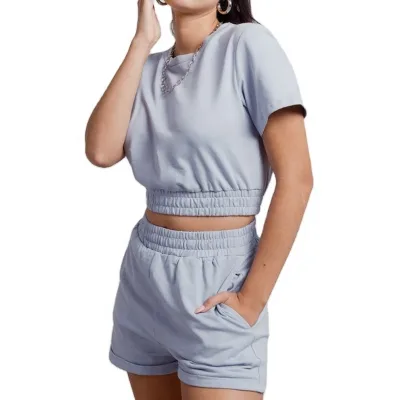
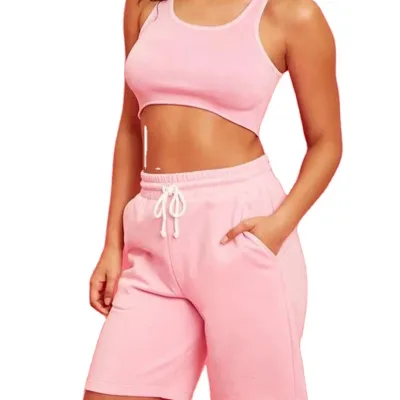


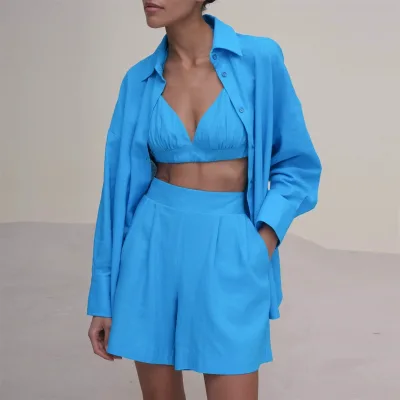

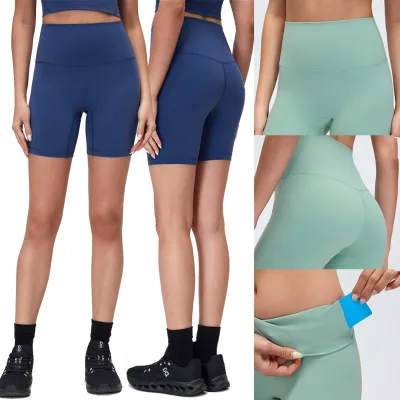
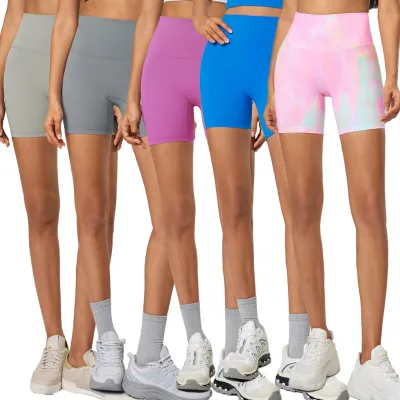
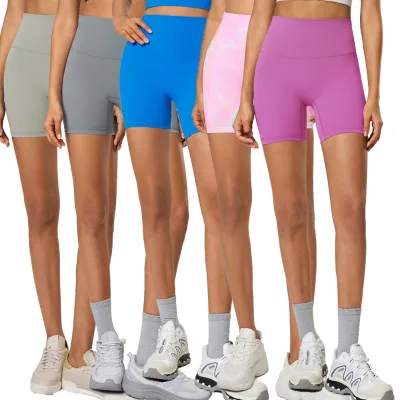
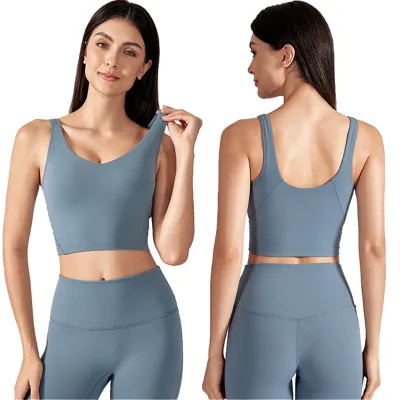


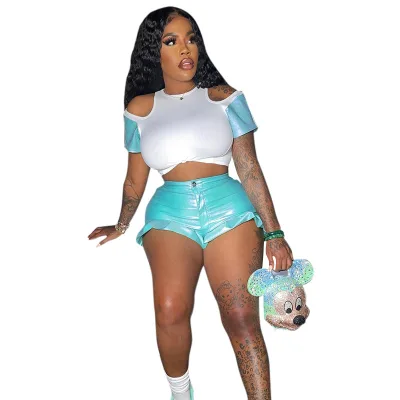
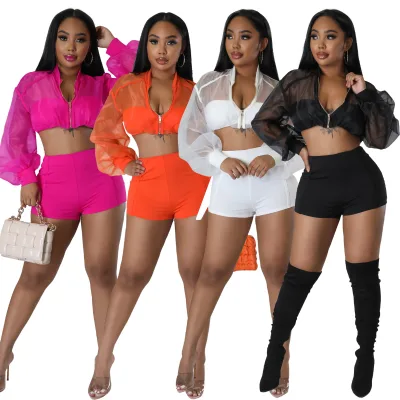
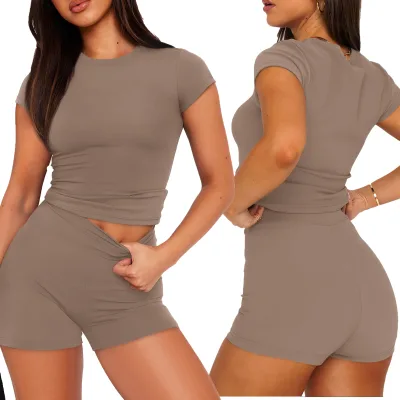
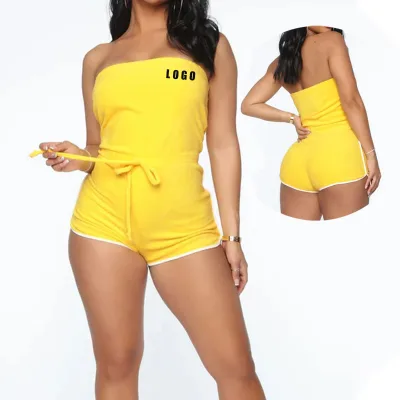
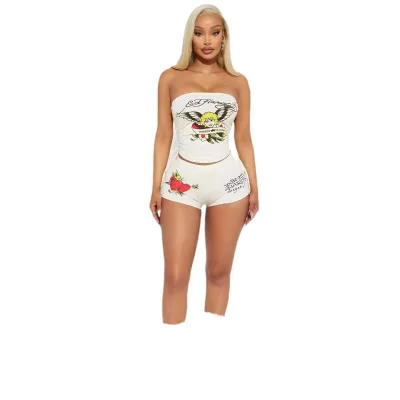
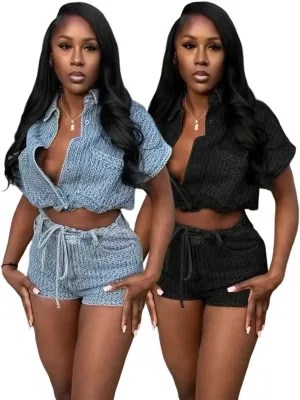


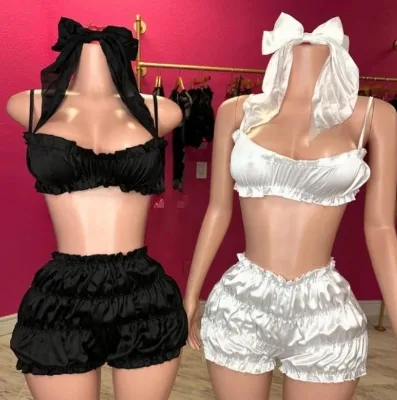
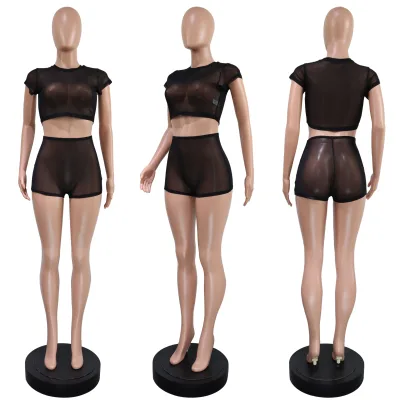
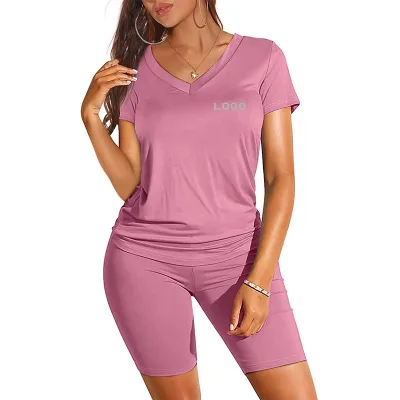
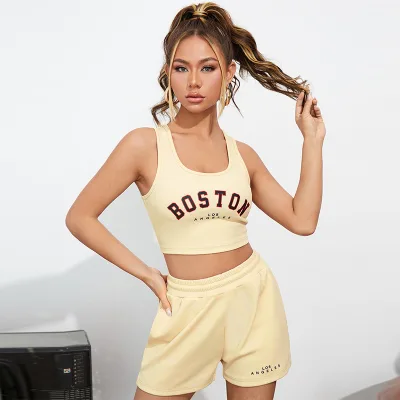
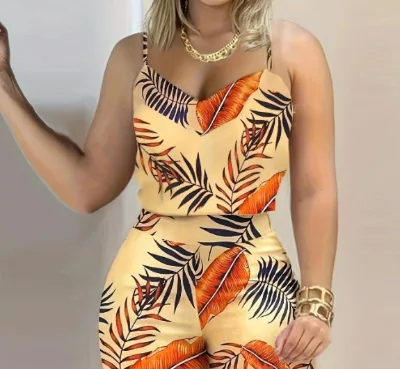
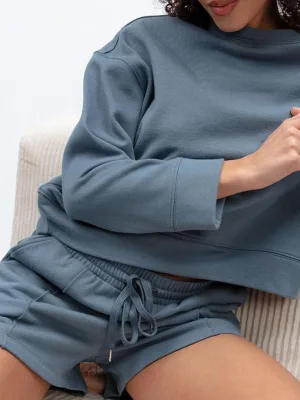
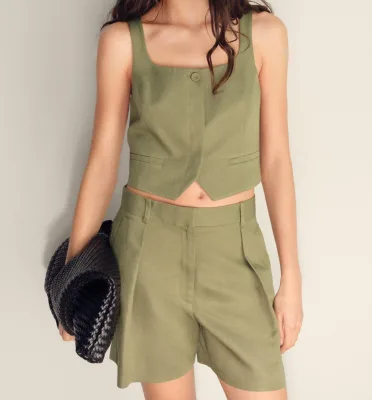
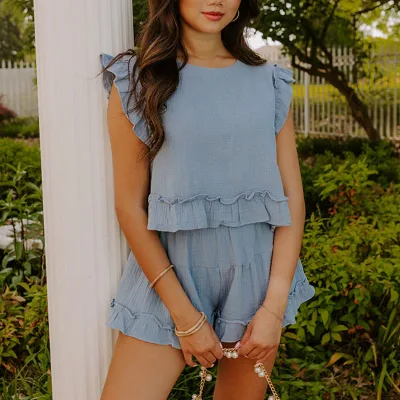
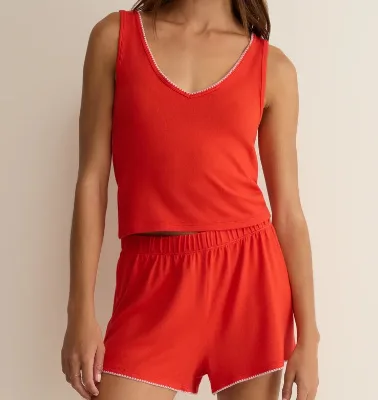


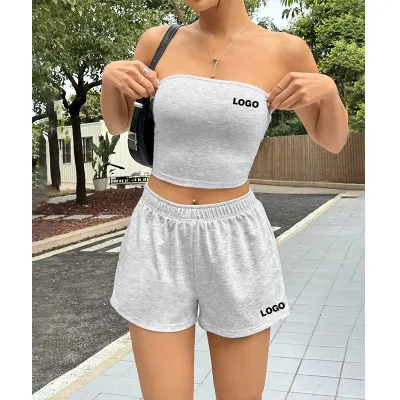
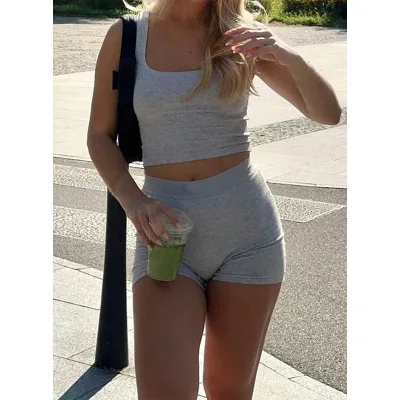


Comprehensive Sourcing Guide
Eco Friendly Anti-Pilling Crop Top And Shorts Set Supplier Concentration and Factory Types
Current data indicates a concentration of manufacturing and trading entities within China, specifically noting facilities in Shandong, Anhui, and Fujian provinces. These regions host a mix of company types, including Trading Companies and Manufacturer/Factory operations, which suggests a diverse supply chain structure for apparel items like crop tops and shorts sets. Some suppliers in these areas list main products ranging from general clothing to specialized sports wear, indicating that factories may diversify their output beyond a single niche. The presence of verified entities with certifications such as ISO 9001, ISO 14001, and HSE in these locations provides a baseline for assessing operational maturity. Buyers should recognize that while specific clusters are identified, the exact density of eco-friendly specialists within these provinces requires further verification against current inventory.
When evaluating the factory types, it is crucial to distinguish between pure manufacturers and trading companies based on their stated capabilities. The observed data shows suppliers claiming OEM capacity, which implies they can handle custom production runs for specific designs like anti-pilling fabrics. However, not all listed entities may possess the same level of in-house production for specialized eco-friendly materials. Some suppliers may act as intermediaries sourcing from other factories, which can impact lead times and quality control consistency. Buyers must verify if the supplier's main products align with the specific technical requirements of the crop top and shorts set, such as the use of specific cotton or denim blends mentioned in product attributes. Understanding this distinction helps in selecting a partner capable of delivering the required quality standards without unnecessary middlemen.
How to Verify Eco Friendly Anti-Pilling Crop Top And Shorts Set Suppliers
Verification of supplier credentials is a critical step when sourcing specialized apparel, and the available data highlights several third-party verification bodies. Some suppliers in the current results have been verified by SGS, CTI, and BV, which serves as a tangible indicator of their operational legitimacy. These verifications often cover factory audits, product quality checks, and compliance with international standards. Buyers should prioritize suppliers displaying these specific verification badges, as they suggest a higher level of scrutiny regarding their manufacturing processes and business practices. It is important to note that verification status can vary, and not every supplier in the market may currently hold these specific credentials, so checking the active status of these badges is essential before proceeding.
Beyond third-party verification, buyers should examine the specific certifications listed in the supplier profiles to ensure alignment with eco-friendly and safety standards. The observed data includes certifications such as IFS, ISO 9000, ANSI/ESD, and ISO 14001, which relate to quality management, environmental management, and electrostatic discharge protection. While these certifications do not explicitly guarantee "anti-pilling" performance, they indicate a structured approach to quality control that is necessary for maintaining fabric integrity. Buyers must cross-reference these certifications with the specific product attributes, such as fabric composition and production standards, to ensure the supplier's capabilities match the technical demands of the order. Relying solely on general company type descriptions without confirming these specific credentials can lead to mismatches in product quality and compliance.
What to Compare Across Eco Friendly Anti-Pilling Crop Top And Shorts Set Suppliers
Comparing suppliers requires a detailed analysis of key operational metrics such as lead time, minimum order quantity (MOQ), and response speed. The data reveals significant variation in these areas, with lead times ranging from 15 days to 90 days and response times varying from 0.15 to 18.54 hours. These differences can drastically impact inventory planning and market responsiveness. For instance, a supplier with a 15-day lead time may be preferable for urgent orders, while a 90-day lead time might suit long-term planning but requires earlier commitment. Buyers should create a comparison matrix that weighs these logistical factors against the specific needs of their business, ensuring that the chosen supplier can meet their delivery schedules without compromising on order volume requirements.
Price and MOQ are equally critical dimensions for comparison, as they directly affect the financial viability of the sourcing strategy. Product evidence shows price ranges from $0.50 to $25.00 per unit, with MOQs varying from as low as 2 pieces to 200 pieces. This wide disparity suggests that some suppliers cater to small, custom orders while others require bulk commitments. Buyers must align their budget and order volume expectations with the supplier's specific terms. For example, a supplier offering a low MOQ of 2 pieces might be ideal for sampling or testing new designs, whereas a supplier with a 200-piece MOQ might offer better economies of scale for established product lines. Evaluating these commercial terms alongside the product specifications ensures that the final selection balances cost efficiency with operational flexibility.
Common Eco Friendly Anti-Pilling Crop Top And Shorts Set Sourcing Risks
One significant risk in sourcing this category involves the potential mismatch between claimed product attributes and actual manufacturing capabilities. While some suppliers list specific fabric types like cotton or denim, the actual performance regarding anti-pilling properties may not be guaranteed without rigorous testing. The product evidence often states "See Detailed Information" for size and type, which can obscure critical technical details until a later stage of negotiation. Buyers must be cautious of suppliers who provide vague descriptions for key performance indicators, as this ambiguity can lead to receiving products that do not meet the expected durability standards. Conducting pre-shipment inspections or requesting physical samples is a necessary step to mitigate this risk and verify the fabric quality before committing to a large order.
Another risk relates to the variability in production standards and packaging requirements across different suppliers. The data indicates diverse packing methods, ranging from plastic boxes and trays to OPP bags, with some suppliers offering customized packing options. Inconsistent packaging can lead to product damage during transit or non-compliance with retailer requirements. Furthermore, the variation in production standards, such as the "0.5KG" standard mentioned for some items versus "customized" standards for others, highlights a lack of uniformity in quality control processes. Buyers should explicitly define their packaging and quality standards in the purchase agreement to ensure the supplier adheres to these requirements. Failing to address these specifics upfront can result in additional costs for rework or rejection of non-compliant shipments.
Eco Friendly Anti-Pilling Crop Top And Shorts Set Regional Sourcing and Logistics
Regional sourcing strategies must account for the specific locations of suppliers, which are currently identified in Shandong, Anhui, and Fujian provinces within China. These regions offer distinct logistical advantages and challenges depending on the proximity to major ports and transportation hubs. Suppliers in Shandong may have different shipping routes compared to those in Fujian, which could influence freight costs and transit times. Buyers should evaluate the geographic location of the supplier relative to their own distribution centers to optimize logistics efficiency. Additionally, the distance from the factory to the port of export can impact the overall lead time, making it essential to factor in regional logistics when planning the supply chain.
Logistics planning also involves understanding the specific packing and shipping requirements associated with each region. The observed data shows that some suppliers use specific packing methods like "Xiamen" or "OPP Bag," which may reflect local packaging norms or supplier preferences. These variations can affect how goods are consolidated and shipped, potentially influencing the total shipping cost and handling time. Buyers should clarify these regional logistics details early in the negotiation process to avoid unexpected delays or additional charges. By understanding the regional context, buyers can better anticipate potential bottlenecks and ensure that the supply chain remains resilient against regional disruptions or logistical complexities.
Eco Friendly Anti-Pilling Crop Top And Shorts Set Commercial Terms and Order Planning
Commercial terms and order planning are pivotal for managing the financial and operational aspects of the sourcing process. The data indicates a wide range of pricing, from $0.50 to $25.00, and MOQs from 2 to 200 pieces, requiring careful financial modeling. Buyers must calculate the total cost of ownership, including unit price, shipping, and potential tariffs, to determine the most cost-effective supplier. Additionally, the varying lead times of 15 to 90 days necessitate precise inventory planning to prevent stockouts or overstocking. Developing a robust order plan that accounts for these variables ensures that the business can maintain a steady flow of products while managing cash flow effectively.
Order planning also involves aligning production schedules with the supplier's response times and capacity. The observed response times range from 0.15 to 18.54 hours, indicating differences in communication efficiency. A supplier with a faster response time may be better suited for handling urgent changes or last-minute adjustments to the order. Buyers should establish clear communication protocols and set expectations for response times to ensure smooth collaboration. Furthermore, understanding the supplier's capacity for OEM production and customization is essential for planning future product variations. By integrating these commercial and operational factors into the order plan, buyers can create a sustainable and efficient sourcing strategy that supports long-term business growth.
FAQs
What is the price range for crop top and shorts sets?
Prices for these sets typically range from $0.50 to $25.00 per unit depending on the material and customization options. Basic cotton or denim styles start at the lower end, while specialized yoga or fitness sets with specific technologies cost more. Buyers should check the specific product details for exact pricing tiers.
What is the minimum order quantity for these sets?
The minimum order quantity varies significantly by supplier and product type. Some manufacturers offer very low MOQs starting at just 2 pieces for small order logo printing, while others require bulk purchases of 10 or 200 pieces. Always verify the specific MOQ for the desired model and fabric choice before placing an order.
How long does production take for these orders?
Lead times for manufacturing these sets generally range from 15 to 90 days. Faster production is often available for standard items, while customized designs or larger orders may require more time. Buyers should confirm the specific lead time with the supplier based on their current production schedule and order volume.
Are these sets available in different sizes and colors?
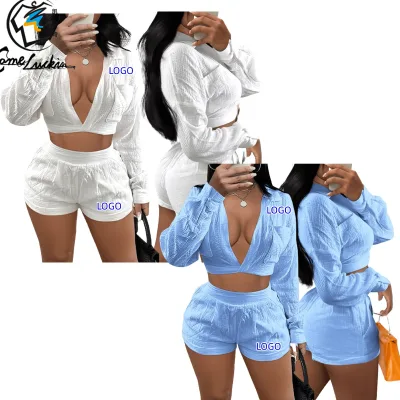
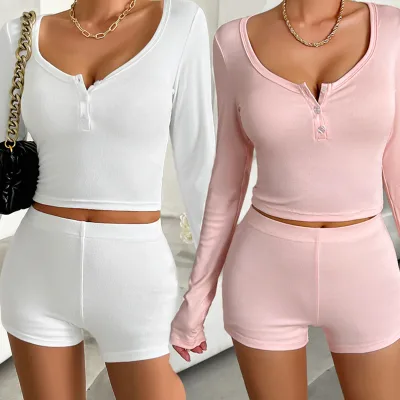
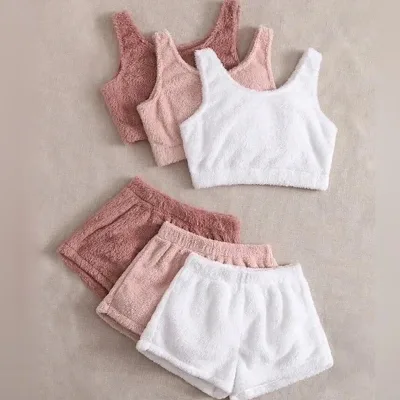
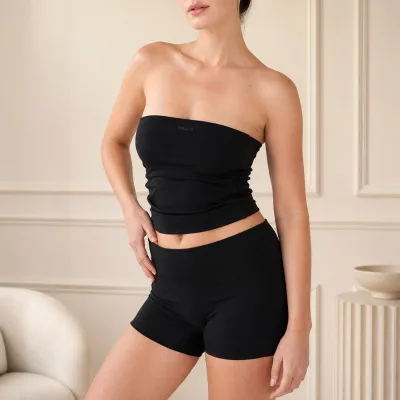
Yes, these sets are available in various sizes including S, M, L, XL, and free sizes. Common colors include white, pink, blue, and black, with some options available as shown. Customization is often available for specific color requirements, allowing buyers to tailor the products to their brand needs.
What certifications do these suppliers hold?
Suppliers for these products often hold certifications such as ISO 9001, ISO 14001, IFS, HSE, ANSI/ESD, and SGS verification. These certifications indicate adherence to quality management, environmental standards, and safety protocols. Buyers should request specific certification documents to ensure compliance with their regional regulations and quality expectations.
Where are these suppliers located?
Suppliers for these sets are primarily located in China, specifically in regions like Shandong, Anhui, and Fujian. These areas are known for their manufacturing capabilities in apparel and fitness wear. Buyers can filter results by location to find suppliers closer to their shipping preferences or logistical requirements.