Water Resistant Duffel Bag Suppliers and Manufacturers
Source Water Resistant Duffel Bag options from 30 verified factories in China. Compare key dimensions including MOQ, lead times, certifications, and pricing to identify suitable partners for your procurement needs; review the available evidence before requesting comparable quotations from suitable candidates.
Updated
Suppliers List

Xiamen Minghui Import and Export Co., Ltd.
- Verified by BV
- Manufacturer/Factory
- China Fujian
- Lead time30 days
- Avg. response≤ 12h
Main productsBag, Sport Bag, Duffel Bag, Travel Bag, School Bag, Backpack, Rucksack, Laptop Bag, Cosemtic Bag, Document Bag
Main marketsSouth America,Eastern Europe,Mid East,North America,Southeast Asia,Eastern Asia,Oceania,Western Europe,Africa


New Foldable Water Resistant Nylon Duffle Bag 60L Lightweight Travel Duffel
$6.77 - $7.88
MOQ: 500 Pieces


Fuzhou ADF International CO., LTD.
- Verified by BV
- Trading Company,Manufacturer/Factory
- China Fujian
- Lead time45 days
- Avg. response≤ 5h
Main productsBags, Suitcase, Backpack, Travel Bags, School Bags, Storage Ottoman, Luggage, Cooler Bag, Household Products
Main marketsSouth America,Eastern Europe,Mid East,North America,Southeast Asia,Eastern Asia,Oceania,Western Europe,Africa


Outdoor Waterproof Duffel Sports Bag Travel Waterproof Beach Travel Dry Bag
$3.00 - $8.00
MOQ: 1000 Pieces
Ningbo Dongkuo Outdoor Product Co., Ltd.
- Verified by Intertek
- Manufacturer, Trading Company
- Lead time30 days
- Avg. response≤ 2h
Main productsCooler Bag, Dry Bag, Waterproof Backpack, Cooler Box, Swimming Buoy
Main marketsNorth America(40%), Western Europe(30%), Mid East(10%)
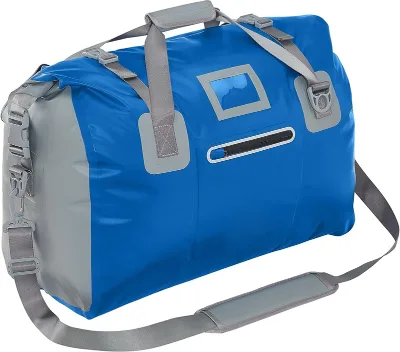
Waterproof Duffel Dry Bag Camping Outdoor Sport Travel Bag Backpack Duffle Travel Duffel Bag
$13.99 - $14.80
MOQ: 300 pieces
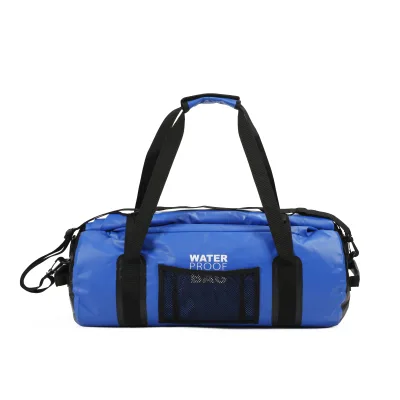
Large Capacity Custom Portable Bags 100% Waterproof Duffel Bag for Outdoor Activities
$9.26 - $10.68
MOQ: 300
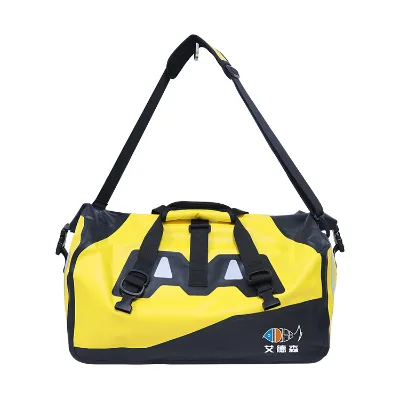
$12.00 - $14.99
MOQ: 50 pieces

Wenzhou Guanmin Import and Export Co., Ltd.
- Verified by BV
- Trading Company,Manufacturer/Factory
- China Zhejiang
- Lead time120 days
- Avg. response≤ 6h
Main productsShopping Bag, Cooler Bag, Notebook, Pen, Color Pencil, Lanyard, Beach Ball, Umbrella, Sunshade, Air Freshener
Main marketsSouth America,Eastern Europe,Mid East,North America,Southeast Asia,Eastern Asia,Western Europe
Xiamen Daysun Industrial Co., Ltd.
- Verified by TüVRheinland
- Trading Company
- Lead time30 days
- Avg. response≤ 3h
Main productsOutdoor Duffel Bags, Gear Bags, Travel Bags, Sports Bags, Waterproof Bags
Main marketsNorth America(25%), Western Europe(15%), Northern Europe(15%)
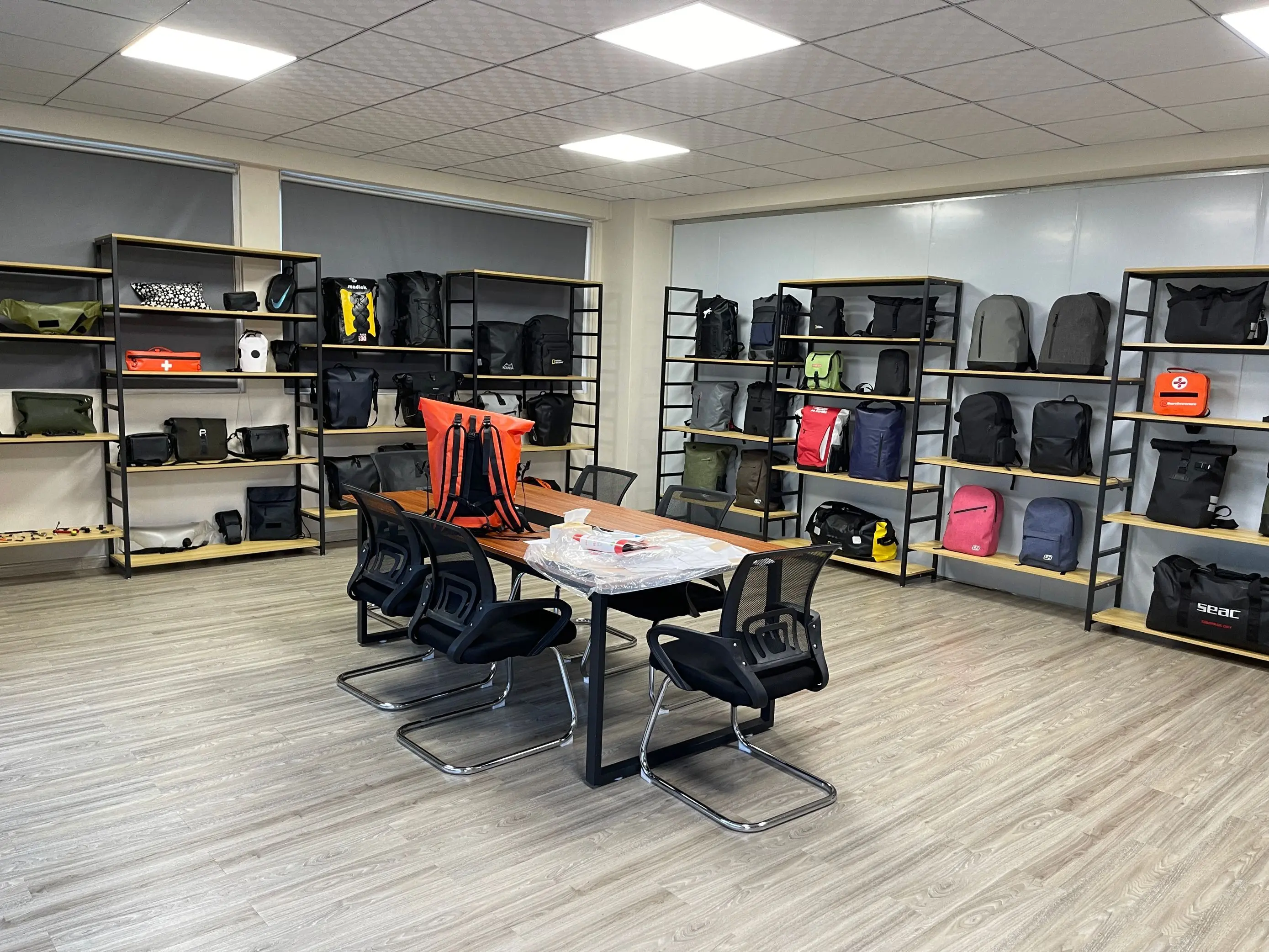
Quanzhou Realfine Bags Co., Ltd.
- Manufacturer, Trading Company
- Fujian, China
- Lead time40 days
- Avg. response≤ 5h
Main productsbackpack,sport bag,promotional bag,laptop bag,recycled bag
Main marketsNorth America(35.00%), Western Europe(25.00%), Northern Europe(12.00%), Central America(8.00%), South America(5.00%), Eastern Europe(3.00%), Southern Europe(3.00%), Mid East(3.00%), Oceania(2.00%), Domestic Market(1.00%), Eastern Asia(1.00%), Southeast Asia(1.00%), Africa(1.00%)
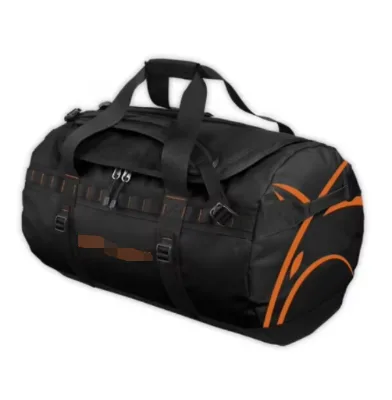
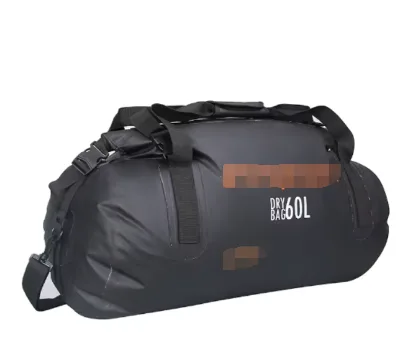
60L Waterproof Holdall Bag for Men Waterproof Duffel Bag for Travelling
$2.5793 - $3.6123
MOQ: 300 bags

- Verified by CTI
- Manufacturer/Factory
- China Fujian
- Lead time23 days
- Avg. response≤ 6h
Main productsTrolley Luggage, Travel Bags, School Bag, Cooler Bag, Special Backpack, Delivery Bag, Picnic Bag, Hunting Bag, Duffel Bag, Rolling Bag
Main marketsMid East,North America,Southeast Asia,Western Europe


Large Sport Waterproof Tear-Resistant Storage Foldable Travel Duffel Bag
$6.89 - $10.89
MOQ: 500 Pieces


OEM Large Travel Duffel Bag Waterproof Outdoor Unisex Sport Hiking Duffel Bag
$6.89 - $12.89
MOQ: 500 Pieces

- Verified by SGS Group
- Manufacturer, Trading Company
- Lead time29 days
- Avg. response≤ 2h
Main productsRunning vest, Cooler Bag, Hiking Backpack, Tactical Bag, Gym bag
Main marketsWestern Europe(45%), North America(25%), Northern Europe(15%)
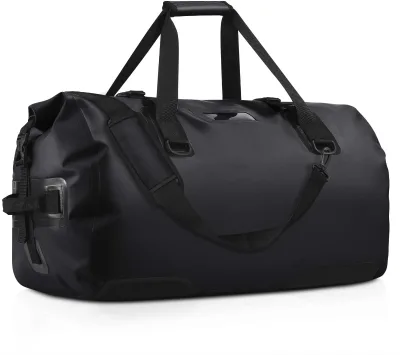
Waterproof Large Waterproof Duffle Travel Dry Duffel Bag Heavy Duty Bag Ski Boot Bag
$13.36 - $15.15
MOQ: 500
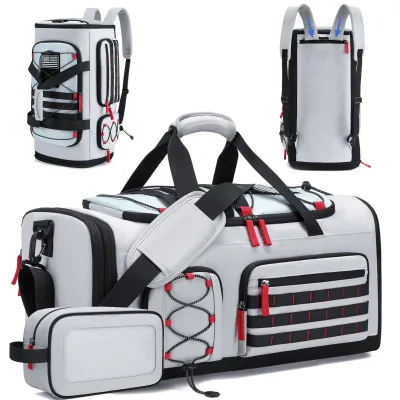
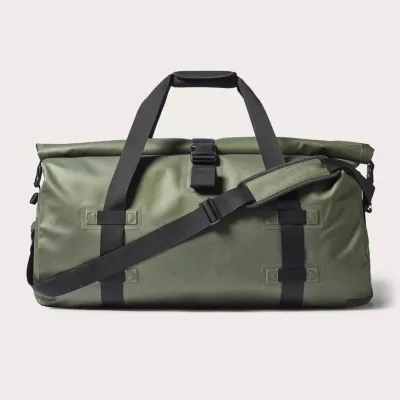
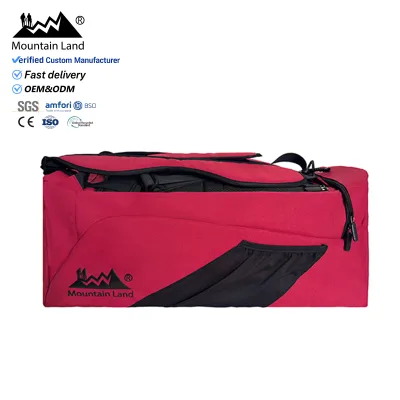

QUANZHOU DANKIN IMP AND EXP CO., LTD.
- Manufacturer/Factory
- China Fujian
- Lead time45 days
- Avg. response≤ 2h
Main productsBackpack, Cooler Bag, Tool Bag, Laptop Bag, Gun Bag, Travel Bag, Hiking Bag, Tennis Bag, Running Bag, Diaper Bag
Main marketsSouth America,Eastern Europe,Mid East,North America,Southeast Asia,Eastern Asia,Oceania,Western Europe,Africa

Quanzhou Lingyuan Bags Co., Ltd.
- Verified by SGS
- Combined
- China Fujian
- Lead time45 days
- Avg. response≤ 3h
Main productsSchool Bag, Sports Bag, Trolley Bag, Promotional Bag, Ladies Bag, Backpack, Hiking Backpack, Ski Bag, Hockey Bag, Bike Bag
Main marketsEurope,North America
Dongguan Yuanfeng Plastic Jewelry Co., Ltd.
- Verified by TüVRheinland
- Manufacturer, Trading Company
- Lead time8 days
- Avg. response≤ 2h
Main productsWaterproof Phone Bag, Water Bag, Outdoor Backpack, Waterproof Bag, Fanny Pack
Main marketsNorth America(30%), Domestic Market(20%), Eastern Europe(10%)
- Verified by SGS Group
- Manufacturer, Trading Company
- Lead time30 days
- Avg. response≤ 2h
Main productsDry Backpack, Cooler Bag, Hiking Backpack, Tactical Bag, Waterproof Duffel Bag
Main marketsWestern Europe(45%), North America(25%), Northern Europe(15%)

Quanzhou Jiahui Trading Co., Ltd.
- Trading Company
- Fujian, China
- Lead time0 days
- Avg. response≤ 2h
Main productsschool bag,laptop backpack,travel bag,shoulder bag,hiking bag
Main marketsCentral America(30.00%), South America(30.00%), Eastern Europe(20.00%), Northern Europe(20.00%), Western Europe(10.00%)

Changrun Bag & Case Manufacture Co., Ltd.
- Verified by TUVRHEINLAND
- Combined
- China Guangdong
- Lead time23 days
- Avg. response≤ 4h
Main productsBackpack, Travel Bag, Laptop Bag, Trolley Bag, Cosmetic Bags, Handbag, Duffel Bag, Bag, China Backpack, China Travel Bag
Main marketsDomestic

Nanjing Bewe Intl Trading Co., Ltd.
- Verified by BV
- Trading Company
- China Jiangsu
- Lead time38 days
- Avg. response≤ 15h
Main productsPadel, Beach Tennis, Pickleball Paddle, Volleyball, Squash, Badminton, Golf, Tennis, Soccer Ball, Basketball
Main marketsSouth America,Eastern Europe,Mid East,North America,Southeast Asia,Eastern Asia,Oceania,Western Europe,Africa

ANHUI GOOD LUCK INDUSTRIAL CO., LTD.
- Verified by BV
- Trading Company
- China Anhui
- Lead time15 days
- Avg. response≤ 4h
Main productsCosmetic Bag, Backpack, Lunch Bag, Cooler Bag, Shopping Bag, Diaper Bag, Sports Bag, Handbag, Beach Bag, Make up Bag
Main marketsSouth America,Africa,Southeast Asia/ Mideast,East Asia(Japan/ South Korea),Domestic,Europe,Australia,North America


Good Quality Large Capacity Waterproof Polyester Sports Travel Duffel Bag
$3.70 - $4.36
MOQ: 1000 Pieces

Quanzhou Song Hu Bags Co., Ltd.
- Verified by BV
- Combined
- China Fujian
- Lead time30 days
- Avg. response≤ 3h
Main productsTravel Bag, Backpacks, School Bag, Cooler Bag, Bike Bags, Laptop Documents Briefcase, Documents Bag, Sports Bag, Hydration Bag, Mountain Backpacks
Main marketsDomestic
Xiamen Acewell Industry Co., Ltd.
- Verified by SGS Group
- Trading Company
- Lead time0 days
- Avg. response≤ 1h
Main productsWaterproof bag, Hydration backpack, Tactical bag & Pouch, Travel bag, Outdoor sport bag
Main marketsNorth America(70%), Western Europe(30%)

Quanzhou Zhengdong Bags Co., Ltd
- Verified by BV
- Trading Company,Manufacturer/Factory
- China Fujian
- Lead time30 days
- Avg. response≤ 3h
Main productsSchool Bag, Backpack, Running Bag, Cycling Bag, Hydration Pack, Tool Bag, Laptop Bag, Lapotp Backpack, Outdoor Bag, Sports Bag
Main marketsSouth America,Eastern Europe,Mid East,North America,Southeast Asia,Eastern Asia,Oceania,Western Europe,Africa

Water-Resistant Customizable High-Density Travel Duffel Bag for Students
$5.98 - $10.31
MOQ: 100 Pieces

Guangzhou Healong Sportswear Co., Ltd.
- Manufacturer, Trading Company
- Lead time旺季: "1 - 10":7,"11 - 100":14,"101 - 300":20,"> 300":"To be negotiated", 淡季: "1 - 10":7,"11 - 100":14,"101 - 300":20,"> 300":"To be negotiated"
- Avg. response≤ 2h
Main productsBaseball Jersey, Soccer Jersey, Basketball Jersey, Ice Hockey Wear, American Football Wear
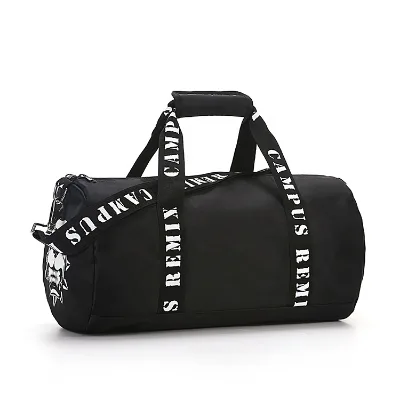
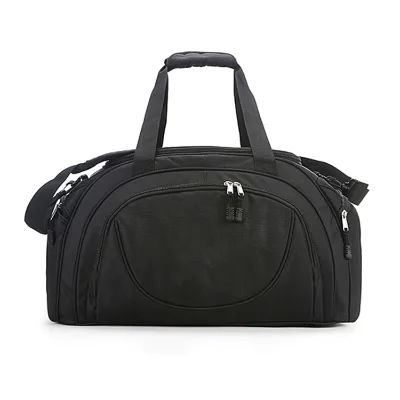
Waterproof Sport Gym Duffel Bag for Mens Outdoor Camping Hiking Custom Wholesale Cheap
$10.00 - $15.99
MOQ: 20

- Manufacturer/Factory
- China Fujian
- Lead time30 days
- Avg. response≤ 21h
Main productsBag, Polyester Bag, Promotion Gift, School Bag, Outdoor Backpack, Backpack, Rucksack, Laptop Bag, Yoga Bag, Sport Bag
Main marketsSouth America,Eastern Europe,Mid East,North America,Southeast Asia,Eastern Asia,Oceania,Western Europe,Africa


Travel Sports Bag Outdoor Waterproof Duffel Backpack with Shoes Compartment
$9.99 - $50.00
MOQ: 500 Pieces

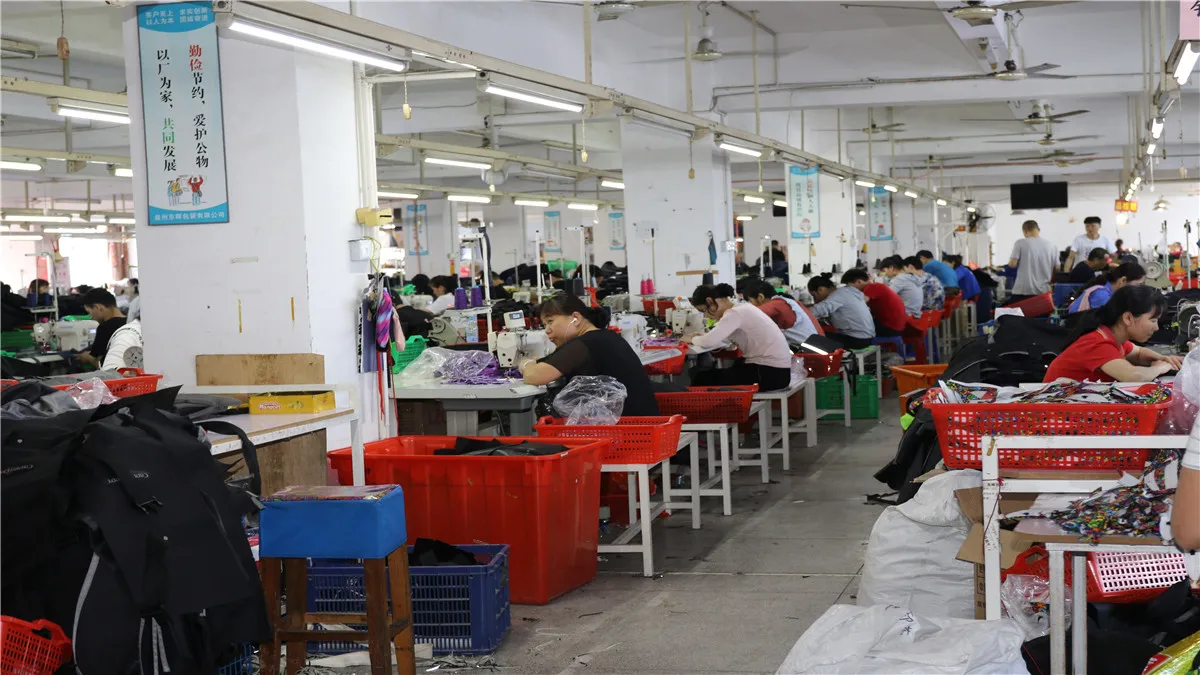
Quanzhou Skysoar Bags Co., Ltd.
- Manufacturer, Trading Company
- Fujian, China
- Lead time45 days
- Avg. response≤ 7h
Main productsBags
Main marketsSouthern Europe(40.00%), North America(40.00%), Eastern Europe(20.00%)
Dongguan SunFire Industrial Co., Ltd.
- Manufacturer, Trading Company
- Guangdong, China
- Lead time5 days
- Avg. response≤ 2h
Main productsWaterproof Phone Bag,Waterproof Dry Bag,Waterproof Backpack,waterproof Cooler Bag,waterproof travel bag
Main marketsSoutheast Asia(100.00%), Eastern Asia(30.00%), North America(30.00%), Oceania(15.00%), Western Europe(8.00%), Domestic Market(5.00%), Southern Europe(5.00%), South America(3.00%), Eastern Europe(2.00%), Northern Europe(2.00%)
Xiamen Kanote Industry & Trade Co., Ltd.
- Manufacturer, Trading Company
- Fujian, China
- Lead time15 days
- Avg. response≤ 2h
Main productscooler bags,Drawstring bags,shopping bags,Backpack,food delivery bags
Main marketsEastern Europe(30.00%), North America(20.00%), South America(20.00%)
Quanzhou Besttrust Bags Co., Ltd.
- Trading Company
- Fujian, China
- Lead time45 days
- Avg. response≤ 1h
Main productsdry bag,cooler bag,Tactical Bag,motorcycle bag,hydration bladder
Main marketsSouth America(30.00%), North America(30.00%), Eastern Europe(20.00%), Oceania(10.00%), Southern Europe(5.00%), Western Europe(5.00%)
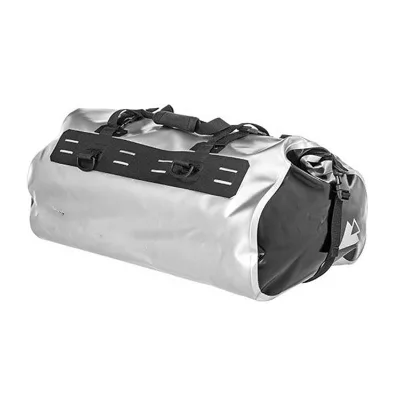
Wholesale Waterproof Dry Bag Strong 40L Luggage Bag Tarpaulin Duffel Bag for Motorcycle
$15.30 - $15.80
MOQ: 300 sets
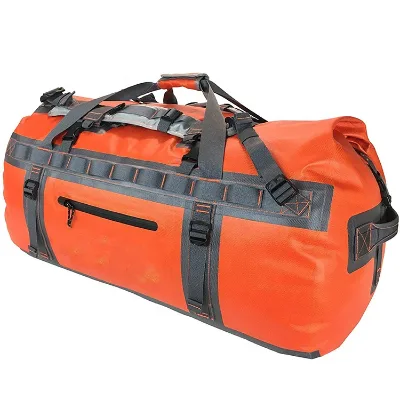
High Quality Ultimate Adventure Bag 1680D Heavy Duty Waterproof Duffel Bag for Boating
$23.00 - $25.00
MOQ: 300
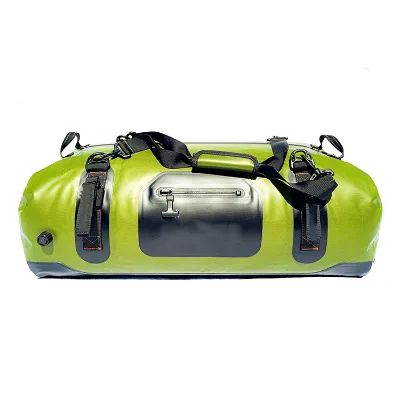
Customize Brand TPU Waterproof Dry Bag Luggage Duffel Bag 36-56L for Motorcycle Travelling
$15.30 - $15.80
MOQ: 300
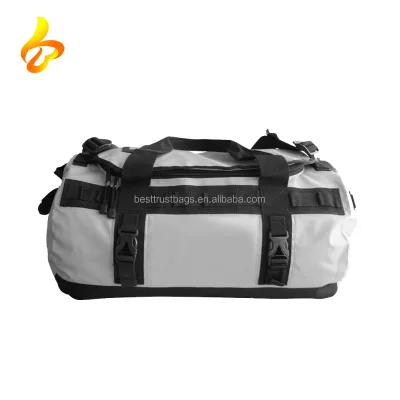

Putian Geyang Trading Co., Ltd
- Verified by CTI
- Trading Company
- China Fujian
- Lead time0 days
- Avg. response≤ 3h
Main productsTote Bags, Cosmetic Bags, Travel Bags, Duffel Bags, Backpacks, Luggage Sets, Hand Bags, Crossbody Bags, Custom Bags
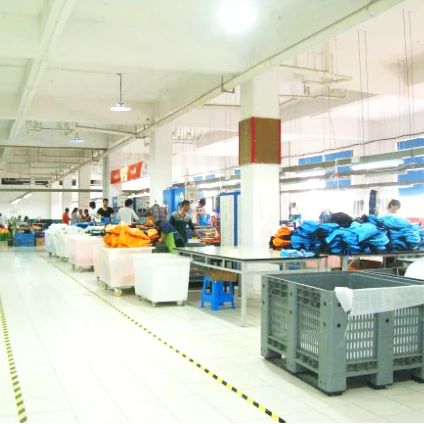
Ningbo Aidisen Tourism Products Co., Ltd.
- Manufacturer, Trading Company
- Zhejiang, China
- Lead time30 days
- Avg. response≤ 5h
Main productsWaterproof Bag,Waterproof Backpack,Swim Buoy,Folding Bucket,Aqua Bag
Main marketsWestern Europe(40.00%), North America(40.00%), Southeast Asia(10.00%), Eastern Asia(10.00%)
Jiangsu Flying Outdoor Equipments Co.,ltd
- Verified by Intertek
- Manufacturer, Trading Company
- Lead time25 days
- Avg. response≤ 2h
Main productsDry Bags, Camping Trap, Tent Footprint, Compression Bag, Camping Tent
Main marketsDomestic Market(25%), Western Europe(20%), Southeast Asia(10%)
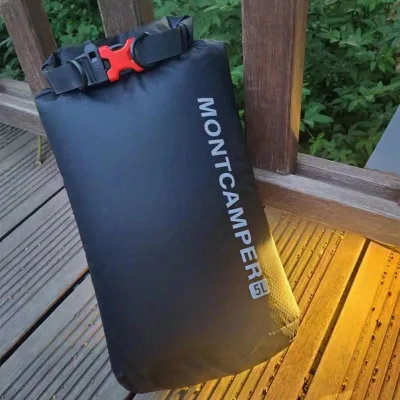
$1.3353 - $6.1617
MOQ: 300 pieces
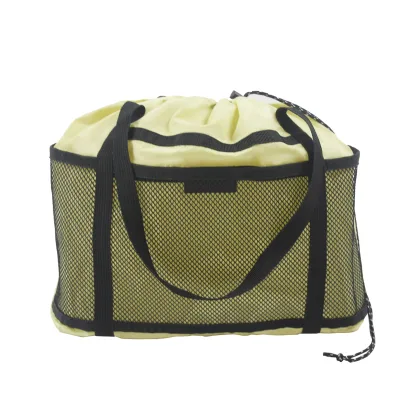
$4.30 - $4.50
MOQ: 300 pieces
- Manufacturer, Trading Company
- Fujian, China
- Lead time50 days
- Avg. response≤ 4h
Main productsbackpack,school bag,diaper bag,car organizer,cooler bag
Main marketsNorthern Europe(30.00%), North America(30.00%), Eastern Europe(10.00%), Western Europe(10.00%), Eastern Asia(10.00%), Mid East(10.00%)
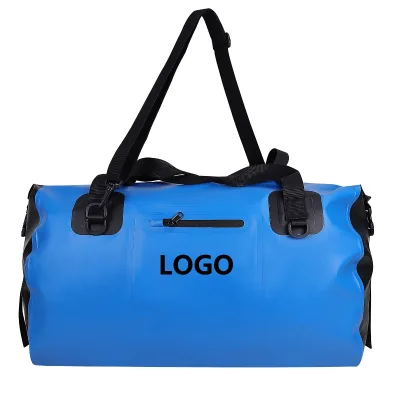
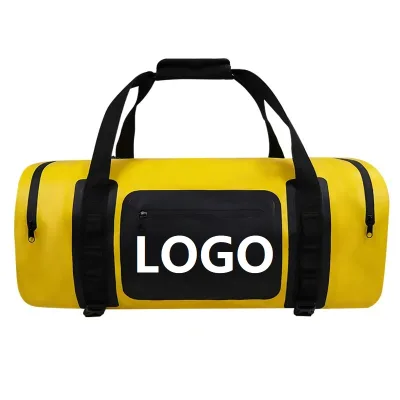
$27.5613 - $30.6376
MOQ: 200 pieces

Guangzhou Fu Li Ya Industry Co., Ltd.
- Verified by TUVRHEINLAND
- Combined
- China Guangdong
- Lead time30 days
- Avg. response≤ 10h
Main productsShopping Bag, Promotional Bag, Canvas Bag, Polyester Bag, Cotton Bag, Tote Bag, Non Woven Bag, Garment Bag, Cooler Bag, Hand Bag
Main marketsEurope,North America




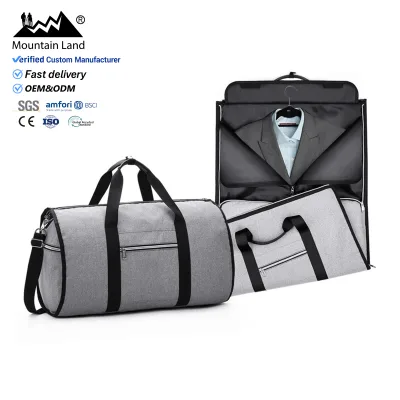
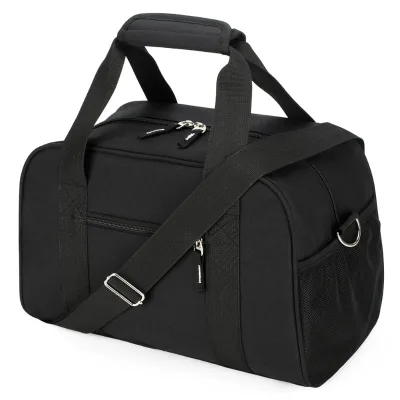
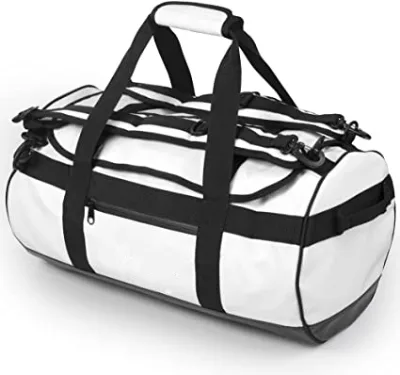
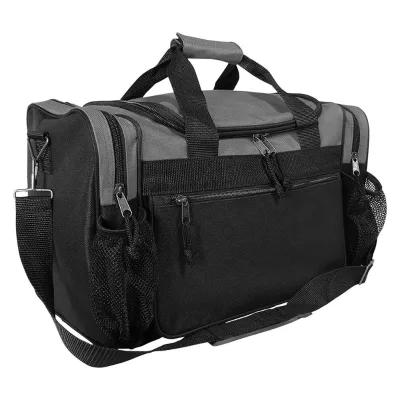






Comprehensive Sourcing Guide
Water Resistant Duffel Bag Supplier Concentration and Factory Types
The current supplier results indicate a concentration of manufacturers located in China, specifically within the Fujian province. This region serves as a primary hub for the production of various bag types, including duffel bags, sport bags, and travel bags. The data confirms that the majority of these entities operate as manufacturers or factories rather than trading companies, suggesting direct access to production lines. These facilities specialize in a wide range of products such as backpacks, laptop bags, and cosmetic bags, with a specific focus on duffel bag manufacturing. The presence of OEM and ODM capabilities within these factories allows for significant customization, enabling buyers to tailor products to specific market needs.
When evaluating the factory types, it is essential to distinguish between pure manufacturers and those offering broader trading services. The observed data points to a strong manufacturing base in Fujian, where companies like those producing waterproof folding duffle bags and canvas duffel bags are situated. These factories often possess the capacity to handle both standard and custom orders, as evidenced by the availability of customization options and various material choices like polyester and canvas. Buyers should verify if the factory holds specific certifications, such as SEDEX, which indicates adherence to social compliance standards. Understanding the factory's primary product mix helps in assessing their expertise; a factory specializing in luggage and travel bags is likely more proficient in duffel bag construction than a generalist.
How to Verify Water Resistant Duffel Bag Suppliers
Verification of suppliers requires a multi-layered approach focusing on third-party credentials and response metrics. The available data highlights that some suppliers have undergone BV verification, a critical step in establishing trust and operational legitimacy. Buyers should prioritize suppliers with such external validations to mitigate the risk of dealing with unverified entities. Additionally, the response time metric provides insight into the supplier's operational efficiency; a response time of approximately 11.40 hours suggests a moderate level of engagement, though faster response times are generally preferable for urgent inquiries. It is crucial to confirm that the supplier's claimed verification status matches the current platform data before proceeding with any negotiations.
Beyond verification badges, buyers must scrutinize the specific product attributes and certifications listed in the supplier profiles. For instance, the presence of SEDEX system certification indicates a commitment to ethical sourcing and labor standards, which is vital for brands with strict compliance requirements. When assessing a supplier, check if their product evidence includes detailed specifications such as material composition, waterproof ratings, and customization availability. A supplier offering a waterproof duffel bag with specific attributes like "Waterproof" and "Folding" features demonstrates a clear understanding of product requirements. Buyers should also look for evidence of established production standards, such as specific packing methods and model numbers, which reflect a mature manufacturing process.
What to Compare Across Water Resistant Duffel Bag Suppliers
Comparing suppliers involves analyzing key operational dimensions such as lead times, minimum order quantities, and pricing structures. The data reveals a range of lead times, with some suppliers offering a standard 30-day production window while others extend to 30-40 days or even 45 days. Minimum order quantities also vary significantly, with some suppliers requiring 500 pieces while others set the bar at 1000 pieces. Buyers must align these constraints with their inventory planning and budget. Pricing is another critical factor, with observed ranges spanning from approximately $5.50 to $22.00 per unit depending on the material, complexity, and customization level. A supplier offering a canvas duffel bag at a lower price point may differ substantially in quality from one providing a high-capacity waterproof nylon bag.
Response speed and customization capabilities are equally important comparison points. Suppliers with faster response times can facilitate quicker decision-making and problem resolution during the sourcing process. The ability to offer OEM and ODM services allows buyers to create unique products, but the extent of this customization varies. Some suppliers allow logo imprinting and specific material choices, while others may have more rigid constraints. Buyers should also compare the specific product attributes, such as hardness, shape, and closure types, to ensure the final product meets their functional requirements. For example, a supplier offering a "Dumpling Type" shape with a 60-liter capacity serves a different market segment than one providing a "Horizontal Square" shape with a smaller volume.
Common Water Resistant Duffel Bag Sourcing Risks
One significant risk in sourcing water-resistant duffel bags is the discrepancy between claimed waterproof capabilities and actual product performance. While some products are explicitly labeled as "Waterproof," others may only be "Water Resistant" or "Not Waterproof," as seen in the canvas bag examples. Buyers must carefully review product attributes to distinguish between these terms, as the level of protection varies greatly. Relying solely on marketing keywords without verifying the specific material properties, such as the use of tarpaulin or specific nylon treatments, can lead to receiving products that fail under wet conditions. This risk is compounded if the supplier does not provide detailed test results or material specifications in their product evidence.
Another risk involves the reliability of lead times and the potential for production delays. The data shows lead times ranging from 30 to 45 days, with some suppliers indicating sample times of 7-10 days. Delays in sample approval or production can disrupt the entire supply chain, especially for time-sensitive orders. Buyers should verify the supplier's track record for meeting deadlines and understand the factors that could cause delays, such as material shortages or capacity constraints. Additionally, payment terms pose a financial risk; some suppliers require a 30% deposit with the balance paid after shipping, while others may have different structures. Ensuring that payment terms are secure and that escrow services are utilized can protect the buyer's capital against non-delivery or substandard goods.
Water Resistant Duffel Bag Regional Sourcing and Logistics
The primary sourcing region identified in the current results is China, specifically the Fujian province, with Xiamen frequently cited as the port of origin. This concentration offers logistical advantages due to established shipping routes and port infrastructure, facilitating efficient export of goods. Buyers sourcing from this region should be aware of the specific port details, such as FOB Xiamen, which impacts shipping costs and responsibilities. The proximity of manufacturers to major ports can reduce inland transportation costs and lead times, making this region a competitive choice for bulk orders. However, buyers must also consider the potential for regional disruptions, such as weather events or port congestion, which could affect delivery schedules.
Logistics planning should also account for the specific packaging requirements of the duffel bags. The data indicates various packing methods, from individual poly bags to PP bags, which influence the volume and weight of the shipment. Efficient packing is crucial for maximizing container space and minimizing shipping costs. Buyers should verify the packing details with the supplier to ensure that the bags are protected during transit and that the packaging meets any destination-specific regulations. Additionally, the size of the folded bags, such as the 25x23cm dimension for some models, can significantly impact storage and shipping efficiency. Understanding these logistical nuances helps in optimizing the supply chain and reducing overall costs.
Water Resistant Duffel Bag Commercial Terms and Order Planning
Commercial terms for water-resistant duffel bags often include specific payment structures and customization agreements. The observed data shows payment terms ranging from T/T to 30% deposit with 70% balance after shipping. Buyers must negotiate terms that balance risk and cash flow, ensuring that payments are tied to clear milestones. Customization is a key commercial aspect, with many suppliers offering logo imprinting and material choices. However, the extent of customization may affect the MOQ and lead time. Buyers should clarify the scope of customization early in the process to avoid misunderstandings and ensure that the final product aligns with their brand requirements.
Order planning requires a strategic approach to managing MOQs and production schedules. With MOQs ranging from 500 to 1000 pieces, buyers need to assess their inventory needs and market demand before placing orders. High MOQs may be necessary to secure lower unit prices, but they also increase inventory risk. Buyers should plan their orders based on realistic sales forecasts and consider the lead times provided by the supplier. For instance, a 30-day lead time allows for a predictable production cycle, while longer lead times require earlier planning. Additionally, buyers should factor in sample times, which can range from 7 to 10 days, into their overall timeline to ensure that the product is ready for market launch without delays.
FAQs
What is the price range for water resistant duffel bags?
Prices for water resistant duffel bags typically range from $5.50 to $22.00 per unit. The cost varies based on material, such as polyester, canvas, or nylon, and specific features like folding capability or waterproof ratings. Buyers should expect higher prices for larger capacities or specialized designs like gym bags with shoe compartments.
What is the minimum order quantity for these bags?
The minimum order quantity usually starts at 500 pieces for standard models. Some suppliers require a higher MOQ of 1000 pieces for specific waterproof or foldable designs. Buyers should verify the exact MOQ with the supplier, as it depends on the customization level and material choice for the specific duffel bag model.
How long does production take for these bags?
Production lead times generally range from 30 to 45 days. Some suppliers offer a standard lead time of 30 days, while others may require up to 40 or 45 days depending on order volume. Sample times are typically shorter, ranging from 7 to 10 days, allowing buyers to verify quality before bulk production.
Are these bags customizable with logos?
Yes, customization is available for most water resistant duffel bags. Suppliers offer logo imprinting or printing services as requested by the buyer. This allows businesses to brand their products effectively. Buyers should confirm the customization options and any additional costs with the supplier before placing the order to ensure brand alignment.
What materials are used for these duffel bags?
Common materials include polyester, canvas, and nylon. Polyester bags are often waterproof and lightweight, while canvas bags may not be fully waterproof. Nylon options provide durability and water resistance. The inside material is frequently polyester as well. Buyers should check the specific material properties to ensure they meet their durability and weather resistance needs.
Where are these suppliers located?
Suppliers for these bags are primarily located in China, specifically in the Fujian region. Many products originate from Xiamen, China. This location is a major hub for luggage and bag manufacturing. Buyers should verify the exact origin and shipping terms, such as FOB Xiamen, to understand logistics and potential shipping costs.