Handmade Preserved Flower Bouquet Suppliers and Manufacturers
Compare 14 verified suppliers of handmade preserved flower bouquets by location, response time, lead time, and price. Review product specifications and MOQs to select the right vendor for your needs; review the available evidence before requesting comparable quotations from suitable candidates.
Updated
Suppliers List
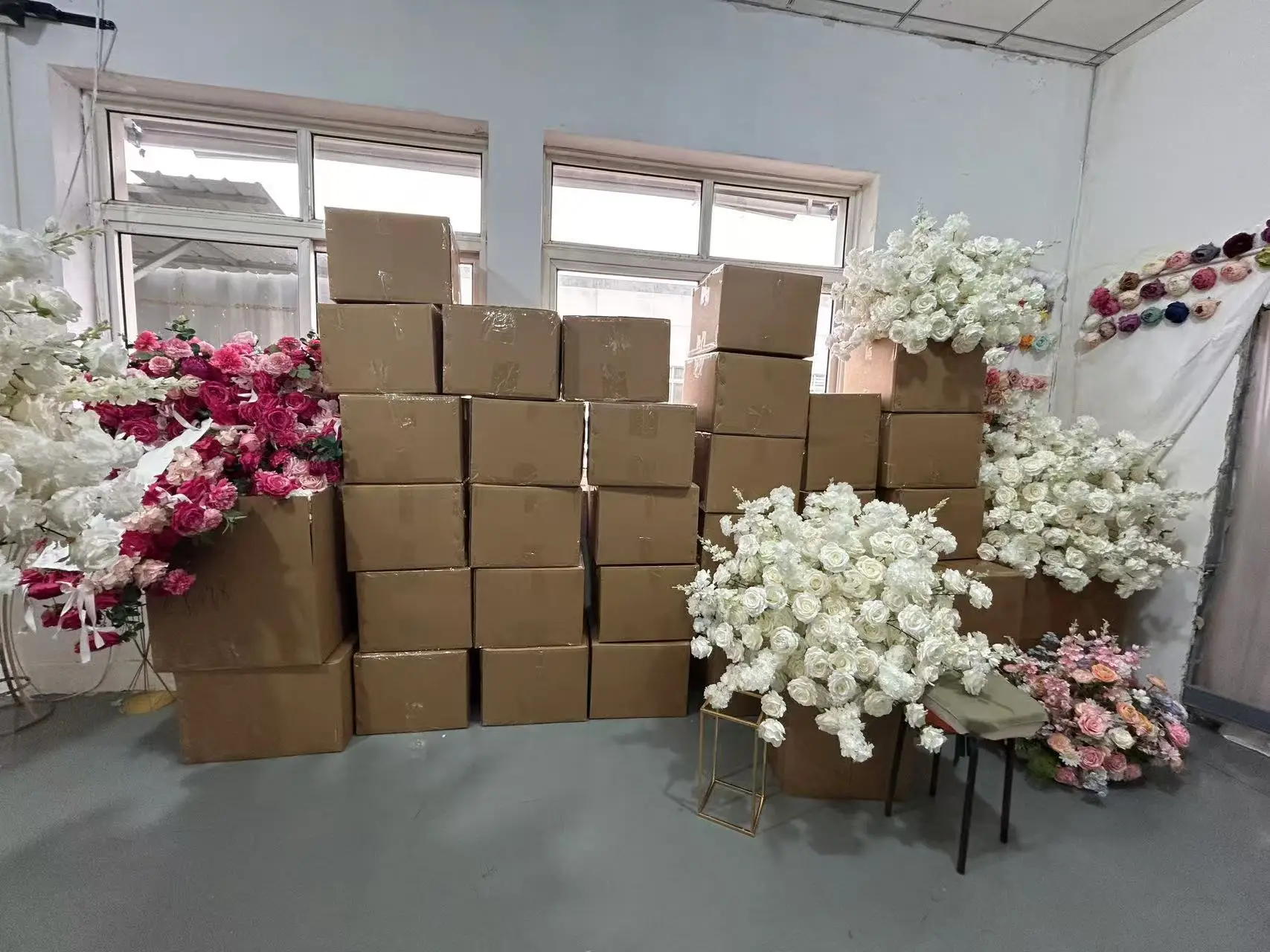
Baoding Junhou Import And Export Trade Co., Ltd.
- Trading Company
- Hebei, China
- Lead time7 days
- Avg. response≤ 2h
Main productsWedding Table Flower Runner,Artificial Hydrangea,Babys Breath,Cherry Blossom,Giant Flowers
Main marketsNorth America(40.00%), Western Europe(25.00%), Oceania(10.00%), Eastern Asia(5.00%), Mid East(5.00%), Eastern Europe(5.00%), South America(5.00%), Central America(3.00%), Africa(2.00%)
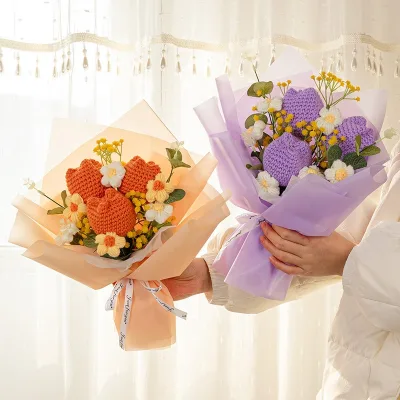
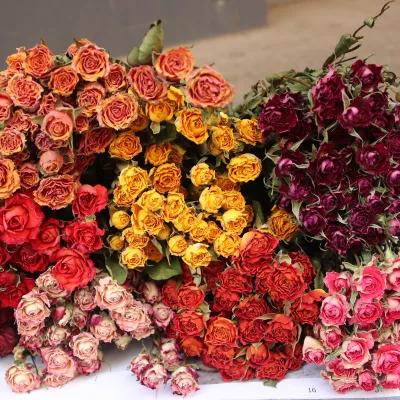
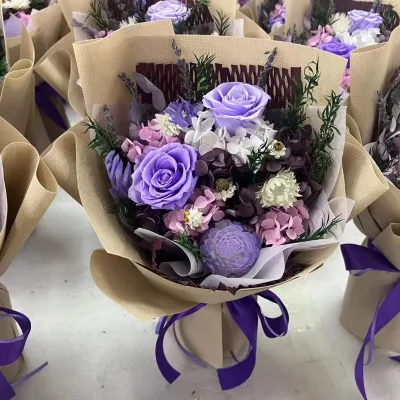
Wholesale Made-up Articles Handmade Woven Bouquet Preserved Flower Bouquet for Gift
$5.50 - $10.20
MOQ: 1 Minimum
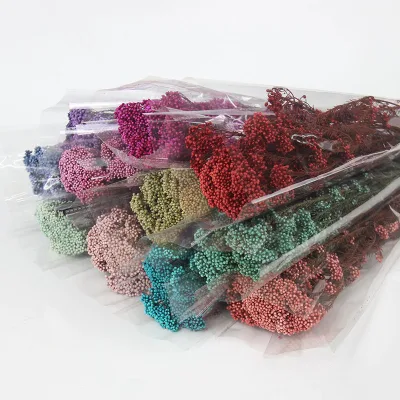
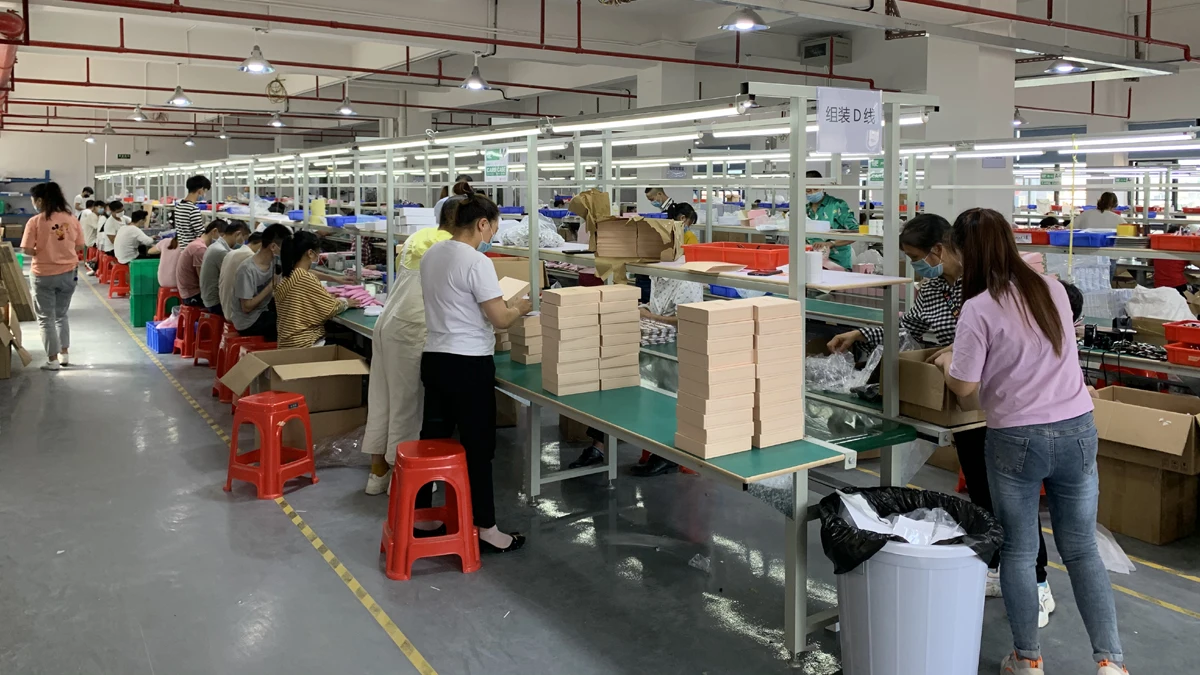
Shenzhen J-He Industrial Co., Limited
- Trading Company
- Guangdong, China
- Lead time5 days
- Avg. response≤ 3h
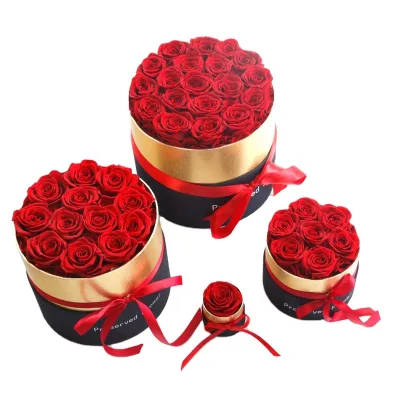
Main productspreserved flower,Eternal flower,artificial flower,rose bear,Depilator
Main marketsNorth America(30.00%), Africa(10.00%), South America(10.00%), Domestic Market(5.00%), Southern Europe(5.00%), Northern Europe(5.00%), Central America(5.00%), Western Europe(5.00%), Eastern Asia(5.00%), Mid East(5.00%), Oceania(5.00%), Eastern Europe(5.00%), Southeast Asia(5.00%)
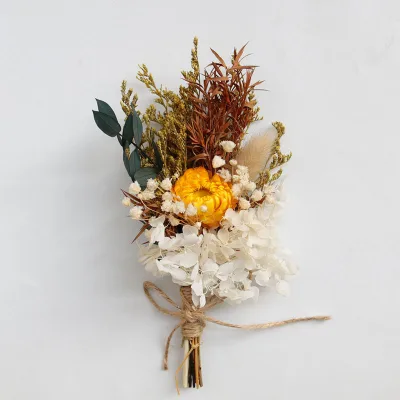
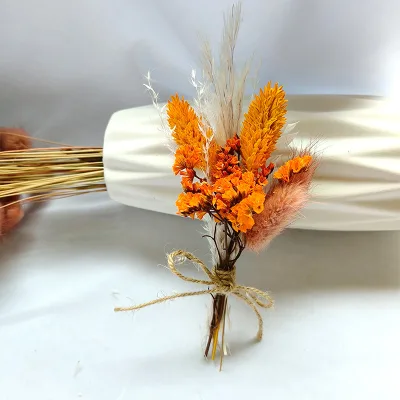
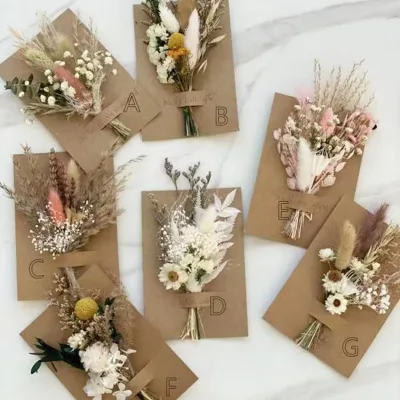
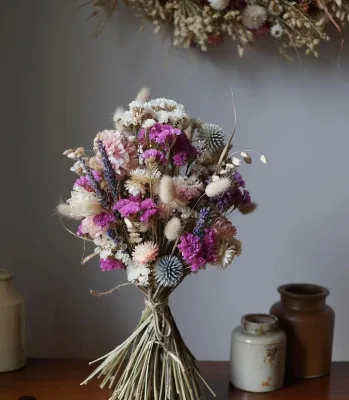
Handmade Nordic Style Mini Dried Flower Bouquet for Home Decor Preserved Flowers Christmas Gift Set
$0.73 - $0.98
MOQ: 100 pieces
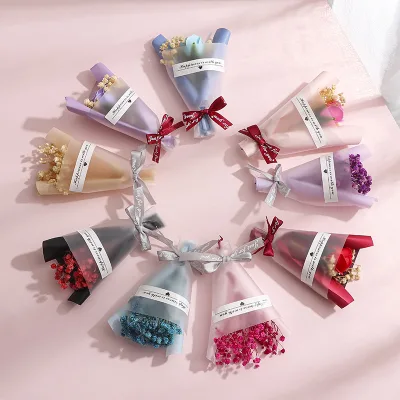
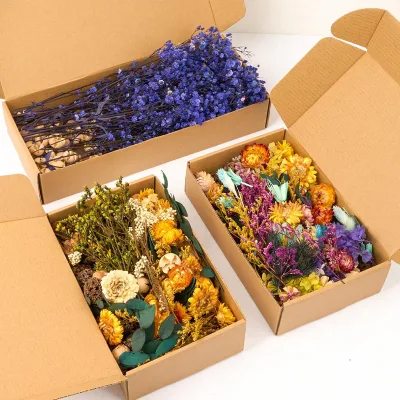
$2.1257 - $3.0075
MOQ: 10 pieces

Yunnan Focus Flower Planting Co., Ltd.
- Manufacturer, Trading Company
- Yunnan, China
- Lead time3 days
- Avg. response≤ 5h
Main productsFresh Flower,cut fresh flowers,fresh rose,baby breath,frsh
Main marketsOceania(34.00%), Southeast Asia(20.00%), Western Europe(5.00%), Eastern Asia(5.00%), Domestic Market(5.00%), North America(5.00%), South Asia(5.00%), South America(5.00%), Central America(5.00%), Southern Europe(3.00%), Mid East(2.00%), Africa(2.00%), Eastern Europe(2.00%), Northern Europe(2.00%)

Changsha Solavis Flower Co., Ltd.
- Verified by SGS
- Manufacturer/Factory
- China Hunan
- Lead time23 days
- Avg. response≤ 8h
Main productsFlower, Gift, Preserved Rose, Home Decor, Dried Flower, Flower Bouquet, Preserved Moss, Artificial Flower, Decorative Flower, Eternal Rose Bouquet
Main marketsSouth America,Eastern Europe,North America,Southeast Asia,Eastern Asia

Handmade Festival or Women's Anniversary Birthday Gift Dried Flower Rose Bouquet
$10.40 - $10.80
MOQ: 10 Piece

Festival or Wedding Decoration Preserved Flower Natural DIY Handmade Dried Flower
$2.00 - $2.20
MOQ: 6 Piece

Handmade Festival and Birthday Gift Box Preserved Flower Blue Eternal Rose
$18.50 - $18.70
MOQ: 5 Piece

Factory DIY Handmade Material Mother's Day Preserved Flower Rose Bouquet
$13.00 - $13.20
MOQ: 30 Piece

Natural Vintage Forest Style Small Dried Flower Living Room Easter Preserved Flower Bouquet
$2.10 - $2.30
MOQ: 10 Piece

Living Room Dining Table Arrangement Decor Preserved Rose Dried Flower Bouquet
$4.50 - $4.60
MOQ: 10 Bags

- Verified by BV
- Manufacturer/Factory
- China Yunnan
- Lead time0 days
- Avg. response≤ 11h
Main productsFlower, Fresh Cut Flower, Preserved Flower, Plants Leaves
Shilin Hualai Preserved Flowers Ltd., Co.
- Verified by SGS Group
- Manufacturer, Trading Company
- Yunan, China
- Lead time30 days
- Avg. response≤ 3h
Main productsRoses In Box, Preserved Bouquet, Roses In The Glass Dome, Rose Head
Main marketsNorth America(35%), Southeast Asia(30%), Oceania(10%)
Caijun Import & Export (yunnan) Co., Ltd.
- Manufacturer, Trading Company
- Yunnan, China
- Lead time0 days
- Avg. response≤ 1h
Main productsPreserved rose in box, Preserved rose in acrylic box, Preserved rose in glass cover, Preserved flower bouquet, Preserved flower material
Main marketsNorth America(70.00%), Mid East(9.00%), Southeast Asia(7.00%), Oceania(5.00%), South Asia(2.00%), Western Europe(2.00%), Southern Europe(1.00%), Northern Europe(1.00%), Africa(1.00%), Eastern Europe(1.00%), Domestic Market(1.00%)
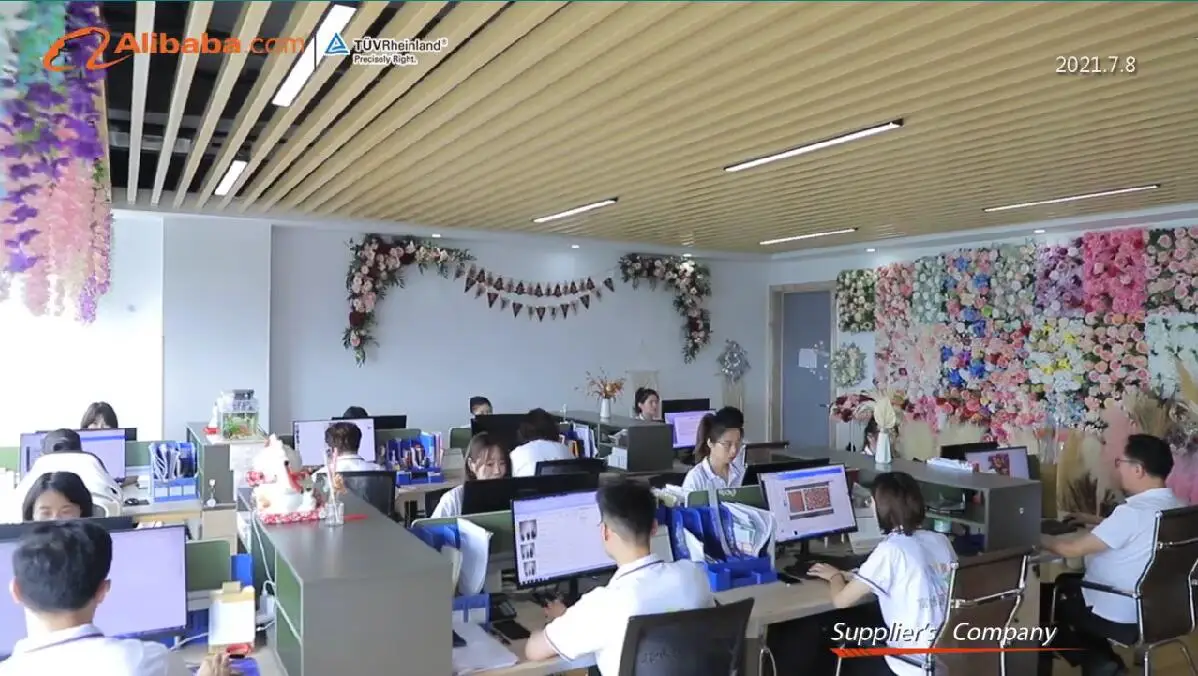
Qingdao Fuboyuan Arts And Crafts Co., Ltd.
- Manufacturer, Trading Company
- Shandong, China
- Lead time7 days
- Avg. response≤ 4h
Main productsFlower Wall, Artificial Plants, Wedding Decoration Floral, Artificial Flowers, Cherry Blossom Trees
Main marketsNorth America(28.00%), Western Europe(22.00%), Oceania(10.00%), Southeast Asia(7.00%), Eastern Europe(6.00%), South America(5.00%), Southern Europe(5.00%), Central America(5.00%), Northern Europe(5.00%), Mid East(5.00%), South Asia(2.00%)
Deyang Simple Trading Co., Ltd.
- Trading Company
- Sichuan, China
- Lead time0 days
- Avg. response≤ 1h
Main productsArtificial Rose,Artificial Hydrangea,Artificial Lily,Artificial Carnation,Artificial Bouquets
Main marketsAfrica(20.00%), Southeast Asia(20.00%), Eastern Europe(20.00%), South America(20.00%), North America(20.00%)
- Verified by TüVRheinland
- Manufacturer, Trading Company
- Yunnan, China
- Lead time2 days
- Avg. response≤ 4h
Main productsPreserved Flowers, Preserved Moss, Home Decor Dried Flowers, Decorative Flowers, Flower Gifting Decor Boxes
Main marketsNorth America(39%), Mid East(8%), South America(7%)

Yunnan Menghuang Trade Co., Ltd.
- Trading Company,Manufacturer/Factory,Group Corporation
- China Yunnan
- Lead time15 days
- Avg. response≤ 10h
Main productsPreserved Roses in Round Box, Preserved Rose, Rose in Glass, Fresh Carnation, Home Decoration, Christmas Decoration, Wedding Decoration, Fresh Lily, Fresh Flowers, Dry Flowers
Main marketsSouth America,Eastern Europe,Mid East,North America,Southeast Asia,Eastern Asia,Oceania,Western Europe,Africa


Natural Real Fresh Preserved Flower Preserved Roses in Gift Box for Christmas Gift
$30.00 - $36.20
MOQ: 10 Pieces


Beautiful Rose Flowers Everlasting Rose Preserved Flower Eternal Rose in Glass
$13.50 - $18.00
MOQ: 10 Pieces

Sichuan Junanyang Industry And Trade Co., Ltd.
- Trading Company
- Sichuan, China
- Lead time25 days
- Avg. response≤ 1h
Main productsPreserved Flowers & Plants,Dried Flowers & Plants,Eternal Rose,Eternal Rose in Gift Box,Eternal Rose in Glass
Main marketsNorth America(30.00%), Western Europe(15.00%), Oceania(10.00%), Southern Europe(10.00%), Northern Europe(10.00%), South Asia(5.00%), Africa(5.00%), Eastern Europe(5.00%), South America(5.00%), Mid East(5.00%)
Dongguan Best Technology Co., Ltd.
- Manufacturer, Trading Company
- guangdong, China
- Lead time15 days
- Avg. response≤ 7h
Main productspreserved rose,Costume jewelry,artificial flower,preserved flowers,Fine jewelry
Main marketsNorth America(50.00%), Eastern Europe(20.00%), Southern Europe(10.00%), Western Europe(10.00%), Southeast Asia(10.00%)

- Verified by SGS
- Trading Company
- China Zhejiang
- Lead time15 days
- Avg. response≤ 14h
Main productsChristmas Decoration, Christmas Tree, Christmas Gift, Party Decoration, Promotional Product, Festival Items, Gift, Valentine, Party Items, Halloween Decorations
Main marketsEurope,Australia


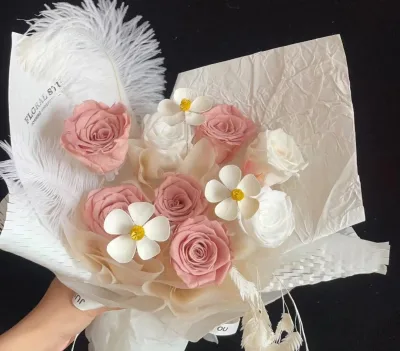
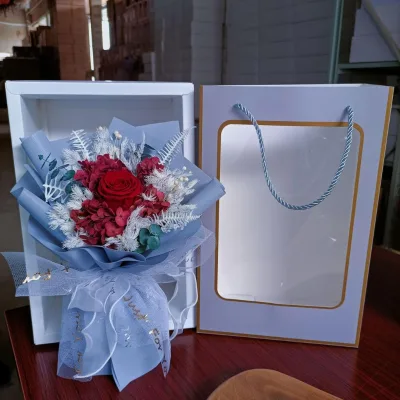
Cross-Border Mother's Day Preserved Flowers High-End Bouquet Finished Birthday Gift
$7.43 - $8.36
MOQ: 120 Pieces


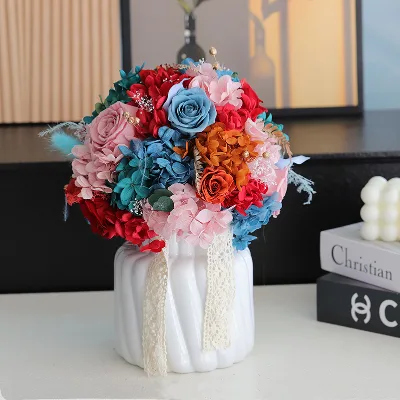
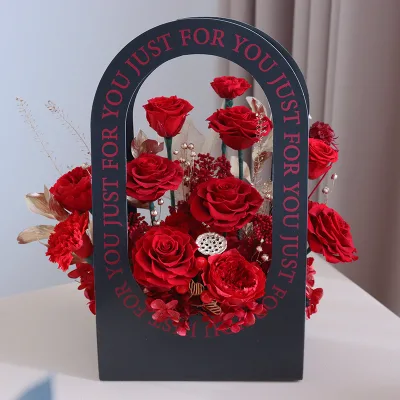
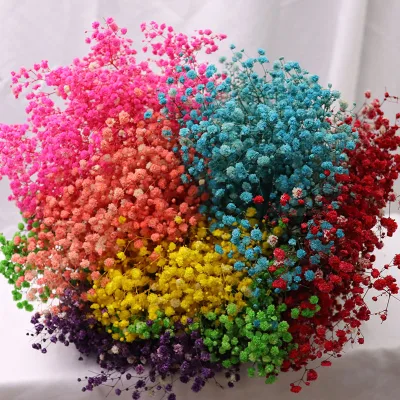
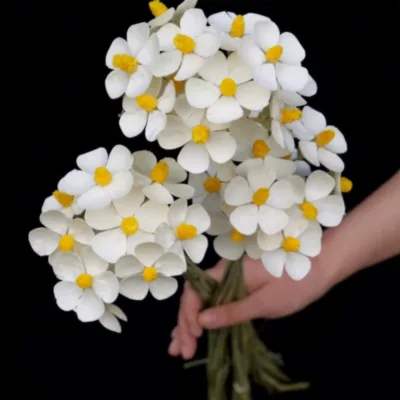
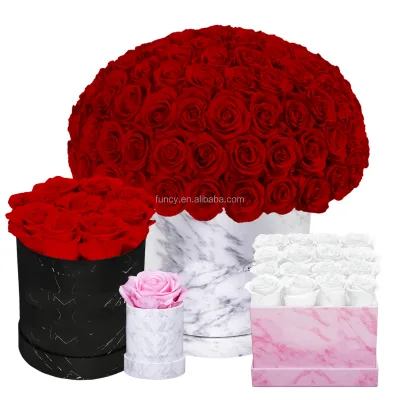
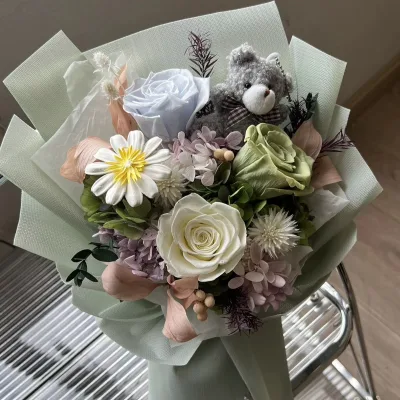
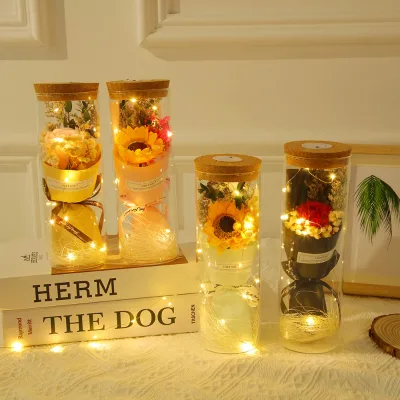
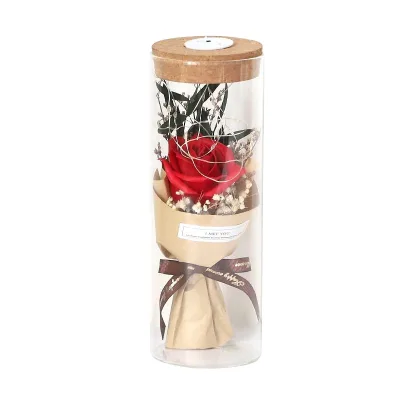
Comprehensive Sourcing Guide
Handmade Preserved Flower Bouquet Supplier Concentration and Factory Types
Current data indicates that suppliers for handmade preserved flower bouquets are concentrated in specific Chinese provinces, with Hebei, Guangdong, and Yunnan appearing as verified locations in search results. Hebei-based entities are identified as trading companies specializing in artificial and woven floral arrangements, while Guangdong suppliers often list preserved flowers and rose bears as primary products. Yunnan is noted for a mix of manufacturer and trading company profiles, frequently dealing in fresh and cut flowers alongside preserved varieties. These regional clusters suggest distinct supply chain strengths, where Hebei may focus on woven or artificial components, Guangdong on processed preserved goods, and Yunnan on fresh-to-preserved transitions. Buyers should verify if a supplier's stated location aligns with their specific product needs, as a trading company in Hebei might source from different factories than a manufacturer in Yunnan.
When assessing factory types, the distinction between a pure manufacturer and a trading company is critical for understanding quality control and pricing. The observed data shows a mix of company types, with some suppliers explicitly labeled as manufacturers while others operate solely as trading companies. A manufacturer in Yunnan might offer direct access to fresh flower processing capabilities, whereas a trading company in Hebei could aggregate products from multiple sources to offer a wider variety of artificial or woven bouquets. Buyers must confirm the actual production capability of the supplier rather than assuming all listed entities have in-house manufacturing. This verification ensures that the "handmade" aspect of the bouquet is genuinely crafted by the supplier or their direct partners, rather than being a rebranded commodity from an unknown third party.
How to Verify Handmade Preserved Flower Bouquet Suppliers
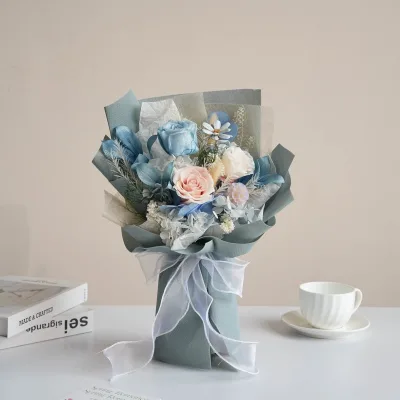
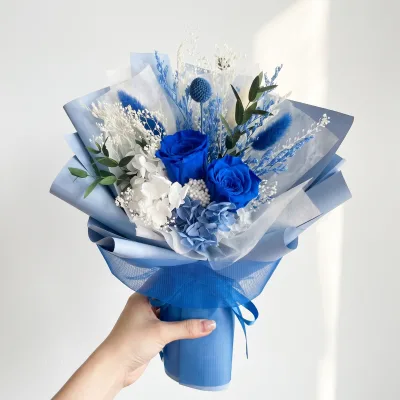
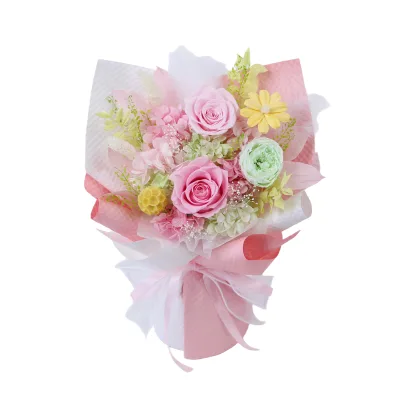
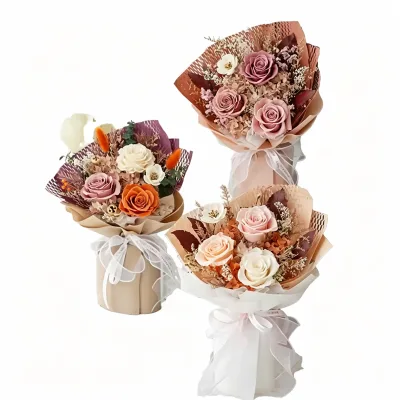
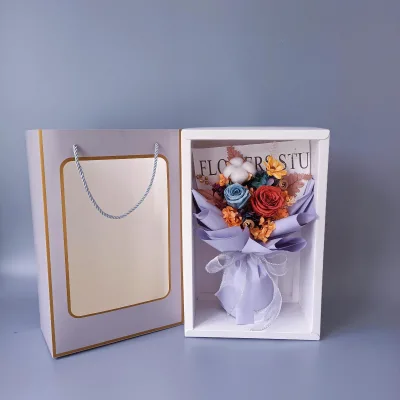
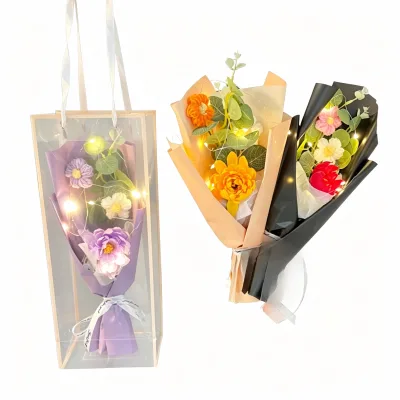
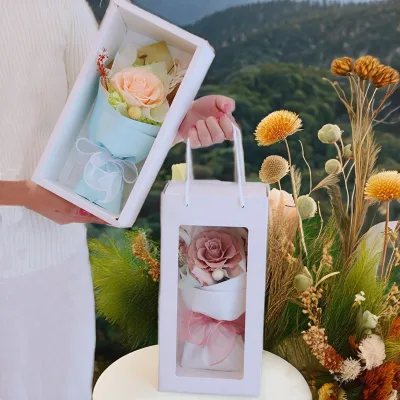
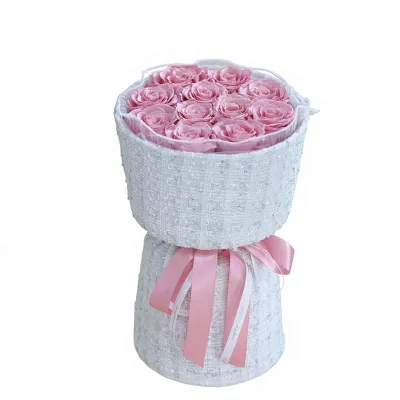
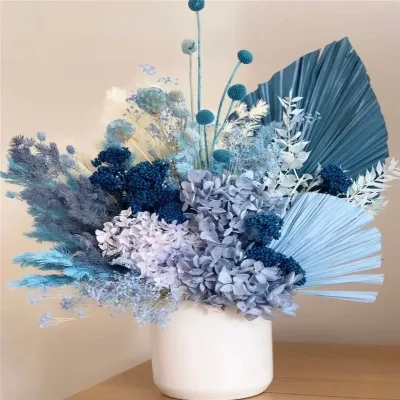
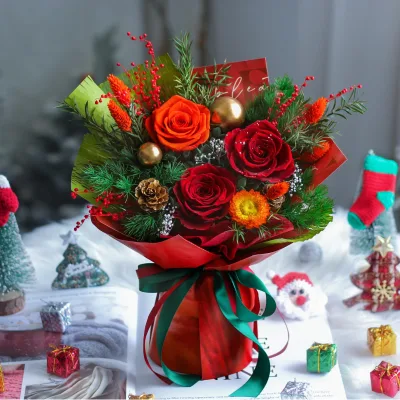
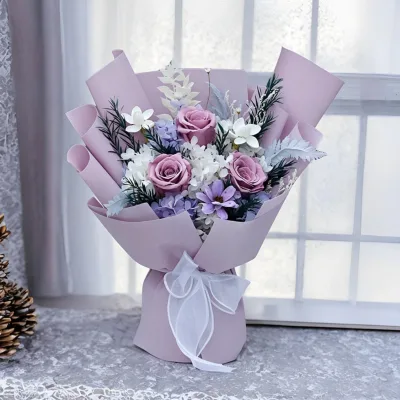
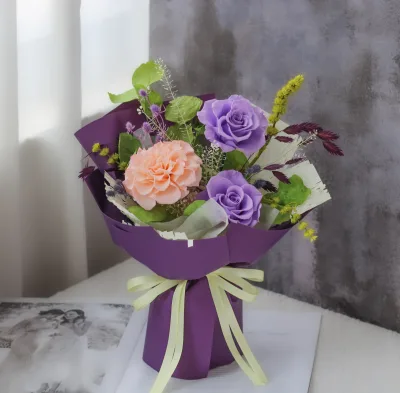
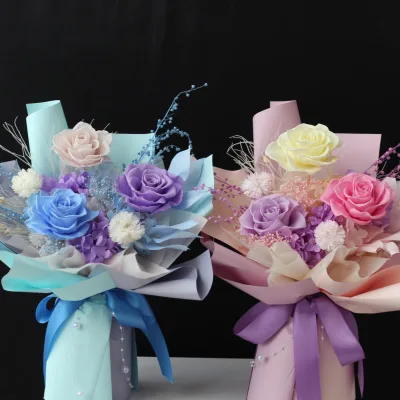
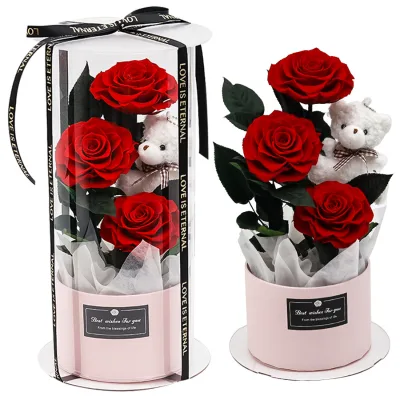
Verification begins with scrutinizing the specific product attributes and evidence provided in the supplier's catalog. For handmade preserved flower bouquets, buyers should look for detailed product descriptions that specify dimensions, such as a height of about 35cm and a width of 30cm, or specific color variations like orange tulip or pink little daisy bouquets. The presence of granular data, such as exact color codes or style numbers (e.g., style 1 through style 15), often indicates a supplier with a robust inventory and direct access to production details. If a supplier lists generic terms without specific measurements or color options, it may suggest a lack of direct involvement in the crafting process. Buyers should request photos or videos that demonstrate the actual handmade nature of the items, ensuring the "handmade" claim is supported by visual evidence of the crafting process.
Response time and communication speed are also vital indicators of supplier reliability and operational efficiency. The data shows response times ranging from 2 to 5 units, which can serve as a proxy for how quickly a supplier can address inquiries or resolve issues. A supplier with a response time of 2 is likely more agile and attentive than one with a response time of 5, which could indicate a larger volume of inquiries or less dedicated support staff. Buyers should test this responsiveness by sending specific questions about the preservation process or material sourcing before placing an order. Additionally, verifying the supplier's main products list is essential; a supplier whose primary focus is preserved flowers and artificial arrangements is more likely to have the necessary expertise than one with a diverse, unrelated product range.
What to Compare Across Handmade Preserved Flower Bouquet Suppliers
When comparing suppliers, lead time is a primary metric that directly impacts inventory planning and delivery schedules. The observed data reveals lead times varying from 3 to 7 days, with some suppliers offering faster turnaround times of 3 days while others require up to 7 days. This variation can be significant for buyers with tight deadlines or those needing to coordinate with event dates. A supplier with a 3-day lead time might be better suited for urgent orders, whereas a 7-day lead time could indicate a more complex production process or a higher volume of work. Buyers should explicitly confirm the lead time for their specific order quantity and design requirements, as standard lead times may not apply to custom or large-scale orders.
Minimum Order Quantity (MOQ) and pricing structures are equally important factors in the comparison process. The data indicates MOQs ranging from 1 to 100 units, with prices varying significantly based on product type and complexity. For instance, some mini bouquets have an MOQ of 6 units with prices starting around $0.80, while others require an MOQ of 100 units with prices as low as $0.25 per unit. Buyers must align their order volume with the supplier's MOQ to avoid unnecessary costs or rejected orders. Additionally, comparing the price range for similar products across different suppliers can reveal market trends and potential savings. A supplier offering a price range of $0.73 to $0.98 for a 15cm bouquet should be weighed against another offering $1.45 to $1.85 for a similar item, considering the differences in materials and craftsmanship.
Common Handmade Preserved Flower Bouquet Sourcing Risks
One significant risk involves the discrepancy between the claimed "handmade" nature of the product and the actual manufacturing process. Some suppliers may list products as handmade when they are mass-produced or assembled from pre-made components. The product evidence shows a wide range of descriptions, from "handmade knit flowers" to "wholesale dried millet flower preserved flowers," which can sometimes mask the true origin of the item. Buyers should be cautious of suppliers who cannot provide clear details about the assembly process or the source of the raw materials. Verifying the specific steps involved in creating the bouquet, such as the preservation method or the weaving technique, is essential to ensure the product meets the expected quality standards.
Another risk is the inconsistency in product specifications, particularly regarding size and color accuracy. The data shows various size descriptions, such as "Mini (Under 8")" or "15cm," and color options ranging from specific hues like "Red" to generic codes like "style 1." This variability can lead to misunderstandings about the final product received. If a supplier lists a bouquet as "Mini" but the actual dimensions differ significantly from the description, it can result in customer dissatisfaction and returns. Buyers should request physical samples or detailed measurement charts to confirm that the product matches the advertised specifications. Additionally, color variations in preserved flowers can be subtle, and relying solely on digital images may lead to unexpected results in the final delivery.
Handmade Preserved Flower Bouquet Regional Sourcing and Logistics
Regional sourcing plays a crucial role in determining the logistics and cost structure of the order. Suppliers located in Hebei, Guangdong, and Yunnan offer different logistical advantages based on their proximity to ports and transportation networks. Hebei-based suppliers might have different shipping routes compared to those in Guangdong, which is a major hub for international trade. Buyers should consider the location of the supplier when calculating shipping costs and delivery times, as these factors can vary significantly depending on the origin. For instance, a supplier in Guangdong might offer faster shipping to international destinations due to its proximity to major ports, while a supplier in Yunnan might have longer transit times.
Logistics planning also involves understanding the packaging and handling requirements for preserved flowers. These delicate items require careful packaging to prevent damage during transit, and the supplier's location can influence the packaging standards they employ. Suppliers in regions with a strong focus on flower exports may have more experience in handling these specific logistics challenges. Buyers should inquire about the packaging methods used by the supplier, such as the use of protective boxes or cushioning materials, to ensure the bouquets arrive in perfect condition. Additionally, understanding the customs regulations of the destination country is essential, as some regions may have specific requirements for importing dried or preserved plant materials.
Handmade Preserved Flower Bouquet Commercial Terms and Order Planning
Commercial terms, including payment methods and escrow services, are fundamental to securing a safe transaction. While specific escrow details are not explicitly provided in the data, buyers should always verify the availability of secure payment options before committing to an order. Using escrow services can protect the buyer's funds until the goods are received and verified, reducing the risk of fraud or non-delivery. Buyers should also clarify the payment terms, such as whether a deposit is required or if full payment is due upon shipment. Understanding these terms helps in planning the cash flow and ensuring that the financial aspects of the order are manageable.
Order planning requires a strategic approach to managing inventory and anticipating demand. Given the varying MOQs and lead times, buyers should plan their orders well in advance to avoid stockouts or delays. For example, if a supplier has a lead time of 7 days and an MOQ of 100 units, the buyer needs to ensure they have sufficient demand to justify the order size. Additionally, buyers should consider the seasonal nature of preserved flower bouquets, as demand may fluctuate based on holidays and events. Planning for peak seasons and maintaining a buffer stock can help mitigate the risks of supply chain disruptions. By carefully analyzing the commercial terms and lead times, buyers can create a robust order plan that aligns with their business goals and customer expectations.
FAQs
What is the price range for handmade preserved flower bouquets?
Prices for handmade preserved flower bouquets typically range from $0.25 to $10.20 per unit. The lowest costs apply to mini dried wildflower bundles, while premium handmade woven bouquets with specific color options command higher rates. Buyers should check the specific product attributes for exact pricing tiers.
What are the minimum order quantities for these products?
Minimum order quantities vary significantly by product type. Some mini dried flower bouquets require a minimum of just one unit, while others may require six, ten, or fifty units. Buyers seeking bulk pricing should verify the specific MOQ listed for their chosen style and size to ensure compliance.
How long does it take to receive orders?
Lead times for handmade preserved flower bouquets generally range from three to seven days. Suppliers located in Yunnan often offer faster turnaround times of three days, while those in Hebei or Guangdong may require up to seven days. Buyers should confirm the exact lead time with the supplier before placing orders.
Where are these suppliers located?
Suppliers for handmade preserved flower bouquets are primarily located in Hebei, Guangdong, and Yunnan provinces in China. These regions are known for their manufacturing capabilities in artificial and preserved floral products. Buyers can filter results by these specific locations to find suppliers that best match their logistical preferences.
What types of preserved flowers are available?
Available options include handmade woven bouquets, dried millet flowers, preserved roses, and mini dried wildflower bundles. Colors range from specific tulip and daisy varieties to custom styles and natural dried hues. Buyers can choose from various sizes, including mini bouquets under eight inches or standard fifteen-centimeter arrangements.
How quickly do suppliers respond to inquiries?
Supplier response times for handmade preserved flower bouquets typically range from two to five days. Faster response rates are often associated with trading companies in specific regions. Buyers should expect replies within this window and consider contacting multiple suppliers to ensure timely communication regarding their specific sourcing requirements.