Waterproof Greek Key Ring Suppliers and Manufacturers
Source Waterproof Greek Key Ring from 31 verified suppliers. Compare locations like Zhejiang, Shandong, Fujian, and Guangdong alongside response times, MOQs, and certifications. Review product details and request quotes today; review the available evidence before requesting comparable quotations from suitable candidates.
Updated
Suppliers List
Ningbo Luxi Commodity Co., Ltd.
- Manufacturer, Trading Company
- Zhejiang, China
- Lead time0 days
- Avg. response≤ 4h
Main productsOutdoor Products,Hardwares,Plastics
Main marketsNorth America(80.00%), Western Europe(20.00%)
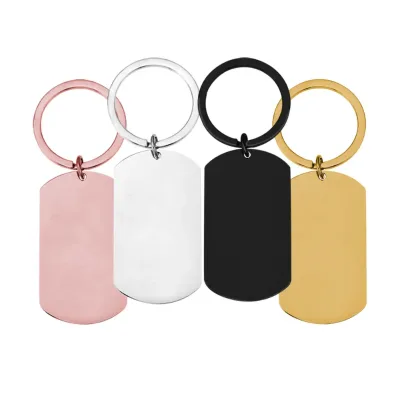
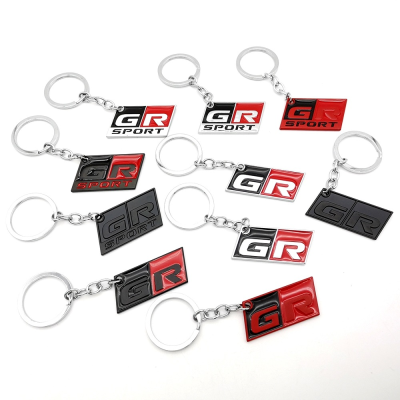
$0.40
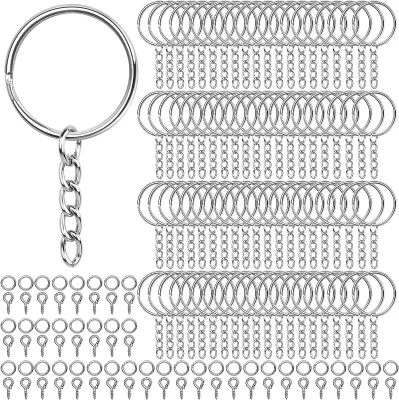
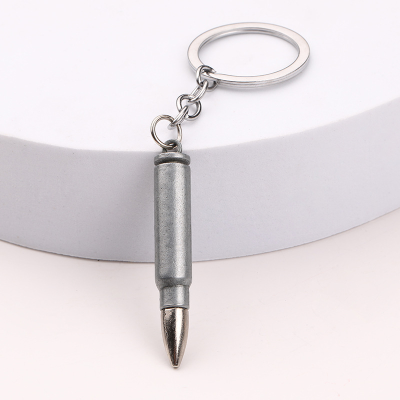
$0.19
$0.75

- Verified by BV
- Manufacturer/Factory
- China Shandong
- Lead time0 days
- Avg. response≤ 15h
Main productsNotebook, Book Printing, Pacakging Boxes, Children Book, Diaries, Organizers, Calendars, Notepads, Note Book, Hardcover Book

Jinjiang Jiayi Supply Chain Management Co., Ltd.
- Verified by BV
- Trading Company
- China Fujian
- Lead time30 days
- Avg. response≤ 2h
Main productsGift, Shoe, Garment, Machine
Main marketsDomestic

Foshan Nanhai Jin Yuan Da Metal Manufacturing Co., Ltd.
- Combined
- China Guangdong
- Lead time23 days
- Avg. response≤ 18h
Main productsNail Clipper, Key Chain, Bottle Opener
Main marketsSouth America,Africa,Southeast Asia/ Mideast,East Asia(Japan/ South Korea),Domestic,Europe,North America
Dongguan Jinghong Metal Zipper Co., Ltd.
- Manufacturer, Trading Company
- Guangdong, China
- Lead time15 days
- Avg. response≤ 9h
Main productsKeychain,metal label,snap hook,bottle opener,badge
Main marketsNorth America(30.00%), Western Europe(15.00%), South America(10.00%), Eastern Asia(10.00%), Eastern Europe(10.00%), South Asia(5.00%), Northern Europe(5.00%), Central America(5.00%), Mid East(5.00%), Africa(5.00%)
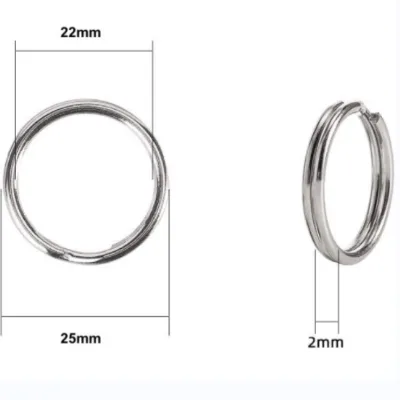
$0.09 - $0.10
- Verified by Intertek
- Trading Company
- Lead time14 days
- Avg. response≤ 2h
Main productsLapel Pin, Key Chain, Medal, Coin, Metal Plates
Main marketsNorth America(40%), Mid East(30%), Oceania(5%)

Zhongshan Xinyihong Metal Craft Products Factory
- Verified by TUVRHEINLAND
- Combined
- China Guangdong
- Lead time15 days
- Avg. response≤ 2h
Main productsBadge, Lape Pin, Coin, Medal, Key Chain, Cufflink, Tie Clip, Bottle Opener, Golf Divolt, Name Plate
Main marketsNorth America

Zhongshan Artigifts Premium Metal & Plastic Co., Ltd.
- Verified by BV
- Combined
- China Guangdong
- Lead time15 days
- Avg. response≤ 3h
Main productsPin, Key Chain, Label, Coin, Lanyard, Purse Hanger, PVC Key Holder, Button Badge, Trolley Coin, Medal
Main marketsSouth America,Africa,Others(foreignTradeCapacity.exportBusinessCapacityMarketOther),Southeast Asia/ Mideast,East Asia(Japan/ South Korea),Europe,Australia,North America

Zhongshan Xinyuan Silicone Rubber Co., Ltd.
- Verified by TUVRHEINLAND
- Combined
- China Guangdong
- Lead time15 days
- Avg. response≤ 2h
Main productsEmbroidery Patch, PVC Keychain, Pin Badge, Medal, Lanyard, Challenge Coin, Paper Air Freshener, Coffee Maker, Luggage Tag, Coffee Maker/Grinder
Main marketsSouth America,Southeast Asia/ Mideast,Domestic,Europe,North America

Shishi City Jiatexin Crafts&Gifts Co., Ltd.
- Verified by SGS
- Trading Company
- China Fujian
- Lead time15 days
- Avg. response≤ 4h
Main productsKeychain, Fridge Magnet, Lapel Pin, Medal, Bar Mat, Bottle Opener, Shoe Charms
Main marketsSouth America,Africa,Southeast Asia/ Mideast,East Asia(Japan/ South Korea),Domestic,Europe,North America
Dongguan Vision Sationery Gift Co., Ltd.
- Manufacturer, Trading Company
- Guangdong, China
- Lead time30 days
- Avg. response≤ 3h
Main productspu portfolio folder,Pu Diary,PUorganizer,Leather wallet,Leather card holder
Main marketsWestern Europe(50.00%), Eastern Europe(20.00%), Domestic Market(10.00%), South America(10.00%), Central America(5.00%), South Asia(5.00%)

Zhongshan Yingying Textile Co., Ltd.
- Verified by SGS
- Manufacturer
- China Guangdong
- Lead time15 days
- Avg. response≤ 2h
Main productsPatch, Keychain, Sequin Patch, Towel Embroidery Patch, Embroidery Patch, Embroidery Keychain, Woven Label Patch, Woven Patch, Woven Keychain, Lanyard

Jinjiang Jiaxing Supply Management Co., Ltd.
- Verified by TUVRHEINLAND
- Trading Company
- China Fujian
- Lead time30 days
- Avg. response≤ 2h
Main productsEVA Clogs, Flip Flop, Shoe Charms, Shopping Bags, Wristbands, Gifts, Promotional Gifts, Slipper, Sport Cap, Ball
Main marketsNorth America

- Verified by BV
- Combined
- China Guangdong
- Lead time15 days
- Avg. response≤ 2h
Main productsSnap Hook, Lanyard Hook, Shackles, Key Ring, Metal Ring, Clip, Keychain, Wire Key Ring, Hair Clip, Bag Keychain
Main marketsNorth America

High Quality Durable Stainless Steel Split Key Ring for Keychain Making
$0.011 - $0.029
MOQ: 100 Pieces


Yiwu Bangmu Import And Export Co., Ltd.
- Trading Company
- Zhejiang, China
- Lead time15 days
- Avg. response≤ 2h
Main productsBags & Tote,Sports & Outdoor,Apparel & Accessories,Drinkware,Office & Tech
Main marketsNorth America(90.00%), Central America(4.00%), Southern Europe(1.00%), Northern Europe(1.00%), South America(1.00%), Western Europe(1.00%), Oceania(1.00%), Eastern Europe(1.00%)

Dongguan Bosin Hardware Co., Ltd.
- Trading Company
- China Guangdong
- Lead time15 days
- Avg. response≤ 4h
Main productsKey Ring, Snap Hooks, Ball Chain, Carabiner, Metal Clips, Metal Rings, Metal Buckle, Stainless Steel Chains, Key Chain, Bottle Opener
Main marketsEurope,North America

- Verified by BV
- Manufacturer/Factory
- China Zhejiang
- Lead time15 days
- Avg. response≤ 2h
Main productsJewelry Bag, Jewelry Card, Box, Promotion Gifts
Main marketsSouth America,Eastern Europe,Mid East,North America,Southeast Asia,Eastern Asia,Oceania,Western Europe,Africa
Guangzhou Jinzi Metal Co., Ltd.
- Manufacturer, Trading Company
- Guangdong, China
- Lead time10 days
- Avg. response≤ 2h
Main productsBags Accessories,Snap Hooks,Belt Buckle,Metal Label/Metal Logo/Metal Tags,Handbag Hardware
Main marketsNorth America(19.20%), Northern Europe(17.40%), Southeast Asia(16.00%), Eastern Europe(10.10%), Western Europe(8.00%), South America(5.40%), Domestic Market(5.10%), Central America(5.00%), South Asia(5.00%), Eastern Asia(5.00%), Mid East(2.10%), Oceania(1.40%), Southern Europe(0.20%), Africa(0.10%)

- Verified by TUVRHEINLAND
- Trading Company
- China Guangdong
- Lead time15 days
- Avg. response≤ 4h
Main productsBadge, Medal, Key Chain, Key Ring, Coin, Pin, Bottle Opener, Wrist Band, Lanyard, Trophy
Main marketsSoutheast Asia/ Mideast,Europe,North America
- Trading Company
- Taiwan, China
- Lead time14 days
- Avg. response≤ 12h
Main productslapel pins,keychain,lanyards,pvc keychain,medals
Main marketsNorth America(30.00%), South America(28.00%), Northern Europe(10.00%), Eastern Asia(10.00%), Southern Europe(7.00%), Western Europe(7.00%), Domestic Market(1.00%), South Asia(1.00%), Oceania(1.00%), Southeast Asia(1.00%), Central America(1.00%), Africa(1.00%), Eastern Europe(1.00%), Mid East(1.00%)

Inspire Souvenirs Manufacturing Limited
- Manufacturer
- China Guangdong
- Lead time30 days
- Avg. response≤ 25h
Main productsKeychain, Key Ring, Bottle Opener, Dinner Bell, Souvenir Spoon, Souvenir Keychain, Fridge Magnet, Key Holder, Brooch, Ashtray
Main marketsSouth America,Europe,North America
Shenzhen Ji Mi Technology Co., Ltd.
- Manufacturer, Trading Company
- Guangdong, China
- Lead time15 days
- Avg. response≤ 4h
Main productsSchool bag,Plush toy,Backpack,luggage and bags,toy
Main marketsNorth America(25.00%), Western Europe(20.00%), Domestic Market(10.00%), Southeast Asia(10.00%), Mid East(5.00%), Northern Europe(5.00%), Eastern Europe(5.00%), Eastern Asia(5.00%)
Guangzhou Bolian Clothing Co., Ltd.
- Manufacturer, Trading Company, Distributor/Wholesaler
- Guangdong, China
- Lead time0 days
- Avg. response≤ 2h
Main productsBags & Gift Boxes,Garment Acchandicraftessories,Handicraft Article,Hardware tools,Daily necessities for light industry
Main marketsNorth America(50.00%), South America(20.00%), Western Europe(15.00%), Southeast Asia(5.00%), Mid East(2.00%), Domestic Market(1.00%), South Asia(1.00%), Northern Europe(1.00%), Central America(1.00%), Eastern Europe(1.00%), Eastern Asia(1.00%), Africa(1.00%), Oceania(1.00%)
Zhongshan Gifts Plastic Hardware Crafts Factory
- Verified by TüVRheinland
- Manufacturer, Trading Company
- Lead time14 days
- Avg. response≤ 4h
Main productsMedal, Challenge Coin, Lapel Pin, Keychain, Bottle Opener
Main marketsNorth America(60%), Western Europe(20%), Eastern Europe(5%)

Dongguan Yixiang Precision Co., Ltd.
- Verified by CTI
- Combined
- China Guangdong
- Lead time15 days
- Avg. response≤ 1h
Main productsHardware, Hardware Processing, Rigid Wire Rope, Lighting Hardware Accessories, SFP Optical Module, Rope with Expansion Clamp, Wire Fixer, Wire Rope Lock, Suspension Wire Pull Head, CNC Machining Part
Main marketsDomestic,Europe
Yiwu Xieqian Auto Accessories Co., Ltd.
- Verified by TüVRheinland
- Trading Company
- Lead time14 days
- Avg. response≤ 6h
Main productsCar Floor Mats, Car Steering Wheel Covers, Car Wiper Blades, Car Seat Covers, Car Accessories
Main marketsAfrica(30%), Mid East(25%), Southeast Asia(20%)
Zhongshan Echo Crafts Co., Ltd.
- Verified by SGS Group
- Manufacturer, Trading Company
- Lead time10 days
- Avg. response≤ 2h
Main productsCoin/Badge/Medal/Keychain/Enamel Pin
Main marketsNorth America(50%), South America(10%), Eastern Europe(10%)

Shanghai David International Trade Co., Ltd.
- Verified by TUVRHEINLAND
- Combined
- China Shanghai
- Lead time15 days
- Avg. response≤ 9h
Main productsPromotional Gifts, Gift Sets, Tshirts, Hats, Hot Packs, Hot Cold Packs, Ice Packs, Bags, Umbrellas, Water Bottles
Main marketsSouth America,Africa,Southeast Asia/ Mideast,East Asia(Japan/ South Korea),Domestic,Europe,Australia,North America
Quanzhou Laiao Plastic Products Co., Ltd.
- Verified by SGS Group
- Manufacturer, Trading Company
- Lead time3 days
- Avg. response≤ 3h
Main productsKeychains, Straw Toppers, Shoe Charms
Main marketsNorth America(60%), Oceania(20%), Western Europe(20%)
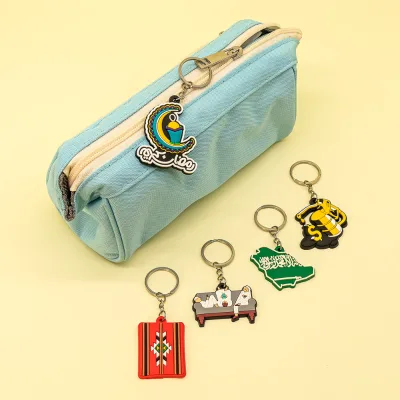
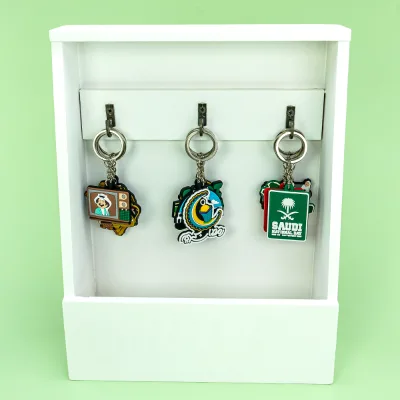
$0.062 - $0.3101
MOQ: 10 pieces

Dongguan Gioriun trading Co., Ltd.
- Trading Company
- Guangdong, China
- Lead time15 days
- Avg. response≤ 4h
Main productsSports & Entertainment,Gifts & Crafts,Home & Garden
Main marketsNorth America(37.00%), Western Europe(25.00%), Northern Europe(10.00%), South America(10.00%), Mid East(8.00%), Domestic Market(5.00%), Eastern Asia(5.00%)
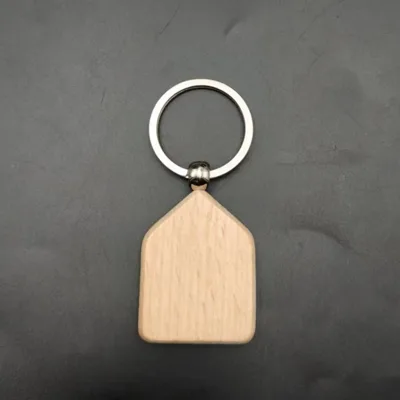
Custom DIY Gifts Handmade Keychain Wooden Key Tag with Split Ring Key Holder Chain
$0.1028 - $0.1753
MOQ: 7 Minimum
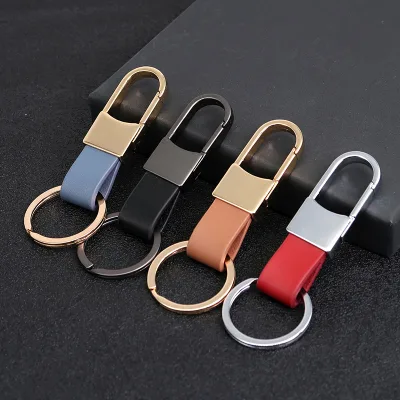

Zhongshan Unique Gifts & Crafts Co., LTD
- Verified by BV
- Combined
- China Guangdong
- Lead time15 days
- Avg. response≤ 3h
Main productsLapel Pin, Medal, Keychain, Souvenir Coins, Metal Cuffinks, Tie -Pins, Belt Buckle, Bottle Opener, Fridge Magnet, PVC Keychain
Main marketsSouth America,Africa,Southeast Asia/ Mideast,East Asia(Japan/ South Korea),Europe,Australia,North America






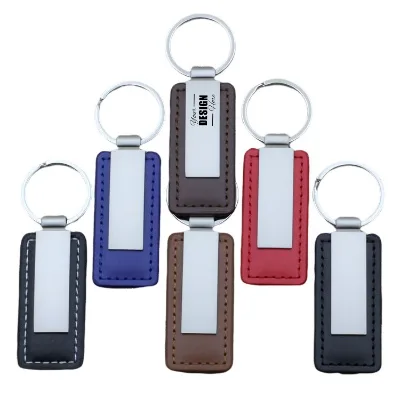


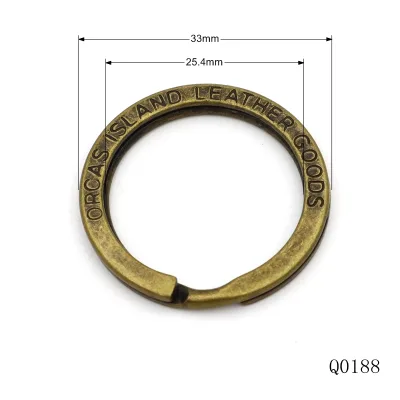
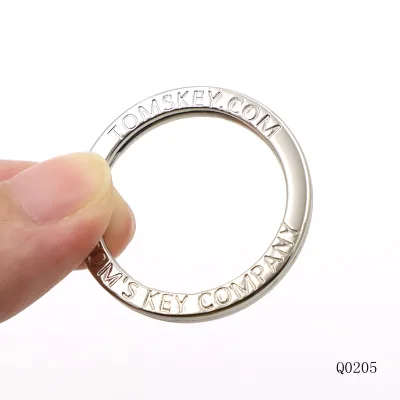
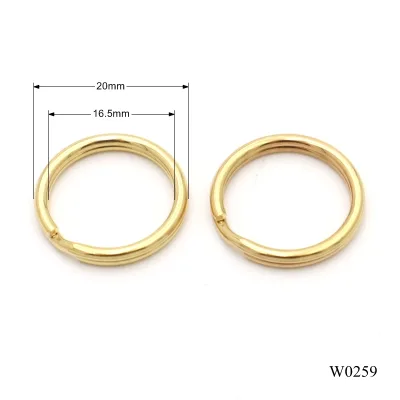








Comprehensive Sourcing Guide
Waterproof Greek Key Ring Supplier Concentration and Factory Types
The current supplier landscape for key rings and related fabrication services is heavily concentrated in Zhejiang, China, where manufacturers and trading companies operate side-by-side to serve global demand. This region is known for its robust hardware and plastic manufacturing ecosystems, which directly support the production of durable key accessories. Buyers evaluating suppliers in this area should note that many entities function as combined entities, offering both direct manufacturing capabilities and trading services. This dual nature can influence pricing structures and communication flows, as trading arms may handle international logistics while factory units manage production. The presence of both manufacturer and trading company types in the same geographic cluster suggests a competitive market where buyers can find varied service models. Some suppliers specialize in specific materials like stainless steel or zinc alloy, which are critical for waterproof or corrosion-resistant key rings. Understanding whether a supplier is primarily a factory or a trading company helps buyers assess their control over quality and lead times. Factories typically offer more direct oversight of the production process, while trading companies might provide broader product ranges and flexible order sizes. The concentration in Zhejiang indicates a mature supply chain with established infrastructure for metal fabrication and plastic molding. Buyers should verify the actual operational capacity of each supplier, as some may outsource parts of the production process despite claiming to be manufacturers. This distinction is vital for ensuring consistent quality, especially for products requiring specific waterproofing treatments or durable finishes. The local ecosystem supports rapid prototyping and large-scale production, making it a viable hub for sourcing key rings. However, buyers must carefully distinguish between pure manufacturers and those that act as intermediaries to ensure they are getting accurate information about production capabilities. The density of suppliers in this region also means that buyers have multiple options for comparison, allowing them to negotiate better terms based on competitive pricing. It is essential to look beyond the location and examine the specific product evidence provided by each supplier to determine their true expertise in key ring manufacturing.
How to Verify Waterproof Greek Key Ring Suppliers
Verification is a critical step in ensuring that the suppliers you engage with meet your quality and reliability standards. One of the primary methods for verification is checking for third-party certifications and audit reports. For instance, some suppliers in the current results hold ISO 9001 and ISO 14001 certifications, which indicate adherence to quality management and environmental standards. These certifications are particularly relevant for manufacturers who need to maintain consistent production quality and comply with international regulations. Buyers should request copies of these certificates and verify their validity through the issuing bodies. Additionally, verification badges such as BV (Bureau Veritas) provide an extra layer of confidence, as they indicate that an independent agency has inspected the supplier’s facilities and operations. This is especially important for buyers who cannot visit the factory in person. Another key aspect of verification is assessing the supplier’s response time and communication efficiency. Suppliers with faster response times, such as those under two hours, often demonstrate better customer service and operational readiness. This can be a strong indicator of their ability to handle urgent orders or address issues promptly. Buyers should also examine the supplier’s main products to ensure they align with their specific needs. For example, if a supplier lists hardware and plastics as main products, they are likely well-equipped to produce metal or plastic key rings. However, if their focus is on books or packaging, they may not have the necessary expertise for key ring fabrication. It is also advisable to check the supplier’s establishment year and company type to gauge their experience and business model. Established manufacturers with a long history in the industry are often more reliable than newer entrants. Buyers should look for detailed product attributes, such as material type and processing methods, to ensure the supplier can meet specific technical requirements. Verifying these details helps mitigate the risk of working with unqualified suppliers and ensures a smoother procurement process.
What to Compare Across Waterproof Greek Key Ring Suppliers
When evaluating multiple suppliers, buyers should compare key operational metrics to identify the best fit for their needs. One of the most important factors is the minimum order quantity (MOQ), which varies significantly across suppliers. For example, some suppliers may have an MOQ of just two units, making them suitable for small-scale testing or custom orders, while others may require MOQs of 1,000 or even 10,000 units, which is better for large-volume production. Understanding these differences helps buyers align their orders with their inventory needs and budget constraints. Another critical comparison point is the price range, which can indicate the quality and complexity of the product. Prices for key rings can range from as low as $0.05 to over $4.00 per unit, depending on the material, design, and customization options. Buyers should consider whether the price includes additional services like logo printing or packaging, as these can affect the total cost. Lead time is another essential metric to compare, as it determines how quickly the supplier can deliver the order. Some suppliers may have lead times of 23 to 30 days, while others might offer faster turnaround times. This is particularly important for buyers with tight deadlines or seasonal demand. Buyers should also compare the supplier’s response time, as faster responses often correlate with better communication and problem-solving capabilities. Additionally, the type of customization available, such as OEM or ODM services, should be evaluated to ensure the supplier can meet specific design requirements. The material type, such as stainless steel or zinc alloy, and the surface treatment, like polishing or anti-rust coating, are also key factors that influence the final product’s durability and appearance. By comparing these attributes across suppliers, buyers can make informed decisions that balance cost, quality, and delivery speed. It is also important to consider the supplier’s main products and expertise to ensure they have the necessary capabilities for your specific key ring requirements.
Common Waterproof Greek Key Ring Sourcing Risks
Sourcing key rings from international suppliers comes with several potential risks that buyers must be aware of and mitigate. One common risk is the discrepancy between the advertised product specifications and the actual delivered goods. This can occur if the supplier does not clearly communicate material grades, waterproofing standards, or finishing details. Buyers should request detailed product attributes, such as metal type and surface treatment, to ensure they match their requirements. Another risk is the variability in quality control, especially when dealing with trading companies that may not have direct oversight of the manufacturing process. This can lead to inconsistencies in product quality, such as uneven plating or weak key ring mechanisms. To mitigate this, buyers should prioritize suppliers with verified certifications and audit reports, which indicate a commitment to quality management. Additionally, there is a risk of delayed shipments due to production bottlenecks or logistical issues. Suppliers with longer lead times, such as 30 days, may be more prone to delays, especially during peak seasons. Buyers should establish clear communication channels and request regular updates on production progress to stay informed. Another risk is the lack of customization flexibility, which can limit the buyer’s ability to brand the product effectively. Some suppliers may have high MOQs for customized orders, making it difficult for small businesses to test the market. Buyers should look for suppliers who offer flexible customization options, such as logo printing or custom packaging, with reasonable MOQs. There is also the risk of hidden costs, such as shipping fees or import duties, which can increase the total cost of ownership. Buyers should clarify all costs upfront and consider using escrow services to protect their payments. Finally, buyers should be cautious of suppliers who do not provide clear contact information or responsive customer service, as this can hinder issue resolution. By identifying and addressing these risks early in the sourcing process, buyers can ensure a more successful and reliable procurement experience.
Waterproof Greek Key Ring Regional Sourcing and Logistics
The geographic location of suppliers plays a significant role in determining logistics costs and delivery times. Many key ring suppliers are located in China, with notable concentrations in provinces like Zhejiang, Shandong, Fujian, and Guangdong. Each of these regions offers distinct advantages in terms of manufacturing capabilities and logistical infrastructure. Zhejiang is known for its hardware and plastic manufacturing, making it a strong choice for metal and plastic key rings. Shandong suppliers often specialize in metal fabrication and die-casting, which is ideal for durable zinc alloy key rings. Fujian and Guangdong are also major hubs for manufacturing, with Guangdong being particularly known for its electronics and combined manufacturing capabilities. Buyers should consider the proximity of the supplier to major ports, as this can impact shipping costs and transit times. For example, suppliers in Guangdong and Zhejiang are close to major shipping hubs like Shanghai and Ningbo, which can facilitate faster and more cost-effective export logistics. Buyers should also evaluate the supplier’s shipping options, such as sea, air, or train freight, to determine the best balance between cost and speed. Sea freight is generally more economical for large orders, while air freight is faster but more expensive. Additionally, buyers should consider the supplier’s experience with international shipping and their ability to handle customs documentation. Some suppliers may offer door-to-door delivery services, which can simplify the logistics process for buyers. It is also important to factor in the time zone difference when communicating with suppliers, as this can affect response times and coordination. Buyers should establish a clear logistics plan early in the sourcing process to avoid delays and ensure timely delivery. Understanding the regional strengths of each supplier location helps buyers make informed decisions about where to source their key rings.
Waterproof Greek Key Ring Commercial Terms and Order Planning
Effective order planning and clear commercial terms are essential for a successful sourcing experience. Buyers should negotiate payment terms that protect their interests, such as using escrow services or partial payments. Escrow services can provide security by holding funds until the goods are received and verified. Buyers should also clarify the supplier’s return and refund policies in case of quality issues or non-delivery. It is important to agree on a detailed purchase order that specifies product specifications, quantities, prices, and delivery dates. This helps prevent misunderstandings and ensures both parties are aligned on expectations. Buyers should also consider the supplier’s capacity to handle large orders, especially if they plan to scale up production. Suppliers with OEM capabilities and established production lines are better equipped to handle volume increases. Additionally, buyers should discuss packaging requirements, such as custom boxes or polybags, to ensure the products are protected during transit. Some suppliers may offer free packaging, while others may charge extra. Buyers should also consider the supplier’s ability to provide samples before placing a large order, as this allows them to verify quality and design. It is advisable to start with a small trial order to test the supplier’s reliability and product quality before committing to a larger purchase. Buyers should also be aware of any additional costs, such as tooling fees for custom designs, which can impact the overall budget. Clear communication about commercial terms and order planning helps build a strong partnership with the supplier and ensures a smooth procurement process. By focusing on these details, buyers can minimize risks and maximize the value of their sourcing efforts.
FAQs
What is the price range for metal key rings?
Metal key rings are available at various price points depending on material and customization. Stainless steel options start around $0.48 per unit, while zinc alloy promotional rings range from $0.05 to $0.10. Bulk orders for heart-shaped stainless steel keychains can reach $0.89 per piece. Prices vary based on order volume and specific design requirements.
What are the minimum order quantities for key rings?
Minimum order quantities vary significantly by supplier and product type. Some suppliers accept orders as low as two units for DIY key ring accessories. Others require a minimum of 1000 units for customized zinc alloy key chains. Heart-shaped stainless steel keyrings may have a minimum of 100 units, while certain promotional items require 10,000 units.
Which regions in China supply key rings?
Key ring manufacturers are located in several Chinese provinces including Zhejiang, Shandong, Fujian, and Guangdong. Zhejiang suppliers offer stainless steel and plastic products. Shandong focuses on zinc alloy die-casting. Fujian specializes in stainless steel and leather options. Guangdong suppliers provide combined manufacturing capabilities for key chains and bottle openers.
What certifications do key ring suppliers hold?
Some key ring manufacturers hold ISO 9001 and ISO 14001 certifications for quality and environmental management. Verification services like Bureau Veritas confirm supplier credentials. Buyers should verify specific certifications for each product line as not all suppliers display these standards. Customization availability and material types also influence compliance requirements.
How fast do suppliers respond to inquiries?
Response times vary among suppliers, ranging from under two hours to nearly eighteen hours. Some trading companies respond within 1.8 hours, while others take up to 17.96 hours. Faster response times are often associated with trading companies rather than manufacturers. Buyers should expect varying reply speeds depending on the supplier type and location.
What customization options are available for key rings?
Customization is widely available for key rings, including logo printing and die-casting processes. Zinc alloy key chains offer geometry shapes with polished surfaces. Stainless steel options support offset printing for promotional gifts. Buyers can request customized packing standards and specific models. OEM services are commonly offered by manufacturers in Shandong and Fujian provinces.