Waterproof Herbal Lip Oil Suppliers and Manufacturers
Explore 27 verified options for Waterproof Herbal Lip Oil from China Guangdong and Hebei. Compare response times, lead times, certifications like GMPC and ISO, and MOQs ranging from 10 to 2000 units. Contact suppliers directly to request samples and confirm pricing details.
Updated
Suppliers List
Guangzhou Dionly Biotech Co., Ltd
- Trading Company
- China Guangdong
- Lead time23 days
- Avg. response≤ 3h
Main productsHair Care Products, Eye Care Products, Beauty Makeup, Toothpaste, Hair Shampoo, Hair Mask, Eye Cream, Eye Serum, Lip Stick, Face Cleanser
Main marketsSouth America,Eastern Europe,Mid East,North America,Southeast Asia,Eastern Asia,Oceania,Western Europe,Africa


$1.55 - $2.69
MOQ: 2000 Pieces


Shijiazhuang Jiaoyan Technology Co., Ltd
- Verified by SGS
- Trading Company
- China Hebei
- Lead time15 days
- Avg. response≤ 5h
Main productsHyaluronic Acid
Main marketsNorth America
Xuchang Eyelashion Beauty Co., Ltd.
- Verified by SGS Group
- Manufacturer, Trading Company
- Lead time0 days
- Avg. response≤ 3h
Main productsMakeup, Makeup Tools, False Eyelashes, False Eyelashes Tools
Main marketsNorth America(50%), Oceania(8%), South America(5%)
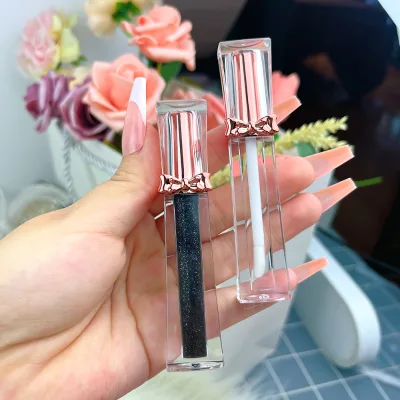
$0.8198 - $1.7398
MOQ: 10 pieces
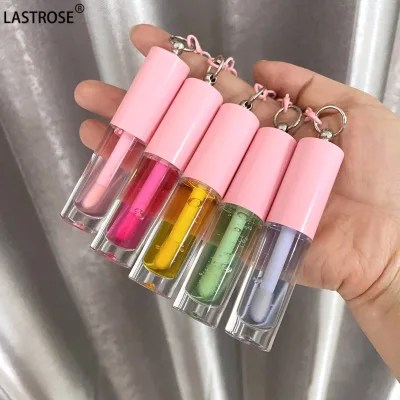
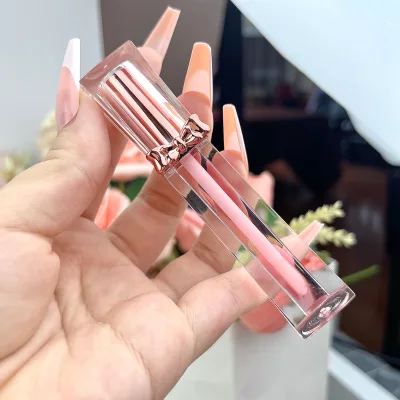


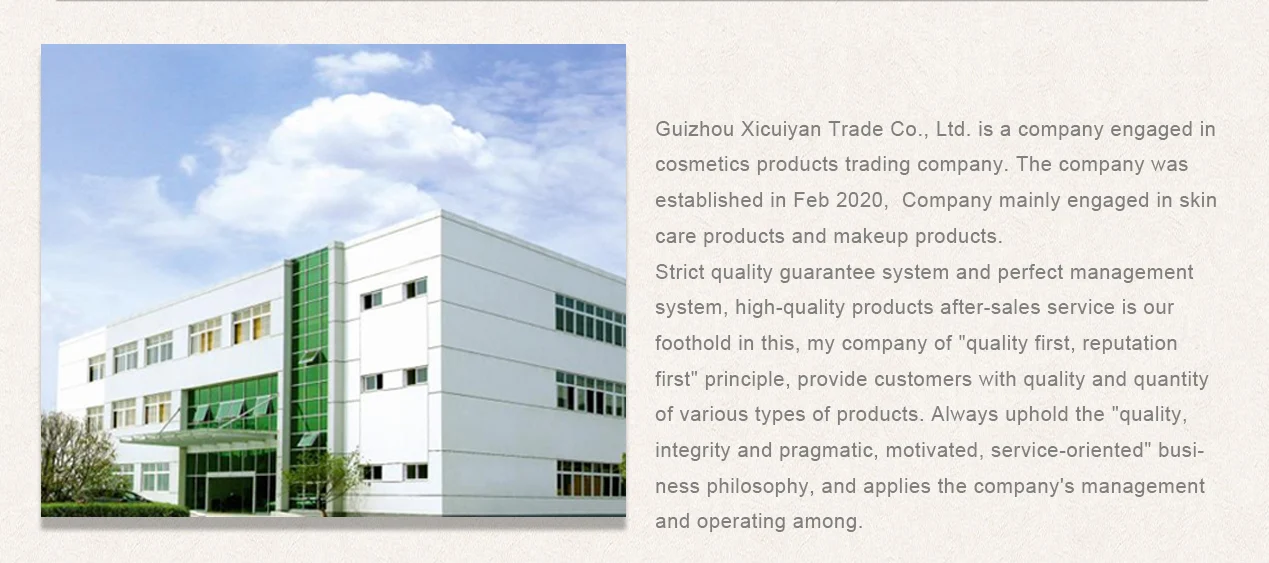
Guizhou Xicuiyan Trade Co., Ltd.
- Trading Company
- Guizhou, China
- Lead time0 days
- Avg. response≤ 1h
Main productsskin care products,makeup product,beauty tools,sex products,daily product
Main marketsAfrica(28.00%), North America(23.00%), Mid East(8.00%), Central America(6.00%), Northern Europe(5.00%), Southeast Asia(5.00%), South Asia(5.00%), Oceania(4.00%), Southern Europe(3.00%), Eastern Europe(3.00%), Domestic Market(3.00%), South America(3.00%), Eastern Asia(2.00%), Western Europe(2.00%)

Hangzhou JUKO Beauty Cosmetics Co., Ltd
- Verified by SGS
- Trading Company
- China Zhejiang
- Lead time15 days
- Avg. response≤ 5h
Main productsLipgloss, Eyeshadow, Matte Lipstick, Hair Stick Gel, Hair Wax Stick, Foundation, Lip Plumper, Lip Balm, Mascara, Skin Care
Main marketsSouth America,Africa,Southeast Asia/ Mideast,Europe,Australia,North America

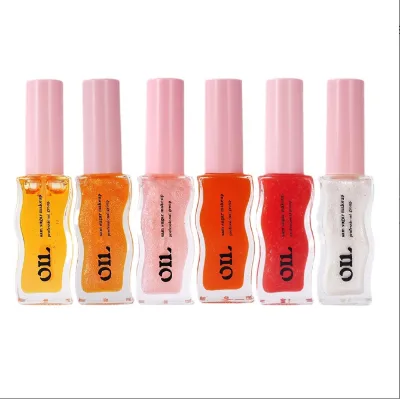
Glossy Lip Care Cosmetics Fruit Flavor Lip Oil Shimmer Hydrating Makeup Lip Oil
$1.15 - $1.70
MOQ: 50 Pieces


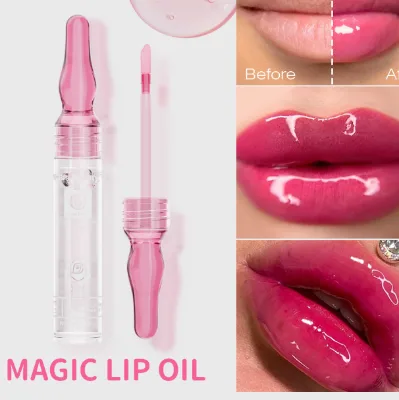
Long-Lasting Lip Plumper Oil Hydrating Moisturizing Lip Balm Lip Glow Oil
$1.20 - $1.80
MOQ: 50 Pieces

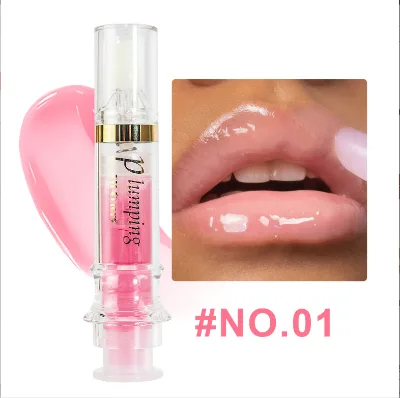
Herbal Ingredient Hydrating Moisturizing Lip Plumping Oil to Achieve Full Bodied Lips
$1.45 - $1.80
MOQ: 50 Pieces


Shanghai Foyou Cosmetics Co., Ltd.
- Verified by SGS Group
- Manufacturer, Trading Company
- Lead time45 days
- Avg. response≤ 2h
Main productsLip Gloss, Foundation, Concealer, Lipstick, Eye shadow
Main marketsNorth America(40%), Western Europe(40%), Domestic Market(14%)

Guangzhou Aixin Cosmetic Co., Ltd.
- Verified by TUVRHEINLAND
- Trading Company
- China Guangdong
- Lead time15 days
- Avg. response≤ 5h
Main productsSkin Care, Cosmetic, Face Mask, Beauty, Body Scrub, Face Care, Body Care, Skin Care Product, Mask, Cream
Main marketsDomestic

Cosmetics Lip Plumper Enhancer Organic Natural Moisturize Essential Lip Oil
$1.85 - $2.20
MOQ: 100 Pieces

Beauty Cosmetics Lip Care Moisturizing and Hydrating Not Greasy Vegan Lip Oil
$1.20 - $2.50
MOQ: 100 Pieces

Beauty Cosmetics Skin Care Non-Sticky Lip Stain Plumping Lip Gloss Lip Oil
$1.00 - $2.00
MOQ: 100 Pieces

Beauty Cosmetics Skin Care Moisturizing Soften Increased Elasticity Lip Oil
$1.00 - $2.00
MOQ: 100 Pieces

Beauty Cosmetics Skin Care Customized Natural Moisturizing Essential Oil Lip Vegan Lip Oil
$1.00 - $2.00
MOQ: 100 Pieces


Honglida Technology Company Limited
- Verified by CTI
- Manufacturer/Factory
- China Guangdong
- Lead time0 days
- Avg. response≤ 7h
Main productsVegan Oil Control Compact Powder, Nude Matte Liquid Lipstick, Vegan Matte Lipstick, Private Label Makeup Cosmetics, Fruit Vegan Lip Oil, Mink 25mm 3D Fluffy Strip Lashes, Fluffy Strip Lashes, Makeup Matte Lipstick, Heart Foundation, Waterproof Full Coverage Foundation
Main marketsSouth America,Eastern Europe,Mid East,North America,Southeast Asia,Eastern Asia,Oceania,Western Europe,Africa


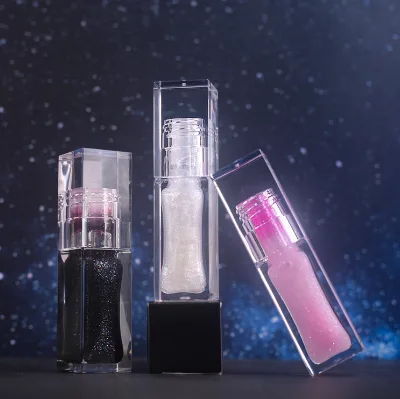
Glossy Lip Care Oil Hydrates Plumping Constellation Color-Changing Lips Oil
$2.00 - $2.20
MOQ: 5 Pieces


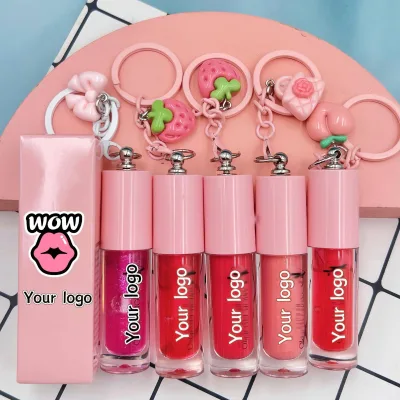
Wholesale Price 5 Colors Clear Lip Plumping Oil Dual-Color Plant Fruit Flavor Color-Changing Lip Oil
$1.49 - $1.99
MOQ: 5 Pieces


Guangzhou Kanglixin Medical Biotechnology Co, Ltd.
- Verified by BV
- Combined
- China Guangdong
- Lead time30 days
- Avg. response≤ 9h
Main productsSkin Care Products, Body Care, Hair Care Products, Makeup, Men's Care Products, Ferminine Care Products, Serum, Facial Mask, Face Cream, Scrub
Main marketsSouth America,Africa,Southeast Asia/ Mideast,East Asia(Japan/ South Korea),Domestic,Europe,North America

Anti-Cracking Moisturizing Essential Organic Long Lasting Lip Balm Aloe Vera Plumping Lip Oil
$0.50 - $1.00
MOQ: 10 pieces

Custom Logo Long Lasting Lip Balm Moisturizing Essential Organic Aloe Vera Plumping Lip Oil
$0.50 - $1.00
MOQ: 10 pieces

- Verified by SGS Group
- Manufacturer, Trading Company
- Lead time30 days
- Avg. response≤ 3h
Main productsLipstick, Blusher, Mascara, Eye shadow, Anti slip chain for car
Main marketsNorth America(40%), Western Europe(30%), Eastern Europe(20%)
Xuchang Jinbang Hair Products Co., Ltd.
- Manufacturer, Trading Company
- Lead time旺季: "1 - 500":16,"501 - 1000":20,"> 1000":"To be negotiated", 淡季: "1 - 500":16,"501 - 1000":20,"> 1000":"To be negotiated"
- Avg. response≤ 3h
Main productsFalse Eyelashes, Eyelash Packaging, Cosmetics Products, Makeup Tools, Lip Makeup
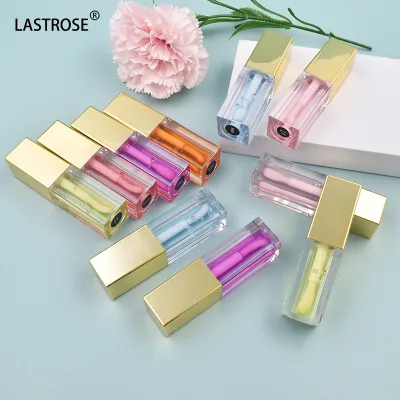
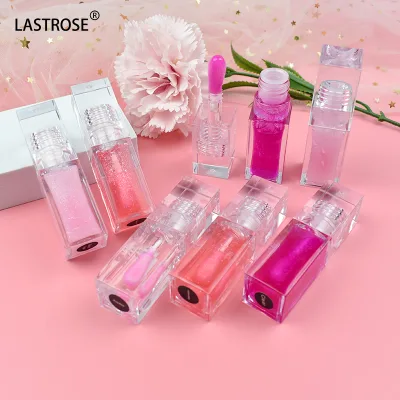
Natural Formula Moisturizing Tinted Lip Oil for Dry Lips Glass Skin Look Hydrating Lip Care
$1.30 - $2.00
MOQ: 10 sets
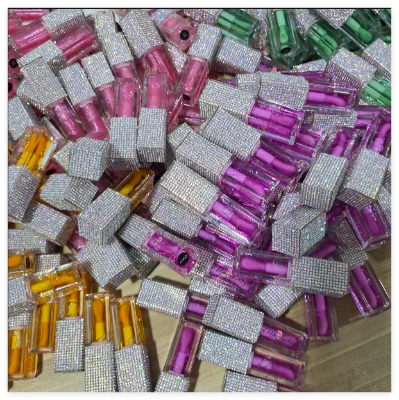
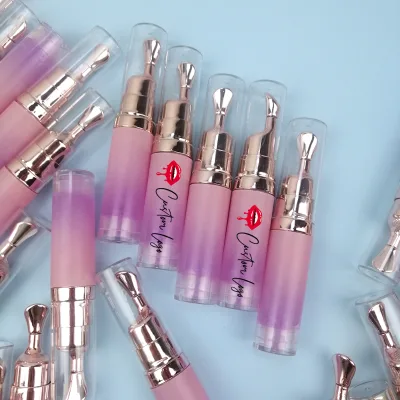
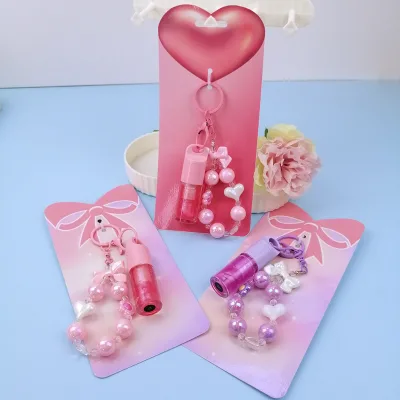
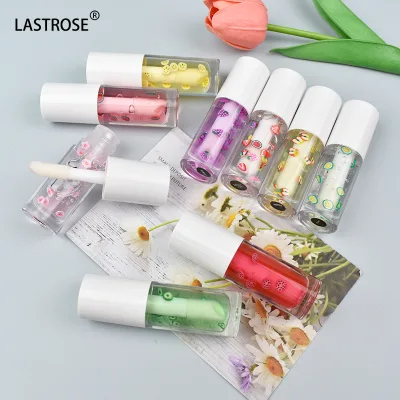
$1.30 - $2.00
MOQ: 10 pieces
Xuchang Jinbang Hair Products Co., Ltd.
- Verified by SGS Group
- Manufacturer, Trading Company
- Lead time15 days
- Avg. response≤ 3h
Main productsLip cosmetics, Face cosmetics, Eye cosmetics, False eyelash, Make up & tools
Main marketsNorth America(50%), Western Europe(20%), South America(10%)
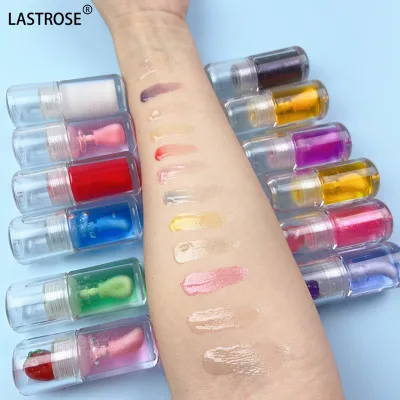
Lip Oil Changing for Lip and Face Gloss Flavoring Oil Fruit Tint Glow Lip Oil
$0.80 - $1.70
MOQ: 10 pieces
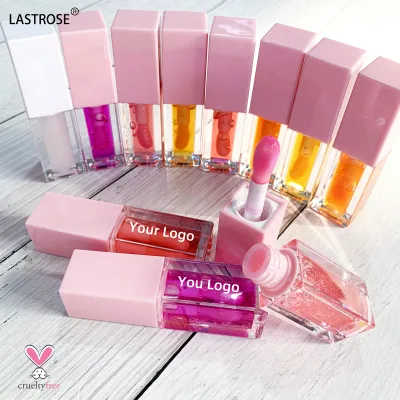

Zhejiang Yafu Cosmetics Co., Ltd
- Verified by SGS
- Combined
- China Zhejiang
- Lead time30 days
- Avg. response≤ 3h
Main productslipstick
Main marketsEast Asia(Japan/ South Korea),Europe,North America
Guangzhou Doriff Cosmetics Co., Ltd.
- Verified by SGS Group
- Manufacturer, Trading Company
- Lead time35 days
- Avg. response≤ 4h
Main productsLipstick, Lipgloss, Lipbalm, Eyeshadow, Foundation
Main marketsNorth America(25%), Africa(16%), Mid East(15%)
$1.0113 - $1.3509
MOQ: 200 pieces

Enffel (tianjin) Technology Co., Ltd.
- Trading Company
- Tianjin, China
- Lead time0 days
- Avg. response≤ 3h
Main productsBags & Cases,Shimmer Body Oils,eye products,lip products,Kid bag
Main marketsNorth America(50.00%), South America(25.00%), Africa(10.00%), Central America(10.00%), Southeast Asia(5.00%)
Shenzhen Fundy Cosmetics Co., Ltd.
- Trading Company
- Lead time旺季: "1 - 50":8,"51 - 200":15,"201 - 500":20,"> 500":"To be negotiated", 淡季: "1 - 50":8,"51 - 200":15,"201 - 500":20,"> 500":"To be negotiated"
- Avg. response≤ 3h
Main productsEye Shadow, Lipstick, Blush, Highlighter, Liquid Foundation
Jialide (Guangzhou) Technology Co., Ltd.
- Verified by SGS Group
- Trading Company
- Lead time3 days
- Avg. response≤ 3h
Main productsHair Fiber, Makeup, Hair Styling, Body Care
Main marketsNorth America(35%), Western Europe(30%), South Asia(8%)
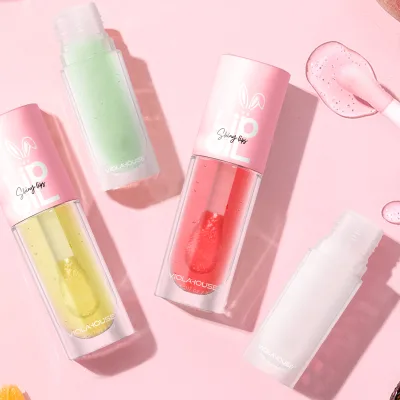
$0.9305 - $1.0846
MOQ: 1000 pieces
Rhine International Biotechnology (Guangdong) Co., LTD.
- Verified by SGS Group
- Manufacturer, Trading Company
- Lead time15 days
- Avg. response≤ 6h
Main productsLipstcik, Lip Balm, Lip Gloss, Lip Mask, Lip Care
Main marketsNorth America(40%), Western Europe(15%), Oceania(10%)
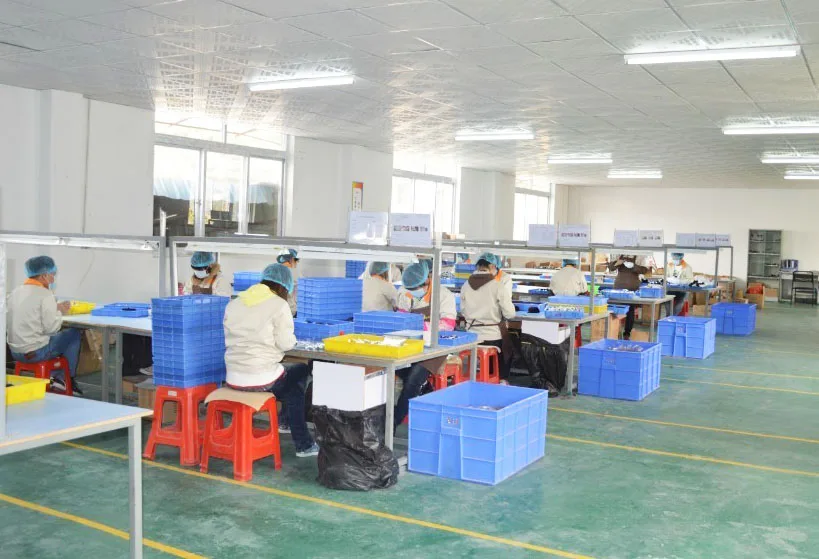
Hangzhou Forever Beauty Cosmetics Co., Ltd.
- Manufacturer, Trading Company
- Zhejiang, China
- Lead time30 days
- Avg. response≤ 5h
Main productshair styling products,body beauty care products,face cleaner,Hair stick gel,man's makeup
Main marketsWestern Europe(30.00%), North America(30.00%), Domestic Market(8.00%), Eastern Europe(5.00%), Oceania(5.00%), Northern Europe(5.00%), Southeast Asia(5.00%), Mid East(2.00%), Africa(2.00%), Central America(2.00%), South Asia(2.00%), Eastern Asia(2.00%), Southern Europe(1.00%), South America(1.00%)

Zhejiang Smile Biological Technology Co., Ltd
- Verified by BV
- Combined
- China Zhejiang
- Lead time23 days
- Avg. response≤ 24h
Main productsLipstick
Main marketsAfrica,Southeast Asia/ Mideast,Europe,Australia,North America

Guangzhou Mebamy Cosmetics Co., Ltd.
- Verified by TUVRHEINLAND
- Manufacturer/Factory
- China Guangdong
- Lead time15 days
- Avg. response≤ 1h
Main productsFace Serum, Soap, Face Cream, Sunscreen, Eyelash Growth Serum, Teeth Whitening, Face Mask, Facial Cleanser, Essential Oil, Hair Care Series
Main marketsNorth America,Western Europe


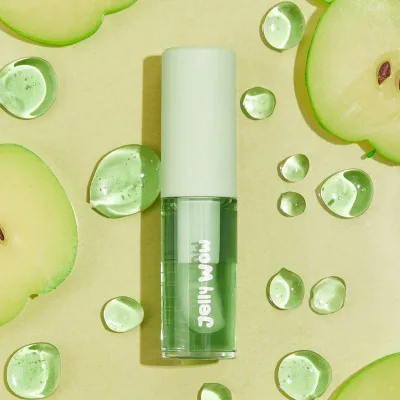
Custom Moisturizing Vegan Apple Coconut Lip Oil Private Label for Dry Lips
$0.69 - $0.99
MOQ: 3000 Pieces

Shenzhen Vili Cosmetics Co., Ltd
- Verified by CTI
- Combined
- China Guangdong
- Lead time15 days
- Avg. response≤ 4h
Main productsLip Gloss, Lipstick, Nail Polish, Mascara, Lip Balm, Lip Oil, Makeup Base, Eye Shadow, Pressed Powder, Eyeliner
Main marketsSoutheast Asia/ Mideast,Domestic,Europe,North America
Guangzhou Fuxin International Trade Co.,ltd.
- Verified by Intertek
- Manufacturer, Trading Company
- Lead time35 days
- Avg. response≤ 2h
Main productsMake-up Productions, Lipstick, Lip Gloss, Personal Care Products, Skin-care Productions
Main marketsNorth America(39%), South America(16%), Southeast Asia(13%)

Jinhua Magic Color Cosmetic Co., Ltd.
- Manufacturer, Trading Company
- Zhejiang, China
- Lead time0 days
- Avg. response≤ 3h
Main productsCosmetic Set, Lipstick, Lip Gloss, Eyeshadow, Kids Makeup Kit
Main marketsMid East(29.00%), Southeast Asia(15.00%), Africa(8.00%), Eastern Europe(8.00%), South Asia(6.00%), North America(6.00%), Western Europe(6.00%), Eastern Asia(5.00%), South America(5.00%), Northern Europe(5.00%), Oceania(2.00%), Southern Europe(2.00%), Domestic Market(2.00%), Central America(1.00%)
Shenzhen Kaichenxing Technology Co., Ltd.
- Manufacturer, Trading Company
- Guangdong, China
- Lead time0 days
- Avg. response≤ 5h
Main productsbeauty products,personal care,Eyelashes,hair removal machine,slimming machine
Main marketsSouth America(30.00%), Eastern Europe(20.00%), North America(18.00%), South Asia(10.00%), Northern Europe(8.00%), Southeast Asia(5.00%), Western Europe(5.00%), Africa(4.00%)
- Trading Company
- Zhejiang, China
- Lead time0 days
- Avg. response≤ 14h
Main productseyeshadow palette,blush,lip stick,contour,high light
Main marketsNorth America(80.00%), Eastern Europe(15.00%), South America(5.00%)

Hangzhou LLCY Trading Co., Ltd.
- Trading Company
- Zhejiang, China
- Lead time0 days
- Avg. response≤ 4h
Main productseye shadow,lipstick,face painting,eyebrow,face beauty
Main marketsEastern Europe(20.00%), North America(20.00%), Northern Europe(10.00%), Western Europe(10.00%), Southeast Asia(10.00%), South America(10.00%)






Comprehensive Sourcing Guide
Waterproof Herbal Lip Oil Supplier Concentration and Factory Types
The current supplier landscape for Waterproof Herbal Lip Oil reveals a distinct geographic and operational concentration that buyers must navigate carefully. Evidence indicates that manufacturing capabilities are heavily clustered in specific Chinese provinces, with Guangdong and Hebei emerging as primary hubs for this category. Suppliers in Guangdong often operate as trading companies or hybrid entities, leveraging the region’s established cosmetics infrastructure to offer diverse product lines that include hair care, eye care, and beauty makeup alongside lip products. This concentration allows for efficient supply chain integration, where raw material sourcing and packaging customization can occur within close proximity. In contrast, suppliers located in Hebei may focus more narrowly on specific active ingredients or specialized formulations, such as hyaluronic acid-based moisturizers, which can be integrated into herbal lip oil blends. Understanding this geographic split is crucial for buyers, as it influences not only the type of product available but also the logistical ease of sourcing. Buyers should recognize that while Guangdong offers a broad spectrum of finished goods and private label options, Hebei-based suppliers might provide more specialized ingredient-focused solutions. This regional distinction helps in narrowing down the search based on whether the priority is volume production with diverse SKUs or specialized formulation expertise. The presence of both trading companies and manufacturers in these regions means that buyers must distinguish between direct factory access and intermediary services, as this distinction impacts pricing structures and communication efficiency.
Factory types vary significantly across these regions, influencing the buyer’s ability to customize products and manage quality control. Many suppliers in the current results identify as trading companies, which can offer flexibility in sourcing multiple product types but may add layers to the communication process. Conversely, manufacturers with OEM/ODM capabilities provide direct control over the production process, allowing for deeper customization of herbal extracts and waterproof formulations. Some suppliers explicitly state their capacity for sample processing and graphic customization, which is vital for brands looking to create unique market offerings. The distinction between a pure trading entity and a manufacturer with in-house production lines is critical for assessing lead times and minimum order quantities. Trading companies might offer lower MOQs to attract smaller buyers, whereas manufacturers may require higher volumes to justify production runs. Additionally, the type of factory affects the ability to implement specific certifications and standards. Manufacturers with direct control over their facilities are often better positioned to maintain consistent quality for herbal ingredients, ensuring that the waterproof properties are not compromised by natural variations in plant extracts. Buyers should prioritize suppliers who clearly articulate their manufacturing capabilities, as this transparency often correlates with better quality assurance and more reliable delivery schedules. Recognizing these factory types helps in aligning supplier selection with specific business needs, whether that be rapid prototyping, large-scale production, or specialized ingredient sourcing.
How to Verify Waterproof Herbal Lip Oil Suppliers
Verifying suppliers for Waterproof Herbal Lip Oil requires a rigorous approach to credential validation and operational assessment. Buyers must prioritize suppliers who display recognized certifications such as GMPC, ISO, MSDS, FDA, and GMP, as these indicate adherence to international manufacturing and safety standards. The presence of SGS verification is another strong indicator of reliability, suggesting that the supplier has undergone third-party audits for quality and compliance. However, certifications alone are not sufficient; buyers should also examine the supplier’s response time and lead time metrics to gauge operational efficiency. A response time of under three days and a lead time of fifteen to twenty-three days are common benchmarks, but deviations from these norms may signal potential bottlenecks in production or communication. It is essential to verify that the supplier’s stated capabilities align with their actual output, particularly when dealing with herbal ingredients that may require specific handling or storage conditions. Buyers should request detailed documentation of these certifications and cross-reference them with issuing bodies to ensure authenticity. Additionally, checking for any history of compliance issues or recalls can provide insight into the supplier’s long-term reliability. The verification process should also include an assessment of the supplier’s main product focus; those specializing in lip care or cosmetics are likely to have more refined processes for waterproof herbal formulations than generalist traders. This targeted verification helps mitigate the risk of receiving substandard products that fail to meet waterproof or herbal integrity requirements.
Beyond certifications and metrics, buyers should engage in direct communication to assess the supplier’s technical expertise and customization capabilities. Inquiring about the specific herbal ingredients used and their sources can reveal the depth of the supplier’s knowledge and supply chain transparency. Suppliers who can provide detailed information about their raw material sourcing, such as the origin of herbal extracts and their purity levels, are often more trustworthy. Buyers should also ask about the supplier’s ability to handle custom formulations, including private labeling and packaging customization, as these are common requirements in the beauty industry. The availability of samples is a critical step in verification, allowing buyers to test the product’s waterproof properties, texture, and herbal scent firsthand. Suppliers who readily provide samples and are responsive to technical questions demonstrate a commitment to quality and customer satisfaction. Furthermore, examining the supplier’s product portfolio for consistency in quality and innovation can provide additional confidence. Products that feature advanced features like color-changing properties or long-lasting wear, combined with herbal benefits, indicate a supplier’s ability to innovate and meet market demands. Buyers should also consider the supplier’s capacity for scaling production, ensuring that they can meet increasing order volumes without compromising quality. This comprehensive verification process, combining credential checks, operational metrics, and direct engagement, ensures that buyers select suppliers who can reliably deliver high-quality Waterproof Herbal Lip Oil.
What to Compare Across Waterproof Herbal Lip Oil Suppliers
When evaluating suppliers for Waterproof Herbal Lip Oil, buyers must compare a range of operational and commercial dimensions to identify the best fit for their business needs. Key factors include lead time, minimum order quantity (MOQ), response speed, and pricing structures. Lead times can vary significantly, with some suppliers offering as little as fifteen days while others may require up to twenty-three days. This difference can impact inventory management and time-to-market strategies, making it crucial for buyers to align supplier lead times with their sales cycles. MOQs are another critical comparison point, ranging from low thresholds of ten units for sampling or small batches to higher volumes of two thousand units for full production runs. Buyers with limited capital or those testing new markets may prefer suppliers with lower MOQs, while those with established distribution channels might benefit from the economies of scale offered by higher-volume suppliers. Response speed is also a vital metric, with average response times around two to four days indicating a supplier’s responsiveness to inquiries and order updates. Faster response times can facilitate smoother communication and quicker resolution of issues, which is particularly important for custom orders. Pricing should be compared not just on a per-unit basis but also in relation to the MOQ and customization options offered. Some suppliers may offer competitive pricing for standard products but charge premiums for private labeling or unique herbal formulations. Buyers should also consider the supplier’s main product focus, as those specializing in lip care may offer better value and expertise than generalist suppliers.
In addition to operational metrics, buyers should compare the range of customization options and product features available from different suppliers. The ability to customize packaging, logos, and product formulations is a significant differentiator in the beauty industry. Suppliers that offer flexible packaging solutions, such as custom boxes or bottles, and allow for logo printing provide greater brand control for buyers. Product features like waterproofing, moisturizing properties, and herbal ingredients should be compared to ensure they meet specific market demands. Some suppliers may offer advanced features like color-changing properties or long-lasting wear, which can be key selling points for certain customer segments. Buyers should also evaluate the supplier’s certification portfolio, as those with multiple certifications like GMPC, ISO, and FDA may offer higher assurance of quality and safety. The supplier’s location can also influence logistics costs and delivery times, with suppliers in Guangdong or Hebei offering different logistical advantages. Additionally, buyers should compare the supplier’s capacity for innovation, such as their ability to develop new herbal blends or respond to trending ingredients. This comprehensive comparison helps buyers identify suppliers that not only meet basic requirements but also offer strategic advantages in terms of customization, quality, and market responsiveness. By carefully weighing these factors, buyers can make informed decisions that align with their brand positioning and operational capabilities.
Common Waterproof Herbal Lip Oil Sourcing Risks
Sourcing Waterproof Herbal Lip Oil involves several inherent risks that buyers must proactively manage to ensure product quality and supply chain stability. One significant risk is the variability in herbal ingredient quality, which can affect the product’s efficacy and consistency. Herbal extracts are natural products, and their composition can vary based on harvest conditions, sourcing locations, and processing methods. Buyers must ensure that suppliers have robust quality control measures in place to standardize these variations, particularly for critical attributes like waterproofing and moisturizing performance. Another risk is the potential for miscommunication regarding customization requirements, which can lead to products that do not meet brand specifications. This is especially relevant for private label orders, where packaging, logo placement, and product formulation must be precisely executed. Buyers should mitigate this risk by providing detailed specifications and maintaining open communication throughout the production process. Additionally, there is a risk of supply chain disruptions, particularly if suppliers rely on single sources for key ingredients or packaging materials. Buyers should assess the supplier’s supply chain resilience and their ability to source alternative materials if needed. Regulatory compliance is another critical risk, as different markets have varying requirements for cosmetic products, including restrictions on certain herbal ingredients or labeling standards. Buyers must ensure that suppliers are up-to-date with these regulations to avoid customs delays or product recalls.
Further risks include the potential for quality inconsistencies in waterproof formulations, which can compromise the product’s performance and customer satisfaction. Waterproof lip oils must maintain their integrity under various conditions, and any failure in this regard can damage brand reputation. Buyers should request samples and conduct thorough testing to verify waterproof properties before placing large orders. There is also the risk of pricing volatility, particularly if raw material costs fluctuate significantly. Buyers should negotiate fixed pricing agreements or include clauses that address cost changes to protect their margins. Additionally, the risk of intellectual property infringement is a concern, especially for suppliers offering private label services. Buyers must ensure that their brand assets are protected and that suppliers do not share their designs or formulations with competitors. Finally, there is the risk of logistical delays, which can impact inventory levels and sales opportunities. Buyers should work with suppliers who have reliable logistics partners and clear communication channels to track shipments. By identifying and addressing these risks through careful supplier selection, detailed contracts, and proactive quality control, buyers can minimize disruptions and ensure a successful sourcing experience for Waterproof Herbal Lip Oil.
Waterproof Herbal Lip Oil Regional Sourcing and Logistics
Regional sourcing plays a pivotal role in the logistics and cost structure of Waterproof Herbal Lip Oil procurement. The current supplier data highlights China as the primary sourcing region, with specific concentrations in Guangdong and Hebei provinces. Guangdong, known for its robust cosmetics manufacturing ecosystem, offers advantages in terms of supply chain integration and packaging customization. Suppliers in this region often benefit from proximity to raw material suppliers and packaging manufacturers, which can reduce lead times and logistical costs. Hebei, on the other hand, may offer different logistical advantages, particularly for suppliers focusing on specific ingredients like hyaluronic acid. Buyers must consider the logistical implications of sourcing from these regions, including shipping times, customs procedures, and transportation costs. The distance between the supplier’s location and the buyer’s destination will significantly impact delivery times and overall costs. Buyers should also evaluate the supplier’s experience with international shipping and their ability to handle export documentation efficiently. Understanding the regional logistics landscape helps buyers make informed decisions about supplier selection and inventory management.
Logistics planning must also account for the specific handling requirements of herbal lip oil products. These products may have sensitivity to temperature and humidity, which can affect their stability and shelf life. Buyers should ensure that suppliers use appropriate packaging and shipping methods to protect the product during transit. This may include using temperature-controlled containers or moisture-resistant packaging materials.
FAQs
What certifications do Waterproof Herbal Lip Oil suppliers hold?
Suppliers in China offer products certified under GMPC, ISO, MSDS, FDA, and GMP standards. These credentials ensure manufacturing safety and regulatory compliance for international export. Buyers should verify specific certificates for their target markets to confirm that the lip oil meets local cosmetic regulations and quality requirements.
What is the typical lead time for lip oil orders?
Manufacturers generally report lead times ranging from 15 to 23 days for production and delivery. Some suppliers indicate zero lead time for sample processing or immediate stock availability. Buyers should confirm exact timelines with the supplier to align with their inventory planning and launch schedules effectively.
What are the minimum order quantities for private label lip oil?
Minimum order quantities vary significantly, starting from as low as 10 units for some suppliers up to 2000 units for others. This flexibility allows buyers to test market demand with small batches or place larger wholesale orders. Always check the specific MOQ requirements for the chosen product model and packaging.
How quickly do suppliers respond to sourcing inquiries?
Response times for lip oil inquiries typically range from 2.15 to 4.17 hours. Faster response rates indicate active sales teams ready to assist with customization and pricing details. Prompt communication helps streamline the negotiation process and ensures timely resolution of technical questions regarding ingredients and packaging.
What is the price range for wholesale lip oil?
Wholesale prices for lip oil generally range from $0.80 to $2.69 per unit. The cost depends on factors such as certification levels, packaging customization, and order volume. Buyers can find options starting at $1.20 for basic models or up to $2.69 for premium private label services.
Can suppliers provide vegan and moisturizing lip oil formulas?
Yes, many suppliers offer vegan formulas enriched with ingredients like vitamin E, vitamin C, and mineral extracts. These products are designed to be moisturizing, nourishing, and waterproof. Buyers can request specific ingredient profiles to ensure the lip oil meets their brand's ethical and functional standards.