Source Handmade Palestine Flag Braided Bracelet for gifts, parties, and events
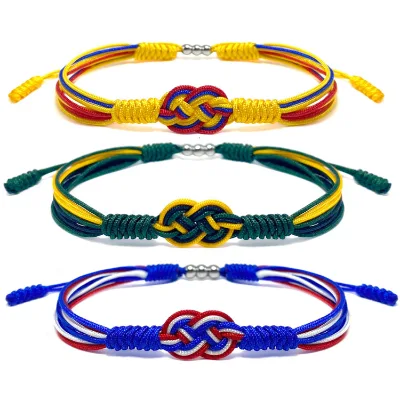
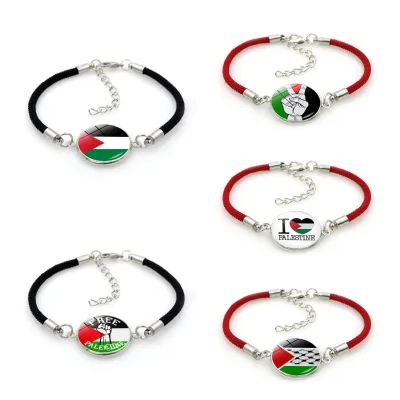
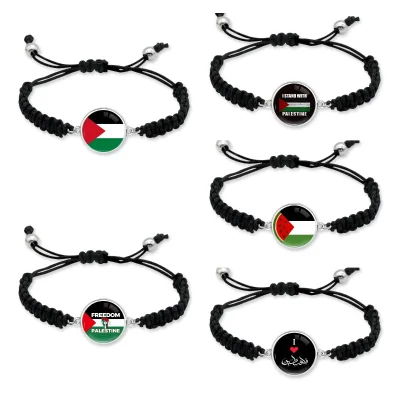
Compare 30 listings for the Handmade Palestine Flag Braided Bracelet from suppliers in China. Options include polyester, cotton, and leather materials with adjustable lengths and various color codes for unisex wear; compare the available evidence and request quotations based on your requirements.
Updated
Key considerations
Products List
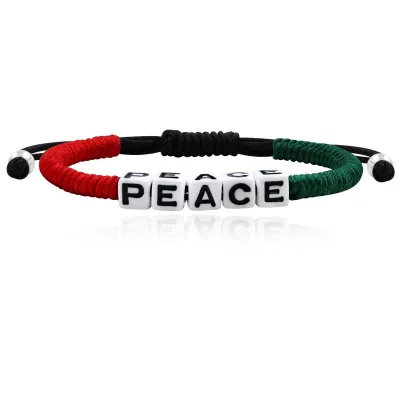
Handmade Palestine Braided Bracelet Palestinian Flag Woven Bead PEACE Bracelet
$1.898 - $1.9699
MOQ: 12 pieces
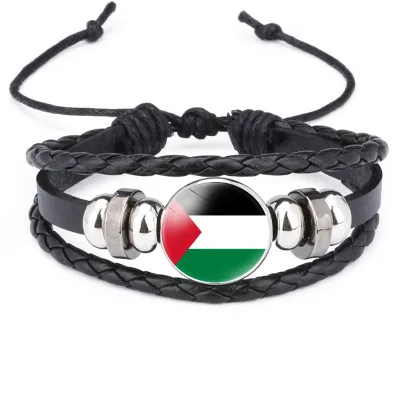
Custom Logo Country Flags Palestine Bracelet Handmade Adjustable Leather Bracelet
$0.5647 - $0.6681
MOQ: 24 pieces
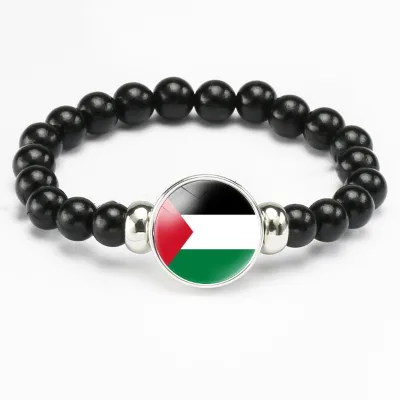
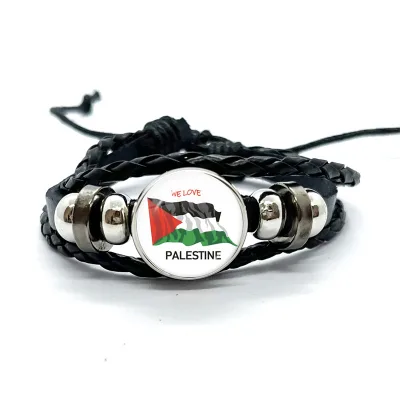
Custom Logo SAVE FREE Palestine Flag Time Gem Handwoven Adjustable Bracelet
$0.5677 - $0.6696
MOQ: 30 pieces
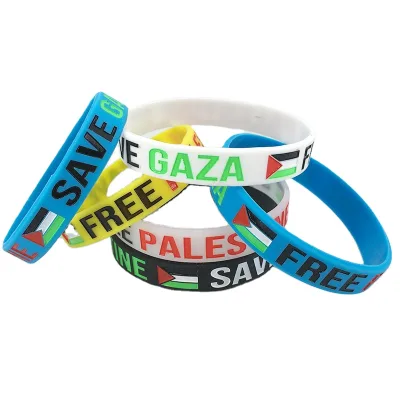
Free Palestine Palestine Israel Flag Commemorative Faith Silicon Rubber Bracelet
$0.1543 - $0.2052
MOQ: 100 pieces
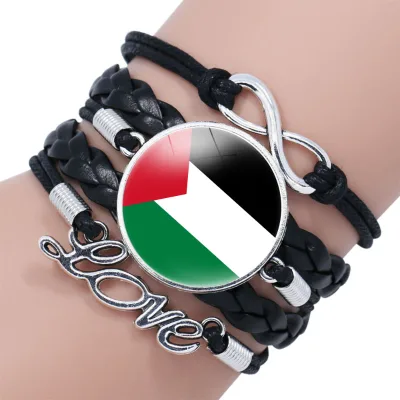
Wholesale Palestine Products Hot Selling Palestine Bracelet Wristband
$0.5647 - $0.6681
MOQ: 30 pieces
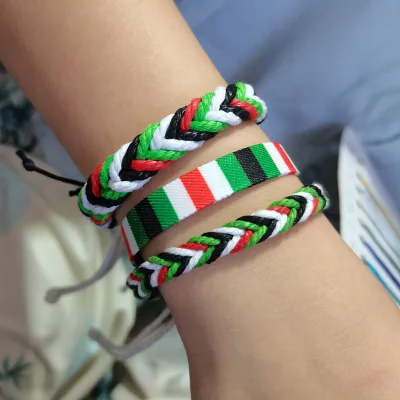
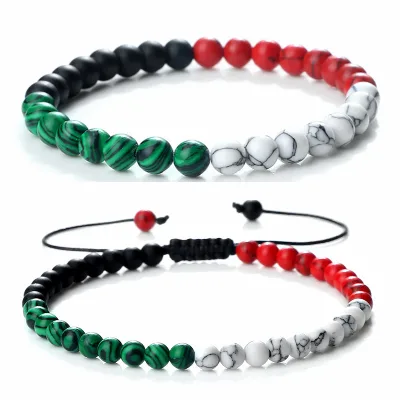
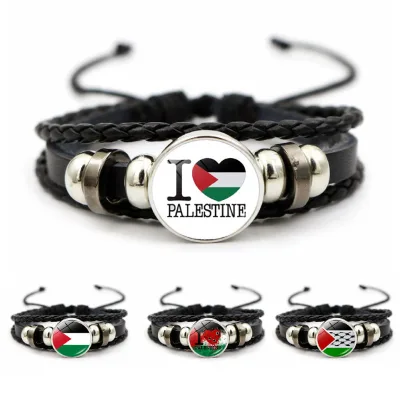
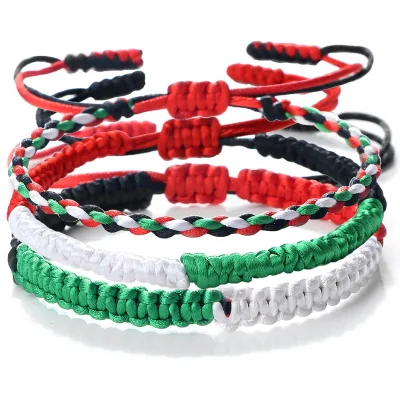
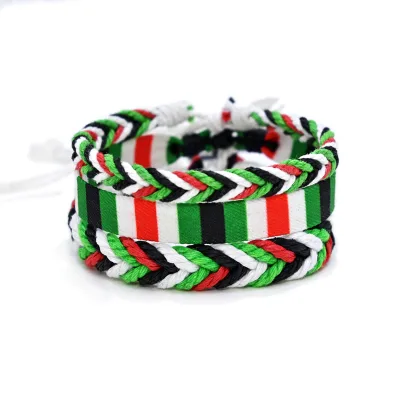
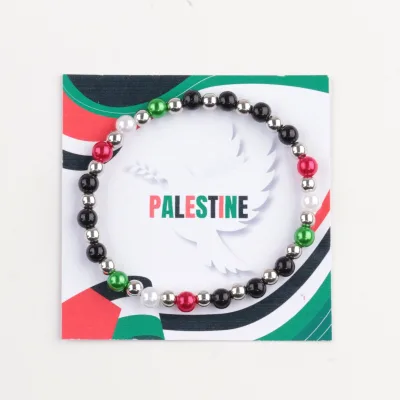
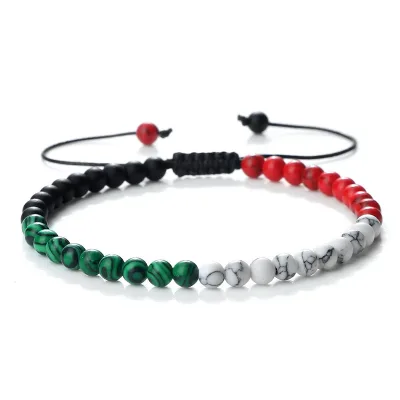
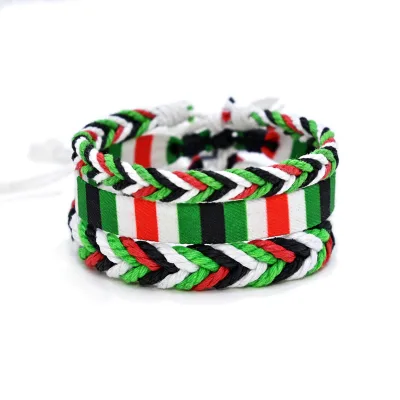
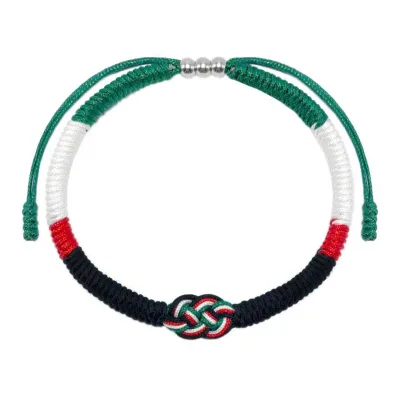
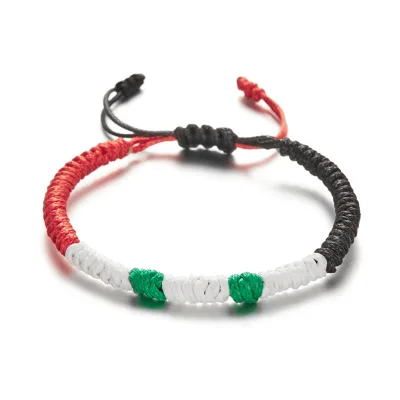
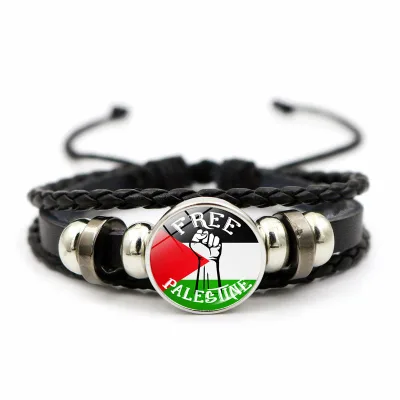
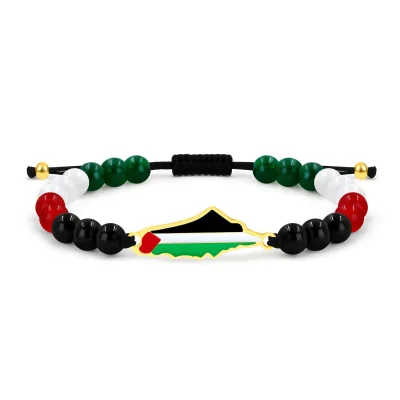
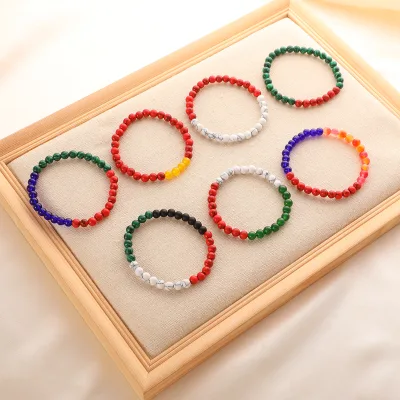



China Manufacturer Wholesale Palestine Silicone Wristband Palestine Bracelet
$0.10 - $0.19
MOQ: 100 Pieces
Comprehensive Sourcing Guide
Handmade Palestine Flag Braided Bracelet Sourcing Guide
Sourcing handmade bracelets featuring the Palestinian flag design requires careful attention to cultural symbolism, material authenticity, and supplier transparency. These items often serve as symbols of solidarity, political expression, or cultural pride, making their production sensitive to ethical sourcing standards. Buyers must ensure that the visual representation of the flag adheres to recognized proportions and color codes, as deviations can undermine the product’s intended message. Additionally, the "handmade" designation implies a level of craftsmanship that varies significantly between suppliers, necessitating rigorous sample evaluation before committing to bulk orders.
The global market for such accessories is driven by both retail consumers and organizational buyers seeking meaningful merchandise. Procurement teams must balance aesthetic fidelity with practical durability, as braided bracelets are subject to wear and tear. Understanding the supply chain from raw material sourcing to final assembly is crucial for maintaining quality consistency. Buyers should also consider the geopolitical context of production, ensuring that manufacturing partners operate within legal frameworks that respect international trade laws and labor standards. This holistic approach mitigates risks associated with cultural misrepresentation or supply chain disruptions.
Product Scope and Observed Listing Signals
Current market listings reveal a diverse range of products categorized under similar keywords, including items labeled as "Trendy," "Classic," or "Hot Selling Bracelets." Observed attributes indicate a wide variety of materials, from polyester strings and cotton to artificial leather and plastic components. Some listings feature crystal or rhinestone embellishments, while others focus on simple braided designs. The presence of multiple model numbers, such as B250505102, NL22, and ZA447, suggests that suppliers offer extensive customization options or distinct product lines under generic search terms. Buyers must carefully distinguish between genuine handmade flag bracelets and mass-produced imitations that may lack cultural accuracy.
Color options vary significantly across listings, with some offering limited palettes of three to four colors, while others provide up to thirteen variations. This diversity can be advantageous for branding but complicates the selection process. Length specifications also differ, with options ranging from fixed sizes like 16cm and 19cm to adjustable designs. The observed single gross weights range from 0.015 kg to 0.060 kg, indicating variations in material density and construction complexity. Buyers should verify that the specific product they intend to source matches the visual and physical characteristics required for their target audience, avoiding assumptions based on broad category labels.
Technical Specifications to Verify
Verifying the technical specifications of handmade bracelets is critical to ensuring product consistency and customer satisfaction. Key attributes to confirm include the exact material composition, such as whether the braiding uses natural cotton, synthetic polyester, or leather alternatives. The length and adjustability mechanisms must be tested for durability, as loose knots or weak fastenings can lead to product failure. Additionally, the precision of the flag design is paramount; buyers should request high-resolution images or physical samples to verify that the red, black, white, and green colors are correctly proportioned and aligned according to standard flag specifications.
Packaging dimensions and weight are essential for logistics planning and cost calculation. Observed single package sizes range from compact 1x1x1 cm boxes to larger 15x15x5 cm containers, reflecting different packaging strategies. Buyers must confirm whether the packaging protects the bracelet from tangling or damage during transit. Furthermore, the brand name and model number should be clearly documented to facilitate inventory management and traceability. Ensuring that the product’s physical attributes align with the technical specifications provided by the supplier prevents discrepancies between ordered and delivered goods, reducing the risk of returns or disputes.
Compliance and Safety Documentation
Compliance with safety and ethical standards is non-negotiable for international procurement, especially for items worn on the skin. Buyers must request relevant certifications, such as Third Party Appraisal certificates, to verify that materials meet international safety regulations. Although some background information mentions REACH compliance, buyers should explicitly confirm whether the supplier’s products adhere to specific regional standards, such as EU REACH or US CPSIA, depending on the target market. This verification ensures that the materials used, including dyes and adhesives, are free from harmful substances like lead, cadmium, or azo dyes.
Religious and cultural sensitivity also plays a role in compliance, particularly for products with specific symbolic meanings. Buyers should ensure that the production process respects cultural integrity and does not involve exploitative labor practices. Documentation should include proof of ethical sourcing for raw materials, particularly if natural fibers like cotton are used. Additionally, any claims regarding the "handmade" nature of the product should be substantiated to avoid misleading consumers. Maintaining a clear audit trail of compliance documents protects the buyer from legal liabilities and reputational damage associated with non-compliant or ethically questionable supply chains.
Cost Drivers and Commercial Terms
The cost of handmade bracelets is influenced by several factors, including material quality, labor intensity, and order volume. Observed price ranges in the market vary widely, reflecting differences in craftsmanship and material sourcing. Buyers should analyze the cost structure to understand how much of the price is attributed to raw materials versus labor. Higher-quality materials, such as genuine leather or premium cotton, will naturally command higher prices. Additionally, the complexity of the braiding pattern and the precision of the flag design can impact production time and, consequently, the unit cost.
Commercial terms, including minimum order quantities (MOQ) and lead times, are critical for inventory planning. Observed MOQs range from 6 to 500 units, offering flexibility for both small-scale retailers and large distributors. Buyers must negotiate terms that align with their sales forecasts and storage capabilities. Payment terms should be structured to mitigate risk, such as using escrow services or partial payments. Understanding the total landed cost, including shipping, duties, and insurance, is essential for accurate margin calculation. Clear communication of these terms with suppliers ensures transparency and prevents unexpected expenses that could erode profitability.
Supplier Qualification and Quality Control
Qualifying suppliers for handmade bracelets requires a thorough assessment of their production capabilities and quality control processes. Buyers should verify the supplier’s location, with observed origins including Zhejiang and Guangdong provinces in China, to assess logistical advantages and regulatory environments. Requesting detailed information about the manufacturing facility, including equipment and workforce size, helps gauge the supplier’s capacity to handle large orders. Additionally, evaluating the supplier’s experience with similar products, such as charm bracelets or wrap bracelets, can provide insights into their expertise and reliability.
Quality control measures must be robust to ensure consistency across batches. Buyers should implement a sampling strategy, requesting pre-production samples and conducting random inspections during production. Key quality indicators include the strength of knots, the accuracy of color matching, and the overall finish of the product. Establishing clear acceptance criteria and communicating them to the supplier is essential for maintaining standards. Regular audits and feedback loops can help identify and address quality issues early in the production cycle, ensuring that the final products meet the buyer’s expectations and customer requirements.
Long-Term Procurement Checks
Long-term procurement success depends on continuous monitoring of supplier performance and market trends. Buyers should establish key performance indicators (KPIs) to track metrics such as on-time delivery, defect rates, and responsiveness to issues. Regular reviews of these metrics help identify potential problems before they escalate and foster a collaborative relationship with suppliers. Additionally, staying informed about changes in cultural symbolism and fashion trends is crucial for maintaining product relevance. The demand for handmade flag bracelets may fluctuate based on global events, requiring agile supply chain management to adapt to shifting market conditions.
Sustainability and ethical considerations are increasingly important in long-term procurement strategies. Buyers should prioritize suppliers who demonstrate a commitment to environmental responsibility and fair labor practices. This includes verifying the sustainability of raw materials and the efficiency of production processes. Building a diverse supplier base can also mitigate risks associated with geopolitical instability or supply chain disruptions. By focusing on long-term partnerships and continuous improvement, buyers can ensure a stable and ethical supply of handmade bracelets that align with their brand values and customer expectations.
FAQs
What materials are used for handmade palestine flag braided bracelets?
These bracelets typically utilize polyester string, cotton, or artificial leather as the primary braiding material. Some designs incorporate crystal or rhinestone accents for added visual appeal. The core structure relies on durable synthetic fibers to maintain shape and color vibrancy during daily wear. Plastic components may also be used for decorative elements or clasps, ensuring a lightweight and comfortable fit for unisex audiences seeking trendy accessories.
Can I find handmade palestine flag braided bracelets with specific certifications?
Yes, certain suppliers offer products with third-party appraisal certificates to verify quality and safety standards. These certifications provide assurance regarding material composition and manufacturing processes. Buyers should verify specific certificate types during the sourcing phase to ensure compliance with regional regulations. This due diligence helps mitigate risks associated with imported jewelry items and ensures the final product meets expected quality benchmarks for international trade.
What is the typical MOQ for handmade palestine flag braided bracelets?
The minimum order quantity generally ranges from 6 to 500 pieces depending on the supplier and customization requirements. Lower MOQs are often available for standard designs, while bulk discounts may apply for larger orders. Buyers should confirm specific MOQ thresholds with manufacturers before placing orders. This flexibility allows small businesses to test market demand while larger retailers can secure competitive pricing through volume purchases.
Which styles are available for handmade palestine flag braided bracelets?
Available styles include wrap bracelets, charm bracelets, and classic designs featuring letter patterns or flag motifs. Options range from trendy, adjustable lengths to fixed sizes like 16cm, 18cm, or 19cm. Color variations often include multiple shades to suit different preferences. These diverse styles cater to various occasions, from casual daily wear to gift-giving, ensuring there is a suitable option for every target demographic.
Where are handmade palestine flag braided bracelets typically manufactured?
These items are primarily manufactured in China, with specific production hubs located in Zhejiang and Guangdong provinces. These regions are known for their robust jewelry manufacturing infrastructure and supply chain efficiency. Buyers sourcing from these locations can often benefit from competitive pricing and faster lead times. Understanding the place of origin helps in assessing logistics costs and potential import duties for international shipments.
How are handmade palestine flag braided bracelets packaged for shipment?
Packaging dimensions vary by model, with common single package sizes including 5x5x5 cm, 13x5x2 cm, and 15x15x5 cm. The gross weight per unit typically ranges from 0.015 kg to 0.060 kg. Standard packaging ensures safe transit and protects the bracelet from damage. Buyers should request specific packaging details to calculate shipping volumes accurately and optimize freight costs for bulk orders.