Micro Insert Body Jewelry Suppliers and Manufacturers
Source 22 verified suppliers for Micro Insert Body Jewelry. Compare key dimensions including lead times, MOQs, certifications, and response rates. Review product specifications and request quotes directly from manufacturers and trading companies; review the available evidence before requesting comparable quotations from suitable candidates.
Updated
Suppliers List

Shenzhen City Jini Jewelry Co., Ltd.
- Manufacturer, Trading Company, Distributor/Wholesaler
- Guangdong, China
- Lead time15 days
- Avg. response≤ 3h
Main productsG23 TI/ASTM F-136 TI Body Piercing Jewelry,10/12/14/18K Solid GoldPiercing,Surgical Steel Body Piercing Jewelry,Niobium Body Piercing Jewelry,Labret Rings Navel Rings Ear Tunnel and Plugs Nose Rings Dermal Tops and Dermal Anchors Nipple Rings Eyebrow Rings & Curves Industrial Barbells CBR and BCR Shamballa series
Main marketsNorth America(49.00%), Northern Europe(20.00%), Eastern Europe(20.00%), Western Europe(10.00%), Oceania(10.00%), South America(10.00%), Southern Europe(10.00%), Southeast Asia(5.00%), Central America(1.00%), South Asia(1.00%)

Shenzhen Amengwei Jewelry Co., Ltd.
- Trading Company,Manufacturer/Factory
- China Guangdong
- Lead time23 days
- Avg. response≤ 18h
Main productsBody Piercing Jewelry, Hinged Segment Ring, Nose Ring Belly Ring, Stainless Steel Jewelry, Labret Lip Ring, Earring, Necklace, Bracelet, Ring
Main marketsSouth America,Eastern Europe,Mid East,North America,Southeast Asia,Eastern Asia,Oceania,Western Europe,Africa


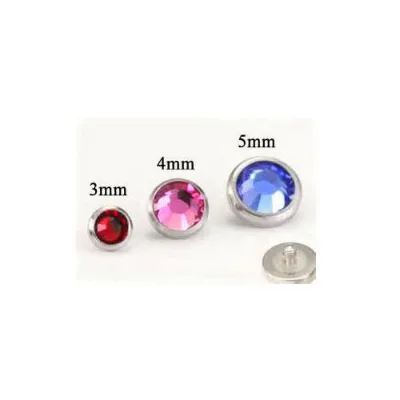
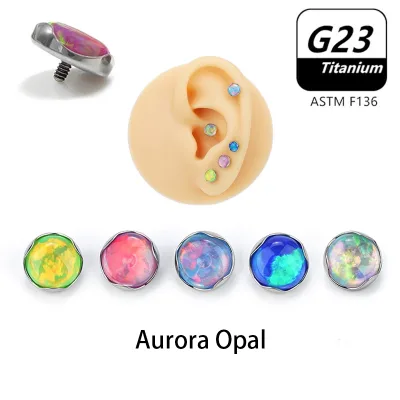
Dermal Anchor Tops and Base Titanium Microdermal Piercing Body Jewelry Opal Top Size 3mm 4mm 5mm
$1.47 - $2.15
MOQ: 50 Pieces

316L Surgical Steel Nipple Ring Body Piercing Threadless with Insert Pin Latest Design
$1.30 - $1.60
MOQ: 10 Pieces

Dongguan Guanzhiniu Jewelry Co., Ltd.
- Combined
- China Guangdong
- Lead time30 days
- Avg. response≤ 17h
Main productsASTM F136 Titanium Body Piercing Jewelry, Piercing Jewellery, Belly Button Rings, Body Jewelry, Body Piercing Jewelry, Nose Ring, Lip Piercing Labret, Curved Barbell Banana, Titanium Piercing Jewelry, ASTM F136 Titanium
Main marketsSouth America,Europe,North America


Gzn G23 Titanium Micro Dermal Anchor Piercing Clear Opal Zircon Top Piercing Titanium Jewelry
$0.20 - $0.26
MOQ: 50 Pieces

Simple Titanium Push in Irregular Hammering Oblong Threadless Top Piercing Body Jewelry
$0.51 - $0.69
MOQ: 50 Pieces

- Verified by SGS
- Trading Company
- China Guangdong
- Lead time15 days
- Avg. response≤ 5h
Main productsPackaging Boxes, Gift Packaging, Jewelry Packaging, Gift Wrapping, Sterling Silver Jewelry, Jewelry, Necklace
Main marketsSoutheast Asia/ Mideast,Europe,Australia

G23 Implant Grade Titanium Surface Barbell Microdermal Anchor Low Allergy Body Jewelry
$0.70 - $0.80
MOQ: 20 Pieces

F136 Titanium Single Point Dermal Surface Piercing Jewelry for Collarbone, Microdermal Implants
$0.50 - $0.70
MOQ: 20 Pieces

F136 Titanium Right Angle Dermal Anchor Double Ended Collarbone Piercing Jewelry
$1.25 - $1.50
MOQ: 20 Pieces
Shenzhen Dunshang Technology Co., Ltd.
- Manufacturer, Trading Company, Distributor/Wholesaler
- Guangdong, China
- Lead time7 days
- Avg. response≤ 4h
Main productsJewelry,Necklace,Bracelet,Earrings,Ring
Main marketsNorth America(40.00%), South Asia(5.00%), Southern Europe(5.00%), Northern Europe(5.00%), Central America(5.00%), Western Europe(5.00%), Eastern Asia(5.00%), Mid East(5.00%), Oceania(5.00%), Africa(5.00%), Southeast Asia(5.00%), Eastern Europe(5.00%), South America(5.00%)
HUNG KUANG ACCESSORIES CO., LTD.
- Manufacturer, Trading Company
- Taiwan, China
- Lead time15 days
- Avg. response≤ 2h
Main productsODM/OEM,wholesales precious metal jewelry and fashion accessories
Main marketsDomestic Market(62.00%), Northern Europe(21.00%), North America(13.00%), Central America(2.00%), Western Europe(1.00%), South America(1.00%)

- Verified by TUVRHEINLAND
- Combined
- China Guangdong
- Lead time30 days
- Avg. response≤ 4h
Main marketsDomestic

Three Bead Earrings Daily Small Earrings Body Piercing Jewelry Titanium Jewelry
$0.49 - $0.78
MOQ: 50 Pieces

Body Piercing Jewelry Thorny Heart Lip Stud Labret Women Daily Wear Jewelry
$1.49 - $2.38
MOQ: 50 Pieces

Simple Style Titanium Triangle Body Piercing Jewelry Lip Stud Labret Piercing Jewelry
$1.84 - $2.94
MOQ: 50 Pieces

Titanium Durable and Sturdy Body Piercing Jewelry High Polished Jewelry with 3 Leaf
$1.57 - $2.52
MOQ: 50 Pieces

OEM Single CZ Dangle Internally Threaded Labret Stainless Steel Body Piercing Jewelry
$0.62 - $0.98
MOQ: 50 Pieces

Body Piercing Jewelry Titanium Alloy External Teeth Three Claw Auspicious Ball Lip Stud Accessories
$0.44 - $0.70
MOQ: 50 Pieces
Dongguan Ciyi Jewelry Co., Ltd.
- Manufacturer, Trading Company
- Guangdong, China
- Lead time30 days
- Avg. response≤ 3h
Main productsASTM F136 titanium piercing jewelry,dermal anchors,navel curves,barbells,labret
Main marketsNorth America(30.00%), Western Europe(25.00%), South America(12.00%), Eastern Europe(10.00%), Oceania(8.60%), Eastern Asia(6.50%), Central America(2.50%), Domestic Market(1.80%)
Guangzhou Zemo Jewelry Company Ltd.
- Verified by Intertek
- Manufacturer, Trading Company
- Lead time25 days
- Avg. response≤ 3h
Main productsBody Piercing Jewelry, Necklace, Earrings, Rings, Bracelet
Main marketsDomestic Market(33%), North America(29%), Eastern Europe(15%)
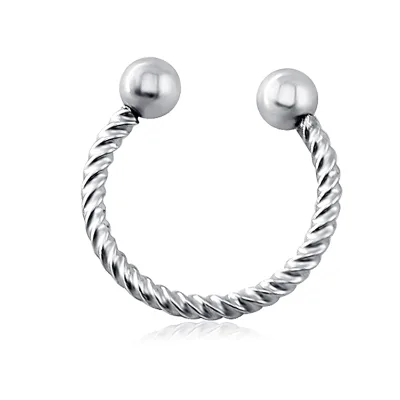
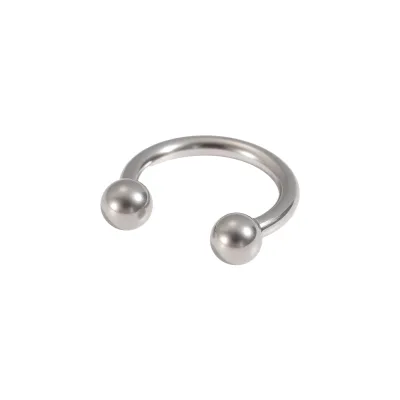
Surgical Steel Threaded Circular Barbells Horseshoes Pierced Body Jewelry
$0.1144 - $0.199
MOQ: 1 pieces
- Trading Company
- Zhejiang, China
- Lead time15 days
- Avg. response≤ 7h
Main products316L body piercing jewelry,Titanium Piercing jewelry,S925 Fashion Jewelry,14K Gold Jewelry,Findings/Jewelry Accessories
Main marketsNorth America(40.00%), South America(30.00%), Western Europe(15.00%), Southern Europe(10.00%), Eastern Europe(5.00%), Northern Europe(5.00%), Southeast Asia(2.00%), Domestic Market(1.00%), Africa(1.00%), South Asia(1.00%), Central America(1.00%), Eastern Asia(1.00%), Mid East(1.00%), Oceania(1.00%)
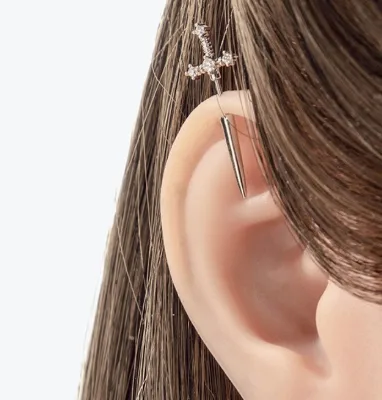
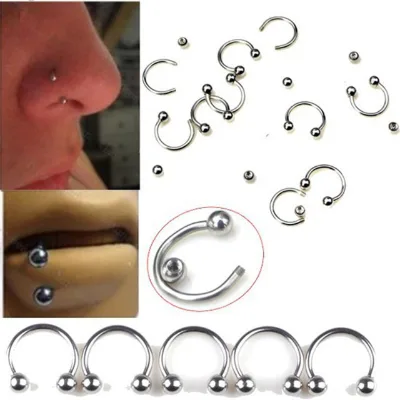
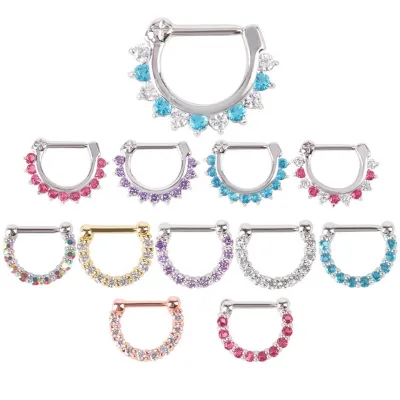
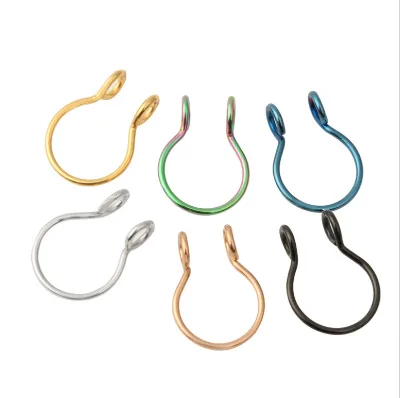
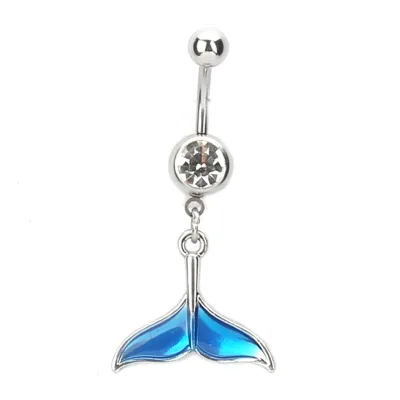
New Arrival Beautiful Charming Crystal Indian Nose Ring Diamond Septum Clicker Body Piercing Jewelry
$0.205 - $0.5131
MOQ: 100 Minimum
SHENZHEN LOFTILY JEWELLERY CO., LTD.
- Verified by Intertek
- Manufacturer, Trading Company
- Lead time7 days
- Avg. response≤ 7h
Main productsNecklace, Earrings, Bracelet, Ring, Keychain
Main marketsNorth America(30%), Eastern Europe(30%), South America(20%)
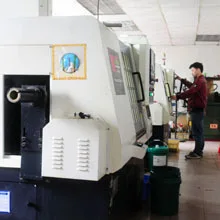
Dongguan Adis Stainless Steel Jewellery
- Manufacturer
- Guangdong Provinc, China
- Lead time10 days
- Avg. response≤ 5h
Main productsFlesh Tunnel,Tongue Barbell,Eyebrow Ring,Labret,Nose Stud
Main marketsSouth America(20.00%), North America(20.00%), South Asia(10.00%), Southern Europe(10.00%), Northern Europe(10.00%), Western Europe(10.00%), Eastern Asia(10.00%), Southeast Asia(10.00%)
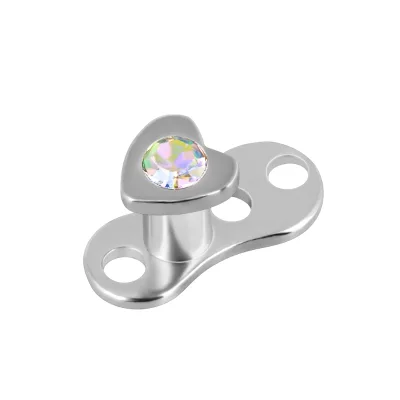
Sexy Accessories Newest Body Skin Diver Body Jewelry Medical Dermal Anchor
$0.15 - $0.45
MOQ: 300 pieces
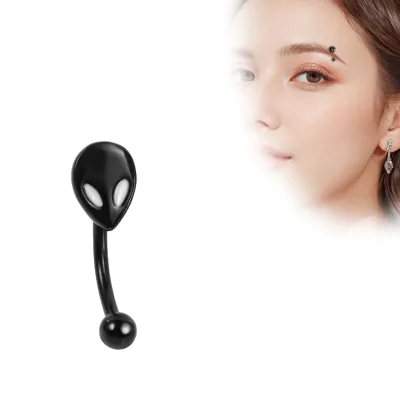
$0.38 - $0.4009
MOQ: 300 pieces

Jinjiang Jiayi Supply Chain Management Co., Ltd.
- Verified by BV
- Trading Company
- China Fujian
- Lead time30 days
- Avg. response≤ 2h
Main productsGift, Shoe, Garment, Machine
Main marketsDomestic
- Manufacturer
- Zhejiang, China
- Lead time25 days
- Avg. response≤ 9h
Main productsATSM F136 Titanium piercing,titanium piercing jewelry,titanium body jewelry,titanium lip piercing,belly ring
Main marketsNorth America(50.00%), Eastern Europe(30.00%), South America(20.00%)
Shenzhen Fendi Jewelry Co., Ltd.
- Manufacturer, Trading Company, Distributor/Wholesaler
- Guangdong, China
- Lead time10 days
- Avg. response≤ 4h
Main productsFashion Jewelry,Body Jewelry,Silicone Gift,Bags,Clothes
Main marketsSouth America(20.00%), North America(20.00%), Central America(10.00%), Mid East(10.00%), Northern Europe(5.00%), Southeast Asia(5.00%), Western Europe(5.00%), Southern Europe(5.00%), Eastern Europe(5.00%), Domestic Market(5.00%), South Asia(5.00%), Eastern Asia(3.00%), Oceania(1.00%), Africa(1.00%)

Dongguan Elf Jewelry Co., Ltd.
- Manufacturer
- Guangdong, China
- Lead time0 days
- Avg. response≤ 3h
Main productsNipple Piercing,Ear Piercing,Eyebrow Piercing,Tongue Piercing,Belly Button Piercing
Main marketsNorthern Europe(40.00%), Eastern Europe(40.00%), South America(20.00%), North America(20.00%)

Shenzhen Right Grand Jewelry Co., Ltd.
- Verified by SGS
- Manufacturer
- China Guangdong
- Lead time15 days
- Avg. response≤ 5h
Main productsNecklace, Bracelet, Earring, Ring, Nose Ring, Ear Piercing, Belly Ring, Nipple Ring
Main marketsSouth America,Europe,North America
Dongguan Jiecheng Accessories Co., Ltd.
- Manufacturer, Trading Company
- Guangdong, China
- Lead time0 days
- Avg. response≤ 1h
Main productsG23 Titanium,F136 Titanium,Nose Ring,Lip Stud,Navel Ring
Main marketsNorth America(30.00%), Mid East(15.00%), South America(15.00%), Africa(10.00%)
- Manufacturer
- Shandong, China
- Lead time21 days
- Avg. response≤ 13h
Main productsTapers,Plugs,Tunnels,Barbells,Labrets
Main marketsSouthern Europe(11.11%), Northern Europe(11.11%), Central America(11.11%), Western Europe(11.11%), Oceania(11.11%), Southeast Asia(11.11%), Eastern Europe(11.11%), South America(11.11%), North America(11.11%)
- Manufacturer, Trading Company
- Zhejiang, China
- Lead time7 days
- Avg. response≤ 3h
Main productsHair Clips,Acetate Hair Claws,custom Hair band,Acetate Hair pin,hair scrunchies
Main marketsNorth America(50.00%), Western Europe(30.00%), Eastern Europe(10.00%), Eastern Asia(10.00%)
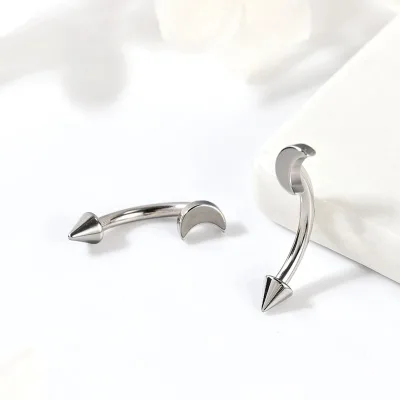
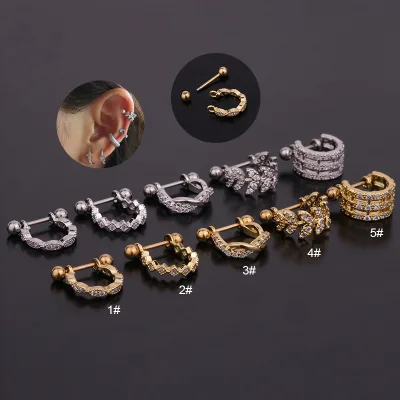
Jachon New U-shaped Zircon Ear Clip Stainless Steel Ear Bone Nail Zircon Cartilage Piercing Jewelry
$1.39 - $1.67
MOQ: 2 pieces

Qingdao Jurenxinyuan International Trade Co., Ltd.
- Verified by BV
- Trading Company,Manufacturer/Factory
- China Shandong
- Lead time0 days
- Avg. response≤ 4h
Main productsASTM F136 Titanium Piercing Jewelry, 14K Solid Gold Piercing Jewelry, Piercing Jewelry, Body Jewelry, 18K Solid Gold Piercing Jewelry

Shenzhen Longhua New District Jincheng Metal & Plastic Products Factory
- Manufacturer
- Guangdong, China
- Lead time0 days
- Avg. response≤ 7h
Main productsbody jewelry,piercing jewelry,puncture accessories,piercing accessories,nose ring
Main marketsNorth America(30.00%), Western Europe(20.00%), Southern Europe(10.00%), South America(10.00%), Africa(10.00%), Southeast Asia(10.00%), Eastern Europe(10.00%)
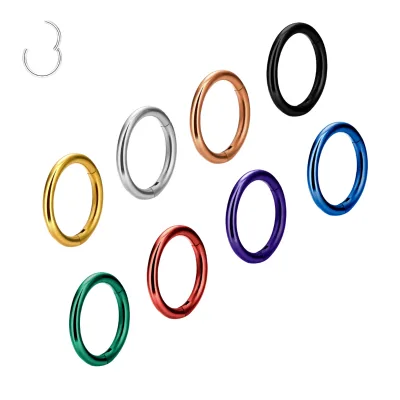
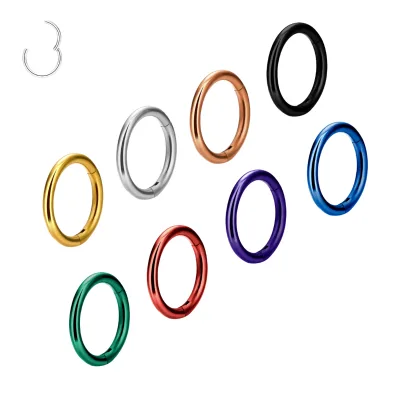
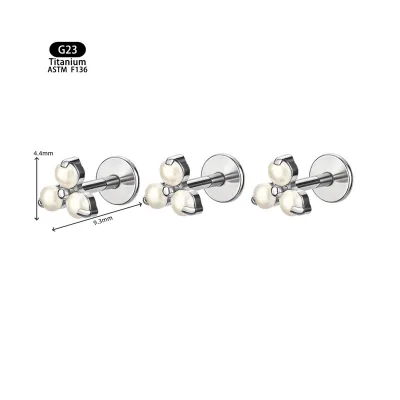
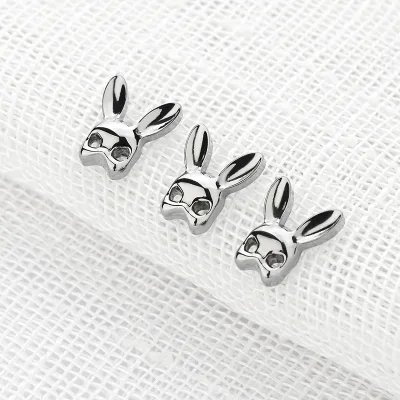


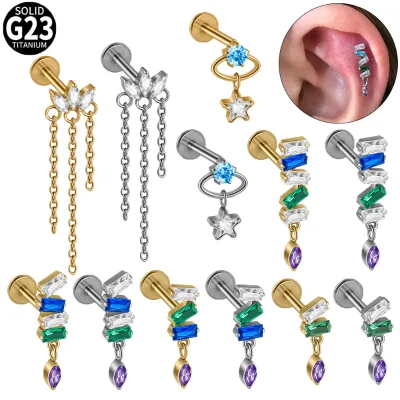
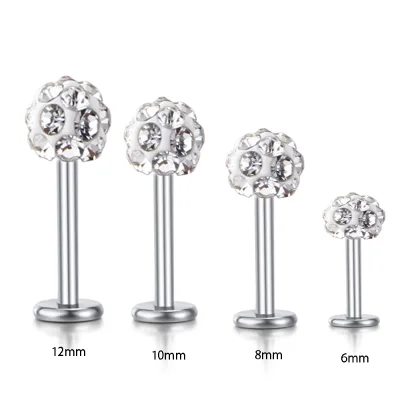
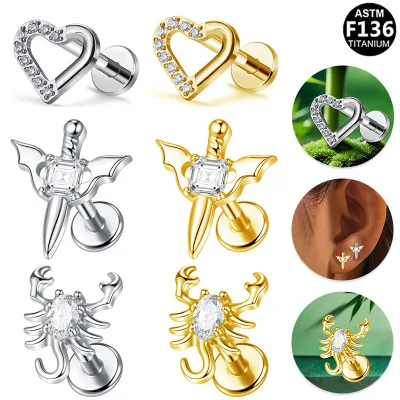
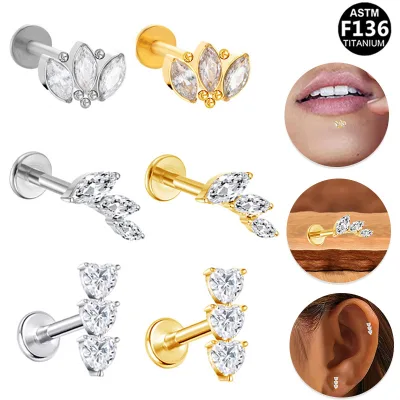


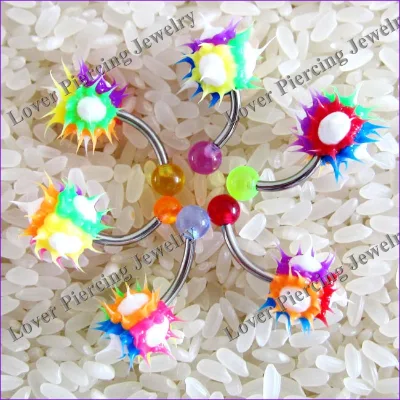
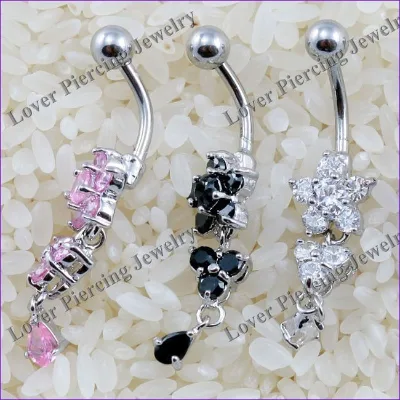


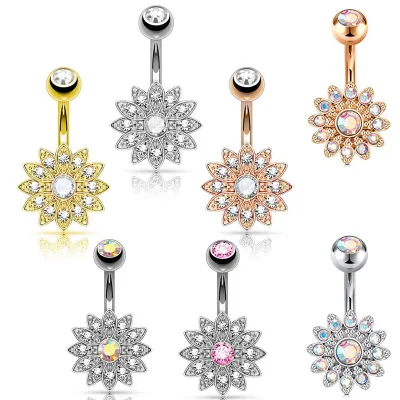
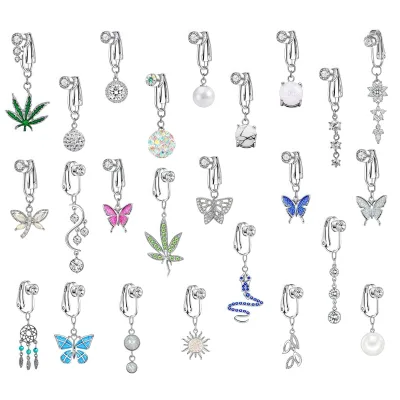
Comprehensive Sourcing Guide
Micro Insert Body Jewelry Supplier Concentration and Factory Types
Suppliers of Micro Insert Body Jewelry in the current results are concentrated in Guangdong, China, which appears as the listed location across the observed company profiles. This province is a recognized base for body piercing jewelry manufacturing, with listings covering dermal anchors, microdermal tops, threadless pieces, labrets, nose rings, and implant-grade titanium lines. Buyers searching this category should therefore expect the visible supplier pool to skew heavily toward southern China, and should treat Guangdong as a starting screening filter rather than assuming every listing originates there. Company types in the results vary: some profiles combine manufacturer, trading company, and distributor/wholesaler roles, while others pair trading company with factory operations. This mix matters because a hybrid supplier may broker certain SKUs while producing others in-house.
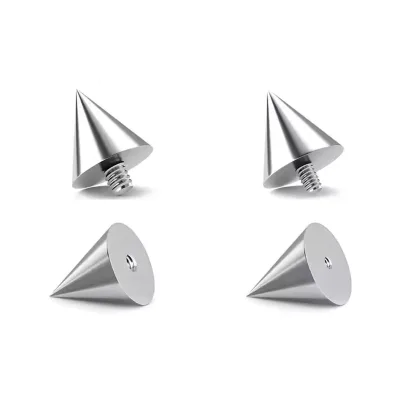
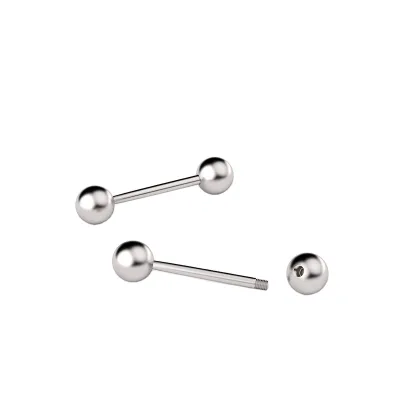
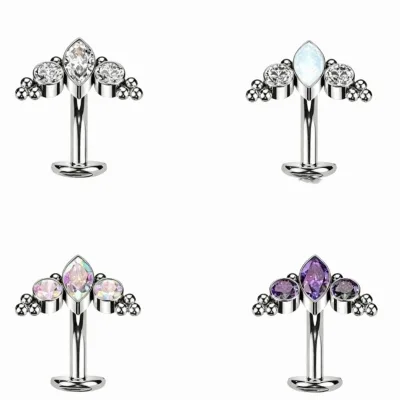
Main product ranges reinforce the cluster profile. Observed catalogs include G23 and ASTM F-136 titanium body jewelry, solid gold piercings in 10/12/14/18K, surgical steel, niobium, dermal tops, anchors, and surface microdermals. Buyers should map each candidate's declared main products against their own SKU list to see whether the supplier is a genuine micro-insert specialist or a general fashion jewelry trader carrying piercing items on the side. Where a listing does not state a location or company type, request that information directly before shortlisting, since the absence of these fields prevents meaningful cluster comparison.
How to Verify Micro Insert Body Jewelry Suppliers
Verification should start with the attributes displayed on the listing and finish with documents the buyer requests directly. In the observed results, some suppliers list system certifications such as ISO 9000/9001 and ISO 14001, and one profile shows ISO 45001 alongside ISO9001:2015 and ISO14001:2015 certificates. Confirm any certificate number directly with the issuing body rather than trusting a badge. Material claims deserve the same rigor: listings reference G23 titanium, ASTM F-136 titanium, 316L surgical steel, and niobium, and micro insert tops in particular must match the base thread and post diameter of the anchor being sold. Ask for material test documentation tied to the actual batch, and verify whether a stated standard such as SGS appears as a product-level attribute or merely as marketing copy.
Second, verify production capability claims. Some profiles declare OEM and ODM capacity, and at least one lists an own brand alongside OEM/ODM services. Ask which operations occur in-house versus through a partner factory, especially if your design requires custom thread patterns or stone settings. Product attributes in the results, such as hand or machine polishing and availability of customization, are useful prompts for these questions. Finally, cross-check the declared main products with the specific micro insert items quoted: a supplier whose catalog is dominated by rings and barbells may not hold tooling for fine threadless insert work, even if a single dermal SKU appears in their listing.
What to Compare Across Micro Insert Body Jewelry Suppliers
Build a comparison sheet from the attributes actually shown on each profile, and mark fields that are absent rather than guessing. Useful displayed dimensions include lead time, MOQ, response time, location, company type, certifications, and main products. In the observed results, lead times vary noticeably, from around 15 days on one profile to roughly 23 and 30 days on others, and response times range from a few hours to more than 17 hours on some listings. For a restocking-driven category like micro insert tops and bases, that spread directly affects how much safety stock you need to hold.
MOQ comparison is equally consequential because this category spans very different product tiers. Listed MOQs in the results include as few as 10 pieces for a stainless steel nipple ring style, 50 pieces for a titanium dermal anchor base, 100 pieces for a diamond microdermal item, and 300 pieces for a multi-color surface microdermal. Unit price ranges also diverge widely, from fractions of a dollar on some microdermal items to above two dollars on opal-top anchor pieces. Compare like with like: threadless titanium tops cannot be priced against plated steel novelty dermals. Also compare customization availability, packing format, and whether the supplier positions itself as manufacturer, trading company, or both, since these labels shape both price and communication dynamics.
Common Micro Insert Body Jewelry Sourcing Risks
The most category-specific risk is mechanical mismatch. Micro insert tops are sold in small diameters and fine gauges, and the observed listings show variants such as 1.6mm rod diameter with 14G/1.6mm standards, a 1.2mm rod diameter item, and a 1.6*2.5mm design. If a buyer orders tops and bases from different suppliers without confirming thread compatibility, entire shipments can be unsellable. Specify the anchor base model, thread or press-fit type, and gauge in writing, and require a physical sample assembly before mass production. A second risk is material substitution: titanium is claimed across many listings, but unless G23 or ASTM F-136 is verified per batch, cheaper alloys may be substituted at production time.
Color and plating risk follows closely. Several observed microdermal listings offer wide color palettes, including clear, black, opal-style tops, and multi-color sets, and small anodized or coated parts are prone to batch-to-batch shade drift. Agree color standards and a signed reference sample. Communication and speed risks also appear in the data: response times on some profiles stretch to many hours, which slows iteration on technical questions. Finally, beware of suppliers whose catalogs span unrelated fashion categories, since piercing-specific tolerances may not be a core competence. Mitigate each risk through pre-shipment inspection of dimensions, thread fit, and finish on sampled cartons.
Micro Insert Body Jewelry Regional Sourcing and Logistics
Guangdong, China is the only region named in the observed supplier results, so regional strategy here starts with consolidating on that cluster. Sourcing tops, bases, and complementary piercing lines from suppliers within one province shortens domestic freight legs to consolidation warehouses, simplifies coordinated quality inspections across multiple vendors, and makes it practical to visit several factories in a single trip. Because many profiles in the results are manufacturer-trader hybrids, buyers can often source titanium anchors, steel barbells, and gold items from overlapping supplier networks, which helps when assembling a full piercing assortment.
Logistics planning should begin from the declared lead times. Observed profiles list production lead times of roughly 15, 23, and 30 days, so a mixed supplier order will not ship together unless the buyer aligns production calendars early. Small, dense, high-value cartons of micro insert jewelry ship well by air for replenishment, while bulk base stock suits sea freight; decide per SKU rather than per supplier. Confirm packing specifications in advance, since observed listings describe OPP inner bags with outer carton boxes and standard export packaging, and flimsy inner packaging can scratch polished titanium or scatter tiny tops in transit. For customs, ensure invoices separate material types, because titanium implant-grade pieces and plated steel fashion pieces may be treated differently in destination markets. Where a supplier's location is not displayed, request it before committing, as it affects freight cost and consolidation feasibility.
Micro Insert Body Jewelry Commercial Terms and Order Planning
Commercial terms in this category reward structured negotiation. Observed price ranges run from about 0.01 to 2.00 dollars on multi-color surface microdermals, 0.10 to 1.50 on diamond microdermal items, 0.68 to 0.85 on titanium dermal anchor bases, 1.47 to 2.15 on opal-top anchor pieces, and 1.30 to 1.60 on a threadless stainless steel nipple style, with MOQs from 10 to 300 pieces. Use these spreads to negotiate tiered pricing: commit to higher volumes on stable-selling bases while holding low-MOQ trial orders on decorative tops. One observed profile lists T/T and Western Union as payment options; whichever term applies, structure deposits and balances around inspection milestones rather than paying in full before quality checks.
Order planning should sequence samples, a pilot lot, and bulk production, with thread-fit gauges and color references approved before each stage. Match order size to the supplier's stated lead time, using the roughly 15-to-30-day spread in the results to stagger replenishments so stock arrives continuously rather than in one burst. For new suppliers, keep the first bulk order near their minimum, since MOQs as low as 10 or 50 pieces on some observed items make small validation runs affordable. Confirm what escrow or platform protections a transaction offers before wiring funds, and document agreed specifications, standards, and packing in the purchase contract itself.
word count check: Section 1 ~229, 2 ~231, 3 ~232, 4 ~227, 5 ~231, 6 ~228 → ~1378 total. Good.
FAQs
What is the price range for microdermal piercing jewelry?
Microdermal piercing jewelry prices typically range from $0.01 to $2.00 per unit depending on the specific design and material quality. Basic titanium anchors start at the lower end, while opal or zircon tops may cost up to $2.15. Buyers should verify exact pricing based on their chosen customization and order volume.
What materials are used for microdermal anchors?
Manufacturers primarily use G23 Titanium and ASTM F136 compliant titanium for microdermal anchors due to their biocompatibility. Some options also include 316L surgical steel for specific body jewelry types. These materials ensure safety for surface piercings and are often polished for an elegant finish suitable for unisex wear.
What is the minimum order quantity for these products?
Minimum order quantities vary by product type, ranging from 10 to 300 pieces. For example, surgical steel nipple rings may have an MOQ of 10, while standard microdermal tops often require 100 or 300 units. Buyers should check specific product listings to confirm the exact MOQ for their desired item.
How long does production take for orders?
Production lead times generally range from 15 to 30 days depending on the supplier and order complexity. Some manufacturers offer faster turnaround times, while others with larger capacities may take up to a month. Buyers should confirm specific lead times with suppliers before placing bulk orders to ensure timely delivery.
Are these suppliers located in China?
Yes, the majority of suppliers offering microdermal body jewelry are located in Guangdong, China. This region is a major hub for jewelry manufacturing, providing access to raw materials and skilled labor. Buyers can expect products to originate from this area, with many suppliers offering OEM and ODM services for custom designs.
What certifications do these suppliers hold?
Many suppliers hold ISO 9001, ISO 14001, and ISO 45001 certifications, ensuring quality management and environmental standards. Some also comply with BREEAM standards. These certifications indicate a commitment to manufacturing processes and product safety, which is crucial for body jewelry that comes into direct contact with the skin.