Self-Priming Solenoid Water Pump Suppliers and Manufacturers
Source self-priming solenoid water pump options from 28 verified suppliers in China. Compare key dimensions including ISO certifications, response times, lead times, and pricing. Review product specifications and request quotes directly to streamline your procurement process; review the available evidence before requesting comparable quotations from suitable candidates.
Updated
Suppliers List

Zhejiang Florank Machinery Industry Co., Ltd.
- Manufacturer/Factory
- China Zhejiang
- Lead time23 days
- Avg. response≤ 24h
Main productsWater Pump, Submersible Pump, Centrifugal Pump, Sewage &Pump; Drainage Pump, Sel-Primg Pump, Jet Pump, Deep Well Pump, Industry Pump, Oil Pump, Peripherial Pump
Main marketsSouth America,Eastern Europe,Mid East,Southeast Asia,Eastern Asia,Western Europe,Africa

Beloni (Jiangsu) Pump Manufacturing Co., Ltd.
- Verified by SGS
- Combined
- China Jiangsu
- Lead time15 days
- Avg. response≤ 2h
Main productsChemical Pumps, Axial Flow Pump, Centrifugal Pump, Self-Priming Pump, High Pressure Oil Pump, Diesel Pump, Slurry Pump, Bb Seires Chemical Pump, Vertical Pipeline Pump, Submersible Pump
Main marketsDomestic


$500.00 - $50000.00
MOQ: 1 pcs


- Verified by CTI
- Manufacturer/Factory
- China Zhejiang
- Lead time15 days
- Avg. response≤ 6h
Main productsDiesel Pump, Fire Fight Diesel Pump, Automatic Diesel Pump, Movable Diesel Pump, Portable Diesel Pump, Silenced Diesel Pump, Self-Priming Pump, Disaster Recovery Pump, Diesel Water Pump
Main marketsSouth America,Mid East,Southeast Asia,Eastern Asia,Africa

Wenzhou Defu Machinery Co., Ltd.
- Trading Company,Manufacturer/Factory
- China Zhejiang
- Lead time23 days
- Avg. response≤ 3h
Main productsSewage Pump, Self Priming Pump, Air Diaphragm Pump, Fire Fighting Pump, Trailer Pump, Diesel Engine Pump, Screw Pump, Chemical Pump, Slurry Pump, Irrigation Pump
Main marketsSouth America,Eastern Europe,Mid East,North America,Southeast Asia,Eastern Asia,Oceania,Western Europe,Africa
Denor Import And Export (hubei) Co., Ltd.
- Verified by TüVRheinland
- Manufacturer, Trading Company
- Lead time15 days
- Avg. response≤ 2h
Main productsSewage Lift Station, Submersible Sewage Pump, Axial Flow Pump, Sewage Grinder, Stainless Steel Mixing Tank
Main marketsNorth America(40%), Southeast Asia(30%), Eastern Europe(20%)
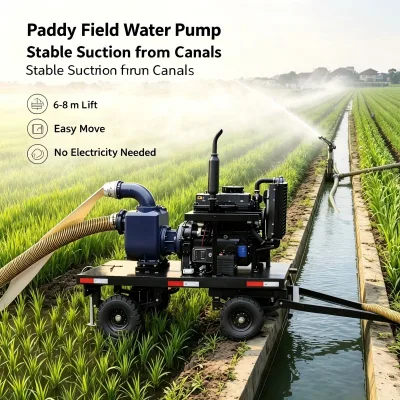
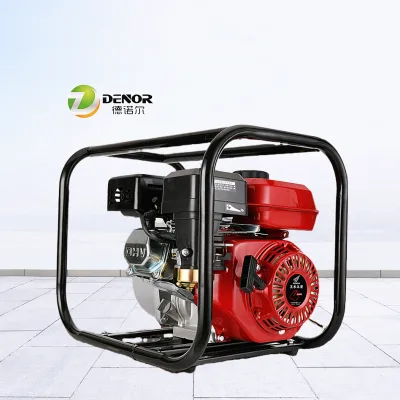
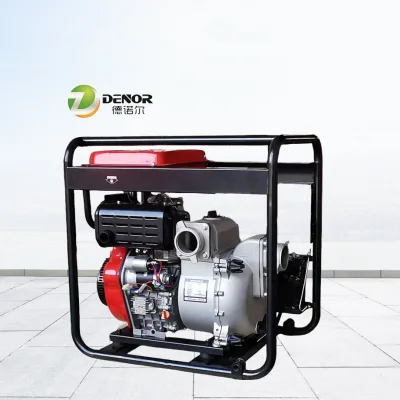
3 Inch 7.5HP Diesel Engine Self-priming Water Pump for Wastewater Treatment
$1043.9686 - $3653.8902
MOQ: 1 sets
Shanghai Kaiyuan Pump Industrial Co., Ltd.
- Verified by SGS Group
- Manufacturer, Trading Company
- Lead time12 days
- Avg. response≤ 6h
Main productsWater Pump
Main marketsDomestic Market(33%), South America(18%), North America(9%)

Fuzhou Hailin Machinery Co.,Ltd
- Manufacturer
- China Fujian
- Lead time30 days
- Avg. response≤ 7h
Main productsGasoline Water Pump\Gasoline Generator
Main marketsEast Asia(Japan/ South Korea)

Dongguan DESUN Electronic Technology Co., Ltd
- Verified by BV
- Trading Company,Manufacturer/Factory
- China Guangdong
- Lead time15 days
- Avg. response≤ 3h
Main productsDC Pump, Mini Water Pump, Suction Water Pump, Self-Priming Water Pump, Electric Water Pump, Small Water Pump, High Pressure Water Pump, Submersible Pump, Diaphragm Pump, Centrifugal Pump
Main marketsSouth America,Eastern Europe,Mid East,North America,Southeast Asia,Eastern Asia,Oceania,Western Europe,Africa
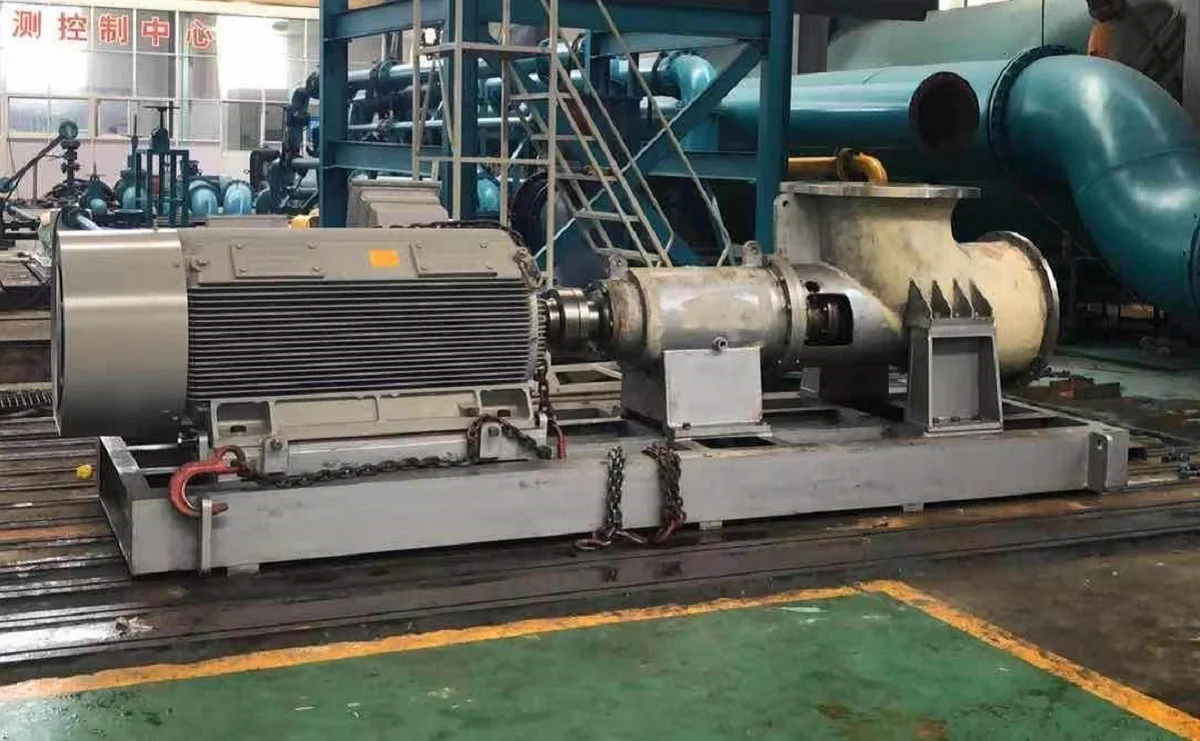
Jiangsu Feixiang Electromechanical Manufacturing Co., Ltd.
- Manufacturer, Trading Company
- Jiangsu, China
- Lead time30 days
- Avg. response≤ 5h
Main productschemical pump,water pump,centrifugal pump,mechanical equipment,mechanical equipment
Main marketsMid East(30.00%), Southeast Asia(30.00%), Eastern Europe(30.00%)
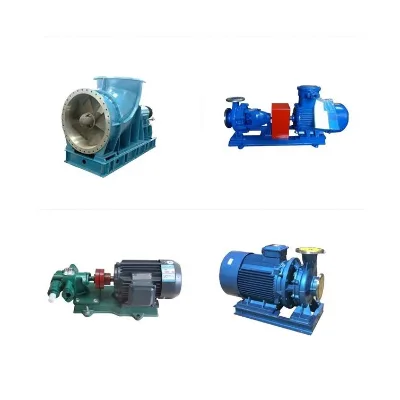
Large Capacity Flow 500 M3/H diesel Engine Water Pump Centrifugal Self Priming Pump
$310.5876 - $828.2335
MOQ: 1 sets
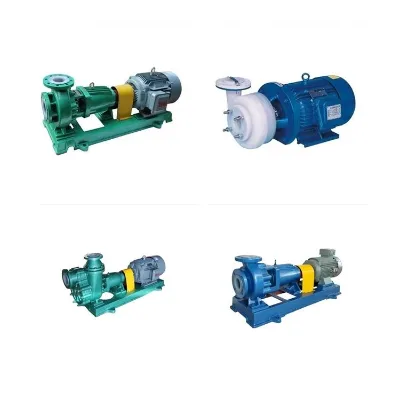
Industrial Centrifugal Water Pump Circulating Centrifugal Pump for Seawater
$1850.00 - $1950.00
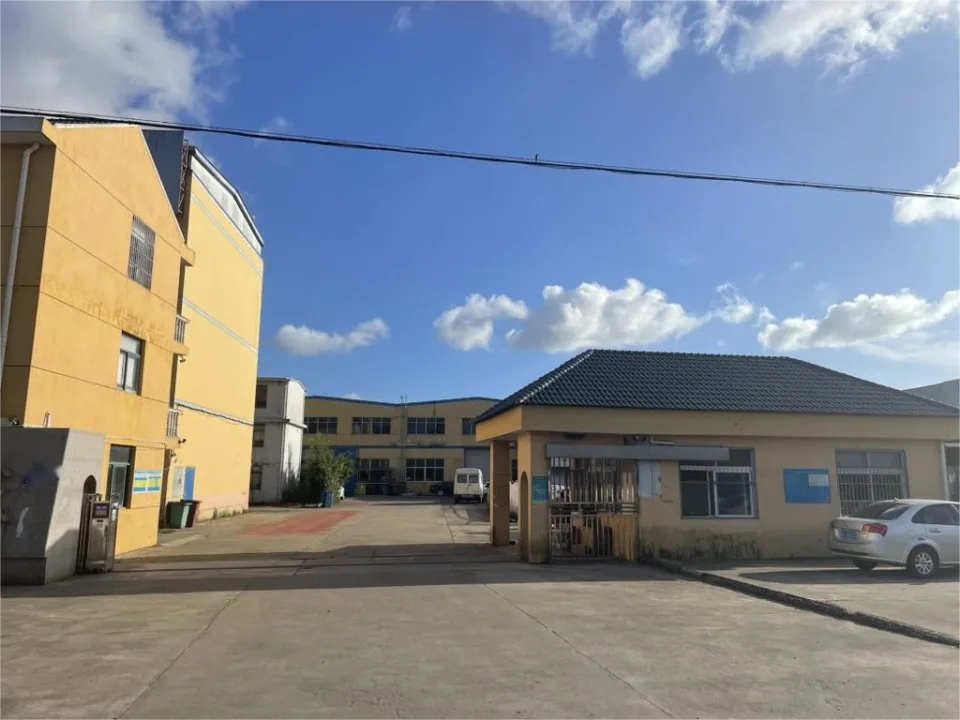
Shanghai Axd Heavy Machinery Co., Ltd.
- Manufacturer, Trading Company
- shanghai, China
- Lead time60 days
- Avg. response≤ 4h
Main productsVHS Motor,Electric Motor,AC Motor,DC Motor,Electric Furnace
Main marketsEastern Asia(100.00%), Oceania(100.00%), Africa(100.00%), Southern Europe(100.00%), Central America(100.00%), South Asia(100.00%), Western Europe(100.00%), Mid East(45.00%), North America(30.00%), Northern Europe(10.00%), Southeast Asia(5.00%), Domestic Market(5.00%), South America(3.00%), Eastern Europe(2.00%)
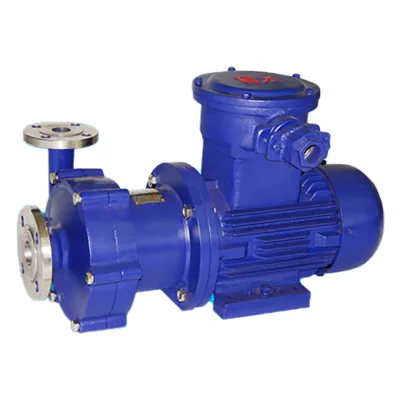
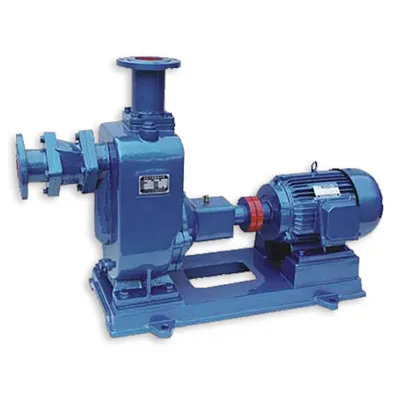
Sealed Self-control Self-priming Pump
$2000.00 - $3000.00

Zhejiang Wenxin Mechanical & Electrical Co., Ltd.
- Verified by TUVRHEINLAND
- Combined
- China Zhejiang
- Lead time38 days
- Avg. response≤ 14h
Main productsEngines, Water Pumps, Generators, Cultivators, Brush Cutters, Pressure Washers, Motors, Sprayers, Hoses, Chain Saws
Main marketsSoutheast Asia/ Mideast
Anhui Hengnai Pump Industry Co., Ltd.
- Manufacturer
- Anhui, China
- Lead time5 days
- Avg. response≤ 2h
Main productsDiaphragm pumps,multistage pump,centrifugal pump,magnetic pump,chemical pump
Main marketsDomestic Market(50.00%), Southeast Asia(20.00%), North America(10.00%), South Asia(5.00%), Northern Europe(3.00%), Africa(3.00%), Eastern Europe(2.00%), South America(2.00%), Western Europe(2.00%), Eastern Asia(2.00%), Oceania(1.00%)
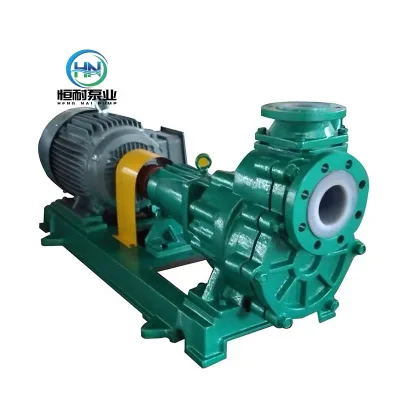
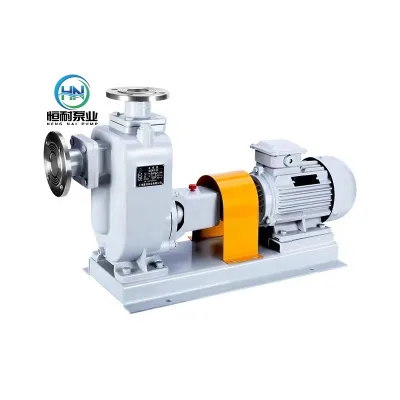
Strong Self-Priming Stainless Steel Centrifugal Pump for Wastewater Treatment for Sewage Removal
$789.00 - $1479.00
MOQ: 1 units
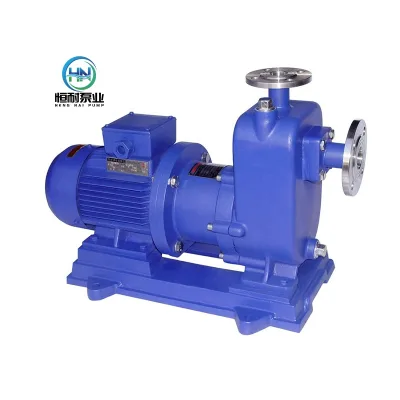
Self Priming Water Pump Magnetic Drive Self-priming Pump Chemical Self-priming Pump
$959.00 - $1679.00
MOQ: 1

Shanghai Suoto Pump Industrial Co., Ltd.
- Verified by BV
- Trading Company
- China Shanghai
- Lead time15 days
- Avg. response≤ 21h
Main productsDiesel Engine Pump, Vacuum Pump, Centrifugal Pump, Water Pump, Oil Pump, Submersible Pump, Sewage Pump, Chemical Pump, Self-Priming Pump, Gear Pump
Main marketsSouth America,Africa,Southeast Asia/ Mideast,East Asia(Japan/ South Korea),Domestic,Europe,Australia,North America
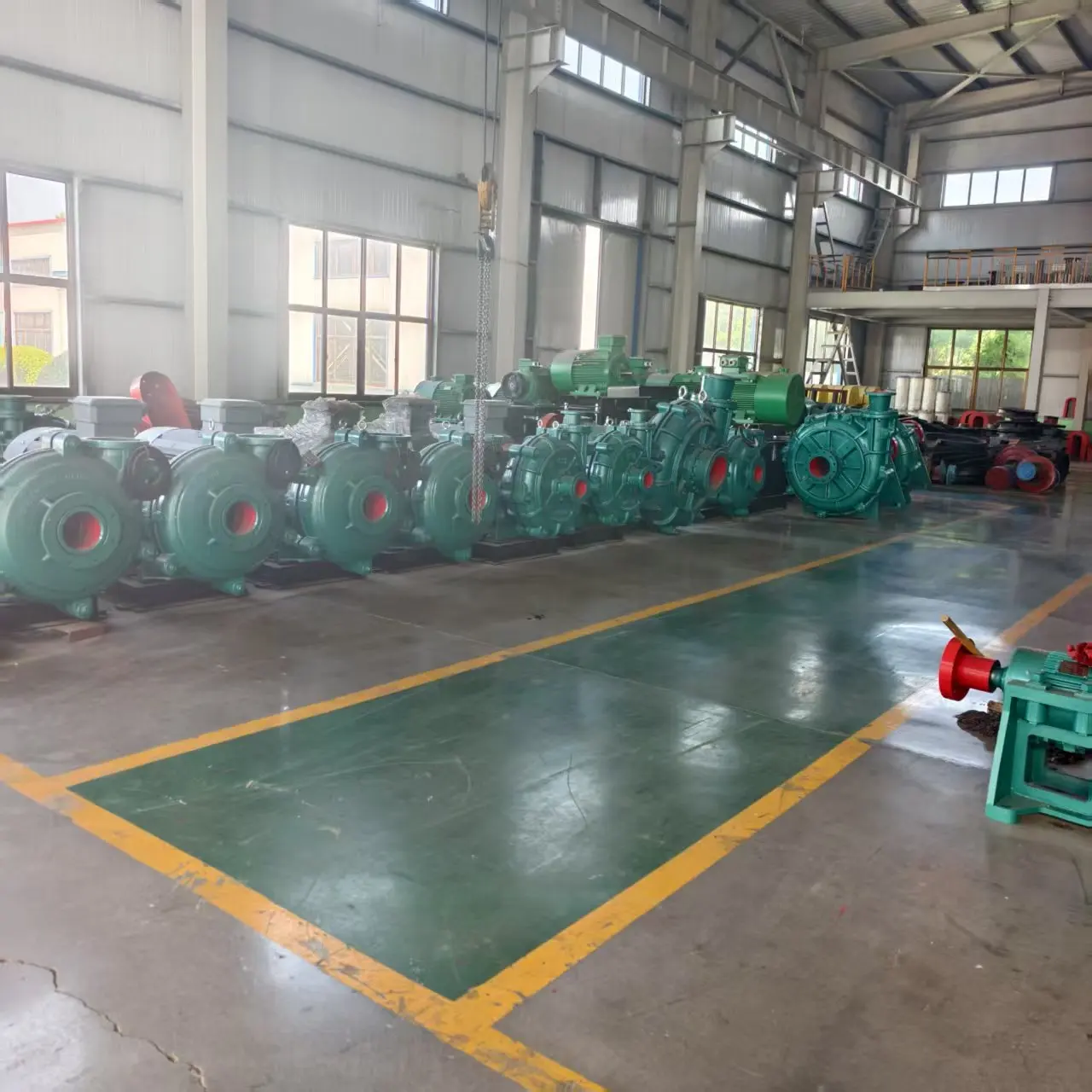
Hebei Liutai Pump Industry Co., Ltd.
- Manufacturer, Trading Company
- Hebei, China
- Lead time20 days
- Avg. response≤ 1h
Main productsIndustrial slurry pump and supporting equipment,Mud pump,Desulfurization pump,Irrigation pump,Gold panning pump
Main marketsSoutheast Asia(15.00%), Oceania(12.00%), North America(10.00%), Africa(10.00%), Mid East(10.00%), Domestic Market(10.00%), South Asia(9.00%), Eastern Asia(6.00%), Central America(5.00%), South America(3.00%), Eastern Europe(3.00%), Northern Europe(3.00%), Western Europe(2.00%), Southern Europe(2.00%)
Depump Technology Shijiazhuang Co., Ltd.
- Verified by TüVRheinland
- Manufacturer, Trading Company
- Lead time30 days
- Avg. response≤ 1h
Main productsSlurry Pump, Submersible Pump, Chemical Pump, Water Pump, Sewage Pump
Main marketsSoutheast Asia(25%), Africa(14%), Oceania(10%)
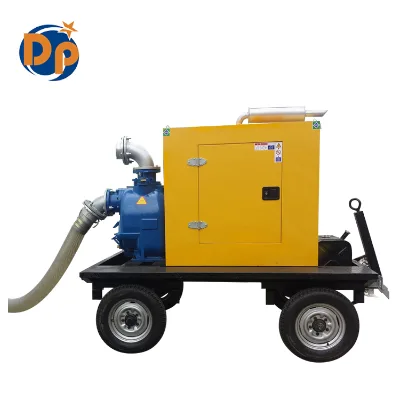
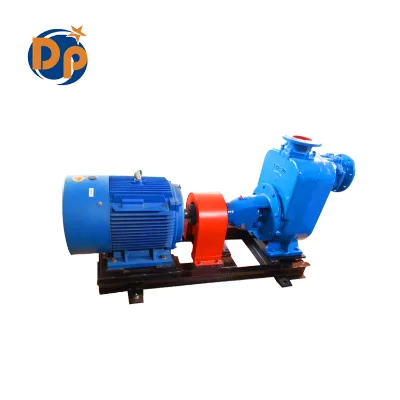
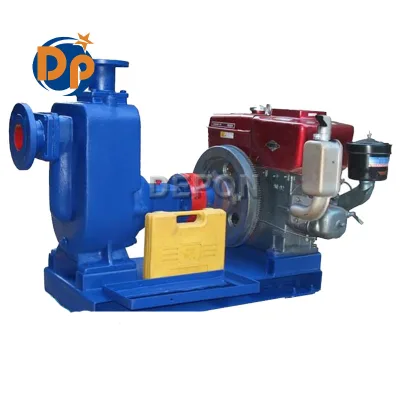
Self-priming 4 Inch NS 100 Water Pump Electric Self-priming Water Pump
$2331.4786 - $2435.0078
MOQ: 1 sets
- Verified by SGS Group
- Manufacturer, Trading Company
- Lead time20 days
- Avg. response≤ 1h
Main productsCentrifugal pump, Fire pump, Diesel engine pump , Screw pump, Lobe pump
Main marketsNorth America(30%), Southeast Asia(30%), Western Europe(20%)
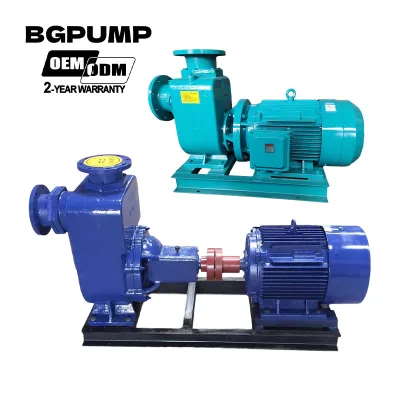
$775.9303 - $982.8451
MOQ: 1 pieces
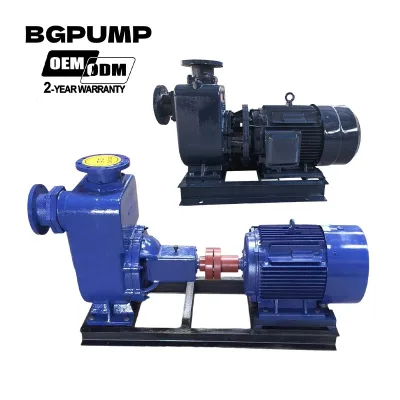
$682.8193 - $889.734
MOQ: 1 pieces

Zhejiang Qiantao Pumps Co., Ltd.
- Verified by TUVRHEINLAND
- Combined
- China Zhejiang
- Lead time15 days
- Avg. response≤ 7h
Main productsSubmersible Pump, Water Pump, Electric Motors, AC Pumps, DC Pumps, Single Phase Motors, Three Phase Motors, Deep Well Pumps, Clear Water Pump, Sewage Pump
Main marketsSouth America,Africa,Southeast Asia/ Mideast

Shanghai Tongke Flow Technology Co., Ltd.
- Verified by TUVRHEINLAND
- Combined
- China Shanghai
- Lead time15 days
- Avg. response≤ 4h
Main productsDwatering Pump, Submersible Sewage Pump, Vertical Turbine Pump, Fire Fighting Pump, Chemical Oil Pump, Industry Centrifugal Water Pump, Diesel Engine Drainage Pumping Station, High Pressure Water Pump, Double Suction Centrifugal Pump, China High Quality Pumps
Main marketsSouth America,Others(foreignTradeCapacity.exportBusinessCapacityMarketOther),Southeast Asia/ Mideast,East Asia(Japan/ South Korea),Europe,North America

Electric Motor Horizontal Self-Priming Centrifugal Water Pump for Water Supply
$3000.00 - $9000.00
MOQ: 1 Pieces


Standard Fixed Motor Driven Self Priming Electric Water Pump for Water Control
$3000.00 - $9000.00
MOQ: 1 set

Shijiazhuang An Pump Machinery Co., Ltd.
- Verified by TüVRheinland
- Manufacturer, Trading Company
- Lead time7 days
- Avg. response≤ 2h
Main productsSlurry Pump, Sand Gravel Pump, Submersible Sewage Pump, Diesel Water Pump, Water Pump
Main marketsSoutheast Asia(25%), North America(15%), South America(15%)
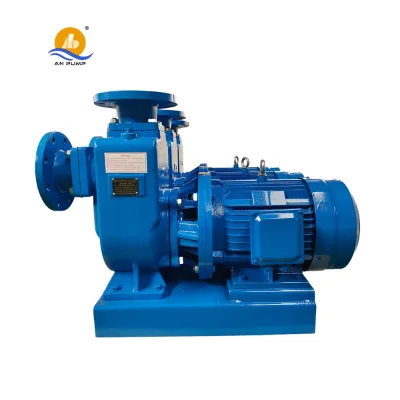
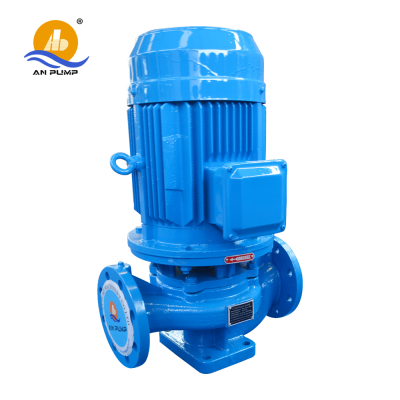
Salt Water Circulator Petrol Water Centrifugal Self Priming Pump
$1234.00 - $1980.00

- Verified by TUVRHEINLAND
- Trading Company
- China Beijing
- Lead time30 days
- Avg. response≤ 2h
Main productsCentrifugal Pump, Slurry Pump, Water Pump, Multistage Pump, Submersible Pump, Stainless Steel Pump, Sand Pump, Split Casing Pump, Fire Pump, End Suction Pump
Main marketsAfrica,Southeast Asia/ Mideast,Domestic,Europe,North America


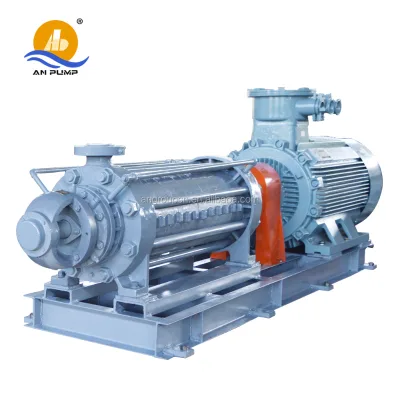
High Quality Horizontal Centrifugal Self-Priming Water Pump for Sewage
$199.00 - $1999.00
MOQ: 1 Pieces


Jinshuo Environmental Protection Equipment Co., Ltd.
- Manufacturer
- Jiangsu, China
- Lead time7 days
- Avg. response≤ 10h
Main productsMagnetic Pump,Self-Priming Pump,Vertical Pump,Diaphragm Pump,Chemical Filter
Main marketsDomestic Market(75.00%), Southeast Asia(8.00%), Mid East(3.00%), North America(3.00%), South America(2.00%), Eastern Europe(2.00%), South Asia(2.00%), Oceania(1.00%), Africa(1.00%), Southern Europe(1.00%), Northern Europe(1.00%), Western Europe(1.00%)
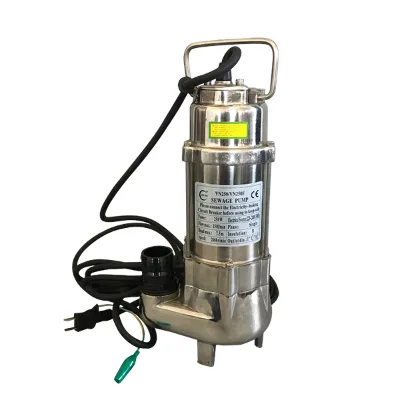
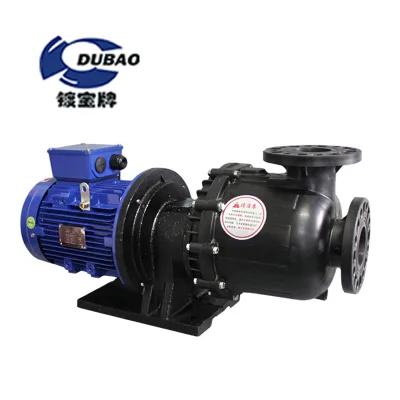
Hot Selling Electric 7.5hp Self Priming Centrifugal Water Pump for Best Price in India
$300.00 - $850.00
MOQ: 1 Minimum
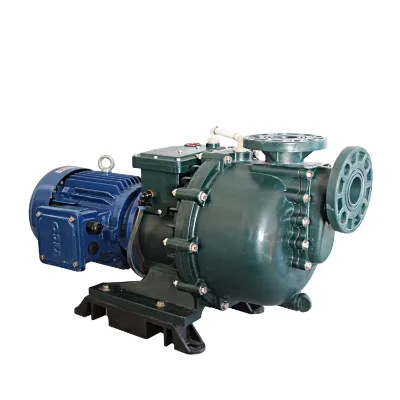
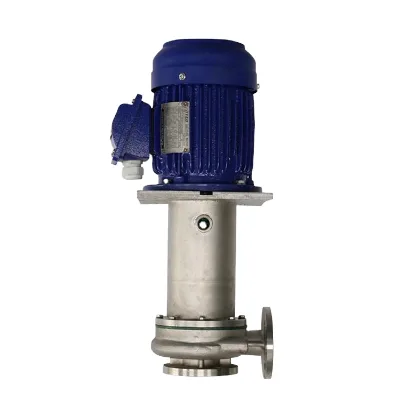
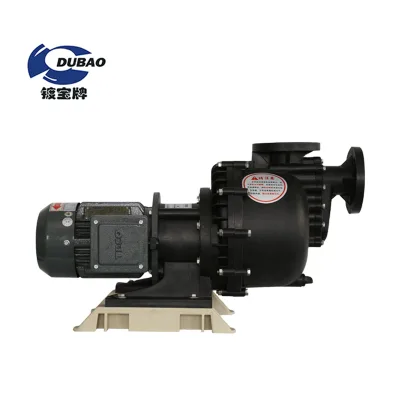
1 hp Motor Centrifugal Waste Water Pump Self-priming Pump in Cheap Price
$119.00 - $340.00
MOQ: 1 sets
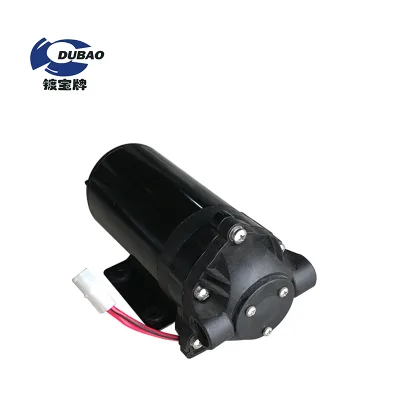
Low Price High Pressure 12V Dc Mini Centrifugal Water Pump/ 12v Dc Water Pump
$40.00 - $55.00
MOQ: 50 sets
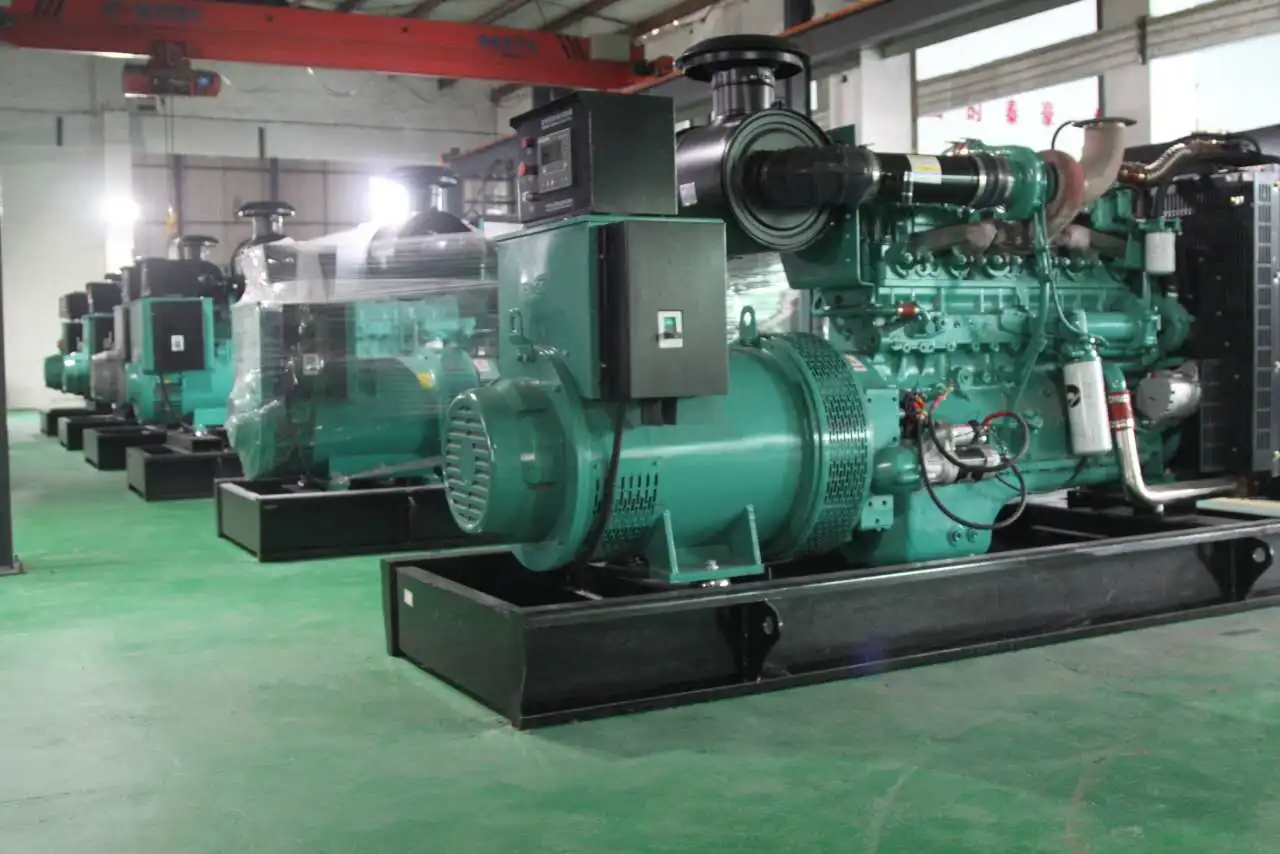
Chongqing Kongka Machinery Co., Ltd.
- Trading Company
- Chongqing, China
- Lead time10 days
- Avg. response≤ 3h
Main productsDiesel Generator,Gasoline Generator,gas Generator,Water Pump,diesel engine
Main marketsNorth America(35.00%), Africa(25.00%), Eastern Europe(10.00%), Central America(5.00%), Mid East(5.00%), Oceania(5.00%), South America(5.00%), Southeast Asia(5.00%), South Asia(2.00%), Western Europe(2.00%), Domestic Market(1.00%)
- Verified by SGS Group
- Manufacturer, Trading Company
- Lead time30 days
- Avg. response≤ 2h
Main productsEnd Suction Pump, Centrifugal Pump, Self Pump Priming Sewage Pump, Chemical Pump, Agricultural Irrigation Pump
Main marketsDomestic Market(51%), South America(20%), Africa(20%)
Jilin Yicheng Technology Co., Ltd.
- Manufacturer, Trading Company
- Jilin, China
- Lead time10 days
- Avg. response≤ 1h
Main productsButterfly valve;,Gate Valve,Safety Valve,Control Valve,Ball Valve
Main marketsDomestic Market(30.00%), Eastern Europe(15.00%), Eastern Asia(10.00%), South America(10.00%), South Asia(10.00%), North America(10.00%), Western Europe(5.00%), Southeast Asia(5.00%), Central America(5.00%)
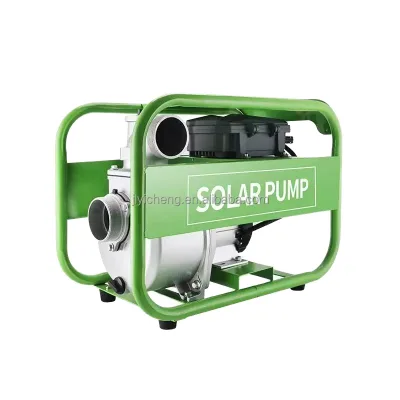
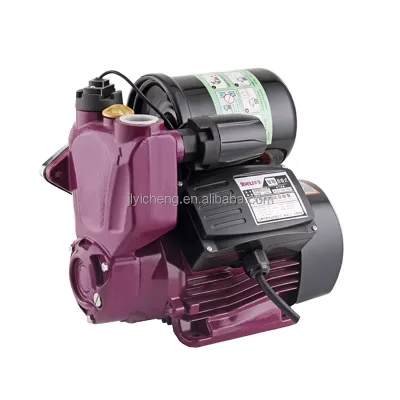
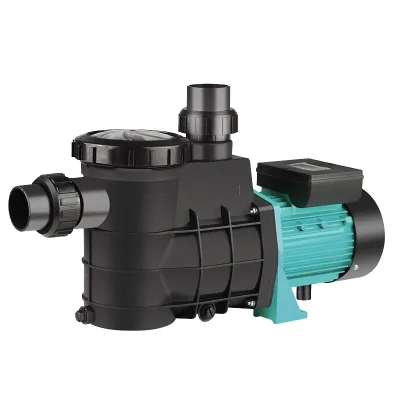
Solar-powered High Lift 3inch Self-Priming Pump 280V 3HP 1500W 15m/h Low Well Irrigation Water
$219.2777 - $274.0956
MOQ: 1 pieces

Shangbaoluo Jiangsu Energy Saving Technology Co., Ltd
- Verified by SGS
- Manufacturer/Factory
- China Jiangsu
- Lead time45 days
- Avg. response≤ 12h
Main productsPulp Pump, Centrifugal Pump, Slurry Pump, Vortex Pump, Blender, Sewage Pump, Magnetic Pump
Main marketsSouth America,Eastern Europe,Mid East,North America,Southeast Asia,Eastern Asia,Oceania,Western Europe,Africa
Hangzhou Chayo Environmental & Technology Co., Ltd.
- Trading Company
- Zhejiang, China
- Lead time30 days
- Avg. response≤ 4h
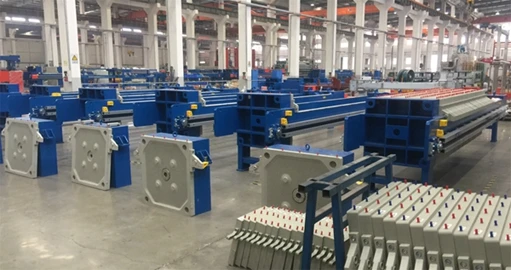
Main productsfilter press,filter plate,pipe fitting,pumps,valves
Main marketsDomestic Market(15.00%), North America(10.00%), Western Europe(10.00%), Mid East(10.00%), South Asia(10.00%), Southern Europe(10.00%), Eastern Europe(10.00%), South America(10.00%), Central America(5.00%), Africa(5.00%), Southeast Asia(5.00%)
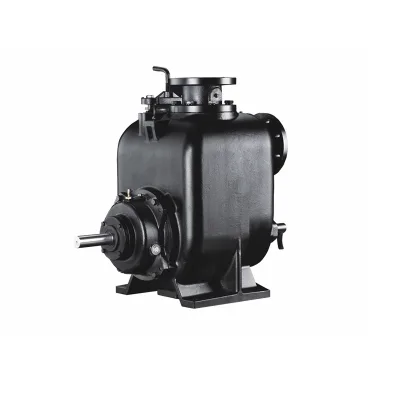
10 Inch Non-block Self Priming Pump for Rainwater and Sewage Transportation
$1126.0975 - $2060.5829
MOQ: 1 sets
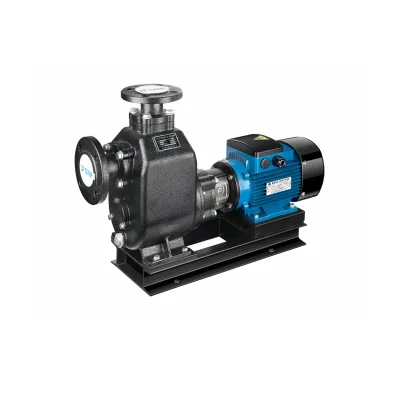
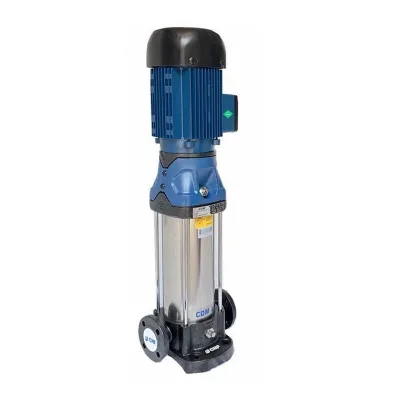
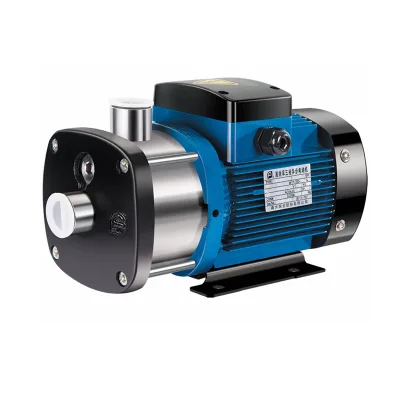
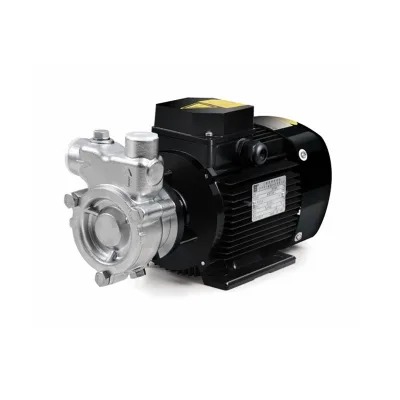
Hot Sale Stainless Steel Gas Water Pump
$216.00 - $300.00
Shenzhen Yanhua Faith Technology Co., Ltd.
- Manufacturer
- Guangdong, China
- Lead time25 days
- Avg. response≤ 2h
Main productsDC air Pump,Mini Vacuum air Pump,mini brushless pump,mini brush pump,water pump
Main marketsCentral America(15.00%), North America(10.00%), Northern Europe(10.00%), Eastern Europe(9.00%), Southern Europe(9.00%), Western Europe(9.00%), Eastern Asia(6.00%), South America(6.00%), Domestic Market(5.00%), Southeast Asia(5.00%), Africa(4.00%), Mid East(4.00%), South Asia(3.00%), Oceania(1.00%)
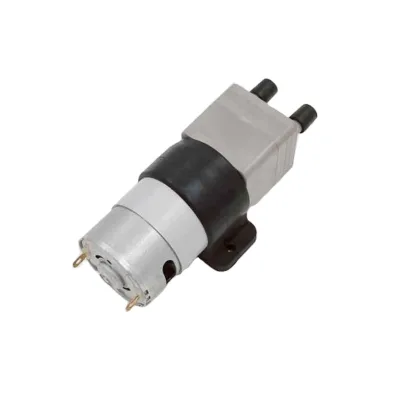
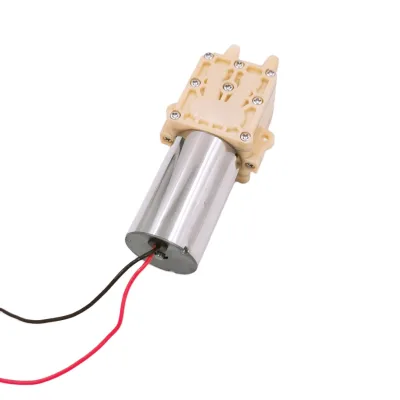
Professional Customized Dc Brushless 12v Low Flow Water Pump for Sale
$28.7905 - $32.903
MOQ: 2 pieces
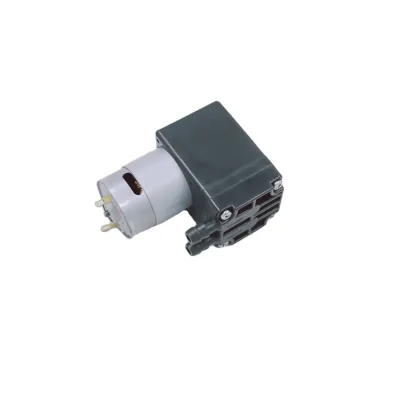
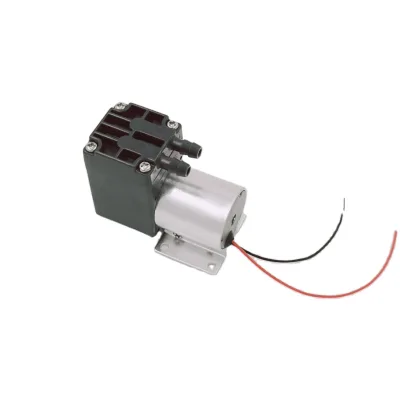

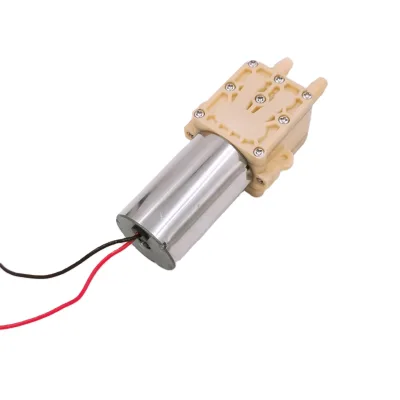
Professional Factory Customized Low Volume Hydraulic Water Pump with High Quality
$24.6765 - $30.846
MOQ: 2 pieces
- Manufacturer
- Taiwan, China
- Lead time45 days
- Avg. response≤ 6h
Main productsEXTERNAL GEAR PUMP,EXTERNAL GEAR MOTOR,FLOW DIVIDER
Main marketsNorth America(30.00%), Eastern Asia(25.00%), Southeast Asia(20.00%), Domestic Market(10.00%), South America(5.00%), South Asia(5.00%), Western Europe(5.00%)
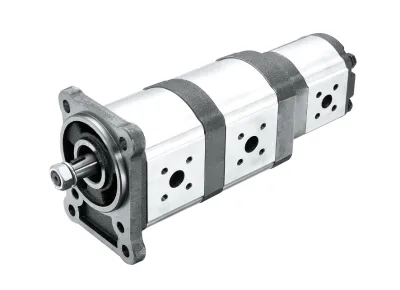
$60.00
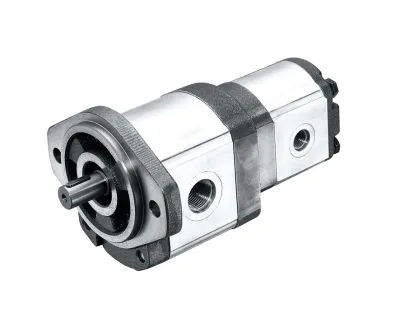
$60.00








Comprehensive Sourcing Guide
Self-Priming Solenoid Water Pump Supplier Concentration and Factory Types
The current supplier landscape for self-priming solenoid water pumps reveals a distinct concentration of manufacturing capabilities within specific industrial regions in China. Data indicates that a significant portion of these suppliers are located in Zhejiang, with Taizhou emerging as a notable hub for pump production. This geographic clustering suggests a mature supply chain ecosystem where raw materials, component manufacturing, and final assembly are closely integrated. Buyers evaluating suppliers should recognize that factories in this region often specialize in high-volume production of centrifugal and self-priming pumps, leveraging local expertise to maintain competitive pricing and consistent quality. The presence of manufacturers in Zhejiang implies that buyers can expect a high density of options, ranging from small-scale workshops to large-scale industrial factories, each offering varying degrees of customization and scale.
In addition to Zhejiang, the supplier base includes entities located in Jiangsu, indicating a broader geographic spread of manufacturing capabilities across eastern China. The company types observed in the current results are diverse, encompassing pure manufacturers, factories, and combined entities that may blend manufacturing with trading functions. This variety allows buyers to select partners based on their specific needs for direct factory access versus the flexibility of a trading company. Manufacturers often provide stronger control over production processes and raw material sourcing, which is critical for pumps requiring specific certifications or custom configurations. Meanwhile, combined suppliers might offer a broader portfolio of related products, such as chemical pumps or diesel-powered units, providing a one-stop solution for buyers with diverse procurement requirements. Understanding this mix helps buyers align their sourcing strategy with their operational priorities, whether that be cost efficiency, technical support, or product variety.
How to Verify Self-Priming Solenoid Water Pump Suppliers
Verifying the legitimacy and capability of self-priming solenoid water pump suppliers requires a rigorous examination of their certifications and verification badges. The current data highlights that many suppliers hold ISO 9001, ISO 14001, and other quality management system certifications, which serve as foundational indicators of standardized production processes. Buyers should prioritize suppliers who display these certifications, as they demonstrate a commitment to quality control and environmental responsibility. Additionally, verification badges such as SGS provide an extra layer of confidence, indicating that an independent third party has assessed the supplier’s operations. These credentials are particularly important for industrial buyers who need to ensure that the pumps meet specific regulatory standards in their target markets. Buyers should request copies of these certificates and verify their validity through the issuing bodies to avoid fraudulent claims.
Beyond certifications, buyers should assess the supplier’s response time and communication efficiency as indicators of their operational maturity. The observed response times vary, with some suppliers demonstrating rapid engagement capabilities, which is crucial for resolving technical queries and negotiating terms efficiently. A quick response often correlates with a well-organized internal team that can handle orders and inquiries promptly. Buyers should also look for evidence of past performance, such as product attributes and specifications that align with their requirements. For instance, checking if a supplier offers customization options or has experience with specific pump models like the CAM100 or JSW series can provide insights into their technical expertise. By combining certification checks with communication assessments, buyers can build a more comprehensive profile of each supplier’s reliability and suitability for their long-term partnership needs.
What to Compare Across Self-Priming Solenoid Water Pump Suppliers
When comparing suppliers, lead time and minimum order quantity (MOQ) are critical factors that impact inventory management and cash flow. The current results show a range of lead times, with some suppliers offering as little as 15 days, while others may take up to 23 days. This variation allows buyers to select partners based on their urgency and production schedules. Similarly, MOQs vary significantly, with some suppliers requiring as few as one unit, which is ideal for testing or small-scale projects, while others may have higher thresholds. Buyers should align these metrics with their demand forecasts to avoid overstocking or production delays. Understanding these operational constraints helps in negotiating better terms and planning logistics more effectively, ensuring that the supply chain remains flexible and responsive to market changes.
Price and product specifications are another vital dimension for comparison, as they directly affect the total cost of ownership. The observed price points for self-priming pumps range from approximately $25 to $50,000, depending on the model, material, and capacity. Buyers should evaluate not just the unit price but also the value proposition, including features like material construction (e.g., cast iron vs. stainless steel) and certification standards (e.g., CE, SGS). Suppliers offering OEM or ODM services provide additional flexibility for buyers seeking custom branding or specific technical modifications. By comparing these attributes across multiple suppliers, buyers can identify the best balance between cost, quality, and service. This holistic approach ensures that the selected supplier meets both immediate procurement needs and long-term strategic goals, minimizing risks associated with price fluctuations or quality inconsistencies.
Common Self-Priming Solenoid Water Pump Sourcing Risks
One of the primary risks in sourcing self-priming solenoid water pumps is the potential mismatch between advertised specifications and actual product performance. Buyers must be cautious of suppliers who provide vague or incomplete product details, as this can lead to receiving pumps that do not meet their operational requirements. For example, differences in working fluid compatibility, power source, or installation method can render a pump unsuitable for specific applications. To mitigate this risk, buyers should request detailed technical datasheets and conduct thorough reviews of product attributes before placing orders. Engaging in direct communication with suppliers to clarify technical nuances can also help prevent misunderstandings. Additionally, verifying the supplier’s ability to provide customization options ensures that the final product aligns precisely with the buyer’s unique needs, reducing the likelihood of post-purchase issues.
Another significant risk is the variability in supplier reliability and after-sales support. While some suppliers demonstrate strong verification badges and certifications, others may lack the necessary infrastructure to provide consistent quality or timely support. Buyers should be wary of suppliers with inconsistent response times or limited evidence of past performance. The absence of clear information regarding warranty terms, spare parts availability, or technical support can lead to operational disruptions if the pump fails. To address this, buyers should prioritize suppliers with transparent communication channels and a proven track record of customer satisfaction. Conducting background checks and seeking references from other buyers can provide valuable insights into a supplier’s reliability. By proactively identifying and addressing these risks, buyers can build a more resilient supply chain and ensure the long-term success of their procurement initiatives.
Self-Priming Solenoid Water Pump Regional Sourcing and Logistics
Sourcing self-priming solenoid water pumps from China offers logistical advantages due to the country’s well-developed manufacturing infrastructure and export capabilities. The concentration of suppliers in regions like Zhejiang and Jiangsu facilitates efficient production and shipping processes, as these areas are close to major ports and logistics hubs. Buyers can benefit from reduced transit times and lower shipping costs when sourcing from these clusters. However, buyers must also consider the complexities of international logistics, including customs clearance, import duties, and documentation requirements. Working with suppliers who have experience in exporting to the buyer’s region can help navigate these challenges more smoothly. Additionally, understanding the local regulatory environment and ensuring that the pumps comply with relevant standards is essential for successful market entry.
Logistics planning should also account for the packaging and handling requirements of the pumps, as improper packaging can lead to damage during transit. The current data indicates that suppliers use various packaging methods, such as cartons, plywood boxes, and wooden crates, depending on the product size and weight. Buyers should verify the packaging standards with their suppliers to ensure that the pumps are protected adequately during shipping. Furthermore, considering the lead times and production schedules is crucial for aligning logistics with delivery deadlines. Buyers should establish clear communication channels with their suppliers to monitor production progress and coordinate shipping arrangements. By integrating logistics planning into the sourcing strategy, buyers can minimize delays and ensure that the pumps arrive in optimal condition, ready for immediate deployment or installation.
Self-Priming Solenoid Water Pump Commercial Terms and Order Planning
Commercial terms such as payment methods, warranty policies, and return procedures are essential components of any sourcing agreement for self-priming solenoid water pumps. Buyers should negotiate terms that protect their interests, such as using secure payment platforms like escrow to ensure funds are released only upon satisfactory delivery. Clear warranty terms should specify the duration, coverage, and process for claiming repairs or replacements, providing peace of mind for the buyer. Additionally, understanding the supplier’s return policy in case of non-conforming products is crucial for managing risks. Buyers should document all agreed-upon terms in a formal contract to avoid disputes and ensure mutual understanding. These commercial safeguards are vital for building a trustworthy and sustainable business relationship with the supplier.
Order planning should also consider the scalability and flexibility of the supplier’s production capabilities. Buyers should assess whether the supplier can handle volume increases or sudden changes in demand without compromising quality or lead times. The observed capacity for OEM and ODM services suggests that many suppliers are equipped to adapt to custom orders, which can be beneficial for buyers with unique requirements. However, buyers should communicate their long-term volume expectations early in the negotiation process to secure favorable pricing and priority production slots. Regularly reviewing and updating order forecasts with the supplier can help maintain a smooth supply chain and prevent bottlenecks. By integrating commercial terms and order planning into a cohesive strategy, buyers can optimize their procurement process and achieve greater efficiency and cost savings.
FAQs
What is the price range for self-priming water pumps?
Prices for self-priming water pumps vary significantly based on specifications and materials. Basic models start around $25, while industrial-grade units can reach up to $50,000. Buyers should check specific product listings for exact pricing, as costs depend on flow rate, head height, and certification requirements like CE or ISO standards.
What certifications are available for these pumps?
Manufacturers typically offer pumps certified under ISO 9001, ISO 14001, and ISO 20000 systems. Product-level certifications often include CE and SGS marks. Some suppliers also hold ISO9001:2015 and ISO14001:2015 certificates. Buyers should verify specific product documentation to ensure compliance with regional safety and environmental regulations before placing orders.
What is the typical lead time for orders?
Lead times generally range from 15 to 23 days depending on the supplier and order volume. Some manufacturers in Zhejiang offer a 23-day turnaround, while others in Jiangsu may deliver within 15 days. Buyers should confirm exact schedules with suppliers, as production capacity and customization needs can impact delivery timelines significantly.
What is the minimum order quantity for these pumps?
Minimum order quantities vary by product type and supplier. Some self-priming pumps require a minimum of 10 units, while others may accept orders as low as 1 unit. Standard models often have an MOQ of 50 units. Buyers should check individual product listings to determine the specific MOQ applicable to their required specifications.
Where are these pumps manufactured?
Most self-priming pumps are manufactured in China, specifically in the Zhejiang and Jiangsu provinces. Key production hubs include Taizhou in Zhejiang. Buyers can filter suppliers by location to prioritize regional logistics. Origin details are usually listed in product attributes, helping buyers assess shipping costs and supply chain reliability for their specific needs.
What materials are used in self-priming pumps?
Common materials include cast iron and cast steel for durability. Some models feature stainless steel components for corrosion resistance. The working fluid is typically water, with jet-flow or water-ring theories driving the mechanism. Buyers should select materials based on the specific application environment to ensure longevity and performance under varying pressure conditions.