Waterproof Polyester Raincoat Suppliers and Manufacturers
Compare 27 verified suppliers of Waterproof Polyester Raincoat based on location, lead time, and certifications. Review product specs like ENREACH and ISO 9001, then request samples to verify quality and customization options; review the available evidence before requesting comparable quotations from suitable candidates.
Updated
Suppliers List

- Manufacturer/Factory,Group Corporation
- China Zhejiang
- Lead time30 days
- Avg. response≤ 11h
Main productsRaincoat, Rain Poncho, Advertising, Promotional Items, Bag, Umbrella, Car Sunshade, Rain Shirt, Football Rainwear, Safety Rainwear
Main marketsSouth America,Eastern Europe,North America,Southeast Asia,Eastern Asia,Oceania,Western Europe,Africa

Jinzhou City Hejin Clothing Co., Ltd.
- Verified by TUVRHEINLAND
- Combined
- China Hebei
- Lead time15 days
- Avg. response≤ 2h
Main productsRaincoat, Wader, Ski Jacket, Rain Jacket, Poncho, Rainwear, Workwear, Rainsuit, Rain Coat, Waterproof Raincoat
Main marketsAustralia,North America


High Visibility Waterproof PVC Polyester Safety Rain Coat Outdoor Rain Jacket Workwear Raincoat
$3.50 - $4.30
MOQ: 2000 Pieces

High Quality Durable Breathable Coating Features Waterproof PVC Polyester Rainwear Raincoat
$4.00 - $4.90
MOQ: 2000 Pieces


PVC Breathable Coating Safety Rainsuit Waterproof Rainwear Raincoat Rain Coat
$3.50 - $4.30
MOQ: 2000 Pieces
Hubei Rainbow City Plastic Goods Co., Ltd.
- Verified by SGS Group
- Manufacturer, Trading Company
- Lead time18 days
- Avg. response≤ 2h
Main productsRain Poncho, Raincoat, Plastic Bags, Shoe Covers
Main marketsNorth America(30%), Southeast Asia(30%), Western Europe(20%)
Shijiazhuang Mayrain Imp. & Exp. Co., Ltd.
- Verified by TüVRheinland
- Trading Company
- Lead time30 days
- Avg. response≤ 2h
Main productsRain Coat, Backpack, Rain Hat, Umbrella
Main marketsEastern Europe(28%), Western Europe(18%), North America(16%)

Fuzhou Rongyuanda Garment Co., Ltd.
- Combined
- China Fujian
- Lead time45 days
- Avg. response≤ 7h
Main productsReflective Jacket, Workwear, Parka, Hi Vis Jacket, Softshell Jacket, Fleece Jacket, Body Warmer, Windbreaker, Rainsuit, Bomber Jacket
Main marketsSouth America,Africa,Southeast Asia/ Mideast,East Asia(Japan/ South Korea),Europe,Australia,North America


High Quality Durable Using Various Waterproof Coat Raincoat High Quality Rain Jacket
$10.00
MOQ: 500 Pieces


Jiangxi Fujohn Garment Co. Ltd.
- Verified by SGS
- Combined
- China Jiangxi
- Lead time30 days
- Avg. response≤ 3h
Main productsRaincoat, Rainsult, Rainwear, Pet Raincoat, Raincoat for Bike/Motorcycle, High Visibility Raincoat, Kids Raincoat, Fishing Pants, Rain Poncho, Rain Jacket & Windbreaker
Main marketsDomestic
Wuhan Meichen Technology Co., Ltd.
- Trading Company
- Hubei, China
- Lead time0 days
- Avg. response≤ 9h
Main productsRain gear products,bed set,toilet seat cover,gloves,Disposable Travel Supplies
Main marketsSouth Asia(35.00%), North America(30.00%), Eastern Asia(20.00%), Oceania(15.00%)
- Verified by TüVRheinland
- Trading Company
- Lead time30 days
- Avg. response≤ 2h
Main productsRaincoat, Work Wear, Winter Jackets, Household Items, Outdoor Clothing
Main marketsNorth America(22%), Western Europe(22%), Northern Europe(8%)
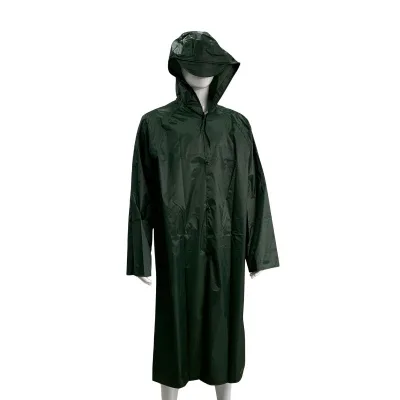
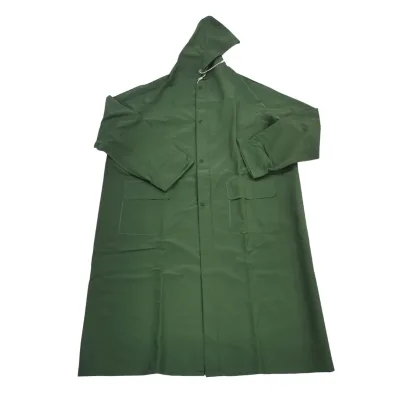
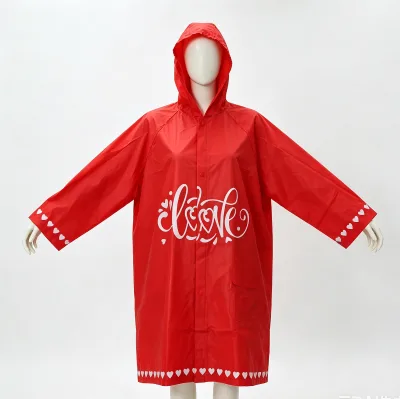
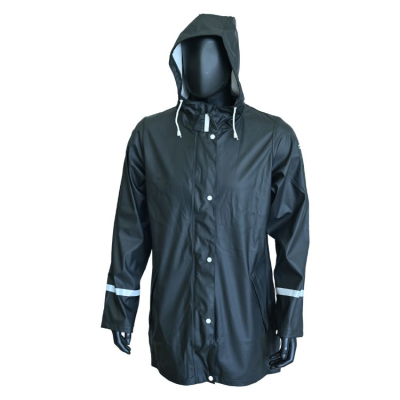
Waterproof and Breathable Safety Raincoat with Hood for Outdoor Work PU Raincoat
$9.2353 - $9.6446
MOQ: 1 pieces
China Xinxing Import And Export Co., Ltd.
- Trading Company
- Lead time旺季: "1 - 1000":30,"1001 - 5000":40,"5001 - 10000":50,"> 10000":"To be negotiated", 淡季: "1 - 1000":30,"1001 - 5000":40,"5001 - 10000":50,"> 10000":"To be negotiated"
- Avg. response≤ 2h
Main productscombat uniforms,combat boots,tactical vest,tent,anti-riot gear

Hangzhou Yanli Rainwear Co., Ltd.
- Verified by SGS
- Combined
- China Zhejiang
- Lead time15 days
- Avg. response≤ 2h
Main productsRaincoat, Rainsuit
Main marketsSouth America,Africa,Europe


High Quality Polyester Taffeta Fabric Raincoat Adults Waterproof Rain Jacket
$5.70 - $5.90
MOQ: 1000 Sets

Youth Adult Rain Jacket Waterproof Lightweight Polyester Raincoat Outdoor
$5.70 - $5.90
MOQ: 1000 Sets


Jiangxi Saloong Garment Co., Ltd
- Verified by BV
- Trading Company,Manufacturer/Factory
- China Jiangxi
- Lead time60 days
- Avg. response≤ 3h
Main productsPolar Fleece Jacket, Softshell Jacket, Work Wear, Overall, Windbreaker, Ski Suit, Winter Quilted Jacket, Fishing Jacket, Rain Jacket, Waterproof Jacket
Main marketsSouth America,Eastern Europe,North America,Southeast Asia,Western Europe,Africa
Handan Shuoshi Plastic Products Ltd.
- Trading Company
- Hebei, China
- Lead time0 days
- Avg. response≤ 2h
Main productsraincoat,poncho,Packaging bags,poop bag,tablecloth
Main marketsNorth America(40.00%), Western Europe(20.00%), Eastern Europe(15.00%), Eastern Asia(15.00%), Southern Europe(10.00%)
Heze Sunrise International Trading Co., Ltd.
- Manufacturer, Trading Company
- Shandong, China
- Lead time35 days
- Avg. response≤ 2h
Main productsDog hammock,Dog crate cover,raincoat,Dog cage pillow bumper,Dog car seat cover
Main marketsNorth America(60.00%), Domestic Market(10.00%), Southeast Asia(10.00%)
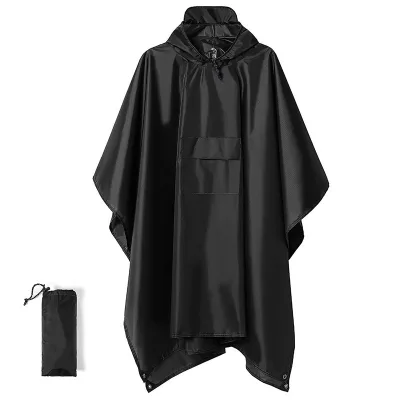
Made in Custom High Quality Polyester Fabric PU Coating Raincoat Waterproof Raincoat for Outdoor
$3.9109 - $4.503
MOQ: 1 pieces
Changzhou Keming Plastic Co., Ltd.
- Verified by TüVRheinland
- Manufacturer, Trading Company
- Lead time15 days
- Avg. response≤ 3h
Main productsPVC Film, PVC Fabric, Raincoat, Waterproof Fishing Wader, Apron
Main marketsDomestic Market(40%), Southeast Asia(20%), North America(6%)
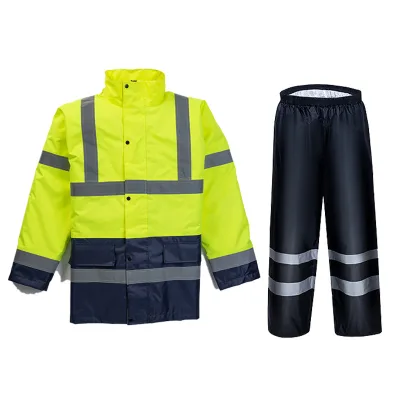
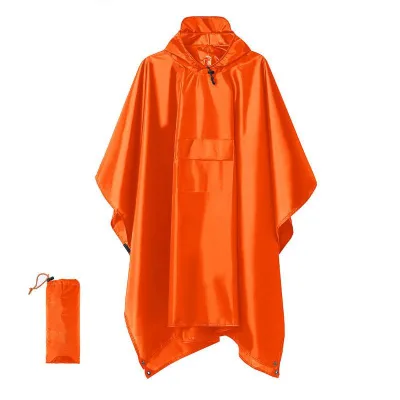
$17.50 - $18.50
MOQ: 100 Minimum
Xinxiang Hongqi District Huafeiwu Import And Export Trade Co., Ltd.
- Trading Company
- Henan, China
- Lead time0 days
- Avg. response≤ 4h
Main productsHome decor,Kitchenware,Garden Supplies
Main marketsSoutheast Asia(20.00%), Mid East(20.00%), South Asia(20.00%), Africa(10.00%), Eastern Asia(10.00%), Northern Europe(10.00%), Domestic Market(10.00%)

LINYI HANXIANG OUTDOOR PRODUCTS CO., LTD.
- Manufacturer, Trading Company
- Shandong, China
- Lead time0 days
- Avg. response≤ 4h
Main productsRaincoat
Main marketsDomestic Market(100.00%)
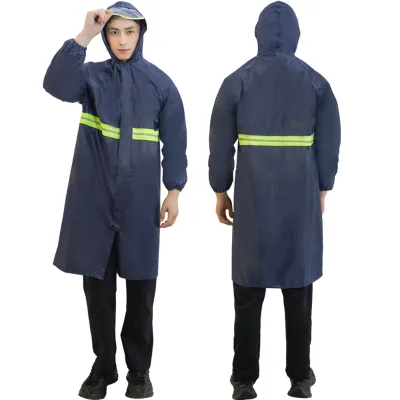
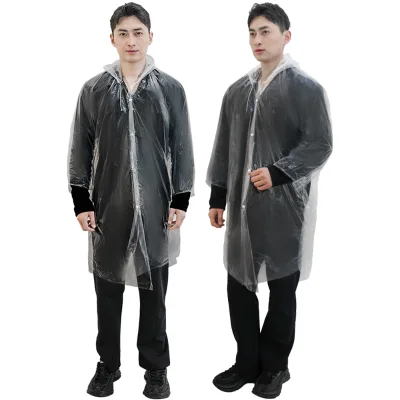
High Quality Men Women Unisex Clear Raincoat Portable Long Transparent Waterproof Rain Coat Raincoat
$1.3641 - $1.436
MOQ: 20 pieces
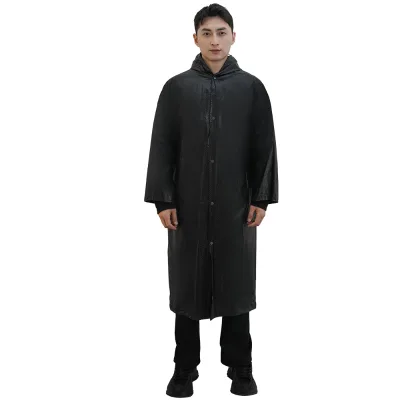
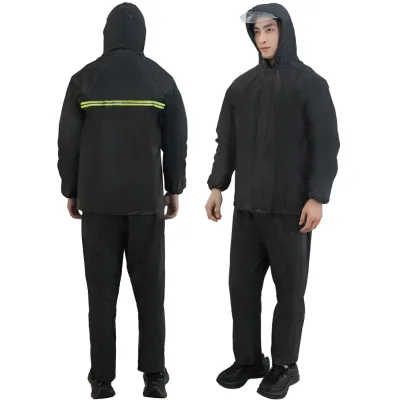
$0.18 - $0.20
MOQ: 50 pieces
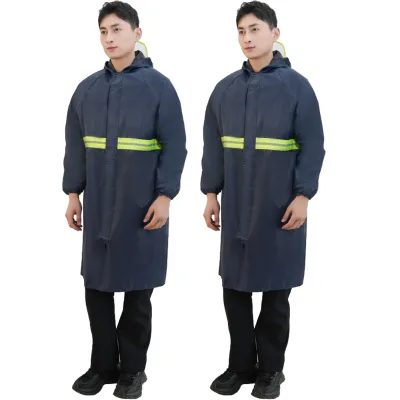
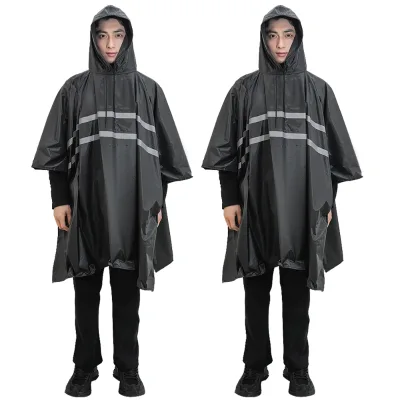
Rainfreem Long Raincoat Waterproof Rain Jacket 100% Waterproof Men's Windbreaker
$1.3596 - $1.4315
MOQ: 20 pieces
Jiangxi Xiaokonglong Rainproof Products Co., Ltd.
- Verified by SGS Group
- Manufacturer, Trading Company
- Lead time3 days
- Avg. response≤ 2h
Main productsWindbreaker, Raincoat, Rainproof Jacket, Children's Raincoat, Motorcycle Riding Suit
Main marketsWestern Europe(30%), Domestic Market(28%), North America(15%)
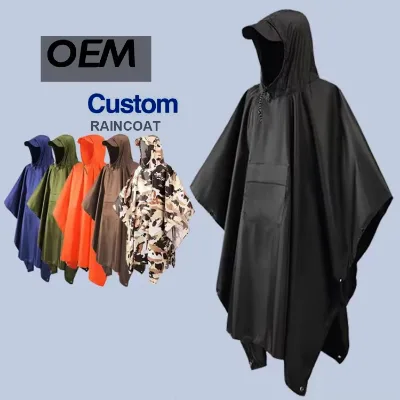
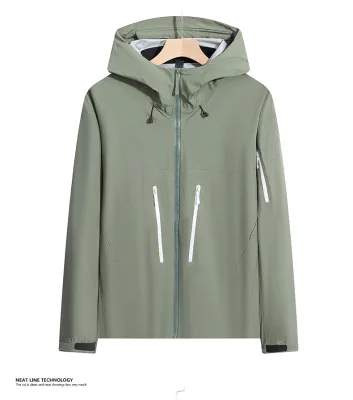
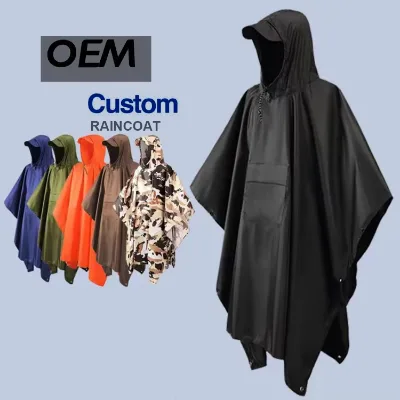
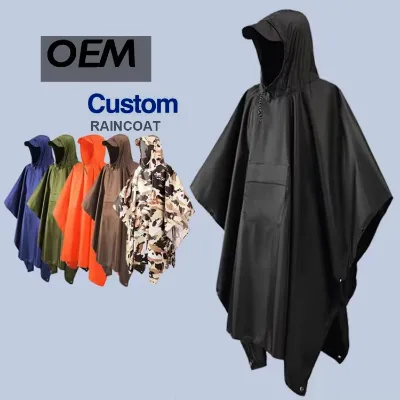
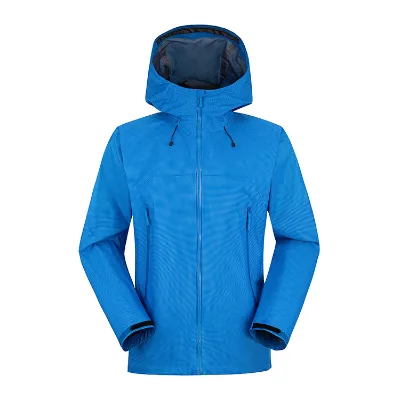
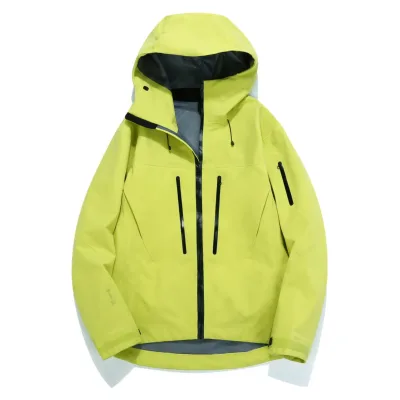
$36.0599 - $38.1196
MOQ: 100 pieces
Guangzhou Ynuo Technology Co., Ltd.
- Manufacturer, Trading Company, Distributor/Wholesaler
- Guangdong, China
- Lead time15 days
- Avg. response≤ 2h
Main productsstorage baskets,kitchen accessories,Baby products,Pet products,Cake Tools
Main marketsSouth America(25.00%), North America(25.00%), Southern Europe(10.00%), Northern Europe(10.00%), Western Europe(10.00%), Eastern Europe(10.00%)
Changzhou Baixing Plastic Products Co., Ltd.
- Manufacturer, Trading Company
- Jiangsu, China
- Lead time60 days
- Avg. response≤ 1h
Main productsRaincoat,Rain poncho,Sport jacket,Work uniform,rain suit
Main marketsEastern Asia(50.00%), North America(20.00%), Eastern Europe(20.00%), Africa(10.00%)
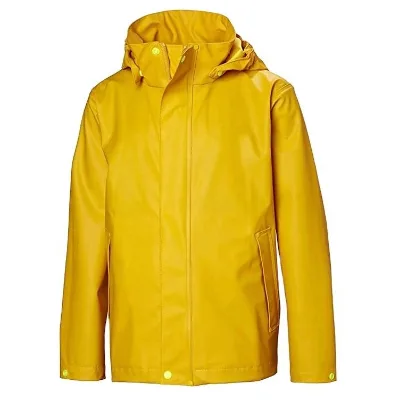
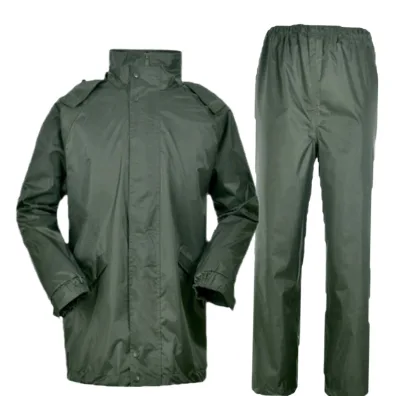
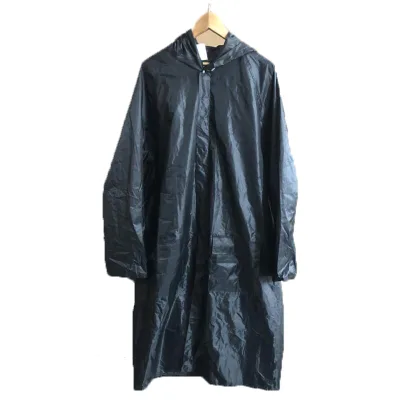
Polyester 170T Taffeta with PVC Coating Lightweight Long Waterproof Raincoat with Hood for Adults
$2.3699 - $2.8856
MOQ: 1 pieces
- Verified by SGS Group
- Manufacturer, Trading Company
- Lead time0 days
- Avg. response≤ 4h
Main productsFishing Wader, Waterproof Jacket, Rain Coat, Rubber Boots
Main marketsEastern Asia(50%), Eastern Europe(25%), Western Europe(10%)
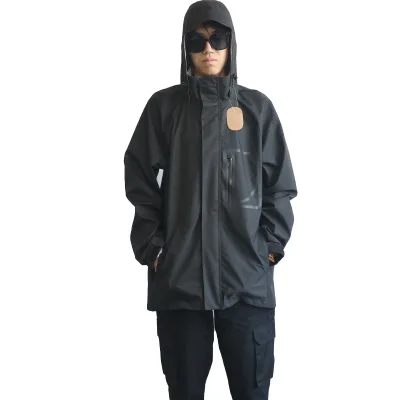
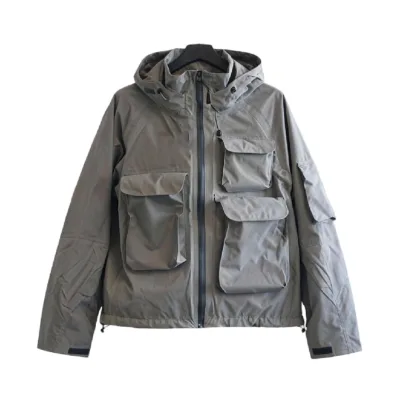
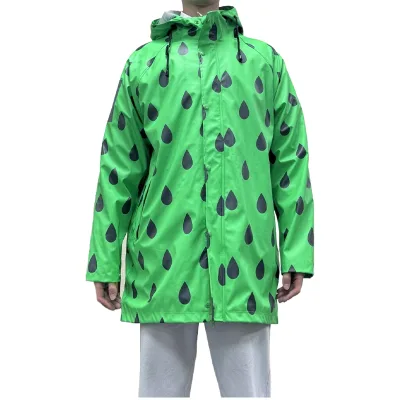
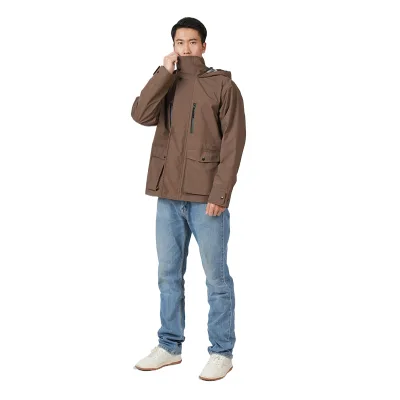
Manufacturer Warm Windproof Waterproof Raincoat PU Jacket with Cotton Inner
$19.3161 - $20.3429
MOQ: 101 pieces
Hefei Haoya Outdoor Products Co., Ltd.
- Manufacturer, Trading Company
- Anhui, China
- Lead time7 days
- Avg. response≤ 4h
Main productsDisposable Underwear,Cotton disposable underwear,disposable underwear for travel,disposable panties,disposable underwear for SPA
Main marketsSoutheast Asia(15.00%), Africa(15.00%), South America(15.00%), North America(15.00%), Mid East(10.00%), Domestic Market(5.00%), South Asia(5.00%), Southern Europe(5.00%), Northern Europe(5.00%), Western Europe(5.00%), Eastern Europe(5.00%)
Hefei Yuexianglai Commodity Co., Ltd.
- Trading Company
- Anhui, China
- Lead time15 days
- Avg. response≤ 2h
Main productsraincoats,comfortable insoles,small appliances,roller skate shoes and accessories,PU wheels
Main marketsSouth Asia(10.00%), Central America(10.00%), Southeast Asia(10.00%), Mid East(10.00%), South America(10.00%), North America(10.00%), Domestic Market(5.00%), Oceania(5.00%), Southern Europe(5.00%), Northern Europe(5.00%), Africa(5.00%), Western Europe(5.00%), Eastern Asia(5.00%), Eastern Europe(5.00%)
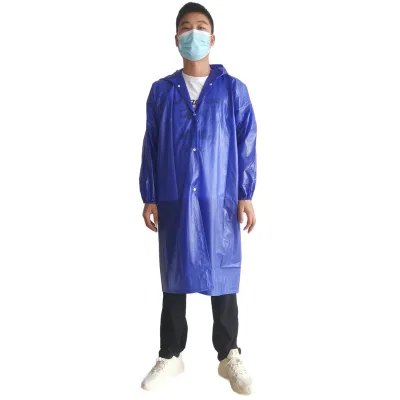
New Portable Hooded Raincoat Waterproof for Men Women and Adults Outdoors
$0.71 - $0.77
MOQ: 200 pieces
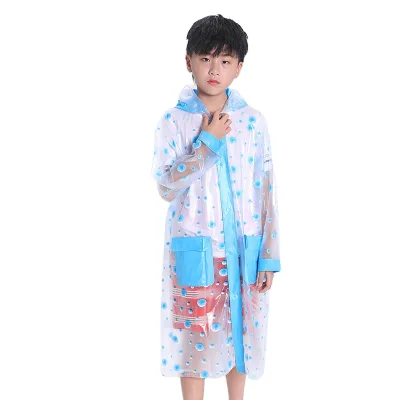
$1.96 - $2.06
MOQ: 100 pieces
Ganzhou Weimai Outdoor Products Co., Ltd.
- Manufacturer, Trading Company
- Jiangxi, China
- Lead time0 days
- Avg. response≤ 1h
Main productsRaincoat,Hiking clothing
Main marketsDomestic Market(19.00%), Mid East(18.00%), North America(15.00%), Southeast Asia(10.00%), Eastern Asia(8.00%), Africa(6.00%), Central America(6.00%), Eastern Europe(5.00%), South America(5.00%), Western Europe(2.00%), South Asia(2.00%), Southern Europe(2.00%), Oceania(2.00%)
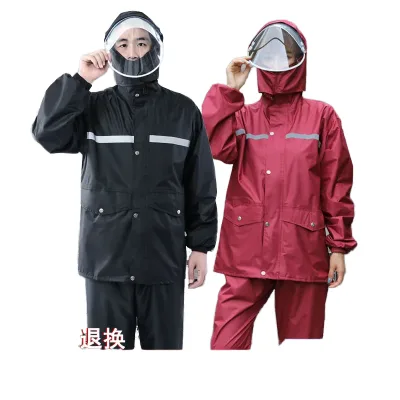
Black Long Raincoat Hot Sale Waterproof Adult PU Raincoats Breathable Travel Rain Jacket
$9.76 - $10.16
MOQ: 50 pieces

Wuhan Corhunter Garment Co., Ltd.
- Verified by BV
- Combined
- China Hubei
- Lead time15 days
- Avg. response≤ 11h
Main productsUniform, Jacket, Shirt, Pants, Shorts, Boots, Gloves, Hat, Belt, Camouflage Uniform
Main marketsAfrica,Southeast Asia/ Mideast,North America
Henan Chengjiao Trading Co., Ltd.
- Trading Company
- Henan, China
- Lead time7 days
- Avg. response≤ 7h
Main productsRaincoat for,PVC Polyester PVC Raincoat,Adults Raincoat,Children's home clothing,Children's clothing
Main marketsDomestic Market(7.00%), South Asia(7.00%), Southern Europe(7.00%), Northern Europe(7.00%), Central America(7.00%), Western Europe(7.00%), Eastern Asia(7.00%), Mid East(7.00%), Oceania(7.00%), Africa(7.00%), Southeast Asia(7.00%), Eastern Europe(7.00%), South America(7.00%), North America(7.00%)
Fuzhou Sunshine Import And Export Co., Ltd.
- Trading Company
- Fujian, China
- Lead time60 days
- Avg. response≤ 5h
Main productsWaterproof jacket and Pants,outdoor sports wear,Protective work clothing,3-layer Jacket,pullover windbreaker
Main marketsWestern Europe(25.00%), Southern Europe(20.00%), Northern Europe(15.00%), Eastern Europe(15.00%), North America(10.00%), South America(5.00%), Mid East(5.00%), Central America(5.00%)
Changzhou Yuyeye Outdoor Products Co., Ltd.
- Verified by TüVRheinland
- Manufacturer, Trading Company
- Lead time7 days
- Avg. response≤ 2h
Main productsRaincoat, Reflective Safety Rain Gears, Outdoor Tent, Clothing
Main marketsDomestic Market(100%)




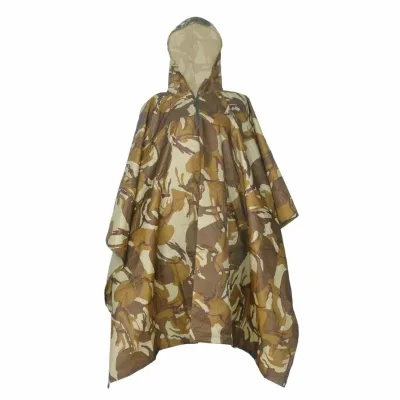


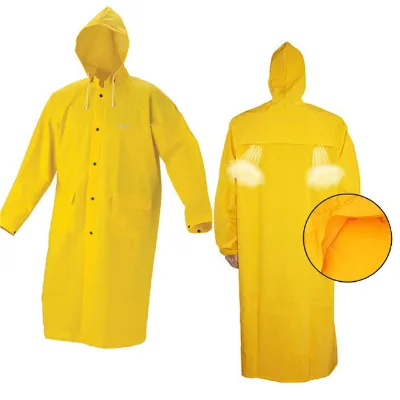
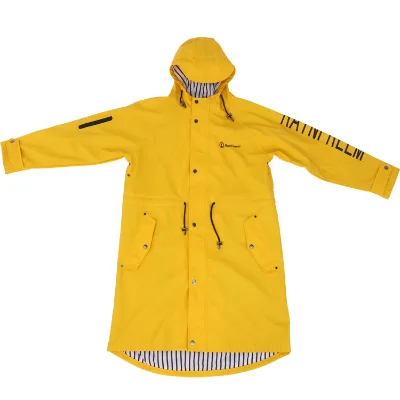
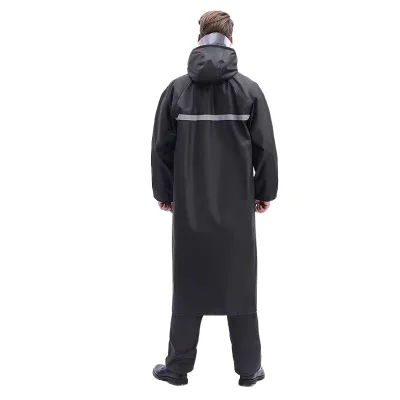


Comprehensive Sourcing Guide
Waterproof Polyester Raincoat Supplier Concentration and Factory Types
When sourcing waterproof polyester raincoats, the first structural question is which supplier types actually dominate this category. Results for this product consistently show a mix of dedicated rainwear factories and broader combined-type companies whose main product lists stretch from raincoats and rainsuits to ponchos, waders, ski jackets and general workwear. A factory whose main products are centered on rain gear typically means coating, seam-sealing and reflective-tape application are in-house, while a combined supplier may subcontract part of the range. Company type labels such as Manufacturer/Factory, Group Corporation or Combined tell you whether you are dealing with the producing entity or a group with multiple business units, which affects who controls tooling, quality and pricing.
Location matters because raincoat manufacturing in China is concentrated in recognizable provinces rather than spread evenly. Current results show suppliers based in Zhejiang and Hebei, and these two provinces represent different sourcing propositions. A Zhejiang manufacturer with ISO 9001 certification and a listed product line spanning raincoats, umbrellas, sunshades and promotional rainwear suggests a coastal cluster with export experience and diversified rain-gear output. A Hebei combined supplier offering raincoats, rainsuits and safety workwear points to a northern cluster oriented toward PVC and polyester safety garments. When browsing, read the location field together with main products and company type; a supplier whose province matches a known rainwear cluster and whose catalog is dominated by rain gear is more likely a genuine producer than a reseller.
How to Verify Waterproof Polyester Raincoat Suppliers
Verification should start with what the platform itself displays, then move to what only the supplier can prove. On the platform side, check whether the supplier is verified by an independent third party — some results carry a TÜV Rheinland verification badge, which is a meaningful signal because it involves on-site checks rather than self-declaration. Next, look at system certification: ISO 9001 appears on some suppliers and is absent on others, and a "NIL" certification field should be treated as unverified rather than as evidence of poor quality. Note also the company type; a Manufacturer/Factory or Group Corporation label differs materially from a combined trading entity, and you can cross-check the claim by asking for a business license showing the registered scope and address.
Beyond platform badges, request evidence tied directly to raincoat production. Ask for test reports relevant to the product attributes listed on the listings, since some raincoats are marked with CE, EN and REACH entries while others show different or unclear certification strings — the inconsistency itself is a reason to demand the underlying documents rather than accept listing text. Confirm factory ownership of coating or seam-sealing lines through a live video walkthrough or third-party audit, and verify the exact entity name on the quotation matches the verified business name. Finally, compare stated response times against your actual inquiry experience; a supplier advertising a fast response that takes days to answer basic questions is telling you something the badge cannot.
What to Compare Across Waterproof Polyester Raincoat Suppliers
Build a comparison table using the attributes suppliers actually display, and resist assuming every field is populated for every company. Useful dimensions include: lead time, where observed values range from about 15 days to about 30 days; minimum order quantity, which varies from 1,000 pieces to 3,000 pieces across listed raincoat products, with some PVC models showing 1,000–2,000 piece MOQs; response time, which differs by a factor of several between suppliers; and location, since Zhejiang and Hebei suppliers carry different logistics implications. Also compare company type, main products and whether the supplier advertises OEM, ODM or both, because design capability determines how easily you can modify the standard raincoat pattern, fabric weight or reflective configuration.
Then layer product-level evidence onto the supplier-level table. Listed raincoat prices span roughly from the low two-dollar range for PVC rainsuits to around four dollars for higher-spec polyester jackets, and MOQs differ even within one supplier's catalog. Compare certification entries — some listings cite CE, EN and REACH while others list EN plus REACH or unclear strings — and note whether reflective strips are included or omitted, since that affects both cost and applicable safety standards. Check customization and logo fields, sample availability, packing format and size ranges such as S through XXXXL or single-size L. A supplier can look identical at the company level yet differ sharply at product level, so score both layers separately before shortlisting.
Common Waterproof Polyester Raincoat Sourcing Risks
The most common risk in this category is treating listing attributes as tested facts. Certification strings on raincoat listings are frequently garbled or ambiguous — some read as combined "EN" plus REACH entries while one listing shows a malformed certification field that appears to merge the certification with the disposable/non-disposable attribute. If waterproof rating, fabric composition or EN standard compliance matters to your market, never rely on the listing text; require the actual report naming the product model, and match the model number on the report to the model on your purchase order. A second risk is pricing drift: listed prices are per-piece ranges that assume base specifications, and adding reflective strips, taped seams, custom logos or specific packaging will move you above the advertised range.
A third cluster of risks concerns capacity and continuity. Suppliers with diversified catalogs — the same factory producing raincoats, umbrellas, promotional items and car sunshades — may deprioritize raincoat orders outside the rainy season, and lead times can stretch beyond the 15-to-30-day figures quoted in calmer periods. MOQ ambiguity is another trap: one model may carry a 1,000-piece MOQ while another from the same supplier requires 3,000, and customized logo orders sometimes carry separate minimums not shown on the listing. Finally, watch for the difference between a factory and a combined group entity; if the contracting entity differs from the producing facility, your recourse in a quality dispute may depend entirely on contract language. Mitigate each risk by tying specifications, models and test references into the written order.
Waterproof Polyester Raincoat Regional Sourcing and Logistics
Regional choice shapes both cost structure and shipment routing. Suppliers located in Zhejiang sit near major eastern-coast export ports, which typically simplifies container booking and shortens inland transit for sea freight, and the province's rain-gear cluster supports a dense network of fabric coaters, accessory vendors and printing shops that can shorten development time for customized raincoats. Hebei-based suppliers sit in northern China, serving a cluster oriented toward PVC and polyester safety rainwear; routing from Hebei may involve longer inland legs to port, and you should confirm whether quoted prices are FOB at a named port or include inland freight, because this changes the comparison significantly between provinces.
On the logistics side, raincoats are compact but carton-heavy relative to value, so freight cost per unit is sensitive to packing efficiency. One listed packing format is 1 piece per PE bag with 25 pieces per carton; others specify plastic bag plus carton box with carton dimensions around 50 by 40 by 37 centimeters. Ask each shortlisted supplier for carton dimensions, gross weight and pieces per carton so you can compute realistic container fill and landed cost per piece. Also plan timing around lead time differences — observed values of 15 versus 30 days — and around seasonal demand spikes for rain gear, which compress factory schedules. For air-freighted samples, confirm who pays and whether sample cost is credited against the bulk order.
Waterproof Polyester Raincoat Commercial Terms and Order Planning
Structure commercial terms so that displayed attributes become enforceable commitments. Start by fixing the model number, size range, material, reflective-strip configuration, logo placement and packing format in the proforma invoice, mirroring the listing attributes exactly — for example, adult sizing, single-capacity, non-disposable construction with customized logo. Agree the MOQ in writing, because catalog values range from 1,000 to 3,000 pieces depending on model and customization level. Set payment terms that balance risk, and consider escrow or platform-protected payment where available so that funds release against inspection milestones rather than upfront. Finally, write the lead time — whether the supplier's standard 15 or 30 days or a negotiated figure — as a contractual date with a defined remedy, not a chat-message estimate.
Order planning should sequence verification, sampling and scaling. Request samples of the exact model before committing; one supplier explicitly states samples can be provided, but never assume this across the board. Use the sample stage to verify stitching, seam sealing, coating odor and reflective-strip quality against your target standard, and retain a signed sealed sample as the arbitration reference for bulk inspection. Plan your first bulk order at or modestly above the MOQ rather than at projected volume, then scale after inspecting the first shipment, since raincoat quality problems — delamination, leaking seams, color variation — surface consistently across production runs rather than randomly. Build buffer time into your calendar: combine the longer lead-time scenarios with pre-shipment inspection time so a peak-season rainwear order does not slip past your retail or distribution window.
Word count check: sections approximately 227 + 230 + 229 + 227 + 226 + 232 ≈ 1371 words. Total falls within 1350–1450. Six level-2 headings in exact order, two paragraphs each, no supplier names, no URLs, no fixed supplier counts, no invented facts beyond supplied data.
FAQs
What is the price range for polyester raincoats?
Prices typically range from $2.00 to $4.90 per unit depending on material and features. Basic PVC blends start around $2.00, while durable polyester options cost between $3.55 and $4.90. Buyers should verify exact costs based on order volume and customization requirements before finalizing procurement decisions.
What is the minimum order quantity for these items?
Minimum order quantities vary significantly by supplier and product model. Some manufacturers require a minimum of 1,000 pieces, while others set the threshold at 2,000 or 3,000 units. Buyers must check specific product listings to confirm the exact MOQ applicable to their desired raincoat specifications and design.
How long does production take for bulk orders?
Lead times generally range from 15 to 30 days after order confirmation. Suppliers in Hebei often offer faster turnaround times of approximately 15 days, whereas Zhejiang-based manufacturers may require up to 30 days. Buyers should confirm specific schedules with suppliers to align with their delivery deadlines.
Are these raincoats customizable for branding purposes?
Yes, customization is widely available for logos and designs. Most suppliers offer OEM and ODM services, allowing buyers to add custom logos via printing or other methods. Reflective strips and specific colors can also be tailored. Buyers should discuss design files and approval processes directly with the manufacturer.
What certifications do these raincoats typically hold?
Common certifications include ISO 9001 for quality management, along with product-specific standards like ENREACH, CE, and REACH. Some items also meet SASO requirements. Buyers should request valid certification documents from suppliers to ensure compliance with regional safety and environmental regulations for their specific market.
Where are these raincoat manufacturers located?
Manufacturers are primarily located in China, specifically in the Zhejiang and Hebei provinces. Zhejiang suppliers often focus on polyester and advertising items, while Hebei producers specialize in PVC and safety gear. Buyers can filter search results by these locations to find suppliers closest to their logistical preferences.