Waterproof Portable Monocular Suppliers and Manufacturers
Explore 21 verified suppliers offering Waterproof Portable Monocular devices with varying lead times, response speeds, and certifications. Buyers can compare ISO standards, origin locations, and customization options before requesting quotes for specific models; review the available evidence before requesting comparable quotations from suitable candidates.
Suppliers List

Jiangsu Crown Police Equipment Manufacturing Co., Ltd.
- Verified by SGS
- Combined
- China Jiangsu
- Lead time15 days
- Avg. response≤ 5h
Main productsAnti-Riot Helmet, Anti-Riot Shield, Pepper Spray, Tactical Vest, Helmet, Anti-Riot Suit
Main marketsSouth America,Africa,Southeast Asia/ Mideast,East Asia(Japan/ South Korea),Domestic,Europe,Australia,North America


Handheld Thermal Imaging Monocular Hunting Scope Thermal Imaging Monocular Night Vision
$2450.00 - $3000.00
Moq: 2


- Verified by SGS
- Trading Company
- China Zhejiang
- Lead time15 days
- Avg. response≤ 13h
Main productsTents, BBQ Grill, Folding Table and Chair, Cooler Bag, Outdoor Lamp, Beach Mat, Picnic Blanket, Sleeping Bag, Water Bottle, Hammock
Main marketsEurope,Australia


Binoculars for Adults with Smartphone Telescopes Adapter Compact Waterproof Scope
$9.00 - $10.00
Moq: 100

Shenzhen Detyl Optoelectronics Co., Ltd.
- Verified by BV
- Combined
- China Guangdong
- Lead time15 days
- Avg. response≤ 8h
Main productsNight Vision, Thermal Fusion, Thermal Imaging, Optical Lens
Main marketsSoutheast Asia/ Mideast,Europe,North America

Onick Optics (Wuhan) Co., Ltd.
- Verified by SGS
- Combined
- China Hubei
- Lead time15 days
- Avg. response≤ 7h
Main productsRange Finder, Telescope, Night Vision, Thermal Imager, Trail Cameras, Speedometer, Photovoltaic Energy Storage
Main marketsDomestic
Shenzhen Handiier Technology Co.,Ltd
- Manufacturer, Trading Company
- Guangdong, China
- Lead time10 days
- Avg. response≤ 12h
Main productsshaver,shaving accessories,hair trimmer,Vacuum Cleaner Parts,Air Purifier Parts
Main marketsNorth America(50.0%), Eastern Europe(10.0%), South America(10.0%), Northern Europe(5.0%), Central America(4.0%), Western Europe(3.0%), South Asia(3.0%), Southern Europe(3.0%), Oceania(3.0%), Eastern Asia(2.0%), Mid East(2.0%), Southeast Asia(2.0%), Domestic Market(2.0%), Africa(1.0%)

Chongqing Optec Instrument Co., Ltd.
- Manufacturer
- China Chongqing
- Lead time15 days
- Avg. response≤ 10h
Main productsStereo Microscope, Monocular Microscope, Video Microscope, Digital Microscope, Operating Microscope, Parallel Light Microscope, LED Cold Light Source
Main marketsAfrica,Europe,North America

Ningbo Yaki Optical Instrument Co., Ltd.
- Combined
- China Zhejiang
- Lead time45 days
- Avg. response≤ 5h
Main productsMicroscope, Magnifier, Telescope, Binoculars, Student Microscope, LED Microscope, USB Microscope, Mini Microscope, Microscope Ring Light, Microscope Camera
Main marketsSouth America,Southeast Asia/ Mideast,East Asia(Japan/ South Korea),Europe,Australia,North America
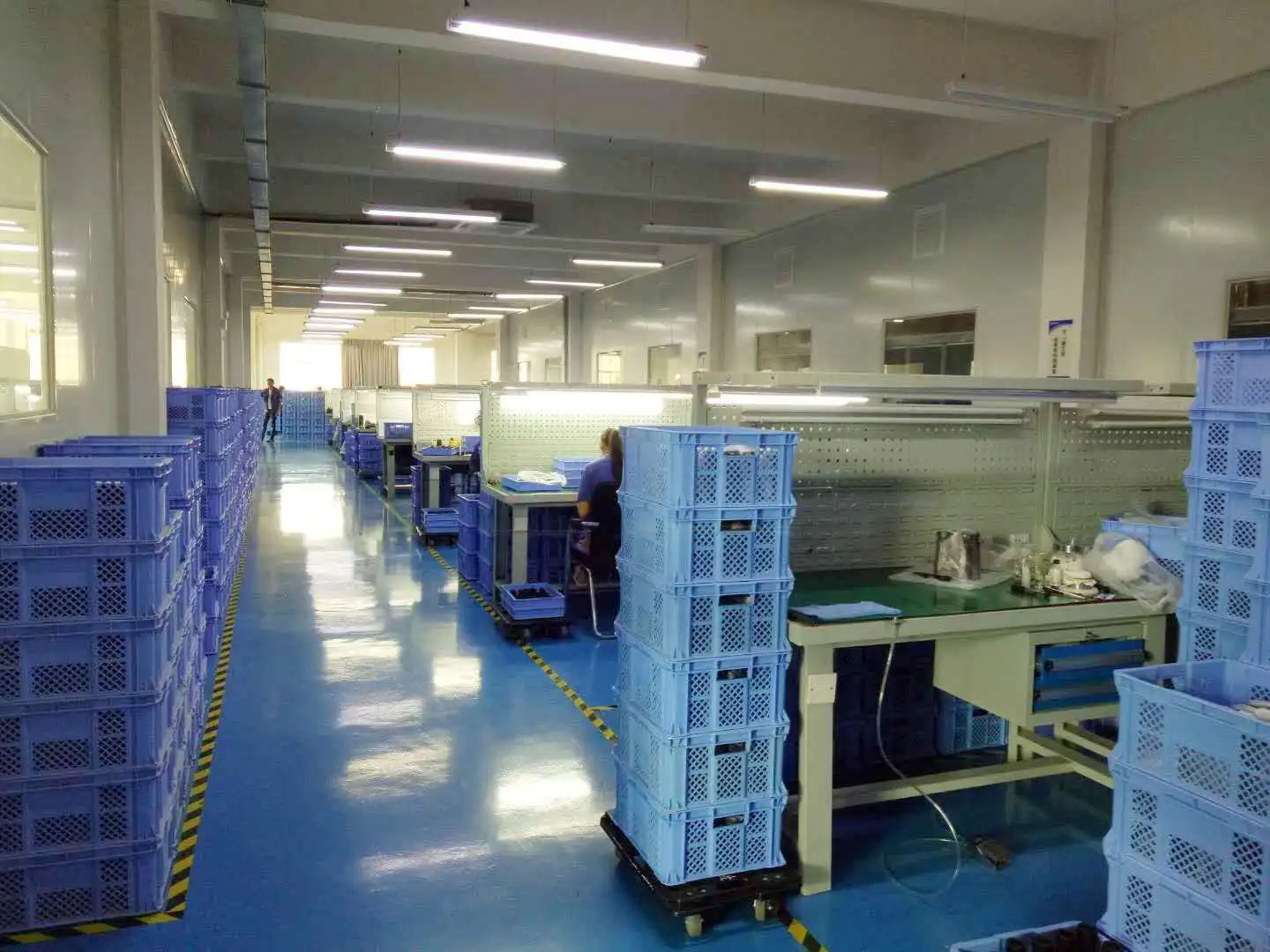
Kunming Kunguang Photoelectric Technology Co., Ltd.
- Manufacturer, Trading Company
- Yunnan, China
- Lead time6 days
- Avg. response≤ 3h
Main productsMilitary telescope,Roof Binoculars,Large magnification telescope,Spotting Scope,Monocular
Main marketsDomestic Market(20.0%), North America(20.0%), Eastern Asia(15.0%), Southeast Asia(12.0%), Western Europe(8.0%), Eastern Europe(5.0%), South America(5.0%), Southern Europe(5.0%), South Asia(3.0%), Africa(3.0%), Mid East(2.0%), Oceania(2.0%)

YINGTAN CITY AOXIANG OPTICS CO., LTD.
- Verified by SGS
- Combined
- China Jiangxi
- Lead time15 days
- Avg. response≤ 2h
Main productsRiflescope, Binoculars, Astronomical Telescope, Range Finder, Magnifier, Compass, Night Vision, Gun Brush, DOT Sight, Spotting Scope
Main marketsSouth America,East Asia(Japan/ South Korea),Domestic,Europe,Australia,North America
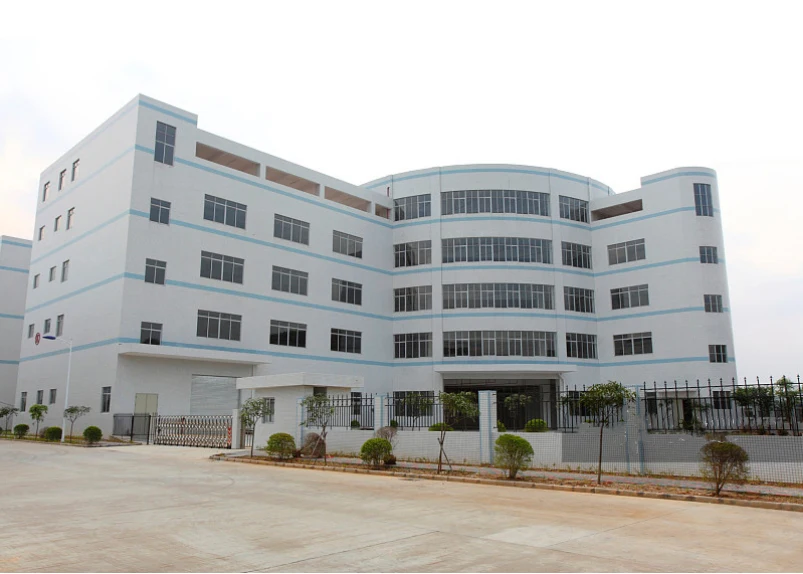
Chongqing Foreseen Optics Instrument Co., Ltd.
- Manufacturer, Trading Company
- Chongqing, China
- Lead time25 days
- Avg. response≤ 10h
Main productsNight Vision,Binoculars,Telescopes,red dot sight,Rifle Scope
Main marketsNorth America(45.0%), Western Europe(13.0%), Eastern Asia(10.0%), Mid East(8.0%), Domestic Market(7.000000000000001%), South America(5.0%), Southeast Asia(3.0%), Eastern Europe(2.0%), Africa(2.0%), Oceania(1.0%), South Asia(1.0%), Southern Europe(1.0%), Northern Europe(1.0%), Central America(1.0%)

Nanyang Huasen Optoelectronics Co., Ltd.
- Manufacturer, Trading Company
- Henan, China
- Lead time20 days
- Avg. response≤ 3h
Main productsBinoculars,Prism,Lens,Telescope,Rangefinder
Main marketsDomestic Market(60.0%), South Asia(40.0%)

- Verified by TUVRHEINLAND
- Trading Company
- China Zhejiang
- Lead time30 days
- Avg. response≤ 11h
Main productsSports and Outdoor
Main marketsSoutheast Asia/ Mideast,Europe

Zhuhai Keliway Intelligent Technology Co., Ltd.
- Trading Company
- China Guangdong
- Lead time0 days
- Avg. response≤ 5h
Main productsNight Vision Device, Night Vision Monocular, Night Vision Binoculars, Drone Pod

Ningbo Barride Optics Co., Ltd.
- Trading Company,Manufacturer/Factory
- China Zhejiang
- Lead time75 days
- Avg. response≤ 3h
Main productsMicroscope, Telescope, Binoculars, Riflescope, Magnifier, Spotting Scope, Range Finer, Astronomical Telescope, Night Vision, Biological Microscope
Main marketsSouth America,Eastern Europe,Mid East,North America,Southeast Asia,Eastern Asia,Oceania,Western Europe,Africa
Nanyang Srate Optical Instrument Co., Ltd.
- Verified by SGS Group
- Manufacturer, Trading Company
- Lead time20 days
- Avg. response≤ 3h
Main productsMagnifying Glass, Microscope, Telescope
Main marketsNorth America(40%), Western Europe(20%), South America(13%)
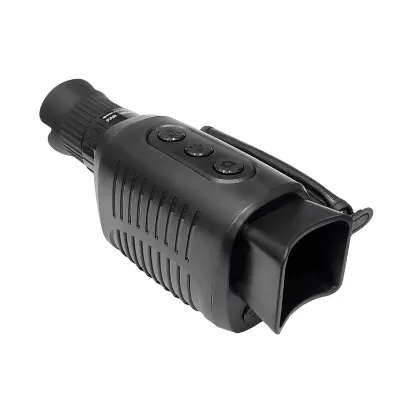
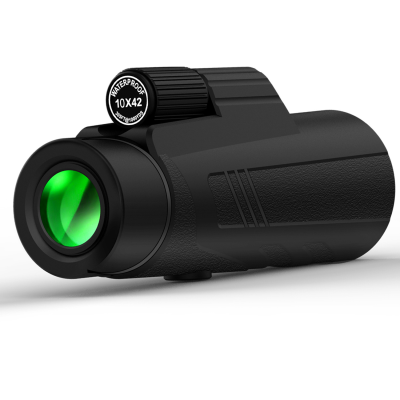
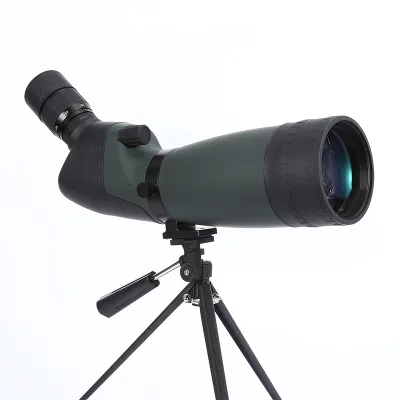
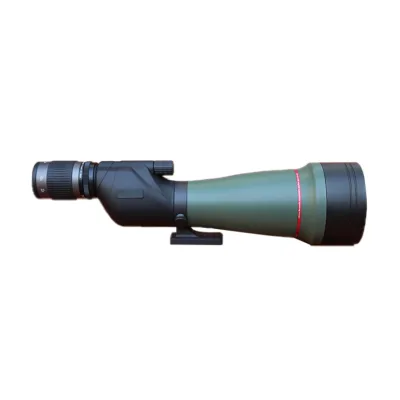
High-quality 20-60x80 High-definition Waterproof Monocular Birdwatching Sight
$100.83 - $121.20
Moq: 5

Beijing Heweiyongtai Sci & Tech Co., Ltd
- Trading Company
- China Beijing
- Lead time23 days
- Avg. response≤ 8h
Main productsSafety Defense, Eod Products, Portable X-ray Screening System, Bomb Disposal Suit, Telescopic Manipulator, Hand-Held Explosive Detector, Fixed Uavjammer, Colow Low Light Night Vision System, Wall-Through Listening System
Main marketsAfrica,Others(foreignTradeCapacity.exportBusinessCapacityMarketOther)

Chongqing Minghao Optical Equipment Co., Ltd.
- Manufacturer, Trading Company
- Chongqing, China
- Lead time30 days
- Avg. response≤ 2h
Main productsMonocular,Binocular,Magnifier,Spotting Scope,Compass
Main marketsDomestic Market(60.0%), North America(30.0%), Northern Europe(10.0%)

Shenzhen Daking Optoelectronics Co., Ltd.
- Verified by SGS
- Combined
- China Guangdong
- Lead time30 days
- Avg. response≤ 12h
Main productsOptoelectronic, Telescope, Night Vision Monocular, Night Vision Goggle/Biocular, Night Vision Binocular, Night Vision Weapon/Military Sight, Night Vision Body/Housing, Night Vision Accessories, Night Vision Riflescope, Eyepiece
Main marketsNorth America

Chongqing Dontop Optics Co., Ltd.
- Trading Company,Manufacturer/Factory
- China Chongqing
- Lead time38 days
- Avg. response≤ 5h
Main productsBinoculars, Rifle Scope, Range Finder, Spotting Scope, Telescope, Lenses, Red DOT, Night Vision, Monoculars, Mount
Main marketsSouth America,Eastern Europe,Mid East,North America,Southeast Asia,Eastern Asia,Oceania,Western Europe,Africa

Jinan Hope Wish Photoelectronic Technology Co., Ltd.
- Verified by BV
- Trading Company,Manufacturer/Factory
- China Shandong
- Lead time30 days
- Avg. response≤ 9h
Main productsThermal Camera, Long Range Night Vision Camera, Laser Camera, IR Camera, Handheld Thermal Camera, Surveillance Camera, Monocular Night Vision Camera, Binocular Night Vision Camera, Visible Light Camera
Main marketsSouth America,Eastern Europe,Mid East,North America,Southeast Asia,Eastern Asia,Oceania,Western Europe,Africa

Wuhan Cono Technology Co., Ltd.
- Verified by SGS
- Trading Company,Manufacturer/Factory
- China Hubei
- Lead time15 days
- Avg. response≤ 13h
Main productsNight Vision Scope, Thermal Imaging Sight, Thermal Handheld Monocular, Thermal Imaging Clip-on, Temperature Detecting System, Thermal Module, Thermal Goggle for Militray
Main marketsSouth America,Eastern Europe,Mid East,North America,Southeast Asia,Eastern Asia,Oceania,Western Europe,Africa


Thermal Handheld Monocular with Photo and Video Recording Real-Time Sharing Through WiFi
Contact supplier
Moq: 1










Comprehensive Sourcing Guide
Waterproof Portable Monocular Supplier Concentration and Factory Types
Current data indicates a concentration of manufacturers and trading entities within China, specifically highlighting Jiangsu and Zhejiang provinces as active sourcing hubs for optical equipment. Suppliers in Jiangsu are observed offering combined company types that manage both production and trading functions, often listing night vision and thermal imaging devices alongside tactical gear. These entities frequently display capabilities for ODM and OEM services, suggesting an integrated manufacturing environment where custom specifications for waterproof monoculars can be developed in-house. The presence of ISO9001:2015 and ISO14001:2015 certifications among these Jiangsu-based suppliers provides a baseline for quality management systems, though buyers must verify if these specific certificates cover the waterproofing processes for their intended monocular models.
In contrast, suppliers located in Zhejiang appear to operate primarily as trading companies, focusing on a broader range of outdoor equipment such as camping gear and telescopes rather than specialized tactical optics. These trading entities often list high minimum order quantities, such as 250 units for portable scopes, which may not align with buyers seeking smaller batches of specialized waterproof monoculars. Guangdong-based suppliers also appear in the results, offering a mix of night vision and thermal fusion products with verified status from third-party agencies like BV. When evaluating factory types, buyers should distinguish between combined entities that control the supply chain and pure trading companies that may source from multiple factories, as this distinction impacts lead times and the ability to customize waterproof ratings for specific monocular applications.
How to Verify Waterproof Portable Monocular Suppliers
Verification of supplier credibility relies heavily on third-party audit reports and specific system certifications rather than general claims. Several suppliers in the current results have been verified by agencies such as SGS and BV, which adds a layer of confidence regarding their business legitimacy and operational stability. Buyers should request the specific audit reports associated with these verification badges to confirm that the scope of the audit includes the manufacturing of optical instruments and waterproofing technologies. Additionally, the presence of ISO9001:2015 and ISO14001:2015 certificates suggests adherence to international quality and environmental standards, but these documents must be cross-referenced with the specific product lines to ensure the waterproof monoculars are covered under the certified production processes.
Beyond external verification, buyers must scrutinize the response times and communication channels provided by potential suppliers to gauge their operational readiness. Data shows response times varying significantly, with some suppliers averaging under five hours while others take over twelve hours to reply. A rapid response time often correlates with a more active sales team and better project management capabilities, which is critical when discussing technical details like IP66 waterproof ratings or custom optical specifications. Buyers should test these communication channels before placing orders, asking specific questions about the waterproofing standards of their monoculars to see if the supplier can provide immediate, detailed technical answers. This interaction serves as a practical test of the supplier's expertise and their ability to support complex sourcing requirements for specialized optical equipment.
What to Compare Across Waterproof Portable Monocular Suppliers
When comparing suppliers, the minimum order quantity (MOQ) and unit pricing are critical financial metrics that vary widely across the market. Some suppliers list MOQs as low as one unit for specific head-mounted night vision devices, while others require bulk purchases of 100 to 250 units for standard portable scopes. Pricing also fluctuates based on the technology level, with thermal imaging monoculars ranging from approximately $820 to $3,000 per unit, whereas standard optical scopes may be priced significantly lower. Buyers must align their budget and volume requirements with these MOQs, as selecting a supplier with a high MOQ could tie up capital unnecessarily if the initial market demand is uncertain.
Lead times and customization capabilities are equally important factors to evaluate when selecting a partner for waterproof monoculars. The observed lead times in the current data suggest a standard production window of around 15 days, but this can vary based on the complexity of the order and the supplier's current capacity. Suppliers offering ODM and OEM services indicate they can accommodate custom designs, such as specific shell materials or custom waterproofing levels, but this often requires additional time and coordination. Buyers should compare the stated lead times against their project deadlines and verify if the supplier can guarantee these timelines during peak seasons. Furthermore, the availability of customization options should be confirmed, as not all suppliers may offer the specific structural or functional modifications required for specialized waterproof monocular applications.
Common Waterproof Portable Monocular Sourcing Risks
One significant risk in sourcing waterproof monoculars is the discrepancy between advertised specifications and actual product performance, particularly regarding waterproof ratings. While some product listings explicitly state an IP66 rating, others may only claim general water resistance without standardized testing data. Buyers must be cautious of suppliers who provide vague descriptions of their waterproofing capabilities without referencing recognized industry standards like IP ratings. It is essential to request detailed test reports or certification documents that validate the specific waterproof claims for the monocular models being considered, as relying on marketing terms alone can lead to product failure in harsh environments.
Another risk involves the reliability of the supply chain and the consistency of product quality across different batches. Suppliers with high response times or those operating as trading companies without direct factory control may face challenges in maintaining consistent quality standards. If a supplier relies on multiple sub-contractors, the risk of receiving units with inconsistent waterproof seals or optical alignment increases. Buyers should prioritize suppliers with verified status and clear evidence of their manufacturing capabilities, such as ODM/OEM capacity and specific product attributes like metal shell materials. Ensuring that the supplier has a robust quality control process in place is vital to mitigate the risk of receiving defective units that do not meet the required waterproof and optical performance standards.
Waterproof Portable Monocular Regional Sourcing and Logistics
Sourcing from specific regions in China, such as Jiangsu and Guangdong, offers distinct logistical advantages and challenges for buyers of waterproof monoculars. Jiangsu-based suppliers often have established infrastructure for exporting high-tech optical instruments, with many products originating directly from this province. This regional concentration can streamline logistics, as suppliers may have experience with the specific packaging and shipping requirements for delicate optical equipment. However, buyers should verify the exact origin of the products, as some listings may indicate a different province of origin, which could affect shipping costs and delivery times depending on the supplier's warehouse locations.
Logistics planning must also account for the varying response times and operational efficiencies of suppliers in different regions. Suppliers in Zhejiang, often trading companies, may have different shipping protocols compared to manufacturers in Guangdong or Jiangsu. The response time data indicates that some suppliers are more responsive than others, which can impact the speed of resolving shipping issues or coordinating custom packaging. Buyers should factor in these response times when planning their order timelines, as delays in communication can lead to delays in shipping arrangements. Additionally, the packaging specifications, such as carton or paper box types, should be confirmed to ensure the monoculars are protected during transit, especially given the sensitive nature of optical lenses and waterproof seals.
Waterproof Portable Monocular Commercial Terms and Order Planning
Commercial terms for waterproof portable monoculars often include specific pricing structures that depend on order volume and customization requirements. The observed price ranges indicate that thermal imaging monoculars command a premium, with costs starting around $820 and reaching up to $3,000, while standard optical scopes are priced much lower. Buyers must carefully review the price ranges provided by each supplier to ensure they align with their budget and to understand the cost implications of ordering higher-specification models. It is also crucial to clarify whether the quoted prices include shipping, taxes, and duties, as these factors can significantly impact the total landed cost of the order.
Order planning should begin with a clear understanding of the minimum order quantities and lead times associated with each supplier. With MOQs ranging from one unit to 250 units, buyers need to strategize their initial orders to balance inventory costs with market demand. Lead times of approximately 15 days are common, but buyers should confirm if this timeline includes the production of custom features or if it applies only to standard stock items. Planning for potential delays is essential, especially when dealing with suppliers who have longer response times or those located in regions with complex logistics. By aligning order quantities and timelines with supplier capabilities, buyers can ensure a smooth procurement process and timely delivery of their waterproof portable monoculars.
FAQs
What is the typical lead time for orders?
The typical lead time for orders is 15 days based on current supplier data. This duration applies to standard production runs for items like thermal imaging monoculars. Buyers should confirm specific timelines with the supplier before placing large orders to ensure delivery schedules are met.
What are the minimum order quantities for products?
Minimum order quantities vary by product, ranging from 1 unit for specific night vision devices to 250 units for general optical scopes. Some thermal imaging monoculars require a minimum of 2 units. Buyers must check the specific product listing to determine the exact MOQ applicable to their purchase.
Which certifications do the suppliers hold?
Suppliers in the results hold ISO9001:2015 and ISO14001:2015 system certifications. These standards indicate adherence to quality and environmental management protocols. Verification services like SGS and BV are also utilized by some suppliers to validate their operational capabilities and product standards.
Where are the manufacturers located?
Manufacturers are located in China, specifically in Jiangsu, Zhejiang, and Guangdong provinces. These regions specialize in producing tactical gear and optical instruments. Buyers can filter results by these locations to find suppliers with specific regional expertise in manufacturing waterproof portable monoculars.
What is the price range for thermal monoculars?
Prices for thermal monoculars range from approximately 820 to 3000 USD depending on the model and specifications. Lower-priced options include basic night vision devices, while high-end thermal imaging units cost more. Buyers should review individual product listings for precise pricing and currency details.
Do suppliers offer customization services?
Yes, suppliers offer customization services including OEM and ODM capabilities for many products. Customization is available for features like shell material and branding. Buyers seeking specific modifications should verify the extent of customization options directly with the supplier to ensure their requirements can be met.
How quickly do suppliers respond to inquiries?
Response times vary among suppliers, with some responding within 4.64 hours and others taking up to 12.54 hours. Faster response times are often associated with combined company types or trading companies. Buyers should expect varying reply speeds and may need to follow up for urgent inquiries.