Waterproof PP Card Binder Suppliers and Manufacturers
Source 18 verified suppliers for Waterproof PP Card Binder products. Compare key dimensions including location in China, ISO9001:2015 and RoHS certifications, lead times of 15-30 days, and pricing from $1.40 to $6.85. Contact suppliers directly to request samples and confirm MOQs.
Updated
Suppliers List

DONGGUAN SENGTOR PLASTICS PRODUCTS CO., LTD
- Combined
- China Guangdong
- Lead time15 days
- Avg. response≤ 2h
Main productsCard Sleeves, Card Box, Card Binder, Inner Pages, Biodegradable Bag, Mask
Main marketsEast Asia(Japan/ South Korea),Europe,North America


Card Binder 9 Pocket Waterproof PU Collection Binder Pockets Trading Card Binde
$5.65 - $6.85
MOQ: 100 pieces


9 Pockets Trading and Sports Card Binder with Zipper Trading Card Binder
$5.65 - $6.85
MOQ: 100 pieces

Standard Size Holder Protector Card Album 18 Pockets with 20 Pages PP Trading Card Binder
$2.20 - $3.00
MOQ: 500 pieces
Dongguan Guangrong Stationery Co., Ltd.
- Verified by Intertek
- Manufacturer, Trading Company
- Lead time30 days
- Avg. response≤ 5h
Main productsCD Storage, Card Album Binder, Folder, Storage Bag, Card Sleeves
Main marketsNorth America(40%), Southeast Asia(25%), Domestic Market(15%)
Dongguan Yapu Stationery Packaging Products Co., Ltd.
- Verified by TüVRheinland
- Manufacturer, Trading Company
- Lead time15 days
- Avg. response≤ 6h
Main productsPP Page, Toploader Binder, Card Binder, PU Album, Page Protector
Main marketsSouth America(30%), North America(20%), Southern Europe(10%)
- Verified by TüVRheinland
- Manufacturer, Trading Company
- Lead time15 days
- Avg. response≤ 3h
Main productsEVA Hard Cases, Soft Bags, Leather Goods, EVA Case
Main marketsDomestic Market(25%), South America(20%), Central America(20%)
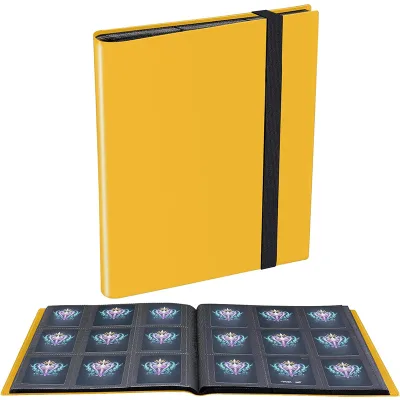
9 Pocket 360 Cards Binder with Thicken PP Material Cover and Elastic Strap
$1.9613 - $2.0645
MOQ: 200 pieces
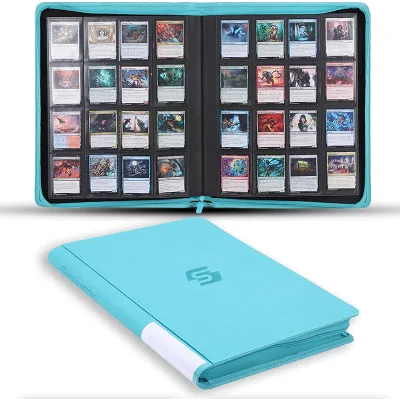
Scratch Proof Heavy Duty 16 Pocket 1024 Cards Binder With Lock Zipper for Sports Cards
$3.0623 - $5.613
MOQ: 500 pieces

Dongguan Hande Plastic Technology Co., Ltd.
- Manufacturer/Factory
- China Guangdong
- Lead time45 days
- Avg. response≤ 7h
Main productsPP Foam File Folders, PP Foam Sheets, PP Foam Clipboard, PP Foam Expanding File, China Marking Crayon Pencil, PP Foam Display Book, PP Foam Lever Arch File, PP Foam Notebook, Stationery Accessories, Stationery Products
Main marketsSouth America,Mid East,North America,Southeast Asia,Eastern Asia,Oceania,Western Europe,Africa

Custom Trading Binders Printed PP Plastic Photo Album Protection 9 Pocket Zip Card Binder
$4.00 - $4.30
MOQ: 100 Pieces


20pages Black 9 Pockets PP Matte Sleeve Game Trading Card Binder, PP Card Album
$2.31 - $3.85
MOQ: 50 Pieces


Durability Waterproof 9 Pockets PU Leather Trading Top Loader Card Binder
$0.03 - $0.05
MOQ: 1500 Pieces

$2.31 - $3.85
MOQ: 50 Pieces
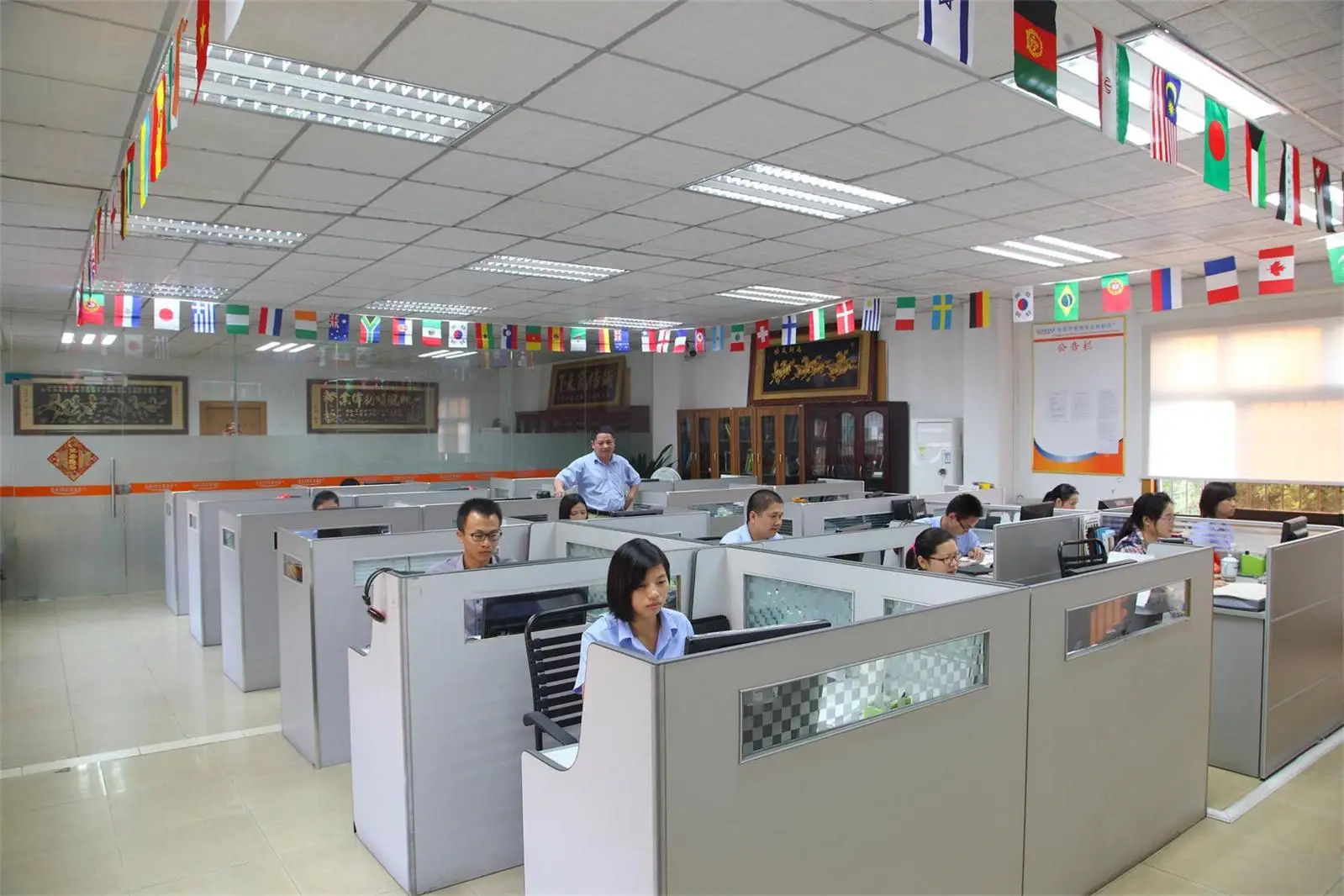
Dongguan Qishi Saidebao Leather Goods Produce Factory
- Manufacturer, Trading Company
- Guangdong, China
- Lead time15 days
- Avg. response≤ 5h
Main productsnotebook,portfolio,passport holder,card holder,certificate holder
Main marketsSouthern Europe(12.00%), Central America(10.00%), North America(10.00%), Western Europe(8.00%), Northern Europe(8.00%), Eastern Europe(7.00%), South Asia(7.00%), South America(7.00%), Mid East(6.00%), Africa(6.00%), Eastern Asia(5.00%), Domestic Market(5.00%), Southeast Asia(5.00%), Oceania(4.00%)
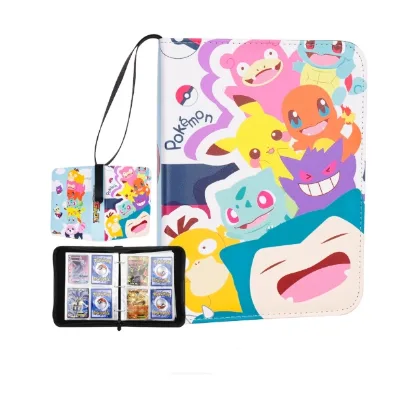
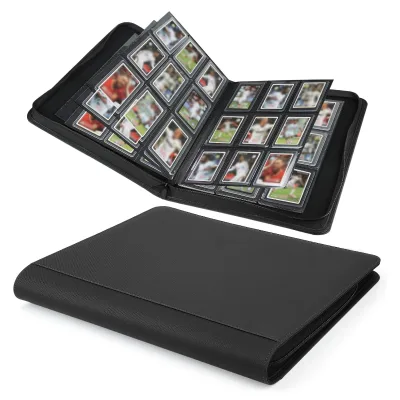
Factory Direct Sale Custom Print Card Album Pu Leather Cute Card Binder for Games
$3.0683 - $3.6846
MOQ: 100 bags
Dongguan BoWen Leather Product Manufacturer Co., Ltd.
- Verified by SGS Group
- Manufacturer, Trading Company
- Lead time1 days
- Avg. response≤ 3h
Main productsPU Page Binders, PU Deck Boxes, PVC Binders, PP Albums
Main marketsNorth America(40%), Western Europe(12%), Southeast Asia(10%)
Shenzhen Junmei Packaging Co., Ltd.
- Verified by Intertek
- Manufacturer, Trading Company
- Lead time15 days
- Avg. response≤ 2h
Main productsCard Sleeves, Card Binder, Deck Box, Top Loader, Packaging Bag
Main marketsNorth America(45%), Western Europe(30%), South America(10%)
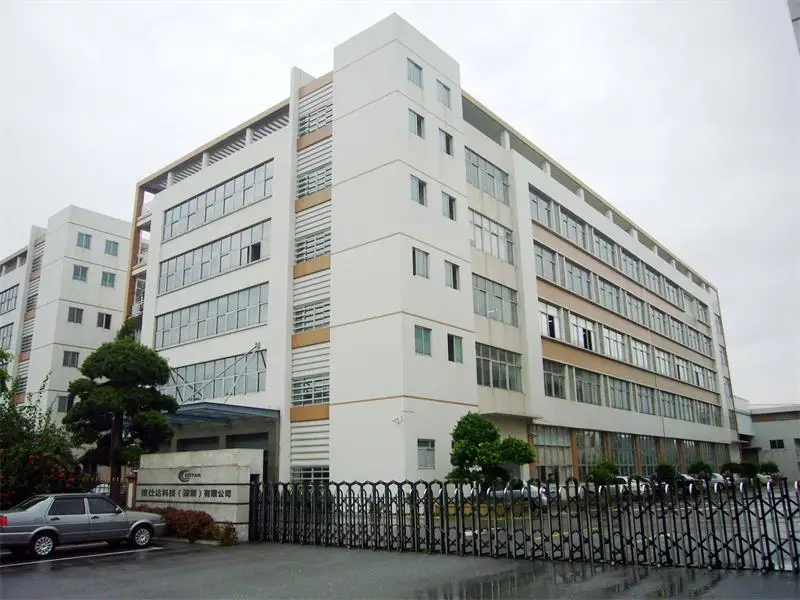
Gstar Technology (Shenzhen) Co., Ltd.
- Manufacturer
- Guangdong, China
- Lead time20 days
- Avg. response≤ 3h
Main productspurse,Card holder,Card holder Card holder,Wallet with metal card holder
Main marketsNorth America(25.00%), Western Europe(16.00%), South America(15.00%), Eastern Europe(10.00%), Southeast Asia(8.50%), Central America(8.00%), Mid East(6.50%), Northern Europe(5.00%), Southern Europe(2.10%), Eastern Asia(1.50%), Africa(1.20%), South Asia(0.70%), Oceania(0.30%), Domestic Market(0.20%)

DG Continent Fame PKG Co., LTD
- Verified by TUVRHEINLAND
- Combined
- China Guangdong
- Lead time15 days
- Avg. response≤ 6h
Main productsCard Sleeves, Magnetic Card Holder, Toploaders, Trading Card Pages, Trading Card Albums, Grading Card Slab, Card Deck Boxes, Vinyl Record Sleeves, Comic Book Bags, Baseball Display Cases
Main marketsNorth America

Card Binder 9 Pockets Trading Card Album Folder, 360 Side Loading Pocket Binder
$2.40 - $3.20
MOQ: 100 Pieces


4 Pocket Strap Card Binder for 160 Sleeves Card Folder Album for Trading Cards Collection
$2.20 - $2.70
MOQ: 100 Pieces

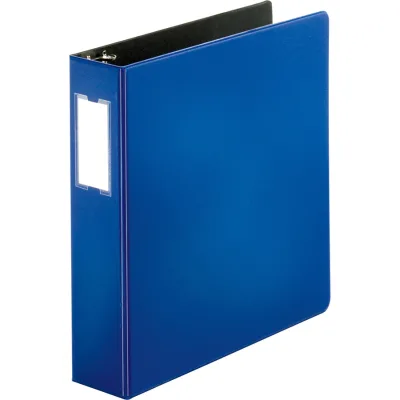
3 Inch Ring Album 3" Heavy-Duty D-Ring Binder for Collectors Storage and Card Protection
$2.70 - $3.40
MOQ: 500 Pieces


Dongguan Baihai Trade Co., Ltd.
- Trading Company
- China Guangdong
- Lead time0 days
- Avg. response≤ 1h


Moisture Proof Lining 4 Pocket Card Binder for Humid Climate Card Storage
$6.00 - $8.80
MOQ: 100 Pieces
Dongguan Huiqi Stationery Co., Ltd.
- Manufacturer, Trading Company
- Guangdong Province, China
- Lead time15 days
- Avg. response≤ 12h
Main productssheet protector,Card sleeve,card album,photo album,folder
Main marketsDomestic Market(7.14%), South Asia(7.14%), Southern Europe(7.14%), Northern Europe(7.14%), Central America(7.14%), Western Europe(7.14%), Eastern Asia(7.14%), Mid East(7.14%), Oceania(7.14%), Africa(7.14%), Southeast Asia(7.14%), Eastern Europe(7.14%), South America(7.14%), North America(7.14%)
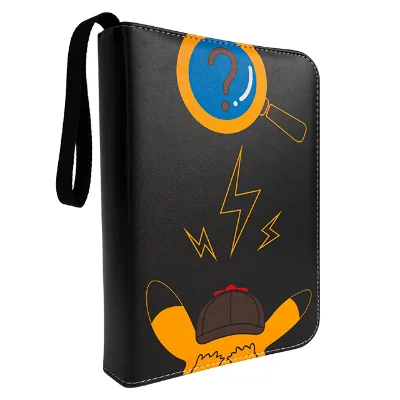
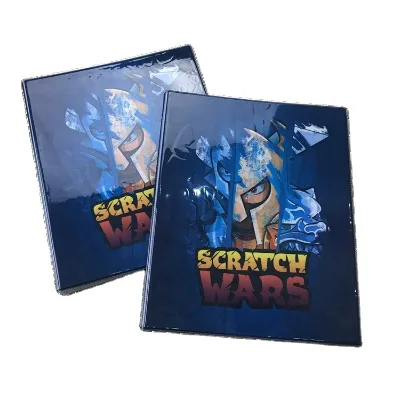
Custom PU 6 Ring Trading Card Binder with Zipper
$1.50 - $2.50
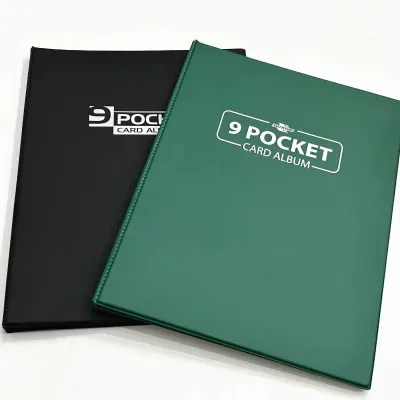
Dongguan HWD Acrylic Co., Ltd.
- Verified by SGS Group
- Manufacturer, Trading Company
- Lead time30 days
- Avg. response≤ 7h
Main productsAcrylic Photo Frame, Acrylic Stationery, Acrylic Display, Acrylic Furniture, Acrylic Storage Box
Main marketsWestern Europe(35%), North America(20%), Oceania(10%)
Dongguan Unus Plastic Technology Co., Ltd.
- Manufacturer, Trading Company
- Guangdong, China
- Lead time50 days
- Avg. response≤ 7h
Main productsPP Stationery, PP Industrial Material, PP Package Material, PP Electronic Material, Functional Polymer PP Material
Main marketsNorth America(55.00%), Domestic Market(14.00%), South America(12.00%), Eastern Asia(8.00%), Eastern Europe(6.00%), Western Europe(5.00%)
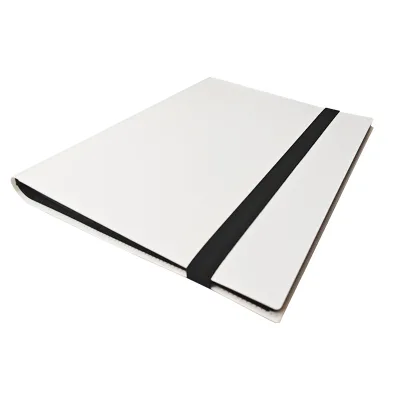
$1.1489 - $1.2536
MOQ: 100 Minimum
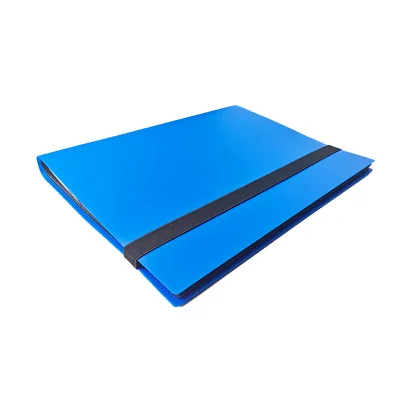
$1.1489 - $1.671
MOQ: 100 Minimum
Dongguan Gianstone Bag Co., Ltd.
- Manufacturer, Trading Company
- Guangdong, China
- Lead time25 days
- Avg. response≤ 2h
Main productsEVA Cases Bags Cases,3C Electronics Cases and Bags,Trading Card Binder,EVA Medical Case,EVA Cosmetic Case and Bags
Main marketsCentral America(25.00%), South America(25.00%), North America(25.00%), Domestic Market(10.00%), Southeast Asia(5.00%), South Asia(5.00%), Southern Europe(5.00%), Northern Europe(5.00%), Eastern Europe(5.00%), Western Europe(5.00%), Eastern Asia(5.00%), Mid East(5.00%), Oceania(5.00%), Africa(5.00%)
Dongguan Dalang Yuansheng Plastic Factory
- Manufacturer, Trading Company
- Guangdong, China
- Lead time15 days
- Avg. response≤ 5h
Main productsSticky Notes,Trading Card Album,Notebook,Filing Products,Fireproof Document Box
Main marketsNorth America(60.00%), Domestic Market(15.00%), Mid East(15.00%), Northern Europe(4.00%), South Asia(1.00%), Southern Europe(1.00%), Western Europe(1.00%), Southeast Asia(1.00%), Eastern Europe(1.00%), Eastern Asia(1.00%)
Shenzhen Fengda Hongding Gift Co., Ltd.
- Verified by TüVRheinland
- Manufacturer, Trading Company
- Lead time32 days
- Avg. response≤ 3h
Main productsBoard Game Bag, Golf Trunk Organizer, Canvas Tool Bag, Barber Bag, Stroller Travel Bag
Main marketsNorth America(50%), Eastern Europe(10%), Western Europe(10%)

Wenzhou Gangtong Stationery & Crafts Co., Ltd.
- Manufacturer, Trading Company
- Zhejiang, China
- Lead time30 days
- Avg. response≤ 6h
Main productsStationery & Office Supplies,Ring Binder,Clipboard Folder,Portfolio,Card Holder
Main marketsSouth Asia(100.00%), Central America(100.00%), North America(52.00%), Western Europe(20.00%), Domestic Market(10.00%), South America(8.00%), Northern Europe(2.00%), Mid East(2.00%), Africa(1.00%), Oceania(1.00%), Eastern Asia(1.00%), Southern Europe(1.00%), Southeast Asia(1.00%), Eastern Europe(1.00%)
$1.5379 - $1.9478
MOQ: 1000 pieces
$0.1646 - $0.3082
MOQ: 1 Minimum
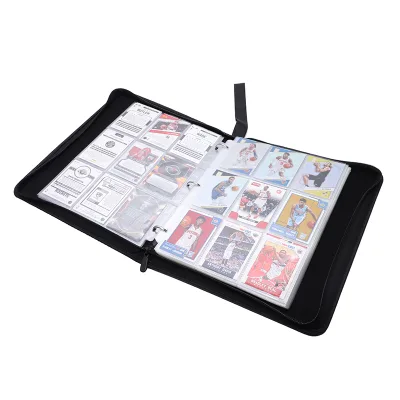
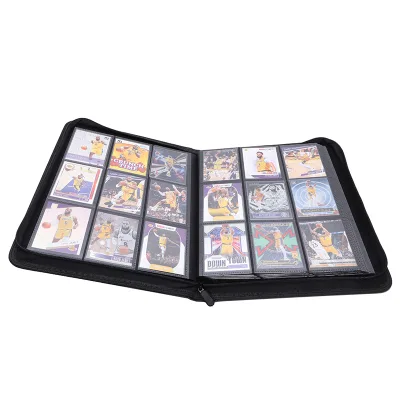
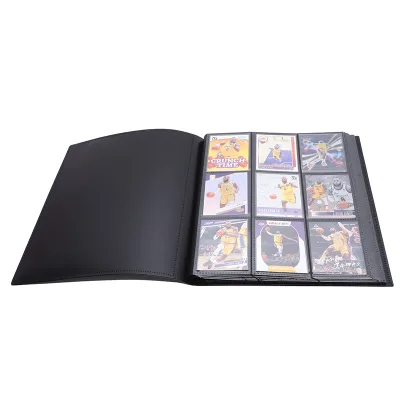
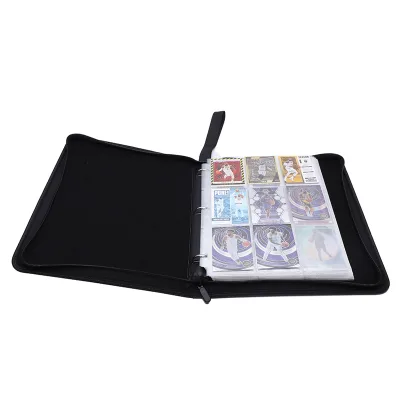
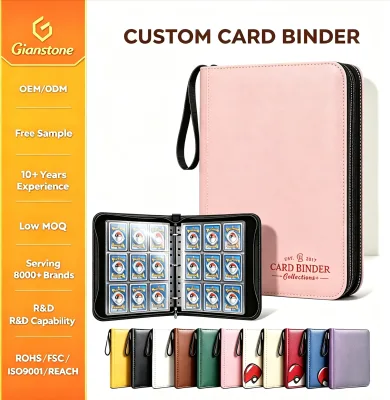
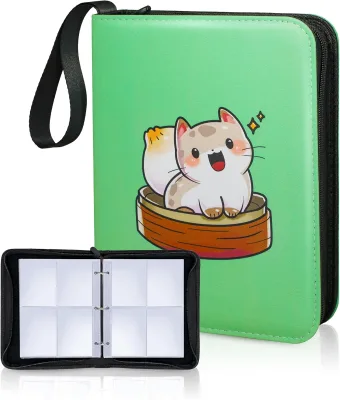
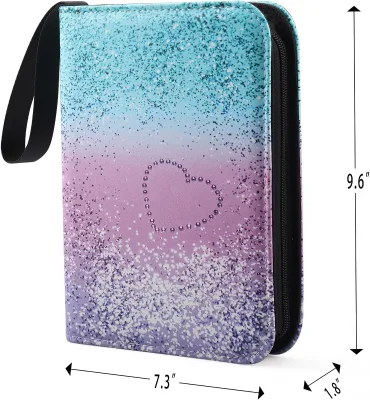
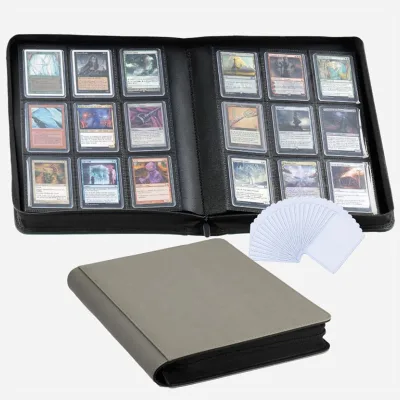
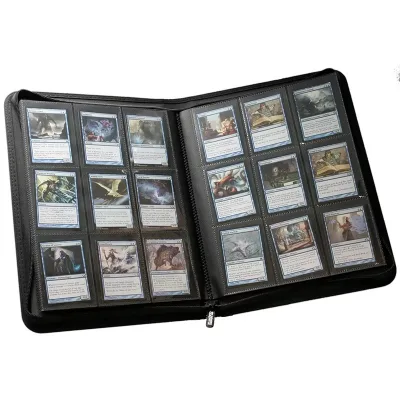
Comprehensive Sourcing Guide
Waterproof PP Card Binder Supplier Concentration and Factory Types
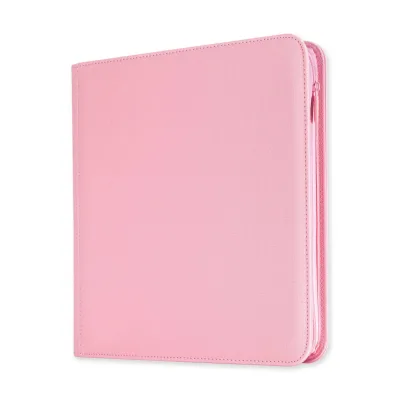
When searching for a Waterproof PP Card Binder, buyers will notice that many listed suppliers locate their operations in Guangdong, China. This province is a documented origin for the card binder products shown in current supplier results, with product attributes explicitly listing "Guangdong, China" as the place of origin. Guangdong hosts a mix of company types relevant to this category: some suppliers are registered as combined companies, while others operate as manufacturer and trading company combinations. A manufacturer-type supplier may control production of binders, sleeves, and inner pages in-house, whereas a trading company may consolidate several nearby workshops. Both structures can deliver consistent product, but they differ in how directly the buyer communicates with the producing floor.
Beyond location and company type, buyers should read the main-product lists to understand specialization. Current results show suppliers whose main products include card sleeves, card boxes, card binders, inner pages, biodegradable bags, and masks, and others focused on CD storage, card album binders, folders, and storage bags. A supplier whose core range is card accessories is more likely to understand 9-pocket layouts, 20-page inner sheet construction, PU covers bonded with PP pages, and the waterproof behavior of polypropylene. To identify clusters on your own when no location is displayed, filter result sets by place-of-origin attributes on product listings, compare provinces across multiple listings from the same supplier, and treat consistent origin labels as stronger evidence than a single self-declared company address.
How to Verify Waterproof PP Card Binder Suppliers
Verification begins with the credentials a supplier platform displays and ends with what you can independently confirm. In current results, one supplier holds an ISO9001:2015 system certification, which relates to quality management processes rather than product safety. Another displays RoHS and CE system certifications, which are more relevant to materials compliance for plastic goods sold into European markets. A third signal is third-party verification: at least one listed supplier has been verified by Intertek. None of these credentials guarantees binder quality by itself, so ask each supplier which certificate covers the exact factory producing the binder, request the certificate number, and check whether the scope statement mentions stationery or plastic products rather than an unrelated business unit.
The second verification step is testing claims against the product attributes in the listing itself. Waterproof performance in this category depends on PP inner page material and, in many listed models, a PU cover; several current listings state "Inner Page Material: PP" and "Cover Material: PU." Confirm with the supplier whether the waterproof claim applies to the pages, the cover, or both, because a PU cover over non-sealed pages can still let moisture reach cards. Ask for a sample, submerge or wet-test one page, and inspect seam welding between pockets. Finally, check how long the supplier has operated, whether customization is listed as available, and whether the response behavior during quoting matches the platform's displayed response-time figures.
What to Compare Across Waterproof PP Card Binder Suppliers
Build a comparison table using the attributes that supplier results actually expose, rather than assuming every supplier displays the same data. Useful dimensions include: lead time, where current results show figures of 15 days for one supplier and 30 days for another; response time, where displayed values range from roughly 1.7 hours to 5 hours; minimum order quantity, where binder listings show MOQs of 100 units on one model and 500 on another; displayed price ranges, which in current listings span from about 2.20–3.00 to 5.65–6.85 per unit depending on model and spec; and location, which for many results is Guangdong. Not every supplier shows every field, so record "not displayed" rather than estimating.
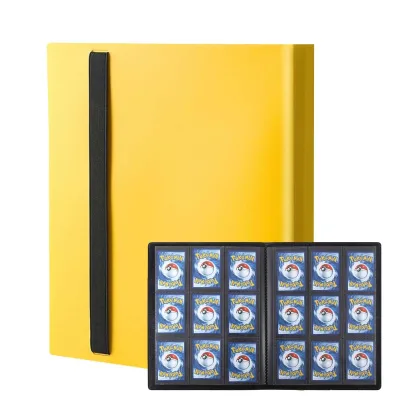
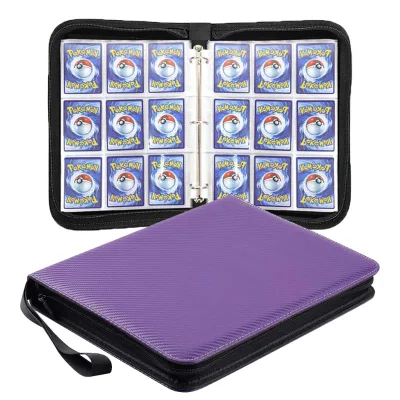
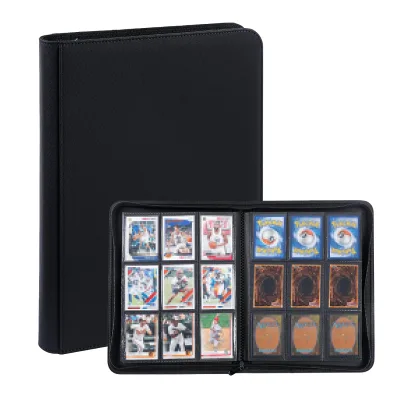
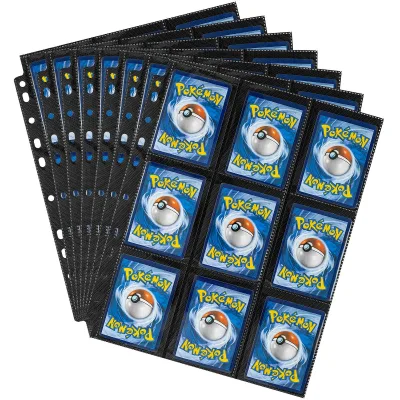
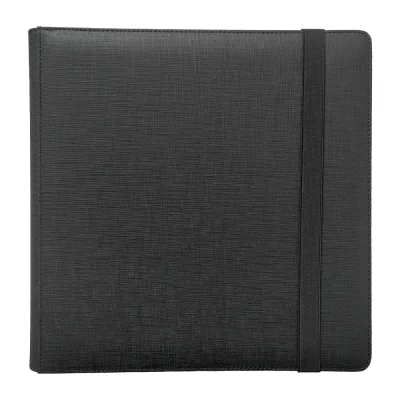
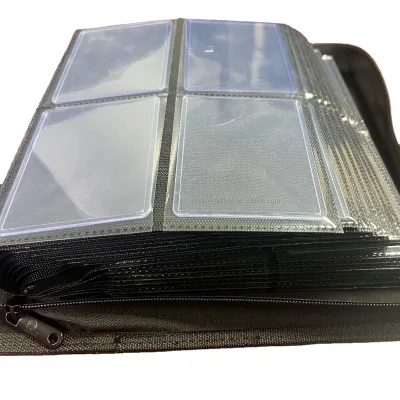
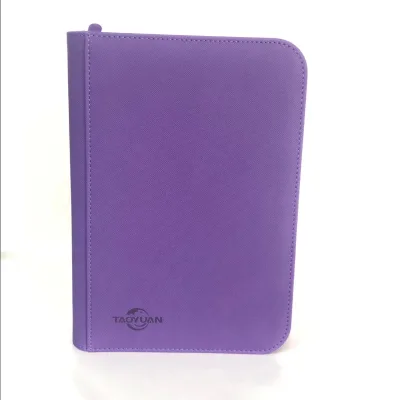
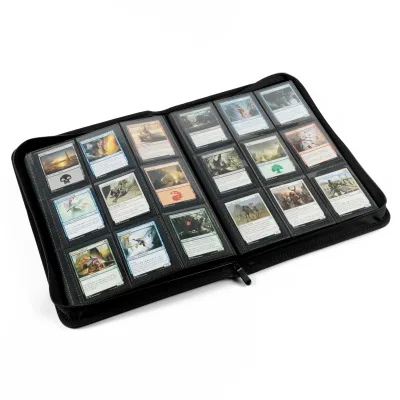
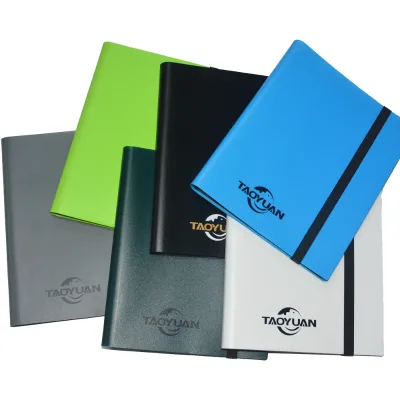
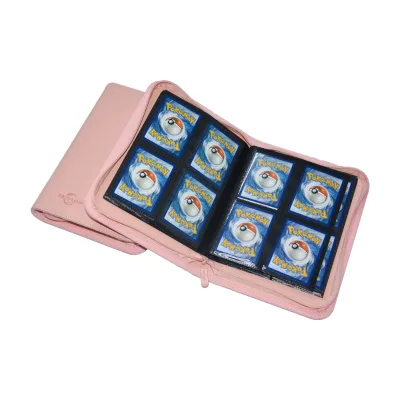
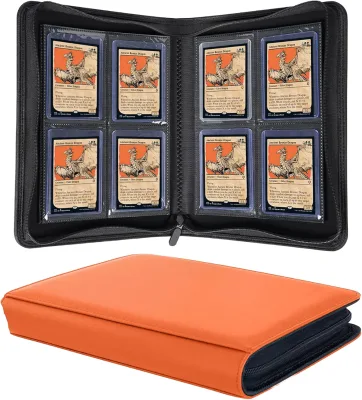
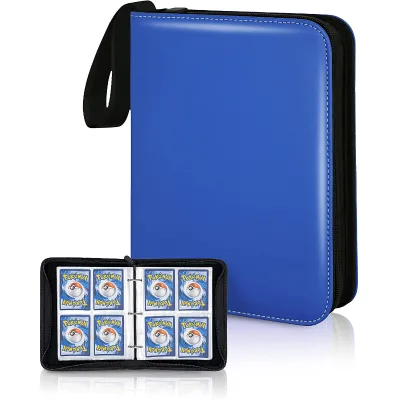
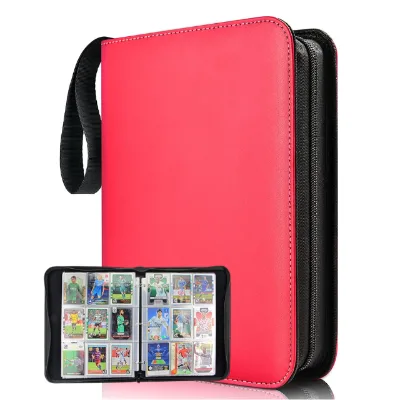
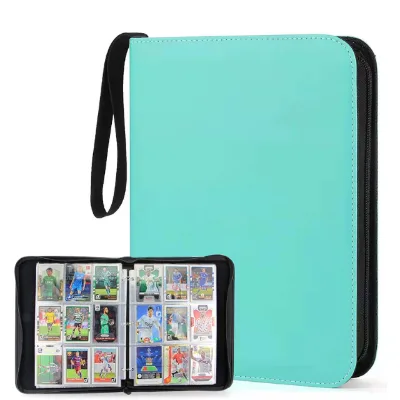
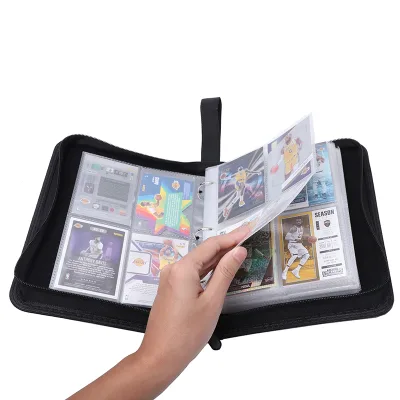
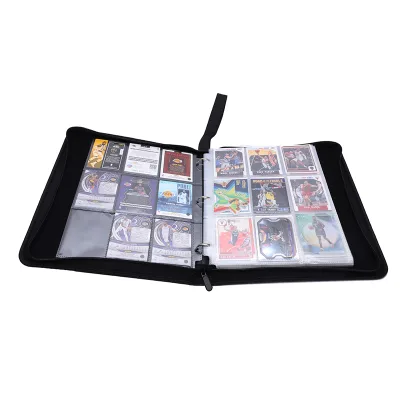
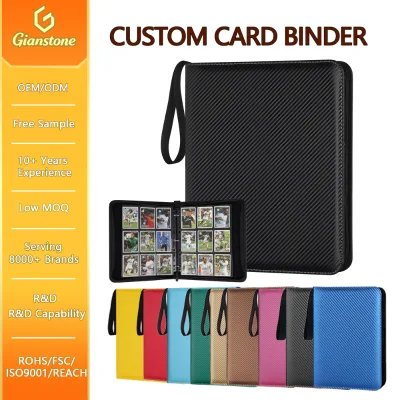
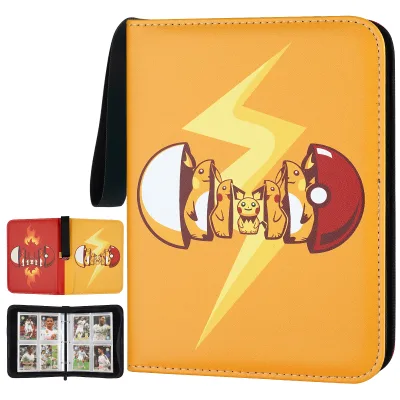
Compare product construction alongside commercial data. Current binder listings vary in pocket count, page count, cover material, and binding method: one model offers 360 pockets across 20 pages, another lists 24 pockets per double-sided page in a ring-binder format, and covers appear in PU, PP, and art paper variants. Note which suppliers list customization as available, since printing method, cover color, and surface finishing options such as matte or gloss varnishing only appear on some listings. Also compare company type—combined, manufacturer plus trading, or trading-only—and main-product breadth, because a supplier whose catalog is centered on card binders and sleeves is more likely to handle reorders, matching inner pages, and accessory items like sleeves and boxes without introducing a second vendor.
Common Waterproof PP Card Binder Sourcing Risks
The most frequent risk in this category is conflating "waterproof" marketing language with verified material performance. Listings may advertise waterproof binders while the actual protection comes only from the PP inner pages or the PU cover, and stitching or welding points can admit water regardless. A second risk is material substitution at production: a quoted sample with genuine PU and PP can be replaced in bulk with thinner or mixed-material stock that looks similar in photos. Because current listings show surface finishing and printing-method options such as matte varnishing, gloss varnishing, and thermal transfer printing, confirm in writing that the approved sample's finish matches the production run specification.
Commercial risks are equally common. Low displayed prices in current results—some models listed from around 2.20 per unit—may be entry specifications with 20 pages, while higher-priced models add zippers, larger pocket counts, or PU covers; quoting against the wrong spec produces misleading comparisons. MOQ differences of 100 versus 500 units change cash exposure significantly for a first order. Lead-time figures of 15 versus 30 days across suppliers mean production timing must be confirmed per order, not assumed from category averages. Finally, customization stated as "available" in a listing does not guarantee that your logo, color, or packaging will be accepted at your target quantity; get written confirmation of the customization scope, any tooling fees, and whether custom orders carry different MOQs or lead times than the catalog item.
Waterproof PP Card Binder Regional Sourcing and Logistics
For this category, the location evidence in current supplier results points to Guangdong, China, as the declared place of origin for multiple binder listings. Buyers should treat this as a starting point for logistics planning: Guangdong offers established export infrastructure for small-to-mid-volume plastic and stationery goods, and suppliers located there commonly ship by express courier for samples, air freight for urgent replenishment, and sea freight for container volumes. Because suppliers may be manufacturers, trading companies, or combined operations, ask each one where production physically occurs, whether it is in the same province as the registered address, and who arranges inland transport to the port, since these details affect both cost and delay risk.
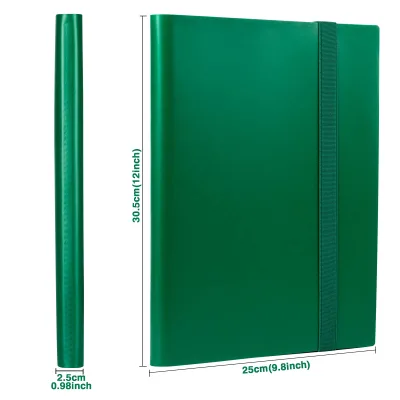
Plan the logistics chain around the product's physical profile. Current listings document single-package dimensions such as 35 x 30 x 0.1 cm and weights around 15 grams per sheet or roughly 0.06 kg gross per unit, meaning binders are lightweight but bulky relative to value—carton cube-out can occur before weight limits are reached. Confirm packing formats, such as the 100-piece opp-bag packing noted in one listing, and whether retail packaging adds volume. Request a pre-shipment inspection if order value justifies it, checking page welding, cover finish, and carton drop performance. When lead times of 15 to 30 days are quoted, ask whether that includes production only or also quality checks and export documentation, and build buffer time before your retail or promotional dates.
Waterproof PP Card Binder Commercial Terms and Order Planning
Structure your first order to reduce risk while gathering comparable data from each supplier. Given the MOQ variation visible in current results—100 units on one binder model and 500 on another—consider ordering the minimum from two suppliers rather than the full volume from one, which lets you compare real production quality against samples. Use displayed price ranges only as directional signals; a listing showing 2.20–3.00 versus another at 5.65–6.85 reflects different specifications such as page count, cover material, or zipper closures, so always request a written quotation against your exact spec: pocket count, 20-page versus other page counts, PU or PP cover, printing method, and finishing.
Negotiate terms that reflect the supplier types you are dealing with. A combined or manufacturer-plus-trading supplier may accept different payment structures than a pure trading company, so ask about deposit percentages, balance timing, and whether any escrow or platform-protected payment option is offered—do not assume one is available simply because the platform supports it. Confirm lead time per order in writing, since displayed figures of 15 and 30 days will not automatically apply to customized orders. Plan reorders around realistic replenishment cycles: request that the approved golden sample be retained, agree on a spec sheet including model numbers such as the Hw-4862 style references seen in listings, and lock material names—PP inner pages, PU cover—so future quotes stay comparable. Finally, sequence customization, sampling, and mass production so that each stage has a written approval before the next begins.
FAQs
What is the price range for waterproof PP card binders?
Waterproof PP card binders typically range from $1.40 to $6.85 per unit depending on customization and material specifications. Basic transparent models start around $1.40, while premium PU-covered options with complex printing can reach $6.85. Prices vary based on order volume and specific feature requirements.
What is the minimum order quantity for these binders?
Minimum order quantities vary by supplier and product type. Some suppliers require a minimum of 100 units for standard models, while others may set the threshold at 500 units for specialized or bulk orders. Buyers should verify the specific MOQ with their chosen supplier before placing an order.
How long does production take for custom orders?
Production lead times generally range from 15 to 30 days depending on the supplier and order complexity. Some manufacturers offer faster turnaround times of 15 days for standard items, while others may require up to 30 days for customized designs or larger volumes. Confirm lead times during negotiation.
Are these binders available with custom branding?
Yes, customization is widely available for waterproof PP card binders. Suppliers offer options for custom logos, colors, and printing methods, including thermal transfer and multi-color printing. Many manufacturers support OEM and ODM services, allowing buyers to tailor the product to their specific brand requirements and design preferences.
What certifications do these suppliers hold?
Suppliers offering waterproof PP card binders often hold ISO9001:2015, RoHS, and CE certifications. These credentials indicate adherence to quality management and environmental standards. Buyers should verify specific certifications with the supplier to ensure compliance with their regional regulatory requirements and quality expectations for the purchased products.
Where are these card binders manufactured?
Most waterproof PP card binders are manufactured in Guangdong, China. This region is a major hub for packaging and stationery production, offering efficient supply chains and competitive pricing. Buyers can expect products to originate from this area, ensuring access to a wide variety of styles and materials.